How Do Commercial Tumble Dryers Handle Different Fabric Types and Loads?
When it comes to commercial laundry operations, a key concern is how to efficiently dry various types of fabrics and handle diverse load sizes. This question is central to understanding the capabilities of industrial tumble dryers and laundry dryer machines. In today’s competitive market, finding a machine that can handle delicate fabrics, heavy-duty loads, and everything in between is crucial for optimizing laundry processes.
Understanding Commercial Tumble Dryers
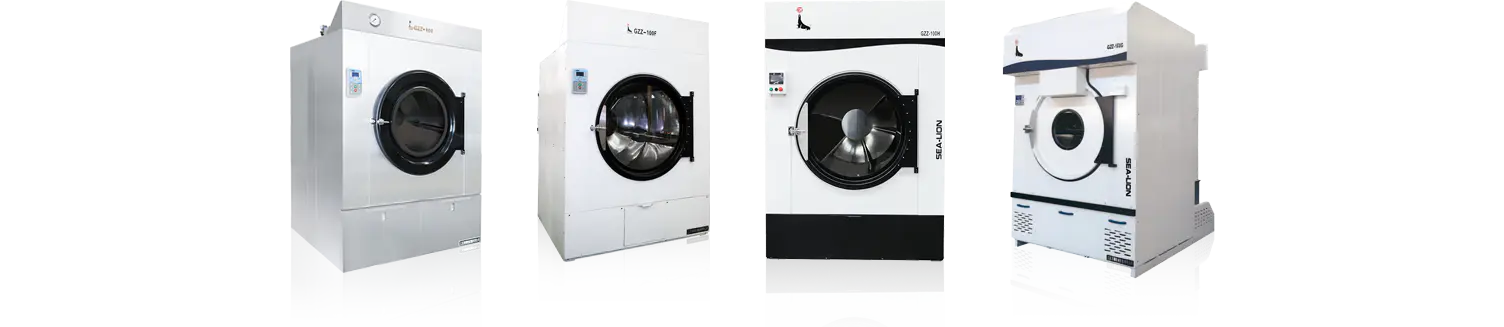
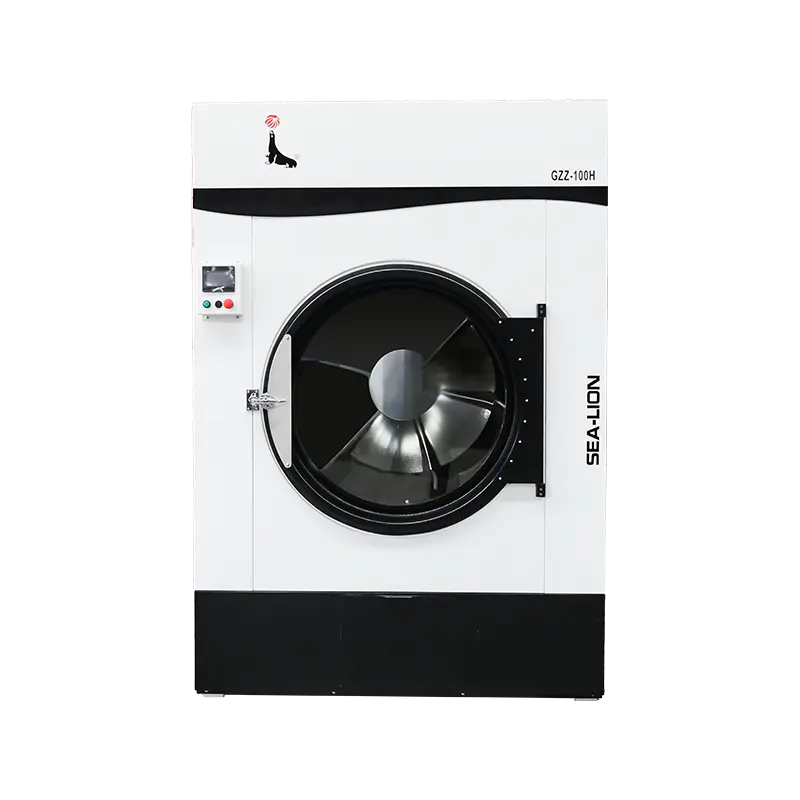
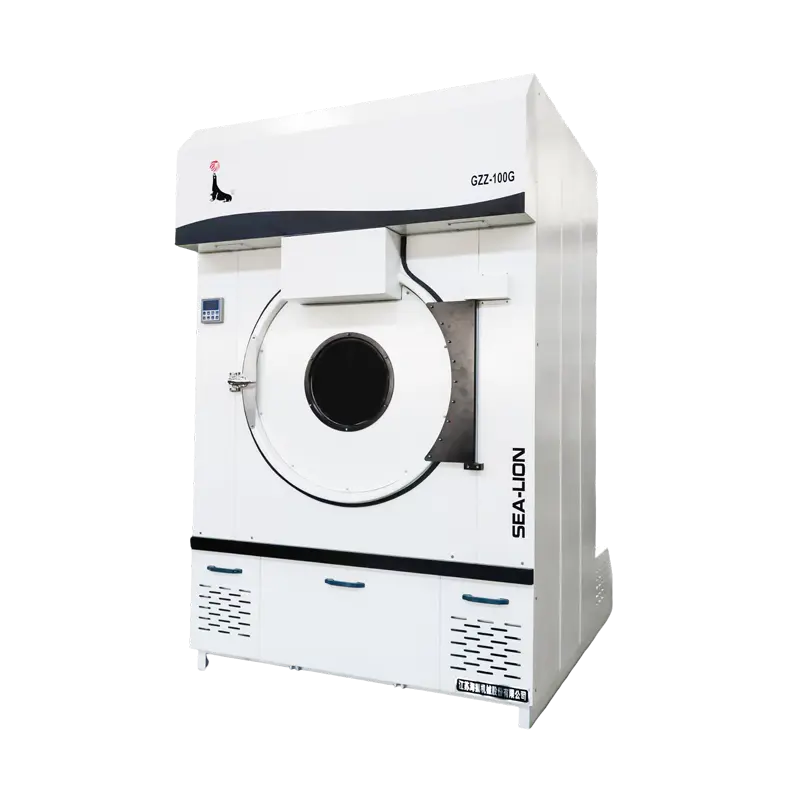
A commercial tumble dryer is specifically designed for industrial laundry environments where high volumes of clothing, linen, and other textiles need to be dried quickly and efficiently. Unlike residential tumble dryers, industrial tumble dryers are built to withstand heavier loads, operate continuously, and cater to a broader variety of fabrics.
The core principle behind these machines lies in their ability to balance temperature, airflow, and time to achieve optimal drying for different fabrics, all while maintaining energy efficiency and minimizing damage to the materials.
Fabric Types and Their Drying Requirements
Different fabric types have unique drying needs due to their varying properties, such as fiber content, moisture absorption, and heat sensitivity. Below is a comparison of the most common fabric types and how they interact with commercial tumble dryers:
| Fabric Type |
Characteristics |
Drying Requirements |
Suggested Dryer Settings |
| Cotton |
Highly absorbent, durable, and breathable. |
Requires high heat for fast drying. |
High temperature, medium to heavy load |
| Wool |
Soft, elastic, but prone to shrinkage and felting. |
Needs gentle drying to avoid damage. |
Low heat, delicate cycle |
| Synthetics |
Quick-drying, less absorbent than natural fibers. |
Can tolerate medium heat without damage. |
Medium heat, low to medium load |
| Delicates (e.g., Silk, Lace) |
Lightweight and fragile. |
Requires careful handling to avoid damage. |
Low heat, gentle cycle |
| Towels |
Thick, highly absorbent fabric. |
High heat to ensure thorough drying. |
High temperature, heavy load |
| Jeans |
Dense and heavy fabric, retains moisture well. |
High heat is often needed for effective drying. |
High temperature, heavy load |
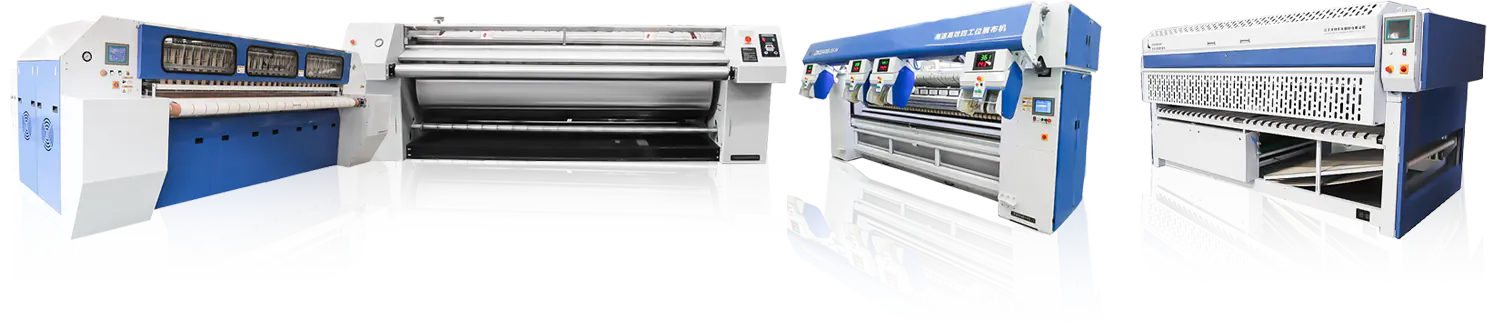
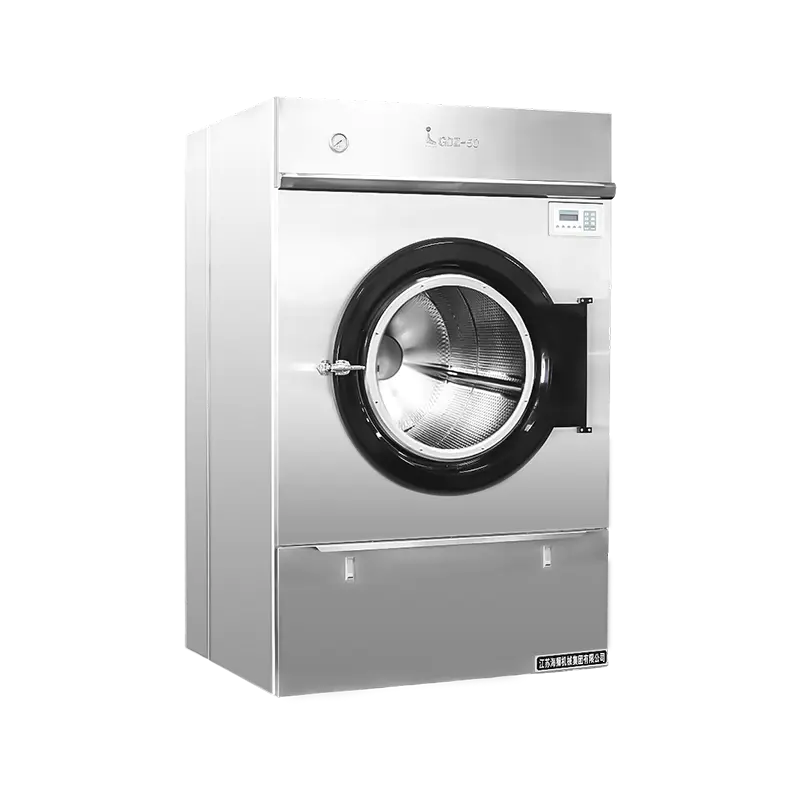
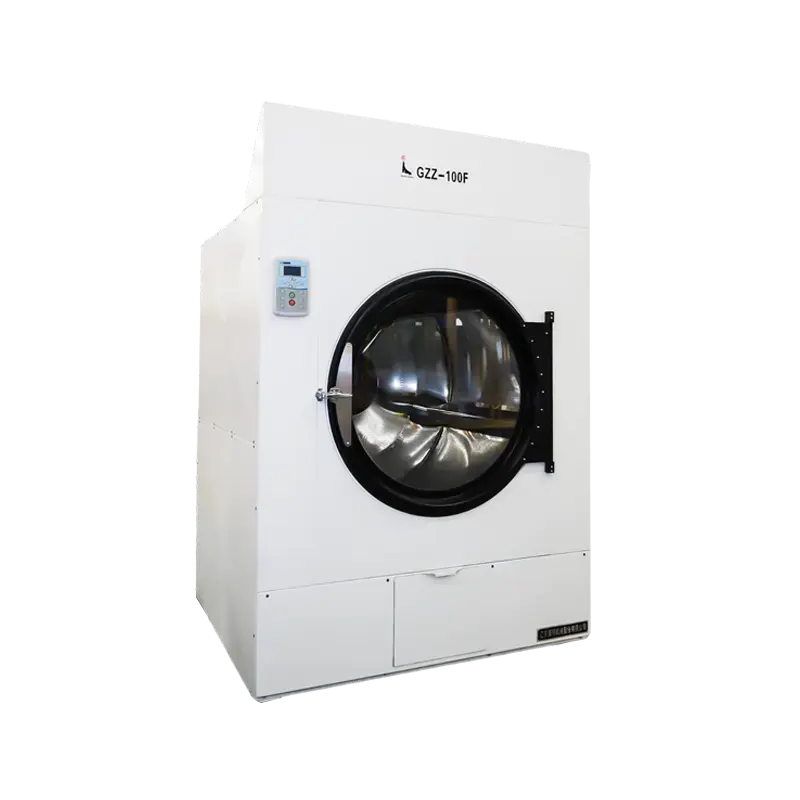
Commercial tumble dryers, such as the industrial clothes dryer models from Jiangsu Sea-lion Machinery Co., Ltd., are equipped with adjustable temperature and cycle settings that cater to each fabric type’s needs. For instance, their laundry dryer machines feature specialized drying modes to ensure woolen garments don’t shrink while ensuring towels and heavy cotton fabrics dry efficiently without damage.
Handling Different Load Sizes
Industrial tumble dryers are designed to handle varying load sizes, from small batches of delicate fabrics to large volumes of linen and towels. Here’s how different load sizes are managed:
Small Loads: These are typically used for delicate fabrics or smaller items like handkerchiefs, undergarments, and lightweight clothing. For these loads, the dryer uses shorter cycles and lower temperatures to avoid fabric damage.
Medium Loads: Ideal for larger batches of clothing or mixed fabric types, including shirts, pants, and blankets. Drying times and temperatures are adjusted to ensure that each item is evenly dried without overexposure to heat.
Heavy Loads: Items such as towels, bed linens, and jackets often require higher heat and longer drying cycles. Heavy-duty industrial tumble dryers are built to handle these loads without overloading the motor or damaging the fabrics.
Sea-lion’s industrial tumble dryer systems feature programmable settings that adjust the drying process based on the weight and fabric composition of the load. This feature ensures that each batch is processed optimally, even when the load size fluctuates.
Technological Features for Efficient Drying
To meet the diverse needs of commercial laundry operations, modern tumble dryers are equipped with several advanced technologies that enhance drying efficiency and preserve fabric integrity:
-
Automatic Moisture Sensing: Many industrial dryers now feature moisture sensors that automatically adjust drying time and temperature based on the moisture content of the load. This minimizes the risk of overdrying and saves energy.
-
Energy-Efficient Heat Exchangers: The equipment manufactured by Jiangsu Sea-lion Machinery Co., Ltd.—including its washers and dryers—is equipped with highly efficient, energy-saving heat exchangers capable of recovering thermal energy, thereby reducing energy consumption while maintaining optimal drying performance.
-
Multiple Drying Cycles: Advanced dryers provide a variety of drying cycles tailored for specific fabric types. For example, heavy-duty cycles for towels and blankets, and more gentle settings for delicates like silk and wool.
-
Vibration Reduction Technology: This feature ensures that dryers operate quietly and smoothly, reducing wear on the machine and improving the overall user experience.
-
Programmable Settings: With customizable settings, laundries can adjust drying times, temperatures, and modes for specific fabric types, ensuring optimal results every time.
Maintenance and Longevity of Commercial Tumble Dryers
Proper maintenance is crucial for ensuring the longevity of industrial clothes dryers. Key maintenance practices include:
-
Regular Cleaning of Filters and Vents: Over time, lint and debris can accumulate in the dryer’s filters and vents, reducing efficiency. Regular cleaning prevents blockages and maintains airflow.
-
Checking for Wear and Tear: The drum and other mechanical parts of the dryer should be regularly checked for signs of wear and tear. Timely replacement of parts helps avoid costly repairs.
-
Professional Servicing: Routine servicing by professionals ensures that all components of the dryer, such as the heat exchanger and sensors, are functioning correctly.
Jiangsu Sea-lion Machinery Co., Ltd. offers comprehensive after-sales services, including maintenance packages and support to ensure their industrial tumble dryers remain in top condition.
FAQ
1. What is the best way to dry delicate fabrics in a commercial tumble dryer?
Delicate fabrics like silk or lace should be dried on a low heat setting or a specific “delicate” cycle to prevent damage. It’s also recommended to use a mesh bag for extra protection.
2. Can commercial tumble dryers be used for heavy-duty fabrics like towels and blankets?
Yes, industrial tumble dryers are specifically designed to handle large and heavy loads like towels and blankets. They use higher heat settings and longer cycles to ensure thorough drying without damaging the fabric.
3. How can I reduce energy consumption while using a commercial tumble dryer?
Choose a machine with energy-efficient features like heat exchangers and moisture sensors. Additionally, ensure that loads are balanced, and avoid overloading the dryer to optimize drying efficiency.
4. Can a commercial tumble dryer handle mixed fabric loads?
Yes, many modern dryers are equipped with programmable settings that allow for drying mixed fabric loads by adjusting temperature and drying time for different fabric types.
5. How often should I service my commercial tumble dryer?
It is recommended to have your industrial clothes dryer serviced at least once a year. However, if you notice any issues with drying efficiency or hear unusual noises, it’s best to schedule a service sooner.

 English
 Français
 Español