How does the tunnel washer main module handle different types of materials and dirt levels?
Understanding the functional structure of the tunnel washer main module
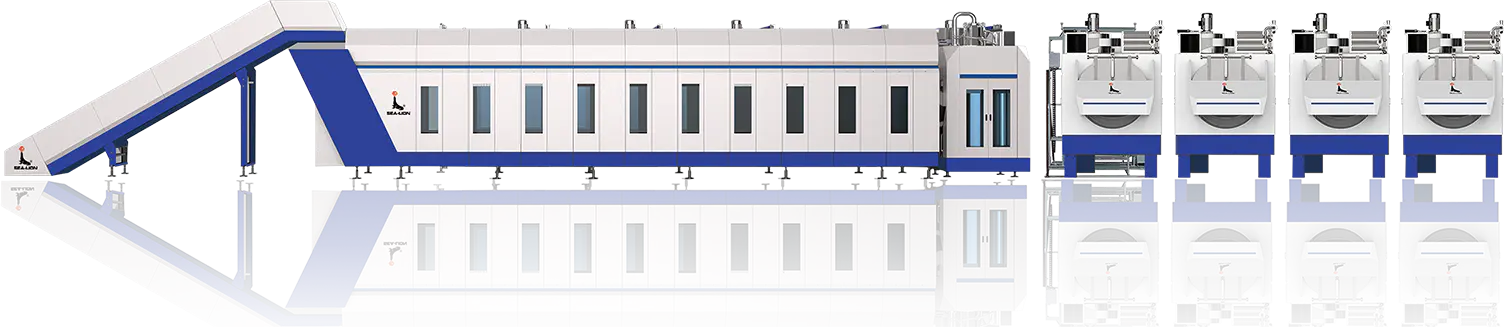
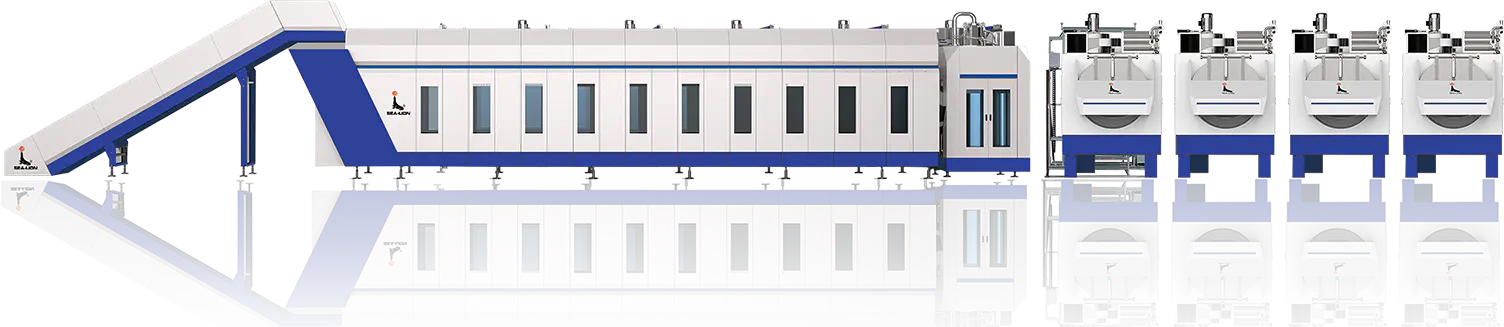
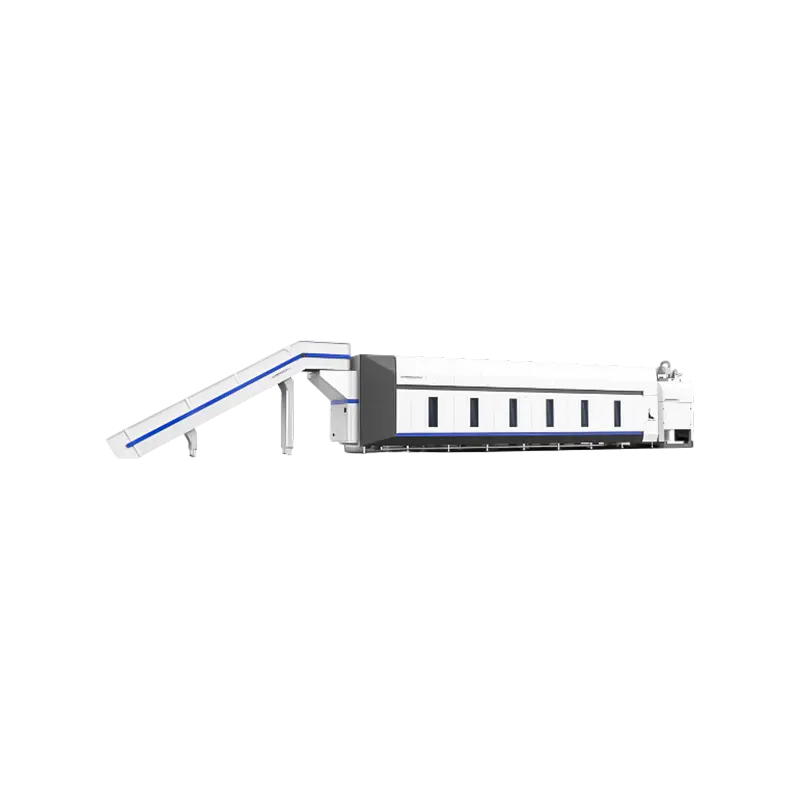
The tunnel washer main module is the core operational unit within continuous batch washing systems, designed to process large volumes of textiles with stable performance and consistent quality. In industrial laundry applications, this module integrates multiple compartments that function as independent yet interconnected washing environments. These compartments are often referred to as the tunnel washer module, CBW tunnel section, tunnel washer drum section, and tunnel washer chamber, each playing a specific role in the washing sequence.
From a structural perspective, the system is designed to allow bottom transfer of linen without internal blockage, ensuring smooth movement between chambers. This feature is critical when handling diverse textile types, as it minimizes mechanical stress and prevents entanglement. The modular design enables textiles to pass sequentially through pre-wash, main wash, rinse, and extraction stages, all within a controlled and enclosed environment.
The integration of upstream and downstream sections ensures a balanced flow of water, chemicals, and mechanical action, which directly contributes to improved washing quality. Each section can be programmed independently, allowing operators to tailor washing conditions according to fabric type and soil level. This structural flexibility forms the foundation for handling varied materials efficiently.
Handling different textile materials within the tunnel washer system
One of the primary challenges in industrial laundry operations is the variation in textile composition. Cotton, polyester blends, delicate fabrics, and heavy-duty linens all require different washing parameters. The tunnel washer main module addresses this complexity through programmable control systems and compartmentalized processing.
The tunnel washer chamber design allows different washing intensities to be applied in sequence. For example, delicate fabrics can be exposed to lower mechanical action and milder chemical dosing, while heavily soiled cotton textiles can undergo more aggressive washing in subsequent chambers. This staged approach ensures that each material type receives appropriate treatment without compromising fabric integrity.
The following table outlines how different textile types are typically handled:
| Textile Type |
Washing Intensity |
Water Temperature |
Mechanical Action |
Recommended Section |
| Cotton Linen |
High |
Medium to High |
Strong |
Main wash chamber |
| Polyester Blends |
Medium |
Medium |
Moderate |
Transition chamber |
| Delicate Fabrics |
Low |
Low |
Gentle |
Pre-wash chamber |
| Industrial Uniforms |
High |
High |
Strong |
CBW tunnel section |
The adaptability of the tunnel washer module ensures that mixed loads can be processed without compromising overall washing performance. By distributing textiles across different chambers, the system avoids over-processing sensitive materials while still achieving effective cleaning for heavily soiled items.
Managing varying levels of dirt and contamination
Handling different levels of dirt is another critical function of the tunnel washer drum section. In industrial environments such as hospitals, hotels, and manufacturing facilities, laundry loads may contain a wide range of contaminants, from light dust to heavy grease or biological residues.
The system addresses this through a multi-stage washing process combined with precise control over water flow and chemical dosing. The CBW tunnel section plays a significant role in separating heavily soiled items from lightly soiled ones during the washing cycle. This separation prevents cross-contamination and ensures efficient use of resources.
Key mechanisms include:
- Gradual soil removal through staged washing, allowing dirt to be loosened and removed progressively.
- Counter-flow water circulation, where cleaner water is introduced in later stages and reused in earlier stages.
- Programmable chemical injection, enabling targeted treatment for specific contaminants.
Water cycle technology significantly reduces water and steam consumption while maintaining high cleaning efficiency. This approach not only improves sustainability but also ensures consistent washing results across varying dirt levels. The ability to process 1200 to 1800 kilograms of linen per hour further demonstrates the system’s capability to handle high workloads without sacrificing quality.
Intelligent control and programmability for diverse applications
Modern tunnel washing systems rely heavily on intelligent control systems. The tunnel washer main module is equipped with up to 100 built-in processing programs, allowing operators to select or customize washing cycles based on specific requirements.
The flexibility of programmable control enables precise adjustment of washing parameters, including:
- Water level and flow rate
- Temperature settings
- Chemical dosing sequences
- Drum rotation speed
The tunnel washer module can be programmed to handle specialized applications, such as healthcare textiles requiring disinfection or hospitality linens needing gentle treatment. Operators can create custom programs that optimize both cleaning performance and resource efficiency.
In advanced manufacturing environments, such as those developed by Jiangsu Sea-Lion Machinery Co., Ltd., intelligent control systems are integrated with high-precision production technologies. Jiangsu Sea-Lion Machinery Co., Ltd. has established itself as a key manufacturer in the industrial laundry sector, focusing on delivering comprehensive solutions that combine equipment performance with operational efficiency.
The integration of digital control and automated processes ensures consistent washing quality across all batches, regardless of material type or contamination level.
Energy efficiency and resource optimization in washing operations
Energy and resource consumption are critical considerations in industrial laundry systems. The tunnel washer chamber incorporates advanced water recycling and heat recovery technologies to minimize operational costs.
Water cycle technology is a defining feature of the tunnel washer main module, enabling the reuse of rinse water in earlier washing stages. This reduces overall water consumption while maintaining effective cleaning performance. Similarly, steam usage is optimized through controlled heating processes, ensuring that energy is used only where necessary.
Jiangsu Sea-Lion Machinery Co., Ltd. has emphasized sustainability in its product development, incorporating features such as return water tanks capable of storing significant volumes of rinse water. This approach supports full resource utilization and aligns with modern environmental standards.
The following table summarizes key efficiency features:
| Feature |
Function Description |
Benefit |
| Water recycling system |
Reuses rinse water in earlier stages |
Reduces water consumption |
| Heat recovery mechanism |
Retains thermal energy within the system |
Lowers steam usage |
| Programmable control |
Optimizes washing cycles |
Enhances efficiency |
| Bottom transfer design |
Ensures smooth textile movement |
Minimizes downtime |
Efficient resource management is essential for maintaining long-term operational sustainability, particularly in large-scale laundry facilities.
Integration of manufacturing quality and system reliability
The performance of a tunnel washer drum section is closely linked to the manufacturing quality of the equipment. Advanced production processes ensure structural durability, precision assembly, and reliable operation under continuous workloads.
Jiangsu Sea-Lion Machinery Co., Ltd. utilizes modern manufacturing technologies, including laser cutting, CNC machining, robotic welding, and automated coating processes. These capabilities contribute to the production of high-quality tunnel washer systems that meet demanding industrial standards.
Reliable system construction ensures stable operation even under high-capacity conditions, such as processing up to 1800 kilograms of linen per hour. The robust design minimizes maintenance requirements and extends the service life of the equipment.
In addition, Jiangsu Sea-Lion Machinery Co., Ltd. has continuously improved its research and development capabilities, focusing on enhancing both performance and environmental compatibility. By integrating advanced equipment and intelligent assembly systems, the company supports the development of efficient and durable washing solutions.
Adaptability to different industrial applications
The versatility of the CBW tunnel section allows it to be used across a wide range of industries. Hospitals, hotels, textile rental services, and industrial facilities all require different washing standards, which the system can accommodate through its modular design.
The ability to process diverse textile categories within a single system is a key advantage of the tunnel washer module. This reduces the need for multiple machines and simplifies operational workflows. The system’s adaptability is further enhanced by its programmable control and compartmentalized structure.
Applications include:
- Healthcare textiles requiring strict hygiene standards
- Hospitality linens with high turnover rates
- Industrial workwear with heavy contamination
- Commercial laundry services handling mixed loads
Jiangsu Sea-Lion Machinery Co., Ltd. provides integrated solutions that address the specific needs of these industries, ensuring that each application benefits from optimized washing performance and resource efficiency.
Conclusion
The tunnel washer main module plays a central role in modern industrial laundry systems by providing a structured, efficient, and adaptable approach to washing. Through its modular design, intelligent control, and resource optimization features, it effectively handles different types of materials and varying levels of dirt.
The combination of staged washing, programmable control, and water cycle technology ensures consistent cleaning performance while minimizing resource consumption. The integration of advanced manufacturing and system design further enhances reliability and operational efficiency.
By leveraging these capabilities, the tunnel washer module, CBW tunnel section, tunnel washer drum section, and tunnel washer chamber collectively form a comprehensive solution for high-quality textile processing in demanding industrial environments.
FAQ
Q1: What types of textiles can the tunnel washer main module process?
The system can handle a wide range of textiles, including cotton, polyester blends, delicate fabrics, and industrial uniforms. Its programmable design allows for customized treatment of each material type.
Q2: How does the system prevent damage to delicate fabrics?
Delicate textiles are processed in chambers with lower mechanical action and controlled temperatures, ensuring gentle handling throughout the washing cycle.
Q3: Can the tunnel washer module handle heavily soiled laundry?
Yes, the system uses multi-stage washing and targeted chemical dosing to effectively remove heavy contaminants without affecting overall efficiency.
Q4: How does water recycling work in the tunnel washer chamber?
Rinse water from later stages is reused in earlier stages, reducing water consumption while maintaining cleaning effectiveness.
Q5: What is the production capacity of the system?
The system can process approximately 1200 to 1800 kilograms of linen per hour, depending on configuration and application requirements.
Q6: How customizable are the washing programs?
Up to 100 processing programs are available, and operators can freely program washing cycles to meet specific operational needs.

 English
 Français
 Español