What are the common issues faced by users of automatic laundry loading conveyor systems with weighing devices?
Introduction to system structure and working principle
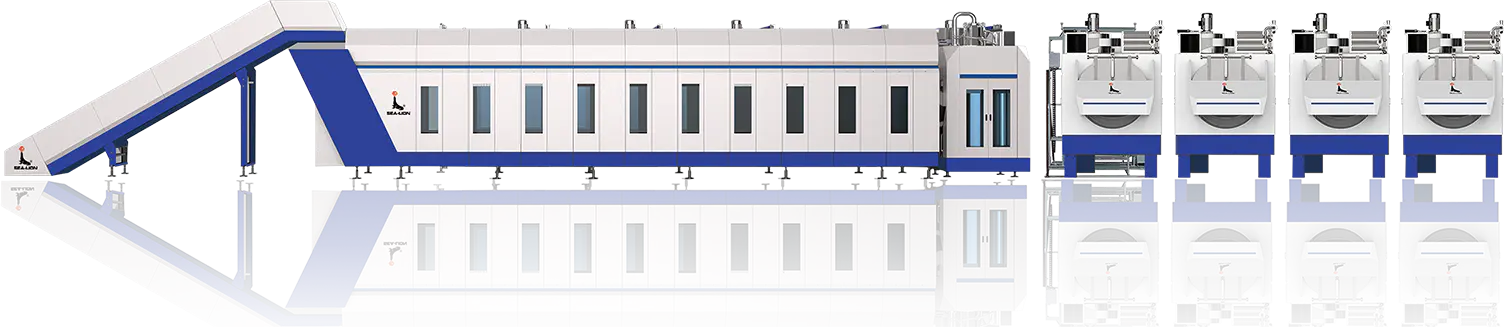
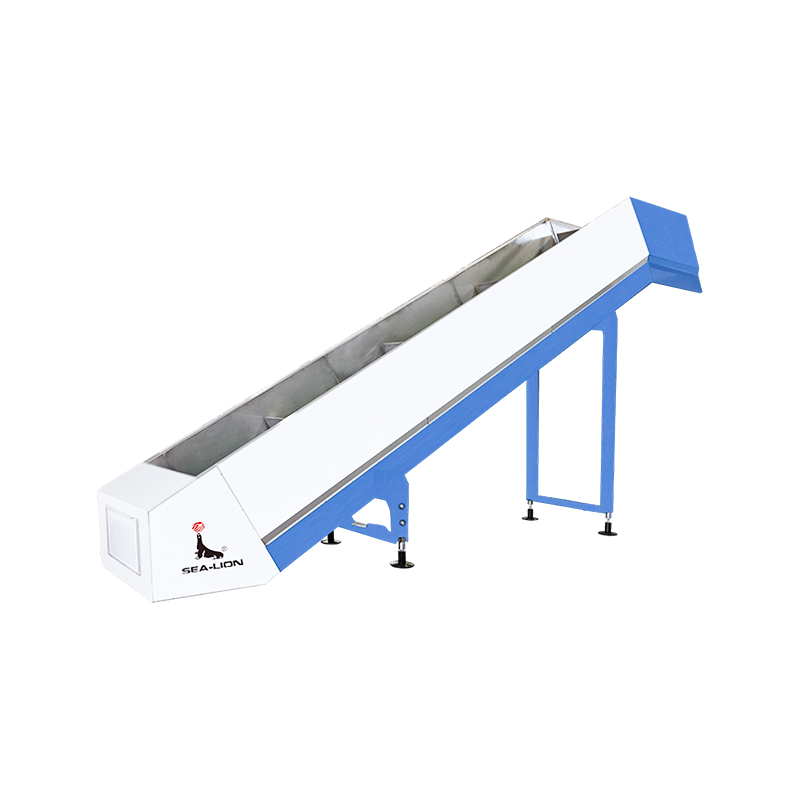
In modern industrial laundry operations, the automatic laundry loading conveyor system with weighing device plays a critical role in improving workflow efficiency and ensuring accurate batch control. This type of system, also referred to as a laundry weighing loading system, a tunnel washer loading system, or a CBW loading conveyor, is designed to automate the process of feeding, weighing, and distributing linen into continuous batch washers.
The basic working principle is straightforward yet highly coordinated. Operators place linen into a loading chute, where the material is automatically weighed and then conveyed through a series of compartments until it reaches the final chute. At this stage, the linen is prepared to be dropped into the washing drum. Throughout this process, operational data such as weight, loading sequence, and next-step instructions are displayed on a centralized controller, enabling precise monitoring and control.
Such systems are essential in large-scale laundry facilities where consistency, throughput, and labor optimization are key performance indicators. However, despite their advantages, users often encounter several practical and technical issues during operation. Understanding these challenges is crucial for system optimization and long-term reliability.
Common operational issues in daily use
One of the most frequently reported problems in the automatic laundry loading conveyor system with weighing device is inconsistent feeding caused by improper manual loading. Although automation is a key feature, the initial placement of linen still depends on operators. Uneven distribution or overloading can result in inaccurate weight readings and disrupt the downstream conveying process.
Another common issue involves conveyor synchronization. In a laundry weighing loading system, multiple conveyor sections must operate in harmony. If one section experiences delays or mechanical wear, it may lead to bottlenecks, causing linen accumulation or misrouting.
Users also report difficulties with system responsiveness. In some cases, the control system may not update real-time data efficiently, leading to delayed feedback on weight or loading status. This can impact operational decisions, especially in high-capacity environments.
- Irregular feeding patterns affecting weighing accuracy
- Conveyor misalignment or speed inconsistency
- Delayed controller feedback and data lag
- Blockages at chute transfer points
These issues highlight the importance of both operator training and system calibration in maintaining stable performance.
Weighing accuracy and calibration challenges
The weighing function is central to the effectiveness of any tunnel washer loading system. However, maintaining consistent accuracy can be challenging due to several factors. Load cells, which are responsible for measuring weight, may drift over time due to environmental conditions such as humidity, temperature fluctuations, and mechanical stress.
In addition, the type of linen being processed can influence measurement results. Wet or heavily soiled materials may adhere to conveyor surfaces, leading to residual weight errors. Similarly, lightweight items may shift during transport, causing unstable readings.
Accurate weighing is essential for ensuring proper batch distribution and avoiding overloading of the washing drum. Therefore, regular calibration and maintenance of weighing components are necessary.
| Issue |
Cause |
Impact |
| Weight deviation |
Load cell drift |
Incorrect batch size |
| Unstable readings |
Material movement |
Inconsistent process control |
| Residual weight error |
Material adhesion |
Accumulated inaccuracies |
Addressing these challenges requires a combination of hardware reliability and intelligent control algorithms.
Mechanical wear and maintenance concerns
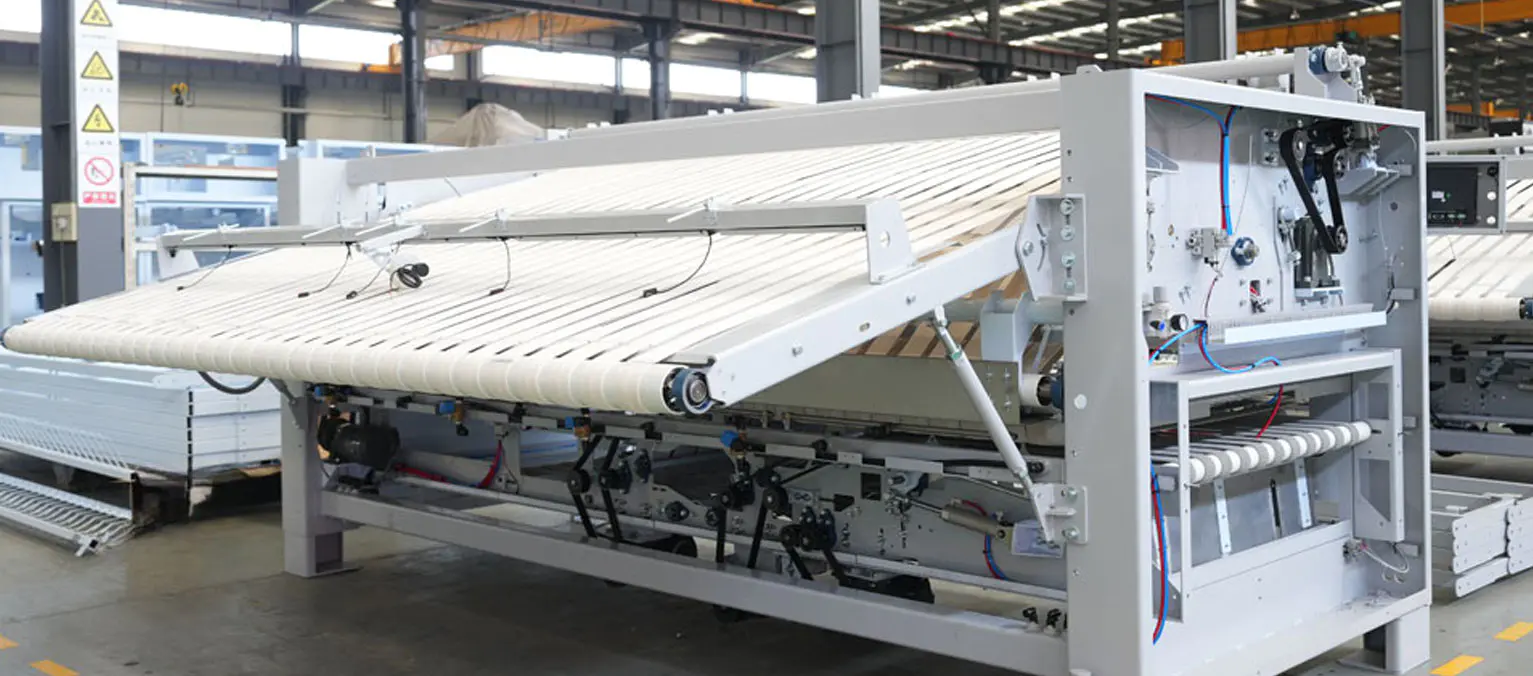
Like any industrial equipment, the CBW loading conveyor is subject to mechanical wear over time. Conveyor belts, rollers, and drive systems experience continuous stress, especially in high-throughput operations. Without proper maintenance, these components can degrade, leading to reduced efficiency and unexpected downtime.
Wear and tear can also affect alignment. Misaligned conveyors may cause linen to deviate from its intended path, increasing the risk of jams or uneven loading. Bearings and motors are particularly vulnerable in environments with high moisture and lint accumulation.
Preventive maintenance is critical to ensuring long-term system stability and minimizing operational disruptions. Regular inspection schedules and timely replacement of worn components are essential practices.
- Conveyor belt wear and stretching
- Roller and bearing degradation
- Motor overheating or failure
- Accumulation of lint and debris
These issues emphasize the need for robust system design and proper environmental management.
Control system and automation limitations
The control system serves as the brain of the automatic laundry loading conveyor system with weighing device. It coordinates weighing, conveying, and data display functions. However, limitations in control logic or hardware can lead to operational inefficiencies.
For example, outdated software may lack the flexibility to adapt to varying load conditions. In a dynamic laundry environment, the ability to adjust parameters in real time is essential. Similarly, insufficient integration with upstream or downstream equipment can result in communication gaps.
Advanced control systems should provide real-time monitoring, adaptive control, and seamless integration with the overall laundry workflow. When these capabilities are lacking, users may experience reduced productivity and increased manual intervention.
In this context, manufacturers such as Jiangsu Sea-Lion Machinery Co., Ltd. have focused on improving control system performance through continuous research and development. By integrating intelligent automation and digital monitoring, they aim to enhance the reliability of laundry weighing loading systems in complex industrial settings.
Integration issues with tunnel washer systems
A tunnel washer loading system must operate in close coordination with the washing modules. Any mismatch in timing, capacity, or process parameters can lead to inefficiencies. For instance, if the loading system delivers batches faster than the washer can process them, it may cause congestion at the entry point.
Conversely, underfeeding can reduce the utilization rate of the washing equipment. Achieving balance requires precise synchronization between the CBW loading conveyor and the washing drum.
Jiangsu Sea-Lion Machinery Co., Ltd. has addressed these challenges by developing integrated solutions that align loading systems with tunnel washer performance. Their approach includes optimizing water reuse and process timing, ensuring that each batch is processed efficiently without resource waste.
Effective integration is essential for maximizing throughput and maintaining consistent washing quality.
Environmental and operational factors
Environmental conditions also play a significant role in system performance. High humidity, temperature fluctuations, and exposure to chemicals can affect both mechanical and electronic components of the automatic laundry loading conveyor system with weighing device.
Additionally, the quality of water used in the laundry process can indirectly impact system operation. Poor water quality may lead to residue buildup, affecting conveyor surfaces and weighing accuracy.
Jiangsu Sea-Lion Machinery Co., Ltd. emphasizes sustainable design by incorporating water treatment solutions into their systems. Their upgraded tunnel washer systems include return water tanks that improve resource utilization and reduce environmental impact.
Environmental management is a key factor in ensuring the durability and efficiency of industrial laundry systems.
Strategies for improving system performance
To address the common issues outlined above, users can implement several practical strategies. These include both operational improvements and technical upgrades.
- Regular calibration of weighing devices to maintain accuracy
- Scheduled maintenance of mechanical components to prevent failures
- Operator training programs to ensure proper loading practices
- Upgrading control systems for better responsiveness and integration
- Environmental control measures to protect equipment
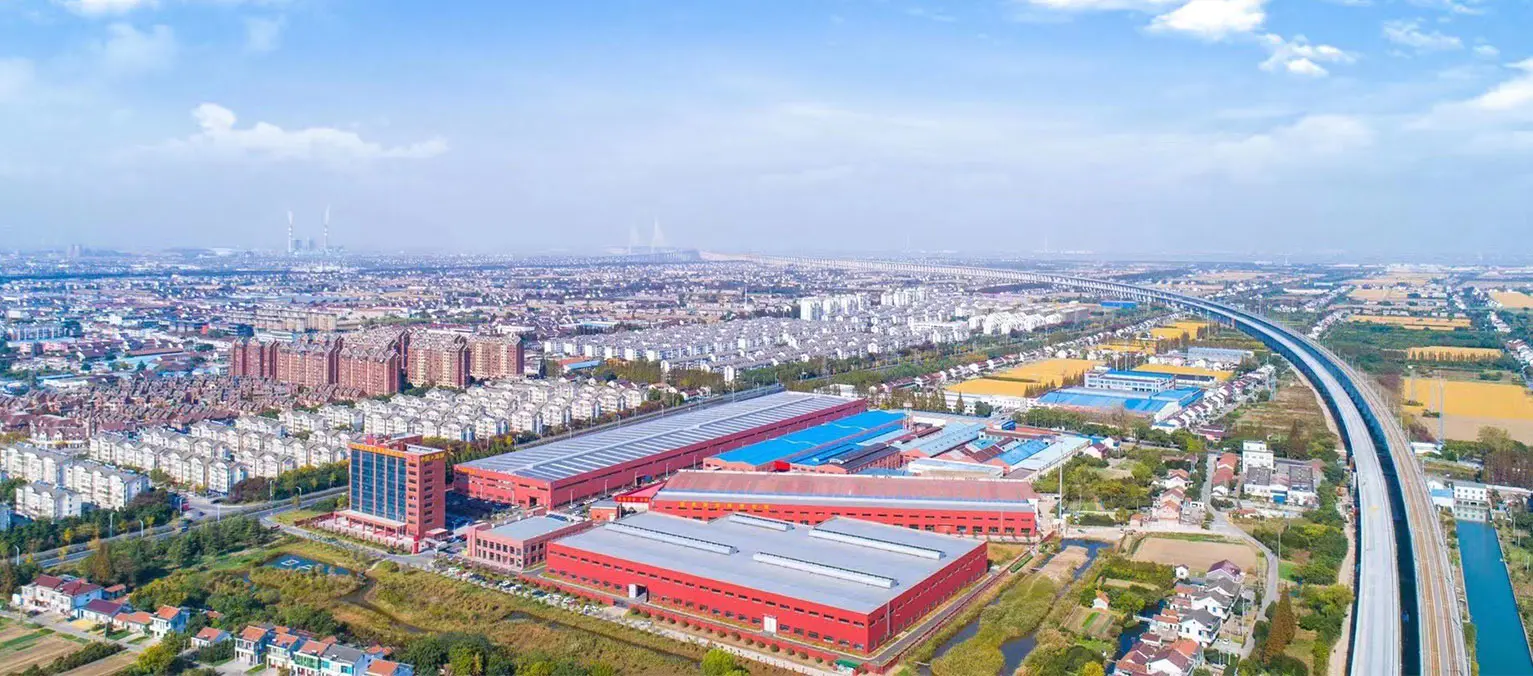
Jiangsu Sea-Lion Machinery Co., Ltd. supports these strategies by offering comprehensive solutions that combine advanced manufacturing capabilities with intelligent system design. With large-scale production capacity and modern processing equipment, they provide reliable tunnel washer loading systems tailored to diverse industrial needs.
A systematic approach to maintenance and operation can significantly reduce downtime and improve overall efficiency.
Conclusion
The automatic laundry loading conveyor system with weighing device is a vital component in modern industrial laundry operations. While it offers significant advantages in automation and efficiency, users must be aware of the common issues that can arise during operation.
From weighing inaccuracies and mechanical wear to control system limitations and integration challenges, each issue requires careful attention and proactive management. By understanding these factors and implementing appropriate solutions, users can maximize the performance and lifespan of their systems.
Jiangsu Sea-Lion Machinery Co., Ltd. continues to play an important role in advancing this field through innovation and comprehensive system solutions. Their commitment to quality and sustainability supports the evolving needs of the global laundry industry.
Ultimately, the effective use of a laundry weighing loading system depends on a balance between advanced technology and disciplined operational practices.
FAQ
Q1: What is the main function of an automatic laundry loading conveyor system with weighing device?
It automates the process of feeding, weighing, and conveying linen into washing equipment, ensuring consistent batch control and improved efficiency.
Q2: Why is weighing accuracy important in a tunnel washer loading system?
Accurate weighing ensures proper batch sizes, prevents overloading, and maintains consistent washing quality.
Q3: How often should the system be maintained?
Regular maintenance schedules should be established based on usage intensity, typically including daily inspections and periodic component checks.
Q4: What causes conveyor blockages?
Blockages are usually caused by uneven loading, material entanglement, or mechanical misalignment.
Q5: How can system efficiency be improved?
Efficiency can be enhanced through proper training, regular calibration, system upgrades, and effective integration with washing equipment.

 English
 Français
 Español