English
 Français
 Español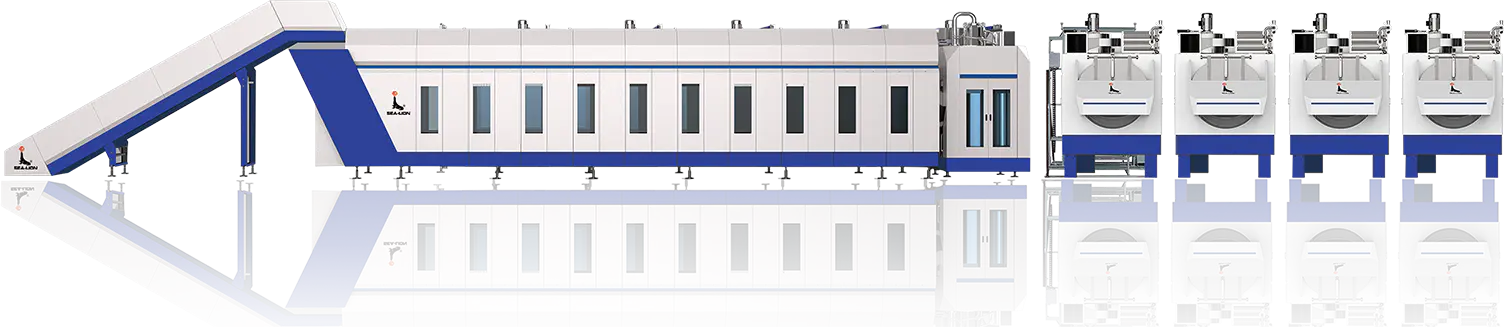



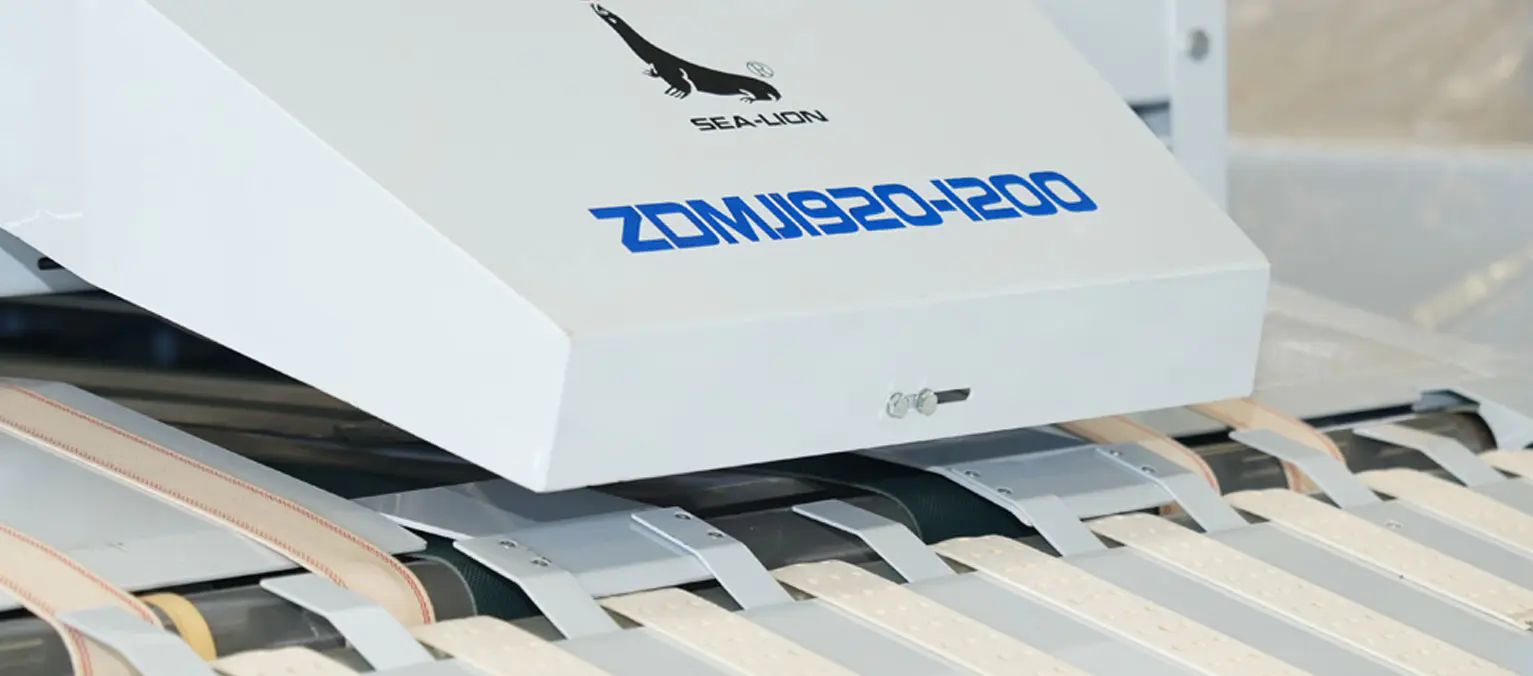





High-capacity linen processing plants operate under relentless pressure to move massive volumes of sheets, towels, table linen, and uniforms through the washroom every day, all while controlling water, energy, and labor costs. Each machine in the washroom line contributes to the overall result, but no stage has a greater effect on downstream energy consumption than dewatering. That is why the hydraulic extraction press has become an essential component in high-capacity linen processing plants equipped with continuous batch washing systems.
By replacing high-speed spinning with controlled high-pressure compression, the hydraulic extraction press achieves lower moisture retention, enables true inline continuous production, and dramatically reduces the thermal load placed on dryers. Understanding how this technology works and why it matters at scale is essential for anyone planning or modernizing a large-scale laundry operation.
What Is a Hydraulic Extraction Press?
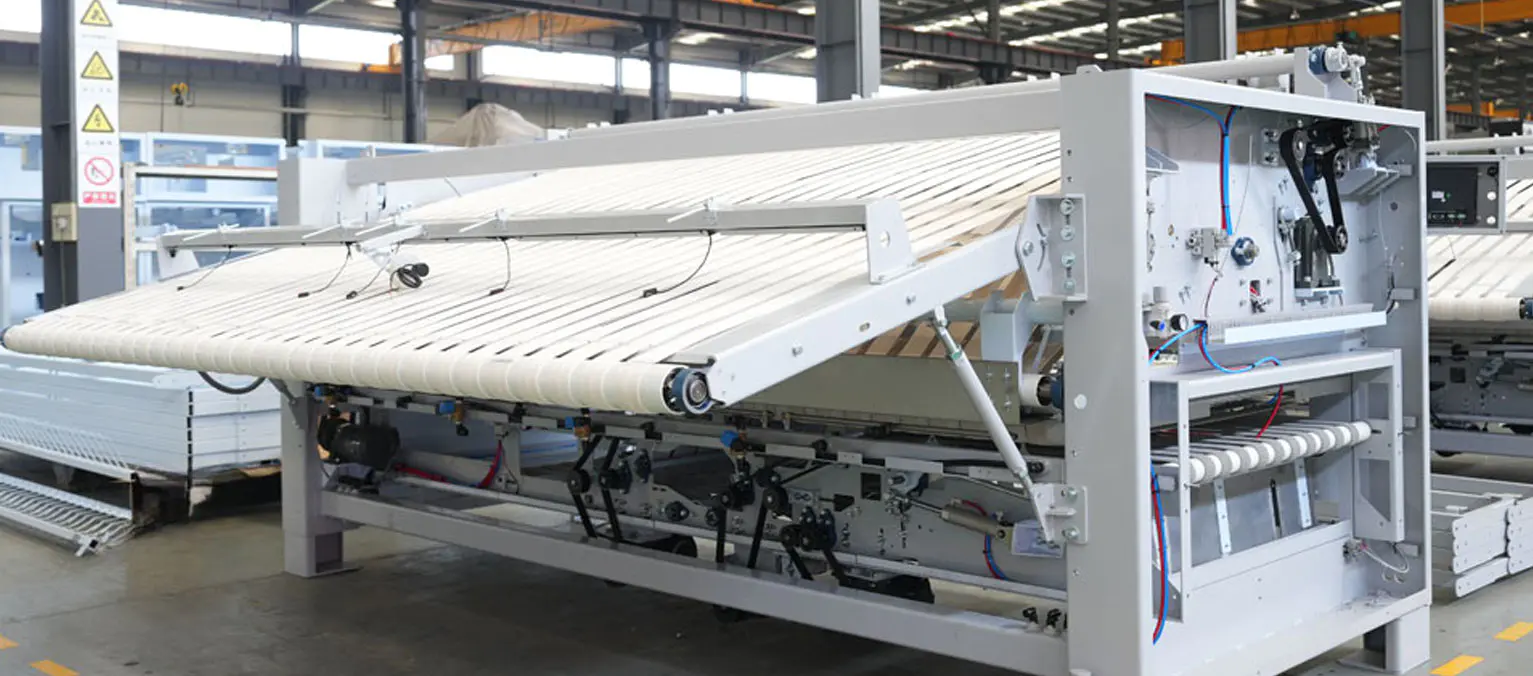
A hydraulic extraction press is a dewatering machine engineered to squeeze water out of washed textiles using hydraulic force. Washed linen enters the pressing chamber, a hydraulic cylinder drives a press plate downward, and the fabric is compressed into a dense cake. The water forced out of the fabric flows away through drainage channels, leaving the linen with a significantly lower moisture content than conventional spinning can achieve.
How It Works
The pressing force of industrial models typically ranges from 300 to 800 tons, depending on the machine size and the fabric being processed. The entire cycle is fully automated and synchronized with the upstream tunnel washer and downstream dryers. As each batch is pressed, a sensor triggers the next cycle, ensuring that the flow of linen never stops.
A hydraulic extraction press can lower linen moisture retention to 45 to 55 percent, versus 60 to 70 percent for conventional centrifugal extractors.
The Role of the Press in a Continuous Tunnel Washing System
In a high-capacity plant, the hydraulic extraction press occupies the critical position between the tunnel washer and the drying stage. The workflow is straightforward: soiled linen enters through an automatic laundry loading system with weighing device, is washed inside the main tunnel washer, and then exits at the discharge end, where the extraction press receives it batch by batch.
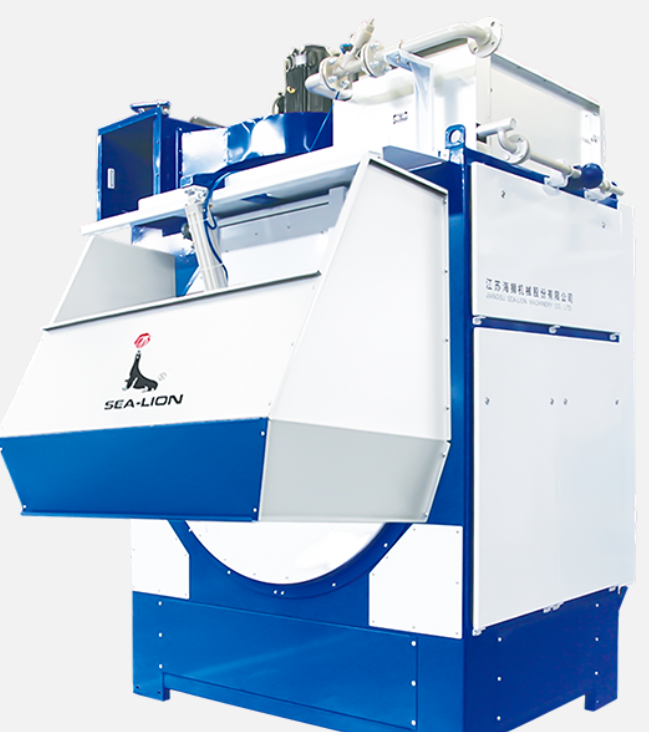
Hydraulic Laundry Extraction Press for Continuous Batch ProcessingThis hydraulic extraction press sits between the tunnel washer and dryers, compressing washed linens into uniform cakes to enable uninterrupted flow and efficient dehydration in high-capacity plants.View Product →
At the press, each batch is compressed into a compact cake, then ejected onto a shuttle or conveyor for transport to the dryers and finishing equipment. Because the press works inline, the tunnel washer never has to pause. The result is genuine continuous processing, which is the architectural principle behind the tunnel-type continuous batch washer system and the reason why hydraulic extraction is essential in high-capacity operations.
To understand the washing stage that feeds the press, you can read about how a fully automatic continuous tunnel washer improves production flow in a modern laundry plant.
Key Benefits for High-Capacity Linen Processing Plants
The hydraulic extraction press delivers a set of advantages that directly address the most expensive and limiting aspects of industrial linen processing.
Lower moisture retention for faster drying. A hydraulic press reduces moisture retention to roughly 45 to 55 percent, which is significantly better than the 60 to 70 percent typical of centrifugal extractors. Less water in the fabric means less time and heat required in the dryers.
Substantial energy savings. Drying is the most energy-intensive step in the laundry cycle. Because the press removes water mechanically, it reduces the thermal energy needed downstream and lowers fuel or electricity consumption.
Continuous operation for higher throughput. Unlike batch-style extractors that require separate loading, spinning, and unloading phases, the hydraulic press operates inline and keeps the production line moving without interruption.
Gentle on fabrics. Compression is a slow, uniform action, creating less mechanical stress on textile fibers than high-speed spinning. This extends the service life of sheets, towels, and uniforms and reduces lint generation.
Compact footprint. A hydraulic extraction press has a smaller footprint and simpler foundation requirements than a large centrifugal extractor, making it easier to integrate into existing plant layouts.
Less manual handling. The press is fully automatic and integrated with upstream and downstream conveyors, which reduces labor requirements and operator fatigue.
Hydraulic Press vs. Centrifugal Extractor
Parameter
Hydraulic Extraction Press
Centrifugal Extractor
Dewatering principle
High-pressure compression
High-speed rotation
Typical moisture retention
45 to 55 percent
60 to 70 percent
Operation mode
Continuous, inline
Batch, cyclic
Cycle duration
Synchronized with tunnel washer
10 to 20 minutes per batch
Fabric stress
Low
Moderate to high
Energy consumption in drying
Lower, less residual moisture
Higher, more residual moisture
Foundation requirements
Compact, simple floor support
Large, vibration-isolated base
Automation level
Fully inline automatic
Semi-automatic or manual
Energy Optimization and Cost Reduction
The most compelling economic argument for installing a hydraulic extraction press is its contribution to energy optimization in a continuous batch washer system. As the comparison above shows, the press removes more water mechanically than alternative technologies. Since every drop of residual moisture must be evaporated by the dryers, the press effectively reduces the thermal workload placed on the entire drying stage.
For example, reducing moisture retention from 65 percent to 50 percent can lower the heat required for drying by approximately 20 to 30 percent, depending on fabric type and dryer configuration. In plants that rely on steam boilers or natural gas-fired dryers, this reduction produces a direct and measurable impact on fuel bills. Meanwhile, the mechanical energy consumed by the press is minimal compared with the thermal energy saved downstream.
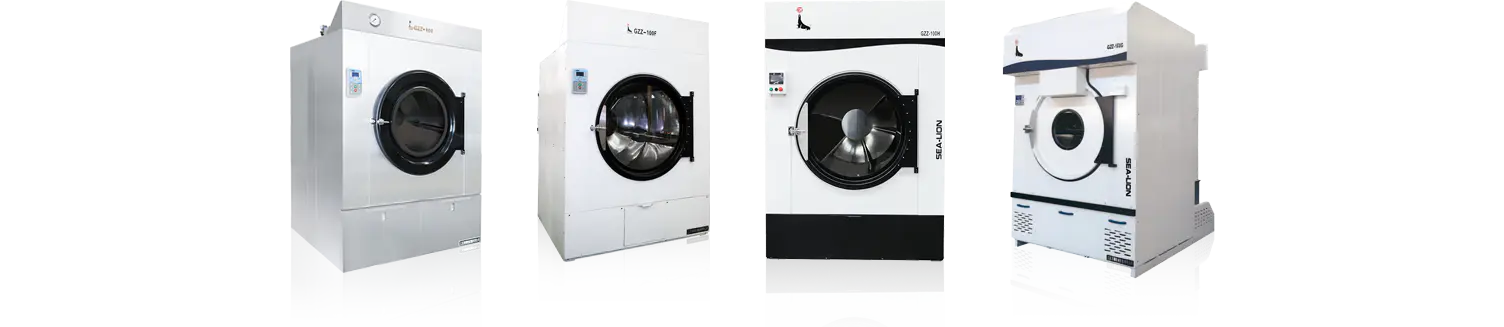
Automatic Pass-Through Tumble Dryer for Stable Drying LoadsThis pass-through tumble dryer processes uniformly compressed linen cakes from the extraction press, providing consistent drying conditions that reduce energy consumption and protect fabric quality.View Product →
Because the press produces uniformly compressed cakes, the downstream dryers receive a consistent input and can operate at stable, predictable loads. This stability allows operators to tune the drying process more precisely, avoid over-drying, and protect fabric quality. For a more detailed discussion of the underlying principles, see how energy optimization works in a continuous batch washer.
Integration with the Complete Linen Processing Line
Choosing the right hydraulic extraction press is only one part of a successful laundry system. A high-capacity processing plant requires every component, including the tunnel washer, automatic loading systems, shuttle conveyors, press, and pass-through dryers, to work together as a single integrated line. The press capacity must match the output rate of the tunnel washer; otherwise, the line will either starve the dryers or create a backlog of wet linen.
Continuous Tunnel Washer System for Integrated Laundry LinesThis continuous tunnel washer system is designed to work seamlessly with hydraulic extraction presses, offering automated control and consistent wash quality for high-capacity textile processing.View Product →
Jiangsu Sea-Lion Machinery designs the hydraulic extraction press as an integral member of the tunnel-type continuous batch washer system product family, ensuring that control systems, cycle times, and mechanical interfaces are fully compatible. This approach shortens commissioning time and prevents operational mismatches that can occur when assembling machines from different vendors.
When the press is properly integrated, the benefits multiply. Water recovery systems can route press water back into the wash process, heat recovery units can capture energy from dryer exhaust, and the entire plant can run with minimal operator intervention. This is why plant managers increasingly specify hydraulic extraction as part of a fully engineered linen processing line rather than purchasing isolated machines.
Frequently Asked Questions
Q1: What is the main difference between a hydraulic extraction press and a centrifugal extractor?
The fundamental difference lies in the dewatering method. A centrifugal extractor spins linen at high speed, using centrifugal force to fling water out of the fabric. A hydraulic extraction press uses mechanical pressure from a hydraulic cylinder to squeeze water out. The press achieves lower moisture retention, applies less stress to textile fibers, and is designed for continuous inline operation.
Q2: What moisture retention can be expected from a hydraulic extraction press?
Depending on fabric composition and the pressing force applied, a hydraulic press typically reduces moisture retention to 45 to 55 percent. Heavy kitchen textiles might retain slightly more moisture, while lighter fabrics such as sheets can achieve results at the lower end of the range.
Q3: Is a hydraulic extraction press suitable for delicate fabrics?
Yes. The pressing parameters can be adjusted to accommodate different textile types. Delicate fabrics can be processed with lower pressing pressures and longer compression times, preserving fiber structure while still achieving better moisture removal than spinning.
Q4: How does a hydraulic extraction press lower the total cost of linen processing?
The press lowers costs through multiple channels: reduced moisture retention cuts drying fuel consumption, continuous inline operation reduces labor requirements, gentler fabric handling extends linen service life, and the compact design reduces installation and foundation costs. Together, these savings improve the operating margin of any high-capacity plant.
High-capacity linen processing plants face an unforgiving set of performance demands: high throughput, low energy consumption, consistent quality, and controlled labor costs. The hydraulic extraction press addresses all of these simultaneously, making it an indispensable component in modern continuous batch washing systems. By squeezing more water out of every batch before it reaches the dryer, the press reduces energy bills, accelerates production, and protects the fabrics that the plant's business depends on.
For plant engineers and laundry operators planning capacity upgrades, the question is no longer whether to install a hydraulic extraction press, but how to integrate it most effectively into the complete washing line. The answer starts with selecting a reputable manufacturer and building a system in which every stage, from weighing and washing to pressing and drying, works in seamless harmony.
.article-section { font-family: 'Segoe UI', Roboto, 'Helvetica Neue', sans-serif; font-weight: 400; line-height: 2; margin-bottom: 40px; color: #333333; }
.article-section h2 { font-size: 20px; font-weight: 700; text-align: left; margin-bottom: 10px; color: #2f3190; padding-bottom: 8px; position: relative; }
.article-section h2::after { content: ''; display: block; width: 70px; height: 3px; background: linear-gradient(90deg, #2f3190, #7a9bff); border-radius: 3px; margin-top: 4px; }
.article-section h3 { font-size: 18px; font-weight: 700; text-align: left; margin-top: 5px; margin-bottom: 5px; color: #2f3190; }
.article-section h4 { font-size: 16px; font-weight: 500; text-align: left; color: #2f3190; margin: 0 0 6px 0; }
.article-section p { margin-bottom: 5px; font-size: 16px; }
.article-section ul, .article-section ol { margin-top: 8px; margin-bottom: 8px; padding-left: 20px; }
.article-section ul li { list-style-type: disc; list-style-position: inside; font-size: 16px; margin-bottom: 6px; }
.article-section ol li { list-style-type: decimal; list-style-position: inside; font-size: 16px; margin-bottom: 6px; }
.article-section strong { font-weight: 500; }
.article-section a { color: #2f3190; text-decoration: none; border-bottom: 1px solid #c5c8ff; }
.article-section a:hover { border-bottom-color: #2f3190; }
.article-section table { width: 100%; border-collapse: collapse; margin: 15px 0; display: table!important; }
.article-section thead { display: table-header-group!important; }
.article-section tbody { display: table-row-group!important; }
.article-section tr { display: table-row!important; border-bottom: 1px solid #e4e6f0; }
.article-section tr:nth-child(even) { background: #f7f8ff; }
.article-section th { display: table-cell!important; text-align: center; font-size: 16px; padding: 10px 12px; background: #2f3190; color: #ffffff; border: none; }
.article-section td { display: table-cell!important; text-align: center; font-size: 16px; padding: 10px 12px; border: none; }
.article-section .highlight-box { background: linear-gradient(135deg, #f0f2ff, #e8ecff); border-left: 4px solid #2f3190; padding: 14px 18px; border-radius: 0 8px 8px 0; margin: 16px 0; }
.article-section .highlight-box p { margin: 0; font-size: 16px; color: #2a2a2a; }
.article-section .faq-item { background: #fafafe; border: 1px solid #e8e8f0; border-radius: 8px; padding: 14px 16px; margin-bottom: 14px; }
.article-section .faq-item h4 { margin: 0 0 6px 0; color: #2f3190; }
.article-section .faq-item p { margin: 0; }
.product-card{display:block;margin:20px 0;border:1px solid #e5e7eb;border-radius:10px;overflow:hidden;font-style:normal;background:#fff}
.pc-inner{display:flex;text-decoration:none;color:inherit;align-items:center;min-height:120px}
.pc-img{width:160px;min-width:160px;aspect-ratio:4/3;height:auto;min-height:120px;object-fit:cover;flex-shrink:0;display:block;align-self:stretch}
.pc-body{padding:12px 16px;flex:1;min-width:0;display:flex;flex-direction:column;align-self:stretch;justify-content:center}
.pc-title{display:block;font-size:15px;font-weight:600;color:#111;margin:0 0 6px;line-height:1.4}
.pc-desc{display:-webkit-box;font-size:13px;color:#6b7280;margin:0 0 8px;line-height:1.5;overflow:hidden;-webkit-line-clamp:2;line-clamp:2;-webkit-box-orient:vertical}
.pc-cta{display:block;font-size:13px;font-weight:600;color:inherit;margin-top:auto}
.pc-inner:hover .pc-title{text-decoration:underline}
.article-section a:not(.pc-inner),article a:not(.pc-inner){color:inherit}.pc-cta{color:inherit!important}

Industry News

information to be updated
-
08 Oct
2026Continuous Batch Washer vs. Washer Extractor: When to Upgrade to a Tunnel SystemChoosing between a continuous batch washer (CBW) and a washer extractor is one of the most consequential capacity decisions a commercial laundry can make. Operators who have built their workflow around individual washer extractors often ask a practical question: when do the numbers justify the larger investment in a tunnel system? This guide compares the two technologies directly and lays out a clear framework for deciding when it is time to upgrade to a continuous batch washer. You will learn how each system works, where they differ in capacity, labor, and resource use, and which operational signals point toward a tunnel washing system. What Is a Washer Extractor? A washer extractor is a single-drum machine that performs both washing and high-speed water extraction in one unit. The operator loads the drum, selects a wash program, and the machine moves through fill, wash, rinse, and spin stages before the load is removed for drying or finishing. These machines have been the traditional workhorse of commercial and industrial laundries, with capacities ranging from roughly 20 kg to 120 kg or more per load. Because each drum runs as an independent batch, washer extractors offer simplicity, proven reliability, and a moderate entry cost. They are easy to schedule, flexible for mixed loads, and straightforward to operate. Their simplicity also makes them ideal for laundries that process many different fabric types in small quantities. Full Suspension Auto Washer Extractor for Stable High-Volume WashingThis washer extractor uses a hydraulic full-suspension system to reduce vibration without a special foundation. Its touchscreen control and large drum opening simplify loading and improve workflow, making it a practical choice for laundries with mixed fabric loads.View Product → Where a Washer Extractor Fits Best Daily volumes below roughly 2,000 kg of dry linen. A wide mix of fabrics and frequent small-batch changeovers. Limited floor space or a layout that cannot accommodate a long inline system. Teams that rely on simple operator control and low maintenance complexity. What Is a Continuous Batch Washer (CBW)? A continuous batch washer, often called a tunnel washer, is a modular system in which linen moves continuously through a series of connected compartments. The main tunnel washer is divided into multiple chambers, and each chamber performs a specific stage of the wash process. Through counterflow design, fresh water enters at the clean end and travels opposite to the linen flow, dramatically reducing water and chemical consumption. Continuous Tunnel Washer System for Large-Scale Linen ProcessingDesigned for continuous operation, this tunnel washer handles high throughput with counterflow water savings. Its bottom conveyor prevents blockages, and automated controls adjust temperature, chemicals, and time to suit different fabric types in demanding laundry settings.View Product → In a fully automated tunnel system, the process starts at the soiled side with an automatic weighing and loading device. The linen advances through the wash chambers, passes through a hydraulic extraction press that removes moisture, and exits through a pass-through tumble dryer at the clean side. This continuous flow replaces the load-by-load cycle of conventional machines and enables a single line to process several tonnes of linen per day. Operators choose a CBW for two main reasons: throughput and consistency. Because the tunnel runs as one steady procession rather than a series of discrete batches, output is predictable, quality is repeatable, and labor is concentrated on supervision rather than loading and unloading. To see the productivity gains in practice, review how a fully automatic continuous tunnel washer improves your laundry throughput. CBW vs. Washer Extractor: Key Differences at a Glance The decision is easier when the two technologies are compared side by side. The table below summarizes the most important operational differences between a conventional washer extractor and a continuous batch washer tunnel system. Parameter Washer Extractor Continuous Batch Washer Processing mode Batch, load by load Continuous multi-chamber counterflow Throughput One load per cycle Steady output, several tonnes per day Labor requirement One or more operators per machine Fewer operators for the same output Water and energy use Moderate to high per kilogram Substantially lower through counterflow reuse Flexibility Excellent for mixed small batches Best for standardized high-volume linen Footprint Several machines use extra space Compact for equivalent capacity Upfront cost Lower per machine Higher, with lower cost per kilogram at scale These figures are illustrative; actual performance depends on configuration, linen mix, soil levels, and the control strategies applied. The central trade-off is clear, however: washer extractors deliver flexibility at moderate cost, while a tunnel system pays off when volume, consistency, and resource efficiency become the dominant priorities. When to Upgrade to a Tunnel System There is no single magic number, but many operators begin evaluating a tunnel system when daily dry-linen volume reaches roughly 2,000 kg and continues to climb. At that level, a bank of washer extractors means constant reloading, growing overtime, and increasing scheduling pressure. The following planning benchmarks can help with a first assessment: 2,000+ kg/dayTypical evaluation threshold for dry linen 30 to 50%Potential reduction in labor hours with automation Up to 70%Lower water consumption with counterflow design 1 lineReplaces multiple washer extractor cycles per shift Beyond volume, several operational signals suggest that an upgrade deserves serious consideration: Laundry staff spend most of the shift loading and unloading individual machines. Overtime is regular even when all machines run continuously. Wash quality varies between operators and between shifts. Water, steam, and chemical costs rise faster than production output. Floor space is tight, and adding more washer extractors is not practical. When these patterns appear together, a continuous batch washer changes the economics. The tunnel processes linen in a steady stream, so throughput rises without adding operators, while the counterflow system continuously reuses water and heat. The result is a lower cost per kilogram of clean linen, not just a faster machine. Cost, Energy, and ROI Considerations The initial investment in a tunnel washing system is significantly higher than the cost of a single washer extractor. Depending on the number of chambers and the level of automation, a complete line can represent several times the price of one conventional machine. That up-front cost, however, must be weighed against predictable, recurring operating savings. Water is one of the largest controllable costs in an industrial laundry. The counterflow design of a CBW allows water to be reused across washing stages, and the extraction press removes additional moisture before drying, which cuts steam consumption downstream. Operators who tune these systems properly report large reductions in detergent, water, and energy use when compared with conventional washers. A realistic payback analysis should include direct savings from water, energy, chemicals, and labor, plus indirect gains such as fewer rejected items, more predictable throughput, and reduced overtime. Many commercial laundries find that the total cost per kilogram of washed linen drops noticeably within the first few years of operating a tunnel system, especially when automatic loading and extraction presses are included in the line. Planning Your Transition from Washer Extractor to Tunnel Moving from washer extractors to a continuous batch washer system is a project, not a purchase. Start by mapping your current production: daily volume by linen type, peak hours, soil levels, and the flow of goods from receiving to finishing. This baseline determines the number of wash chambers, the extraction method, and the drying capacity you actually need. Next, design the material flow. A typical small tunnel line begins with an automatic weighing and loading system on the soiled side, feeds the main tunnel washer, passes through a hydraulic extraction press, and ends at the drying and finishing stage. Because these modules operate as one continuous line, the physical layout deserves as much attention as the machine specifications. Automatic Laundry Loading System with Weighing DeviceThis loading system automates weighing and feeding to ensure accurate batch control in large laundries. By minimizing manual handling, it reduces errors and supports a smooth transition to continuous tunnel operations, complementing the equipment described around it.View Product → You should also plan for a transition period. Many laundries install the tunnel alongside existing washer extractors so that production continues while operators learn the new workflow. Gradual commissioning, structured operator training, and a defined maintenance plan reduce operational risk. A complete tunnel-type continuous batch washer system can be configured with the loading, pressing, conveying, and drying modules required to match your specific site and growth plan. Frequently Asked Questions Q1: At what volume should a laundry switch from washer extractors to a CBW? Many operators start evaluating a tunnel system when daily dry-linen volume reaches approximately 2,000 kg, especially if volume is expected to keep growing. Below that level, a well-managed bank of washer extractors may still be more cost-effective. Above it, the continuous throughput and labor savings of a CBW usually become decisive. Q2: Can a continuous batch washer handle different fabric types? Yes. Modern tunnel washers allow loads to be managed by program and fabric classification, and the wash process can be tuned for heavily soiled industrial linen or more delicate healthcare textiles. The practical requirement is that total throughput is high enough to keep the tunnel running in planned, consistent batches. Q3: How much water does a continuous batch washer save compared with a washer extractor? The counterflow design can reduce water consumption by roughly 50 to 70 percent compared with conventional batch washing under typical commercial laundry conditions. The exact saving depends on load profile, water quality, extraction efficiency, and the control settings used. Q4: Is it possible to use a tunnel system together with existing washer extractors? Yes. Many laundries keep their washer extractors for smaller or specialty loads and use the tunnel for consistent high-volume linen. This hybrid approach is often the best way to transition without stopping production or taking on unnecessary risk. The choice between a continuous batch washer and washer extractors is ultimately a question of scale and strategy. Washer extractors remain reliable, flexible, and low-risk for smaller operations and mixed workloads. When daily volume, labor costs, and resource efficiency push the economics in the other direction, a continuous batch washer, supported by automatic loading, extraction, and drying modules, becomes one of the most powerful upgrades a laundry can make. Start with your own production data, calculate the cost per kilogram under both models, and let the numbers determine the right timing. If the analysis points toward a tunnel system, look for a manufacturer that can supply the entire integrated line, from weighing and loading to the clean side delivery. Key takeaway: the threshold is not only about volume. When labor is scarce, resources are expensive, and consistency matters, upgrading to a continuous batch washer is the decision that moves a laundry from managing machines to managing throughput. .article-section{ margin-bottom:40px; font-family:'Segoe UI', Roboto, 'Helvetica Neue', sans-serif; font-weight:400; line-height:2; color:#2e2e36; } .article-section h2{ font-size:20px; font-weight:700; text-align:left; margin-top:0; margin-bottom:10px; } .article-section h3{ font-size:18px; font-weight:700; text-align:left; margin-top:5px; margin-bottom:5px; } .article-section h4{ font-size:16px; font-weight:500; text-align:left; margin-top:10px; margin-bottom:5px; } .article-section p{ font-size:16px; margin-bottom:5px; } .article-section ul, .article-section ol{ margin-top:8px; margin-bottom:8px; } .article-section ul{ list-style-type:disc; } .article-section ol{ list-style-type:decimal; } .article-section li{ font-size:16px; list-style-position:inside; } .article-section strong{ font-weight:500; } .article-section a{ color:#2f3190; } .article-section a[data-product-card="true"]{ display:block; margin:8px 0; } .article-section .lead-callout{ background:linear-gradient(135deg,#f0f1fb,#ffffff); border-left:4px solid #2f3190; border-radius:0 8px 8px 0; padding:14px 18px; margin-bottom:12px; font-size:16px; } .article-section.we-section h2::after{ content:""; display:block; height:4px; width:180px; margin-top:4px; border-radius:2px; background:linear-gradient(90deg,#2f3190,#7a7fd8); } .article-section.cbw-section h2::before{ content:""; display:inline-block; width:10px; height:10px; margin-right:8px; background:#2f3190; transform:rotate(45deg); border-radius:2px; } .article-section.compare-section h2{ display:inline-block; padding:4px 14px; background:linear-gradient(135deg,#2f3190,#5b5fc7); color:#fff; border-radius:6px 6px 6px 0; } .article-section.upgrade-section h2{ padding-left:12px; border-left:4px solid #2f3190; background:linear-gradient(90deg,#f0f1fb,rgba(255,255,255,0)); } .article-section.roi-section h2{ display:inline-block; padding:2px 6px; background:linear-gradient(180deg,transparent 60%,#e6e8fa 60%); border-bottom:2px solid #7a7fd8; } .article-section.planning-section h2{ display:inline-block; padding:6px 16px; background:linear-gradient(135deg,#2f3190,#5b5fc7); color:#fff; border-radius:30px; } .article-section.faq-section h2{ padding-bottom:4px; border-bottom:2px dashed #2f3190; color:#2f3190; } .article-section .stat-grid{ display:flex; flex-wrap:wrap; gap:12px; margin:14px 0; } .article-section .stat-card{ flex:1 1 180px; background:#f0f1fb; border-radius:8px; padding:12px 14px; border-top:4px solid #2f3190; text-align:left; } .article-section .stat-value{ display:block; font-size:20px; font-weight:700; color:#2f3190; line-height:1.4; } .article-section .stat-label{ display:block; font-size:14px; color:#56566a; line-height:1.6; } .article-section table{ display:table!important; width:100%!important; border-collapse:collapse; margin:12px 0 8px; } .article-section thead{ display:table-header-group!important; } .article-section tbody{ display:table-row-group!important; } .article-section tr{ display:table-row!important; } .article-section th{ display:table-cell!important; border:1px solid #d9dbee; padding:8px 10px; text-align:center; font-size:16px; background:linear-gradient(135deg,#2f3190,#5b5fc7); color:#fff; font-weight:700; } .article-section td{ display:table-cell!important; border:1px solid #d9dbee; padding:8px 10px; text-align:center; font-size:16px; } .article-section tbody tr:nth-child(even) td{ background:#f6f7fd; } .article-section.faq-section h4{ margin-top:14px; padding:6px 12px; background:#f0f1fb; border-left:4px solid #2f3190; border-radius:4px; } .article-section.faq-section p{ padding-left:6px; } .article-section .takeaway-box{ background:linear-gradient(135deg,#2f3190,#5b5fc7); color:#fff; border-radius:8px; padding:14px 18px; margin-top:12px; font-size:16px; } .product-card{display:block;margin:20px 0;border:1px solid #e5e7eb;border-radius:10px;overflow:hidden;font-style:normal;background:#fff} .pc-inner{display:flex;text-decoration:none;color:inherit;align-items:center;min-height:120px} .pc-img{width:160px;min-width:160px;aspect-ratio:4/3;height:auto;min-height:120px;object-fit:cover;flex-shrink:0;display:block;align-self:stretch} .pc-body{padding:12px 16px;flex:1;min-width:0;display:flex;flex-direction:column;align-self:stretch;justify-content:center} .pc-title{display:block;font-size:15px;font-weight:600;color:#111;margin:0 0 6px;line-height:1.4} .pc-desc{display:-webkit-box;font-size:13px;color:#6b7280;margin:0 0 8px;line-height:1.5;overflow:hidden;-webkit-line-clamp:2;line-clamp:2;-webkit-box-orient:vertical} .pc-cta{display:block;font-size:13px;font-weight:600;color:inherit;margin-top:auto} .pc-inner:hover .pc-title{text-decoration:underline} .article-section a:not(.pc-inner),article a:not(.pc-inner){color:inherit}.pc-cta{color:inherit!important} -
01 Oct
2026How Barrier Washers Prevent Cross-Contamination in Hospital and Pharma LaundriesCross-contamination in healthcare laundry is a serious patient-safety risk. When soiled hospital or pharmaceutical textiles are washed without physical separation, pathogens can move from dirty carts to freshly cleaned gowns and sheets. Barrier washers are engineered to eliminate this risk by combining mechanical separation, controlled airflow, and hygienic disinfection cycles into one reliable system. The Growing Challenge of Cross-Contamination Hospital linens and pharmaceutical garments carry a wide range of microorganisms, from drug-resistant bacteria to viral spores. Without rigorous handling, these contaminants can survive on fabrics for extended periods. Re-contaminated linens can contribute to surgical site infections and healthcare-associated infections, while in pharmaceutical production, a single compromised cleanroom garment can ruin an entire aseptic batch. A conventional washer extractor creates a second problem. Even if the wash cycle is effective, the machine opens back onto the same room where soiled items entered, so clean goods can easily be re-contaminated. The complete solution is to separate the loading side from the unloading side with a physical barrier. What Is a Barrier Washer Extractor? A barrier washer extractor is a washing machine with two doors, built for installation through a wall or partition. The loading door faces the soiled side of the laundry; the unloading door faces the clean side. Soiled linens enter through the dirty-side door, and after the wash program finishes, the cleaned items are removed on the clean side in a different room or zone. The interlocking mechanism is critical: the two doors cannot be opened at the same time, preventing any direct transfer of air or materials between dirty and clean zones. Sea-Lion's Cross-Contamination Prevention Barrier Washer Extractor is purpose-built for this role, supporting hygienic zoning in hospital and pharmaceutical laundries. Sea-Lion Cross-Contamination Prevention Barrier Washer ExtractorThis barrier washer extractor separates contaminated and clean zones to prevent cross-contamination, making it suitable for hospitals, cleanrooms, pharmaceuticals, and food processing facilities.View Product → How Barrier Washers Prevent Cross-Contamination Barrier washers prevent cross-contamination through five mechanisms that work together. Physical Separation of Clean and Dirty Zones The wall-through installation is the first line of defense. Because the machine body sits in a partition, the barrier is continuous and laundry carts never cross from the dirty side to the clean side. The door interlock makes simultaneous access impossible. Controlled Airflow and Pressure Differentials The dirty area is kept at a lower pressure than the clean area, so air flows from clean toward dirty. Since both doors can never be open together, this pressure gradient is preserved and airborne microbes are pushed away from the clean zone. Hygienic Sealing and Drain Design High-compression gaskets, the shell, and the drain system all act as fluid barriers. They prevent contaminated water and aerosols from leaking through the machine body during wash cycles. Thermal and Chemical Disinfection Cycles The wash process must also destroy microorganisms. Programmable controllers run thermal disinfection cycles with defined temperature and holding time, while chemical dosing adds disinfectants. The controller logs temperature, time, and chemical levels for validation. Smooth, Cleanable Surfaces and Materials Fully welded stainless steel drums and shells leave no crevices for biofilm, the shell slopes to drain completely, and door gaskets are easy to clean. These material choices prevent indirect contamination. Barrier Washers vs. Conventional Washer Extractors To understand the value of a barrier washer, it helps to compare it directly with a conventional single-door washer extractor. Feature Barrier Washer Extractor Conventional Washer Extractor Loading and unloading Two sides, separated by a wall Same opening on one side Dirty-to-clean zoning Built into the design Not possible Cross-contamination risk Very low Moderate to high Airflow control Preserves pressure differential Limited Cycle validation and logging Standard capability Often basic Typical applications Hospitals, pharmaceuticals Hotels, general commercial laundries For critical healthcare and pharmaceutical applications, the conventional washer simply cannot supply the needed separation between dirty and clean processes. This is why more healthcare laundry specialists now rely on barrier technology. If you want a more detailed analysis, we discuss the clinical application in our article on how barrier washer extractors prevent cross-contamination in hospitals. Applications in Hospital and Pharmaceutical Laundries Hospital Laundry and Hygienic Linen Management In a hospital laundry, the barrier washer is the pivot point of a hygienic workflow. The wall divides the inbound bay where contaminated linens are received from the clean finishing room where linens are pressed, folded, and packaged. This layout follows recognized hygienic linen management principles, and it works for patient bedding, surgical gowns, operating room towels, and staff uniforms. Sea-Lion's Hospital Hygienic Barrier Washer Extractor is designed specifically for hospitals, with disinfection programs and ergonomic loading that support high-throughput healthcare laundries. Hospital Hygienic Barrier Washer ExtractorDesigned for hospitals and cleanrooms, this barrier washer uses physical isolation and disinfection programs to support hygienic linen management in high-throughput healthcare laundries.View Product → Pharmaceutical and Cleanroom Garment Laundering Pharmaceutical laundries have an even stricter requirement: they must demonstrate that every cleanroom garment is washed under a validated, reproducible process. Barrier washers make this possible by separating the soiled garment intake from the clean garment exit. Cycle parameters are recorded, giving quality assurance teams a complete audit trail. For facilities that also need to manage different contamination categories in one workflow, Sea-Lion's Hygienic Two-Zone Automatic Washer Extractor provides an additional level of separation within the wash process itself. Hygienic Two-Zone Automatic Washer ExtractorThis washer extractor divides laundry areas into clean and non-clean zones, adding extra separation within the wash process for facilities managing different contamination categories.View Product → Choosing the Right Barrier Washer Selecting a barrier washer for a hospital or pharmaceutical laundry requires more than just choosing a drum size. Check the following technical criteria: Chamber capacity that matches peak daily linen throughput without creating queues on the dirty side. Disinfection temperature range and heating method compatible with your steam, electric, or thermal oil system. Door interlocking with failsafe sensors that prevent simultaneous opening under any failure mode. Programmable logic control with data logging, password protection, and easy validation support. Fully welded stainless steel construction, drainable chambers, and accessible gaskets for hygienic maintenance. Compatibility with international hygienic laundry frameworks such as EN 14065 RABC-based approaches. Installation planning is also part of the selection process. The wall partition must accommodate the machine shell, and the room ventilation system must create the necessary pressure differential between the dirty and clean sides. Best Practices for Workflow Integration A barrier washer must be surrounded by correct processes to be fully effective. Laundry managers should follow these best practices: Define the dirty and clean zones clearly with floor markings, signage, and separate equipment. Use color-coded carts and containers so soiled linen containers never enter the clean area. Train every operator to respect the one-direction rule: items always move from dirty to clean, never backward. Inspect door gaskets, seals, and interlock functions weekly and log the results. Validate thermal and chemical disinfection cycles annually or when load composition changes significantly. For very high volumes, integrate barrier washers with continuous tunnel washing systems to streamline the entire processing line. You can learn more about this option in our article on how a fully automatic continuous tunnel washer improves your laundry operation. Frequently Asked Questions Q1: What is the difference between a barrier washer and a conventional washer extractor? A barrier washer has two doors mounted through a wall, so it is loaded on one side and unloaded on the other side, keeping soiled and clean linen in separate rooms. A conventional washer extractor opens from one side, so cleaned linen is removed in the same room where it was loaded and can easily be re-contaminated. Q2: Can a barrier washer fully sterilize hospital laundry? No washing machine can guarantee sterilization by itself. A well-maintained barrier washer running an approved thermal and chemical disinfection cycle inactivates a broad range of infectious pathogens and meets the hygienic requirements of hospital and pharmaceutical laundries, provided the process is validated regularly. Q3: Do pharmaceutical laundries really need barrier washers? Yes. Cleanroom garments for pharmaceutical production must meet defined limits for particles and microorganisms after laundering. A barrier washer provides the required separation between non-clean and clean areas, while cycle logging supports the documentation demanded by good manufacturing practice. Q4: How often should a barrier washer be maintained? Operators should clean the drum, door gaskets, and drain filters after every production day. Preventive maintenance, including checks of hinges, interlock switches, valves, and seals, should be performed at least quarterly. Disinfection cycles should be revalidated at least once per year. Cross-contamination cannot be solved with stronger detergents alone; it demands an engineering answer. Barrier washers prevent cross-contamination by combining physical separation, controlled airflow, hygienic sealing, and validated disinfection in a single machine. For hospital and pharmaceutical laundries where patient safety and product integrity depend on clean textiles, a purpose-built barrier washer is not a luxury; it is an essential safeguard. .article-section{ font-family: 'Segoe UI', Roboto, 'Helvetica Neue', sans-serif; font-weight: 400; line-height: 2; color: #333; margin-bottom: 40px; } .article-section h2{ font-size: 20px; font-weight: 700; text-align: left; margin-bottom: 10px; padding: 12px 20px; background: linear-gradient(135deg, #2f3190 0%, #4a4cd0 100%); color: #ffffff; border-radius: 8px 8px 8px 0; box-shadow: 0 4px 12px rgba(47,49,144,0.25); position: relative; } .article-section h2::before{ content: ""; position: absolute; left: 0; top: 0; bottom: 0; width: 6px; background: #f0b429; border-radius: 8px 0 0 0; } .article-section h3{ font-size: 18px; font-weight: 700; text-align: left; margin-top: 5px; margin-bottom: 5px; padding: 8px 12px; border-left: 4px solid #2f3190; background: linear-gradient(90deg, rgba(47,49,144,0.10) 0%, rgba(47,49,144,0.02) 100%); border-radius: 0 6px 6px 0; } .article-section h4{ font-size: 16px; font-weight: 500; text-align: left; margin-top: 18px; margin-bottom: 5px; padding: 10px 14px; background: rgba(47,49,144,0.08); border-radius: 6px; color: #2f3190; } .article-section p{ margin-bottom: 5px; font-size: 16px; } .article-section strong{ font-weight: 500; } .article-section ul, .article-section ol{ margin-top: 8px; margin-bottom: 8px; padding-left: 20px; } .article-section li{ list-style-position: inside; font-size: 16px; } .article-section ul li{ list-style-type: disc; } .article-section ol li{ list-style-type: decimal; } .article-section table{ display: table!important; width: 100%; border-collapse: separate; border-spacing: 0; margin: 15px 0; font-size: 16px; box-shadow: 0 2px 10px rgba(47,49,144,0.10); border-radius: 8px; overflow: hidden; } .article-section thead{ display: table-header-group!important; } .article-section tbody{ display: table-row-group!important; } .article-section tr{ display: table-row!important; transition: background-color 0.2s ease; } .article-section th{ display: table-cell!important; text-align: center; font-size: 16px; font-weight: 600; padding: 12px 14px; background: linear-gradient(135deg, #2f3190 0%, #3a3cb8 100%); color: #ffffff; border-bottom: 1px solid #2e3a8a; } .article-section td{ display: table-cell!important; text-align: center; font-size: 16px; padding: 10px 14px; border-bottom: 1px solid #e8e8f0; background-color: #ffffff; } .article-section table tr:last-child td{ border-bottom: none; } .article-section table tr:nth-child(even) td{ background-color: #f7f7fc; } .article-section table tr:hover td{ background-color: #f0f1fb; } .article-section a{ color: #2f3190; text-decoration: none; border-bottom: 1px solid rgba(47,49,144,0.4); transition: border-color 0.2s ease; } .article-section a:hover{ border-bottom-color: #2f3190; } .product-card{display:block;margin:20px 0;border:1px solid #e5e7eb;border-radius:10px;overflow:hidden;font-style:normal;background:#fff} .pc-inner{display:flex;text-decoration:none;color:inherit;align-items:center;min-height:120px} .pc-img{width:160px;min-width:160px;aspect-ratio:4/3;height:auto;min-height:120px;object-fit:cover;flex-shrink:0;display:block;align-self:stretch} .pc-body{padding:12px 16px;flex:1;min-width:0;display:flex;flex-direction:column;align-self:stretch;justify-content:center} .pc-title{display:block;font-size:15px;font-weight:600;color:#111;margin:0 0 6px;line-height:1.4} .pc-desc{display:-webkit-box;font-size:13px;color:#6b7280;margin:0 0 8px;line-height:1.5;overflow:hidden;-webkit-line-clamp:2;line-clamp:2;-webkit-box-orient:vertical} .pc-cta{display:block;font-size:13px;font-weight:600;color:inherit;margin-top:auto} .pc-inner:hover .pc-title{text-decoration:underline} .article-section a:not(.pc-inner),article a:not(.pc-inner){color:inherit}.pc-cta{color:inherit!important} -
24 Sep
2026Integrated Washer-Dryer vs Standalone Units: Commercial Efficiency GuideChoosing the right laundry equipment is one of the most consequential decisions for any commercial laundry operation. The debate between integrated washer-dryer machines and standalone washer extractor plus tumble dryer configurations is not simply about preference; it directly affects cycle time, energy consumption, labor allocation, and long-term capital planning. This article compares both approaches on efficiency, throughput, and total cost of ownership, with practical guidance for hotel laundries, hospital linen services, industrial facilities, and commercial laundromats. Integrated Washer-Dryer Machines and Standalone Units: Core Differences Integrated washer-dryer machines, also known as washer-dryer combinations, perform washing and drying in a single drum. After the rinse and high-speed extraction phases, the same drum switches to heated tumble drying inside the same cabinet. This design minimizes the equipment footprint and simplifies installation, making it attractive for small laundromats, boutique hospitality venues, and low-volume facilities. Sea-Lion's fully-automatic washing and drying machine represents this compact category, offering programmable cycles that wash and dry without transferring the load. Fully Automatic Washer-Dryer Combination for Compact LaundriesThis integrated machine combines washing and tumble drying in a single drum, eliminating manual transfer and saving floor space. It suits small laundromats and low-volume hospitality venues seeking a compact, programmable laundry solution.View Product → What Defines a Standalone Configuration Standalone units separate the two operations. A washer extractor handles washing, rinsing, and spin extraction, after which operators transfer the wet fabric to a dedicated tumble dryer. Each machine is engineered specifically for its function, allowing the washer extractor to optimize mechanical action and spin speed while the dryer independently controls airflow, temperature, and moisture removal. This separation unlocks parallel working, equipment redundancy, and significantly higher daily throughput. For commercial operators, the distinction matters because efficiency is measured in kilograms of linen processed per hour, not in the number of machines. Standalone configurations keep both machines productive: the dryer starts on the previous batch while the washer extractor processes the next one. Understanding the key benefits of using a washer extractor helps clarify why professional facilities usually select this path over an all-in-one unit. Efficiency Comparison: Throughput, Energy, and Water To evaluate efficiency honestly, measurable attributes must be compared side by side. The table below summarizes the performance of a typical integrated washer-dryer and a standalone commercial washer extractor with a matching tumble dryer. Efficiency attribute Integrated washer-dryer Standalone washer + dryer Nominal wash load 6-15 kg per cycle 10-100 kg+ per cycle Drying capacity 50-60% of wash load Matches or exceeds wash load Cycle throughput per 8-hour shift 2-4 batches 6-10 batches Energy per kg of linen 20-35% higher Lower with dedicated dryer Water per kg of linen 10-20% higher Optimized extraction Drying temperature control Compromised by dual-use drum Precise, fabric-specific programs Parallel operation Not possible Possible The most significant efficiency gap is drying. In an integrated unit, the wash drum becomes a drying drum with limited airflow, reduced surface area, and a smaller rated load than the wash load. Operators must either underload the wash cycle or accept extended drying times. Standalone tumble dryers, by contrast, are built for air circulation and heat transfer, so they remove moisture faster and with less energy per kilogram. Rule of thumb: a standalone tumble dryer can process the volume washed by a separate washer extractor within a comparable cycle window, effectively doubling the facility's daily throughput capacity compared with an integrated machine. Washer extractors also contribute to efficiency through high-speed extraction. A full-suspension auto washer extractor achieves high G-forces during the spin phase, reducing residual moisture in the fabric. Less moisture entering the dryer means shorter cycles and lower gas or electricity consumption, making the standalone pair difficult to beat on operational cost. Full-Suspension Automatic Washer Extractor with High-Speed SpinThis washer extractor uses a full-suspension system to reduce vibration without a special foundation. Its high-speed extraction lowers residual moisture, shortening dryer time and cutting energy costs, making it a strong choice for efficient standalone laundry operations.View Product → Space, Layout, and Operational Flexibility Space is often the reason operators consider an integrated machine. It occupies a single footprint and avoids a manual transfer step between washing and drying. However, in a commercial floor plan, the true cost of space includes workflow. Standalone units allow a laundry supervisor to arrange equipment in a straight-line or U-shaped flow: washer extractors at the input end, tumble dryers along the middle, and finishing equipment downstream. This supports a one-way workflow that reduces cross-traffic and errors. Series Workflow Versus Parallel Workflow An integrated washer-dryer imposes a series workflow: fabric must finish drying before the next wash begins. In a standalone setup, the washer extractor starts a new batch while the previous batch dries. For example, with a 30-minute wash cycle and a 40-minute drying cycle, an integrated unit completes roughly one batch every 70 minutes, while a standalone pair can finish a batch every 30 to 40 minutes by overlapping the two processes. Maintenance, Reliability, and Redundancy Downtime is more expensive than any hourly energy difference, and the standalone configuration has a structural advantage. If a tumble dryer fails, the washer extractor continues producing washed loads that can be processed elsewhere or air-dried. If a washer fails, the dryers can still clear the backlog. An integrated washer-dryer, by contrast, stops the entire process when either washing or drying components fail. Redundancy: standalone machines isolate failures to one process stage rather than halting the laundry. Serviceability: separate cabinets provide easier access to motors, heating elements, and control boards. Replacement flexibility: a standalone machine can be upgraded without discarding the partner unit. Workload balancing: operators can run extra drying shifts while washers are serviced, or vice versa. Cost Analysis: CAPEX, OPEX, and Payback Period The initial purchase price of an integrated machine is lower than that of two separate commercial machines, but the deciding metric for commercial operations is cost per kilogram of processed laundry. The following table compares the main cost dimensions. Cost factor Integrated washer-dryer Standalone units Equipment CAPEX Lower for one machine Higher for two machines Installation cost Lower Moderate Energy cost per kg 20-35% higher Lower Water cost per kg 10-20% higher Lower Labor cost per kg Comparable at low volume Better at high volume Maintenance exposure Total stoppage on failure Isolated failures Useful life 5-8 years typical 10-15 years for commercial grade 20-35%lower energy per kg with standalone units 10-20%lower water consumption per kg 2xdaily throughput potential 10+years of commercial-grade lifespan When the energy model accounts for reheating the drum between wash and dry phases and the inefficiency of drying a reduced load, the standalone pair usually pays back its higher initial investment within two to four years through energy, water, and labor savings. Adding an energy-saving industrial laundry dryer improves the model further. Energy-Saving Industrial Tumble Dryer for Laundry OperationsDesigned for cost-effective industrial drying, this unit combines advanced airflow control and heat conservation to minimize energy use. It pairs well with washer extractors and improves the financial payback of standalone laundry equipment investments.View Product → Choosing the Right Configuration for Your Operation The right answer depends on the daily production target, available space, and labor structure. Use the following guidance as a decision path. Small Under 50 kg per day: an integrated washer-dryer or a compact standalone pair can meet demand in a limited footprint. Medium 50-300 kg per day: a standalone washer extractor and matching tumble dryer is the most efficient combination, enabling overlap and consistent output. Large 300-1,000 kg per day: install multiple standalone pairs or move to a continuous batch washer with a pass-through dryer to cut labor per kilogram. Industrial Above 1,000 kg per day: a tunnel-type continuous batch washing system with automatic weighing, an extraction press, and high-capacity dryers delivers the lowest cost per kilogram. Facilities processing very large volumes benefit from eliminating the batch-to-batch handling bottleneck entirely. Automatic loading systems feed soiled linen directly into the tunnel washer, while shuttle systems transfer extracted loads to dryers without manual carts. This architecture follows the same principle that makes standalone units efficient: each process stage is optimized independently. Before finalizing any purchase, evaluate the total cost of ownership over ten years, including energy tariffs, water rates, labor hours, maintenance contracts, and the cost of downtime. Explore the full range of industrial laundry equipment at Sea-Lion Machinery to compare models against your production forecast. Frequently Asked Questions Q1: Are integrated washer-dryer machines efficient for commercial use? For very small facilities, an integrated washer-dryer can be acceptable, but it is rarely efficient above 50 kg of laundry per day. Drying is the bottleneck: the reduced drying load and longer cycle time raise the cost per kilogram significantly. Q2: What is the main disadvantage of a washer-dryer combination? Drying performance. The dual-use drum offers limited airflow and a reduced load capacity during the drying phase, so energy use per kilogram rises and total cycle time grows considerably. Q3: How much energy can standalone units save? In typical commercial conditions, moving from an integrated unit to a standalone washer extractor and tumble dryer reduces energy consumption per kilogram by 20-35%, with additional water savings of 10-20%. Q4: Which configuration is better for a small hotel laundry? A compact standalone washer extractor paired with a matching tumble dryer is the better choice for hotels processing 50-300 kg per day. It delivers higher throughput, better fabric care, and lower running costs while still fitting a modest laundry room. Integrated washer-dryer machines serve a useful purpose in space-constrained, low-volume environments. For commercial operations that aim to maximize throughput and lifecycle value, standalone configurations consistently outperform on energy efficiency, water consumption, drying performance, and reliability. Evaluate the total cost of ownership rather than the sticker price, and match the equipment architecture to the daily production target, available labor, and fabric mix. .section-block, .section-block h2, .section-block h3, .section-block h4, .section-block p, .section-block li, .section-block th, .section-block td, .section-block strong, .section-block a, .section-block span { font-family: 'Segoe UI', Roboto, 'Helvetica Neue', sans-serif; font-weight: 400; line-height: 2; } .section-block { margin-bottom: 40px; color: #333333; } .section-block h2 { font-size: 20px; font-weight: 700; text-align: left; margin: 0 0 10px 0; padding: 12px 18px; background: linear-gradient(115deg, #2f3190 0%, #4547b8 65%, #5d5fd6 100%); color: #ffffff; border-radius: 8px 8px 8px 0; box-shadow: 0 4px 10px rgba(47, 49, 144, 0.18); } .section-block h3 { font-size: 18px; font-weight: 700; text-align: left; margin-top: 5px; margin-bottom: 5px; padding-bottom: 4px; color: #2f3190; border-bottom: 2px solid #cccef0; } .section-block h4 { font-size: 16px; font-weight: 500; text-align: left; margin-top: 14px; margin-bottom: 6px; padding: 8px 12px; background: #f0f1fb; border-left: 4px solid #2f3190; border-radius: 0 6px 6px 0; color: #2f3190; } .section-block p { margin-bottom: 5px; font-size: 16px; } .section-block ul, .section-block ol { margin-top: 8px; margin-bottom: 8px; padding-left: 24px; } .section-block li { list-style-position: inside; font-size: 16px; margin-bottom: 4px; } .section-block ul li { list-style-type: disc; } .section-block ol li { list-style-type: decimal; } .section-block strong { font-weight: 500; } .section-block a { color: #2f3190; text-decoration: underline; text-underline-offset: 3px; } .section-block table { display: table!important; width: 100%; border-collapse: collapse; margin: 12px 0 16px 0; } .section-block tr { display: table-row!important; } .section-block th, .section-block td { display: table-cell!important; text-align: center; font-size: 16px; padding: 10px 14px; border: 1px solid #d9dcf2; } .section-block th { background: #2f3190; color: #ffffff; font-weight: 600; } .section-block tr:nth-child(even) td { background: #f6f7fd; } .section-block .highlight-box { background: linear-gradient(135deg, #edeffb 0%, #f7f8fe 100%); border-left: 6px solid #2f3190; padding: 14px 18px; border-radius: 0 10px 10px 0; margin: 14px 0; font-size: 16px; } .section-block .stat-cards { display: flex; flex-wrap: wrap; gap: 14px; margin: 14px 0; } .section-block .stat-card { flex: 1 1 180px; background: #ffffff; border: 1px solid #e0e2f2; border-top: 5px solid #2f3190; border-radius: 10px; padding: 14px 16px; text-align: center; box-shadow: 0 3px 8px rgba(47, 49, 144, 0.08); } .section-block .stat-value { display: block; font-size: 24px; font-weight: 700; color: #2f3190; line-height: 1.4; } .section-block .stat-label { display: block; font-size: 14px; color: #555555; line-height: 1.6; margin-top: 2px; } .section-block .tag-label { display: inline-block; background: #2f3190; color: #ffffff; font-size: 13px; font-weight: 500; padding: 2px 12px; border-radius: 20px; margin-right: 8px; line-height: 1.8; } .article-section table{display: table!important;} .article-section thead{display: table-header-group!important;} .article-section tbody{display: table-row-group!important;} .article-section tr{display: table-row!important;} .article-section th{display: table-cell!important;} .article-section td{display: table-cell!important;} .product-card{display:block;margin:20px 0;border:1px solid #e5e7eb;border-radius:10px;overflow:hidden;font-style:normal;background:#fff} .pc-inner{display:flex;text-decoration:none;color:inherit;align-items:center;min-height:120px} .pc-img{width:160px;min-width:160px;aspect-ratio:4/3;height:auto;min-height:120px;object-fit:cover;flex-shrink:0;display:block;align-self:stretch} .pc-body{padding:12px 16px;flex:1;min-width:0;display:flex;flex-direction:column;align-self:stretch;justify-content:center} .pc-title{display:block;font-size:15px;font-weight:600;color:#111;margin:0 0 6px;line-height:1.4} .pc-desc{display:-webkit-box;font-size:13px;color:#6b7280;margin:0 0 8px;line-height:1.5;overflow:hidden;-webkit-line-clamp:2;line-clamp:2;-webkit-box-orient:vertical} .pc-cta{display:block;font-size:13px;font-weight:600;color:inherit;margin-top:auto} .pc-inner:hover .pc-title{text-decoration:underline} .article-section a:not(.pc-inner),article a:not(.pc-inner){color:inherit}.pc-cta{color:inherit!important} -
17 Sep
2026Industrial Laundry Equipment for Hotels: A Practical Buyer's Guide to Capacity and CostAt 7:00 a.m. on a weekend, the laundry manager of a 180-room hotel unlocks the door to the on-premise laundry. The night before, occupancy hit 92 percent. The finishing table is buried under 600 damp towels, and the first breakfast service needs 120 clean tablecloths inside two hours. The bottleneck is not the staff; it is the industrial laundry equipment for hotels — specifically, the gap between installed capacity and the real processing schedule. Choosing the right system starts with capacity math, not with a machine catalogue. This guide walks through capacity planning, washer extractor specifications, dryer and finishing line needs, energy costs, and after-sales support — so you can make a defensible investment. 2.8 kgper occupied room per day 3×linen inventory buffer 150–350 Gextraction range Industrial Laundry Equipment for Hotels: Plan Capacity Around Occupancy and Linen Weight The right starting point is daily linen weight, not maximum drum size. Hotel linen volume changes with occupancy, restaurant covers, and spa services. A 180-room property at 85 percent occupancy generates roughly 180 × 0.85 × 2.8 kg = 428 kg of linen per day. Add 10–15 percent for tablecloths, napkins, and staff uniforms, and the daily load rises to around 470 kg. If the laundry has one 8-hour shift, the installed washer capacity must be at least 470 kg, because the finishing line must be able to process that same volume before the next morning. Daily Linen Volume by Hotel Size 30 rooms 90 kg 75 rooms 225 kg 150 rooms 450 kg 300 rooms 900 kg Based on 2.8 kg per occupied room per day, plus food and beverage linen. One occupied hotel room generates 2.5–3.5 kg of linen per day. Size your equipment for the peak season, not the annual average. For a 470 kg daily load, a practical setup is two 50 kg washer-extractors running three cycles plus one 30 kg unit for small batches. If you run a second shift, you can reduce installed capacity. The key is to define the peak season workload and then apply an 80 percent equipment utilization factor. Match Washer Extractors to Soil Levels, Load Patterns, and Extraction Speed For most hotel laundries, a high-G-force washer-extractor with variable load control is the most practical choice. Hotel soil loads differ by linen type. Bed sheets carry body oils, towels carry cosmetics and skincare residues, tablecloths carry food stains and wax. A flexible machine must offer multiple program profiles, automatic chemical injection, and a robust extraction stage. The extraction force is measured in G-force; 150 G is the minimum for hotel work, while 250–350 G leaves considerably less moisture in the load before drying. Drum volume: keep loading density around 70–80 litres per kilogram. Extraction: aim for at least 150 G, ideally 250–350 G for lower drying energy. Programmability: hotel linen, towels, and tablecloths need different cycle profiles. Chemical system: ensure the machine accepts automatic detergents and dosing systems. Build quality: stainless steel drum and shell resist corrosion from high laundry temperatures. Programmable cycles matter. Bed linen needs a warm cycle with gentle mechanical action; towels need a hotter wash with higher agitation; tablecloths require a separate programme for oil-based stains. If the machine cannot store 20-plus recipes, the operator will spend extra time overriding settings. Full Suspension Auto Washer Extractor with Touch-Screen ControlThis washer-extractor uses a full-suspension structure and hydraulic support to reduce vibration, eliminating the need for a special foundation. Its large drum opening and stainless steel drums simplify loading and enhance durability, while the intelligent control system supports customized wash cycles for different linens, improving workflow efficiency.View Product → A 70 kg washer-extractor needs a drum volume of approximately 480–560 litres to produce the right mechanical action without overloading the fabric. Tumble Dryers and Flatwork Ironers Complete the Processing Chain Drying and finishing, not washing, are the true bottlenecks in a hotel laundry. Washer cycles typically run 40–60 minutes, while dryer cycles often take 60–90 minutes. This imbalance forces you to over-size the dryer line, or to accept that towels stay in a basket for two hours. When you choose the right industrial tumble dryer, match its capacity to the washer output at a ratio of roughly 1.25–1.5. Energy-Saving Industrial Tumble Dryer for Heavy-Duty LaundryDesigned to complement washer output, this dryer balances drying capacity and energy efficiency through advanced airflow control and heat recovery. It helps maintain a steady linen flow, reducing idle time and overall costs in high-turnover hotel operations.View Product → “The dryer is where energy costs and room turnover time are won or lost. A 1.25–1.5 capacity ratio over washers is the working benchmark for hotels.” Flatwork ironers and sheet folders then determine how fast bed linens return to the rooms. A modern chest ironer with an automatic sheet folder can process a full king-size sheet in under 90 seconds, while a manual folding table can take three minutes. If the hotel has a high housekeeping turnover, a pneumatically driven sheet folder returns clean bed linen to the floor faster and with fewer staff hours. The flatwork ironer should be sized against the daily sheet count. A 150-room hotel with a 90-minute linen cycle needs an ironer capable of processing roughly 150 bed sheets per hour. A serpentine ironer with two chests can achieve that throughput with a smaller footprint than a single chest machine. High-Speed Pneumatic Automatic Sheet Folder for FlatworkThis folder uses pneumatic valves to fold large linens quickly and quietly, with low energy use. It keeps up with high-speed ironers, cutting manual handling time and supporting lower operating costs over the long term.View Product → Industrial Laundry Equipment for Hotels: Measure Energy and Water Costs Before You Commit Operating cost, not purchase price, dominates the five-year total cost of a hotel laundry. Water, electricity, steam, chemicals, and labor represent the recurring expenses. A 150-room property with conventional equipment can consume over 25,000 kWh per year just for laundry, plus roughly 5,000 m3 of water. The table below compares two typical configurations over one month. The first is a distributed set of two 50 kg washer-extractors and two 30 kg dryers; the second is a continuous tunnel washing system with a pass-through dryer. Monthly utility consumption for a 150-room hotel laundry, based on estimated residential-scale data. Configuration Water (m3) Electricity (kWh) Steam (kg) Distributed washer-extractor setup 420 8,500 55,000 Tunnel washer with pass-through dryer 310 6,200 42,000 Chemical costs typically account for 5–10 percent of the laundry operating budget. Automatic dosing systems reduce waste by delivering exact amounts per cycle. This is also where linen life is affected: over-dosing destroys cotton fibres, under-dosing leaves residues. High-G extraction and heat recovery are the fastest levers to reduce energy use. Every percentage point of moisture removed before the dryer cuts dryer energy by roughly 2–3 percent. Maintenance, Parts, and After-Sales Support Matter More Than the Price Tag The cheapest machine becomes the most expensive one when critical parts are unavailable. A commercial laundry in a hotel runs nearly every day, often in a hot and humid environment. Drive belts, bearings, door seals, steam traps, and control sensors wear out. If the supplier cannot ship a replacement part within 48 hours, the property pays for labor overtime, temporary outsourcing, or negative housekeeping feedback. Lubricate bearings and seals according to the service manual. Inspect door seals and shock absorbers every quarter. Check steam traps on ironers to prevent energy waste. Stock critical belts, valves, and sensors with a 12-month spare plan. Allocate a weekly time slot for drum bearings and belt tension checks. Spare parts pricing is another hidden factor. Some manufacturers lock you into proprietary sensors that cost 30–40 percent more than generic equivalents. Ask for a price list of commonly replaced components before signing the contract. Reactive maintenance Fix it when it breaks. This approach often costs 3–5 times more per year, creates downtime, and makes room turnaround unpredictable. Preventive maintenance Scheduled checks reduce unplanned downtime, extend machine life to 10–15 years, and make energy efficiency more stable over time. FAQ: Hotel Laundry Equipment Questions How much laundry equipment does a hotel need? For a 200-room hotel at 85 percent occupancy, the daily linen load is roughly 475 kg. Two 50 kg washer-extractors, one 30 kg unit, two 50 kg dryers, and one chest ironer form a common practical core. Recalculate using your own occupancy and linen weight before finalizing the specification. Can a tunnel washing system work for a hotel laundry? Yes, when your volume exceeds 800 kg per day and you have floor space for the full line. Tunnel systems are most common in large hotels and central laundries. For typical properties, washer-extractors provide more flexibility and lower installation cost. What is the most energy-efficient laundry equipment for hotels? Equipment with high-G-force extraction, inverter-driven motors, and heat recovery features. High-G-force extraction removes more water before drying, which reduces dryer electricity use by a measurable margin. Should we buy industrial laundry equipment or outsource linen processing? Keep the laundry on-premise when you need control over quality and turnaround. Outsource if your volume is under 300 kg per day or if local labor costs are high. Compare the total cost per kilogram of processed linen, not just the equipment price. .industrial-laundry-guide { --accent:#2f3190; --text:#2d2d2d; } .industrial-laundry-guide .article-section h2 { font-size:22px; font-weight:bold; text-align:left; margin-bottom:12px !important; line-height:1.6; color:var(--text); margin-top:50px; position:relative; padding-left:28px; counter-increment:section-counter; } .industrial-laundry-guide .article-section h2::before { content:counter(section-counter, decimal-leading-zero); position:absolute; left:0; top:2px; font-size:28px; font-weight:900; color:var(--accent); font-variant-numeric:tabular-nums; } .industrial-laundry-guide .article-section h3 { font-size:16px; font-weight:bold; text-align:left; margin-bottom:12px; line-height:1.9; color:var(--accent); letter-spacing:0.3px; } .industrial-laundry-guide .article-section p { font-size:16px !important; margin-bottom:12px; line-height:1.9; color:var(--text); } .industrial-laundry-guide .article-section > p:first-child { font-weight:600; margin-bottom:16px; border:1px solid var(--accent); border-left-width:4px; padding:12px 16px; background:linear-gradient(90deg, var(--accent), transparent); } .industrial-laundry-guide .article-section ol { margin-bottom:12px; list-style-type:decimal; list-style-position:inside; padding-left:0; color:var(--text); } .industrial-laundry-guide .article-section ul { margin-bottom:12px; list-style-type:disc; list-style-position:inside; color:var(--text); } .industrial-laundry-guide .article-section li { list-style:inherit; font-size:16px; margin-bottom:6px; line-height:1.9; color:var(--text); } .industrial-laundry-guide .article-section table { display:table!important; width:100%; border-collapse:collapse; margin:16px 0 24px; } .industrial-laundry-guide .article-section thead { display:table-header-group!important; } .industrial-laundry-guide .article-section tbody { display:table-row-group!important; } .industrial-laundry-guide .article-section tr { display:table-row!important; } .industrial-laundry-guide .article-section th { display:table-cell!important; font-weight:bold; border:1px solid #cccccc; padding:8px; } .industrial-laundry-guide .article-section td { display:table-cell!important; border:1px solid #cccccc; padding:8px; } .industrial-laundry-guide .article-section td:first-child { font-weight:bold; } .industrial-laundry-guide .article-section tr:first-child td { background:var(--accent); color:white; font-weight:bold; } .industrial-laundry-guide .article-section tr:nth-child(even) td { background:#f5f5f5; } .industrial-laundry-guide .article-section caption { caption-side:bottom; font-size:16px; margin-bottom:12px; font-style:italic; color:#808080; line-height:1.9; } .industrial-laundry-guide .article-section a:not([data-product-card]) { color:var(--accent); text-decoration:underline; } .industrial-laundry-guide .article-section a:not([data-product-card]):hover { text-decoration:none; } .industrial-laundry-guide .data-card-row { display:flex; gap:16px; margin:24px 0; flex-wrap:wrap; } .industrial-laundry-guide .data-card-row .data-card { flex:1 1 180px; background:var(--accent); color:white; padding:16px; border-radius:8px; box-shadow:0 4px 12px rgba(0,0,0,0.1); text-align:center; } .industrial-laundry-guide .data-card-row .data-card .data-value { font-size:26px; font-weight:bold; line-height:1.4; display:block; margin-bottom:4px; } .industrial-laundry-guide .data-card-row .data-card .data-label { font-size:14px; line-height:2; opacity:0.9; } .industrial-laundry-guide .feature-list { list-style:none; padding-left:0; margin-bottom:16px; } .industrial-laundry-guide .feature-list li { position:relative; padding-left:28px; margin-bottom:10px; } .industrial-laundry-guide .feature-list li::before { content:""; position:absolute; left:0; top:6px; width:12px; height:12px; background:linear-gradient(135deg, var(--accent), transparent); border-radius:3px; } .industrial-laundry-guide .chart-container { width:90%; margin:0 auto 24px; } .industrial-laundry-guide .chart-container .chart-title { font-size:16px; font-weight:bold; fill:var(--accent); line-height:1.9; } .industrial-laundry-guide .chart-container .chart-label { font-size:14px; fill:var(--text); line-height:2; } .industrial-laundry-guide .chart-container .chart-value { font-size:14px; font-weight:bold; fill:var(--accent); line-height:2; } .industrial-laundry-guide .chart-container .chart-note { font-size:14px; fill:#808080; line-height:2; font-style:italic; } .industrial-laundry-guide .chart-container .chart-bar { fill:var(--accent); } .industrial-laundry-guide .chart-container .chart-bg { fill:#f0f0f0; } .industrial-laundry-guide .highlight-banner { background:linear-gradient(90deg, var(--accent), color-mix(in srgb, var(--accent) 60%, white)); color:white; padding:16px 20px; margin:24px 0; border-radius:8px; font-size:16px; line-height:1.9; font-weight:bold; text-align:center; } .industrial-laundry-guide .highlight-card { background:white; border:1px solid #e0e0e0; box-shadow:0 6px 16px rgba(0,0,0,0.1); padding:20px; margin:24px 0; border-radius:8px; position:relative; font-size:16px; line-height:1.9; color:var(--text); } .industrial-laundry-guide .highlight-card::before { content:""; position:absolute; top:0; left:0; width:4px; height:100%; background:var(--accent); } .industrial-laundry-guide .quote-block { background:linear-gradient(135deg, var(--accent), transparent); border-left:4px solid var(--accent); padding:16px 20px; margin:24px 0; border-radius:0 8px 8px 0; font-size:16px; line-height:1.9; color:var(--text); font-style:italic; } .industrial-laundry-guide .accent-top-card { background:#f8f8f8; border-top:4px solid var(--accent); padding:16px 20px; margin:24px 0; border-radius:0 0 8px 8px; font-size:16px; line-height:1.9; color:var(--text); } .industrial-laundry-guide .comparison-grid { display:grid; grid-template-columns:1fr 1fr; gap:16px; margin:24px 0; } .industrial-laundry-guide .comparison-grid .compare-col { background:#f9f9f9; border:1px solid #e0e0e0; padding:16px; border-radius:8px; } .industrial-laundry-guide .comparison-grid .compare-col:first-child { border-top:4px solid var(--accent); } .industrial-laundry-guide .comparison-grid .compare-col:last-child { border-top:4px solid var(--text); } .industrial-laundry-guide .comparison-grid .compare-col h3 { margin-bottom:8px; } .industrial-laundry-guide .faq-block { background:#f8f8f8; border-left:4px solid var(--accent); border-radius:0 8px 8px 0; padding:16px 20px; margin:24px 0; } .industrial-laundry-guide .article-section > a[data-product-card="true"] { display:inline-flex; align-items:center; justify-content:center; padding:12px 20px; border:2px solid var(--accent); border-radius:6px; text-decoration:none; color:var(--accent); font-weight:bold; font-size:16px; line-height:1.9; margin:12px 0 20px; background:linear-gradient(135deg, color-mix(in srgb, var(--accent) 10%, white), transparent); transition:background-color 0.3s, box-shadow 0.3s; } .industrial-laundry-guide .article-section > a[data-product-card="true"]::before { content:attr(title); } .industrial-laundry-guide .article-section > a[data-product-card="true"]:hover { box-shadow:0 4px 12px rgba(0,0,0,0.15); background:var(--accent); color:white; } .industrial-laundry-guide { counter-reset:section-counter; } @media (max-width:768px) { .industrial-laundry-guide .data-card-row { flex-direction:column; } .industrial-laundry-guide .comparison-grid { grid-template-columns:1fr; } .industrial-laundry-guide .article-section h2 { font-size:20px; padding-left:22px; } .industrial-laundry-guide .article-section h2::before { font-size:22px; } .industrial-laundry-guide .chart-container { width:100%; } } .product-card{display:block;margin:20px 0;border:1px solid #e5e7eb;border-radius:10px;overflow:hidden;font-style:normal;background:#fff} .pc-inner{display:flex;text-decoration:none;color:inherit;align-items:center;min-height:120px} .pc-img{width:160px;min-width:160px;aspect-ratio:4/3;height:auto;min-height:120px;object-fit:cover;flex-shrink:0;display:block;align-self:stretch} .pc-body{padding:12px 16px;flex:1;min-width:0;display:flex;flex-direction:column;align-self:stretch;justify-content:center} .pc-title{display:block;font-size:15px;font-weight:600;color:#111;margin:0 0 6px;line-height:1.4} .pc-desc{display:-webkit-box;font-size:13px;color:#6b7280;margin:0 0 8px;line-height:1.5;overflow:hidden;-webkit-line-clamp:2;line-clamp:2;-webkit-box-orient:vertical} .pc-cta{display:block;font-size:13px;font-weight:600;color:inherit;margin-top:auto} .pc-inner:hover .pc-title{text-decoration:underline} .article-section a:not(.pc-inner),article a:not(.pc-inner){color:inherit}.pc-cta{color:inherit!important} -
10 Sep
2026How a Cloth Dryer Works: Heat, Airflow, Tumbling, and Moisture Control ExplainedA 25 kg load of bath towels leaves a commercial washer at roughly 50 percent moisture by weight. That means 12.5 kg of water has to leave the fabric and travel through the exhaust duct within 40 minutes. A cloth dryer that handles this job cannot simply make things hot. It has to manage heat, mechanical motion, and air movement in a carefully balanced process. When one of those three elements drifts out of spec, the cycle time doubles, the energy bill climbs, and the linen starts to smell sour because the load dries from the outside in instead of evenly through the whole batch. This article explains how a cloth dryer works, and it covers the failure points that matter most to a commercial laundry operator. A cloth dryer does not burn water away. It evaporates water into vapor, then exhausts that vapor before it can condense back onto the fabric. How a Cloth Dryer Works: The Three-Legged Principle Every cloth dryer, from a compact residential unit to a heavy-duty industrial tumble dryer, works by combining three inputs: heat, tumbling, and forced airflow. Remove any one of them, and the drying cycle doubles in length or stops completely. Core definition: A cloth dryer is an air-handling machine that raises fabric temperature, rotates the load to expose new surface area, and moves saturated air out of the drum before it can recondense. The drying curve is not linear. In an average cotton cycle, the first five minutes do very little drying while the drum and air reach operating temperature. The middle phase removes the majority of the free water. The final phase is the slowest because bound moisture inside the fibers has to migrate to the surface. For an operator, the important takeaway is that the machine is balancing two physical limits at once: the rate at which the heater can supply energy, and the rate at which the fan can carry water away. Increasing the heater power alone does not help if the fan is the bottleneck. Moisture removed per phase, 25 kg cotton load 0-5 min 12% 5-15 min 38% 15-25 min 30% 25-35 min 15% 35-40 min 5% Values based on typical cotton toweling with an initial moisture content of 50 percent. The practical implication for an operator is this: a dryer that is losing airflow cannot compensate by turning up the heat. If the exhaust path is restricted, the extra heat simply raises the exit temperature, which costs energy without improving evaporation. Inside the Drum: Airflow, Heat, and Tumbling The fundamental answer is that four functional systems do all the work in a cloth dryer: the airflow circuit, the heat source, the drum drive, and the control package. The Airflow Circuit A fan draws cool room air in through an intake, passes it over the heat source, then pushes it through the rotating drum. The air carries moisture out through the lint filter and exhaust duct. In a commercial setting, the duct run from the dryer to the roof is often several meters long, so every elbow and transition adds resistance. A blocked lint screen is the single most common cause of long cycle times in commercial laundries, and it is also the cheapest problem to fix. The Heat Source The heater raises the incoming air to a set point, typically between 60 and 90 degrees Celsius for cotton goods. Electric dryers use resistance coils, gas dryers burn a flame in a combustion chamber, and steam dryers use a finned coil carrying hot water. The heat source determines how fast the dryer reaches operating temperature and how much it costs to run each cycle. The Drum and Lifters The drum rotates at a low speed, usually 25 to 50 rpm, while internal lifters scoop the load and drop it back down. This mechanical action pushes every fabric surface into the hot air stream. The drum speed has to match the load size. Underfilled drums let the air short-circuit through the middle, so the outer layers dry faster than the inner layers. Cloth dryer component map and failure signals System Primary job Common failure signal Airflow circuit Move hot air and exhaust vapor Long cycle, hot exhaust, lint buildup Heat source Raise air temperature 60-90 C Cool exhaust, heater trip, high energy bill Drum drive Tumble load at 25-50 rpm Loud thumping, belt smell, load does not move Control package End cycle at the right moisture Overdrying, underdrying, no auto stop If you hear the dryer cycling on and off before the load is dry, the most common cause is a blocked airflow path, not a faulty heater. The heater trips on its overheat thermostat and then resets when the air cools. These four systems interact more than you might think. A drum that is slightly too fast does not just tumble the load better; it also throws the fabric against the lint screen and can push lint into the airflow path. That is why a well-designed dryer is tuned around the whole system, not just the power of the heater. Gas, Electric, or Steam: Cloth Dryer Heat Sources Compared The answer is straightforward: the heat source determines both the energy cost per kilogram of laundry and the recovery rate of the machine. Gas fired Fast heat-up, lower running cost, requires combustion exhaust and a gas supply line. Electric Simple installation, no flue, but the highest operating cost per kg in most markets. Steam heated Good for facilities with an existing boiler plant; slowest heat-up but steady temperature. Heat source comparison for industrial cloth dryers Heat source Typical air temp Recovery time Relative cost per kg Gas 75-90 C 4-6 min Low Electric 70-85 C 3-5 min High Steam 70-80 C 6-9 min Medium Energy efficiency in a cloth dryer is a function of heater modulation, not just insulation. A machine that modulates its burner or heating element in steps will waste less heat than one that runs full-on and cycles. For a facility that runs two shifts, the gap between electric and gas can reach thousands of dollars per year. This is why the energy-saving industrial laundry dryer from Jiangsu Sea-Lion Machinery Co., Ltd. (Sea-Lion) is designed around more efficient heat transfer rather than a higher wattage rating. The burner on a well-tuned gas dryer brings the drum to target temperature in a fraction of the time that an equivalent electric coil needs, which means the machine can start removing water sooner in each cycle. Energy-Saving Industrial Laundry Dryer with Humidity SensingThis dryer uses efficient heat transfer and humidity sensing to reduce energy costs and end cycles only when fabrics are dry, making it ideal for high-volume operations with two shifts.View Product → How Sensor Controls Decide When a Load Is Dry A modern cloth dryer does not rely on a fixed timer. It uses a moisture sensing system that ends the cycle only when the exit air reaches a target humidity level. The control package reads a thermistor in the exhaust stream or a conductivity probe that touches the fabric. When the air leaving the drum is no longer carrying a meaningful amount of water, the heater switches off and a cool-down phase begins. This protects textiles from overdrying and cuts energy waste. Thermostat control: simple, but overdries light items. Moisture sensing: matches cycle time to actual dryness. Microprocessor control: stores programs per fabric type and records diagnostics. Overdrying is not just a comfort issue. It shortens fiber life, adds static, and increases the energy bill by as much as 15 percent because the dryer keeps firing after the water is already gone. Sea-Lion's microprocessor controller tumble dryer is built around this logic, storing multiple drying programs so a single machine can handle towels, sheets, and uniforms without operator guesswork. A unit with saved programs also gives the laundry manager a way to lock in the cycle time for each account, which is important when the same machine is used for different clients. Microprocessor-Controlled Tumble Dryer with Multiple Drying ProgramsThis tumble dryer stores multiple drying programs, allowing operators to handle different fabric types without guesswork and lock in cycle times for consistent results across various laundry accounts.View Product → What Breaks First in a Cloth Dryer? In a commercial laundry environment, the first three failures are almost always airflow restriction, heater burnout, and drive belt wear. Lint buildup in the exhaust duct reduces airflow before any alarm sounds. An unrestricted heater fires continuously and eventually burns out on a hard load. A worn belt slips enough to reduce tumble speed without stopping the drum completely. Rule of thumb: check the lint screen, then the exhaust duct, then the heater contacts. Do this weekly and you will prevent most cloth dryer downtime. Preventive maintenance does not have to be complicated. A weekly check of the lint screen, a monthly cleaning of the exhaust duct, and a quarterly inspection of the belt tension will catch most problems before they turn into a full day of lost production. After an electrical fault, it is also worth checking the heater contactors, because a tripped overheat thermostat is often the only reason the dryer has stopped heating. For a facility that runs dryers back to back, choosing a unit with an exterior lint access door and stainless steel airflow pipes is a practical way to make daily checks faster and safer. How to Choose a Cloth Dryer for Commercial Laundry The answer to the selection question is simple: size the machine by usable load weight and available drying time, not by drum volume alone. 25 kgLoad weight per cycle 40 minTarget cycle time 1.1 kWh/kgEnergy per kg of linen 2,000 m3/hRequired exhaust airflow These four numbers tell you most of what you need to know before buying. If the airflow requirement cannot be met by the building duct system, the dryer will never hit its rated performance. This is the most common procurement mistake in laundry projects: a machine is chosen for its labeling, and the building engineer discovers later that the exhaust riser is too small. Another factor is the turning radius of the drum. A heavy load needs a drum with strong lifters and a robust trunnion bearing. The bearing is the first structural component to fail when a dryer is consistently overloaded by 20 percent or more, because the drum weight at the front of the unit exceeds what the bearing was designed to handle. For a step-by-step approach to sizing and heat source selection, see our guide on choosing the right industrial tumble dryer. Sea-Lion's heavy-duty industrial tumble dryer is engineered for the 25 kg to 60 kg load range and includes the stainless steel drum, large lint door, and variable heat control that commercial operators need. It uses a reinforced drum shell and a shaft-mounted drive system to handle daily loading stress. Heavy-Duty Industrial Tumble Dryer for 25–60 kg LoadsDesigned for robust daily use, this dryer features a reinforced drum, large lint door, variable heat control, and smart fan adjustments to accelerate drying while reducing steam consumption.View Product → Frequently Asked Questions Quick answers to the questions that come up most often when a cloth dryer is not performing as expected. How long does a cloth dryer take to dry a 25 kg load? A commercial cloth dryer with proper airflow and a 25 kg cotton load should reach a finished moisture content of about 3 to 5 percent in 35 to 45 minutes. Cycle time extends quickly if the lint screen is blocked or if the load is underfilled, because the drum tumbles fewer items and the hot air flows around them. Why does a cloth dryer stop drying effectively? The most common cause is restricted exhaust airflow from lint buildup. When air cannot leave the drum, the moisture does not leave either, and the dryer runs hotter without improving drying. Check the lint screen, the exhaust duct, and the fan blades in that order. What is the difference between a vented and a ventless cloth dryer? A vented dryer exhausts moist air out of the building. A ventless dryer uses a closed loop with a condenser to capture moisture. For commercial laundry operations with large loads, vented dryers are generally preferred because they have faster cycle times and lower energy costs. Can a cloth dryer handle delicate fabrics? It depends on the machine. A standard dryer can run low-temperature programs for synthetics, but delicate items such as silk or some activewear need a specially controlled cycle. Industrial dryers with programmable microprocessor control can store different temperature and tumble profiles for each fabric type. .cloth-dryer-guide { --accent: #2f3190; --text: #222222; counter-reset: section; } .cloth-dryer-guide .article-section { padding: 24px 0; } .cloth-dryer-guide .article-section:first-child { padding-top: 0; } .cloth-dryer-guide .article-section table { display: table !important; } .cloth-dryer-guide .article-section thead { display: table-header-group !important; } .cloth-dryer-guide .article-section tbody { display: table-row-group !important; } .cloth-dryer-guide .article-section tr { display: table-row !important; } .cloth-dryer-guide .article-section th, .cloth-dryer-guide .article-section td { display: table-cell !important; border: 1px solid #cccccc; padding: 8px; } .cloth-dryer-guide th { font-weight: bold; } .cloth-dryer-guide ol { margin-bottom: 12px; list-style-type: decimal; list-style-position: inside; padding-left: 0; } .cloth-dryer-guide ul { margin-bottom: 12px; list-style-type: disc; list-style-position: inside; } .cloth-dryer-guide li { list-style: inherit; font-size: 16px; margin-bottom: 6px; } .cloth-dryer-guide h2 { font-size: 22px; font-weight: bold; text-align: left; margin-bottom: 12px !important; color: var(--accent); margin-top: 56px; padding: 12px 16px; background: linear-gradient(90deg, #f0f1f8, transparent); border-left: 5px solid var(--accent); letter-spacing: 0.4px; counter-increment: section; line-height: 1.6; } .cloth-dryer-guide h2::before { content: "0" counter(section); font-size: 14px; font-weight: 700; color: var(--accent); display: block; margin-bottom: 4px; line-height: 2; font-variant-numeric: tabular-nums; letter-spacing: 2px; } .cloth-dryer-guide h3 { font-size: 16px; font-weight: bold; text-align: left; margin-bottom: 12px; color: var(--accent); margin-top: 24px; padding-left: 12px; border-left: 3px solid #8d8ec2; line-height: 1.9; } .cloth-dryer-guide p { font-size: 16px !important; margin-bottom: 12px; color: var(--text); line-height: 1.9; } .cloth-dryer-guide caption { caption-side: bottom; font-size: 16px; margin-bottom: 12px; font-style: italic; color: #808080; line-height: 1.9; } /* 核心背景框样式修复 - 替换 color-mix 为 Hex 色值 */ .cloth-dryer-guide .lead-para { font-size: 18px; line-height: 1.8; font-weight: 600; margin-bottom: 24px; padding: 16px 20px; border-left: 5px solid var(--accent); background-color: #f3f3f9; color: var(--text); border-radius: 0 8px 8px 0; } .cloth-dryer-guide .principle-bar { background: linear-gradient(90deg, #2f3190, #7d7ebc); color: #ffffff; padding: 24px 28px; border-radius: 8px; margin: 28px 0; text-align: center; box-shadow: 0 6px 18px rgba(47, 49, 144, 0.25); } .cloth-dryer-guide .principle-bar p { color: #ffffff; font-size: 18px; line-height: 1.8; margin-bottom: 0; font-weight: 600; } .cloth-dryer-guide .definition-block { background-color: #f1f2f9; border: 1px solid #d5d6e9; border-radius: 10px; padding: 24px; margin: 24px 0; box-shadow: 0 4px 12px rgba(47, 49, 144, 0.1); } .cloth-dryer-guide .definition-block p { font-size: 18px; line-height: 1.8; margin-bottom: 0; } .cloth-dryer-guide .chart-block { background-color: #f9f9fc; border: 1px solid #dfa0fc; border-radius: 10px; padding: 24px; margin: 28px auto; display: block; } .cloth-dryer-guide .chart-heading { font-size: 14px; font-weight: 700; color: var(--accent); text-align: center; margin-bottom: 16px; line-height: 2; text-transform: uppercase; letter-spacing: 1px; } .cloth-dryer-guide .bar-row { display: flex; align-items: center; margin-bottom: 10px; } .cloth-dryer-guide .bar-label { width: 90px; font-size: 14px; line-height: 2; color: var(--text); text-align: right; padding-right: 12px; } .cloth-dryer-guide .bar-track { flex: 1; height: 18px; background-color: #eeeef7; border-radius: 4px; overflow: hidden; } .cloth-dryer-guide .bar-fill { height: 100%; background: linear-gradient(90deg, #2f3190, #8283bd); border-radius: 4px; } .cloth-dryer-guide .bar-value { width: 50px; font-size: 14px; line-height: 2; color: var(--text); text-align: right; padding-left: 12px; font-weight: 600; } .cloth-dryer-guide .chart-note { font-size: 14px; line-height: 2; color: #646464; font-style: italic; text-align: center; margin-top: 16px; margin-bottom: 0; } .cloth-dryer-guide .comparison-grid { display: grid; grid-template-columns: repeat(3, 1fr); gap: 16px; margin: 24px 0; } .cloth-dryer-guide .compare-col { background-color: #f3f3f9; border: 1px solid #dddeee; border-radius: 10px; padding: 20px; } .cloth-dryer-guide .compare-col h3 { margin-top: 0; border-left: none; padding-left: 0; } .cloth-dryer-guide .compare-col p { font-size: 14px; line-height: 2; margin-bottom: 0; } .cloth-dryer-guide .highlight-card { background-color: #eaebf4; border-top: 4px solid var(--accent); border-radius: 0 0 10px 10px; padding: 20px 24px; margin: 24px 0; } .cloth-dryer-guide .highlight-card p { font-size: 16px; line-height: 1.9; margin-bottom: 0; font-weight: 500; } .cloth-dryer-guide .maintenance-rule { border-left: 5px solid var(--accent); background-color: #f7f7fc; padding: 16px 20px; margin: 24px 0; border-radius: 0 8px 8px 0; } .cloth-dryer-guide .maintenance-rule p { margin-bottom: 0; font-weight: 600; } .cloth-dryer-guide .metric-row { display: grid; grid-template-columns: repeat(4, 1fr); gap: 16px; margin: 24px 0; } .cloth-dryer-guide .metric-card { background-color: #f5f5fa; border: 1px solid #d5d6e9; border-radius: 10px; padding: 20px 12px; text-align: center; transition: transform .2s ease, box-shadow .2s ease; } .cloth-dryer-guide .metric-card:hover { transform: translateY(-3px); box-shadow: 0 6px 16px rgba(47, 49, 144, 0.15); } .cloth-dryer-guide .metric-value { display: block; font-size: 24px; font-weight: 800; color: var(--accent); line-height: 1.6; font-variant-numeric: tabular-nums; } .cloth-dryer-guide .metric-label { display: block; font-size: 14px; line-height: 2; color: var(--text); margin-top: 4px; } .cloth-dryer-guide table { width: 100%; border-collapse: collapse; margin: 24px 0; } .cloth-dryer-guide tr:first-child td { background: var(--accent); color: #ffffff; font-weight: bold; } .cloth-dryer-guide tr:nth-child(even) td { background-color: #f5f5fa; } .cloth-dryer-guide td { line-height: 2; font-size: 14px; } .cloth-dryer-guide tr:not(:first-child) td:first-child { font-weight: 600; color: var(--accent); } .cloth-dryer-guide li::marker { color: var(--accent); } .cloth-dryer-guide a[data-product-card="true"] { display: block; background: linear-gradient(135deg, #1c1d56, #2f3190); color: #ffffff; font-size: 16px; font-weight: 600; text-align: center; padding: 18px 24px; border-radius: 10px; margin: 24px 0; text-decoration: none; line-height: 1.9; transition: transform .2s ease, box-shadow .2s ease; box-shadow: 0 5px 15px rgba(47, 49, 144, 0.2); } .cloth-dryer-guide a[data-product-card="true"]:hover { transform: translateY(-2px); box-shadow: 0 8px 20px rgba(47, 49, 144, 0.3); } .cloth-dryer-guide .choose-link { background-color: #f5f5fa; border: 1px dashed #c0c1de; border-radius: 8px; padding: 16px 20px; margin: 24px 0; } .cloth-dryer-guide .choose-link a { color: var(--accent); font-weight: 700; text-decoration: underline; text-underline-offset: 3px; } .cloth-dryer-guide .choose-link a:hover { color: #212265; } @media (max-width:768px) { .cloth-dryer-guide .comparison-grid { grid-template-columns: 1fr; } .cloth-dryer-guide .metric-row { grid-template-columns: repeat(2, 1fr); } .cloth-dryer-guide .bar-label { width: 70px; } .cloth-dryer-guide .bar-value { width: 40px; } .cloth-dryer-guide h2 { line-height: 1.6; margin-top: 46px; } .cloth-dryer-guide .lead-para { font-size: 16px; line-height: 1.9; } .cloth-dryer-guide .principle-bar p, .cloth-dryer-guide .definition-block p { font-size: 16px; line-height: 1.9; } } .product-card { display: block; margin: 20px 0; border: 1px solid #e5e7eb; border-radius: 10px; overflow: hidden; font-style: normal; background: #fff; } .pc-inner { display: flex; text-decoration: none; color: inherit; align-items: center; min-height: 120px; } .pc-img { width: 160px; min-width: 160px; aspect-ratio: 4/3; height: auto; min-height: 120px; object-fit: cover; flex-shrink: 0; display: block; align-self: stretch; } .pc-body { padding: 12px 16px; flex: 1; min-width: 0; display: flex; flex-direction: column; align-self: stretch; justify-content: center; } .pc-title { display: block; font-size: 15px; font-weight: 600; color: #111; margin: 0 0 6px; line-height: 1.4; } .pc-desc { display: -webkit-box; font-size: 13px; color: #6b7280; margin: 0 0 8px; line-height: 1.5; overflow: hidden; -webkit-line-clamp: 2; line-clamp: 2; -webkit-box-orient: vertical; } .pc-cta { display: block; font-size: 13px; font-weight: 600; color: inherit; margin-top: auto; } .pc-inner:hover .pc-title { text-decoration: underline; } .article-section a:not(.pc-inner), article a:not(.pc-inner) { color: inherit; } .pc-cta { color: inherit !important; }
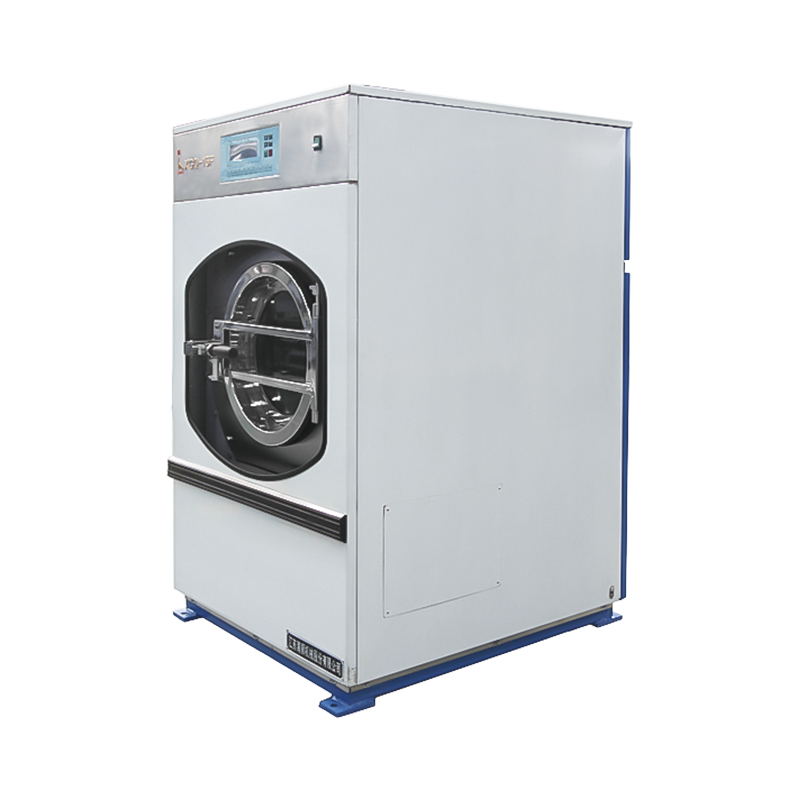
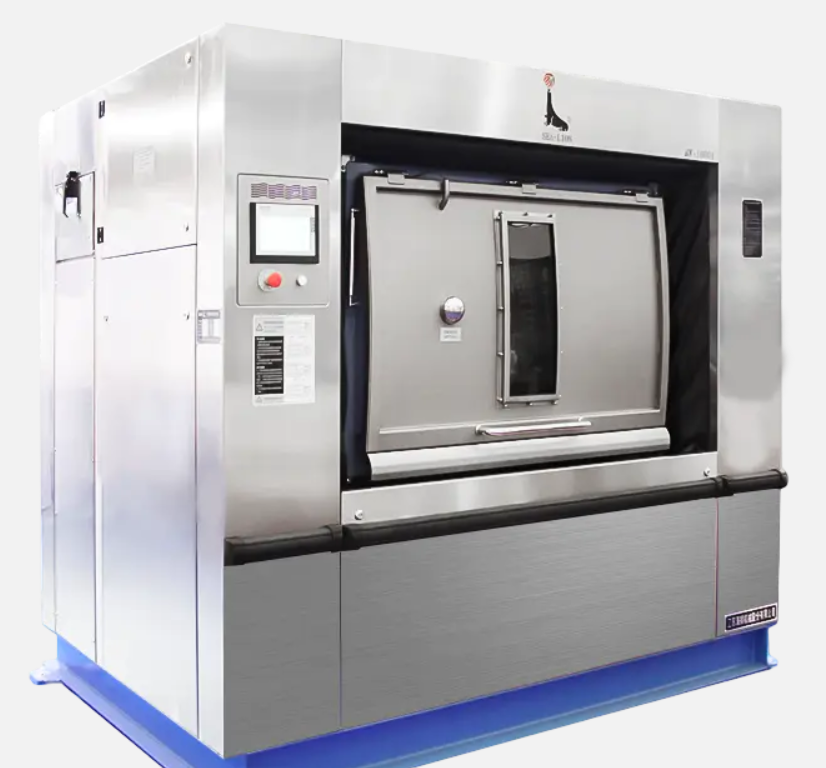
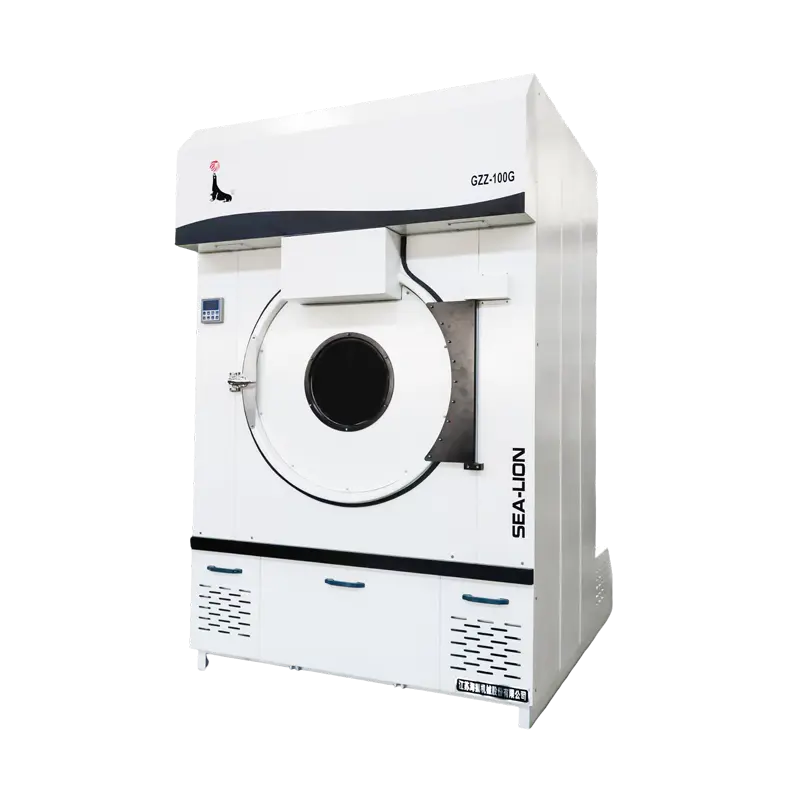
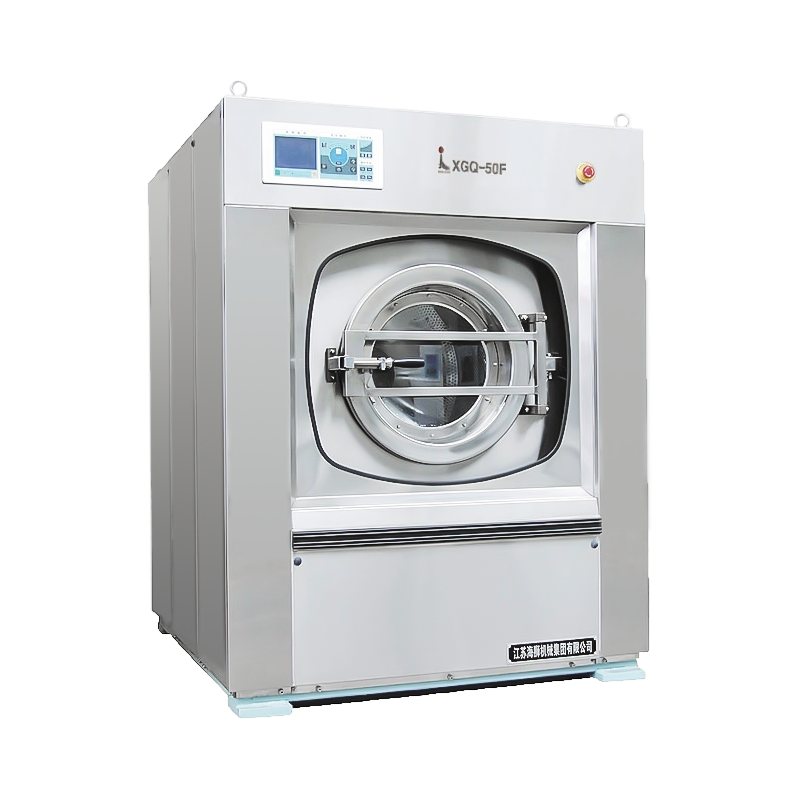
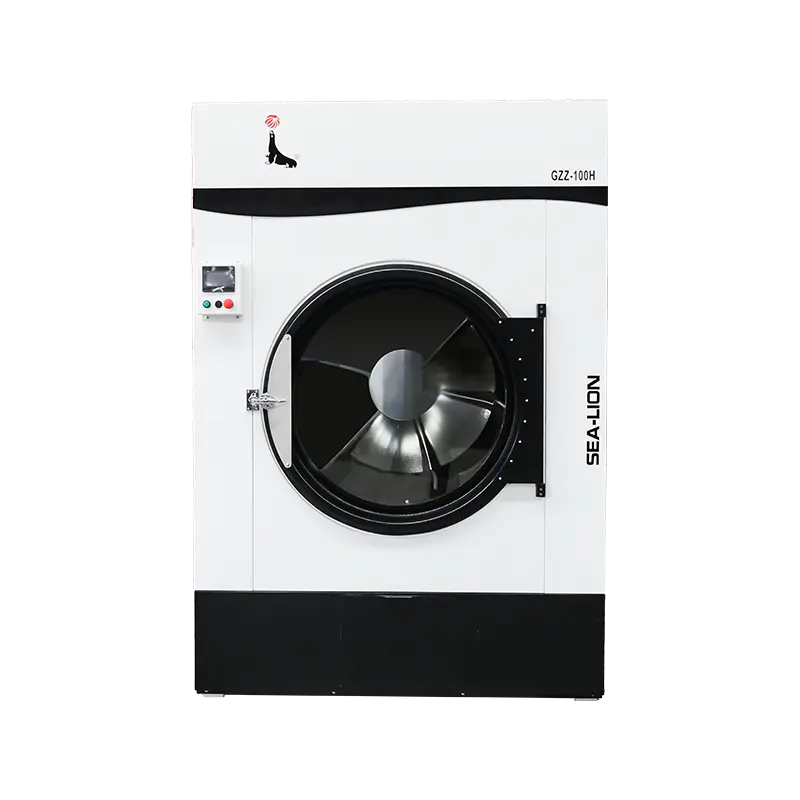

- No. 2 Lehong Road, Leyu Town, Zhangjiagang, Suzhou City, Jiangsu Province, China
- +86-512-58602532
- [email protected]
Copyright @ Jiangsu Sea-Lion Machinery Co., Ltd. All rights reserved
Custom Laundry Equipment Suppliers