Revolutionizing Laundry Operations: A Guide to High-Performance Folding Solutions
In the modern landscape of commercial and industrial laundry, efficiency is the currency of success. As labor costs rise and throughput demands increase, the shift towards automation has become not just an option, but a necessity. This guide explores the technical nuances and operational benefits of advanced folding machinery, designed to streamline your workflow and maximize productivity.
The Evolution of Automated Folding Technology
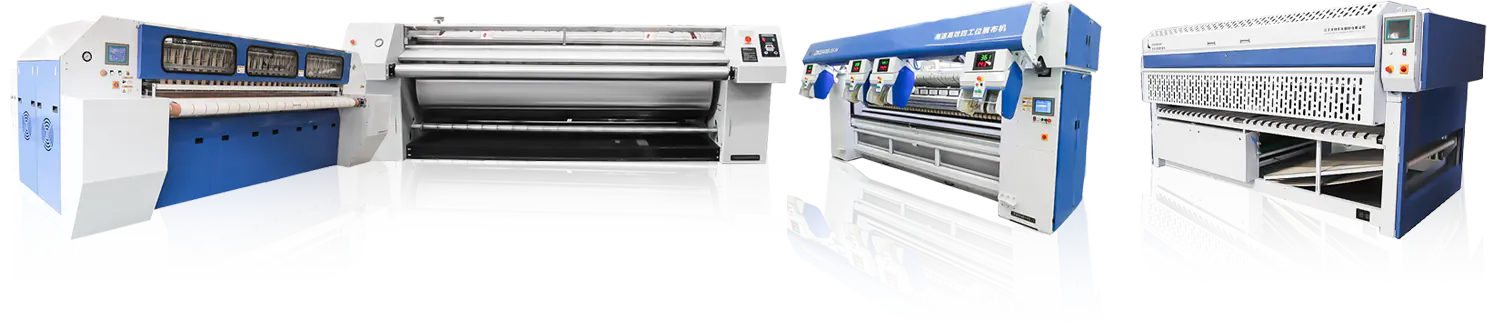
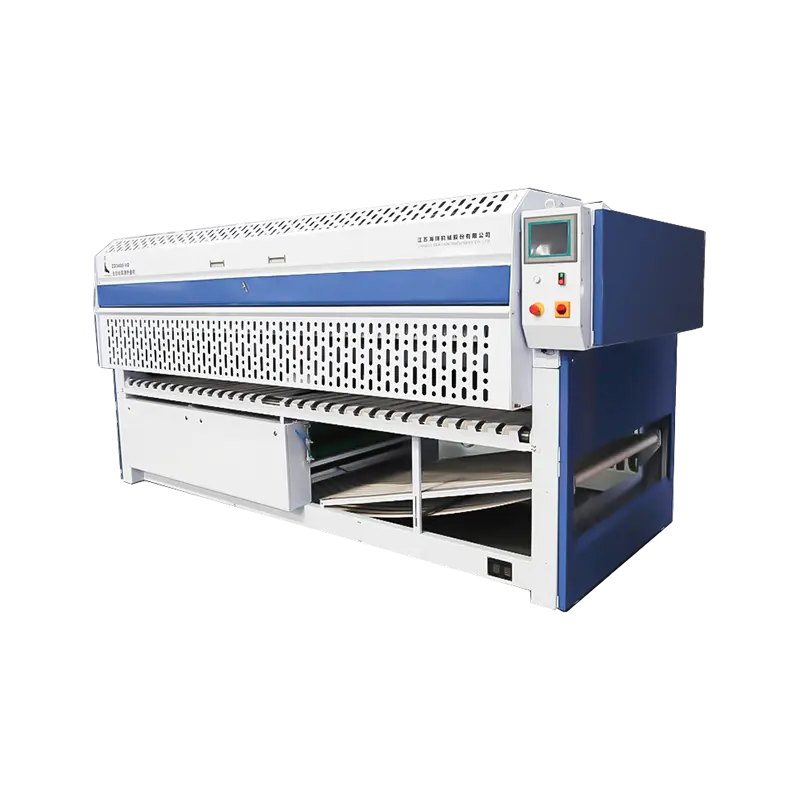
The transition from manual folding to automated systems represents a significant leap in operational efficiency. An Automatic Bed Sheet Folder serves as the cornerstone of this transformation. Unlike manual processes that are prone to inconsistency and high labor dependency, modern automatic folders utilize advanced sensor technology to detect linen dimensions, ensuring precise folds every time. This precision is critical for businesses aiming to maintain high presentation standards while reducing the physical strain on their workforce.
- Consistency: Delivers uniform results regardless of operator fatigue.
- Labor Optimization: Frees up staff for quality control and other critical tasks.
- Throughput: Capable of processing thousands of pieces per hour, far exceeding manual speeds.
Understanding the Versatility of Linen Folding Machines
Diverse laundry facilities require machinery that can adapt to various fabric types and sizes. A high-quality Linen Folder Machine is engineered to handle a wide spectrum of textiles, from heavy hotel duvet covers to delicate tablecloths. The sophistication of these machines lies in their programmable logic controllers (PLCs), which allow operators to switch between folding programs seamlessly. This adaptability minimizes downtime between different linen batches, making the Linen Folder Machine an indispensable asset for central laundry plants and hospitality service providers.
- Multi-Program Capability: Stores custom fold configurations for different clients or linen types.
- Material Handling: Designed to process various fabric weights without causing damage or misalignment.
- Space Efficiency: Modern designs often feature compact footprints suitable for facilities with limited floor space.
Key Considerations When Selecting a Folding Machine
Investing in a Linen Folder Machine requires careful consideration of several technical parameters to ensure it meets your specific operational volume. Below is a comparison of critical factors to evaluate during the procurement process.
| Feature |
Standard Folder |
Advanced Folder |
| Folding Speed |
Moderate (suitable for small to mid-size operations) |
High (designed for industrial-scale throughput) |
| Automation Level |
Semi-automatic (requires some manual intervention) |
Fully automatic with auto-detection and stacking |
| Control System |
Basic relay logic or simple PLC |
Touchscreen PLC with remote diagnostics capability |
| Folding Configurations |
Limited standard folds |
Customizable multi-program folds (e.g., 2, 3, or 4 folds) |
Maximizing Throughput with High Speed Solutions
For large-scale industrial laundries processing tons of linen daily, speed is a critical metric. A High Speed Sheet Folder is specifically engineered to operate at elevated belt speeds without compromising fold accuracy. These machines incorporate high-performance drive systems and precision air flotation technology to move linen smoothly at rapid rates. By integrating a High Speed Sheet Folder into your production line, facilities can effectively eliminate bottlenecks, ensuring that the folding capacity matches the washing and drying capacity of the plant.
- Air Flotation: Reduces friction to allow for high-speed movement of heavy linens.
- Anti-Static Systems: Prevents linen from sticking together, enhancing separation efficiency.
- Instant Reverse: Allows for quick correction of jams or misfeeds to maintain continuous operation.
The Role of Integrated Stacking Systems
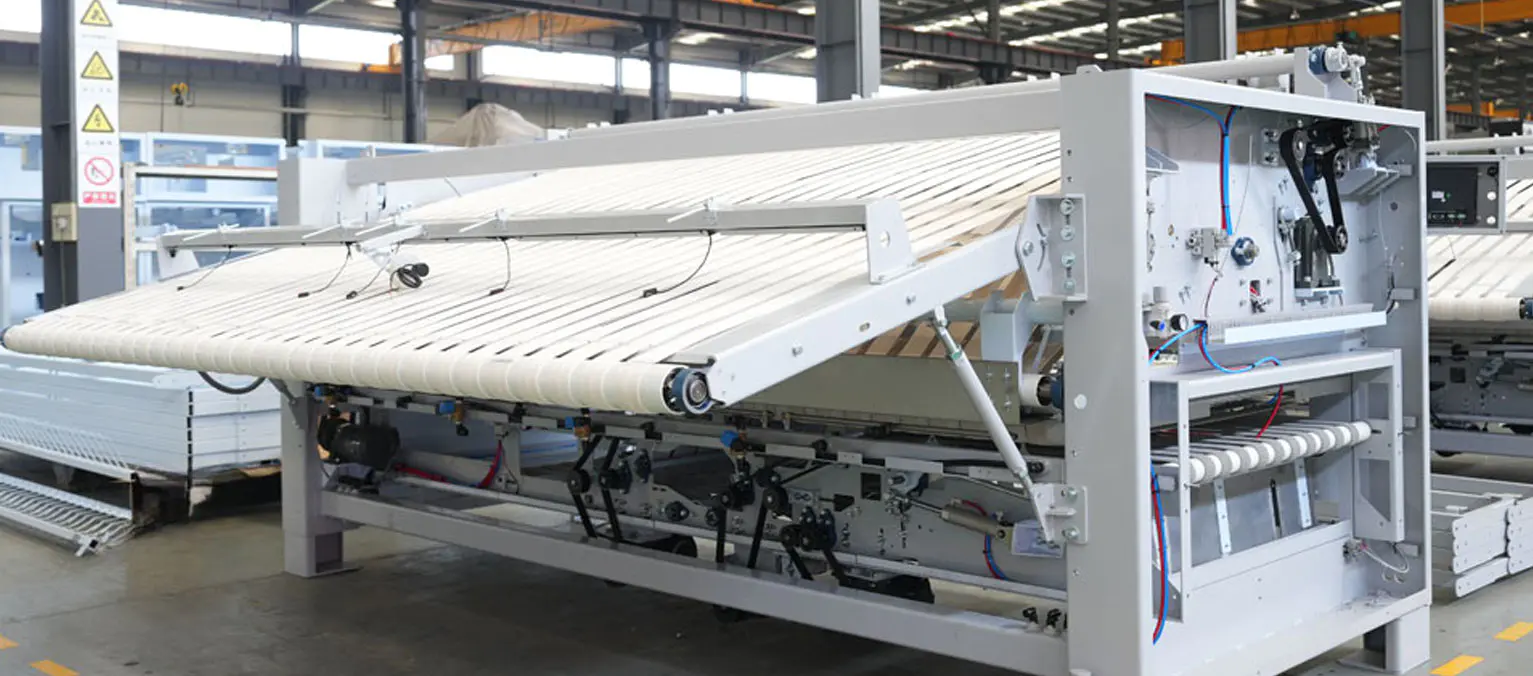
Folding is only half the equation; efficient handling of folded linen is equally important. This is where the High Speed Sheet Stacker becomes vital. Integrated directly with the folder, this equipment automatically stacks finished linens into neat piles, ready for packaging or transport. The High Speed Sheet Stacker eliminates the need for manual catching and stacking, which is often the speed-limiting factor in traditional lines. By automating the final stage of the process, laundries can achieve a seamless, continuous flow from the dryer to the dispatch area.
- Height Adjustment: Automatic stack height control for uniform bundle sizes.
- Conveyor Integration: Easily connects to downstream conveyor systems for automated sorting.
- Ergonomic Design: Reduces repetitive motion injuries associated with manual stacking.
Integrating Folders and Stackers for Operational Excellence
Combining a High Speed Sheet Folder with a stacker creates a synergistic effect that maximizes return on investment. When selecting equipment, it is essential to ensure compatibility between the folder and stacker to maintain synchronization. The following table outlines the performance benefits of an integrated system versus standalone units.
| System Type |
Efficiency Impact |
Labor Requirement |
| Standalone Folder |
Requires manual feeding and catching, limiting maximum speed. |
High (requires multiple operators for catching and stacking) |
| Integrated Folder & Stacker |
Continuous operation allows for maximum utilization of machine speed. |
Low (minimal supervision required; focus on quality control) |
| Automated Workflow |
Data integration allows for real-time production monitoring. |
Optimized (staff can be reassigned to value-added tasks) |
FAQ
What types of linen are suitable for an Automatic Bed Sheet Folder?
An Automatic Bed Sheet Folder is highly versatile and typically designed to handle a wide range of flatwork items. This includes bed sheets of all sizes (from single to king-size), duvet covers, tablecloths, and even large napkins. Advanced models allow operators to adjust settings for different fabric thicknesses and materials, such as cotton, polycotton, or microfiber, ensuring a crisp fold regardless of the linen type.
How does a High Speed Sheet Folder improve laundry profitability?
A High Speed Sheet Folder directly impacts profitability by significantly increasing throughput and reducing labor costs. By automating the folding process, laundries can process higher volumes of linen in less time, reducing the need for overtime pay and minimizing the workforce required in the finishing section. Furthermore, precise folding reduces linen rejection rates due to poor presentation, thereby extending the lifespan of the textiles.
What maintenance is required for a Linen Folder Machine?
To ensure the longevity and optimal performance of a Linen Folder Machine, a routine maintenance schedule is essential. This typically includes daily cleaning of sensors and folding plates to remove lint accumulation, checking air pressure levels for pneumatic systems, and inspecting belts for wear and tear. Lubrication of moving parts should be performed according to the manufacturer's guidelines. Modern machines often feature self-diagnostic systems that alert operators to potential issues before they cause significant downtime.
Can a High Speed Sheet Stacker handle different stack sizes?
Yes, a modern High Speed Sheet Stacker is designed with flexibility in mind. Operators can program specific stack counts and heights based on the requirements of the end-user or the packaging specifications. For example, a hotel may require stacks of 10 sheets, while a hospital linen service might require different counts. The machine automatically adjusts the stacking speed and conveyor position to maintain neat and stable piles.

 English
 Français
 Español