English
 Français
 Español











How Barrier Washers Prevent Cross-Contamination in Hospital and Pharma Laundries
Content
- 1 The Growing Challenge of Cross-Contamination
- 2 What Is a Barrier Washer Extractor?
- 3 How Barrier Washers Prevent Cross-Contamination
- 4 Barrier Washers vs. Conventional Washer Extractors
- 5 Applications in Hospital and Pharmaceutical Laundries
- 6 Choosing the Right Barrier Washer
- 7 Best Practices for Workflow Integration
- 8 Frequently Asked Questions
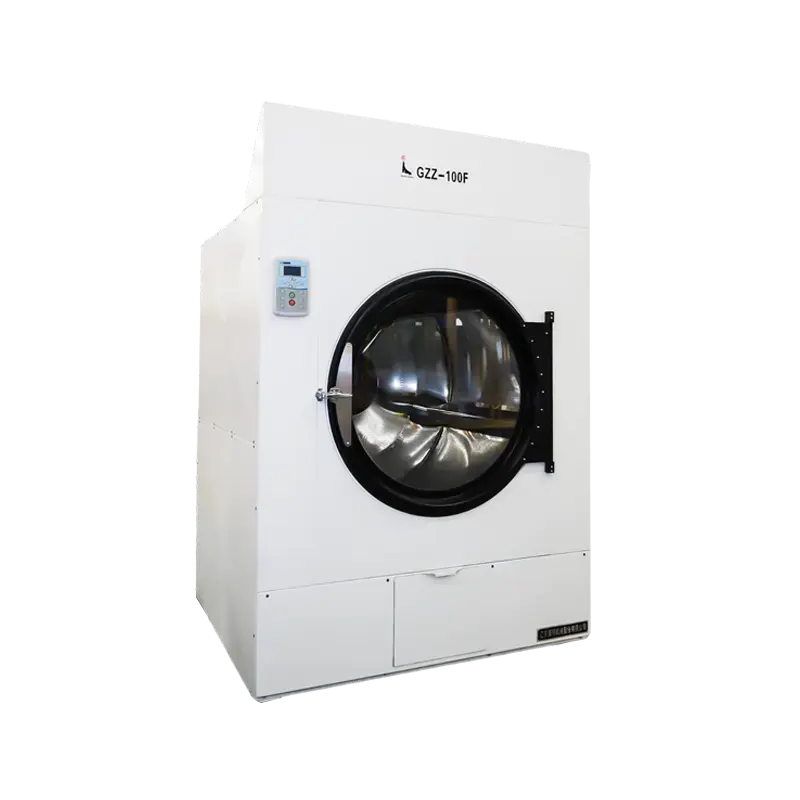
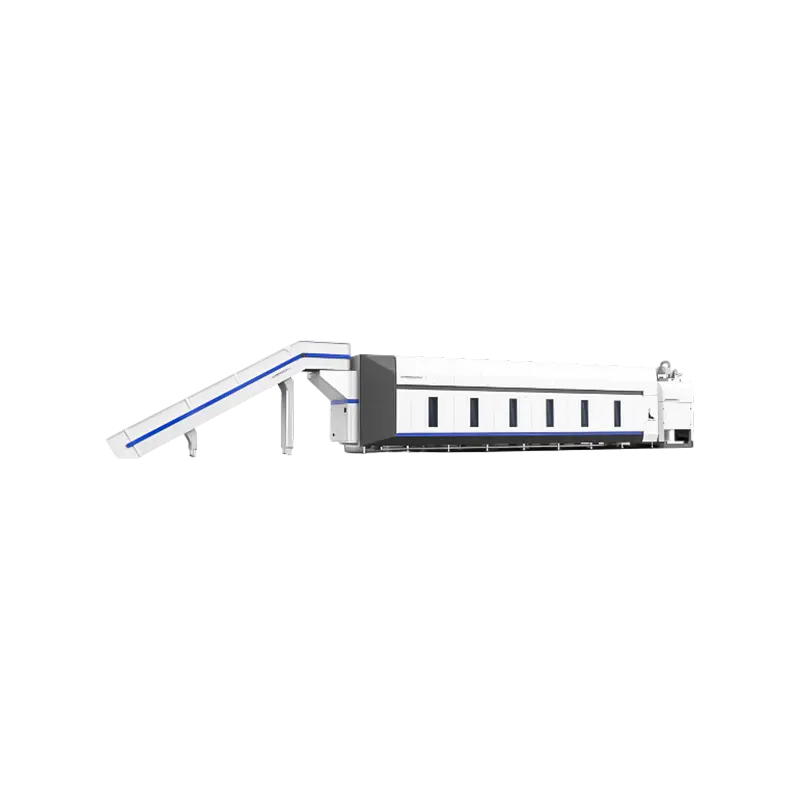
Cross-contamination in healthcare laundry is a serious patient-safety risk. When soiled hospital or pharmaceutical textiles are washed without physical separation, pathogens can move from dirty carts to freshly cleaned gowns and sheets. Barrier washers are engineered to eliminate this risk by combining mechanical separation, controlled airflow, and hygienic disinfection cycles into one reliable system.
The Growing Challenge of Cross-Contamination
Hospital linens and pharmaceutical garments carry a wide range of microorganisms, from drug-resistant bacteria to viral spores. Without rigorous handling, these contaminants can survive on fabrics for extended periods. Re-contaminated linens can contribute to surgical site infections and healthcare-associated infections, while in pharmaceutical production, a single compromised cleanroom garment can ruin an entire aseptic batch.
A conventional washer extractor creates a second problem. Even if the wash cycle is effective, the machine opens back onto the same room where soiled items entered, so clean goods can easily be re-contaminated. The complete solution is to separate the loading side from the unloading side with a physical barrier.
What Is a Barrier Washer Extractor?
A barrier washer extractor is a washing machine with two doors, built for installation through a wall or partition. The loading door faces the soiled side of the laundry; the unloading door faces the clean side. Soiled linens enter through the dirty-side door, and after the wash program finishes, the cleaned items are removed on the clean side in a different room or zone.
The interlocking mechanism is critical: the two doors cannot be opened at the same time, preventing any direct transfer of air or materials between dirty and clean zones.
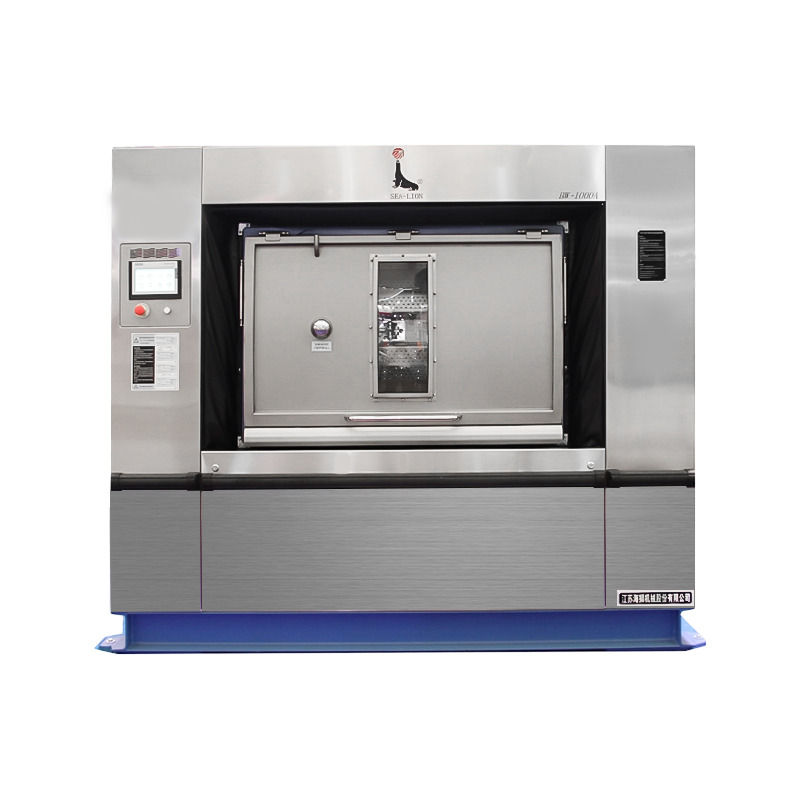
Sea-Lion's Cross-Contamination Prevention Barrier Washer Extractor is purpose-built for this role, supporting hygienic zoning in hospital and pharmaceutical laundries.
 Sea-Lion Cross-Contamination Prevention Barrier Washer ExtractorThis barrier washer extractor separates contaminated and clean zones to prevent cross-contamination, making it suitable for hospitals, cleanrooms, pharmaceuticals, and food processing facilities.View Product →
How Barrier Washers Prevent Cross-Contamination
Barrier washers prevent cross-contamination through five mechanisms that work together.
Physical Separation of Clean and Dirty Zones
The wall-through installation is the first line of defense. Because the machine body sits in a partition, the barrier is continuous and laundry carts never cross from the dirty side to the clean side. The door interlock makes simultaneous access impossible.
Controlled Airflow and Pressure Differentials
The dirty area is kept at a lower pressure than the clean area, so air flows from clean toward dirty. Since both doors can never be open together, this pressure gradient is preserved and airborne microbes are pushed away from the clean zone.
Hygienic Sealing and Drain Design
High-compression gaskets, the shell, and the drain system all act as fluid barriers. They prevent contaminated water and aerosols from leaking through the machine body during wash cycles.
Thermal and Chemical Disinfection Cycles
The wash process must also destroy microorganisms. Programmable controllers run thermal disinfection cycles with defined temperature and holding time, while chemical dosing adds disinfectants. The controller logs temperature, time, and chemical levels for validation.
Smooth, Cleanable Surfaces and Materials
Fully welded stainless steel drums and shells leave no crevices for biofilm, the shell slopes to drain completely, and door gaskets are easy to clean. These material choices prevent indirect contamination.
Barrier Washers vs. Conventional Washer Extractors
To understand the value of a barrier washer, it helps to compare it directly with a conventional single-door washer extractor.
| Feature | Barrier Washer Extractor | Conventional Washer Extractor |
|---|---|---|
| Loading and unloading | Two sides, separated by a wall | Same opening on one side |
| Dirty-to-clean zoning | Built into the design | Not possible |
| Cross-contamination risk | Very low | Moderate to high |
| Airflow control | Preserves pressure differential | Limited |
| Cycle validation and logging | Standard capability | Often basic |
| Typical applications | Hospitals, pharmaceuticals | Hotels, general commercial laundries |
For critical healthcare and pharmaceutical applications, the conventional washer simply cannot supply the needed separation between dirty and clean processes. This is why more healthcare laundry specialists now rely on barrier technology. If you want a more detailed analysis, we discuss the clinical application in our article on how barrier washer extractors prevent cross-contamination in hospitals.
Applications in Hospital and Pharmaceutical Laundries
Hospital Laundry and Hygienic Linen Management
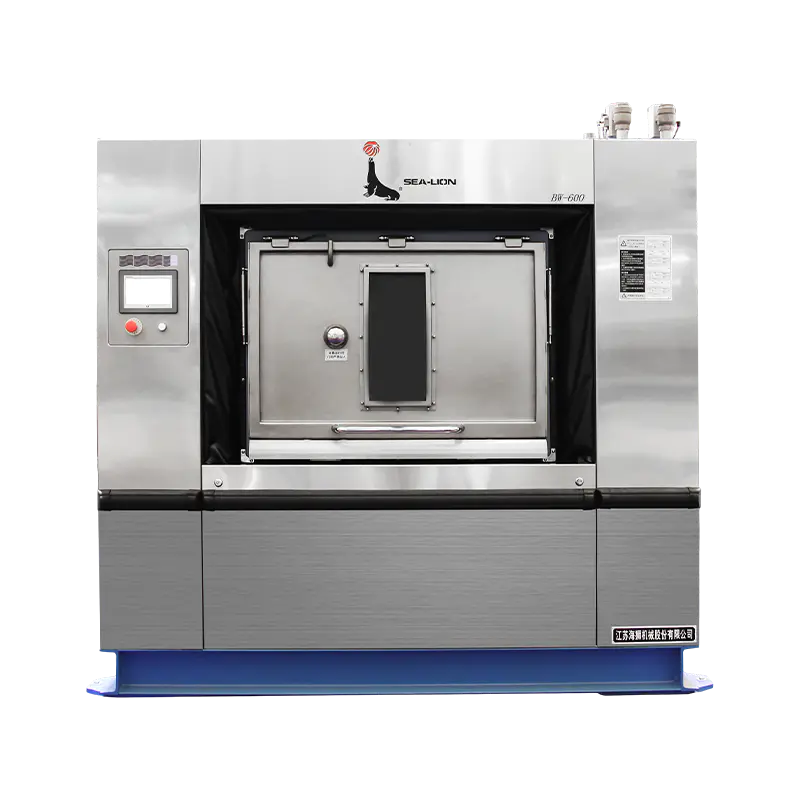
In a hospital laundry, the barrier washer is the pivot point of a hygienic workflow. The wall divides the inbound bay where contaminated linens are received from the clean finishing room where linens are pressed, folded, and packaged. This layout follows recognized hygienic linen management principles, and it works for patient bedding, surgical gowns, operating room towels, and staff uniforms. Sea-Lion's Hospital Hygienic Barrier Washer Extractor is designed specifically for hospitals, with disinfection programs and ergonomic loading that support high-throughput healthcare laundries.
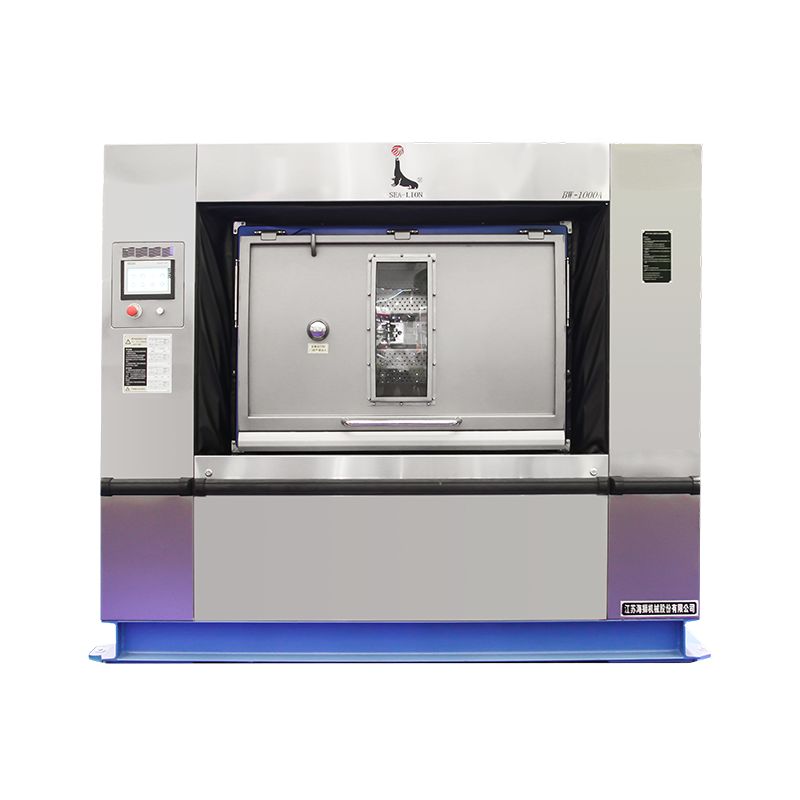 Hospital Hygienic Barrier Washer ExtractorDesigned for hospitals and cleanrooms, this barrier washer uses physical isolation and disinfection programs to support hygienic linen management in high-throughput healthcare laundries.View Product →
Pharmaceutical and Cleanroom Garment Laundering
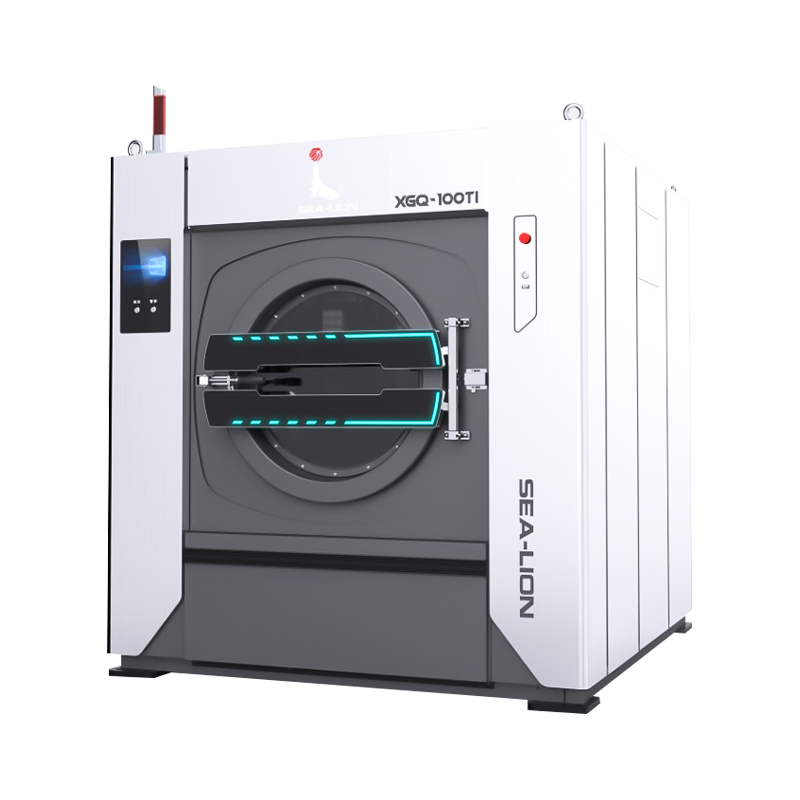
Pharmaceutical laundries have an even stricter requirement: they must demonstrate that every cleanroom garment is washed under a validated, reproducible process. Barrier washers make this possible by separating the soiled garment intake from the clean garment exit. Cycle parameters are recorded, giving quality assurance teams a complete audit trail. For facilities that also need to manage different contamination categories in one workflow, Sea-Lion's Hygienic Two-Zone Automatic Washer Extractor provides an additional level of separation within the wash process itself.
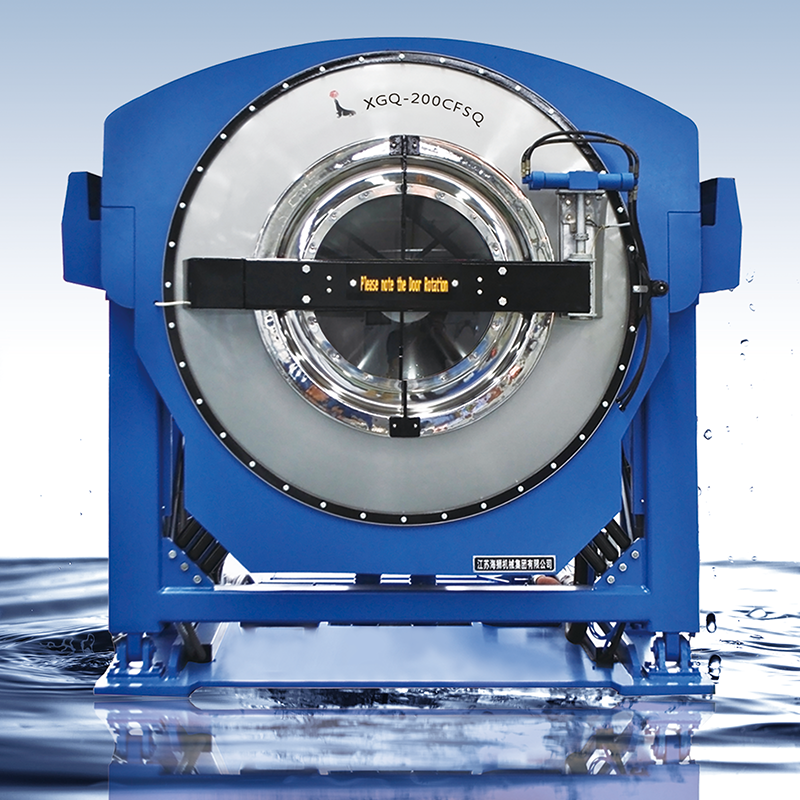 Hygienic Two-Zone Automatic Washer ExtractorThis washer extractor divides laundry areas into clean and non-clean zones, adding extra separation within the wash process for facilities managing different contamination categories.View Product →
Choosing the Right Barrier Washer
Selecting a barrier washer for a hospital or pharmaceutical laundry requires more than just choosing a drum size. Check the following technical criteria:
- Chamber capacity that matches peak daily linen throughput without creating queues on the dirty side.
- Disinfection temperature range and heating method compatible with your steam, electric, or thermal oil system.
- Door interlocking with failsafe sensors that prevent simultaneous opening under any failure mode.
- Programmable logic control with data logging, password protection, and easy validation support.
- Fully welded stainless steel construction, drainable chambers, and accessible gaskets for hygienic maintenance.
- Compatibility with international hygienic laundry frameworks such as EN 14065 RABC-based approaches.
Installation planning is also part of the selection process. The wall partition must accommodate the machine shell, and the room ventilation system must create the necessary pressure differential between the dirty and clean sides.
Best Practices for Workflow Integration
A barrier washer must be surrounded by correct processes to be fully effective. Laundry managers should follow these best practices:
- Define the dirty and clean zones clearly with floor markings, signage, and separate equipment.
- Use color-coded carts and containers so soiled linen containers never enter the clean area.
- Train every operator to respect the one-direction rule: items always move from dirty to clean, never backward.
- Inspect door gaskets, seals, and interlock functions weekly and log the results.
- Validate thermal and chemical disinfection cycles annually or when load composition changes significantly.
- For very high volumes, integrate barrier washers with continuous tunnel washing systems to streamline the entire processing line. You can learn more about this option in our article on how a fully automatic continuous tunnel washer improves your laundry operation.
Frequently Asked Questions
Q1: What is the difference between a barrier washer and a conventional washer extractor?
A barrier washer has two doors mounted through a wall, so it is loaded on one side and unloaded on the other side, keeping soiled and clean linen in separate rooms. A conventional washer extractor opens from one side, so cleaned linen is removed in the same room where it was loaded and can easily be re-contaminated.
Q2: Can a barrier washer fully sterilize hospital laundry?
No washing machine can guarantee sterilization by itself. A well-maintained barrier washer running an approved thermal and chemical disinfection cycle inactivates a broad range of infectious pathogens and meets the hygienic requirements of hospital and pharmaceutical laundries, provided the process is validated regularly.
Q3: Do pharmaceutical laundries really need barrier washers?
Yes. Cleanroom garments for pharmaceutical production must meet defined limits for particles and microorganisms after laundering. A barrier washer provides the required separation between non-clean and clean areas, while cycle logging supports the documentation demanded by good manufacturing practice.
Q4: How often should a barrier washer be maintained?
Operators should clean the drum, door gaskets, and drain filters after every production day. Preventive maintenance, including checks of hinges, interlock switches, valves, and seals, should be performed at least quarterly. Disinfection cycles should be revalidated at least once per year.
Cross-contamination cannot be solved with stronger detergents alone; it demands an engineering answer. Barrier washers prevent cross-contamination by combining physical separation, controlled airflow, hygienic sealing, and validated disinfection in a single machine. For hospital and pharmaceutical laundries where patient safety and product integrity depend on clean textiles, a purpose-built barrier washer is not a luxury; it is an essential safeguard.

- No. 2 Lehong Road, Leyu Town, Zhangjiagang, Suzhou City, Jiangsu Province, China
- +86-512-58602532
- [email protected]
Copyright @ Jiangsu Sea-Lion Machinery Co., Ltd. All rights reserved
Custom Laundry Equipment Suppliers