How does a Tunnel Washer Hydraulic Press Machine differ from a standard hydraulic press?
Introduction to tunnel washer hydraulic press machines
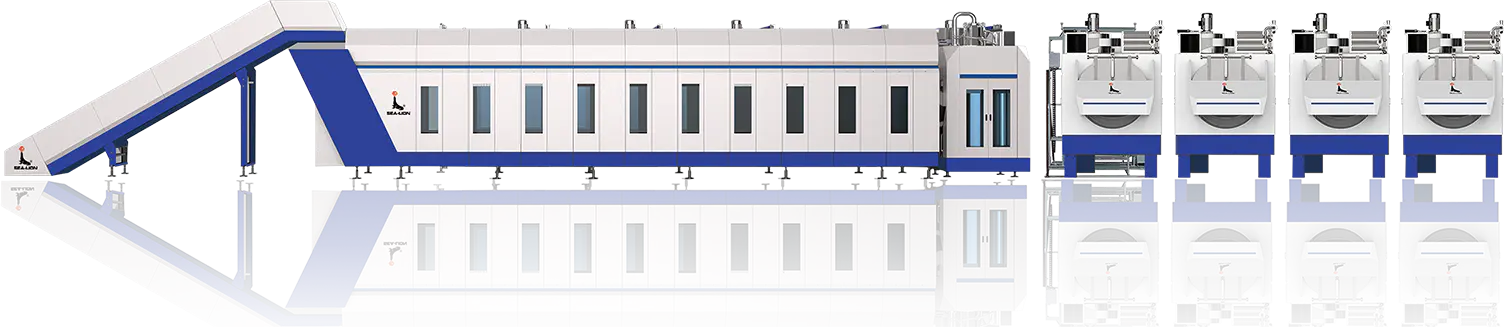
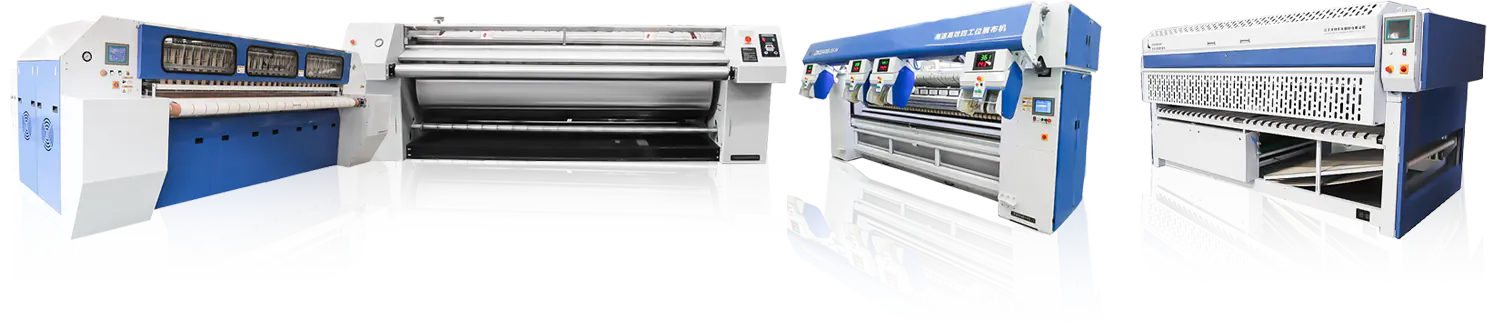
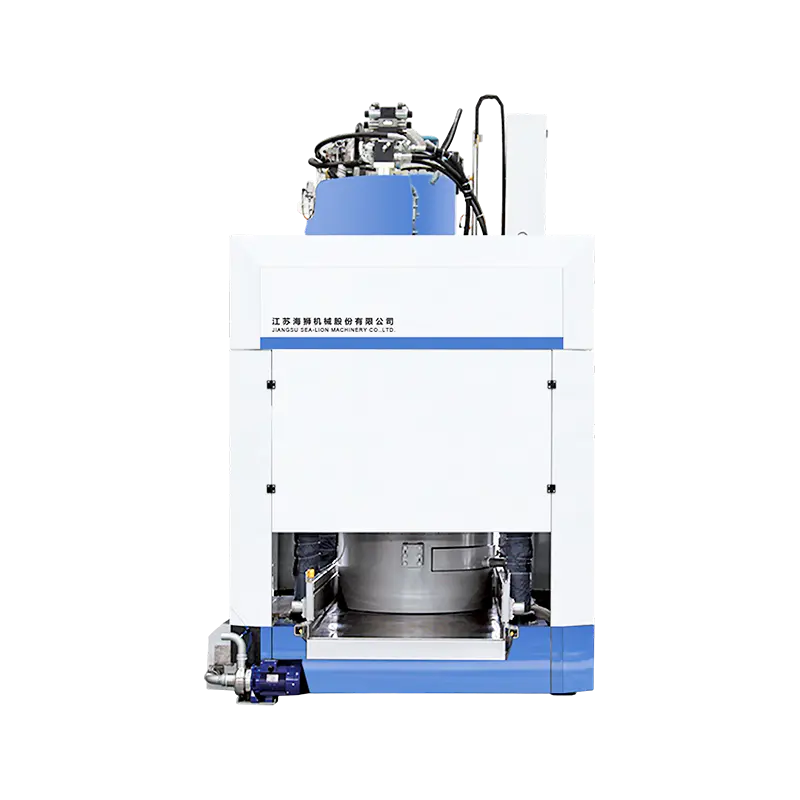
Tunnel Washer Hydraulic Press Machine is an advanced solution in industrial laundry that combines hydraulic pressing technology with high-efficiency washing operations. Unlike conventional hydraulic presses, which are primarily designed for general mechanical pressing, CBW Hydraulic Press Machine and similar systems are tailored for laundry operations, providing both pressing and dewatering functions in a single integrated system. The pressing system of these machines adopts hydraulic driving, achieving pressures up to 45 bar, which can be adjusted steplessly thanks to the enhanced pressing head design.
These machines allow graphical monitoring of pressing performance and support up to 99 programmable operations, making them highly versatile. The pressing system is not limited to simple squeezing; it also integrates rinsing functions to improve washing quality significantly. Moreover, Tunnel Washer Dewatering Press Machine and Industrial Laundry Press Machine models offer multiple discharging options, including vertical and lateral outputs, adapting to different operational layouts in industrial laundries.
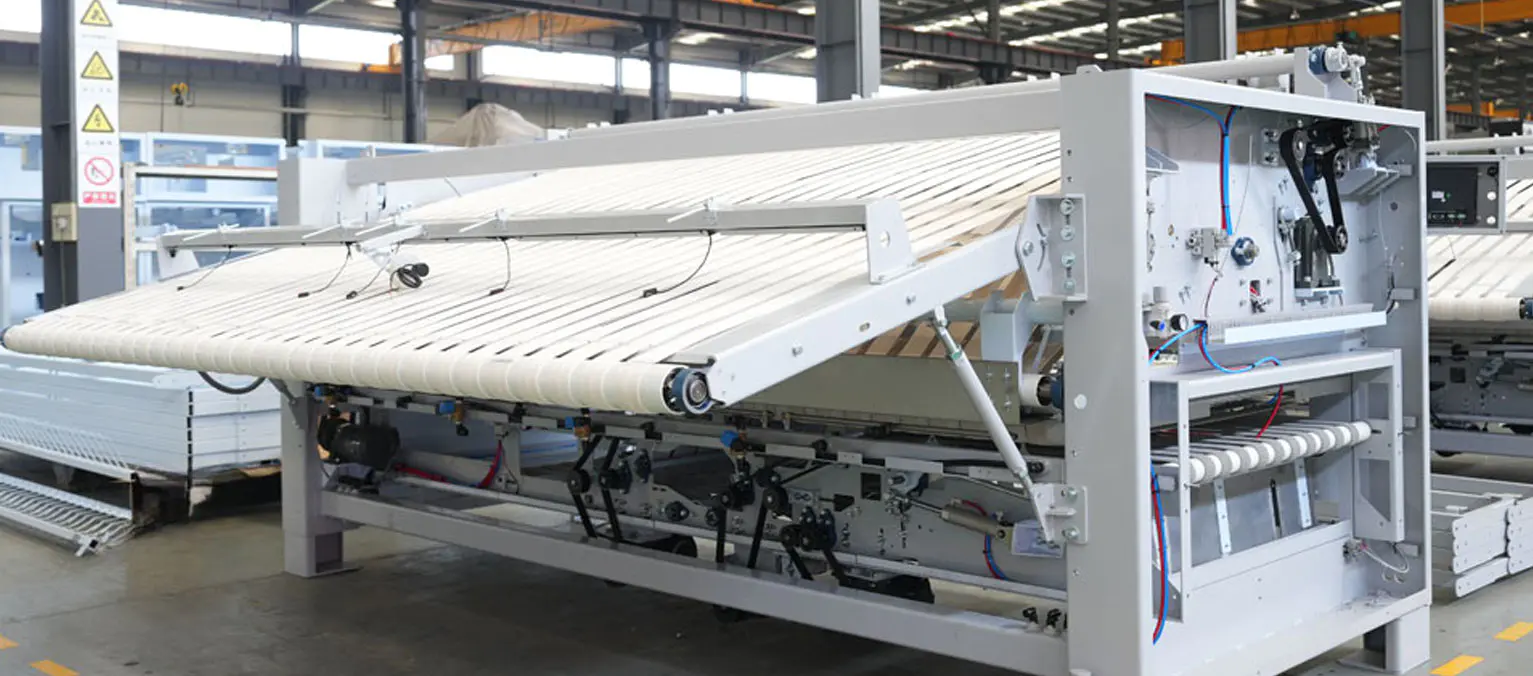
The structural design also emphasizes safety and durability. Upper and lower steel beams are reinforced with four steel pillars treated with anti-corrosion measures. Loading and discharging are controlled by infrared sensors, reducing operational hazards while simplifying the user experience.
Key components of a tunnel washer hydraulic press machine
Understanding the structural and functional components is essential for distinguishing Tunnel Washer Hydraulic Press Machine from standard presses.
Main components include:
- Hydraulic Pressing System: Provides adjustable pressure and monitors performance graphically.
- Enhanced Pressing Head: Ensures stepless pressure regulation and uniform dewatering.
- Rinsing Function Integration: Enhances washing quality by combining pressing and rinsing cycles.
- Steel Support Structure: Anti-corrosion pillars ensure durability and operational stability.
- Infrared Sensor Controls: Facilitate safer loading and discharging processes.
| Component |
Function |
| Hydraulic Press System |
Delivers pressure up to 45 bar with stepless adjustment for precise laundry pressing |
| Pressing Head |
Provides uniform pressure distribution and enhanced dewatering performance |
| Rinsing Integration |
Allows simultaneous squeezing and rinsing for improved washing quality |
| Steel Pillars & Beams |
Ensure structural stability and corrosion resistance |
| Infrared Sensors |
Enable safe and automated loading and discharging |
These components distinguish CBW Hydraulic Press Machine from standard hydraulic presses, which typically lack integrated rinsing, programmable cycles, and specialized safety features for industrial laundry operations.
Operational advantages over standard hydraulic presses
One of the most significant differences between Tunnel Washer Dewatering Press Machine and a standard hydraulic press is the operational design tailored for laundry efficiency. Standard presses are designed for general material compression, offering limited control over pressing cycles or adaptability for water-heavy processes. In contrast, industrial laundry presses combine multiple functions in a single workflow:
- Integrated Squeezing and Rinsing: Standard presses only compress material; Industrial Laundry Press Machine systems actively enhance washing quality.
- Programmable Operations: Up to 99 program options allow operators to fine-tune pressure and cycle duration for different textile types.
- Variable Discharging Options: Vertical or lateral discharge improves workflow adaptability and reduces handling times.
- Graphical Monitoring: Operators can track pressing performance in real time, enabling consistent quality control.
- Infrared Safety Sensors: Minimize risks associated with manual loading/unloading, a feature absent in conventional presses.
The combined result is a machine that maximizes efficiency, reduces labor costs, and maintains the quality of industrial laundry operations.
Technical considerations for tunnel washer hydraulic press machines
When evaluating Tunnel Washer Hydraulic Press Machine systems, several technical aspects set them apart from standard hydraulic presses:
- Hydraulic Pressure Regulation: The enhanced pressing head ensures uniform pressure distribution and stepless adjustment, preventing fabric damage.
- Material Handling: Machines can handle wet, heavy textiles efficiently, a challenge for standard presses.
- Maintenance: Corrosion-resistant steel pillars reduce long-term maintenance needs, critical in wet environments.
- Automation: Infrared sensors for loading and discharging simplify operations while enhancing safety.
- Water Management: Some models, like those developed by Jiangsu Sea-Lion Machinery Co., Ltd., feature integrated return water tanks for rinse and press water, promoting resource efficiency.
| Technical Aspect |
Tunnel Washer Hydraulic Press Machine |
Standard Hydraulic Press |
| Pressure Range |
Up to 45 bar, steplessly adjustable |
Limited, often fixed or manually adjusted |
| Functionality |
Pressing + rinsing + dewatering |
Pressing only |
| Automation |
Infrared sensors, programmable cycles |
Manual operation, minimal automation |
| Structural Safety |
Anti-corrosion steel pillars, reinforced beams |
Basic steel frames, limited corrosion protection |
| Water Management |
Integrated return tanks for efficient water use |
Not applicable |
These technical advantages demonstrate why CBW Hydraulic Press Machine systems are specifically designed for industrial laundry applications, whereas standard presses are less adaptable to complex wet environments.
Applications in industrial laundry
Industrial Laundry Press Machine systems are used in a variety of settings, from hospitals and hotels to large-scale textile operations. The machines are capable of processing large volumes of textiles efficiently while maintaining high-quality output.
Key applications include:
- Hospital laundry: Ensures hygienic dewatering and consistent washing cycles for linens and surgical fabrics.
- Hotel laundry: Handles large volumes of bedding and towels with minimal manual handling.
- Textile processing plants: Efficiently squeezes and rinses industrial fabrics, preparing them for finishing processes.
The versatility of Tunnel Washer Dewatering Press Machine makes it suitable for any environment where high-capacity, precise, and safe pressing is required. The programmable nature and hydraulic control enable operators to manage diverse load types and optimize resource consumption.
Design and safety features
Safety and durability are critical for industrial laundry equipment. Tunnel Washer Hydraulic Press Machine incorporates multiple design measures to ensure long-term operational safety:
- Steel Support Structure: Upper and lower beams supported by four anti-corrosion steel pillars guarantee stability.
- Infrared Loading/Discharging Sensors: Reduce accidents and simplify automation.
- Enhanced Pressing Head: Ensures consistent pressure distribution and protects fabric integrity.
- Programmable Cycles: Operators can set different pressure and rinsing programs to match fabric type, improving quality and reducing risks of damage.
These features demonstrate a clear departure from standard hydraulic presses, which rarely account for fabric-specific handling or high-volume wet operations.
Integration with modern laundry solutions
Jiangsu Sea-Lion Machinery Co., Ltd. has pioneered integration of advanced process equipment into industrial laundry systems. Their Tunnel Washer Hydraulic Press Machine is designed to optimize water and energy use while maintaining high throughput. For example, the upgraded tunnel washer system includes a 1.5-ton return water tank for rinse water and a nearly 300-kilogram press return water tank, ensuring nearly full utilization of resources.
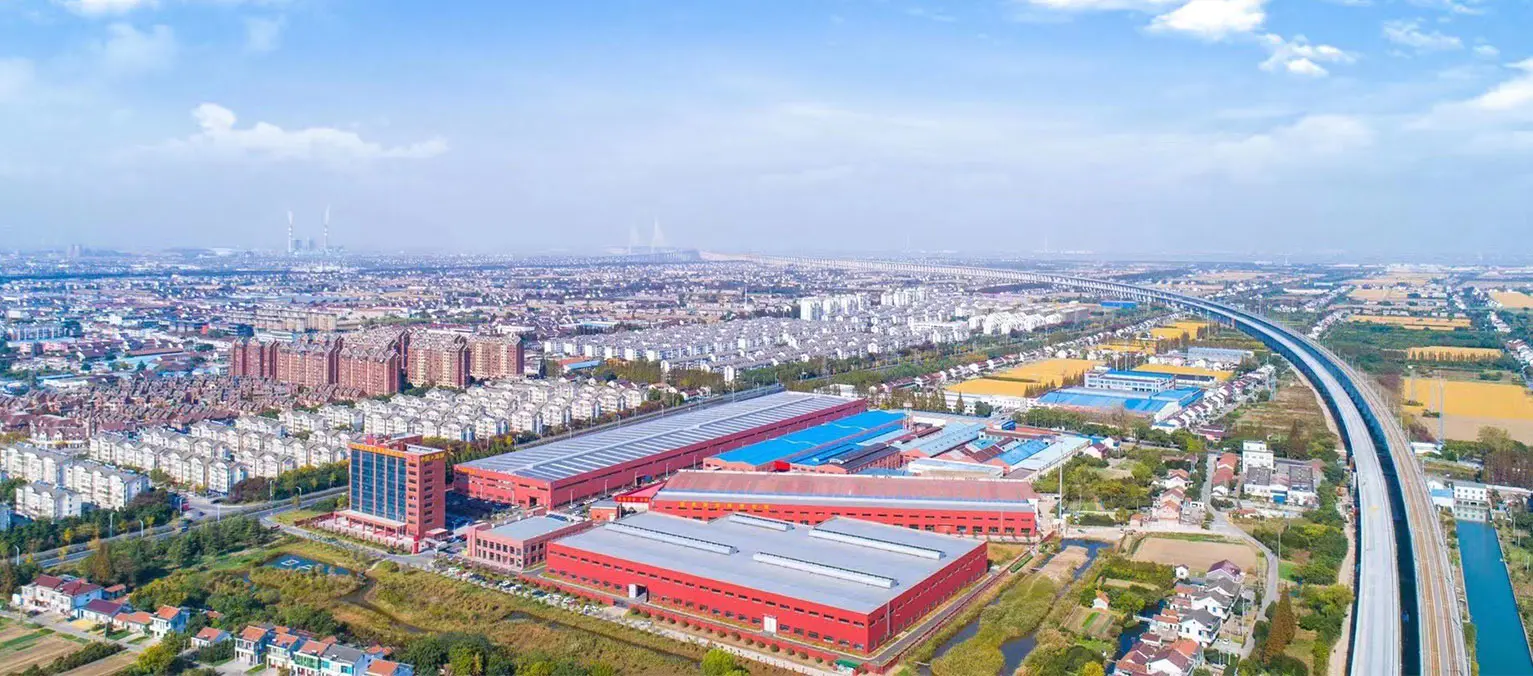
Sea-Lion’s manufacturing capabilities, including advanced laser cutting, CNC finishing, automated robotic welding, and digital intelligent assembly, enable the production of highly reliable CBW Hydraulic Press Machine and Industrial Laundry Press Machine systems. The company’s emphasis on energy-saving and environmentally friendly solutions aligns with modern industrial standards, making these machines more sustainable than standard presses.
Maintenance and troubleshooting
Routine maintenance of Tunnel Washer Dewatering Press Machine ensures reliable operation and prevents costly downtime. Key maintenance steps include:
- Hydraulic system checks: Inspect for leaks, pressure consistency, and fluid quality.
- Sensor calibration: Ensure infrared sensors are responsive for safe loading and unloading.
- Structural inspection: Verify integrity of steel beams and anti-corrosion pillars.
- Cleaning and dewatering channels: Remove debris or fabric residues to maintain pressing efficiency.
Troubleshooting is simplified by graphical monitoring of pressing performance. Operators can quickly identify pressure inconsistencies, malfunctioning sensors, or issues with discharging cycles.
Future trends in industrial laundry presses
The future of Industrial Laundry Press Machine technology focuses on:
- Automation and smart controls: More advanced programmable cycles and AI-assisted monitoring.
- Energy and water efficiency: Enhanced water recycling, variable speed pressing, and optimized hydraulic systems.
- Safety and ergonomics: Reduced manual handling, improved accessibility, and further sensor integration.
- Durability and corrosion resistance: New materials and coatings to extend machine lifespan in wet environments.
These trends ensure that Tunnel Washer Hydraulic Press Machine and related systems remain superior to traditional hydraulic presses in laundry-specific applications.
FAQ
Q1: What is the main advantage of a Tunnel Washer Hydraulic Press Machine over a standard hydraulic press?
A1: It integrates pressing, rinsing, and dewatering, features programmable cycles, and includes safety sensors, making it ideal for industrial laundry operations.
Q2: Can CBW Hydraulic Press Machine handle heavy wet fabrics?
A2: Yes, its hydraulic system and enhanced pressing head provide uniform pressure, making it capable of handling wet, heavy textiles efficiently.
Q3: How is maintenance different for Tunnel Washer Dewatering Press Machine?
A3: Maintenance focuses on hydraulic fluid checks, sensor calibration, and cleaning dewatering channels, which are specific to wet laundry operations.
Q4: Are these machines energy-efficient?
A4: Yes, modern Industrial Laundry Press Machine systems integrate resource-saving features like water return tanks and optimized hydraulic pressure control.
Q5: Is operator safety ensured?
A5: Absolutely. Infrared loading/discharging sensors and reinforced steel structures minimize the risk of accidents during operation.

 English
 Français
 Español