The Ultimate Guide to the Chest Ironer with Dual Chests Single Roll: Maximizing Efficiency in Industrial Laundry
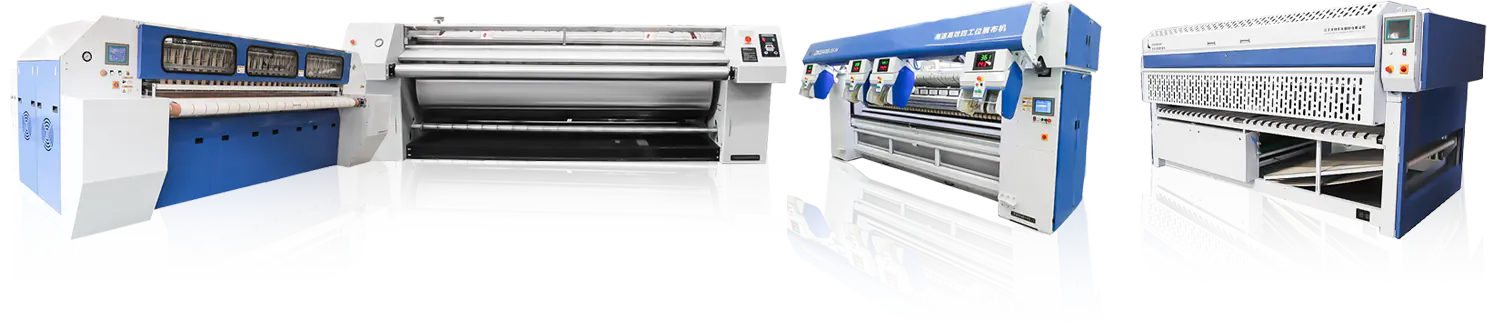
In the high-volume world of industrial laundry, the ironing process is often the critical bottleneck. Achieving a flawless, crisp finish on large flatwork like bed sheets, table linens, and quilts requires machinery that combines robust construction with precision engineering. The Chest Ironer with Dual Chests Single Roll represents a pinnacle of this technology, offering a unique balance of high throughput, superior fabric finish, and operational reliability. Unlike traditional multi-roll designs, this configuration focuses intense heat and pressure through a single, large-diameter roll working in tandem with two heated chests, ensuring every inch of the fabric is perfectly dried and smoothed. For operations managers and laundry owners, understanding the mechanics and benefits of this system is key to optimizing productivity and reducing long-term operational costs. This guide delves deep into the technology, advantages, and best practices associated with this powerful class of industrial ironing equipment.
Understanding the Dual Chests Single Roll Configuration
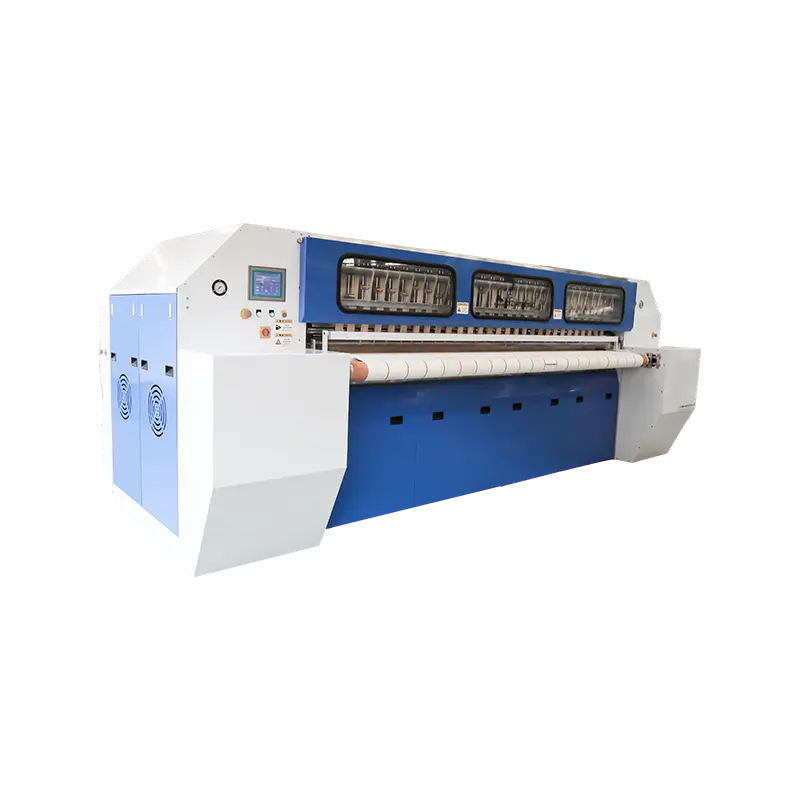
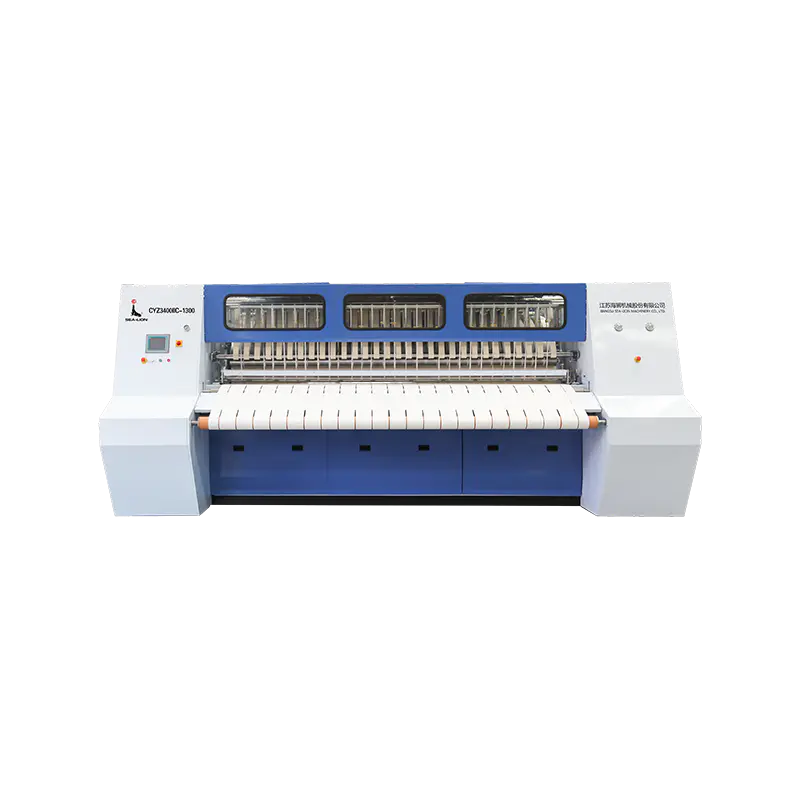
The term "Chest Ironer with Dual Chests Single Roll" describes a specific and highly efficient mechanical layout. To appreciate its value, one must first understand the role of each component. The "roll" is a large, heated cylinder, typically made of polished stainless steel, around which the fabric is wrapped. The "chests" are stationary, concave heating surfaces that complement the roll. In this dual-chest design, the fabric is pressed between the single rotating roll and two stationary, heated chests, maximizing the contact area and heat transfer in a single pass.
- Extended Heating Zone: The dual-chest design effectively doubles the surface area where the fabric is in contact with heat, compared to a single-chest model. This allows for higher processing speeds without compromising on dryness or finish quality.
- Consistent Pressure Application: Advanced lever or pneumatic systems ensure that the pressure exerted by the roll against both chests is perfectly balanced across the entire width of the machine. This prevents issues like wrinkling or uneven polishing, which are common in less sophisticated designs.
- Optimized for High-Volume Flatwork: This configuration is particularly adept at handling large items. The single, large-diameter roll reduces the mechanical complexity found in multi-roll machines, leading to easier maintenance while still delivering the high throughput required for hotels, hospitals, and large-scale laundry facilities.
Operational Excellence: Performance, Safety, and Energy Savings
Investing in an industrial ironer is a significant capital decision. The Chest Ironer with Dual Chests Single Roll is designed to deliver a return on this investment through superior performance, uncompromising safety, and intelligent energy management. These machines are not just about applying heat; they are sophisticated systems engineered for continuous, reliable operation in the most demanding environments. From the intake of damp linen to the ejection of perfectly pressed flatwork, every stage of the process is optimized for efficiency and quality.
Superior Ironing Quality and Mechanical Precision
The primary goal of any ironer is to produce flatwork that is not only dry but also smooth and professionally finished. The dual-chest design excels here by ensuring the fabric is "ironed" from both sides of the roll contact point. The precise structure of the dual chests, often combined with advanced spring systems and heat-proof felt, ensures that the roll maintains optimal elasticity and cushioning. This creates a consistent, well-touched relationship between the linen and the heated chest surface, eliminating micro-wrinkles and imparting a high-quality polish to the fabric.
- Whirly Steam Systems: Many high-end models incorporate a whirly steam system within the chests. High-speed steam jets create a vortex that covers the entire heated surface, ensuring uniform temperature distribution and significantly increasing both the speed and quality of the ironing process.
- Inverter-Driven Speed Control: Variable frequency drives allow operators to precisely adjust the ironing speed (typically from 6 to 40 m/min or more) based on the fabric type, moisture content, and temperature, offering unparalleled process flexibility.
- Block-Proof Mechanisms: To protect both the machine and the linen, advanced safety systems are integrated. If fabric becomes drawn into the chest, sensors trigger an immediate stop and automatically lift the rolls, allowing for quick and safe removal of the blockage.
Integrated Safety Systems and Operator Protection
Safety is paramount in industrial settings. Manufacturers of the Chest Ironer with Dual Chests Single Roll incorporate multiple layers of safety features to protect operators and prevent costly accidents. These go beyond basic emergency stops, creating a safe working environment around high-temperature and high-pressure equipment. The integration of these features demonstrates a commitment to operator well-being and responsible machine design.
- Emergency Stop Protocols: Strategically placed emergency buttons at each corner of the machine allow for immediate shutdown from any position. Furthermore, a safe clamping plate at the feeding end will instantly stop the machine if pressure is applied, preventing hand injuries.
- Automatic Pressure Monitoring: Continuous monitoring systems for steam and compressed air pressure ensure the machine only operates within safe parameters. If pressure drops below a safe threshold, an audible alarm sounds, and the machine may safely halt operation.
- Power Failure Protection: In the event of a sudden power cut, a fail-safe system can automatically lift and lock the rolls away from the chests. This prevents them from resting on the heated surface, causing damage to the felt or creating flat spots, ensuring a quick and safe restart.
Energy Efficiency and Heat Recycling
In an era of rising energy costs, the efficiency of an ironer directly impacts the bottom line. The Chest Ironer with Dual Chests Single Roll is engineered to maximize the utility of every unit of energy. Its design focuses on capturing and utilizing heat that might otherwise be wasted, leading to significant long-term savings. The large arc surface of the chests themselves provides a substantial heating area, ensuring that heat is transferred to the fabric rather than the surrounding air.
- Dedicated Exhaust Fans and Heat Recycling: Each roll is often equipped with a powerful fan to actively exhaust moisture vapor from the fabric. This not only keeps the chests dry for optimal ironing but also allows for higher operating speeds. Some advanced designs feature a heat recycling system that captures this exhaust heat to preheat incoming air or water, further reducing the overall energy footprint.
- Superior Insulation and Condensate Management: The external surfaces of the chests are covered with thick insulation layers to prevent radiant heat loss. Simultaneously, efficiently designed steam circuits and properly sized steam traps ensure that condensate is quickly removed from the chests. This prevents "water logging," which acts as a barrier to heat transfer and leads to uneven heating and wasted energy. The use of a single, powerful drive motor, as opposed to multiple smaller motors, also contributes to lower overall energy consumption.
Comparative Analysis: Dual Chests Single Roll vs. Other Ironer Types
Choosing the right ironer depends on your facility's specific needs. To clarify the positioning of the Chest Ironer with Dual Chests Single Roll, it is helpful to compare it directly with other common configurations found in the industry. The table below highlights the key differentiators in terms of performance, application, and maintenance.
| Feature |
Chest Ironer with Dual Chests Single Roll |
Single Chest / Single Roll Ironer |
Multi-Roll (2-4 Roll) Ironer |
| Throughput |
High. Ideal for mid-to-large volume operations. The dual chests allow for speeds comparable to some multi-roll machines. |
Low to Medium. Best for small laundries or on-premise facilities (e.g., small B&Bs). |
Very High. Designed for enormous, centralized industrial laundries processing tons of linen daily. |
| Finish Quality |
Excellent. Provides superior polish and dryness due to extended contact with dual heated surfaces. |
Good for basic needs, but may require slower speeds for thorough drying. |
Excellent. Multiple rolls provide repeated pressing, but the machine footprint and complexity are much greater. |
| Floor Space & Complexity |
Moderate. Offers a compact footprint relative to its throughput, with a simpler mechanical design than multi-roll units. |
Small. Easy to install and operate. |
Large. Requires significant floor space and more complex maintenance due to multiple rolls and drive systems. |
| Investment & Operating Cost |
Mid-to-High. Balances a higher initial investment with strong energy efficiency and lower maintenance costs. |
Low. Lowest initial investment, but higher labor cost per piece due to slower speed. |
Highest. Significant capital investment, but the lowest labor cost per piece at maximum volume. |
| Ideal Application |
Hotels, large hospitals, medium-to-large laundry services, and cruise ships. |
Small hotels, dry cleaners, nursing homes, and school laundries. |
Major hospital networks, huge hotel chains, and mega-laundry plants. |
Maintenance and Troubleshooting for Longevity
To ensure that a Chest Ironer with Dual Chests Single Roll provides decades of reliable service, a proactive maintenance schedule is essential. These machines are built to last, but they operate under significant thermal and mechanical stress. A well-planned maintenance routine not only prevents unexpected downtime but also ensures consistent ironing quality and safety. Focusing on the key sub-systems—the heating circuit, the fabric transport, and the mechanical drive—will yield the best results.
- Daily Care: Before startup, check the feeding area for any debris that could damage the chests or roll. During operation, monitor the steam pressure and temperature gauges to ensure they are within specified parameters. At the end of each shift, it is best practice to run the machine without heat for 15-20 minutes to allow components to cool gradually, preventing thermal stress. Apply a cleaning and polishing wax to the chest surface to keep it smooth and reduce friction, which also helps prevent linen from sticking and wrinkling.
- Weekly Inspections: Inspect the condition of the ironing ribbons and the main felt padding. Look for signs of wear, fraying, or glazing. Check the tension of all belts and ribbons, adjusting as necessary to prevent tracking issues. Use a fine abrasive pad to gently clean the leading edge of the chests, where starch and lint buildup is common, ensuring the surface remains perfectly smooth.
- Critical System Checks: Regularly verify the operation of steam traps and condensate return systems. A faulty steam trap can lead to condensate filling the chest, causing "spitting" of water onto the linen and severe temperature drops. Inspect and test all safety devices, including emergency stops and pressure alarms, to guarantee they are fully functional. Lubricate all moving parts according to the manufacturer's specifications, using the correct high-temperature greases.
FAQ: Expert Answers to Common Questions About Chest Ironers
What is the primary advantage of a dual chests single roll ironer over a standard single-chest model?
The main advantage is the significantly increased heating surface area. The fabric is in contact with two separate heated chests as it wraps around the single roll. This essentially doubles the heat transfer and drying capacity in a single pass. For a laundry operation, this translates directly into higher ironing speeds and greater throughput without increasing the machine's physical footprint as much as adding another full roll would. It's a highly efficient design that offers a perfect balance between the simplicity of a single-roll machine and the high output of a multi-roll system, making it ideal for facilities that need to process a high volume of linens efficiently.
My industrial ironer's heating chest is taking too long to reach operating temperature. What should I check?
Slow heating is a common issue that typically points to problems in the steam supply or condensate removal system. First, verify that your boiler is supplying steam at the correct pressure specified for your Chest Ironer with Dual Chests Single Roll. If steam pressure is adequate, the next most likely culprit is the steam trap. If the trap is malfunctioning or blocked, condensate (hot water) cannot drain from the chest. Because water is a poor conductor of heat compared to steam, the chest becomes "water-logged" and cannot heat up efficiently. Check and clean or repair the steam trap. Another possibility is a damaged or misaligned siphon tube inside the chest, which is designed to remove condensate . This repair typically requires a qualified technician.
How do I troubleshoot wrinkling or marking on my flatwork after ironing?
Wrinkling and marking can be caused by several factors related to machine settings, maintenance, or operator technique . Start by checking the ironing speed. If the speed is too fast, the fabric may not have enough time to dry completely, leading to creases. Adjust the speed using the inverter control to match the fabric's thickness and moisture content . Next, inspect the condition and tension of the ironing ribbons . Ribbons that are too tight, too loose, or worn unevenly can distort the fabric as it passes through the machine. Ensure the chest surface is clean and smooth; a buildup of starch or lint can create drag and cause marking. Finally, check the pressure balance between the roll and the two chests. An imbalance can cause the fabric to feed unevenly and create wrinkles .
What does the "block-proof mechanism" d,o and why is it important?
The block-proof mechanism is a critical safety and anti-damage feature found on advanced Chest Ironers with a DualChests Single Roll system. Its primary purpose is to prevent major jams that can occur if a piece of linen, such as a sheet or tablecloth, gets wrapped around the internal components. If the system detects an abnormal drag or blockage—for instance, linen being drawn into the chest—it immediately stops the machine's drive. Simultaneously, it automatically lifts the heavy ironing rolls away from the chests. This creates a gap for the operator to safely and quickly remove the tangled linen. Without this feature, a blockage could lead to extensive (and expensive) damage to the felt padding, drive components, and even the precision-ground surfaces of the chests and rolls, resulting in hours of downtime and costly repairs.
What routine maintenance is essential for the long-term health of a dual-chest ironer?
Long-term reliability hinges on a few key practices. First, manage the heat properly: always allow the machine to cool down gradually after a shift by running it without heat for a short period. This prevents thermal shock and extends the life of the felt and bearings. Second, maintain the chest surface: daily cleaning and waxing prevent fabric sticking and maintain a smooth, frictionless finish. Third, monitor the steam system: regularly check steam traps and strainers to ensure efficient condensate removal and prevent "water hammer." Fourth, inspect transport systems: keep an eye on the condition and tension of all ribbons and belts. Finally, adhere to a strict lubrication schedule for all bearings and moving parts, using the manufacturer's recommended lubricants to prevent premature wear in this high-temperature environment.

 English
 Français
 Español