English
 Français
 Español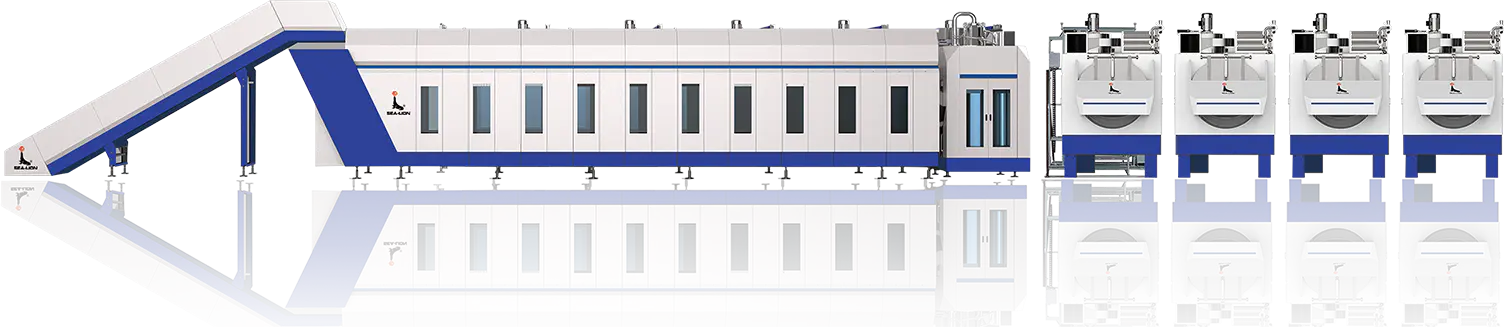










Integrated Washer-Dryer vs Standalone Units: Commercial Efficiency Guide
Content
- 1 Integrated Washer-Dryer Machines and Standalone Units: Core Differences
- 2 Efficiency Comparison: Throughput, Energy, and Water
- 3 Space, Layout, and Operational Flexibility
- 4 Maintenance, Reliability, and Redundancy
- 5 Cost Analysis: CAPEX, OPEX, and Payback Period
- 6 Choosing the Right Configuration for Your Operation
- 7 Frequently Asked Questions
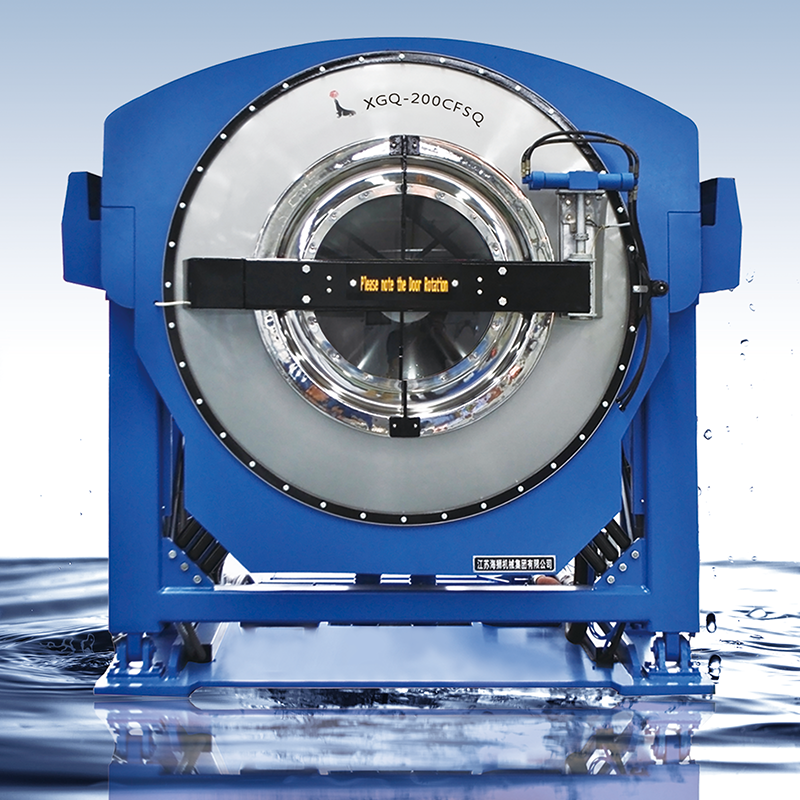
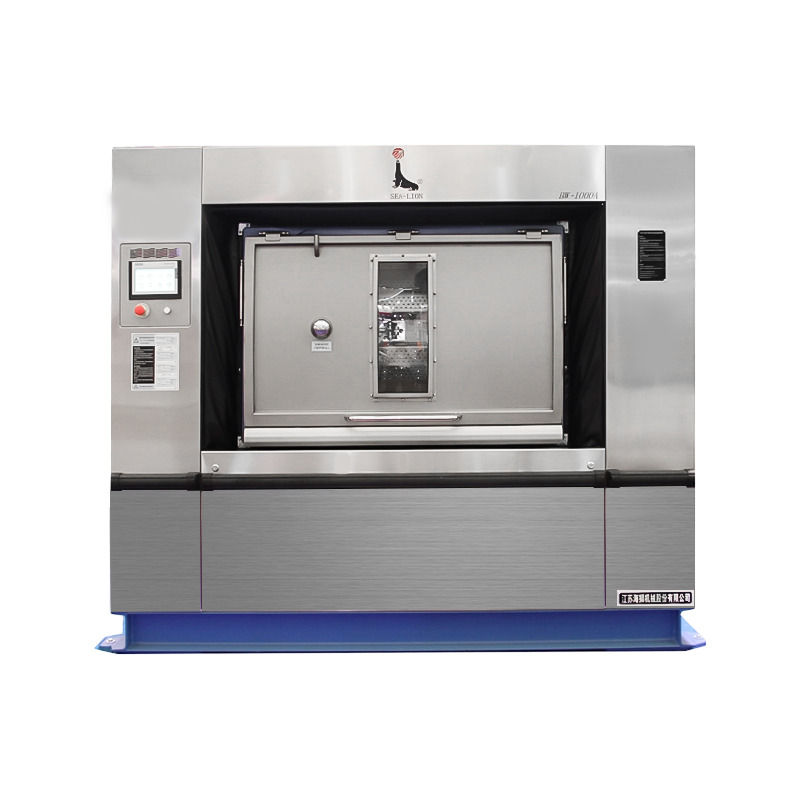
Choosing the right laundry equipment is one of the most consequential decisions for any commercial laundry operation. The debate between integrated washer-dryer machines and standalone washer extractor plus tumble dryer configurations is not simply about preference; it directly affects cycle time, energy consumption, labor allocation, and long-term capital planning. This article compares both approaches on efficiency, throughput, and total cost of ownership, with practical guidance for hotel laundries, hospital linen services, industrial facilities, and commercial laundromats.
Integrated Washer-Dryer Machines and Standalone Units: Core Differences
Integrated washer-dryer machines, also known as washer-dryer combinations, perform washing and drying in a single drum. After the rinse and high-speed extraction phases, the same drum switches to heated tumble drying inside the same cabinet. This design minimizes the equipment footprint and simplifies installation, making it attractive for small laundromats, boutique hospitality venues, and low-volume facilities. Sea-Lion's fully-automatic washing and drying machine represents this compact category, offering programmable cycles that wash and dry without transferring the load.
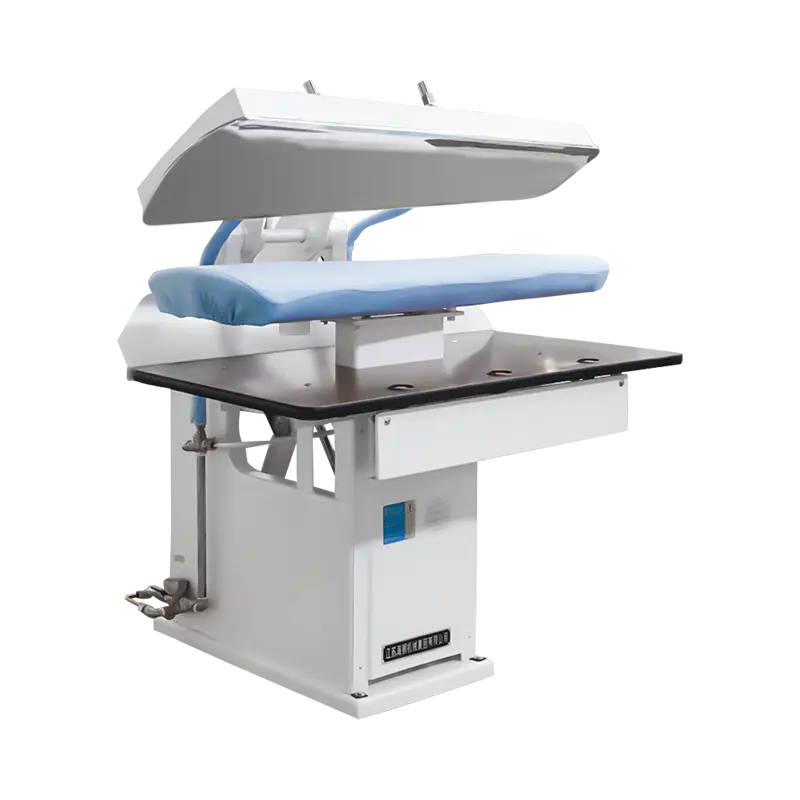 Fully Automatic Washer-Dryer Combination for Compact LaundriesThis integrated machine combines washing and tumble drying in a single drum, eliminating manual transfer and saving floor space. It suits small laundromats and low-volume hospitality venues seeking a compact, programmable laundry solution.View Product →
What Defines a Standalone Configuration
Standalone units separate the two operations. A washer extractor handles washing, rinsing, and spin extraction, after which operators transfer the wet fabric to a dedicated tumble dryer. Each machine is engineered specifically for its function, allowing the washer extractor to optimize mechanical action and spin speed while the dryer independently controls airflow, temperature, and moisture removal. This separation unlocks parallel working, equipment redundancy, and significantly higher daily throughput.
For commercial operators, the distinction matters because efficiency is measured in kilograms of linen processed per hour, not in the number of machines. Standalone configurations keep both machines productive: the dryer starts on the previous batch while the washer extractor processes the next one. Understanding the key benefits of using a washer extractor helps clarify why professional facilities usually select this path over an all-in-one unit.
Efficiency Comparison: Throughput, Energy, and Water
To evaluate efficiency honestly, measurable attributes must be compared side by side. The table below summarizes the performance of a typical integrated washer-dryer and a standalone commercial washer extractor with a matching tumble dryer.
| Efficiency attribute | Integrated washer-dryer | Standalone washer + dryer |
|---|---|---|
| Nominal wash load | 6-15 kg per cycle | 10-100 kg+ per cycle |
| Drying capacity | 50-60% of wash load | Matches or exceeds wash load |
| Cycle throughput per 8-hour shift | 2-4 batches | 6-10 batches |
| Energy per kg of linen | 20-35% higher | Lower with dedicated dryer |
| Water per kg of linen | 10-20% higher | Optimized extraction |
| Drying temperature control | Compromised by dual-use drum | Precise, fabric-specific programs |
| Parallel operation | Not possible | Possible |
The most significant efficiency gap is drying. In an integrated unit, the wash drum becomes a drying drum with limited airflow, reduced surface area, and a smaller rated load than the wash load. Operators must either underload the wash cycle or accept extended drying times. Standalone tumble dryers, by contrast, are built for air circulation and heat transfer, so they remove moisture faster and with less energy per kilogram.
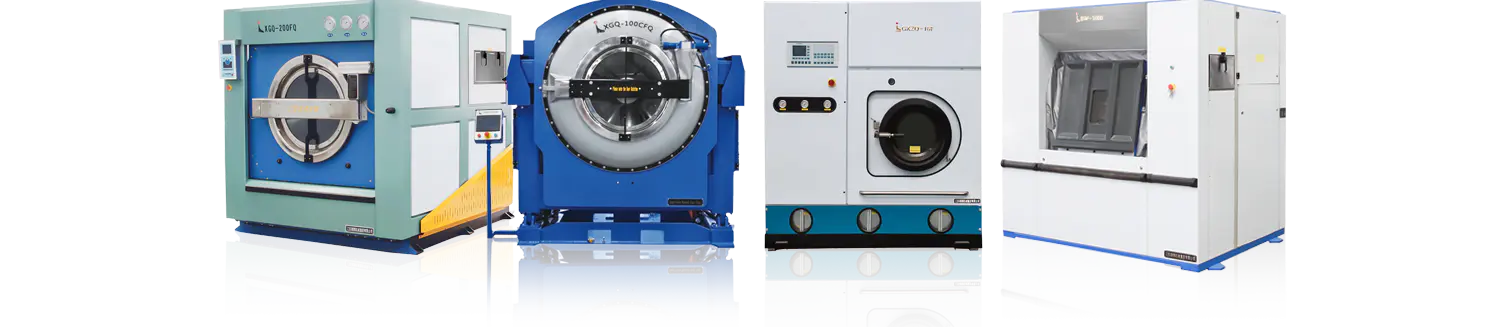
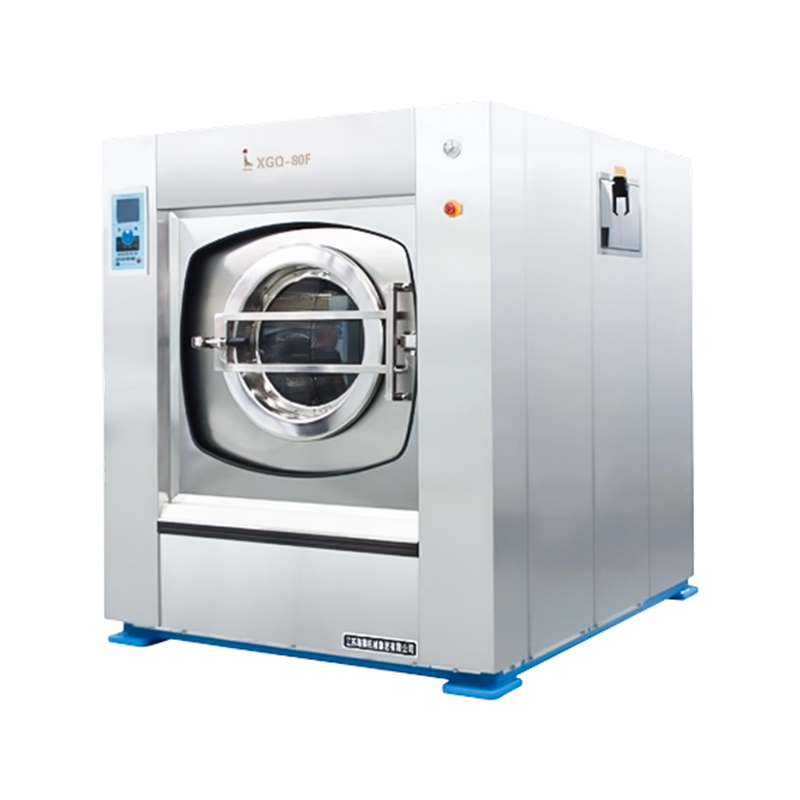
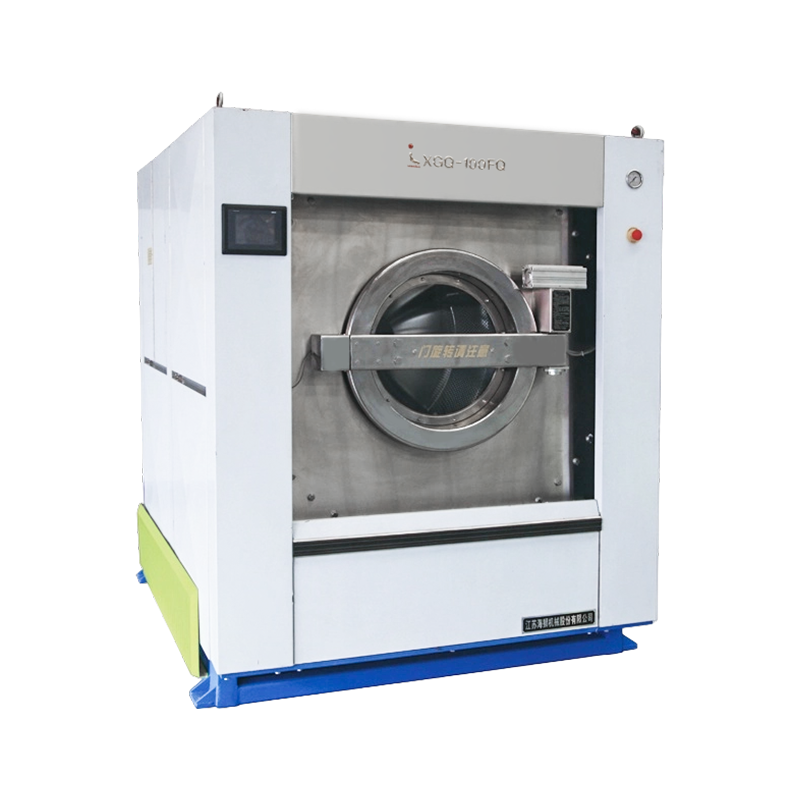
Washer extractors also contribute to efficiency through high-speed extraction. A full-suspension auto washer extractor achieves high G-forces during the spin phase, reducing residual moisture in the fabric. Less moisture entering the dryer means shorter cycles and lower gas or electricity consumption, making the standalone pair difficult to beat on operational cost.
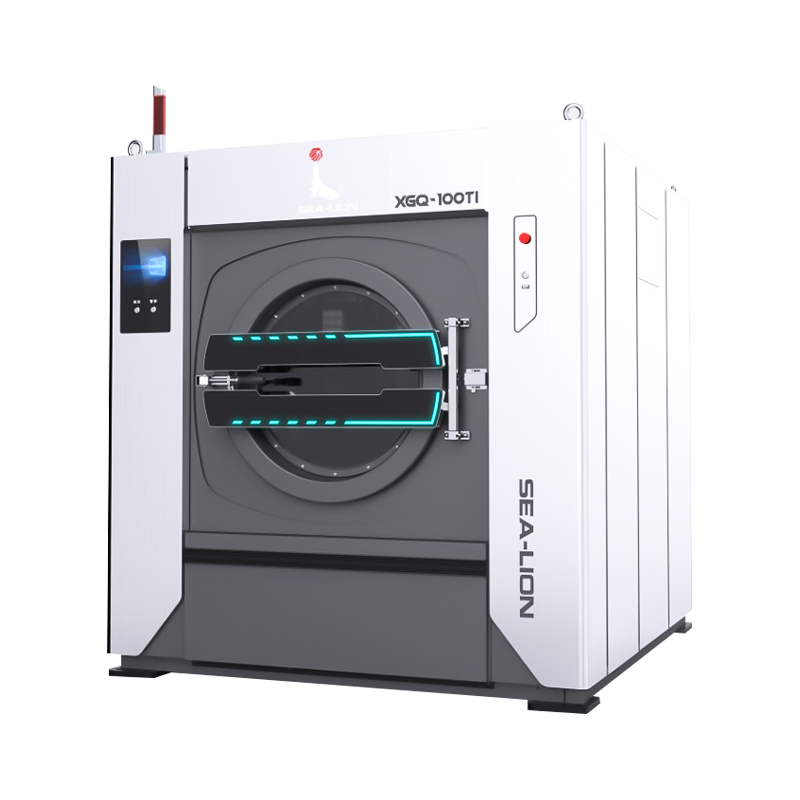 Full-Suspension Automatic Washer Extractor with High-Speed SpinThis washer extractor uses a full-suspension system to reduce vibration without a special foundation. Its high-speed extraction lowers residual moisture, shortening dryer time and cutting energy costs, making it a strong choice for efficient standalone laundry operations.View Product →
Space, Layout, and Operational Flexibility
Space is often the reason operators consider an integrated machine. It occupies a single footprint and avoids a manual transfer step between washing and drying. However, in a commercial floor plan, the true cost of space includes workflow. Standalone units allow a laundry supervisor to arrange equipment in a straight-line or U-shaped flow: washer extractors at the input end, tumble dryers along the middle, and finishing equipment downstream. This supports a one-way workflow that reduces cross-traffic and errors.
Series Workflow Versus Parallel Workflow
An integrated washer-dryer imposes a series workflow: fabric must finish drying before the next wash begins. In a standalone setup, the washer extractor starts a new batch while the previous batch dries. For example, with a 30-minute wash cycle and a 40-minute drying cycle, an integrated unit completes roughly one batch every 70 minutes, while a standalone pair can finish a batch every 30 to 40 minutes by overlapping the two processes.
Maintenance, Reliability, and Redundancy
Downtime is more expensive than any hourly energy difference, and the standalone configuration has a structural advantage. If a tumble dryer fails, the washer extractor continues producing washed loads that can be processed elsewhere or air-dried. If a washer fails, the dryers can still clear the backlog. An integrated washer-dryer, by contrast, stops the entire process when either washing or drying components fail.
- Redundancy: standalone machines isolate failures to one process stage rather than halting the laundry.
- Serviceability: separate cabinets provide easier access to motors, heating elements, and control boards.
- Replacement flexibility: a standalone machine can be upgraded without discarding the partner unit.
- Workload balancing: operators can run extra drying shifts while washers are serviced, or vice versa.
Cost Analysis: CAPEX, OPEX, and Payback Period
The initial purchase price of an integrated machine is lower than that of two separate commercial machines, but the deciding metric for commercial operations is cost per kilogram of processed laundry. The following table compares the main cost dimensions.
| Cost factor | Integrated washer-dryer | Standalone units |
|---|---|---|
| Equipment CAPEX | Lower for one machine | Higher for two machines |
| Installation cost | Lower | Moderate |
| Energy cost per kg | 20-35% higher | Lower |
| Water cost per kg | 10-20% higher | Lower |
| Labor cost per kg | Comparable at low volume | Better at high volume |
| Maintenance exposure | Total stoppage on failure | Isolated failures |
| Useful life | 5-8 years typical | 10-15 years for commercial grade |
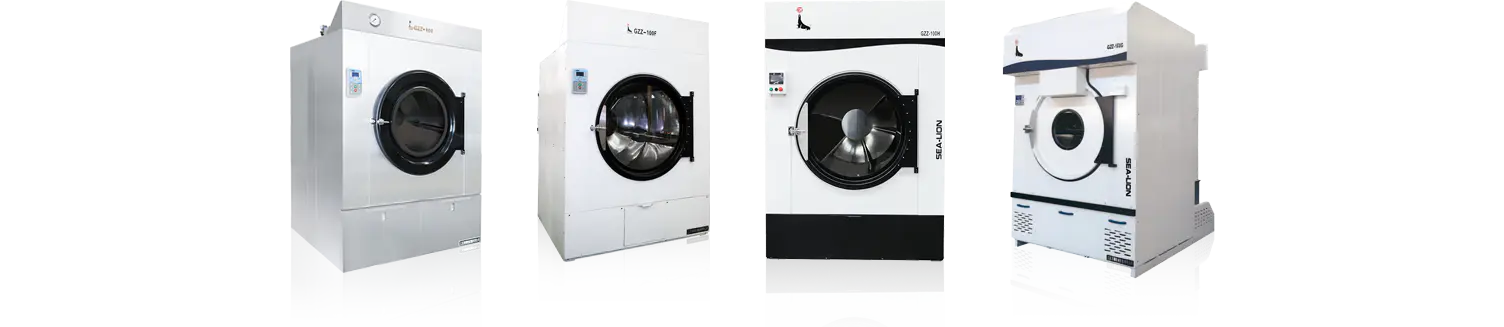
When the energy model accounts for reheating the drum between wash and dry phases and the inefficiency of drying a reduced load, the standalone pair usually pays back its higher initial investment within two to four years through energy, water, and labor savings. Adding an energy-saving industrial laundry dryer improves the model further.
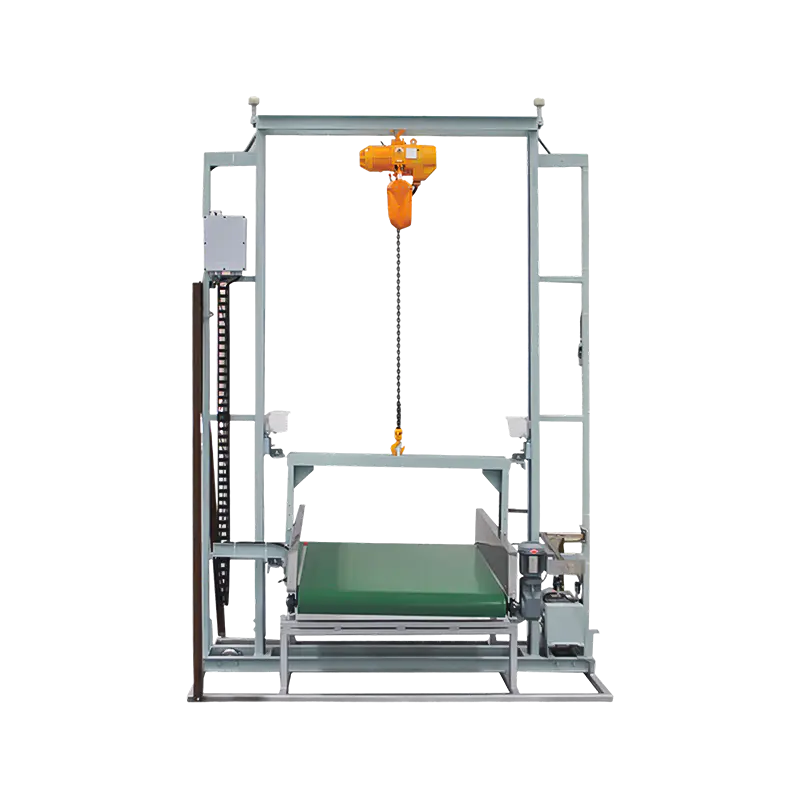 Energy-Saving Industrial Tumble Dryer for Laundry OperationsDesigned for cost-effective industrial drying, this unit combines advanced airflow control and heat conservation to minimize energy use. It pairs well with washer extractors and improves the financial payback of standalone laundry equipment investments.View Product →
Choosing the Right Configuration for Your Operation
The right answer depends on the daily production target, available space, and labor structure. Use the following guidance as a decision path.
- Small Under 50 kg per day: an integrated washer-dryer or a compact standalone pair can meet demand in a limited footprint.
- Medium 50-300 kg per day: a standalone washer extractor and matching tumble dryer is the most efficient combination, enabling overlap and consistent output.
- Large 300-1,000 kg per day: install multiple standalone pairs or move to a continuous batch washer with a pass-through dryer to cut labor per kilogram.
- Industrial Above 1,000 kg per day: a tunnel-type continuous batch washing system with automatic weighing, an extraction press, and high-capacity dryers delivers the lowest cost per kilogram.
Facilities processing very large volumes benefit from eliminating the batch-to-batch handling bottleneck entirely. Automatic loading systems feed soiled linen directly into the tunnel washer, while shuttle systems transfer extracted loads to dryers without manual carts. This architecture follows the same principle that makes standalone units efficient: each process stage is optimized independently.
Before finalizing any purchase, evaluate the total cost of ownership over ten years, including energy tariffs, water rates, labor hours, maintenance contracts, and the cost of downtime. Explore the full range of industrial laundry equipment at Sea-Lion Machinery to compare models against your production forecast.
Frequently Asked Questions
Q1: Are integrated washer-dryer machines efficient for commercial use?
For very small facilities, an integrated washer-dryer can be acceptable, but it is rarely efficient above 50 kg of laundry per day. Drying is the bottleneck: the reduced drying load and longer cycle time raise the cost per kilogram significantly.
Q2: What is the main disadvantage of a washer-dryer combination?
Drying performance. The dual-use drum offers limited airflow and a reduced load capacity during the drying phase, so energy use per kilogram rises and total cycle time grows considerably.
Q3: How much energy can standalone units save?
In typical commercial conditions, moving from an integrated unit to a standalone washer extractor and tumble dryer reduces energy consumption per kilogram by 20-35%, with additional water savings of 10-20%.
Q4: Which configuration is better for a small hotel laundry?
A compact standalone washer extractor paired with a matching tumble dryer is the better choice for hotels processing 50-300 kg per day. It delivers higher throughput, better fabric care, and lower running costs while still fitting a modest laundry room.
Integrated washer-dryer machines serve a useful purpose in space-constrained, low-volume environments. For commercial operations that aim to maximize throughput and lifecycle value, standalone configurations consistently outperform on energy efficiency, water consumption, drying performance, and reliability. Evaluate the total cost of ownership rather than the sticker price, and match the equipment architecture to the daily production target, available labor, and fabric mix.

- No. 2 Lehong Road, Leyu Town, Zhangjiagang, Suzhou City, Jiangsu Province, China
- +86-512-58602532
- [email protected]
Copyright @ Jiangsu Sea-Lion Machinery Co., Ltd. All rights reserved
Custom Laundry Equipment Suppliers