How does a pass through dryer differ from other types of industrial dryers?
In industrial laundry operations, the drying process plays a crucial role in ensuring that linen and textiles are processed efficiently and effectively. Among the many types of industrial dryers available, pass through dryers, also known as industrial tunnel through dryers or continuous laundry dryers, stand out due to their unique design and operational capabilities.
Understanding the Pass Through Dryer
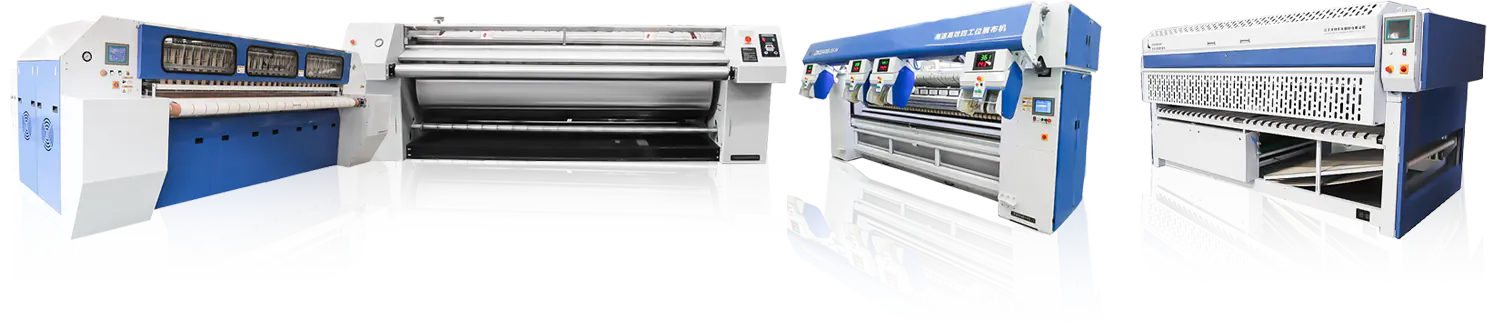
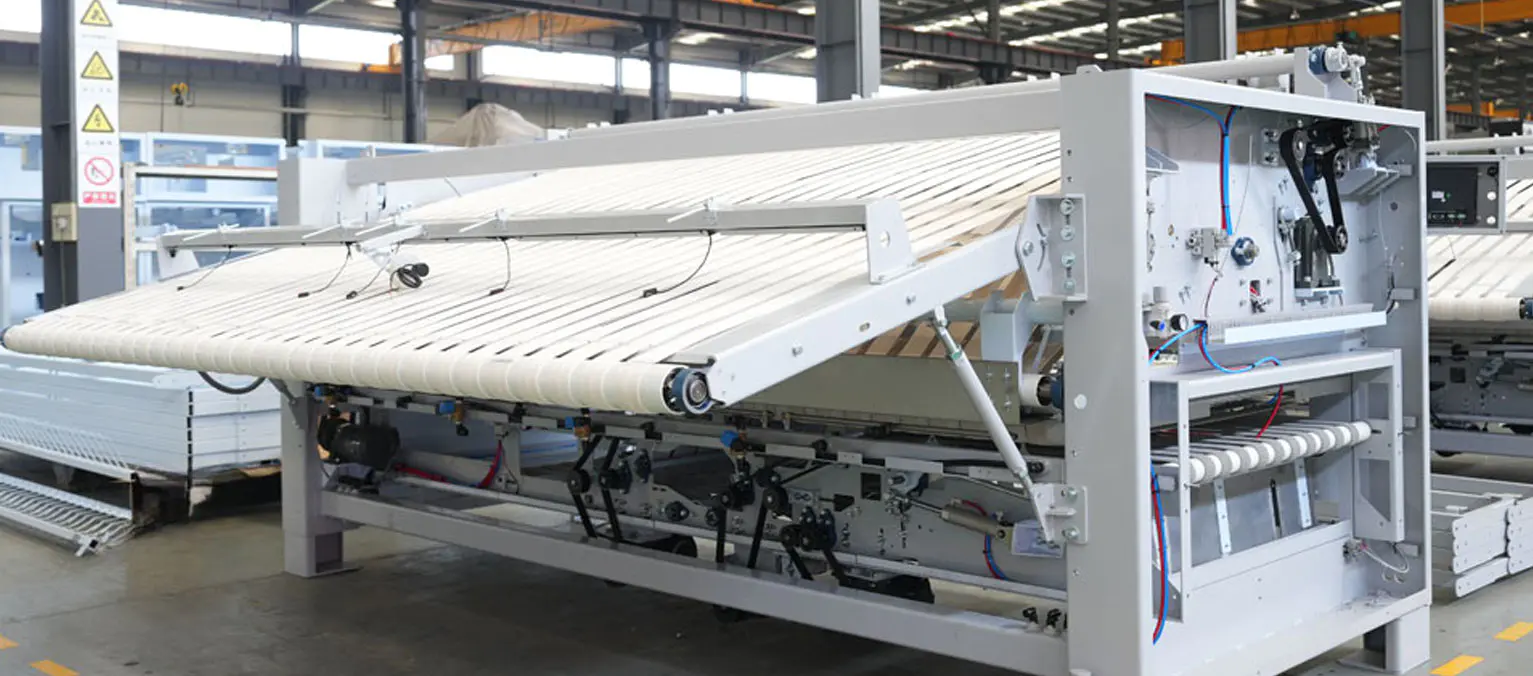
A pass through dryer is a type of drying machine typically used in industrial laundry applications. The primary function of a pass through dryer is to dry linen or textiles that have already undergone the dewatering process, such as after being spun in an extractor or press. This equipment is designed to help loosen and dry the linen effectively, ensuring that the fabric maintains its quality and is ready for further use. Pass through dryers are often connected directly to dewatering equipment, making the entire drying process seamless.
Key Features of a Pass Through Dryer:
- Automatic operation: These dryers are designed to be fully automatic, which reduces the need for manual intervention and ensures consistent results.
- Versatility: Pass through dryers can handle various types of fabrics, making them suitable for a wide range of industrial laundry operations.
- Heating options: The dryer offers two heating types: steam and gas, which allows flexibility based on available energy resources and cost considerations.
Industrial Tunnel Through Dryer: A Specialized Version
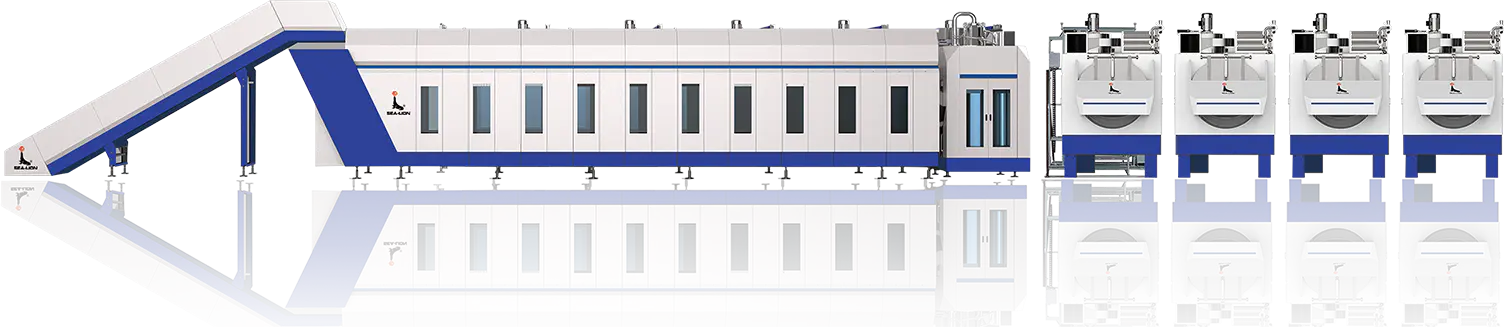
An industrial tunnel through dryer is essentially an advanced version of the pass through dryer, commonly used in large-scale laundry operations. This machine is engineered for high throughput and continuous operation. It is called a tunnel dryer because the fabric moves through a long, enclosed tunnel where hot air is circulated to facilitate drying. The industrial tunnel through dryer can be connected to various other laundry systems, such as extractors or presses, to ensure that the laundry process is as efficient as possible.
Differences Between Industrial Tunnel Through Dryers and Other Dryers:
- Continuous Process: Unlike batch dryers, the industrial tunnel through dryer allows continuous processing, meaning that linens can be fed into the system while others are still drying.
- Space Efficiency: The design of the tunnel allows the dryer to handle large quantities of textiles in a relatively small floor space, making it ideal for facilities with limited space.
- Heat Transfer Efficiency: The industrial tunnel through dryer uses advanced air circulation systems to ensure even heat distribution, reducing drying time and improving energy efficiency.
Continuous Laundry Dryer: The High-Capacity Solution
The continuous laundry dryer shares similarities with both the pass through dryer and industrial tunnel through dryer. However, it is particularly known for its ability to handle large volumes of laundry at a time. As the name suggests, a continuous laundry dryer works in an uninterrupted cycle, meaning that the laundry continuously moves through the drying process, reducing downtime and increasing throughput.
This type of dryer is well-suited for facilities where high-capacity laundry processing is required, such as in hotels, hospitals, or large commercial laundries.
Benefits of Continuous Laundry Dryers:
- High throughput: Continuous laundry dryers are capable of handling large volumes of textiles, making them ideal for industrial-scale operations.
- Time efficiency: The continuous nature of the drying process eliminates the need for waiting times between cycles, improving the overall productivity of the laundry operation.
- Energy efficiency: Advanced drying technologies allow these dryers to reduce energy consumption while maintaining drying quality.
How Pass Through Dryers Differ from Other Dryers
While pass through dryers, industrial tunnel through dryers, and continuous laundry dryers all serve similar functions, they each have distinct advantages and limitations depending on the specific needs of a laundry facility.
Comparison Table: Pass Through Dryer vs Other Types of Dryers
| Feature |
Pass Through Dryer |
Industrial Tunnel Through Dryer |
Continuous Laundry Dryer |
| Drying Process |
Batch (passes through the dryer) |
Continuous |
Continuous |
| Heating Source |
Steam, Gas |
Steam, Gas |
Steam, Gas |
| Capacity |
Moderate |
High |
Very High |
| Ideal For |
Mid-sized facilities |
Large-scale operations |
High-capacity commercial laundries |
| Energy Efficiency |
Moderate |
High |
Very High |
| Space Efficiency |
Moderate |
High |
Moderate |
| Automation |
Automatic |
Fully Automatic |
Fully Automatic |
The Role of Jiangsu Sea-Lion Machinery Co., Ltd.
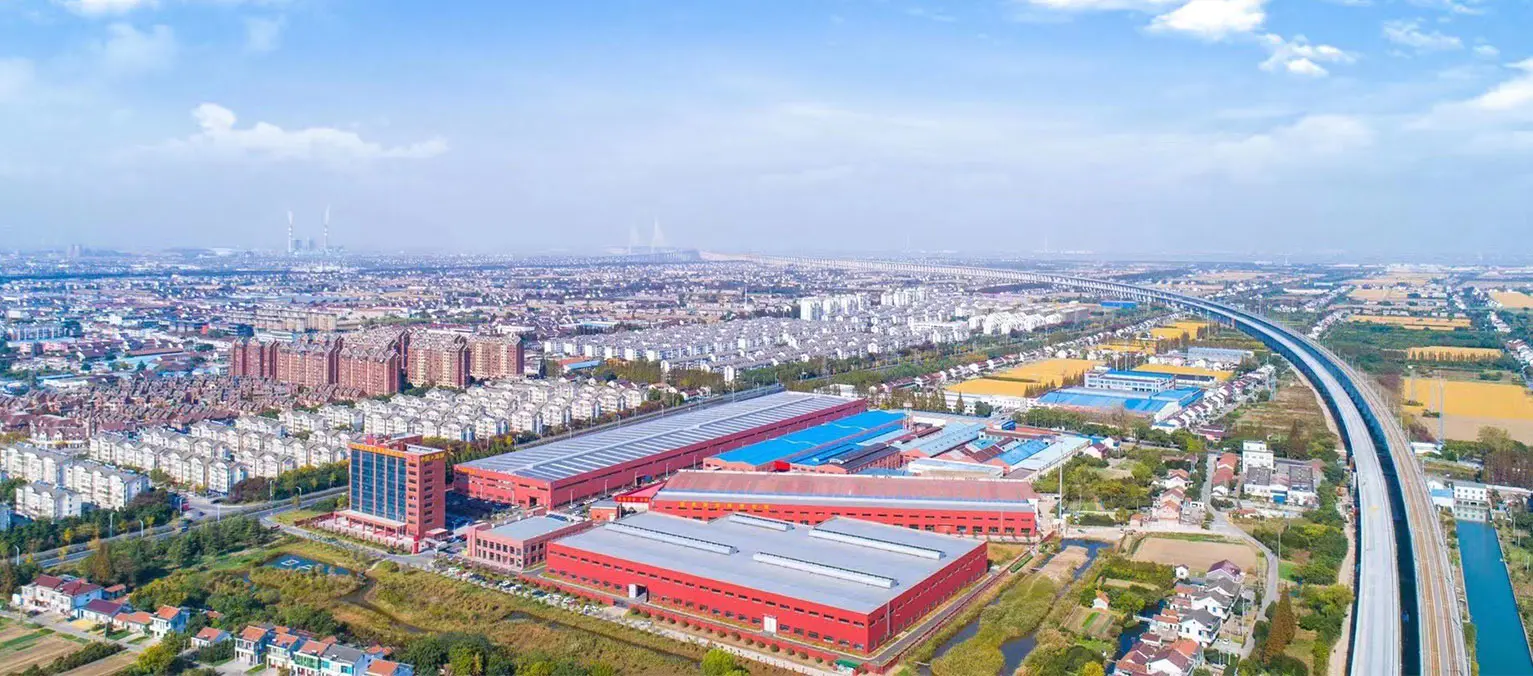
Jiangsu Sea-Lion Machinery Co., Ltd., a leading manufacturer of pass through dryers and related laundry equipment, plays a key role in the development and production of industrial laundry solutions. With over 50 years of experience, Sea-Lion provides innovative, high-quality laundry equipment, including industrial tunnel through dryers and continuous laundry dryers. The company’s dedication to cutting-edge technology and its commitment to energy-efficient solutions make it a top choice for industrial laundry facilities worldwide.
How Do Different Heating Options Impact the Drying Process?
One of the major differentiating factors between pass through dryers, industrial tunnel through dryers, and continuous laundry dryers is the choice of heating system. The two most common heating options available are steam and gas.
Steam Heating:
- Steam is a highly efficient heat source, often used in large-scale industrial dryers due to its ability to maintain consistent temperatures over long periods of time.
- Benefits: Steam provides steady, even heat, reducing the likelihood of fabric damage and improving drying efficiency.
- Challenges: The initial installation of steam systems can be expensive, and the system requires regular maintenance to prevent issues such as pipe clogs or leaks.
Gas Heating:
- Gas is another common heating method for pass through dryers and similar equipment. Gas heaters are typically less expensive to install and maintain than steam systems, making them an attractive option for many laundry facilities.
- Benefits: Gas systems heat up quickly and provide adjustable temperature settings, offering flexibility in the drying process.
- Challenges: Gas heating can be less energy-efficient than steam, depending on the system’s design and usage patterns.
Conclusion
In summary, pass through dryers, industrial tunnel through dryers, and continuous laundry dryers are all integral to industrial laundry operations. Each type of dryer offers unique benefits that make them suitable for specific applications. Pass through dryers are ideal for medium-sized operations, while industrial tunnel through dryers and continuous laundry dryers are more suited for high-capacity commercial laundries. When selecting the appropriate drying system, factors such as capacity, energy efficiency, and heating options should be carefully considered.
Jiangsu Sea-Lion Machinery Co., Ltd. has been at the forefront of providing innovative laundry solutions, including pass through dryers and industrial tunnel through dryers, helping businesses achieve higher productivity and cost efficiency. With its extensive experience and dedication to high-quality manufacturing, Sea-Lion continues to support the global laundry industry with state-of-the-art products.
FAQ
Q1: What is the difference between a pass through dryer and a continuous laundry dryer?
A1: A pass through dryer operates in a batch process where the linen passes through the machine, while a continuous laundry dryer runs in a continuous cycle, allowing for uninterrupted drying of large volumes of linen.
Q2: Can a pass through dryer handle all types of fabrics?
A2: Yes, pass through dryers are versatile machines that can handle a wide range of fabrics, making them suitable for different industrial laundry applications.
Q3: What are the benefits of using a steam heating system in a pass through dryer?
A3: A steam heating system provides consistent, even heat, improving drying efficiency and preventing fabric damage. It is particularly beneficial for large-scale operations that require steady heat output.
Q4: How do I choose the right type of dryer for my laundry facility?
A4: The choice of dryer depends on several factors, including the volume of laundry processed, energy efficiency, available space, and the type of fabric being dried. For medium-sized operations, a pass through dryer may be sufficient, while larger facilities may benefit from a continuous laundry dryer or industrial tunnel through dryer.
Q5: Is Jiangsu Sea-Lion Machinery Co., Ltd. a reliable supplier of pass through dryers?
A5: Yes, Jiangsu Sea-Lion Machinery Co., Ltd. is a leading manufacturer of pass through dryers and other industrial laundry equipment. With over 50 years of experience and a commitment to high-quality, energy-efficient solutions, Sea-Lion is a trusted name in the industry.

 English
 Français
 Español