English
 Français
 Español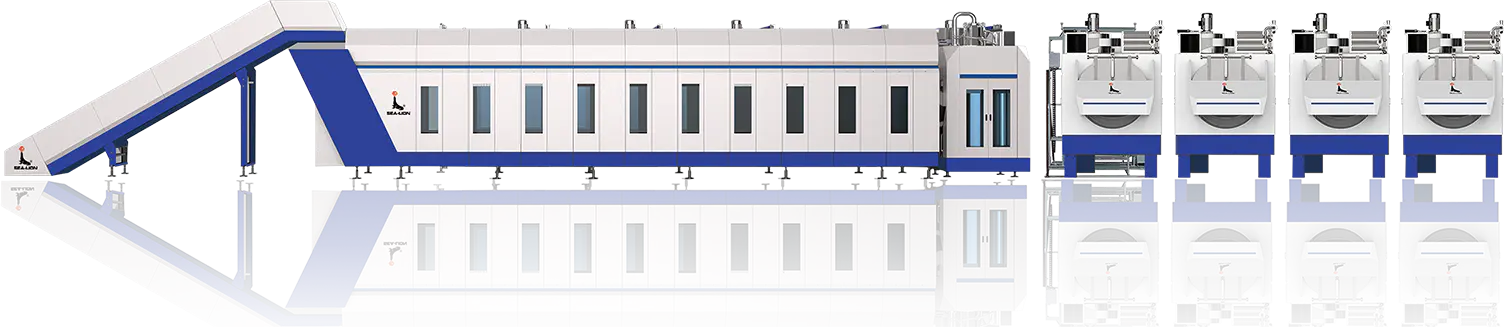









Tunnel Continuous Batch Washer: Materials, Contaminants & Efficiency
Content
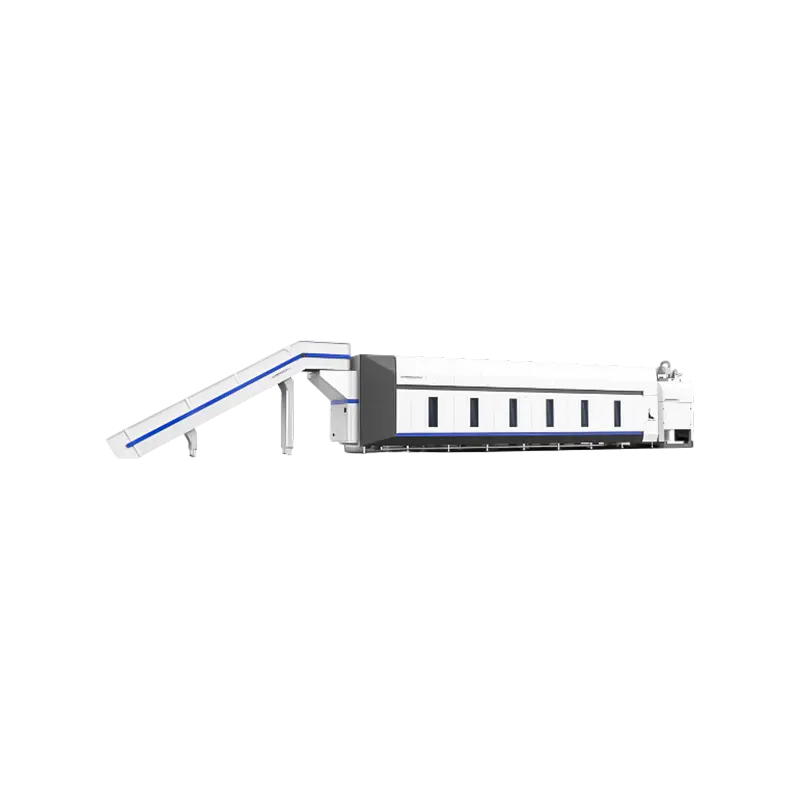
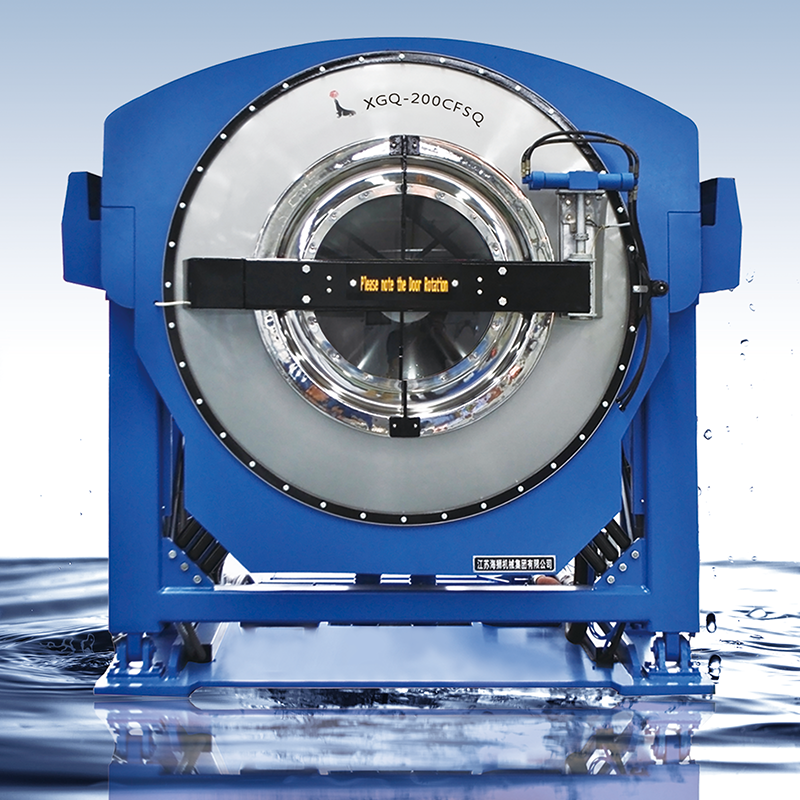
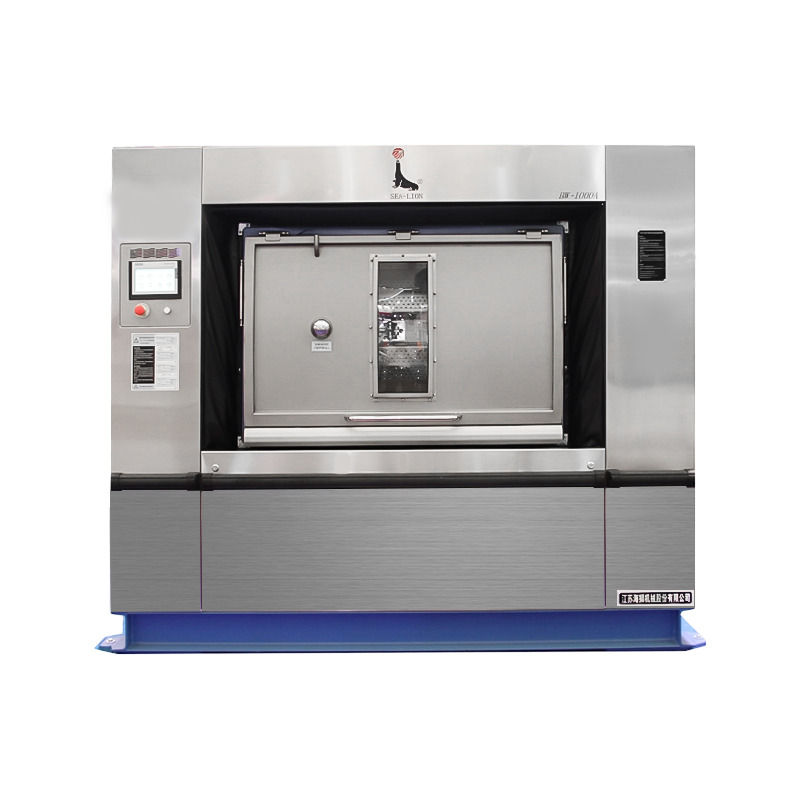
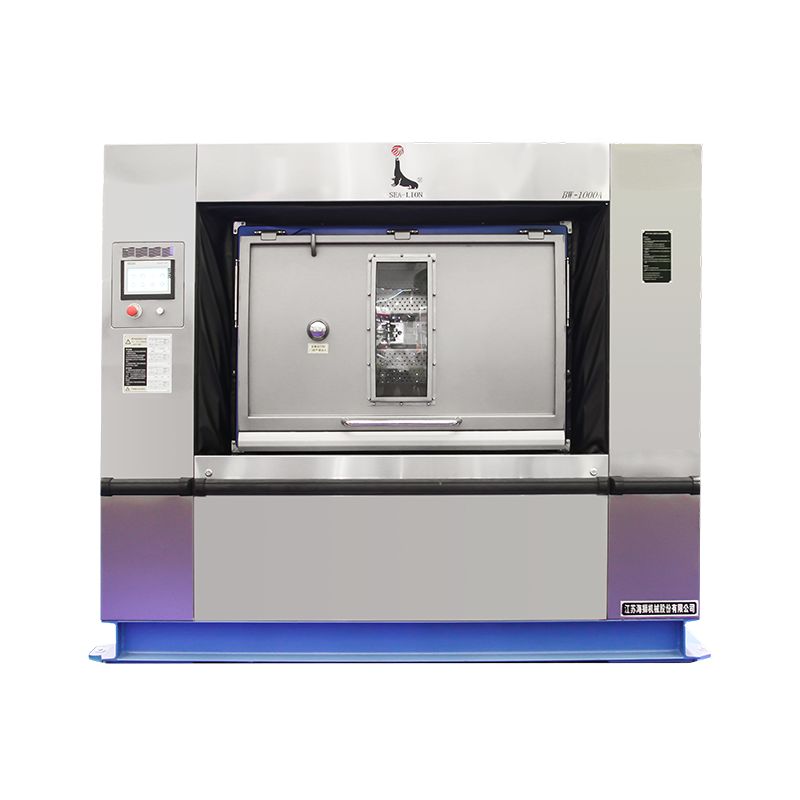
Direct Conclusion: Tunnel type continuous batch washer systems effectively remove oils, coolants, metal chips, dust, and process residues from metal parts, plastic components, glass, and rubber. Achievable cleanliness levels: 1-5 mg residual oil per square meter. Energy efficiency optimized via counterflow water cascading (reduces fresh water use by 60-75%), heat recovery from exhaust (65-85% thermal reclaim), and variable frequency drive motors. Typical water consumption: 0.5-1.5 liters per kilogram of processed parts.
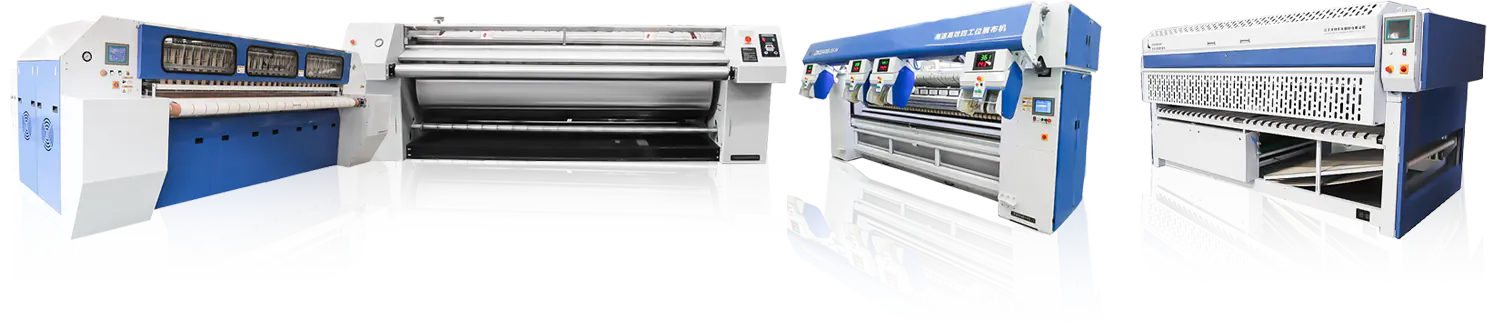
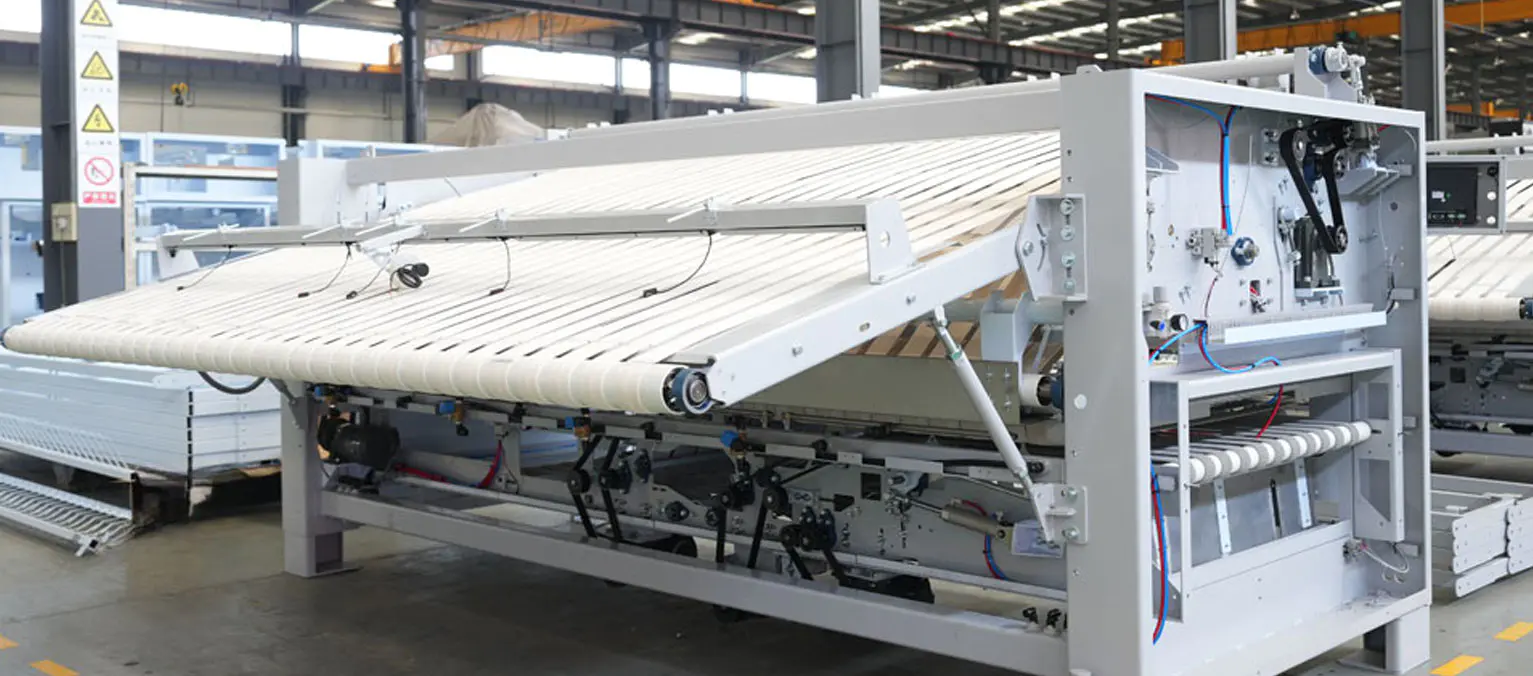
Tunnel type continuous batch washers (also called continuous parts washers or belt washers) are industrial cleaning systems where components travel through multiple cleaning, rinsing, and drying zones on a conveyor belt. Unlike batch cabinet washers, tunnel systems allow continuous loading and unloading, making them ideal for high-volume production lines. For complete technical specifications and layout drawings, visit the tunnel type continuous batch washer system product catalog.
Cleanable Materials and Compatible Substrates
Tunnel washers process diverse materials without surface damage when parameters are correctly set. The system design uses spray nozzles rather than immersion agitation, making it suitable for delicate parts.
Contaminant Types Effectively Removed
Tunnel washers excel at removing adherent and free-flowing contaminants through high-pressure spray impingement (typically 3-10 bar).
| Contaminant Category | Removal Efficiency | Typical Wash Zone Temperature | Detergent Required |
|---|---|---|---|
| Mineral oils (cutting fluids, hydraulic oils) | 99% removal to <10 mg residue | 60-80°C | Alkaline (pH 11-13) |
| Water-soluble coolants | 99.5% removal | 50-70°C | Neutral or mild alkaline |
| Metal chips and fines (steel, aluminum) | 98% removal above 200µm; 85% for 50-200µm | 40-60°C | Surfactant additive |
| Grease and heavy lubricants | 95-98% removal | 70-85°C | Strong alkaline + emulsifier |
| Dust, fibers, particulate | 99% removal (high-pressure nozzles) | Ambient-40°C | None or wetting agent |
| Corrosion inhibitors and coatings | 80-95% depending on chemistry | 60-80°C | Specialized solvent emulsion |
Energy Efficiency Optimization Methods
Tunnel washers achieve significantly lower energy consumption than batch washers due to continuous operation and heat recovery systems. Typical energy use: 0.15-0.30 kWh per kilogram of parts.
Counterflow Water Cascading
The most effective water conservation method. Fresh water enters only the final rinse zone, then flows backward through previous rinse and wash tanks. Each stage uses progressively dirtier water. This reduces fresh water consumption by 60-75% compared to single-pass systems. A 5-stage tunnel washer with counterflow uses 0.5 L/kg versus 2.0 L/kg for conventional designs.
Exhaust Heat Recovery
Warm, humid exhaust air (55-70°C) passes through an air-to-air plate heat exchanger preheating incoming fresh air for the drying zone. Recovery rates: 65-85% depending on exhaust temperature and heat exchanger surface area (typically 20-40 m² for medium systems). Reduces gas or electric heating costs by $2000-5000 annually for a 1000 kg/hour system.
Measured energy savings: A 2023 industrial audit of 12 tunnel washers showed average energy reduction of 34% after installing counterflow cascading and heat recovery. Payback period: 14-22 months depending on local energy prices.
Variable Frequency Drives (VFD) on Pumps and Conveyor
VFD-controlled wash pumps reduce energy during low-load periods (break times, shift changes). Conveyor speed adjusts to match part flow, avoiding unnecessary belt movement. Typical energy reduction from VFDs: 15-25% compared to fixed-speed systems. Pump pressure varies from 2-8 bar based on part geometry - complex parts need higher pressure, simple parts need less.
Water Consumption Optimization Strategies
Tunnel washers achieve industry-leading water efficiency through the following integrated methods:
- Nozzle optimization: Flat-jet nozzles at 15° angle reduce water usage by 30% while maintaining impingement force. Replace vee-jet nozzles which waste 40% more water for same cleaning effect.
- Oil skimming and filtration: Continuous oil removal from wash tanks (belt skimmers or coalescers) extends bath life from 40 hours to 400 hours between dumps. Each dump cycle saves 800-2000 liters of water.
- Automatic tank level control: Conductivity sensors trigger fresh water addition only when detergent concentration drops below setpoint (typically 2-5% concentration). Prevents manual overfilling.
- Final rinse recycling: Last rinse water (lowest contamination) is partially returned to pre-rinse zone. Reduces final rinse fresh water demand by 50%.
Typical Water Consumption Data (per ton of processed parts):
- Oily steel parts (500 ppm oil): 0.8-1.2 liters/kg (800-1200 liters per ton)
- Aluminum engine blocks (coolant residue): 0.5-0.9 liters/kg
- Plastic components (dust and static charge): 0.3-0.6 liters/kg (air knife pre-cleaning)
- Mixed industrial parts (average): 0.7-1.1 liters/kg
Continuous Operation Energy Balance
Unlike batch washers that cool down between cycles, tunnel washers maintain thermal equilibrium during production hours. The steady-state energy balance consists of:
- Heat input: Electric or steam heating of wash tanks (typically 30-60 kW for medium systems)
- Heat losses: Evaporation from tank surfaces (5-15%), conveyor exit opening (15-25%), tank walls (10-20%)
- Heat recovery: Exhaust air heat exchanger returns 8-15 kW to drying zone
- Net specific energy: 0.18-0.28 kWh/kg for typical operation
For high-efficiency systems, insulation thickness of 50-75mm on all heated tanks reduces standby heat loss by 60%. Stainless steel double-wall construction with 25mm air gap provides additional thermal break.
Automation and Control for Optimal Resource Use
Modern tunnel washers integrate PLC-based controls to optimize energy and water in real time:
- Flow meters on each zone: Detect leaks or excessive consumption (alerts when flow exceeds 10% of setpoint)
- Temperature monitoring at 3 points per tank: Maintains ±2°C accuracy, preventing overheating waste
- Load sensing via conveyor torque: Reduces pump speed by 40% when conveyor runs empty for >5 minutes
- Production schedule integration: System enters low-power standby (60% reduction) between shifts automatically
For customized tunnel washer configuration including number of zones, belt width (400-2000mm), and specific contaminant removal targets, consult the engineering team. Standard tunnel type continuous batch washer systems ship with 12-16 week lead time. Energy consumption guarantees available (typically ±10% of quoted values) for systems with documented production schedules.

- No. 2 Lehong Road, Leyu Town, Zhangjiagang, Suzhou City, Jiangsu Province, China
- +86-512-58602532
- [email protected]
Copyright @ Jiangsu Sea-Lion Machinery Co., Ltd. All rights reserved
Custom Laundry Equipment Suppliers