English
 Français
 Español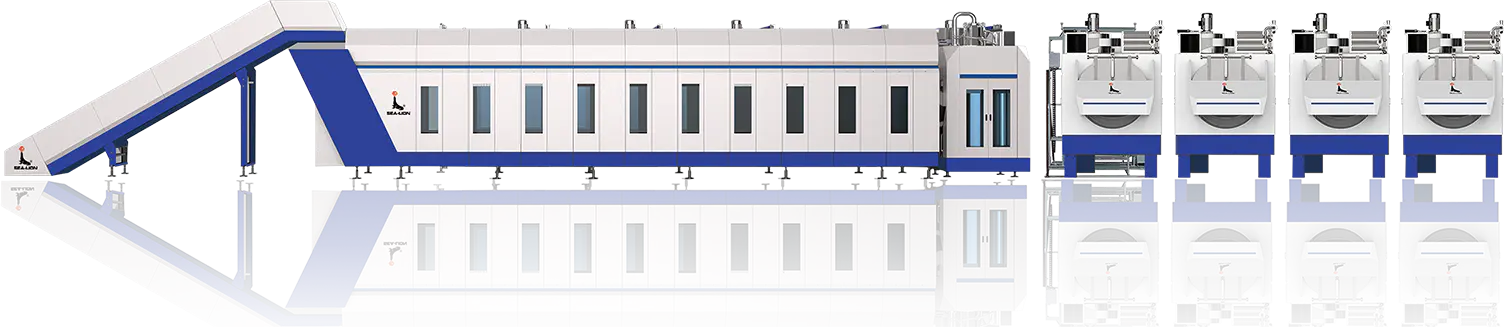








Tunnel Type Continuous Batch Washer System vs Traditional Washer Extractors | Efficiency and Capacity Guide
Content
- 1 Tunnel Type Continuous Batch Washer System vs Traditional Washer Extractors: A Complete Efficiency and Capacity Comparison for Industrial Laundries
- 2 Understanding Tunnel Washer Configuration and Modular Design
- 3 Counter Flow Water Recycling and Heat Recovery Systems
- 4 Automated Load Sensing and Adaptive Washing Parameters
- 5 Material Handling Integration: Loading, Shuttles, and Presses
- 6 Energy Efficiency and Environmental Sustainability
- 7 Frequently Asked Questions
- 8 References
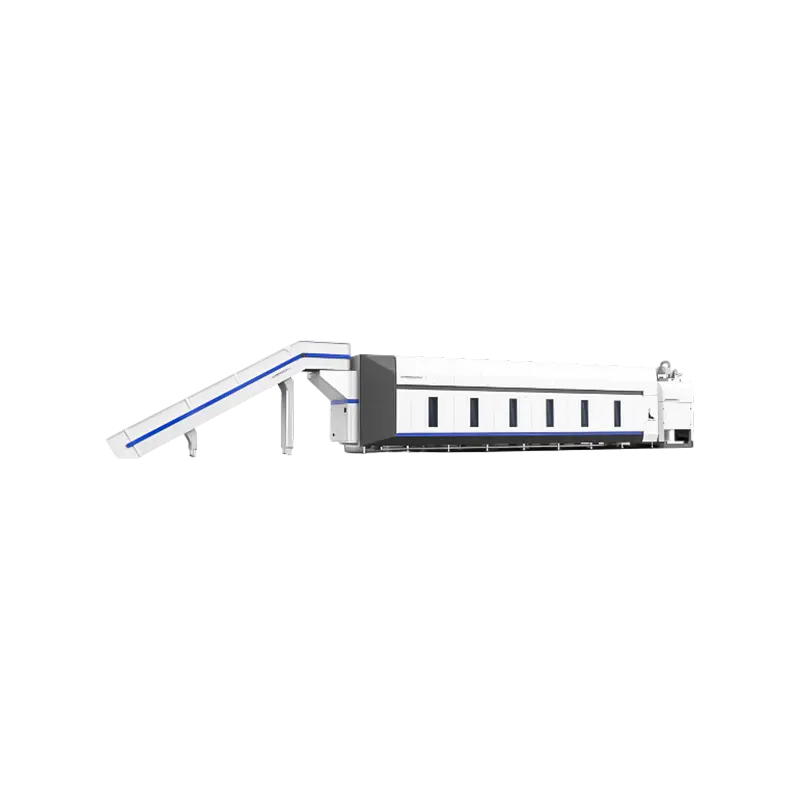
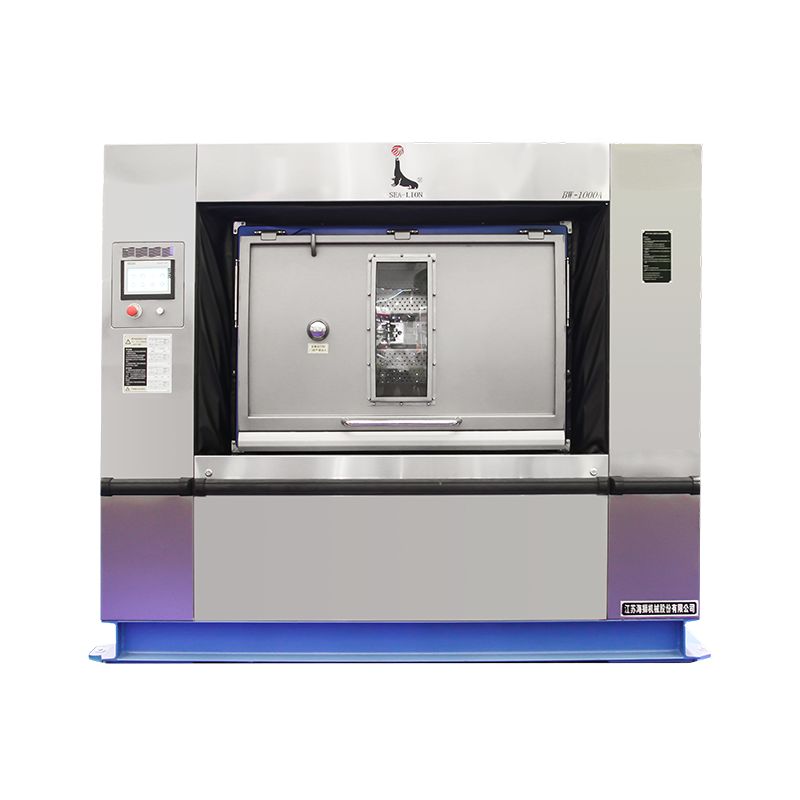
Tunnel Type Continuous Batch Washer System vs Traditional Washer Extractors: A Complete Efficiency and Capacity Comparison for Industrial Laundries
For industrial laundry operators, hospital facility managers, and export sourcing professionals, selecting the right washing equipment directly impacts operational costs, water consumption, labor requirements, and throughput capacity. Traditional washer extractors operate in batch mode, processing one load at a time with manual loading and unloading between cycles. Tunnel Type Continuous Batch Washer Systems operate continuously, with soiled linen entering one end and clean linen exiting the other after passing through multiple washing modules. Understanding the differences between these washing technologies helps buyers select the optimal solution for applications ranging from large scale commercial laundries to hospital linen services and hospitality operations.
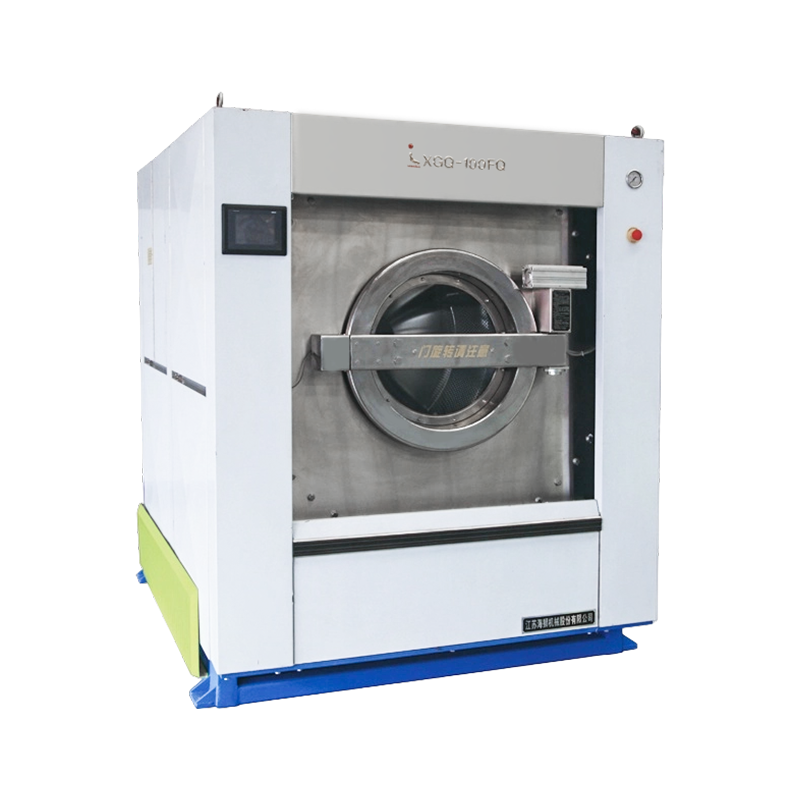
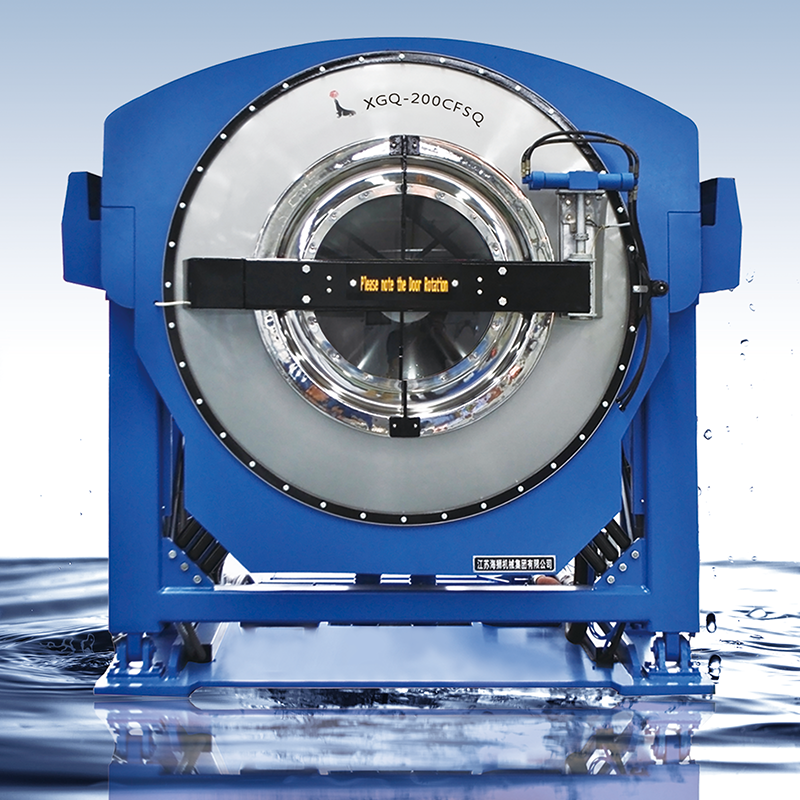
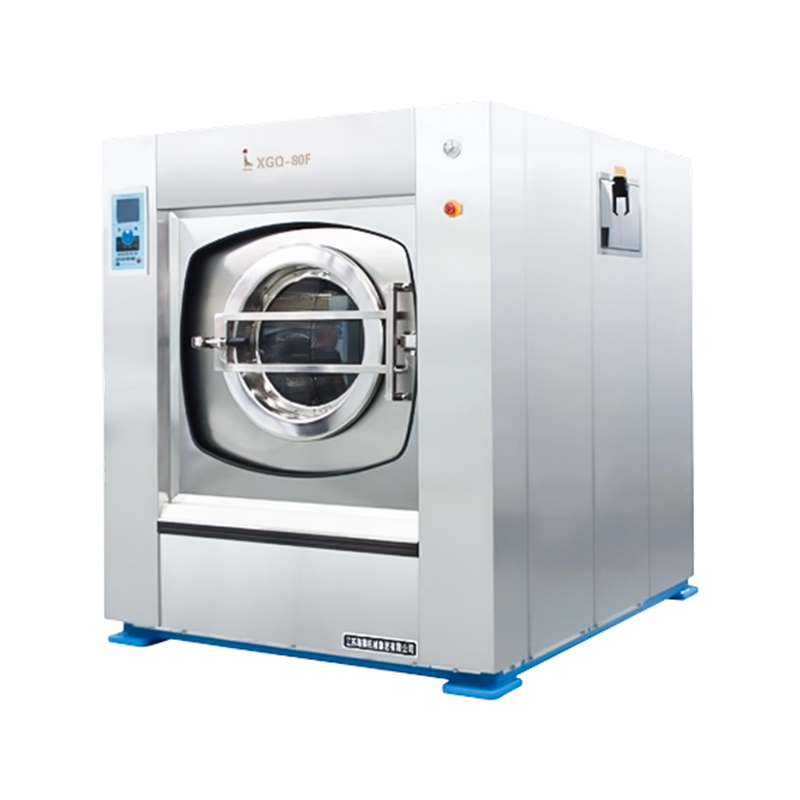
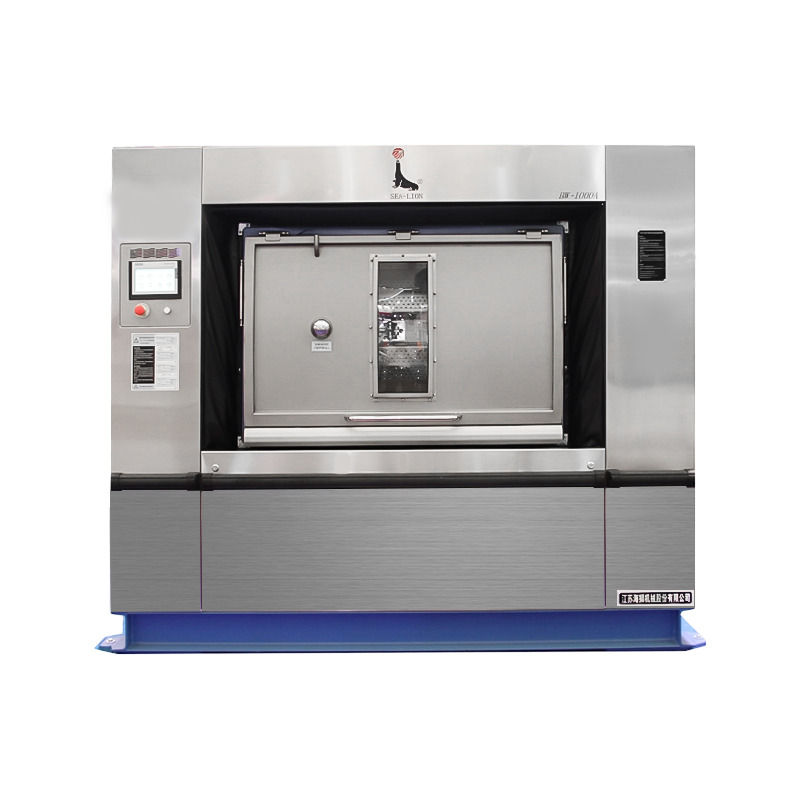
Traditional washer extractors are suitable for smaller volumes, typically processing 50 to 200 kilograms per cycle with cycle times of 45 to 90 minutes. They offer flexibility for processing different linen types but require significant manual handling and have higher water and energy consumption per kilogram of linen. Tunnel washers process continuously at rates of 500 to 2,500 kilograms per hour, using counter flow water recycling and automated chemical injection to achieve significantly lower water and energy consumption per kilogram. The following table summarizes the key differences between tunnel type continuous batch washer systems and traditional washer extractors.
| Performance Indicator | Tunnel Type Continuous Batch Washer | Traditional Washer Extractor |
|---|---|---|
| Operating Mode | Continuous batch processing, 24/7 operation | Batch cycle with manual loading and unloading |
| Throughput Capacity | 500 to 2,500 kilograms per hour | 50 to 200 kilograms per cycle |
| Water Consumption per Kilogram | 3 to 7 liters, using counter flow recycling | 12 to 20 liters, fresh water each cycle |
| Energy Consumption per Kilogram | Low, heat recovery from rinse to wash stages | High, each batch heats fresh water |
| Labor Requirement | Low, automated loading and unloading | High, manual handling of each batch |
| Chemical Consumption per Kilogram | Low, precise injection control | Moderate to high, manual dosing variability |
Industry data confirms that tunnel type continuous batch washer systems reduce water consumption by 50 to 70 percent and energy consumption by 40 to 60 percent compared to traditional washer extractors. For large volume operations processing more than 1,000 kilograms of linen daily, the return on investment for tunnel technology is typically achieved within 18 to 36 months through reduced utility and labor costs alone.
Understanding Tunnel Washer Configuration and Modular Design
The Tunnel Type Continuous Batch Washer System consists of multiple modules or stages that each perform a specific function in the washing process. Understanding this modular configuration helps buyers select the right system length and capabilities for their specific linen types and soil levels.
The pre wash module or modules are the first stages where cold water is used to flush loose soils and soluble materials from the linen. Cold water pre washing is more effective than hot water for removing protein based soils and prevents setting of stains. The pre wash stage typically uses counter flow water from later rinse stages, significantly reducing fresh water consumption. For heavily soiled linen such as industrial workwear or healthcare linen, two or three pre wash modules provide better soil removal before the main wash stages.
The main wash modules use hot water at controlled temperatures, typically 60 to 80 degrees Celsius depending on linen type and soil level, along with detergents, alkalis, bleaches, and other chemicals. Each module may be set to different temperatures and chemical concentrations to optimize specific soil removal. For example, the first main wash module may focus on emulsifying oily soils, the second on removing protein stains, and the third on whitening and brightening. The number of main wash modules ranges from three to eight depending on the application.
The rinse modules use fresh or recycled water to remove suspended soils and residual chemicals from the linen. Multiple rinse stages ensure thorough removal of alkalinity and detergents, which is essential for linen feel and to prevent skin irritation. Counter flow design directs rinse water backward to earlier pre wash and main wash modules, extracting maximum value from each liter of fresh water. The final rinse typically uses the freshest water to ensure complete neutralization and optimal linen quality.
The press or water extraction module removes excess water from the linen before it exits the tunnel washer. Hydraulic presses apply up to 40 kilograms per square centimeter of pressure, reducing linen moisture content from approximately 80 percent after washing to 45 to 55 percent after pressing. This reduces drying energy consumption by 30 to 40 percent and increases downstream drying capacity. For tunnel washers without integrated presses, a separate press or centrifuge must be installed between the washer and dryer.
Counter Flow Water Recycling and Heat Recovery Systems
The most significant efficiency advantage of a Tunnel Type Continuous Batch Washer System is counter flow water recycling. Understanding how this technology works helps buyers appreciate the water and energy savings possible with tunnel technology.
Counter flow operation means that water flows through the tunnel in the opposite direction of the linen. Fresh water enters at the rinse end of the tunnel, passes through the final rinse modules, then is pumped backward to the preceding rinse modules, then to the main wash modules, and finally to the pre wash modules before being discharged. This design ensures that the dirtiest linen meets the dirtiest water, while the cleanest linen meets the freshest water. Each liter of fresh water is used multiple times, extracting maximum cleaning value before discharge.
Water consumption for tunnel washers ranges from 3 to 7 liters per kilogram of linen, compared to 12 to 20 liters per kilogram for traditional washer extractors. For a facility processing 1,000 kilograms of linen daily, this represents annual water savings of 3,300 to 5,100 cubic meters. At typical industrial water and sewer rates, this translates to annual savings of 8,000 to 15,000 US dollars, with higher savings in regions with expensive water or discharge fees.
Heat recovery complements counter flow water recycling. Hot rinse water, typically at 50 to 60 degrees Celsius, is routed through a heat exchanger to pre heat fresh incoming water for the wash stages. Some systems also capture heat from discharged waste water to pre heat incoming cold water. For facilities using steam heated water, heat recovery reduces boiler fuel consumption by 20 to 30 percent. For facilities with electric water heating, the savings are proportionally larger.
Water filtration and reuse systems further reduce consumption. Tunnel washers can be equipped with membrane filtration or sedimentation systems that treat waste water for reuse in non critical applications such as initial pre washing or floor cleaning. Some advanced systems achieve total water consumption below 2 liters per kilogram of linen by recycling up to 70 percent of waste water. For facilities in water constrained regions, closed loop or near closed loop water systems are increasingly specified.
Automated Load Sensing and Adaptive Washing Parameters
Modern Tunnel Type Continuous Batch Washer Systems incorporate automated load sensing technology that adjusts washing parameters based on actual load size and soil level. Understanding this adaptive capability helps buyers select systems that optimize resource consumption across varying daily volumes.
Automated load sensing begins at the loading system, where weigh conveyors or volumetric sensors measure the linen mass entering the tunnel. This data is transmitted to the programmable logic controller or PLC, which calculates the required water flow, chemical injection rates, and module dwell times. For partial loads, the system automatically reduces water flow and chemical injection proportionally, preventing waste. Without load sensing, the tunnel would consume full load resources even when processing partial loads, eliminating the efficiency advantage of continuous operation.
Soil level sensing uses optical or conductivity sensors at multiple points in the wash process to measure water turbidity or contamination levels. Based on this data, the PLC adjusts wash module dwell times and chemical injection rates. For lightly soiled linen, the tunnel speeds up, reducing water consumption and energy use. For heavily soiled linen, the system slows down, allowing more time for chemical action and mechanical cleaning. Soil level sensing ensures consistent output quality regardless of incoming soil variation, which is particularly important for healthcare and hospitality applications where linen quality standards are strict.
Variable frequency drives on drum motors and water pumps allow precise control of mechanical action and flow rates. For delicate linen types such as polyester blends or flame retardant fabrics, drum speeds can be reduced to prevent damage while maintaining cleaning effectiveness. For heavy duty linen such as industrial workwear or mops, drum speeds can be increased to provide aggressive mechanical cleaning. Variable speed control also reduces energy consumption compared to fixed speed systems that operate at maximum power continuously.
Automated chemical injection systems interface with the load sensing and soil sensing systems to deliver precise detergent, alkali, bleach, and sour doses. Each chemical is injected at the optimal point in the wash process, with quantity adjusted for actual load weight and soil level. This precision reduces chemical consumption by 30 to 50 percent compared to manual dosing or fixed rate systems. It also reduces the risk of overuse that can damage linen or underuse that results in poor quality. For healthcare facilities, consistent chemical application is critical for meeting infection control standards.
Material Handling Integration: Loading, Shuttles, and Presses
A complete Tunnel Type Continuous Batch Washer System includes material handling equipment that automates linen movement from soiled receiving through washing, pressing, and drying. Understanding these integration options helps buyers specify systems that minimize manual labor and maximize throughput.
The automatic loading system with weighing device is the entry point for soiled linen. Operators dump linen into a loading chute or hopper, and a weigh conveyor measures the batch mass before it enters the tunnel. The weigh data is used to calculate water and chemical requirements. For facilities processing multiple linen types, the loading system may include automatic sorting based on RFID tags or barcodes, directing each batch to the appropriate wash recipe. Automatic loading eliminates the manual weighing and logging required with traditional washer extractors, reducing labor and improving data accuracy.
The hydraulic press is integrated at the tunnel exit to remove water from washed linen. Hydraulic cylinders apply up to 40 kilograms per square centimeter of pressure to the linen cake, extracting moisture to 45 to 55 percent residual levels. The press operates automatically, cycling as each batch exits the tunnel. For high capacity systems, dual presses allow continuous operation without waiting for press cycles. Pressed linen cakes are discharged to the shuttle conveyor for transfer to drying equipment. The hydraulic design provides consistent pressure independent of linen type or batch size, unlike pneumatic presses that may lose pressure with heavy loads.
The shuttle conveyor transfers pressed linen cakes from the press to the pass through dryer. Shuttles can be configured to serve multiple dryers, allowing the tunnel washer to operate continuously even if one dryer requires maintenance. Shuttles are typically controlled by the same PLC as the tunnel washer, coordinating timing between washing and drying operations. For facilities with significant distance between washer and dryer, extended shuttle systems with covers prevent lint contamination and maintain linen cleanliness.
The pass through dryer receives pressed linen cakes from the shuttle and dries them to specified residual moisture levels, typically 5 to 15 percent depending on the finishing equipment that follows. Pass through dryers use perforated drums and high velocity heated air to dry linen continuously as it moves through the dryer tunnel. Dwell time in the dryer is controlled by drum speed and length, coordinated with tunnel output rate. For facilities without integrated drying, linen may be transferred to separate tumble dryers or finishing lines.
Energy Efficiency and Environmental Sustainability
Sustainability is an increasingly important consideration for industrial laundry facilities, driven by both regulatory requirements and corporate environmental commitments. Tunnel Type Continuous Batch Washer Systems offer significant environmental advantages over traditional washer extractors across multiple metrics.
Water consumption reduction is the most immediate environmental benefit. At 3 to 7 liters per kilogram, tunnel washers use one third to one half the water of traditional equipment. For a facility processing 2,000 kilograms daily, this saves 6,000 to 15,000 liters of water each operating day, or 1.5 to 4 million liters annually. In water stressed regions, this reduction can be the difference between permit compliance and violation, or between feasible operation and closure.
Energy consumption reduction follows from water reduction. Less water means less water to heat, and counter flow recycling means incoming wash water is pre heated by outgoing rinse water. Total thermal energy consumption per kilogram is 40 to 60 percent lower for tunnel washers compared to traditional equipment. For electrically heated facilities, this represents substantial operating cost savings and reduced carbon footprint. For steam heated facilities, boiler fuel consumption decreases proportionally.
Chemical consumption reduction is achieved through precise automated injection based on actual load weight and soil level. Chemical overuse is eliminated, and underuse is corrected before quality is affected. For facilities using environmentally sensitive chemicals, reduced consumption directly reduces environmental release. For all facilities, chemical cost savings typically pay for the automated injection system within 12 to 18 months.
Waste water treatment requirements are reduced by both lower volume and lower contaminant concentration. Tunnel washers discharge less water overall, and the counter flow design concentrates contaminants into a smaller volume of discharge water. This concentration makes waste water treatment more efficient and cost effective. For facilities discharging to municipal treatment systems, lower volume reduces sewer fees. For facilities with on site treatment, smaller systems with lower operating costs can be specified.
Frequently Asked Questions
What is the minimum daily linen volume required to justify a tunnel washer investment?
Industry guidelines suggest that a tunnel type continuous batch washer system becomes cost effective at daily volumes of 1,000 to 1,500 kilograms or more. Below this volume, the capital investment and installation costs may not be justified by operating savings. However, facilities with very high water or energy costs, or those with labor availability challenges, may achieve positive return on investment at lower volumes. Conduct a detailed cost analysis comparing tunnel washer and traditional equipment operating costs for your specific utility rates, labor costs, and volume projections. For seasonal businesses, consider that tunnel washers operate most efficiently at consistent volumes near their rated capacity.
How long does a tunnel type continuous batch washer system typically last?
With proper maintenance and operation, a quality tunnel washer from manufacturers such as Jiangsu Sea-Lion Machinery Co., Ltd. typically lasts 15 to 25 years. Critical components including drum bearings, seals, and drive motors may require replacement after 8 to 12 years of continuous operation. The control system and electrical components typically have shorter service life of 10 to 15 years, though upgrades can extend overall system life. Regular preventive maintenance including lubrication, seal inspection, and chemical system calibration is essential for achieving maximum service life. Facilities operating 24 hours per day, 7 days per week should expect shorter component life than those operating single shifts.
Can a tunnel washer process different types of linen in the same production run?
Yes, tunnel washers can process varying linen types, but the system must be configured appropriately. The automated load sensing and programmable wash recipes allow different batches to receive different wash parameters based on linen type. For example, white sheets and colored towels can be processed sequentially with different chemical injections and temperature settings. However, the tunnel cannot separate mingled linen types within the same batch. Facilities processing multiple linen types typically schedule production runs by type, process the most sensitive linen first to avoid cross contamination, or install multiple tunnels for different categories. Healthcare facilities often dedicate separate tunnels for different linen categories to prevent cross contamination.
What is the typical installation footprint for a tunnel washer system?
A complete tunnel washer system including loading equipment, the tunnel modules, hydraulic press, shuttle conveyor, and pass through dryer typically requires 15 to 30 meters of linear space. The tunnel modules themselves are typically 1.5 to 2.5 meters per module, with 8 to 14 modules in a standard system. Additional space is required for chemical storage and injection systems, water treatment equipment, and control panels. Building height must accommodate the hydraulic press and shuttle, typically 3 to 4 meters. For facilities with space constraints, modular systems can be arranged in L shapes or U shapes, though this increases conveyor complexity and cost. Existing facilities may require structural modifications to support the weight of filled tunnel modules and presses.
What is the typical minimum order quantity for custom tunnel washer systems?
Tunnel type continuous batch washer systems are custom engineered for each installation, so minimum order quantities are one system. However, manufacturers typically require detailed facility specifications before providing pricing, including daily volume projections, linen types, available utilities, space constraints, and discharge requirements. Installation of a tunnel washer is a significant capital project requiring 3 to 6 months from order to commissioning, depending on permitting and site preparation requirements. Manufacturers such as Jiangsu Sea-Lion Machinery Co., Ltd., with 55 years of experience, provide site planning assistance and operator training as part of the purchase. For export orders, additional lead time should be allowed for shipping, customs clearance, and local installation support.
References
1. ISO 30000:2022. Ships and marine technology - Laundry equipment - Tunnel washers. International Organization for Standardization.
2. CEN EN 1406:2020. Industrial laundry machinery - Safety requirements for tunnel washers and associated equipment. European Committee for Standardization.
3. American National Standards Institute. (2021). ANSI Z8.1: Safety Requirements for Commercial Laundry and Drycleaning Equipment. ANSI Publications.
4. Textile Services Association. (2023). Best Practice Guide for Tunnel Washer Operation and Maintenance. TSA Publications.
5. European Textile Services Association. (2022). ETSA Guide to Sustainable Industrial Laundry Operations. ETSA Publications.
- No. 2 Lehong Road, Leyu Town, Zhangjiagang, Suzhou City, Jiangsu Province, China
- +86-512-58602532
- [email protected]
Copyright @ Jiangsu Sea-Lion Machinery Co., Ltd. All rights reserved
Custom Laundry Equipment Suppliers