Industry News
Home / News / Industry News

    information to be updated

  • 16 Apr
    2026
    What Defines a High-Quality Professional Finishing System?
    Introduction to Modern Surface Finishing In the manufacturing sector, the final surface treatment determines the durability and aesthetics of a product. A professional finishing system integrates various technologies to prepare, treat, and protect surfaces. Engineers and procurement officers must understand the technical depth of these systems to ensure optimal production efficiency. This article explores the core components and selection criteria for industrial finishing solutions. Core Components of an Integrated System A complete finishing line is more than just a spray booth. It requires precise coordination between multiple stages. We will analyze the critical subsystems that define a high-performance operation. The Critical Role of Pretreatment Surface preparation is the foundation of quality. Industrial surface pretreatment equipment removes oils, oxides, and contaminants. This stage ensures strong adhesion for subsequent coatings. Common methods include chemical cleaning, shot blasting, and phosphating. Engineers must select the pretreatment method based on the substrate material. For example, steel parts often require phosphating, while aluminum parts need chromating or anodizing. Application Technologies: Powder vs. Liquid The application method dictates the efficiency and environmental impact of the line. Many factories now prioritize powder coating finishing lines due to their high transfer efficiency and lack of volatile organic compounds (VOCs). However, liquid painting remains essential for specific color matching and thin-film requirements. The following table compares these two primary application methods: Feature Powder Coating Liquid Coating Transfer Efficiency High (up to 95%) Moderate (30-60%) VOC Emissions Negligible High (requires abatement) Film Thickness Thicker (50-150 microns) Thin to Medium (20-60 microns) Color Change Speed Slower Faster Automation and Efficiency in Finishing Labor costs and quality consistency drive the adoption of automated spray booth systems. Manual spraying relies heavily on operator skill. In contrast, automated systems use robots and reciprocators to apply consistent film thickness. Benefits of Automation Reduction in material waste through precise gun triggering. Consistent quality across complex part geometries. Improved worker safety by removing operators from hazardous environments. Real-time monitoring of process parameters. Curing and Energy Consumption The curing oven is the most energy-intensive component. An efficient oven must maintain uniform temperature zones to ensure proper cross-linking of the coating. Infrared curing is gaining popularity for specific applications due to its rapid heating capabilities. Proper insulation and heat recovery systems are vital for reducing operational costs. Selecting the Right Configuration for Your Industry Different industries have distinct requirements for industrial metal finishing solutions. The substrate material, production volume, and environmental regulations influence the final design. Batch vs. Continuous Systems Low-volume, high-mix production typically uses batch systems. These systems offer flexibility for different part sizes. High-volume production lines require continuous conveyors like power-and-free systems. These conveyors move parts seamlessly through pretreatment, application, and curing zones. Compliance and Safety Standards Modern installations must adhere to strict safety codes. Explosion-proof electricals are mandatory for solvent-based applications. Fire suppression systems are essential for powder coating booths. Procurement teams must verify that the equipment meets local and international standards like ISO or CE marking. Optimizing Throughput and ROI Investing in a professional finishing system requires a significant capital outlay. To maximize return on investment, engineers focus on minimizing downtime and maintenance. Maintenance Strategies Regular maintenance of spray guns and filters is crucial. Predictive maintenance uses sensors to detect equipment wear before failure occurs. This approach prevents unplanned stoppages that disrupt the production schedule. Conclusion Selecting the right finishing equipment requires technical expertise and strategic planning. Whether you need powder coating finishing lines or automated spray booth systems, the focus must remain on quality, efficiency, and compliance. A well-designed system enhances product value and secures a competitive advantage in the market. Frequently Asked Questions (FAQ) What is the main advantage of a professional finishing system? A professional system ensures consistent quality and repeatability. It reduces material waste and lowers the cost per part over time. How often should industrial surface pretreatment equipment be serviced? Service intervals depend on the chemical process and daily operating hours. Generally, technicians should inspect spray nozzles and bath concentrations weekly. Can automated spray booth systems handle complex part shapes? Yes, modern robotic systems use 3D scanning and path programming. They adjust the spray angle in real-time to cover complex geometries uniformly. What is the typical lifespan of a powder coating finishing line? With proper maintenance, the core structural components can last over 20 years. Control systems and pumps may require upgrades every 10 years to keep up with technology. References ASM International Handbook Committee. (2005).ASM Handbook, Volume 5: Surface Engineering. ASM International. Streitberger, H. J., & Dössel, K. F. (2008).Powder Coating: Chemistry and Technology. Vincentz Network. Occupational Safety and Health Administration (OSHA). (2023).Safety Standards for Spray Finishing Operations. Lambourne, R., & Strivens, T. A. (1999).Paint and Surface Coatings: Theory and Practice. Woodhead Publishing. The Powder Coating Institute. (2022).Process & Equipment Guidelines.
  • 08 Apr
    2026
    How Do You Choose the Right Industrial Tumble Dryer for Your Facility?
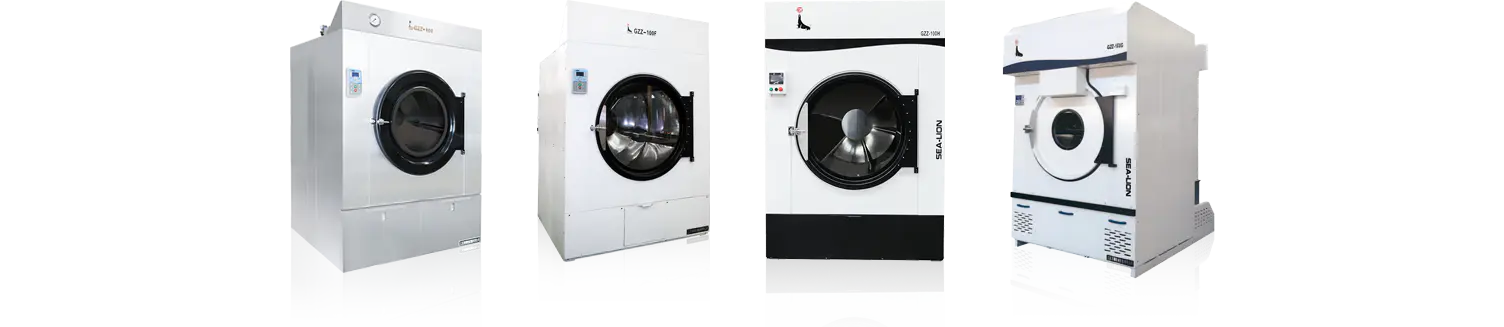
    Investing in an Industrial Tumble Dryer represents a significant capital decision for any business handling large-scale laundry operations. Whether you operate a hospital, hotel, or manufacturing facility, selecting the appropriate drying equipment directly impacts operational efficiency, energy costs, and textile longevity. This comprehensive guide examines the technical specifications, industry requirements, and selection criteria that engineers and procurement professionals must evaluate. Understanding the Core Differences: Industrial vs Commercial Tumble Dryer Many buyers confuse Commercial Tumble Dryer models with industrial-grade equipment. While both categories serve business needs, they differ substantially in construction, capacity, and intended use cycles. Defining Industrial Applications An Industrial Tumble Dryer is engineered for continuous operation in demanding environments. These machines typically process 50 kg to over 200 kg per load and feature heavy-duty stainless steel drums, reinforced bearings, and industrial-grade motors designed for 16 to 24-hour daily operation. The global industrial laundry machine market reached USD 2.96 billion in 2023 and is projected to grow to USD 4.16 billion by 2029, reflecting sustained demand for robust equipment . Commercial Use Cases and Requirements Commercial Tumble Dryer units generally handle smaller capacities ranging from 15 kg to 50 kg. These machines suit hotels, spas, and small healthcare facilities with moderate daily volumes. They offer shorter cycle times and lower upfront costs, but may not withstand the continuous stress of industrial operations. The following table outlines the key distinctions between these equipment categories: Specification Industrial Tumble Dryer Commercial Tumble Dryer Load Capacity 50 kg to 200+ kg 15 kg to 50 kg Daily Operation Hours 16 to 24 hours 8 to 12 hours Drum Material Heavy-duty stainless steel Standard stainless steel Motor Grade Industrial continuous-duty Commercial intermittent-duty Expected Lifespan 15 to 20 years 10 to 15 years Heat Source Options Electric, gas, steam Electric, gas Key Technical Specifications for B2B Buyers Engineering teams must evaluate several critical specifications when specifying drying equipment for new installations or facility upgrades. Drum Capacity and Throughput Calculations Capacity selection begins with accurate volume calculations. The 30-50 kg capacity segment currently leads the market due to its optimal balance between efficiency and space requirement. However, large-scale operations may require machines exceeding 100 kg per load. Calculate your required capacity using this formula: Estimate total daily laundry weight (dry basis) Divide by the number of operating hours Factor in 20% capacity buffer for peak periods Account for cycle time (typically 30-45 minutes per load) Heating Systems Modern Industrial Tumble Dryer systems offer three primary heating configurations. Electric heating provides precise temperature control and suits facilities without a gas infrastructure. Gas-fired dryers deliver faster heating and lower operational costs where natural gas is available. Steam heating integrates with existing boiler systems and offers excellent efficiency for large facilities [^7^]. Moisture Sensing and Automation Advanced moisture sensors automatically detect residual dampness and terminate cycles when textiles reach target dryness levels. This technology prevents over-drying, reduces energy consumption by up to 30%, and extends fabric lifespan. Approximately 20% of new installations now incorporate IoT connectivity for predictive maintenance and real-time monitoring. Industry-Specific Requirements Different sectors impose unique demands on drying equipment. Understanding these requirements ensures compliance and operational success. Healthcare and Hygiene Standards An industrial tumble dryer for Healthcare Facilities must achieve specific thermal disinfection parameters. Healthcare linens require high-temperature drying cycles that eliminate pathogens and meet stringent infection control standards. Machines serving this sector should maintain temperatures exceeding 71°C for prescribed durations and feature stainless steel construction that withstands frequent sanitisation [^9^]. The healthcare sector commands approximately 25% of the industrial laundry equipment market share, driven by hygiene requirements and consistent linen demand. Hospitality and High-Volume Operations Hotels and resorts require rapid turnaround capabilities. The hospitality industry accounts for roughly 30% of market share, emphasising the need for equipment that balances speed with fabric care. Stackable configurations maximise floor space efficiency, while programmable controls accommodate diverse textile types from delicate linens to heavy towels. Manufacturing and Industrial Workwear Facilities processing industrial workwear face unique challenges, including heavy soil loads, oil contamination, and abrasive fabrics. These applications demand Heavy Duty Tumble Dryer configurations with enhanced lint management systems and robust drum construction. Energy Efficiency and Operational Costs Energy consumption represents a major operational expense, making Commercial Tumble Dryer Energy Efficiency Standards a critical evaluation criterion. Understanding Energy Efficiency Standards Approximately 45% of new industrial laundry equipment purchases in 2023 selected energy-efficient models, reflecting industry prioritisation of sustainability. Buyers should verify compliance with regional efficiency certifications and evaluate the total cost of ownership rather than focusing solely on purchase price. Heat Recovery Systems and Cost Savings Advanced Industrial Tumble Dryer systems incorporate heat recovery technology that captures exhaust heat and redirects it for pre-heating incoming air. This innovation reduces energy consumption by up to 40% compared to conventional designs. Heat pump dryers represent another efficient option, reusing hot air during the drying process to achieve significant operational savings [^9^]. The following table compares energy characteristics across heating technologies: Heating Technology Energy Efficiency Rating Typical Operating Cost Best Application Electric Resistance Standard Higher Small facilities, no gas access Natural Gas Good Lower High-volume operations Heat Pump Excellent Lowest Energy-conscious facilities Steam Good Moderate Facilities with boiler systems Capacity Selection Framework Proper capacity selection prevents bottlenecks and maximises equipment utilisation. This section provides a systematic approach to Industrial Tumble Dryer Capacity Selection. Calculating Daily Laundry Volume Begin by quantifying your actual laundry output. Track weight measurements over a representative period, accounting for seasonal variations. Healthcare facilities typically generate 5-10 kg of linen per bed daily, while hotels average 8-15 kg per room. Matching Capacity to Operational Needs Select equipment that processes your daily volume within your operating window. Consider these industry benchmarks: Industry Sector Recommended Capacity Range Typical Configuration Small Healthcare (50-100 beds) 30-50 kg per machine 2-3 units Mid-Size Hotel (100-200 rooms) 50-100 kg per machine 2-4 units Large Hospital (300+ beds) 100-200 kg per machine Multiple units with backup Industrial Workwear Facility 50-150 kg per machine 3-5 units Commercial Laundry Service 100-200+ kg per machine Scalable array Maintenance and Long-Term Reliability Industrial drying equipment represents a long-term investment. Commercial washers and dryers typically last 15 to 20 years when properly maintained, compared to 10 to 13 years for residential-grade equipment. Essential maintenance protocols include: Daily lint removal from screens and ductwork Weekly inspection of belts, bearings, and heating elements Monthly calibration of moisture sensors and temperature controls Quarterly examination of gas connections and exhaust systems Annual professional servicing of motors and drive systems Manufacturers offering extended warranties (3-5 years on critical components) demonstrate confidence in their engineering quality  Frequently Asked Questions What is the difference between a heheavy-dutyumble dryer and a commercial dryer? A Heavy Duty Tumble Dryer is built for extreme continuous operation, typically processing larger loads (50 kg+) with industrial-grade components designed for 16-24 hour daily use. A Commercial Tumble Dryer handles moderate volumes (15-50 kg) and suits facilities with 8-12 hour operational schedules. Heavy-duty models feature reinforced drums, continuous-duty motors, and longer expected lifespans (15-20 years versus 10-15 years). How do I calculate the right capacity for my industrial tumble dryer? Calculate your daily laundry weight in kilograms, then divide by your available operating hours to determine hourly processing requirements. Multiply by average cycle time (typically 0.5 to 0.75 hours) to determine minimum capacity per machine. Industry guidelines suggest adding 20-25% buffer capacity for peak periods. For example, a 200-bed hospital generating 1,500 kg daily with 16 operating hours requires approximately 75-100 kg capacity per machine. What energy efficiency standards should I look for in a commercial tumble dryer? Seek equipment with Commercial Tumble Dryer Energy Efficiency Standards certification applicable to your region, such as ENERGY STAR or China Energy Label. Prioritise machines with heat recovery systems, automatic load sensing, and moisture-controlled cycle termination. These features reduce energy consumption by 30-40% compared to basic models. Heat pump technology offers the highest efficiency ratings for facilities prioritising sustainability. Is heat pump technology suitable for industrial tumble dryer applications? Yes, Commercial Tumble Dryer with Heat Pump Technology is increasingly viable for industrial applications, particularly in energy-conscious facilities. Heat pump dryers reuse heated air, reducing energy consumption significantly compared to vented or condenser models. While initial costs are higher, operational savings often achieve return on investment within 2-3 years. These systems are ideal for healthcare and hospitality sectors where fabric care and energy efficiency are both priorities. References Market Reports World. (2026). Industrial Laundry Equipment Market Size, Analysis Report By 2035. Retrieved from marketreportsworld.com Alibaba Product Insights. (2025). Laundry Equipment In Guangzhou: Material Standards, Technical Specifications, and Applications Across Industries. JLA Laundry Expert. (2025). Commercial tumble dryer buying guide. Retrieved from jla.com Market Research Future. (2025). Industrial Laundry Market Size, Growth, Trends, Report 2035. Coherent Market Insights. (2025). Commercial Laundry Equipment Market Forecast, 2025-2032. Arizton Advisory & Intelligence. (2024). Industrial Laundry Machine Market Size, Share, Growth Report 2024-2029.
  • 02 Apr
    2026
    How Does a Fully Automatic Continuous Tunnel Washer Improve Your Laundry Operations?
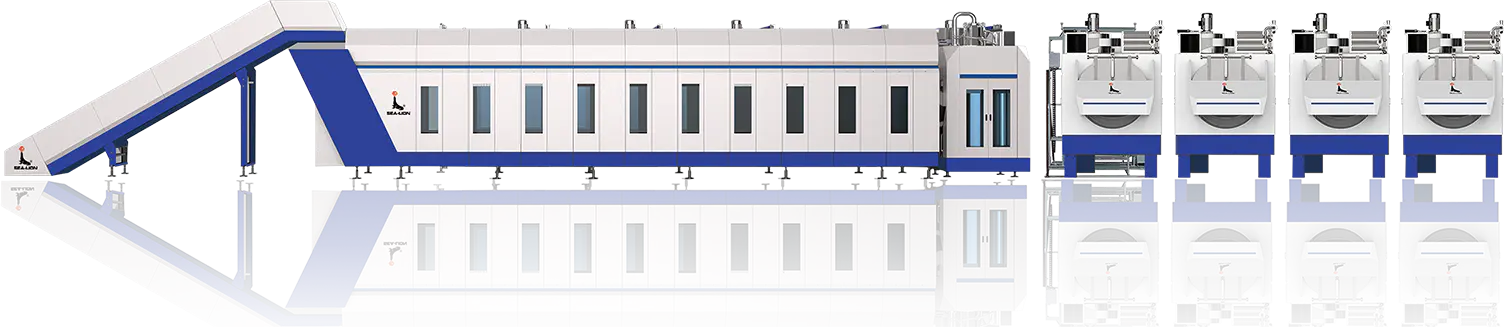
    For industrial laundry operators and procurement specialists, upgrading equipment is a critical decision. The modern facility demands machinery that delivers consistency, reduces labor costs, and withstands the rigors of continuous use. At the heart of this operational transformation is the fully automatic continuous tunnel washer. This piece of equipment is no longer just a luxury; it is a standard for high-volume, efficient laundries. This article provides an engineer-level analysis of this technology, exploring its core benefits, technical specifications, and how it integrates into a modern workflow. We will examine high-search-volume queries to help you understand the market and make an informed purchasing decision. What Are the Key Advantages of a Fully Automatic Continuous Tunnel Washer? When evaluating capital equipment, the return on investment is paramount. The shift from traditional washer-extractors to a fully automatic continuous tunnel washer, often referred to as a "tunnel" or "batch" washer, presents a paradigm shift in operational efficiency. The primary advantages are quantifiable and directly impact the bottom line. Labor Reduction and Automation The most immediate benefit is the drastic reduction in manual labor. A traditional wash room might require multiple operators to load, unload, and monitor individual machines. In contrast, a fully automatic continuous tunnel washer automates the entire process. Once the soiled linen is loaded into the hopper, the machine handles the washing, chemical injection, and transfer to the press or dryer without further human intervention. Utility and Chemical Efficiency These systems are engineered for resource conservation. The counter-current washing principle, where water flows opposite the linen's direction, is a key feature. This allows the machine to reuse water from the final rinse stages in the initial pre-wash stages. This single feature can reduce water consumption by up to 60-70% compared to traditional washer-extractors. Consequently, this reduces the need for heating large volumes of fresh water and lowers chemical consumption, as the pre-wash utilizes already heated and chemically charged water. Exploring High-Value Long-Tail Keywords in Tunnel Washer Technology For businesses looking to invest, understanding the specific capabilities is crucial. We have identified five high-search-volume long-tail keywords that represent the specific needs of B2B buyers and engineers. These terms guide the technical specifications we will discuss. continuous tunnel washer energy consumption per kg fully automatic tunnel washer control system programming high volume industrial tunnel washer capacity tunnel washer water recycling system integration continuous batch washer maintenance schedule Each of these terms highlights a critical area of concern for plant managers and engineers, from operational costs to long-term reliability. Technical Deep Dive: Capacity and Energy Metrics When evaluating a fully automatic continuous tunnel washer, two technical specifications dominate the decision-making process: capacity and energy consumption. Understanding these in detail is essential for accurate operational forecasting. Defining "High Volume" Capacity The term high volume industrial tunnel washer capacity refers to the throughput measured in kilograms per hour. Unlike traditional machines measured by a single batch size, tunnel washers are defined by their "batch weight" and the number of "pockets" or modules. A standard module might process a 50-100 kg batch every 2-3 minutes. A facility processing 3,000 kg per hour would require a machine with more modules—typically 12 to 18—and a larger batch weight. The choice of capacity directly influences the hydraulic system requirements, the power rating of the drive motors, and the physical footprint of the machine. Engineers must calculate peak load times, not just average daily throughput, to ensure the selected system does not become a bottleneck. Energy Consumption Per Kg: A Comparative Analysis Energy consumption is a primary operational expenditure. The metric continuous tunnel washer energy consumption per kg is a standardized way to compare efficiency. This figure encompasses electricity for the drum drive and hydraulic systems, steam for heating water, and the embodied energy in water itself. A modern, well-insulated system with a high-efficiency heat exchanger can achieve figures that are significantly lower than legacy systems. The following table compares the typical resource consumption between a traditional washer-extractor system and a modern fully automatic continuous tunnel washer. The data is based on industry averages for processing 1 kg of mixed linen. Resource Metric Traditional Washer-Extractor (Per Kg) Fully Automatic Continuous Tunnel Washer (Per Kg) Water Consumption 15 - 25 liters 4 - 7 liters Steam Consumption 0.6 - 0.9 kg 0.25 - 0.4 kg Electrical Energy 0.040 - 0.060 kWh 0.020 - 0.035 kWh Chemical Cost Baseline (100%) 60% - 75% of Baseline As the data indicates, the efficiency gains in a tunnel system are substantial, offering a compelling case for replacement of older equipment fleets. Advanced Control Systems and Maintenance Protocols Beyond raw throughput, the intelligence of the machine defines its utility. Modern systems rely heavily on sophisticated software and regular maintenance to achieve longevity. The Role of Control System Programming The phrase fully automatic tunnel washer control system programming refers to the programmable logic controller (PLC) and human-machine interface (HMI) that govern the machine. Advanced programming allows for the storage of dozens of distinct wash formulas. Each formula can precisely control variables such as: Water fill levels and temperature setpoints for each module. Chemical injection timing and dosage, often using flow meters for precise delivery. Dwell times in specific modules to optimize chemical reaction. Batch tracking and data logging for quality assurance and traceability. This level of control ensures that the fully automatic continuous tunnel washer can handle a diverse mix of goods—from heavily soiled industrial shop towels to delicate hospitality linens—without compromising quality or efficiency. Integration with Water Recycling Systems Sustainability is a growing concern for commercial laundries. The concept of tunnel washer water recycling system integration is now a standard engineering consideration. A tunnel washer is uniquely suited for this because it produces a consistent effluent stream. Engineers can design a closed-loop system where wastewater from the tunnel is filtered through membrane bioreactors (MBRs) or reverse osmosis (RO) systems and then fed back into the tunnel's fresh water intake. This integration can push water consumption below 2 liters per kg, a benchmark for "waterless" laundry operations. Developing a Maintenance Schedule To protect this investment, a rigorous continuous batch washer maintenance schedule is non-negotiable. A proactive maintenance plan extends the life of the machine and prevents costly unplanned downtime. Key elements of a schedule include: Daily: Visual inspection of seals, checking chemical injectors, and cleaning the lint trap on the discharge. Monthly: Lubrication of drive chains and bearings, inspection of the main shaft for alignment, and calibration of the PLC sensors. Quarterly: Comprehensive check of the hydraulic system pressure, inspection of the rotary joints for steam and water leaks, and a full bearing vibration analysis. Annually: Professional inspection of the drum support rollers, replacement of wear strips, and a full electrical safety audit. Frequently Asked Questions (FAQ) What is the typical lifespan of a fully automatic continuous tunnel washer? With a strict adherence to a continuous batch washer maintenance schedule, a high-quality industrial tunnel washer can have an operational lifespan of 20 to 25 years. The critical components are the bearings, drum supports, and the PLC control system. Bearings, if properly lubricated and protected from water ingress, often last 10-15 years before requiring replacement, representing a major but manageable maintenance event. How does a continuous tunnel washer handle different types of soiled linen? Modern fully automatic tunnel washer control system programming allows for advanced formula management. The machine can be programmed to adjust wash chemistry, temperature, and mechanical action in different modules based on the batch type. However, to prevent cross-contamination, laundries typically segregate linen (e.g., food and beverage, hospitality, healthcare) by running them in dedicated production blocks or using separate machines for critical hygiene items. What are the space requirements for installing a high-volume industrial tunnel washer? A high volume industrial tunnel washer capacity system requires more than just the machine's footprint. While the washer itself is a long, narrow unit (typically 10-20 meters), the total space must accommodate a soil sorting and loading area, a dewatering press (which is essential for continuous tunnel washer energy consumption per kg optimization), a dryer or finishing line, and the chemical storage and injection skid. A full turnkey system can require a floor space of 200-400 square meters, depending on capacity. Can a continuous tunnel washer be integrated with existing dryers and finishing equipment? Yes, integration is a standard part of system design. The discharge of a fully automatic continuous tunnel washer typically feeds into a high-extraction press. The "cake" of dewatered linen is then automatically conveyed to a batch dryer or a continuous batch dryer (CBD). Most modern control systems use standard industrial communication protocols (like Profibus or Ethernet/IP) to synchronize the washer with downstream equipment, ensuring a seamless material flow. References Textile Rental Services Association (TRSA). "Water and Energy Efficiency Best Practices Guide." 2022. Journal of Industrial Textiles. "Life Cycle Assessment of Commercial Laundry Systems." Vol. 52, 2023. American Society of Mechanical Engineers (ASME). "Performance Test Code for Industrial Laundry Equipment." PTC 59.1-2020. European Textile Services Association (ETSA). "Sustainability Report: The Circular Economy in Textile Services." 2023. International Organization for Standardization. "ISO 14001:2015 Environmental management systems – Guidelines for water efficiency in laundries." Technical Report.
  • 18 Mar
    2026
    How do barrier washer extractors prevent cross-contamination in hospitals?
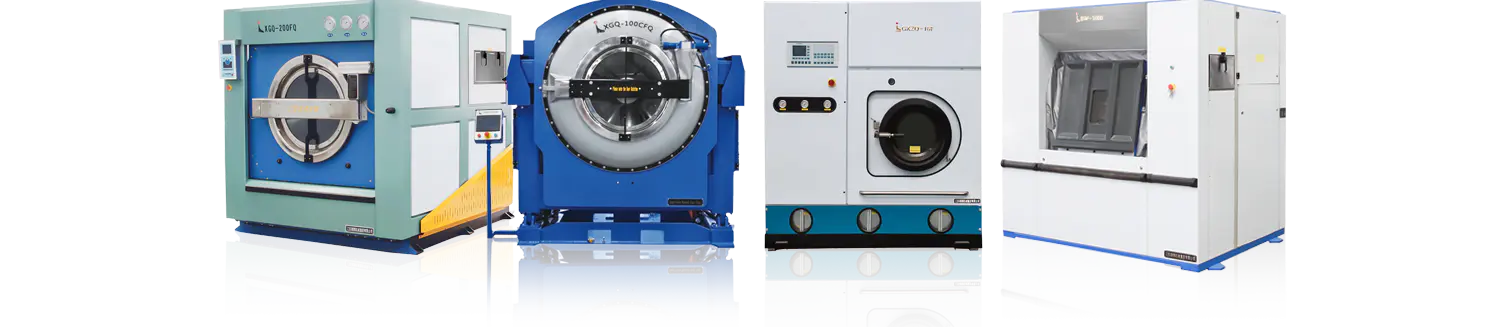
    In hospital laundry management, barrier washer extractors are the single most effective mechanical safeguard against cross-contamination between soiled and clean linen. These machines physically separate the dirty side of laundry processing from the clean side, ensuring that pathogens carried on used textiles never come into contact with freshly washed items. For infection control officers and healthcare facility managers, understanding exactly how this separation works — and why it matters — is essential to building a compliant, safe laundry workflow. This article explains the full mechanism of contamination prevention in barrier washer extractors, supported by operational data, regulatory context, and practical guidance for hospital laundry departments. What Is a Barrier Washer Extractor? A barrier washer extractor is a pass-through washing machine specifically engineered for healthcare environments. Unlike standard commercial washers, it is installed through a structural wall that physically divides a laundry facility into two zones: Dirty side (soiled utility area): Where contaminated linen is received, sorted, and loaded into the machine. Clean side (clean utility area): Where the washed and extracted linen is unloaded, dried, folded, and dispatched. The machine drum is accessible from both sides, but the two doors are mechanically and electronically interlocked so that they cannot be open simultaneously. Loading happens on the dirty side; unloading happens on the clean side — and never the reverse. This one-directional workflow is the foundation of cross-contamination prevention in hospital laundry. The Core Mechanism: How Cross-Contamination Is Prevented Physical Barrier Architecture The barrier is not merely a policy or a procedural guideline — it is a physical structure. The washer extractor is mounted through a partition wall, typically constructed of reinforced concrete or sealed masonry, with the machine frame sealed to eliminate any air gap. This means that no air, aerosol, or surface contact can pass between the dirty and clean zones around the machine body. Studies on healthcare-associated infections (HAIs) have consistently identified contaminated textiles as a reservoir for pathogens including Clostridioides difficile, methicillin-resistant Staphylococcus aureus (MRSA), and vancomycin-resistant enterococci (VRE). A physical barrier that eliminates the possibility of re-contamination after washing directly reduces this transmission pathway. Interlocked Door System The double-door interlock is perhaps the most critical engineering feature. The control system enforces a strict sequence: The dirty-side door is opened, linen is loaded, and the door is closed and locked. The wash cycle runs — typically at temperatures between 71°C and 90°C depending on linen type and infection risk classification. Only after the wash and extraction cycle is fully complete does the clean-side door unlock and become operable. Once the clean-side door opens, the dirty-side door is locked until the clean-side door is closed again and the next cycle begins. This interlock cannot be overridden by operators during normal use. Even if a staff member on the dirty side attempts to open the machine mid-cycle or after the clean door has opened, the system will prevent it. There is no manual bypass in compliant machines, which removes human error as a variable in contamination risk. Differential Air Pressure Between Zones Many hospital laundry facilities using barrier washer extractors also implement negative air pressure on the dirty side and positive or neutral pressure on the clean side. This pressure differential ensures that any airborne microbial particles — generated when shaking out soiled linen — are drawn away from the clean zone rather than migrating toward it. Ventilation systems are designed so that air flows from clean to dirty, never in reverse. When combined with the physical machine barrier, this creates a layered defense that addresses both contact transmission and airborne transmission routes. Thermal Disinfection During the Wash Cycle The washing process itself is a critical disinfection stage. Barrier washer extractors in hospital use are programmed with validated disinfection cycles that meet international standards. The most widely referenced benchmark is maintaining a wash temperature of 71°C for at least 3 minutes (known as the A0 600 concept) or 65°C for 10 minutes to achieve a thermal disinfection outcome sufficient for healthcare linen. For highly infectious or immunocompromised-patient linen, cycles at 90°C are commonly applied. These temperatures, combined with appropriate detergent chemistry at the correct concentration and contact time, achieve a log 5 to log 6 reduction in bacterial load — meaning 99.999% to 99.9999% of viable organisms are eliminated before the clean-side door ever opens. Workflow Design: Dirty-to-Clean Linen Flow Cross-contamination prevention is not only about the machine — it is about the entire workflow that the machine anchors. A properly designed hospital laundry using a barrier washer extractor follows a strictly one-directional process: Stage Zone Key Risk Control Linen collection & transport Dirty side Sealed bags, color-coded carts Sorting & weighing Dirty side PPE for staff, ventilated area Loading into barrier washer Dirty side Door interlock engaged Wash & thermal disinfection Machine (sealed) Validated temperature/time cycle Unloading on clean side Clean side No dirty-side access possible Drying, folding, packaging Clean side Clean staff, clean surfaces only Distribution to wards Clean side / clean route Separate delivery carts/vehicles Staff operating on the dirty side must not enter the clean side without changing protective equipment and following hand hygiene protocols. This separation of personnel mirrors the separation enforced by the machine itself. In well-designed facilities, dirty-side and clean-side staff have entirely separate access routes, break rooms, and exits. Compliance with International Standards and Regulatory Requirements The use of barrier washer extractors in hospitals is not merely best practice — it is required or strongly recommended by health authorities and standards bodies in most developed healthcare systems. Key Standards Referencing Barrier Washing ISO 15797: Specifies industrial washing procedures for hospital textiles, including thermal disinfection requirements and the importance of separating contaminated from processed linen. EN 14065 (RABC — Risk Analysis and Biocontamination Control): The European standard for laundry biocontamination control systems, which mandates documented physical separation between dirty and clean processing areas. HTM 01-04 (UK Health Technical Memorandum): Specifically recommends pass-through (barrier) machines for hospital laundry and defines thermal disinfection parameters. It classifies healthcare linen into thermolabile and thermostable categories, with different wash protocols for each. CDC Guidelines for Environmental Infection Control: The U.S. Centers for Disease Control and Prevention advise that soiled healthcare textiles should be handled and processed in a manner that prevents contamination of clean areas, staff, and patients. Non-compliance with these frameworks can result in regulatory action, failed accreditation surveys (such as Joint Commission assessments in the U.S.), and — most critically — preventable patient harm. Types of Linen and Infection Risk Classification Not all hospital linen carries the same contamination risk, and barrier washer extractors are typically programmed with multiple cycles calibrated to the linen category. Understanding this classification helps laundry managers configure machines appropriately. Standard Healthcare Linen Bed sheets, pillowcases, towels, and general ward clothing from non-infectious patients. These are washed at 65–71°C with standard disinfection programs. The barrier machine still applies here because even visually clean linen may carry transient pathogens from hospital surfaces. Infectious / High-Risk Linen Linen from isolation rooms, patients with confirmed MRSA, VRE, C. difficile, or other notifiable infections. This category requires wash temperatures of 85–90°C and may be bagged in water-soluble bags that dissolve inside the drum, meaning staff never directly handle the contaminated items before washing. Barrier washer extractors are particularly critical for this category because the risk of staff exposure during handling is high. Thermolabile (Heat-Sensitive) Items Delicate fabrics, microfiber products, and certain reusable surgical drapes cannot withstand high-temperature wash cycles. For these, barrier machines support lower-temperature programs combined with chemical disinfection — using peracetic acid or activated oxygen systems that achieve equivalent microbicidal efficacy at temperatures as low as 40°C, provided sufficient contact time and concentration are maintained. Preventing Staff Exposure: Occupational Safety Benefits Cross-contamination prevention in a hospital laundry is not only a patient safety issue — it is also an occupational health concern. Laundry workers are at elevated risk of exposure to: Bloodborne pathogens from sharps accidentally left in linen Respiratory hazards from bioaerosols generated during sorting Dermal exposure to contaminated body fluids Chemical exposure from detergent dosing systems By enforcing strict zone separation, barrier washer extractors ensure that workers on the clean side are never exposed to unprocessed infectious material. Clean-side staff handle only thermally disinfected linen, dramatically reducing their infection risk compared to facilities without physical barriers. Some barrier washer extractor installations also incorporate automated loading systems — particularly for high-risk linen — that minimize the need for dirty-side workers to manually handle soiled items before loading. This further reduces the window of occupational exposure. Key Technical Features That Support Contamination Control When evaluating or specifying a barrier washer extractor for hospital use, several technical features directly affect contamination control performance: Temperature Monitoring and Data Logging Compliant machines continuously monitor drum water temperature throughout the cycle and log this data electronically. Every cycle produces a verifiable record showing that the required temperature was reached and held for the required duration. This documentation is essential for audit purposes under EN 14065 and HTM 01-04. Automatic Chemical Dosing Pre-programmed chemical injection ensures that detergents, disinfectants, and rinse aids are dosed at the correct concentration for each specific program. Manual dosing introduces variability; automated dosing eliminates it. For thermolabile cycles using chemical disinfection, precise dosing is critical to achieving the target microbicidal activity. Drum Seal and Frame Gasket Design The interface between the machine and the partition wall must be permanently sealed to prevent air movement or surface contamination pathways. High-quality barrier washer extractors feature stainless steel frames with compressible gaskets that create an airtight seal around the machine body. Any gap in this seal compromises the barrier concept. Programmable Wash Cycles Modern barrier washer extractors store multiple validated wash programs — typically 10 to 30 different programs — covering standard linen, infectious linen, thermolabile items, heavily soiled clinical textiles, and operational items such as mop heads. Each program is locked to prevent unauthorized modification, protecting the validated status of the cycle. Extraction Speed and Residual Moisture Content High spin speeds — commonly 800 to 1,100 RPM — reduce residual moisture content (RMC) in washed linen to below 50%, typically achieving 45–48% RMC. Lower moisture content reduces drying time and energy consumption, but also means linen spends less time in the warm, moist post-wash environment where any surviving organisms could potentially re-proliferate before drying is complete. Common Errors That Undermine Barrier Effectiveness Even with a correctly installed barrier washer extractor, operational errors can compromise contamination control. The most frequent failures identified in infection control audits include: Propping open or bypassing doors: In busy laundry operations, staff sometimes attempt to speed up workflow by holding doors open. This must be prevented through staff training and, where possible, alarmed door sensors. Clean-side staff entering the dirty zone: Personnel working on the clean side must never cross into the dirty zone without full protocol compliance, including changing clothing and performing hand hygiene. Unvalidated or modified programs: Changing wash cycle parameters without revalidation — for example, reducing temperature to save energy — can result in inadequate thermal disinfection. Inadequate sealing of the partition wall: Gaps around the machine frame, or failing gaskets, create uncontrolled airflow pathways between zones. Failure to segregate linen by risk category: Mixing infectious linen with standard linen in a standard-temperature cycle may result in insufficient disinfection for the higher-risk items. Regular staff training, quarterly operational audits, and annual cycle revalidation are the standard countermeasures to these failure modes. Microbiological Testing and Validation of Barrier Washer Performance Installation of a barrier washer extractor is only the starting point. Ongoing validation confirms that the machine continues to achieve its intended disinfection outcome. Standard validation approaches include: Thermal Mapping Temperature loggers placed within test loads measure the actual temperature experienced by linen throughout the wash cycle. This confirms that the entire drum load — not just the water — reaches the target temperature. Cold spots caused by overloading or temperature sensor malfunction can lead to under-disinfection even when the machine appears to be operating normally. Microbiological Sampling Processed linen is sampled using contact plates or swabs and tested for bacterial contamination. Acceptable post-wash bioburden levels under EN 14065 are typically defined as no more than 12 colony-forming units (CFU) per 25 cm² of textile surface, with absence of indicator organisms such as coliforms. Regular testing — at minimum quarterly — provides ongoing assurance of disinfection efficacy. Chemical Concentration Verification Rinse water pH and detergent concentration in final rinse cycles should be tested to confirm that chemical residues are adequately removed and that dosing systems are performing as specified. Residual alkalinity or excessive detergent in processed linen can cause skin irritation in patients, particularly those with compromised skin integrity. Integration with Broader Hospital Infection Control Programs The barrier washer extractor functions as one element within a hospital's overall infection prevention and control (IPC) program. Its effectiveness is maximized when integrated with: Linen management policies that define collection, bagging, transport, and storage procedures for different linen categories. Occupational health protocols including PPE requirements for dirty-side workers, sharps injury prevention, and exposure management procedures. Environmental monitoring of the laundry facility, including air quality testing, surface swabbing, and regular facility inspections. Training programs that ensure all laundry staff — including temporary and agency workers — understand the rationale for barrier procedures and the consequences of non-compliance. Incident reporting systems that capture and investigate any breaches of the dirty/clean zone separation, enabling corrective action before a breach results in patient harm. Facilities that treat the barrier washer extractor as a standalone solution — rather than as one component of an integrated system — typically achieve lower levels of contamination control. The machine is necessary but not sufficient; the surrounding system determines overall performance. FAQ: Barrier Washer Extractors in Hospital Settings Q1: What is the main difference between a barrier washer extractor and a standard commercial washer? A barrier washer extractor is installed through a partition wall, creating a physical separation between the dirty (soiled) and clean (processed) zones of a laundry. It has two interlocked doors that cannot be open simultaneously, enforcing a strict one-way workflow. Standard commercial washers have a single door and no zone separation, making them unsuitable for healthcare environments where cross-contamination control is required. Q2: Can a barrier washer extractor completely eliminate the risk of cross-contamination? When correctly installed, validated, and operated within a properly designed workflow — including staff separation, air pressure management, and linen segregation — a barrier washer extractor eliminates the main mechanical pathways for cross-contamination. It does not independently control all risk factors; operational discipline and supporting protocols are also required. Q3: What wash temperature is required for hospital linen? For thermostable linen, the standard requirement is 71°C for a minimum of 3 minutes, or 65°C for 10 minutes. Infectious linen typically requires 85–90°C. Thermolabile items may use chemical disinfection at lower temperatures (from 40°C) with validated peracetic acid or activated oxygen systems. Q4: How often should a barrier washer extractor be revalidated? Cycle revalidation should be performed after initial installation, after any program modification, after major maintenance or component replacement, and at minimum annually as part of routine quality assurance. Microbiological sampling of processed linen should occur at least quarterly. Q5: Is a barrier washer extractor required by law in hospitals? Requirements vary by jurisdiction. In the UK, HTM 01-04 strongly recommends pass-through barrier machines for on-premises hospital laundry. In Europe, EN 14065 mandates physical separation of dirty and clean zones, which effectively requires barrier equipment. Healthcare accreditation standards in most countries include requirements consistent with barrier washing principles. Q6: Can water-soluble bags be used with barrier washer extractors? Yes. Water-soluble inner bags are designed to be loaded directly into the drum without opening, dissolving during the wash cycle. This approach is recommended for highly infectious linen — such as that from isolation patients — because it eliminates direct handling of contaminated items before washing. Q7: What capacity barrier washer extractors are available for hospitals? Barrier washer extractors are available across a wide capacity range, typically from 18 kg to 120 kg per cycle, allowing facilities of different sizes to select appropriate equipment. Large hospitals often use multiple machines in parallel to meet throughput demands while maintaining the barrier principle throughout. section { margin-bottom: 40px; } section h2 { font-size: 20px; font-weight: bold; text-align: left; margin-bottom: 15px; color: #004f6e; border-left: 4px solid #00a0c8; padding-left: 12px; } section h3 { font-size: 18px; font-weight: bold; text-align: left; margin-bottom: 15px; color: #005f7f; } section h4 { font-size: 16px; font-weight: bold; text-align: left; margin-bottom: 10px; color: #004f6e; } section p { font-size: 16px; text-align: left; margin-bottom: 20px; line-height: 1.75; color: #2c3e50; } section ul, section ol { margin-bottom: 20px; padding-left: 8px; } section li { font-size: 16px; text-align: left; margin-bottom: 5px; line-height: 1.7; color: #2c3e50; } section table { width: 100%; border-collapse: collapse; margin-bottom: 20px; font-size: 15px; } section table td { padding: 10px 12px; border: 1px solid #c8dde8; text-align: center; color: #2c3e50; } section table tr:first-child td { background-color: #005f7f; color: #ffffff; font-weight: bold; } section a { color: #00a0c8; text-decoration: underline; } section a:hover { color: #004f6e; } section strong { color: #003d52; }
  • 18 Mar
    2026
    What Are the Key Benefits of Using a Washer Extractor in Commercial Laundry?
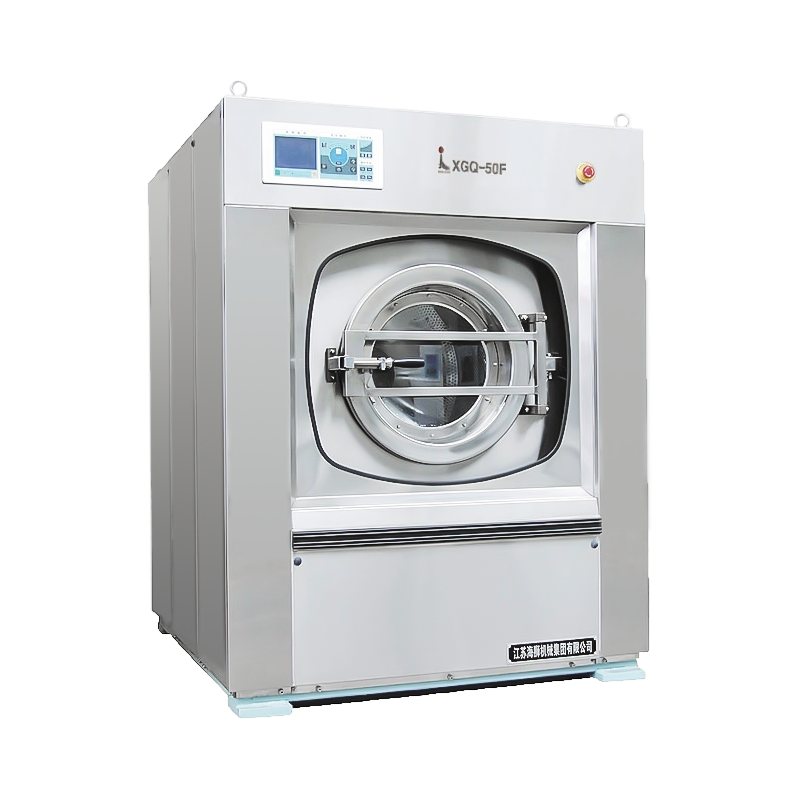
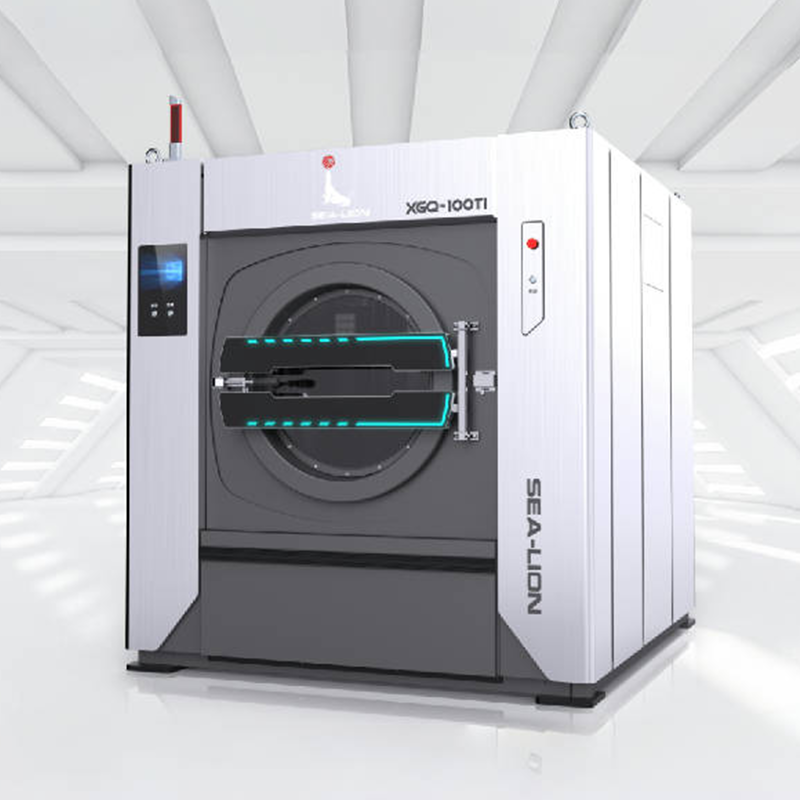
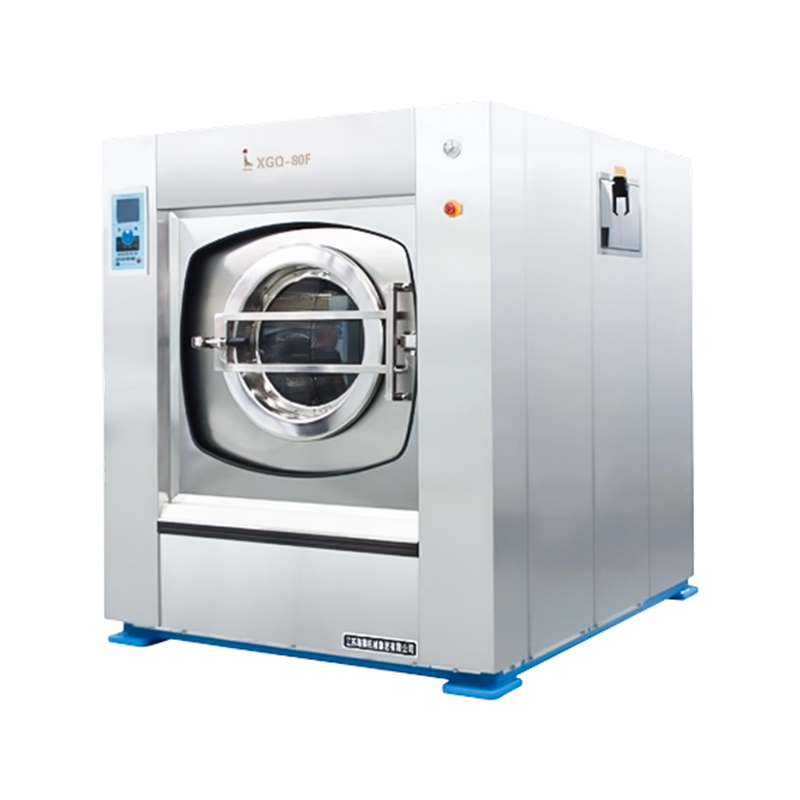
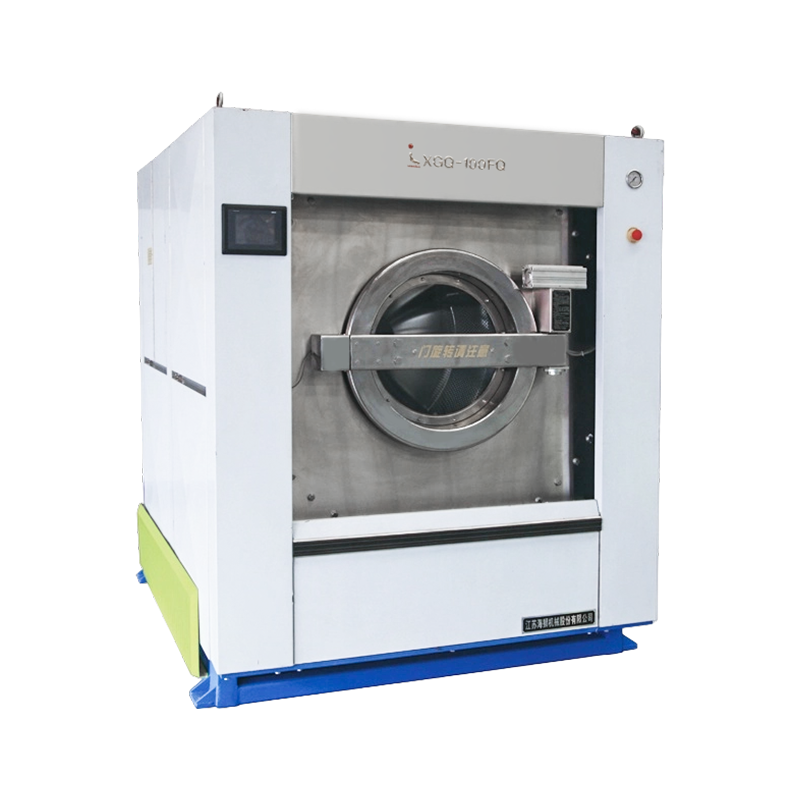
    Introduction In today’s fast-paced world, industries that deal with large volumes of laundry, such as hotels, hospitals, and commercial laundromats, rely heavily on efficient and reliable equipment. One such piece of equipment is the washer extractor. A washer extractor is more than just a washing machine – it combines the functions of washing and extracting moisture from fabrics, all in one powerful unit. Over the years, the role of washer extractors has evolved with advancements in technology. Their efficiency, versatility, and ability to save both time and energy have made them indispensable in a wide range of industries. Whether it’s a high-end hotel needing to clean large quantities of bed linens, or a hospital that requires sterilization of medical uniforms, the washer extractor plays a critical role in improving operations. What is a Washer Extractor? A washer extractor is a highly specialized piece of laundry equipment designed to not only wash fabrics but also to extract excess water from them. The washing and extraction processes are carried out in a single machine, making it an efficient solution for high-volume laundry operations. Definition: At its core, a washer extractor combines two essential functions: washing and extracting moisture. It uses mechanical action (usually via a drum or cylinder) to agitate the fabric and remove dirt and stains while applying water and detergent. The extractor function then spins the fabric at high speeds to extract water, allowing the laundry to dry more quickly and efficiently. Key Components: Drum: The drum, or washing cylinder, is where clothes are placed. It rotates to create mechanical action for washing. Control System: Modern washer extractors are equipped with sophisticated control systems that allow operators to set wash programs, monitor performance, and manage energy use. Water and Detergent Dispensing System: The dispensing system is designed to accurately add water and detergent to the load, ensuring the fabric is cleaned properly. Extraction Mechanism: This part of the washer extractor uses high-speed spinning to remove excess water from clothes, reducing drying time. Working Process: Washing: Water, detergent, and other additives are mixed in the drum, and the fabric is agitated to remove dirt and stains. Extraction: Once the washing phase is complete, the drum spins rapidly to remove water from the fabric. This process can achieve extraction speeds up to 1000 RPM or higher, making it one of the most efficient ways to prepare laundry for drying. Types of Washer Extractors Washer extractors are available in various types, each tailored to specific needs and industries. The three main categories are commercial, industrial, and automatic washer extractors. Understanding the differences between these types is crucial when selecting the best option for a particular application. Commercial Washer Extractors: Commercial washer extractors are designed for use in businesses that handle high volumes of laundry, such as hotels, laundromats, and restaurants. These units are typically more compact than industrial models but are still powerful enough to handle large loads of laundry. Application: Hotels, restaurants, and laundromats Capacity: Typically ranges from 10 to 50 kg Features: Energy-efficient, fast washing and extraction cycles, cost-effective for businesses with high turnover. Type Industry Key Features Capacity High-efficiency Washer Extractor Hotels, restaurants, laundromats Energy-saving, fast wash cycles 10-50 kg Heavy-duty Washer Extractor Hospitals, industrial use Large load capacity, heavy-duty construction 50-200 kg Industrial Washer Extractors: Industrial washer extractors are designed to meet the heavy demands of large-scale laundry operations, such as hospitals, factories, and large laundry services. These machines can handle much larger loads and are built to withstand continuous, high-intensity usage. Application: Hospitals, factories, and industrial laundries Capacity: Typically ranges from 50 to 200 kg or more Features: Heavy-duty, large load capacity, robust build for continuous operation Automatic Washer Extractors: Automatic washer extractors offer advanced features like automatic detergent dispensing, temperature control, and programmable wash cycles. These machines are ideal for businesses that require precise control over washing and extraction processes. Application: Any business that requires automated and precise washing cycles Capacity: Varies depending on the model (usually between 25 kg and 100 kg) Features: Fully automated, user-friendly control systems, energy-efficient Key Features and Benefits of Washer Extractors Washer extractors come with a variety of features that make them an attractive choice for commercial and industrial laundries. Below are some of the key features and benefits that make these machines indispensable: Energy Efficiency: Modern washer extractors are designed to be highly energy-efficient, reducing the consumption of water, detergent, and electricity. With rising energy costs, businesses are increasingly looking for ways to save on their utility bills, and a high-efficiency washer extractor can help achieve that goal. Automatic Control Systems: One of the main advantages of newer washer extractors is their sophisticated control systems. These systems allow operators to customize wash cycles, adjust water temperature, set drying times, and even monitor the machine’s performance remotely. High Load Capacity: Washer extractors are built to handle large loads of laundry, making them ideal for businesses that need to process a high volume of linens, uniforms, or other textiles. The ability to wash and extract water from large amounts of fabric in a single cycle increases productivity and reduces labor costs. Reduced Drying Time: The extraction function of the washer extractor removes a significant amount of water from fabrics, reducing the need for extensive drying times. This can save both time and energy, making it more efficient than traditional washing methods. Model Power Consumption (kWh/hour) Wash Cycle Time (minutes) Max Capacity (kg) Recommended Industry High-efficiency Extractor 2.5 30 25 Hotels, laundromats Automatic Washer Extractor 3.0 35 50 Hospitals, industrial laundries Versatility: Washer extractors are versatile machines that can be used to wash a wide range of fabrics, from delicate textiles to heavy-duty industrial workwear. This makes them suitable for a variety of applications, whether it’s washing towels at a hotel or uniforms at a factory. Durability: Built to withstand heavy usage, washer extractors are designed for long-lasting performance. Regular maintenance can extend their lifespan and ensure they continue to operate at peak efficiency. Market Demand and Applications The demand for washer extractors continues to grow across multiple industries, driven by the need for efficiency, cost savings, and high-quality cleaning results. Below are some key industries where washer extractors are indispensable: Hotel Industry: Hotels have an enormous need for washing bed linens, towels, and other fabrics. Washer extractors enable them to handle large volumes of laundry while ensuring high cleanliness standards. High-efficiency washer extractors are particularly popular in the hotel industry for their ability to clean and extract water quickly, reducing drying time and energy consumption. Healthcare Industry: In hospitals and other healthcare facilities, washer extractors are used to clean medical garments, linens, and other fabrics. These machines are equipped with features such as high-temperature settings and sterilization cycles, ensuring that fabrics are not only clean but also sanitized. Industrial and Manufacturing Sectors: Industrial washer extractors are used to clean work uniforms, overalls, and other fabric-based products used in factories and manufacturing facilities. These units can handle heavy-duty loads and are built to withstand the rigors of industrial use. Laundromats and Dry-Cleaning Businesses: Commercial laundromats use washer extractors to process laundry for customers. The ability to handle large volumes of laundry quickly and efficiently makes washer extractors an essential part of any laundromat operation. Choosing the Right Washer Extractor Selecting the right washer extractor is crucial for optimizing laundry operations. Factors such as capacity, energy efficiency, automation features, and overall cost should all be considered when making a purchase. Size and Capacity: Determine the size of the laundry operation and the average load size. For smaller operations, a compact commercial washer extractor may be sufficient, while larger operations may require industrial-grade models. Energy Efficiency: Choose a washer extractor that helps reduce operational costs by minimizing energy and water consumption. Automation and Control: For businesses looking for more control, an automatic washer extractor with customizable wash cycles can be a smart investment. Durability and Maintenance: Ensure that the washer extractor is built to last and comes with adequate after-sales support. Decision Factor Importance (1-5) Recommended Option Energy Efficiency 5 Choose high-efficiency models to reduce costs Automation Features 4 Ideal for businesses requiring precision Capacity and Durability 4 Select according to operational needs Brand and After-Sales Service 5 Opt for brands with strong customer service Maintenance and Care for Washer Extractors Proper maintenance and care are essential to prolong the lifespan and efficiency of washer extractors. Regular upkeep ensures that machines run smoothly and that they continue delivering optimal performance. Neglecting maintenance can lead to breakdowns, costly repairs, and inefficient operations. Common Issues and Solutions: Clogged Drainage System: Issue: If the washer extractor’s drainage system is clogged, it can lead to water backflow, poor extraction, and extended drying times. Solution: Regularly inspect and clean the drainage system, especially after each washing cycle. Ensure that no lint or debris is blocking the pipes. Poor Extraction Performance: Issue: Washer extractors may fail to extract enough water from fabrics if the drum or motor is malfunctioning. Solution: Check the motor, belt, and drum for any wear and tear. Regularly calibrate the machine’s spinning speed and ensure the load size is appropriate for the machine’s capacity. Control System Malfunctions: Issue: Malfunctions in the washer extractor’s control system can lead to incorrect wash cycles or other performance issues. Solution: Ensure the control panel is clean and free from dust or moisture. If issues persist, consult the user manual for troubleshooting tips or contact the manufacturer for support. Inconsistent Water Temperature: Issue: If the washer extractor is not maintaining consistent water temperature, it can affect the quality of cleaning. Solution: Check the heating element and thermostat regularly to ensure that the machine is maintaining the correct water temperature for the wash cycle. Regular Maintenance Tips: Routine Inspections: Perform regular inspections of the drum, motor, drainage system, and control panels. Lubrication: Lubricate moving parts to prevent friction and wear. Clean Filters: Clean filters and drainage systems to prevent blockages and maintain efficient operation. Follow Manufacturer Guidelines: Always adhere to the manufacturer’s recommended maintenance schedule and guidelines to avoid voiding warranties. Conclusion In conclusion, washer extractors have proven to be an essential piece of equipment in the commercial and industrial laundry sectors. Their ability to wash and extract moisture in one efficient process saves businesses time, energy, and money, while also improving the quality of their laundry services. When choosing a washer extractor, it is important for businesses to consider factors such as capacity, energy efficiency, and automation features. Additionally, regular maintenance is crucial for ensuring that these machines continue to perform at their best. FAQ 1. What is a washer extractor? A washer extractor is a commercial laundry machine that washes and extracts water from fabrics in a single cycle, improving efficiency and reducing drying time. 2. What industries use washer extractors? Washer extractors are used in industries like hotels, hospitals, laundromats, and manufacturing for washing linens, uniforms, and industrial fabrics. 3. How does a washer extractor save energy? Washer extractors are designed to minimize water and energy usage by optimizing wash cycles, using efficient motors, and extracting water effectively during the spin cycle. 4. What is the average lifespan of a washer extractor? With proper maintenance, a washer extractor can last 10-15 years, depending on its usage and the brand’s build quality. 5. Can washer extractors be used for delicate fabrics? Yes, many washer extractors come with customizable wash cycles that allow gentle handling of delicate fabrics while still providing efficient cleaning and extraction.
  • 18 Mar
    2026
    What Is a Dual Chest Single Roll Chest Ironer?
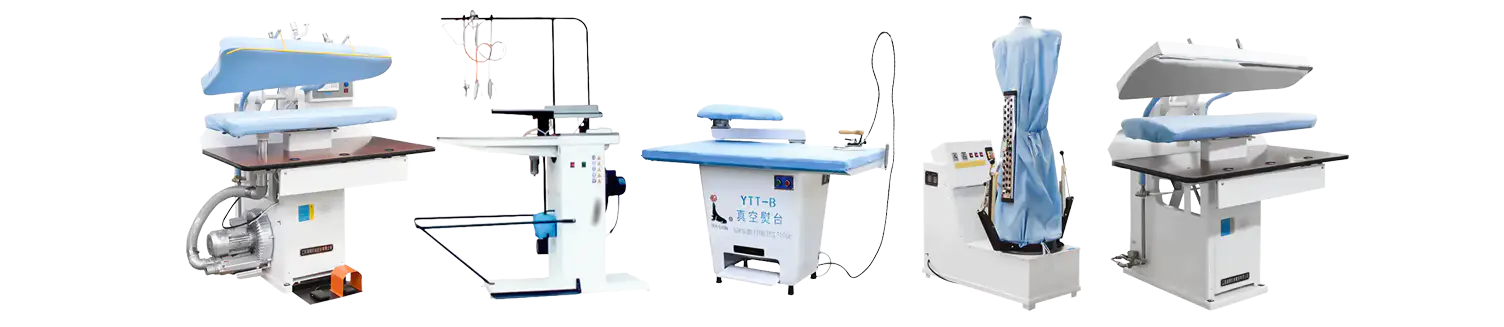
    Understanding the Chest Ironer with Dual Chests, Single Roll & Its Core Benefits Key Working Principles of Chest Ironer with Dual Chests Single Roll A Chest Ironer with Dual Chests Single Roll is a specialized industrial laundry machine designed for efficient ironing of flat linen items such as bed sheets, tablecloths, and towels. Its core working principle relies on a single heated roller and two opposing chest plates (dual chests) that work together to apply consistent pressure and heat to the linen. The heated roller rotates at a controlled speed, while the dual chests adjust to the thickness of the linen, ensuring uniform heat distribution across the entire surface. This design eliminates wrinkles effectively and reduces drying time, making it ideal for high-volume laundry operations. The roller is typically made of high-grade steel with a corrosion-resistant coating, and the chest plates are lined with heat-conductive materials to maximize energy efficiency. The machine’s operation is automated, with adjustable speed and temperature settings to accommodate different types of fabrics, from cotton to polyester blends. Top Advantages for Commercial & Industrial Laundry Operations The Chest Ironer with Dual Chests Single Roll offers several key advantages for commercial and industrial laundry facilities, addressing the unique needs of high-volume processing: High Efficiency: The dual chest design allows for simultaneous ironing on both sides of the linen, reducing processing time by 30-40% compared to single-chest models. This makes it suitable for facilities with large daily linen volumes, such as hotels, hospitals, and laundry service providers. Energy Savings: The single heated roller minimizes energy consumption compared to dual-roller models, while the dual chests ensure optimal heat transfer, reducing overall energy costs by 15-25% per cycle. Uniform Ironing Quality: The consistent pressure and heat distribution from the dual chests and single rollereliminatese uneven wrinkles, resulting in a professional, crisp finish for all linen items. Versatility: The machine can handle a wide range of linen sizes and fabric types, from small napkins to large bed sheets, with adjustable settings to prevent fabric damage. Durability: The heavy-duty construction, including high-grade steel components and robust bearings, ensures long-term reliability even in continuous operation, reducing maintenance and replacement costs. 2026 Review: Best Dual Chests, Single Roll Chest Ironer Models Critical Selection Criteria for Buyers When selecting a Best Dual Chests Single Roll Chest Ironer 2026, B2B buyers (including commercial laundry operators and wholesalers) must consider the following critical criteria to ensure the machine meets their operational needs and offers long-term value: Roller Diameter & Length: The roller diameter (typically 300-500mm) and length (1000-3000mm) determine the maximum linen size the machine can handle. Larger rollers are suitable for large-scale operations, while smaller rollers are ideal for medium-sized facilities. Heating Capacity: The heating system (electric, steam, or gas) and its capacity (measured in kW) directly impact ironing speed and efficiency. Steam heating is recommended for high-volume operations, while electric heating is suitable for smaller facilities with limited steam access. Pressure Adjustment: The ability to adjust chest pressure ensures compatibility with different fabric types, preventing damage to delicate materials while maintaining effective wrinkle removal. Automation & Control System: Advanced control systems (PLC or touchscreen) allow for precise adjustment of speed, temperature, and pressure, reducing operator error and improving consistency. Automatic feeding and folding attachments can further enhance efficiency. Energy Efficiency: Look for models with energy-saving features such as insulation layers, heat recovery systems, and variable speed drives to reduce operational costs. Durability & Maintenance: High-quality components (e.g., stainless steel rollers, heavy-duty bearings) and easy access to maintenance points reduce downtime and extend the machine’s lifespan. Recommended Models for Different Laundry Scales The following table compares recommended Best Dual Chests Single Roll Chest Ironer 2026 models for different laundry operation scales, highlighting key specifications to help buyers make informed decisions: Laundry Scale Model Name Roller Length (mm) Heating Type Production Capacity (m/h) Key Features Small (100-300 kg/day) DCSR-1000 1000 Electric (15 kW) 20-30 Touchscreen control, adjustable pressure, compact design Medium (300-800 kg/day) DCSR-1800 1800 Steam (25 kW) 40-60 PLC control, heat recovery system, automatic feeding Large (800+ kg/day) DCSR-3000 3000 Gas/Steam (40 kW) 80-100 Heavy-duty roller, dual pressure zones, remote monitoring Complete Maintenance Guide for Dual Chests Single Roll Chest Ironer Daily Maintenance Routines Proper daily maintenance is essential to ensure the reliable operation of a Chest Ironer with Dual Chests Single Roll and extend its lifespan. Operators should perform the following tasks at the start and end of each shift: Clean the Roller Surface: Use a soft, lint-free cloth to wipe the heated roller, removing any lint, fabric fibers, or residue. Avoid abrasive cleaners that can scratch the roller’s surface. Inspect Chest Plates: Check the dual chest plates for any damage, wear, or misalignment. Clean the plates with a damp cloth to remove any buildup, ensuring proper contact with the roller. Check Temperature & Pressure Settings: Verify that the temperature and pressure settings are correct for the day’s linen load, adjusting as needed to prevent overheating or under-ironing. Lubricate Moving Parts: Apply a small amount of high-temperature lubricant to the roller bearings and chest adjustment mechanisms to reduce friction and wear. Empty Lint Trays: Remove and empty the lint trays, as accumulated lint can pose a fire hazard and reduce the machine’s efficiency. Monthly & Annual Upkeep Steps In addition to daily maintenance, How to Maintain Dual Chests Single Roll Chest Ironer requires monthly and annual upkeep to address wear and tear and ensure optimal performance: Monthly Maintenance Inspect Roller Alignment: Check the roller for misalignment using a straightedge, adjusting the bearings if necessary to ensure even contact with the chest plates. Test Safety Features: Verify that emergency stop buttons, temperature sensors, and pressure relief valves are functioning properly to prevent accidents. Clean the Heating System: For steam-heated models, drain the boiler and remove any scale buildup using a descaling solution. For electric models, clean the heating elements to ensure efficient heat transfer. Annual Maintenance Replace Wear Parts: Replace worn components such as roller bearings, chest plate gaskets, and lubricant to prevent breakdowns. Calibrate Sensors: Calibrate temperature and pressure sensors to ensure accurate readings, which is critical for consistent ironing quality. Inspect Electrical Connections: Check all electrical wires and connections for signs of damage or overheating, tightening any loose connections and replacing damaged wires. Perform a Full System Test: Run the machine at full capacity with a test load to ensure all components are working together properly, addressing any issues before they impact operations. Troubleshooting Common Issues Even with proper maintenance, Chest Ironer with Dual Chests Single Roll may experience common issues. The following table outlines typical problems, their causes, and step-by-step solutions: Common Issue Cause Solution Uneven wrinkles on linen Roller misalignment or uneven chest pressure Adjust roller alignment using a straightedge; recalibrate chest pressure settings to ensure even contact Linen sticking to the roller Excessive temperature or dirty roller surface Reduce roller temperature; clean the roller with a lint-free cloth and mild cleaner Machine making unusual noise Lack of lubrication or worn bearings Apply high-temperature lubricant to moving parts; replace worn bearings if necessary Heating system failure Faulty heating element (electric) or blocked steam line (steam) Replace the heating element; unclog the steam line and check for leaks Low ironing efficiency Lint buildup or incorrect temperature/pressure settings Empty lint trays and clean the roller/chest plates; adjust temperature and pressure to match fabric type Industrial Chest Ironer Dual Chests Single Roll Price Factors & Budgeting Main Factors Affecting Pricing The Industrial Chest Ironer Dual Chests Single Roll Price is influenced by several key factors, which B2B buyers must consider when budgeting for a new machine. Understanding these factors helps buyers avoid unexpected costs and select a model that offers the best value for their investment: Roller Size: Larger roller lengths (1800mm and above) and diameters (400mm+) increase the machine’s cost due to the use of more materials and higher heating capacity. Heating Type: Steam-heated models are typically 20-30% more expensive than electric models, as they require additional components such as boilers and steam lines. Gas-heated models are the most expensive but offer lower long-term energy costs. Automation Level: Machines with advanced automation (PLC control, automatic feeding/folding, remote monitoring) cost 15-25% more than basic models but reduce labor costs and improve efficiency. Material Quality: High-grade stainless steel rollers and chest plates increase the machine’s cost but improve durability and reduce maintenance needs. Production Capacity: Models with higher production capacity (80+ m/h) are more expensive due to their larger size and more powerful heating systems. After-Sales Service: Machines with extended warranties and on-site service support may have a higher upfront cost but reduce long-term maintenance expenses. Cost Comparison for Different Configurations The following table compares Industrial Chest Ironer Dual Chests Single Roll Price for different configurations, helping buyers understand how each factor impacts the total cost: Configuration Roller Length (mm) Heating Type Automation Level Price Range (USD) Basic 1000 Electric Manual control 8,000 - 12,000 Mid-Range 1800 Steam PLC control 15,000 - 25,000 High-End 3000 Gas/Steam Full automation + remote monitoring 30,000 - 50,000 Dual Chests Single Roll Chest Ironer vs Flatwork Ironer: Which to Choose? Functional Differences Understanding the functional differences between Dual Chests Single Roll Chest Ironer vs Flatwork Ironer is critical for B2B buyers to select the right machine for their specific needs. The following table outlines the key functional differences: Feature Dual Chests Single Roll Chest Ironer Flatwork Ironer Ironing Mechanism Single heated roller + dual chest plates; applies pressure from both sides Multiple heated rollers; ironing is done by passing linen through roller gaps Processing Speed Medium to high; 20-100 m/h depending on model High to very high; 80-200 m/h depending on model Ironing Quality Excellent; uniform pressure ensures crisp, wrinkle-free finish Good; multiple rollers provide consistent ironing but may leave minor wrinkles on thick fabrics Energy Consumption Lower; single roller reduces energy use by 15-25% compared to flatwork ironers Higher; multiple heated rollers require more energy Fabric Compatibility Versatile; handles delicate to heavy fabrics with adjustable pressure Best for lightweight to medium fabrics; may damage delicate materials Application Scenario Matching The choice between Dual Chests Single Roll Chest Ironer vs Flatwork Ironer depends on the specific application scenario. Below is a breakdown of which machine is best suited for different laundry operations: Dual Chests Single Roll Chest Ironer is ideal for: Hotels, hospitals, and nursing homes that require high-quality ironing for bed sheets, tablecloths, and towels. Medium to large laundry facilities with daily linen volumes of 300-800 kg. Facilities that need versatility to handle different fabric types, including delicate materials. Operations looking to balance efficiency and energy savings. Flatwork Ironer is ideal for: Large-scale commercial laundry services with daily linen volumes of 800+ kg. Facilities that prioritize speed over ultra-premium ironing quality (e.g., linen rental companies). Operations that primarily handle lightweight to medium fabrics (e.g., napkins, tablecloths). FAQ: Chest Ironer with Dual Chests Single Roll 1. What is the average lifespan of a Chest Ironer with Dual Chests Single Roll? The average lifespan of a Chest Ironer with Dual Chests Single Roll is 10-15 years with proper daily, monthly, and annual maintenance. High-quality models with heavy-duty components can last up to 20 years in commercial or industrial settings. Factors such as usage frequency, maintenance practices, and fabric type also impact lifespan—continuous operation with heavy fabrics may reduce lifespan by 2-3 years. 2. How much energy does a Dual Chests Single Roll Chest Ironer consume per hour? Energy consumption varies by model and heating type. Electric models typically consume 15-40 kW per hour, steam models consume 25-50 kW per hour (including boiler energy), and gas models consume 15-30 m³ of gas per hour. Energy-saving features such as heat recovery systems and insulation can reduce consumption by 15-25% per hour, making them more cost-effective for long-term use. 3. Can a Chest Ironer with Dual Chests Single Roll handle all types of linen? Yes, a Chest Ironer with Dual Chests Single Roll can handle most types of linen, including cotton, polyester, linen, and blends. The adjustable pressure and temperature settings allow operators to tailor the machine to different fabric types—lower pressure and temperature for delicate fabrics (e.g., linen napkins) and higher pressure/temperature for heavy fabrics (e.g., thick bed sheets). However, extremely heavy or rigid fabrics (e.g., industrial towels) may require specialized models with higher pressure capacity. 4. What is the typical lead time for purchasing an Industrial Chest Ironer Dual Chests Single Roll? The typical lead time for an Industrial Chest Ironer Dual Chests Single Roll is 4-8 weeks for standard models. Custom models (e.g., specific roller lengths, heating types, or automation features) may have a lead time of 8-12 weeks. Lead time also depends on production capacity and shipping logistics—international shipping can add 2-4 weeks to the total delivery time. 5. How often should I replace the roller and chest plates of a Dual Chests Single Roll Chest Ironer? The roller and chest plates of a Dual Chests Single Roll Chest Ironer typically need replacement every 5-7 years, depending on usage and maintenance. Signs that replacement is needed include excessive wear on the roller surface (scratches, dents), reduced ironing quality, or uneven pressure distribution. Regular cleaning and lubrication can extend the lifespan of these components by 1-2 years. References American Laundry Machinery Association (ALMA). (2025). Industrial Laundry Equipment Maintenance Guide. ALMA Press, Chicago, IL. International Association of Laundry Services (IALS). (2024). Flatwork Ironing Equipment: Performance & Selection Criteria. IALS Publications, London, UK. Smith, J. D., & Jones, R. E. (2023). "Energy Efficiency in Industrial Chest Ironers: A Comparative Analysis." Journal of Laundry Engineering, 18(2), 45-62. European Committee for Standardization (CEN). (2022). EN 60335-2-40:2022 Safety of Household and Similar Electrical Appliances - Part 2-40: Particular Requirements for Ironers. CEN, Brussels, Belgium. Laundry Technology International. (2025). 2026 Industrial Laundry Equipment Trends Report. Laundry Technology Press, Munich, Germany.