English
 Français
 Español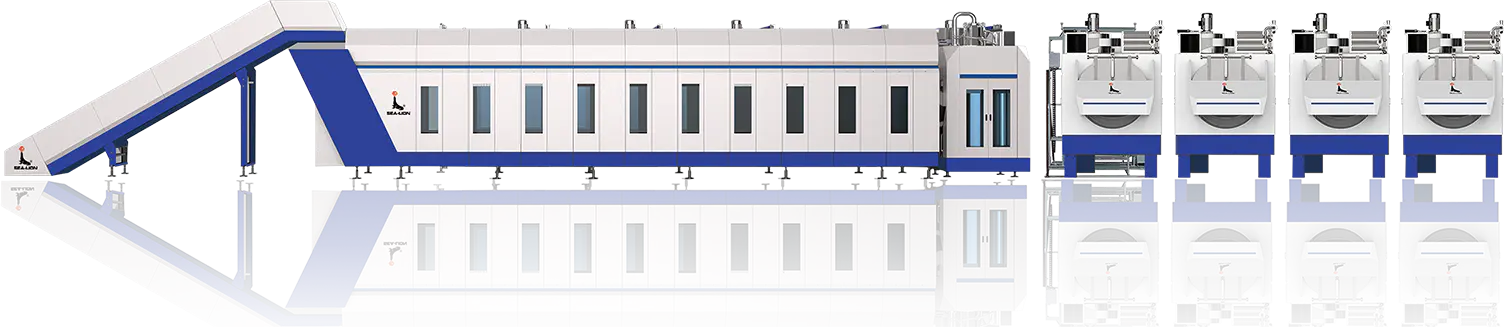










How Does Energy Optimization Work in a Continuous Batch Washer for Industrial Cleaning?
Content
- 1 Thermodynamic Load Analysis of a Continuous Batch Washer
- 2 Heat Recovery and Energy Reuse Mechanisms
- 3 Mechanical Drive Efficiency and Load Adaptation
- 4 Water Chemistry and Process Control Optimization
- 5 Automation and Control System Integration
- 6 Maintenance-Induced Energy Degradation Factors
- 7 Energy Efficiency Benchmarking and Performance Metrics
- 8 FAQ
- 9 Technical References
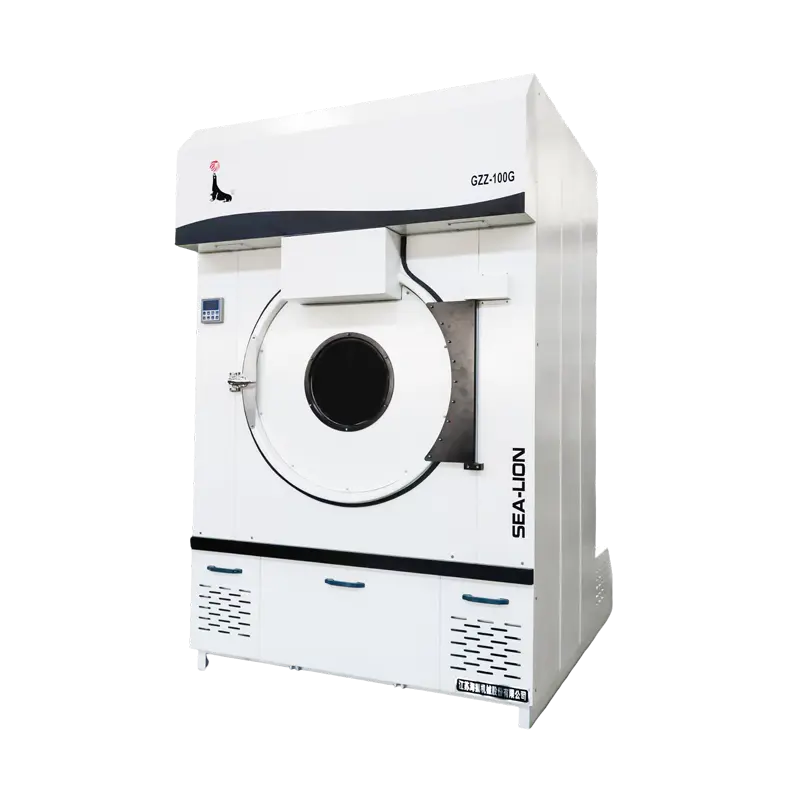
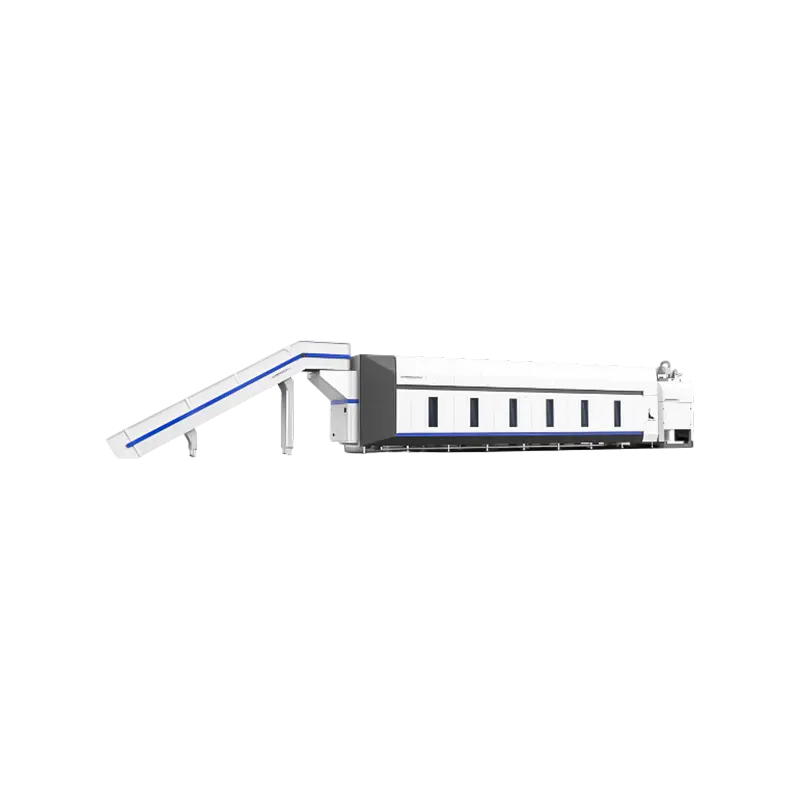
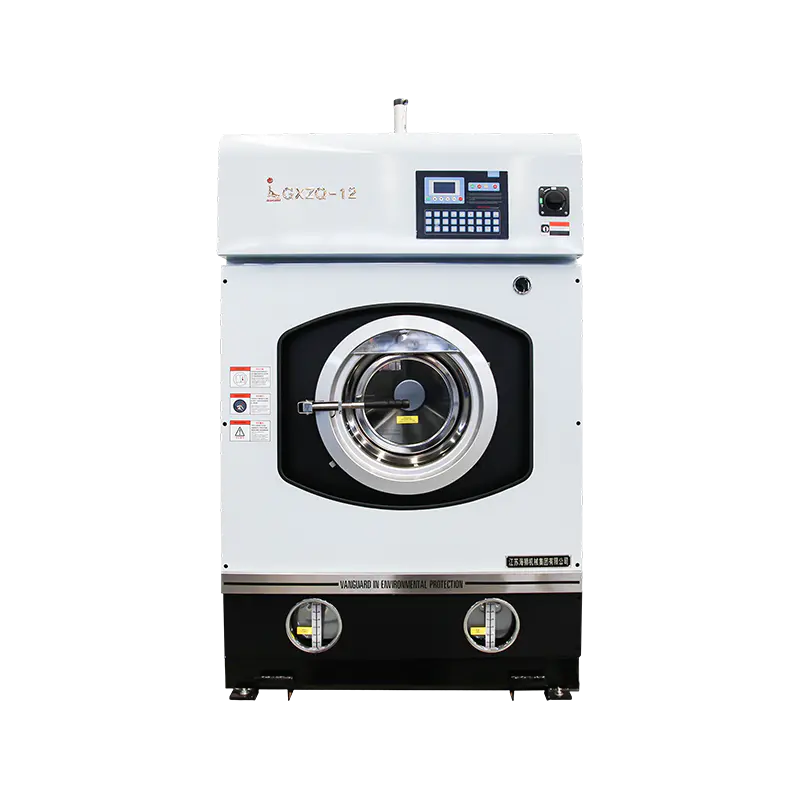
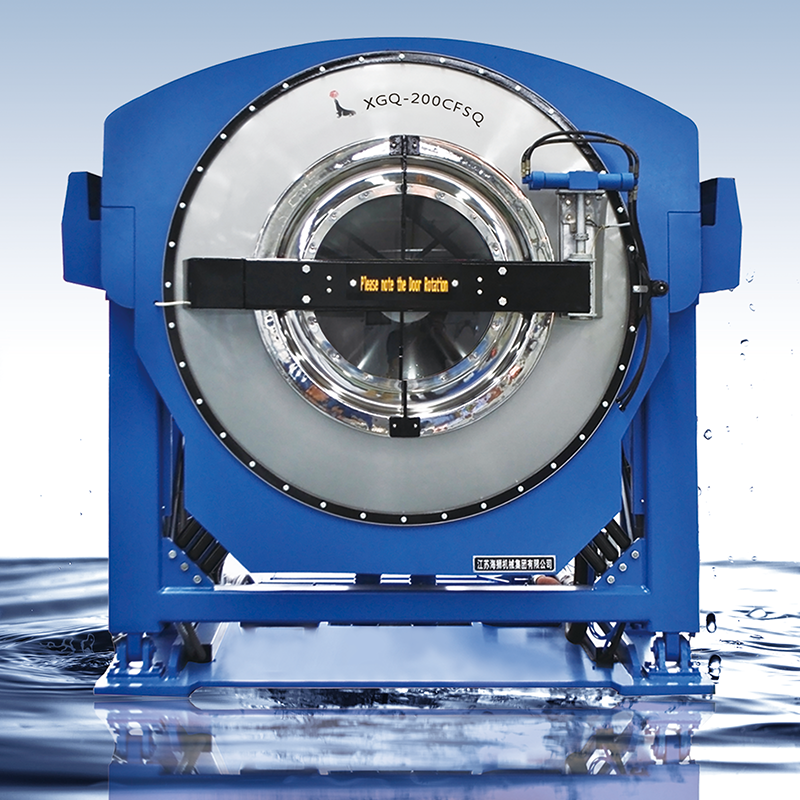
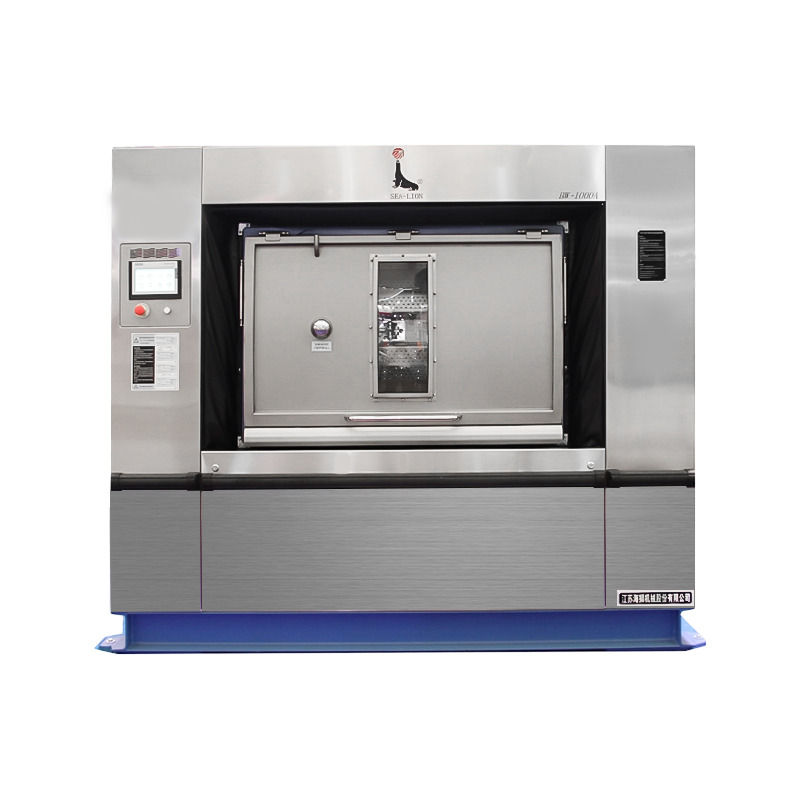
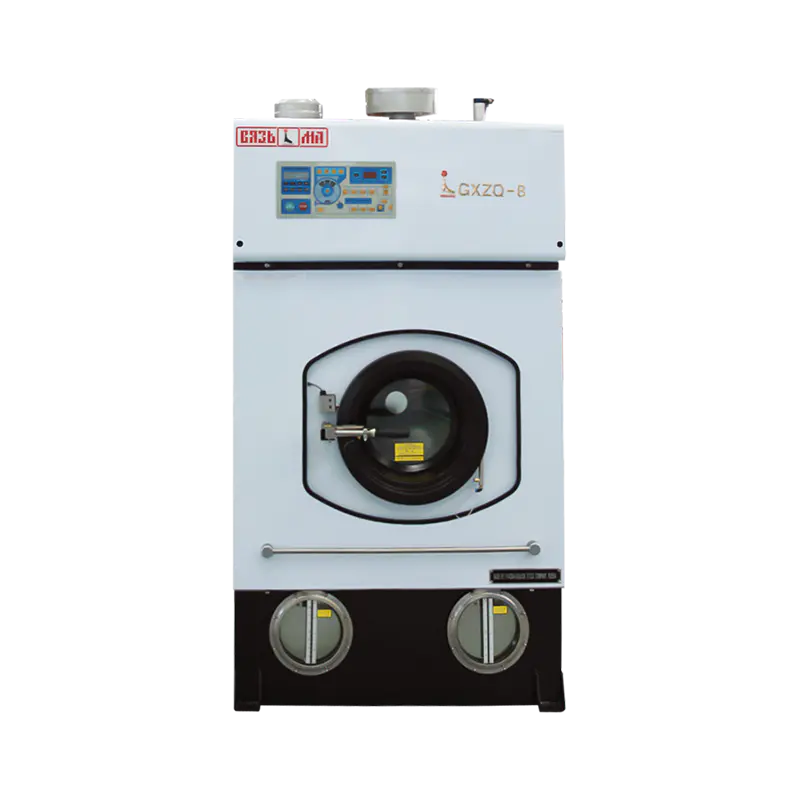
Thermodynamic Load Analysis of a Continuous Batch Washer
1. The total energy demand in a Continuous Batch Washer is primarily composed of thermal energy for water heating and mechanical energy for drum rotation and transfer systems.
2. Thermal load can be expressed as Q = m × Cp × ΔT, where water mass flow rate and temperature differential directly influence energy consumption.
3. In addressing Why energy efficiency matters in Continuous Batch Washer systems, high thermal losses from drainage and exhaust streams are identified as primary inefficiencies.
4. Compared to discontinuous systems, continuous flow reduces idle heating cycles, forming the basis of What is the energy-saving potential of Continuous Batch Washer compared to traditional systems.
Heat Recovery and Energy Reuse Mechanisms
1. Heat exchangers are integrated to transfer thermal energy from wastewater to incoming cold water, directly supporting How to optimize energy consumption in a Continuous Batch Washer.
2. Counterflow rinsing design ensures that clean water enters the final stage while reused water flows backward, minimizing total heating requirements.
3. Typical systems achieve 30%–50% thermal recovery efficiency depending on exchanger surface area and fouling resistance.
4. The optimization of What is the ideal water temperature for a Continuous Batch Washer ensures minimal enthalpy loss while maintaining cleaning kinetics.
Mechanical Drive Efficiency and Load Adaptation
1. Variable Frequency Drives (VFDs) regulate motor speed based on textile load weight, contributing to What are the key components of a Continuous Batch Washer that affect energy efficiency.
2. Torque control reduces unnecessary rotational inertia, especially under partial load conditions.
3. Drum perforation ratio and internal lifter geometry affect water retention and mechanical action, impacting overall energy usage.
4. Optimizing How does the wash cycle affect energy usage in a Continuous Batch Washer ensures reduced cycle redundancy and controlled mechanical stress.
Water Chemistry and Process Control Optimization
1. Chemical dosing systems directly influence wash efficiency, forming the basis of What is the role of chemical control in energy optimization for Continuous Batch Washers.
2. Incorrect pH or surfactant concentration increases required wash time and temperature, leading to higher energy consumption.
3. Water hardness (Ca2+, Mg2+) contributes to scale formation, reducing heat transfer efficiency and supporting How does water quality impact the performance of a Continuous Batch Washer.
4. Conductivity sensors and automated dosing valves maintain process stability and reduce energy waste.
Automation and Control System Integration
1. PLC-based control systems dynamically adjust temperature, water level, and cycle duration, improving How can automation improve energy optimization in Continuous Batch Washers.
2. Load sensing via weight sensors allows adaptive cycle control, reducing over-processing.
3. Real-time monitoring enables predictive adjustments, minimizing peak energy loads.
4. Advanced systems integrating How to maintain a Continuous Batch Washer for optimal energy performance ensure continuous efficiency through diagnostics and alerts.
Maintenance-Induced Energy Degradation Factors
1. Fouling in heat exchangers reduces thermal conductivity, increasing required heating energy.
2. Bearing wear and misalignment increase mechanical resistance and motor load.
3. Blocked spray nozzles reduce washing efficiency, requiring longer cycles.
4. Preventive maintenance aligned with ISO 13849 and IEC 60204-1 ensures stable energy performance and system safety.
Energy Efficiency Benchmarking and Performance Metrics
1. Specific Energy Consumption (SEC) is measured in kWh/kg of processed textiles.
2. Water-to-linen ratio (L/kg) is a critical parameter linked to heating demand.
3. Thermal efficiency (%) evaluates effectiveness of heat recovery systems.
4. Benchmarking supports validation of How to optimize energy consumption in a Continuous Batch Washer under different industrial loads.
FAQ
1. What is the typical thermal efficiency of a Continuous Batch Washer?
Thermal efficiency typically ranges from 60% to 85%, depending on heat recovery system design and maintenance condition.
2. How does water hardness affect energy consumption?
High hardness leads to scale formation on heating elements, reducing heat transfer efficiency and increasing energy demand.
3. What is the optimal operating temperature range?
Most industrial processes operate between 60°C and 90°C depending on soil type and chemical formulation.
4. How often should heat exchangers be cleaned?
Cleaning intervals depend on water quality but typically range from 3 to 6 months under continuous operation.
5. What is the role of automation in reducing energy peaks?
Automation balances load distribution and prevents simultaneous high-energy operations, reducing peak demand charges.
Technical References
1. ISO 13849-1: Safety of machinery – Control system design
2. IEC 60204-1: Electrical equipment of machines
3. ASTM E1971: Stewardship for cleaning and degreasing processes

- No. 2 Lehong Road, Leyu Town, Zhangjiagang, Suzhou City, Jiangsu Province, China
- +86-512-58602532
- [email protected]
Copyright @ Jiangsu Sea-Lion Machinery Co., Ltd. All rights reserved
Custom Laundry Equipment Suppliers