English
 Français
 Español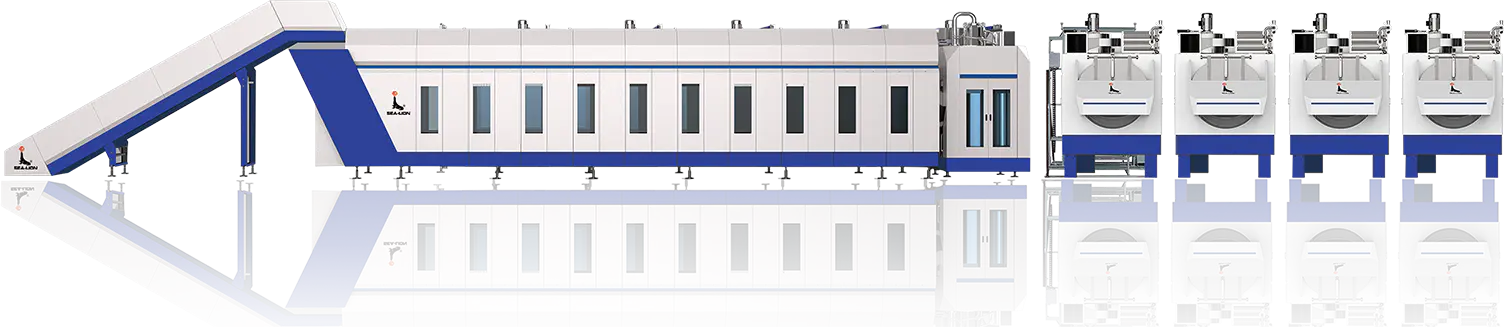

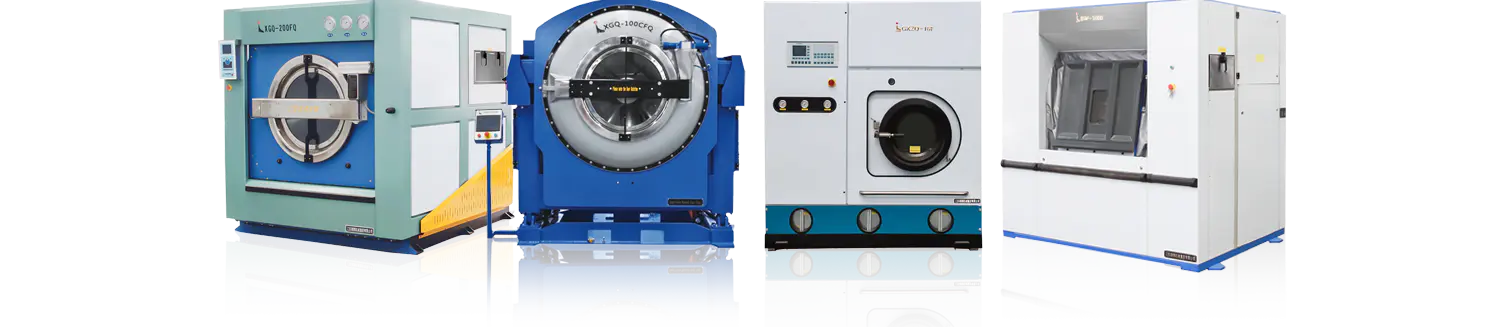
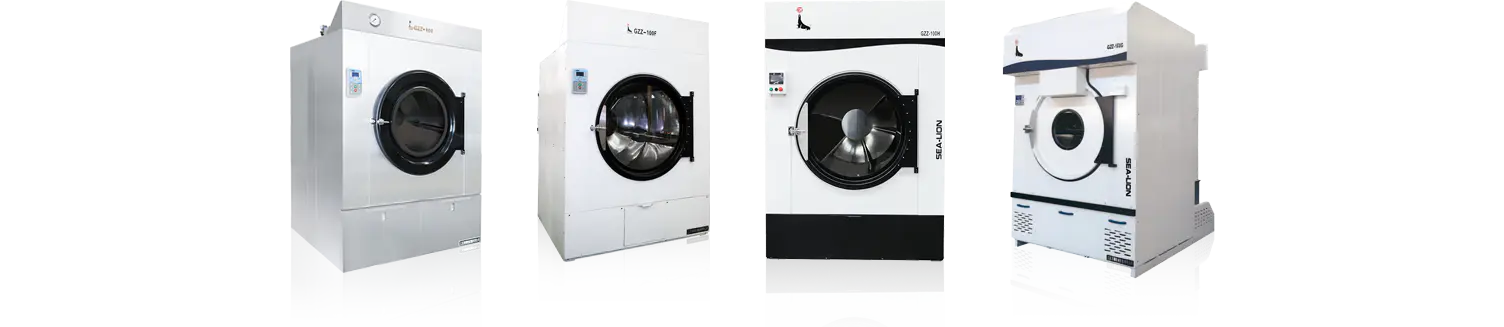







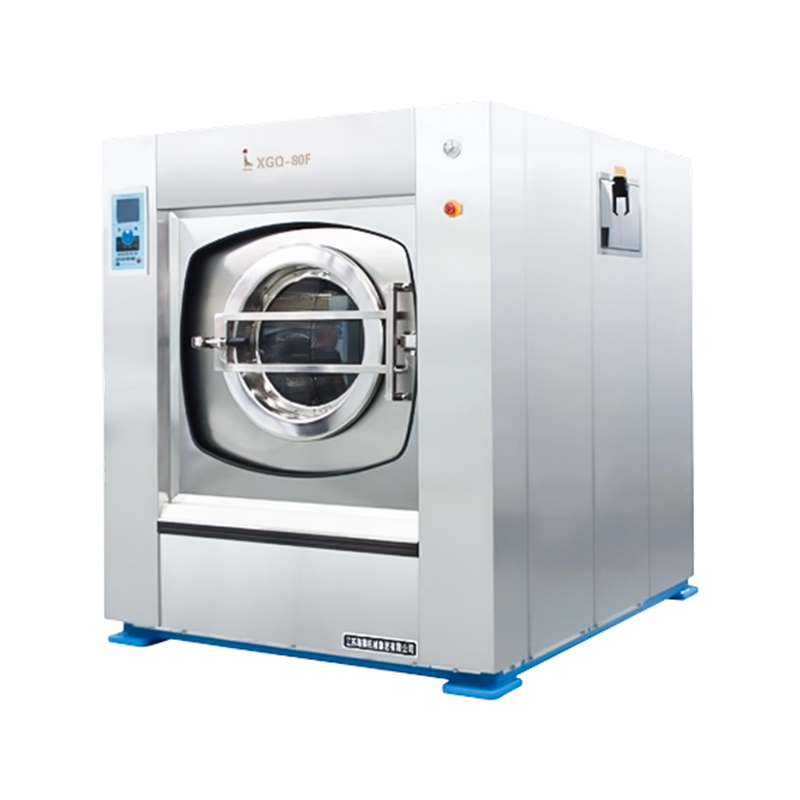
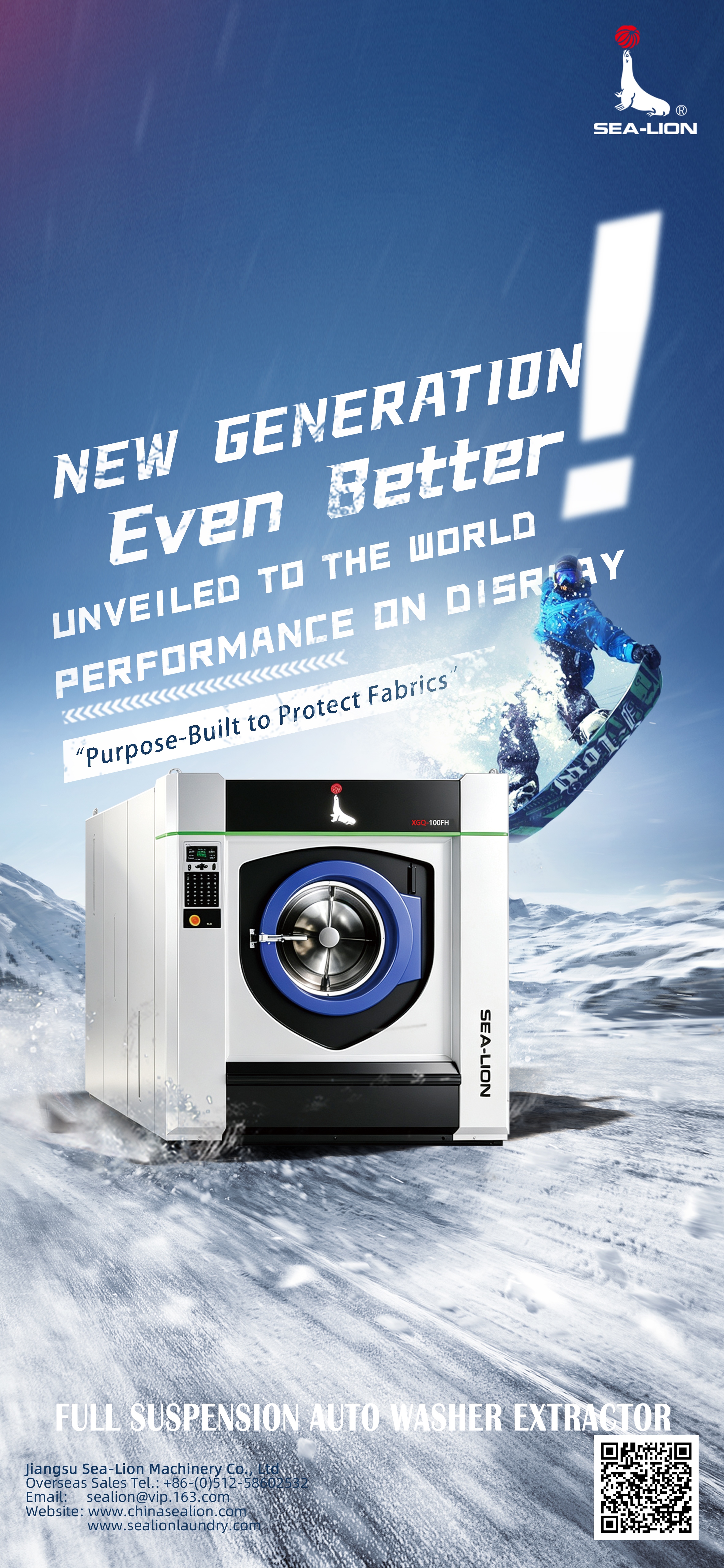
For any commercial laundry operation, the choice between a fully automatic washer extractor and a semi-automatic model is a strategic decision with long-term financial and operational consequences. While both serve the fundamental purpose of cleaning textiles, the differences in automation, efficiency, and total cost of ownership are substantial. The question “why choose a fully automatic over a semi-automatic model?” is best answered by examining how each machine type impacts productivity, labor costs, and consistency in demanding environments such as hotels, hospitals, and large-scale laundromats. This article explores the technical and practical advantages of the Fully Automatic Washer Extractor, providing data-driven insights for purchasing decisions.
Defining the Two Categories
Understanding the distinction between these two types of equipment is the first step. A semi-automatic washer extractor typically requires operator intervention for functions such as water filling, chemical addition, cycle initiation, and the transfer of goods between separate washing and spinning compartments. In contrast, a fully automatic washer extractor combines washing, rinsing, and high-speed extraction in a single unit, with a microprocessor controlling every stage.
Key Operational Differences
Feature
Semi-Automatic Model
Fully Automatic Washer Extractor
Operator Involvement
High (manual filling, chemical dosing, transfer)
Low (programmable cycles, automated dosing)
Water & Energy Efficiency
Variable, often inefficient
Optimized via sensors and inverter control
Extraction G-Force
Lower; laundry remains wetter
High; reduces drying time significantly
Consistency
Dependent on operator skill
High, repeatable wash quality
Why Efficiency Drives the Decision
The primary argument for upgrading to a fully automatic washer extractor lies in resource management. Semi-automatic machines often rely on manual water-level control, which leads to either overuse or insufficient water. In contrast, automatic models use load-sensing technology to determine the exact water volume required.
Water and Energy Savings
Consumption data from typical cycles show that a fully automatic washer extractor can reduce water usage by up to 30% compared to older semi-automatic units. The high extraction speed, often exceeding 300 G-force, means that laundry exits the machine with significantly less residual moisture. For a facility processing 100 kilograms per cycle, this translates to a dramatic reduction in drying time.
Reduced Drying Costs: Less moisture in the load means lower gas or electricity consumption in tumble dryers.
Optimized Chemical Use: Many automatic units feature built-in liquid supply connections that dispense detergents based on the actual weight of the load [citation:1].
Labor Optimization and Throughput
Labor is one of the highest costs in a commercial laundry. A semi-automatic machine requires a dedicated operator to monitor the process, open valves, and physically move heavy, wet linen between machines. This is not only physically demanding but also introduces bottlenecks in the workflow.
A fully automatic washer extractor eliminates these manual steps. Once a cycle is programmed, the machine handles filling, washing, draining, and the extraction spin automatically. The large door designs common to these machines also speed up loading and unloading [citation:9].
Reduced Man-Hours: Operators can oversee multiple automatic machines simultaneously, increasing the output per employee.
Ergonomic Benefits: With options for gravity unloading and tilt features, the physical strain on workers is reduced [citation:10].
Quality Control and Fabric Care
Consistency is critical for the hospitality and healthcare sectors. A semi-automatic model is susceptible to human error. An operator may forget to adjust the temperature for a specific fabric or add the wrong amount of detergent, leading to subpar results or damage to expensive linens.
Precision in Execution
Fully automatic systems rely on microprocessors that store up to 25 or more programmable cycles [citation:3]. This allows a laundry manager to set specific parameters for cotton, synthetics, or delicate items. The machine executes these parameters exactly the same way every time, ensuring uniform quality.
Stainless Steel Drums: The use of SUS304 stainless steel in automatic washers improves hygiene and prevents bacterial buildup, a requirement for medical textiles [citation:1].
Gentle Mechanical Action: Inverter-driven motors allow for stepless speed adjustments, ensuring that the washing action is as gentle or as vigorous as needed [citation:7].
The Technical Superiority of Soft-Mount Systems
One of the most significant engineering differences is the suspension system. Older semi-automatic machines are often hard-mount, meaning they must be bolted to a concrete foundation to prevent destructive vibration during the spin cycle.
Innovative Suspension Solutions
Modern fully automatic washer extractors utilize soft-mount technology. This system employs springs and shock absorbers to dampen vibrations, allowing the machine to be installed on upper floors without requiring special foundations [citation:1]. This flexibility in installation saves significant building costs and time. The extraction speed, facilitated by advanced inverter technology, is crucial for reducing moisture content [citation:5].
Market Data and Industry Trends
Market research indicates a clear shift toward automation in the commercial laundry sector. In 2023, the commercial laundry machinery market was valued at approximately USD 4.7 billion, with automatic machines commanding the largest share [citation:8].
Market Share: Automatic machines accounted for approximately 66.7% of the market share in 2023 [citation:8].
Growth Projection: The fully automatic segment is expected to continue growing at a compound annual growth rate (CAGR) of 4.9% through 2032, driven by demand for efficiency in the hospitality and healthcare sectors [citation:8].
This data underscores a broader industry consensus: the higher initial investment in a Fully Automatic Washer Extractor is justified by lower operational costs and higher throughput over the machine's lifespan.
Frequently Asked Questions
Q1: What is the average lifespan of a fully automatic washer extractor compared to a semi-automatic model?
With proper maintenance, a fully automatic washer extractor generally has a longer lifespan due to premium components like imported bearings and stainless steel construction. It is designed for 24/7 heavy-duty operation. Semi-automatic models often have a shorter operational life because they are subjected to higher wear from manual handling and inconsistent loading.
Q2: Is a fully automatic washer extractor suitable for small-scale operations?
Yes, while they are common in large industrial settings, smaller models with capacities of 15kg to 30kg are available. These are suitable for boutique hotels, small nursing homes, or laundromats where consistency and labor savings are still a priority, even at lower volumes.
Q3: Does a fully automatic washer extractor require special installation?
One of the key advantages is that they generally do not require a heavy concrete foundation. Thanks to soft-mount suspension systems, they can be installed on standard reinforced floors. However, they do require appropriate electrical, water, and steam (if applicable) connections.
Q4: How does a fully automatic machine handle different fabric types?
It handles different fabrics through programmable logic controllers (PLCs). The operator can program specific cycles for cotton, synthetics, or delicates. The computer then adjusts the rotation speed, water temperature, and cycle duration specifically for that load.
.section-intro h2, .section-definition h2, .section-efficiency h2, .section-labor h2, .section-quality h2, .section-technology h2, .section-data h2, .section-faq h2 {
font-size: 20px;
font-weight: bold;
margin-bottom: 10px;
text-align: left;
position: relative;
padding-bottom: 8px;
border-bottom: 3px solid #2f3190;
display: inline-block;
background: linear-gradient(to right, #2f3190, #6c6fc7);
-webkit-background-clip: text;
-webkit-text-fill-color: transparent;
background-clip: text;
}
.section-intro h2, .section-definition h2, .section-efficiency h2, .section-labor h2, .section-quality h2, .section-technology h2, .section-data h2, .section-faq h2 {
border-bottom: 4px solid #2f3190;
padding-bottom: 6px;
display: inline-block;
-webkit-text-fill-color: #2f3190;
background: none;
}
.section-intro h3, .section-definition h3, .section-efficiency h3, .section-labor h3, .section-quality h3, .section-technology h3, .section-data h3, .section-faq h3 {
font-size: 18px;
font-weight: bold;
margin-top: 5px;
margin-bottom: 5px;
text-align: left;
}
.section-intro h4, .section-definition h4, .section-efficiency h4, .section-labor h4, .section-quality h4, .section-technology h4, .section-data h4, .section-faq h4 {
font-size: 16px;
font-weight: 500;
text-align: left;
margin-top: 15px;
margin-bottom: 5px;
background-color: #f0f2ff;
padding: 8px 12px;
border-radius: 4px;
border-left: 4px solid #2f3190;
}
.section-intro p, .section-definition p, .section-efficiency p, .section-labor p, .section-quality p, .section-technology p, .section-data p, .section-faq p {
margin-bottom: 5px;
font-size: 16px;
}
.section-intro ul, .section-definition ul, .section-efficiency ul, .section-labor ul, .section-quality ul, .section-technology ul, .section-data ul, .section-faq ul,
.section-intro ol, .section-definition ol, .section-efficiency ol, .section-labor ol, .section-quality ol, .section-technology ol, .section-data ol, .section-faq ol {
margin-top: 8px;
margin-bottom: 8px;
}
.section-intro li, .section-definition li, .section-efficiency li, .section-labor li, .section-quality li, .section-technology li, .section-data li, .section-faq li {
list-style-position: inside;
list-style-type: disc;
font-size: 16px;
}
.section-intro strong, .section-definition strong, .section-efficiency strong, .section-labor strong, .section-quality strong, .section-technology strong, .section-data strong, .section-faq strong {
font-weight: 500;
}
.section-intro table, .section-definition table, .section-efficiency table, .section-labor table, .section-quality table, .section-technology table, .section-data table, .section-faq table {
border-collapse: collapse;
width: 100%;
margin: 10px 0;
}
.section-intro td, .section-definition td, .section-efficiency td, .section-labor td, .section-quality td, .section-technology td, .section-data td, .section-faq td,
.section-intro th, .section-definition th, .section-efficiency th, .section-labor th, .section-quality th, .section-technology th, .section-data th, .section-faq th {
border: 1px solid #ccc;
padding: 10px;
text-align: center;
font-size: 16px;
}
.section-intro th, .section-definition th, .section-efficiency th, .section-labor th, .section-quality th, .section-technology th, .section-data th, .section-faq th {
background-color: #2f3190;
color: white;
font-weight: 500;
}
.section-intro, .section-definition, .section-efficiency, .section-labor, .section-quality, .section-technology, .section-data, .section-faq {
font-family: 'Segoe UI', Roboto, 'Helvetica Neue', sans-serif;
font-weight: 400;
line-height: 2;
}

Industry News

information to be updated
-
13 Jul
2026What Is a Tunnel Washing System and How Does It Work?A Tunnel Washing System represents a fundamental shift in high-volume cleaning, moving away from batch processing to a continuous, linear workflow. Whether applied to industrial textiles or vehicle cleaning, the core principle remains the same: moving goods through a sequence of treatment zones to achieve consistent, high-throughput results. In industrial laundry, these systems are known as continuous batch washers (CBWs) or tunnel washers, capable of processing up to 2,000 pounds of laundry per hour. In the automotive sector, tunnel car washes use a conveyor to move vehicles through a 60- to 250-foot tunnel, handling up to 100 cars per hour. This guide provides a technical exploration of how these systems function, their efficiency advantages, and how they compare to traditional alternatives. The Core Workflow: Continuous Batch Processing At its heart, a tunnel washing system replaces the stop-start rhythm of conventional washers with a steady, uninterrupted flow. Goods are introduced at one end and emerge clean at the other, moving through a series of compartments or modules, each performing a specific function. 1. Loading and Pre-Wash Laundry or parts are fed into the first compartment, where they are saturated with water and chemicals to begin soil breakdown. In advanced designs, a recirculation pump can wet the entire load in a single cylinder reversal, reducing time previously spent on soaking. 2. Main Wash Zone Items progress into the main wash section. Here, the cleaning process is optimized by controlling water flow. A common technique involves stopping the counterflow to create a "standing bath," allowing chemicals to work without being diluted. Once chemical equilibrium is reached, counterflow resumes to carry away suspended soil. 3. Rinsing and Extraction Rinsing is often a two-stage process. A pre-rinse within the tunnel removes the bulk of soil and chemical residue. A final rinse is then performed in a water extraction device, such as a high-speed centrifuge, where fresh water may be sprayed through atomizing nozzles. Pre-Wash Main Wash Pre-Rinse Extraction Final Rinse & Dry (in extractor or dryer) The entire process is governed by precise control systems that manage water levels, chemical injection, and drum rotation to ensure consistent cleaning quality across thousands of batches. Water and Energy Efficiency The efficiency of a tunnel washing system is one of its primary advantages over traditional methods. This is largely due to two key design principles: counterflow rinsing and heat recovery. Counterflow Rinsing: This is the most significant water-saving feature. In a counterflow system, water flows in the opposite direction to the goods. Fresh water is introduced at the clean end (near the discharge) and flows backward through the rinse and wash zones. This means the dirtiest water is used for the initial soak, while the cleanest water is reserved for the final rinse. By reusing water across multiple stages, a tunnel washer can operate using 2 gallons of water or less per pound of fabric. More advanced systems achieve even lower consumption, using between 0.3 and 0.6 gallons per pound, depending on soil levels. Industrial Laundry Water Use 0.3 - 0.6 gallons per pound of fabric Achievable with modern counterflow and high-velocity rinsing techniques. Car Wash Water Reclamation Up to 80% water recycled Modern tunnel car washes reuse and filter water, significantly reducing waste. Furthermore, modern systems often incorporate heat recovery, capturing thermal energy from discharged wastewater to preheat incoming fresh water, reducing the energy required to reach optimal washing temperatures. For industrial laundries, the combination of reduced water, chemical, and energy usage translates directly into a lower cost per kilogram processed. Comparison: Tunnel Washer vs. Traditional Washer-Extractor For facility managers deciding between a tunnel washing system and a fleet of conventional washer-extractors, the choice often comes down to volume, space, and labor costs. Feature Tunnel Washing System Washer-Extractor Throughput High (up to 2,000 lbs/hr) Low to Medium (batch-dependent) Water Usage Very low (0.3-2 gal/lb) Higher (3-5+ gal/lb) Labor Low (continuous, automated flow) Higher (batch loading/unloading) Ideal For High-volume, consistent loads Low-volume, varied loads While the initial capital investment for a tunnel system is high, the long-term savings in water, energy, and labor can be substantial, making it a strategic investment for large-scale operations. Key Variants and Configurations The term "tunnel washing system" covers a broad range of equipment, each designed for specific applications. The two primary categories are industrial laundry tunnels and vehicle wash tunnels. Industrial Laundry Tunnel Washers These are modular systems where the number of compartments dictates the capacity and flexibility. Configurations can range from 8 to over 12 modules, with each module serving a dual or single purpose. In modern designs, modules are often "dual-use," functioning as both wash and rinse zones to maximize efficiency and reduce the physical footprint. A typical eight-module washer can achieve performance comparable to a ten-module conventional design. Tunnel Car Washes In the automotive industry, a tunnel washing system is a conveyor-driven facility where the vehicle moves through fixed equipment. Configurations vary widely: Friction Tunnels: Use soft-touch cloth brushes and mitters to physically scrub the vehicle surface. Touchless Tunnels: Rely on high-pressure water jets and aggressive chemicals to clean without physical contact. Flex-Serve Tunnels: Combine automated washing with optional attendant-assisted services for interior cleaning or hand drying. In-Bay Express Mini Tunnels: A compact variant designed for smaller spaces, handling 40-60 cars per hour, which is up to ten times the throughput of a traditional in-bay automatic system. Frequently Asked Questions Q1: What is a tunnel washing system in simple terms? A tunnel washing system is a continuous cleaning machine where items move on a conveyor or through rotating drums through a series of washing, rinsing, and drying stages, enabling high-volume, efficient processing. Q2: How does a tunnel washer save water compared to a traditional washer? It uses a counterflow rinsing mechanism where water flows opposite to the goods. The cleanest water is used for the final rinse and then cascades backward to be reused in earlier, dirtier stages, drastically reducing total water consumption. Q3: What is a continuous batch tunnel washer? This is the industrial laundry term for a tunnel washer. "Continuous batch" means that while individual batches of laundry are processed sequentially, the machine operates without stopping, creating a continuous flow of clean output. Q4: What throughput can I expect from a tunnel car wash? A full-size tunnel can wash up to 100 or more cars per hour. A compact "mini-tunnel" in-bay system typically handles 40-60 vehicles per hour. Q5: Is a tunnel washing system suitable for all types of laundry? While highly efficient for large volumes of similar items, such as hotel linens or hospital gowns, they are less flexible for handling small batches or items requiring very different wash formulas or temperatures. .section-intro, .section-workflow, .section-efficiency, .section-comparison, .section-variants, .section-faq { margin-bottom: 40px; font-family: 'Segoe UI', Roboto, 'Helvetica Neue', sans-serif; font-weight: 400; line-height: 2; color: #222222; } .section-intro h2, .section-workflow h2, .section-efficiency h2, .section-comparison h2, .section-variants h2, .section-faq h2 { font-size: 20px; font-weight: bold; text-align: left; margin-bottom: 10px; padding-left: 12px; border-left: 6px solid #2f3190; background: linear-gradient(to right, #f4f4fc, transparent); } .section-intro h3, .section-workflow h3, .section-efficiency h3, .section-comparison h3, .section-variants h3, .section-faq h3 { font-size: 18px; font-weight: bold; text-align: left; margin-top: 5px; margin-bottom: 5px; } .section-intro h4, .section-workflow h4, .section-efficiency h4, .section-comparison h4, .section-variants h4, .section-faq h4 { font-size: 16px; font-weight: 500; text-align: left; margin-top: 16px; margin-bottom: 4px; padding: 6px 14px; background: #f0f1fa; border-radius: 20px; display: inline-block; } .section-intro p, .section-workflow p, .section-efficiency p, .section-comparison p, .section-variants p, .section-faq p { margin-bottom: 5px; font-size: 16px; } .section-intro ul, .section-workflow ul, .section-efficiency ul, .section-comparison ul, .section-variants ul, .section-faq ul, .section-intro ol, .section-workflow ol, .section-efficiency ol, .section-comparison ol, .section-variants ol, .section-faq ol { margin-top: 8px; margin-bottom: 8px; padding-left: 20px; } .section-intro li, .section-workflow li, .section-efficiency li, .section-comparison li, .section-variants li, .section-faq li { list-style-position: inside; list-style-type: disc; font-size: 16px; } .section-intro strong, .section-workflow strong, .section-efficiency strong, .section-comparison strong, .section-variants strong, .section-faq strong { font-weight: 500; } .section-intro table, .section-workflow table, .section-efficiency table, .section-comparison table, .section-variants table, .section-faq table { width: 100%; border-collapse: collapse; margin: 12px 0; } .section-intro td, .section-workflow td, .section-efficiency td, .section-comparison td, .section-variants td, .section-faq td, .section-intro th, .section-workflow th, .section-efficiency th, .section-comparison th, .section-variants th, .section-faq th { text-align: center; font-size: 16px; padding: 10px 12px; border: 1px solid #d0d0d0; } .section-intro th, .section-workflow th, .section-efficiency th, .section-comparison th, .section-variants th, .section-faq th { background-color: #2f3190; color: #ffffff; font-weight: 500; } .section-intro tr:nth-child(even), .section-workflow tr:nth-child(even), .section-efficiency tr:nth-child(even), .section-comparison tr:nth-child(even), .section-variants tr:nth-child(even), .section-faq tr:nth-child(even) { background-color: #f8f8fc; } .process-grid { display: flex; flex-wrap: wrap; gap: 16px; margin: 16px 0; } .process-step { flex: 1 1 200px; background: #f8f9ff; padding: 16px 18px; border-radius: 12px; border-left: 6px solid #2f3190; box-shadow: 0 2px 6px rgba(47, 49, 144, 0.08); } .process-step h3 { margin-top: 0; margin-bottom: 6px; color: #2f3190; } .process-step p { margin-bottom: 0; } .highlight-block { background: #edeeff; padding: 18px 22px; border-radius: 12px; margin: 16px 0; border: 1px solid #2f3190; border-left-width: 8px; } .highlight-block p { margin-bottom: 0; } .data-card { display: inline-block; vertical-align: top; background: #ffffff; border: 1px solid #d0d4e8; border-radius: 16px; padding: 18px 24px; margin: 8px 12px 8px 0; min-width: 180px; box-shadow: 0 4px 12px rgba(47, 49, 144, 0.06); } .card-label { display: block; font-size: 14px; font-weight: 500; color: #555; letter-spacing: 0.3px; } .card-value { display: block; font-size: 28px; font-weight: bold; color: #2f3190; line-height: 1.2; } .card-unit { display: block; font-size: 14px; color: #444; } .section-intro svg, .section-workflow svg, .section-efficiency svg, .section-comparison svg, .section-variants svg, .section-faq svg { margin: 10px 0; max-width: 100%; height: auto; } -
12 Jul
2026Fully Automatic Washing and Drying Machine: A Comprehensive Technical Guide for Modern Laundry OperationsIn the demanding world of commercial and industrial laundry operations, the selection of the right equipment is a critical decision that directly impacts operational efficiency, labor costs, energy consumption, and overall profitability. Among the various types of laundry machinery available, the Fully Automatic Washing and Drying Machine has emerged as a preferred choice for facilities seeking a comprehensive solution that combines high-performance washing with integrated drying capabilities. This advanced machine represents a creative masterpiece in laundry technology, featuring a unique algorithm that ensures uniform distribution without excess water usage, reduces energy consumption, shortens the washing cycle, and delivers high efficiency with significant cost savings. This article provides a comprehensive technical analysis of Fully Automatic Washing and Drying Machine, exploring its innovative design, advanced control systems, and the critical features that distinguish it from alternative laundry solutions. For laundry facility managers, equipment procurement specialists, and maintenance professionals seeking to make informed decisions about integrated washing and drying equipment, understanding the nuances of this sophisticated system is essential for optimizing laundry operations and maximizing return on investment. 1. Understanding the Foundation: What Is a Fully Automatic Washing and Drying Machine? Before delving into the specific characteristics and applications of this machine, it is important to establish a clear understanding of what defines a fully automatic washing and drying machine. This is an integrated laundry appliance that combines the functions of a high-performance washer extractor with drying capabilities in a single unit. The "fully automatic" designation indicates that the machine is equipped with an advanced PLC control system that automates the entire washing and drying process, from filling and washing to extraction and drying. The integrated design offers several significant advantages over separate washing and drying equipment. The machine reduces the physical footprint required for laundry operations, making it ideal for facilities with limited space. The single-unit design eliminates the need for manual transfer of wet laundry between machines, reducing labor costs and minimizing the risk of fabric damage. The integrated control system optimizes the entire process, ensuring consistent results and maximizing energy efficiency. 2. Innovative Design and Core Technology The fully automatic washing and drying machine incorporates several innovative design features that distinguish it from conventional laundry equipment. 2.1 Unique Algorithm for Uniform Distribution The machine features a unique algorithm developed by Sea-Lion that ensures uniform distribution of laundry within the drum without excess water usage. This innovative technology reduces energy consumption, shortens the washing cycle, and delivers high efficiency with significant cost savings. The algorithm optimizes the washing process by precisely controlling water levels, drum rotation, and detergent delivery to achieve consistent results across every load. 2.2 Variable Frequency Full Suspension Structure Equipped with a variable frequency full suspension structure, the machine achieves precise power analysis and operates with outstanding stability. The full suspension system effectively isolates vibrations during high-speed operation, eliminating the need for a special foundation and allowing installation in a wide range of facilities. The variable frequency drive provides precise speed control for different wash phases, optimizing performance for various fabric types while maintaining energy efficiency. 2.3 Innovative Dual-Drive Design The innovative dual-drive design with step-speed control ensures powerful yet gentle washing and dehydration. This technology provides a worry-free experience by delivering the optimal washing action for different fabric types while maintaining the structural integrity of the laundry. The dual-drive system also contributes to the machine's energy efficiency and long-term reliability. 3. Intelligent Control and Automation The "fully automatic" designation of this machine is made possible by its advanced control system, which automates the entire washing and drying process. 3.1 PLC Control System The machine is precisely controlled by a PLC system with high-quality components, guaranteeing consistent washing performance and long-term reliability. The programmable logic controller manages all aspects of the wash and dry cycle, coordinating filling, washing, draining, rinsing, extraction, and drying operations. Multiple pre-programmed cycles are available for different fabric types and soil levels. 3.2 Communication-Based Speed Regulation The machine features communication-based speed regulation with on-screen data display. This technology provides real-time visibility into machine operation, allowing operators to monitor and adjust parameters as needed. The system includes an IoT interface that enables access to diverse intelligent services, supporting future-oriented smart laundry solutions. 3.3 Intelligent Signal Transmission Intelligent technological signals can be transmitted in real time, with full monitoring of machine status ensuring complete control during operation. This capability enables remote monitoring, predictive maintenance, and data-driven optimization of laundry operations. 4. Key Features and Design Considerations The fully automatic washing and drying machine incorporates several design features that enhance its performance, durability, and ease of use. 4.1 Ergonomically Optimized Design The machine features a large loading door and vertical clothes setting function that minimizes fabric damage while improving washing quality and overall efficiency. The ergonomic design reduces operator strain during loading and unloading, improving workplace safety and productivity. 4.2 Dual-Inlet and Dual-Outlet Water System The dual-inlet and dual-outlet water system provides flexibility for different water supply configurations. This system can be upgraded with quantum water technology, significantly saving energy, reducing potential hazards, and ensuring environmentally friendly operation. 4.3 Three-Color Warning Light and Lighting A three-color warning light clearly indicates operating status, providing operators with immediate visual feedback on machine condition. Integrated light strips and spotlights enhance visibility and add aesthetic appeal, making operation convenient and user-friendly. 4. Comparative Analysis: Fully Automatic Washing and Drying Machine vs. Separate Washer + Dryer Systems While both fully automatic washing and drying machines and separate washer + dryer systems serve the fundamental purpose of cleaning and drying laundry, their distinct design features result in significant differences in operational efficiency, space utilization, and suitability for various applications. The following table provides a direct comparison to guide laundry facility managers, equipment procurement specialists, and maintenance professionals in selecting the appropriate system for their specific needs. Feature Fully Automatic Washing and Drying Machine Separate Washer + Dryer Systems Space Requirements Single unit, reduced footprint Multiple units, larger footprint required Labor Requirements Reduced (no manual transfer between machines) Higher (requires manual transfer of wet laundry) Control System Integrated PLC control for full process Separate controls for each machine Installation Complexity Single installation point Multiple installations required Energy Efficiency Optimized through integrated control Varies, may be less optimized Ideal Applications Compact laundries, hotels, healthcare facilities Large-scale industrial laundries The choice between a fully automatic washing and drying machine and separate washer + dryer systems ultimately depends on the specific requirements of the facility. If the primary need is for a space-efficient, labor-saving, and integrated solution, the fully automatic washing and drying machine is the ideal choice. For large-scale operations with dedicated space and higher throughput requirements, separate systems may be appropriate. 5. Performance Specifications The fully automatic washing and drying machine is available in a range of configurations to suit different operational requirements. The XGQ-100TI model offers a 100 kg dry load capacity, providing a robust solution for medium to large-scale laundry operations. Parameter Specification (XGQ-100TI) Rated Capacity (dry load) 100 kg Inner Drum Dimensions 1240 × 840 mm Washing Speed 30 rpm High Extraction Speed 680 (780) rpm Motor Power (VFD) 15 kW Steam Pipe DN25 Cold/Hot Water Inlet DN40 × 2 Water Consumption 1085 kg/cycle Steam Consumption 40 kg/cycle Power Consumption 19 kWh Dimensions (L/W/H) 2060/1875/2205 mm The high extraction speed of 680 RPM (with option for 780 RPM) results in excellent moisture extraction, reducing drying time and energy consumption. The variable frequency drive motor provides precise speed control for different wash phases, optimizing performance for various fabric types. 6. Sourcing and Quality Considerations for Exporters For businesses involved in international trade and manufacturing, sourcing fully automatic washing and drying machines from a reliable supplier is paramount. Exporters should prioritize suppliers with a proven track record and established credentials, such as those with extensive industry experience, advanced manufacturing facilities, and comprehensive quality control systems. Key quality parameters to consider when evaluating fully automatic washing and drying machines include: Construction Quality: Ensure the machine is manufactured from high-quality stainless steel with documented material certifications, providing excellent corrosion resistance and durability. Control System: Evaluate the PLC control system for reliability, ease of use, and programmability. Look for features such as IoT connectivity and real-time monitoring capabilities. Certifications: Look for suppliers with relevant quality certifications, such as ISO 9001, which indicates a commitment to quality management systems. 7. Conclusion: The Value of Integrated Washing and Drying Technology in Modern Laundry Operations The fully automatic washing and drying machine represents a significant advancement in laundry technology, delivering integrated washing and drying capabilities, intelligent automation, and energy efficiency in a compact, reliable package. The combination of the unique uniform distribution algorithm, variable frequency full suspension structure, and advanced PLC control system makes this machine an ideal choice for a wide range of commercial and industrial laundry applications, from hotels and healthcare facilities to compact laundries seeking to maximize space efficiency. For laundry facility managers, equipment procurement specialists, and maintenance professionals, understanding the unique advantages and specifications of the fully automatic washing and drying machine is essential for informed equipment selection. By choosing high-quality machines from reputable manufacturers, businesses can ensure the efficiency, reliability, and longevity of their laundry operations. 8. Frequently Asked Questions Q1: What are the key advantages of a fully automatic washing and drying machine over separate washer and dryer systems? The key advantages include reduced space requirements, lower labor costs (eliminating manual transfer between machines), integrated PLC control for optimized performance, and improved energy efficiency. Q2: What capacity is available for the fully automatic washing and drying machine? The XGQ-100TI model offers a 100 kg dry load capacity, providing a robust solution for medium to large-scale laundry operations. Q3: How does the unique algorithm improve washing efficiency? The unique algorithm ensures uniform distribution of laundry without excess water usage, reducing energy consumption, shortening the washing cycle, and delivering high efficiency with significant cost savings. Q4: What is the benefit of the variable frequency full suspension structure? The variable frequency full suspension structure provides outstanding stability during high-speed operation, eliminates the need for a special foundation, and ensures precise speed control for different wash phases. Q5: Does the machine support IoT connectivity? Yes, the machine features an IoT interface that enables access to diverse intelligent services, supporting future-oriented smart laundry solutions and remote monitoring capabilities. 9. References 1. Sea-Lion Machinery. (2026). Fully Automatic Washing and Drying Machine Product Specifications. Sea-Lion Product Catalog. 2. Sea-Lion Machinery. (2026). About Jiangsu Sea-Lion Machinery Co., Ltd. Company Profile. 3. International Organization for Standardization. (2022). ISO 9001: Quality Management Systems - Requirements. ISO Standards. 4. European Committee for Standardization. (2021). EN 60335-2-7: Safety of Household and Similar Electrical Appliances. CEN Standards. 5. American Society of Mechanical Engineers. (2022). ASME A17.1: Safety Code for Elevators and Escalators. ASME Standards. .article { max-width: 920px; margin: 0 auto; font-family: 'Georgia', 'Times New Roman', serif; color: #2c2c2c; padding: 20px 25px 40px; background: #fcfcfc; border-radius: 8px; box-shadow: 0 2px 12px rgba(0,0,0,0.06); } .article h1 { font-size: 28px; line-height: 1.3; color: #0876ff; margin-top: 8px; margin-bottom: 12px; font-weight: 700; letter-spacing: -0.3px; } .article-meta { font-size: 14px; line-height: 2; color: #999; margin-bottom: 28px; padding-bottom: 18px; border-bottom: 1px solid #eee; } .article-meta span { display: inline-block; } .article-intro p { font-size: 17px; line-height: 2; color: #333; margin-bottom: 22px; background: #f0f8ff; padding: 18px 22px; border-left: 4px solid #0876ff; border-radius: 0 6px 6px 0; } .article p { font-size: 16px; line-height: 2; color: #333; margin-bottom: 16px; } .article h2 { font-size: 23px; line-height: 1.5; color: #0876ff; margin-top: 38px; margin-bottom: 16px; padding-bottom: 10px; border-bottom: 3px solid #0876ff; display: inline-block; font-weight: 600; } .article h3 { font-size: 19px; line-height: 1.7; color: #0876ff; margin-top: 26px; margin-bottom: 12px; font-weight: 600; } .article .highlight { color: #0876ff; font-weight: 600; } .article ul { margin: 12px 0 18px 22px; padding-left: 10px; } .article ul li { font-size: 16px; line-height: 2; color: #333; margin-bottom: 6px; } .article .table-wrapper { overflow-x: auto; margin: 22px 0 18px; border-radius: 8px; border: 1px solid #c4def7; } .article table { width: 100%; border-collapse: collapse; font-size: 14px; line-height: 2; color: #333; min-width: 500px; } .article table th, .article table td { padding: 13px 16px; text-align: left; vertical-align: top; border-bottom: 1px solid #eee; } .article table th { background-color: #0876ff; color: #ffffff; font-weight: 600; font-size: 14px; letter-spacing: 0.3px; } .article table tr:last-child td { border-bottom: none; } .article table td:first-child { font-weight: 600; color: #0876ff; background-color: #f0f8ff; } .article table tr:nth-child(even) td { background-color: #f9f9f9; } .article table tr:nth-child(even) td:first-child { background-color: #e8f3ff; } .article a { color: #0876ff; text-decoration: underline; font-weight: 600; transition: color 0.2s; } .article a:hover { color: #065bb5; } .article .quality-list { background: #f0f8ff; border-radius: 8px; padding: 18px 24px 10px; margin: 18px 0 22px; } .article .quality-list p { margin-bottom: 10px; font-weight: 600; color: #0876ff; } .article .quality-list ul { margin: 0; padding-left: 22px; } .article .quality-list ul li { font-size: 16px; line-height: 2; color: #333; margin-bottom: 6px; } .article .faq-item { margin-bottom: 18px; padding: 14px 20px 6px; background: #f0f8ff; border-radius: 6px; border-left: 3px solid #0876ff; } .article .faq-item h3 { font-size: 17px; line-height: 1.7; color: #0876ff; margin-top: 0; margin-bottom: 6px; font-weight: 600; } .article .faq-item p { font-size: 15px; line-height: 2; color: #444; margin-bottom: 10px; } .article .references { padding: 10px 0 6px; border-radius: 8px; background: #f0f8ff; padding: 16px 22px; border-left: 4px solid #0876ff; } .article .references p { font-size: 14px; line-height: 2.2; color: #555; margin-bottom: 4px; padding-left: 4px; } .article .references p em { font-style: italic; color: #666; } .article .tkd-section { margin-top: 40px; padding-top: 22px; border-top: 2px solid #eee; font-size: 14px; line-height: 2; color: #888; background: #f6f6f6; padding: 18px 22px; border-radius: 6px; } .article .tkd-section p { font-size: 14px; line-height: 2; color: #777; margin-bottom: 4px; } .article .tkd-section p strong { color: #0876ff; font-weight: 600; } @media (max-width: 768px) { .article { padding: 14px 16px 30px; } .article h1 { font-size: 24px; line-height: 1.35; } .article h2 { font-size: 20px; line-height: 1.5; } .article h3 { font-size: 17px; line-height: 1.7; } .article p, .article .quality-list ul li, .article .faq-item p { font-size: 15px; line-height: 2; } .article-intro p { font-size: 16px; padding: 14px 16px; } .article table { font-size: 13px; line-height: 2; min-width: 420px; } .article table th, .article table td { padding: 10px 12px; } .article .tkd-section { font-size: 13px; padding: 14px 16px; } .article .tkd-section p { font-size: 13px; } .article .references { padding: 12px 16px; } .article .references p { font-size: 13px; } } @media (max-width: 480px) { .article { padding: 10px 12px 24px; } .article h1 { font-size: 20px; line-height: 1.35; } .article h2 { font-size: 18px; line-height: 1.5; } .article h3 { font-size: 16px; line-height: 1.7; } .article p, .article .quality-list ul li, .article .faq-item p { font-size: 14px; line-height: 2; } .article-intro p { font-size: 15px; padding: 12px 14px; } .article table { font-size: 12px; line-height: 2; min-width: 320px; } .article table th, .article table td { padding: 8px 10px; } .article .quality-list { padding: 12px 14px 6px; } .article .faq-item { padding: 10px 14px 4px; } .article .references { padding: 10px 12px; } .article .references p { font-size: 12px; line-height: 2.2; } .article .tkd-section { font-size: 12px; padding: 12px 14px; } .article .tkd-section p { font-size: 12px; } } -
05 Jul
2026Full Suspension Auto Washer Extractor: A Comprehensive Technical Guide for Industrial Laundry OperationsIn the demanding world of industrial and commercial laundry operations, the selection of the right washing equipment is a critical decision that directly impacts operational efficiency, labor costs, and long-term profitability. Among the various types of washer extractors available, the Full Suspension Auto Washer Extractor has emerged as a preferred choice for laundry facilities, hotels, hospitals, and industrial plants seeking a solution that combines high-performance washing with exceptional stability and durability. This advanced machine utilizes an innovative full-suspension structure and hydraulic support system, effectively isolating vibrations and ensuring stable operation without the need for a special foundation. This article provides a comprehensive technical analysis of Full Suspension Auto Washer Extractor, exploring its design principles, key features, performance specifications, and the critical factors that distinguish it from alternative industrial washing solutions. For laundry facility managers, equipment procurement specialists, and maintenance professionals seeking to make informed decisions about industrial washing equipment, understanding the nuances of this advanced system is essential for optimizing laundry operations and maximizing return on investment. 1. Understanding the Foundation: What Is a Full Suspension Auto Washer Extractor? Before delving into the specific characteristics and applications of this machine, it is important to establish a clear understanding of what defines a full suspension auto washer extractor. A washer extractor is a commercial or industrial washing machine that combines washing and high-speed extraction (spin drying) functions in a single unit. The "full suspension" designation refers to the machine's advanced vibration isolation system, which allows it to operate at high extraction speeds without requiring a reinforced concrete foundation. The full suspension system typically consists of a series of hydraulic or pneumatic shock absorbers and springs that support the outer drum assembly. This system effectively isolates the vibrations generated during the high-speed extraction cycle from the surrounding floor structure. This design offers several significant advantages: it eliminates the need for expensive foundation work, allows installation on upper floors where floor loading is a concern, and reduces noise and vibration transmission to the surrounding environment. The "auto" designation indicates that the machine is equipped with an intelligent computer control system that automates the entire wash cycle, from filling and washing to draining and extraction. The touch-screen display interface provides operators with intuitive control over cycle parameters, while the programmable logic controller ensures consistent, repeatable results across every load. 2. Core Technology: Full Suspension System and Vibration Isolation The defining characteristic of a full suspension auto washer extractor is its advanced vibration isolation system. Understanding this technology is essential for appreciating the machine's operational advantages. 2.1 The Full Suspension Mechanism The full suspension system consists of a robust structural frame that supports the outer drum assembly through a series of hydraulic or pneumatic shock absorbers. These absorbers are strategically positioned to dampen vibrations generated during the high-speed extraction cycle. The outer drum is suspended within this frame, allowing it to move independently of the machine's outer casing. This isolation ensures that vibrations are absorbed by the suspension system rather than transmitted to the floor. The hydraulic support system within the full suspension structure provides additional stability and dampening. This system effectively isolates vibrations and ensures stable operation without the need for a special foundation, making the machine suitable for installation in a wide range of facilities, including those with limited floor loading capacity. 2.2 Advantages of the Suspension Design The full suspension design offers several important operational advantages. The elimination of a special foundation reduces installation costs and time, making the machine more cost-effective to deploy. The vibration isolation protects the building structure from fatigue and damage caused by repetitive high-speed operation. The reduced noise and vibration transmission creates a more comfortable working environment for laundry personnel. The suspension system extends the lifespan of the machine by reducing mechanical stress on critical components. 3. Intelligent Control Systems and Automation The "auto" designation of the full suspension washer extractor is made possible by its advanced control system. This system automates the entire wash cycle, reducing operator intervention and ensuring consistent results. 3.1 Computer Control System The machine is equipped with an intelligent computer control system that manages all aspects of the wash cycle. The programmable logic controller coordinates filling, washing, draining, rinsing, and extraction operations. Multiple pre-programmed wash cycles are available for different fabric types and soil levels. The system provides precise control over critical parameters such as water temperature, wash time, and extraction speed. 3.2 Touch-Screen Display Interface The touch-screen display interface provides operators with intuitive control over cycle parameters. The display shows real-time cycle status, including current stage, time remaining, and temperature. Operators can easily select pre-programmed cycles or create custom cycles for specific requirements. The interface also provides diagnostic information, simplifying troubleshooting and maintenance. 3.3 Automation Benefits The automated control system offers several significant benefits for laundry operations. Consistent cycle execution ensures uniform wash quality across every load. Reduced operator intervention lowers labor costs and minimizes the risk of human error. The ability to store and recall specific cycle parameters ensures repeatability and quality control. Data logging capabilities support process optimization and quality assurance. 4. Key Features and Design Considerations The full suspension auto washer extractor incorporates several design features that enhance its performance, durability, and ease of use. 4.1 Large-Diameter Drum Opening The large-diameter drum opening design makes loading and unloading easier, significantly reducing operator workload while improving overall washing efficiency. The design allows for efficient loading of bulky items such as bed linens, towels, and uniforms. 4.2 High-Quality Stainless Steel Construction Both the inner and outer drums are constructed of high-quality stainless steel, offering excellent corrosion resistance and long-term reliability. The stainless steel construction withstands the harsh chemical environment of commercial laundry operations and ensures a long service life. 4.3 Rear-Mounted Drainage Structure The rear-mounted drainage structure is well-designed for efficient water evacuation. The design minimizes the risk of clogs and simplifies maintenance access. 4. Comparative Analysis: Full Suspension Auto Washer Extractor vs. Traditional Rigid-Mount Washer Extractors While both full suspension and rigid-mount washer extractors serve the fundamental purpose of industrial washing, their distinct design features result in significant differences in performance, installation requirements, and suitability for various applications. The following table provides a direct comparison to guide laundry facility managers, equipment procurement specialists, and maintenance professionals in selecting the appropriate system for their specific needs. Feature Full Suspension Auto Washer Rigid-Mount Washer Extractor Installation Foundation No special foundation required Reinforced concrete foundation required Vibration Isolation Integrated hydraulic suspension system Minimal, relies on foundation mass Noise Level Lower (vibrations absorbed by suspension) Higher (vibrations transmitted to floor) Installation Flexibility Suitable for upper floors, limited floor loading Requires ground floor or reinforced slab Extraction Speed High (300-920 RPM depending on model) Moderate to high Control System Advanced computer control with touch-screen Varies, may be less sophisticated Maintenance Access Good, rear-mounted drainage Varies Ideal Applications Hotels, hospitals, commercial laundries, multi-story facilities Industrial plants, ground-floor installations The choice between a full suspension auto washer extractor and a rigid-mount washer extractor ultimately depends on the specific requirements of the facility. If the primary need is for a machine that can be installed without a special foundation and offers superior vibration isolation, the full suspension washer extractor is the ideal choice. For applications where floor loading is not a concern and a lower initial cost is a priority, rigid-mount machines may be appropriate. 5. Performance Specifications and Capacity Options The full suspension auto washer extractor is available in a range of capacities to suit different operational requirements. The XGQ-F series offers models from 15 kg to 160 kg dry load capacity, providing options for small to large-scale laundry operations. Model Rated Capacity (kg) Inner Drum (mm) Washing Speed (rpm) Extraction Speed (rpm) Motor Power (kW) XGQ-15F 15 ∮650×460 45 920 1.5 XGQ-25F 25 ∮810×520 43 830 3 XGQ-50F 50 ∮990×660 40 750 4 XGQ-80F 80 ∮1150×800 30 700 6.5 XGQ-100F 100 ∮1240×840 30 680 7.5 XGQ-130F 130 ∮1350×932 30 640 15 XGQ-160F 160 ∮1460×960 27 630 22 The high extraction speeds of these models, ranging from 630 RPM to 920 RPM depending on the model, result in excellent moisture extraction, reducing drying time and energy consumption. The variable frequency drive motor provides precise speed control for different wash phases, optimizing performance for various fabric types. 6. Sourcing and Quality Considerations for Exporters For businesses involved in international trade and manufacturing, sourcing full suspension auto washer extractors from a reliable supplier is paramount. Exporters should prioritize suppliers with a proven track record and established credentials, such as those with extensive industry experience, advanced manufacturing facilities, and comprehensive quality control systems. Key quality parameters to consider when evaluating full suspension auto washer extractors include: Construction Quality: Ensure the machine is manufactured from high-quality stainless steel with documented material certifications, providing excellent corrosion resistance and durability. Suspension System: Verify the integrity and performance of the hydraulic suspension system for consistent vibration isolation and stability. Control System: Evaluate the computer control system for reliability, ease of use, and programmability. Certifications: Look for suppliers with relevant quality certifications, such as ISO 9001, which indicates a commitment to quality management systems. 7. Conclusion: The Value of Full Suspension Technology in Industrial Laundry The full suspension auto washer extractor represents a significant advancement in industrial laundry technology, delivering exceptional washing performance, superior vibration isolation, and intelligent automation in a robust, reliable package. The combination of the full suspension system, intelligent computer control, and high-quality stainless steel construction makes this machine an ideal choice for a wide range of commercial and industrial laundry applications, from hotels and hospitals to large-scale industrial laundries. For laundry facility managers, equipment procurement specialists, and maintenance professionals, understanding the unique advantages and specifications of the full suspension auto washer extractor is essential for informed equipment selection. By choosing high-quality machines from reputable manufacturers, businesses can ensure the efficiency, reliability, and longevity of their laundry operations. 8. Frequently Asked Questions Q1: What are the advantages of a full suspension washer extractor over a rigid-mount machine? A full suspension washer extractor eliminates the need for a special reinforced foundation, provides superior vibration isolation, reduces noise transmission, and allows installation on upper floors where floor loading is a concern. Q2: What capacities are available for the full suspension auto washer extractor? The XGQ-F series is available in models from 15 kg to 160 kg dry load capacity, providing options for small to large-scale laundry operations. Q3: How does the intelligent control system benefit laundry operations? The intelligent control system automates the entire wash cycle, ensures consistent results, reduces operator intervention, lowers labor costs, and provides diagnostic information for simplified maintenance. Q4: What materials are used in the construction of the machine? Both the inner and outer drums are constructed of high-quality stainless steel, offering excellent corrosion resistance and long-term reliability in harsh chemical environments. Q5: What is the typical extraction speed of these machines? Extraction speeds range from 630 RPM to 920 RPM depending on the model, resulting in excellent moisture extraction and reduced drying time. 9. References 1. Sea-Lion Machinery. (2026). Full Suspension Auto Washer Extractor Product Specifications. Sea-Lion Product Catalog. 2. Sea-Lion Machinery. (2026). About Jiangsu Sea-Lion Machinery Co., Ltd. Company Profile. 3. International Organization for Standardization. (2022). ISO 9001: Quality Management Systems - Requirements. ISO Standards. 4. European Committee for Standardization. (2021). EN 60335-2-7: Safety of Household and Similar Electrical Appliances. CEN Standards. 5. American Society of Mechanical Engineers. (2022). ASME A17.1: Safety Code for Elevators and Escalators. ASME Standards. .article { max-width: 920px; margin: 0 auto; font-family: 'Georgia', 'Times New Roman', serif; color: #2c2c2c; padding: 20px 25px 40px; background: #fcfcfc; border-radius: 8px; box-shadow: 0 2px 12px rgba(0,0,0,0.06); } .article h1 { font-size: 28px; line-height: 1.3; color: #0876ff; margin-top: 8px; margin-bottom: 12px; font-weight: 700; letter-spacing: -0.3px; } .article-meta { font-size: 14px; line-height: 2; color: #999; margin-bottom: 28px; padding-bottom: 18px; border-bottom: 1px solid #eee; } .article-meta span { display: inline-block; } .article-intro p { font-size: 17px; line-height: 2; color: #333; margin-bottom: 22px; background: #f0f8ff; padding: 18px 22px; border-left: 4px solid #0876ff; border-radius: 0 6px 6px 0; } .article p { font-size: 16px; line-height: 2; color: #333; margin-bottom: 16px; } .article h2 { font-size: 23px; line-height: 1.5; color: #0876ff; margin-top: 38px; margin-bottom: 16px; padding-bottom: 10px; border-bottom: 3px solid #0876ff; display: inline-block; font-weight: 600; } .article h3 { font-size: 19px; line-height: 1.7; color: #0876ff; margin-top: 26px; margin-bottom: 12px; font-weight: 600; } .article .highlight { color: #0876ff; font-weight: 600; } .article ul { margin: 12px 0 18px 22px; padding-left: 10px; } .article ul li { font-size: 16px; line-height: 2; color: #333; margin-bottom: 6px; } .article .table-wrapper { overflow-x: auto; margin: 22px 0 18px; border-radius: 8px; border: 1px solid #c4def7; } .article table { width: 100%; border-collapse: collapse; font-size: 14px; line-height: 2; color: #333; min-width: 500px; } .article table th, .article table td { padding: 13px 16px; text-align: left; vertical-align: top; border-bottom: 1px solid #eee; } .article table th { background-color: #0876ff; color: #ffffff; font-weight: 600; font-size: 14px; letter-spacing: 0.3px; } .article table tr:last-child td { border-bottom: none; } .article table td:first-child { font-weight: 600; color: #0876ff; background-color: #f0f8ff; } .article table tr:nth-child(even) td { background-color: #f9f9f9; } .article table tr:nth-child(even) td:first-child { background-color: #e8f3ff; } .article a { color: #0876ff; text-decoration: underline; font-weight: 600; transition: color 0.2s; } .article a:hover { color: #065bb5; } .article .quality-list { background: #f0f8ff; border-radius: 8px; padding: 18px 24px 10px; margin: 18px 0 22px; } .article .quality-list p { margin-bottom: 10px; font-weight: 600; color: #0876ff; } .article .quality-list ul { margin: 0; padding-left: 22px; } .article .quality-list ul li { font-size: 16px; line-height: 2; color: #333; margin-bottom: 6px; } .article .faq-item { margin-bottom: 18px; padding: 14px 20px 6px; background: #f0f8ff; border-radius: 6px; border-left: 3px solid #0876ff; } .article .faq-item h3 { font-size: 17px; line-height: 1.7; color: #0876ff; margin-top: 0; margin-bottom: 6px; font-weight: 600; } .article .faq-item p { font-size: 15px; line-height: 2; color: #444; margin-bottom: 10px; } .article .references { padding: 10px 0 6px; border-radius: 8px; background: #f0f8ff; padding: 16px 22px; border-left: 4px solid #0876ff; } .article .references p { font-size: 14px; line-height: 2.2; color: #555; margin-bottom: 4px; padding-left: 4px; } .article .references p em { font-style: italic; color: #666; } .article .tkd-section { margin-top: 40px; padding-top: 22px; border-top: 2px solid #eee; font-size: 14px; line-height: 2; color: #888; background: #f6f6f6; padding: 18px 22px; border-radius: 6px; } .article .tkd-section p { font-size: 14px; line-height: 2; color: #777; margin-bottom: 4px; } .article .tkd-section p strong { color: #0876ff; font-weight: 600; } @media (max-width: 768px) { .article { padding: 14px 16px 30px; } .article h1 { font-size: 24px; line-height: 1.35; } .article h2 { font-size: 20px; line-height: 1.5; } .article h3 { font-size: 17px; line-height: 1.7; } .article p, .article .quality-list ul li, .article .faq-item p { font-size: 15px; line-height: 2; } .article-intro p { font-size: 16px; padding: 14px 16px; } .article table { font-size: 13px; line-height: 2; min-width: 420px; } .article table th, .article table td { padding: 10px 12px; } .article .tkd-section { font-size: 13px; padding: 14px 16px; } .article .tkd-section p { font-size: 13px; } .article .references { padding: 12px 16px; } .article .references p { font-size: 13px; } } @media (max-width: 480px) { .article { padding: 10px 12px 24px; } .article h1 { font-size: 20px; line-height: 1.35; } .article h2 { font-size: 18px; line-height: 1.5; } .article h3 { font-size: 16px; line-height: 1.7; } .article p, .article .quality-list ul li, .article .faq-item p { font-size: 14px; line-height: 2; } .article-intro p { font-size: 15px; padding: 12px 14px; } .article table { font-size: 12px; line-height: 2; min-width: 320px; } .article table th, .article table td { padding: 8px 10px; } .article .quality-list { padding: 12px 14px 6px; } .article .faq-item { padding: 10px 14px 4px; } .article .references { padding: 10px 12px; } .article .references p { font-size: 12px; line-height: 2.2; } .article .tkd-section { font-size: 12px; padding: 12px 14px; } .article .tkd-section p { font-size: 12px; } } -
26 Jun
2026Commercial Tumble Dryer vs Residential Dryer: A Complete Performance and Durability Comparison for Industrial Laundry OperationsFor commercial laundry operators, hospitality facility managers, and export sourcing professionals, selecting the right drying equipment directly impacts throughput capacity, energy costs, linen quality, and equipment longevity. Residential dryers are designed for intermittent use with small loads and limited fabric variety. Commercial Tumble Dryers are engineered for continuous operation, large load capacities, and diverse fabric types ranging from delicate woolens to heavy towels and blankets. Understanding the differences between these dryer categories helps buyers select the optimal solution for applications ranging from hotels and hospitals to industrial laundries and military facilities. Residential dryers typically have drum volumes of 100 to 200 liters, load capacities of 5 to 10 kilograms, and are designed for 2 to 4 cycles per day. Their components are sized for limited runtime and may fail prematurely under commercial use. Commercial tumble dryers have drum volumes of 300 to 1,200 liters, load capacities of 20 to 120 kilograms, and are designed for 12 to 20 cycles per day, 7 days per week. They incorporate heavy duty bearings, industrial grade motors, and advanced control systems that maintain performance over decades of service. The following table summarizes the key differences between commercial tumble dryers and residential dryers. Performance Indicator Commercial Tumble Dryer Residential Dryer Load Capacity公斤 20 to 120 kilograms industrial scale 5 to 10 kilograms household scale Drum Volume 300 to 1,200 liters 100 to 200 liters Daily Cycle Capacity 12 to 20 cycles per day, continuous operation 2 to 4 cycles per day, intermittent only Heating System Steam, gas, or electric with high efficiency heat exchanger Electric or gas, residential grade Control System Microprocessor with programmable cycles and moisture sensing Basic timer or limited electronic controls Construction Quality Heavy gauge steel, stainless steel drum, industrial bearings Light gauge steel, powder coated drum, standard bearings Industry data confirms that commercial tumble dryers from manufacturers such as Jiangsu Sea-Lion Machinery Co., Ltd., with over 55 years of manufacturing experience, deliver 15 to 25 years of service life under full time operation, compared to 3 to 5 years for residential dryers used in commercial applications. The investment in commercial grade equipment is essential for facilities processing more than 200 kilograms of linen daily. Understanding Commercial Tumble Dryer Construction and Durability The commercial tumble dryer is built to withstand the demanding conditions of industrial laundry operations. Understanding construction quality helps buyers select machines that will provide reliable long term service with minimal downtime. The drum is the most critical component, where linen is tumbled and dried. Commercial dryer drums are manufactured from stainless steel for corrosion resistance and durability. Drum thickness of 1.5 to 2.5 millimeters provides rigidity and resistance to denting from heavy loads. The drum is perforated with thousands of small holes that allow heated air to pass through while retaining linen. Perforation patterns are designed to maximize airflow while maintaining structural strength. Drum lifters or ribs extend from the inner surface, lifting linen as the drum rotates and then dropping it to maximize exposure to heated air. For facilities processing abrasive items such as jeans or workwear, replaceable lifter covers extend drum life. The bearing system supports the drum and must withstand continuous operation with heavy loads. Commercial dryers use oversize spherical roller bearings or tapered roller bearings rated for 50,000 to 100,000 hours of operation. Bearings are mounted in heavy duty housings with grease lubrication systems. Some models feature automatic grease lubrication that meters small quantities of grease at regular intervals, ensuring consistent lubrication without operator attention. The bearing housing is precisely aligned to the drum shaft during manufacturing, with alignment maintained by rigid frame construction. Bearing replacement is a major repair; selecting machines with easily replaceable bearing cartridges reduces downtime and labor costs. The cabinet and frame provide structural integrity and protection for internal components. Commercial dryer frames are fabricated from heavy gauge steel with welded construction rather than bolted assemblies. The frame is stress relieved after welding to prevent warping. Cabinet panels are made from powder coated steel or stainless steel, with thickness of 1.2 to 2.0 millimeters. Access panels are secured with captive fasteners that cannot be lost during maintenance. For installations in corrosive environments such as coastal areas or chemical plants, stainless steel cabinets provide enhanced corrosion resistance. The cabinet should include sound deadening insulation that also reduces heat loss and improves energy efficiency. The door and sealing system must maintain a tight seal during operation while allowing easy access for loading and unloading. Commercial dryer doors are typically 600 to 900 millimeters in diameter, allowing large items such as sheets and blankets to be loaded without folding. The door hinge is reinforced with heavy duty bearings to support the door weight without sagging over time. The door seal is made from high temperature silicone or rubber that maintains flexibility across the operating temperature range. For safety, the door interlock system prevents dryer operation when the door is open and locks the door during operation. Some models include a window of tempered glass that allows visual monitoring of the drying process without opening the door. Heating Systems: Steam, Gas, and Electric Options for Commercial Dryers Commercial tumble dryers are available with three heating system types, each with distinct advantages for different facilities. Understanding the options helps buyers select the most cost effective and efficient solution for their specific utility availability and operating profile. Steam heated dryers are the most common choice for large commercial laundries with existing boiler systems. Steam at 3 to 8 bar pressure passes through a finned tube heat exchanger, where heat transfers to the air circulating through the drum. Steam dryers have the lowest operating cost where waste heat or cogenerated steam is available. They also have no combustion products, making them suitable for installation in confined spaces. Steam dryers require a condensate return system to capture and return condensed steam to the boiler. For facilities without existing steam infrastructure, the cost of boiler installation may make steam dryers uneconomical. Steam heated dryers are typically 15 to 25 percent more expensive than gas heated equivalents but have lower operating costs where steam is efficiently produced. Gas heated dryers use natural gas or propane burners to heat air directly. Gas dryers have lower initial cost than steam dryers and do not require boiler infrastructure. They are preferred for facilities where natural gas is readily available at competitive rates. Gas dryers require combustion air supply and flue exhaust ventilation, with installation costs that may include adding or extending exhaust ducts. Efficiency of gas dryers ranges from 75 to 85 percent, with the remainder lost as exhaust heat. For facilities with moderate gas rates, gas dryers provide the best balance of initial and operating cost. Gas dryers are available with electronic ignition systems that eliminate standing pilot lights, reducing gas consumption during idle periods. Electric heated dryers use resistance heating elements to warm air. They have the lowest initial cost of the three types and require only an electrical connection with no gas lines or steam pipes. However, electric dryers have the highest operating cost, typically 2 to 4 times higher than gas or steam dryers in most regions. Electric dryers are preferred for small facilities, remote locations where gas is unavailable, or where electric rates are unusually low. For energy efficiency, electric dryers should be equipped with heat pump technology that recovers waste heat, reducing energy consumption by 50 to 60 percent compared to standard electric resistance dryers. Heat pump electric dryers have higher initial cost but lower operating cost than standard electric units. The heat exchanger design significantly affects drying efficiency regardless of heating type. Commercial tumble dryers from manufacturers such as Jiangsu Sea-Lion Machinery Co., Ltd. use large surface area heat exchangers with stainless steel pipes and aluminum fins. The finned design maximizes heat transfer while minimizing airflow restriction. Heat exchangers should be accessible for cleaning, as lint accumulation reduces efficiency and creates a fire hazard. Some models feature self cleaning heat exchangers that use compressed air bursts to dislodge lint. For steam dryers, the heat exchanger should be sloped to allow condensate drainage, preventing water hammer that can damage the exchanger. Control Systems and Drying Optimization Features Modern commercial tumble dryers incorporate advanced control systems that optimize drying performance while reducing energy consumption and protecting fabrics. Understanding these features helps buyers select machines that deliver consistent results across varying load sizes and fabric types. Microprocessor controllers are the standard for commercial dryers, providing precise control of drying time, temperature, and airflow. The controller accepts input from temperature sensors, moisture sensors, and operator settings, adjusting dryer operation in real time. Programmable cycles allow the operator to store drying parameters for different linen types. For example, a towel cycle might use high temperature and long duration, while a delicate cycle uses low temperature and short duration. The controller can store 20 to 50 cycles, with password protection preventing unauthorized changes. The display shows cycle status, time remaining, temperature, and any fault conditions. For multilingual facilities, controllers can be configured to display in multiple languages. Automatic moisture sensing is a key energy saving feature that eliminates over drying. Sensors in the dryer drum measure the moisture content of the linen as it tumbles, typically using electrical conductivity or infrared sensing. When the moisture sensors indicate that the desired dryness level has been achieved, the dryer terminates the cycle automatically. Compared to timer based drying, automatic moisture sensing reduces energy consumption by 15 to 25 percent and prevents fabric damage from excessive heat exposure. For facilities processing variable loads, automatic sensing is essential for consistent results. Bi directional drum rotation improves drying uniformity and reduces tangling. The dryer drum rotates clockwise for a set period, typically 30 to 60 seconds, then reverses direction. Reverse rotation unfolds linen that has wrapped around itself, exposing damp areas to heated air. It also reduces the formation of tangles that can damage fabrics and make unloading difficult. For drying large items such as sheets and blankets, reverse rotation is particularly beneficial. The controller manages the reversing sequence, with adjustable dwell time for each direction. Data logging and remote monitoring capabilities track dryer performance and enable predictive maintenance. The control system records cycle data including start and end times, temperature profile, and energy consumption. This data can be exported via USB or network connection for analysis. For facilities with multiple dryers, centralized monitoring allows managers to track utilization, identify underperforming machines, and schedule maintenance based on operating hours rather than calendar time. Some systems send alerts to maintenance staff via email or text message when fault conditions occur or when preventive maintenance is due. Fabric Care and Temperature Management for Diverse Textiles Commercial laundries process a wide variety of fabrics, from heavy towels and jeans to delicate woolens and synthetics. The commercial tumble dryer must be capable of drying each fabric type safely while maintaining throughput. Understanding fabric specific drying requirements helps operators select appropriate cycles and settings. Cotton is the most common fabric in commercial laundry, including sheets, towels, uniforms, and table linens. Cotton is highly absorbent and durable, tolerating high drying temperatures of 70 to 80 degrees Celsius. High temperature drying reduces cycle time and kills bacteria, making it suitable for healthcare and food service applications. However, excessive heat can cause cotton fibers to weaken and yellow over time. The optimal drying temperature for cotton is 65 to 75 degrees Celsius, achieving low residual moisture without damage. Cotton items should be removed from the dryer promptly to prevent wrinkling. Polyester and poly cotton blends are common in uniforms, workwear, and hospitality linens. Polyester has a lower heat tolerance than cotton, with maximum safe temperature of 60 to 70 degrees Celsius. At higher temperatures, polyester fibers can melt, shrink, or become stiff. Commercial dryers with accurate temperature control and polyester cycles set to 55 to 65 degrees Celsius safely dry poly cotton blends. Over drying is particularly damaging to polyester, as heat continues to affect the fibers after moisture is removed. Automatic moisture sensing is essential for polyester blends. Wool and other animal fibers are heat sensitive and prone to shrinkage and felting. Wool requires low temperature drying, typically 40 to 50 degrees Celsius, with gentle tumbling action. Commercial dryers with wool cycles reduce drum speed, lower temperature, and shorten cycle duration. Some dryers include cool down periods at the end of the cycle, allowing wool items to cool gradually before removal. Wool should not be dried completely; leaving 5 to 10 percent residual moisture prevents over drying damage. For facilities processing significant wool volumes, dedicated dryers with wool specific programming are recommended. Delicate fabrics including silk, lace, and fine synthetics require the most gentle drying conditions. Temperatures should not exceed 40 degrees Celsius, and mechanical action should be minimized. Some commercial dryers include a delicate cycle that reduces drum speed, uses lower airflow, and extends cool down time. For the most fragile items, air drying may be preferred over machine drying. When machine drying is necessary, placing delicate items in mesh bags provides additional protection. Operators should verify that the dryer manufacturer has validated delicate cycles for specific fabric types. Frequently Asked Questions What is the typical lifespan of a commercial tumble dryer under full time operation? With proper maintenance, a quality commercial tumble dryer from manufacturers such as Jiangsu Sea-Lion Machinery Co., Ltd. typically lasts 15 to 25 years under full time operation of 12 to 20 cycles per day, 7 days per week. Critical components including bearings, drive belts, and door seals may require replacement after 5 to 10 years. The heat exchanger and heating system components typically last 10 to 15 years with proper water treatment for steam systems or clean fuel for gas systems. Regular preventive maintenance including lint filter cleaning, bearing lubrication, and belt inspection is essential for achieving maximum service life. Facilities operating 24 hours per day should expect shorter component life than those operating single shifts. How much floor space is required for a commercial tumble dryer installation? Floor space requirements vary by dryer capacity. A 20 kilogram dryer typically requires 2 to 3 square meters, while a 120 kilogram dryer requires 6 to 8 square meters. Additional space is required for operator access, typically 1 meter on the front for loading and unloading and 0.5 meters on sides and rear for maintenance access. For gas dryers, additional clearance is required for combustion air intake and flue exhaust per local building codes, typically 0.5 to 1 meter. For steam dryers, space for condensate return lines and steam traps is required. For facilities with multiple dryers, aisle width between rows should be at least 1.5 meters for cart passage. Before finalizing space allocation, verify that doorways and corridors can accommodate dryer dimensions for delivery and installation. What utilities are required for a commercial tumble dryer? Commercial tumble dryers require three or four utilities depending on heating type. Electrical requirements include three phase power at voltage and amperage specified on machine nameplate, with a dedicated circuit breaker and lockable disconnect within sight of the machine. Control voltage is typically 24 volts DC or 110 volts AC derived from the main supply. For gas dryers, natural gas or propane supply at 2 to 5 kilopascals pressure with manual shutoff valve is required, plus combustion air intake and flue exhaust ducts. For steam dryers, steam supply at 3 to 8 bar pressure with strainer, pressure reducing valve, and trap is required, plus condensate return line. For electric dryers, only electrical connection is required, though high power units may need 200 to 300 ampere service. All dryers require a lint exhaust duct to the building exterior, typically 150 to 300 millimeters diameter. How do I calculate the number of commercial dryers needed for my facility? Calculate required dryer capacity by considering daily linen volume, operating hours, and cycle time. First, determine daily dry linen weight in kilograms. Second, determine available operating hours per day. Third, determine cycle time including loading, drying, and unloading. For a facility processing 2,000 kilograms daily over 10 operating hours, required hourly throughput is 200 kilograms. If each dryer processes 50 kilograms per hour including cycle and handling time, five dryers are required. Add one extra dryer for redundancy to cover maintenance or breakdowns. For facilities using automatic moisture sensing, cycle times may vary with load moisture content; use average times for calculation. Consult with equipment suppliers who can perform detailed calculations based on your specific linen mix and operating profile. What is the typical minimum order quantity for commercial tumble dryers? Commercial tumble dryers are standard products, so minimum order quantities are one unit. However, for large facilities installing multiple machines, quantity discounts are typically available for orders of 5 to 10 units or more. For custom configurations such as special voltage, unique control features, or custom colors, manufacturers may require minimum orders of 5 to 10 units to justify engineering and setup costs. For export orders, manufacturers such as Jiangsu Sea-Lion Machinery Co., Ltd., with annual production capacity of 12,000 sets, can accommodate single unit orders for standard models. Lead times for standard models range from 4 to 8 weeks, while custom configurations may require 12 to 16 weeks. For facilities requiring rapid delivery, some suppliers maintain stock of popular models for immediate shipment. References 1. ISO 30000:2022. Ships and marine technology - Laundry equipment - Tumble dryers. International Organization for Standardization. 2. CEN EN 1406:2020. Industrial laundry machinery - Safety requirements for tumble dryers. European Committee for Standardization. 3. American National Standards Institute. (2021). ANSI Z8.1: Safety Requirements for Commercial Laundry and Drycleaning Equipment. ANSI Publications. 4. Textile Services Association. (2023). Best Practice Guide for Tumble Dryer Operation and Maintenance. TSA Publications. 5. Institute of Industrial Laundry Operators. (2022). IILO Energy Efficiency Handbook for Drying Operations. IILO Publications. .article { font-family: -apple-system, BlinkMacSystemFont, "Segoe UI", Roboto, "Helvetica Neue", Arial, sans-serif; color: #000; margin: 0 auto; padding: 20px 24px; background-color: #fff; line-height: 1.5; } .article h2 { font-size: 26px; font-weight: 600; line-height: 1.3; margin: 32px 0 16px 0; padding-bottom: 8px; border-bottom: 2px solid #000; color: #000; } .article p { font-size: 16px; line-height: 2; margin: 0 0 16px 0; color: #222; } .article a.article-link { color: #000; text-decoration: underline; font-weight: 600; } .article a.article-link:hover { color: #555; text-decoration: none; } .article .table-wrapper { overflow-x: auto; margin: 24px 0 28px 0; border: 1px solid #e0e0e0; background-color: #fff; } .article .comparison-table { width: 100%; border-collapse: collapse; font-size: 15px; background-color: #fff; } .article .comparison-table th { background-color: #f5f5f5; border-bottom: 2px solid #000; padding: 12px 16px; text-align: left; font-weight: 600; font-size: 16px; line-height: 1.4; color: #000; } .article .comparison-table td { border-bottom: 1px solid #e5e5e5; padding: 10px 16px; font-size: 15px; line-height: 1.6; color: #222; vertical-align: top; } .article .comparison-table .indicator { font-weight: 600; background-color: #fafafa; width: 35%; } .article .faq-section { margin-top: 48px; padding-top: 8px; } .article .faq-section h2 { margin-bottom: 20px; } .article .faq-item { margin-bottom: 20px; padding: 0; } .article .faq-question { font-weight: 700; margin: 0 0 6px 0; font-size: 17px; line-height: 1.5; color: #000; } .article .faq-answer { font-size: 16px; line-height: 2; margin: 0; color: #333; } .article .references-section { margin-top: 40px; padding-top: 8px; } .article .references-section h2 { margin-bottom: 16px; } .article .references-section p { font-size: 14px; line-height: 2; margin-bottom: 6px; color: #555; } @media (max-width: 768px) { .article { padding: 16px; } .article h2 { font-size: 22px; margin: 28px 0 14px 0; } .article p { font-size: 15px; line-height: 1.9; } .article .comparison-table th, .article .comparison-table td { font-size: 14px; padding: 8px 12px; line-height: 1.5; } .article .faq-question { font-size: 16px; } .article .faq-answer { font-size: 15px; line-height: 1.9; } .article .references-section p { font-size: 13px; line-height: 1.9; } } -
21 Jun
2026Fully Automatic Washer Extractor vs Manual Washer: A Complete Productivity and Efficiency Comparison for Industrial LaundriesFor industrial laundry operators, healthcare facility managers, and export sourcing professionals, selecting the right washing equipment directly impacts operational costs, labor requirements, and linen quality consistency. Manual washers require operator intervention for cycle selection, chemical dosing, and process monitoring, leading to variability between batches and increased labor costs. Fully Automatic Washer Extractor systems integrate microprocessor controls, automated chemical injection, and variable frequency drives to deliver consistent results cycle after cycle with minimal operator attention. Understanding the differences between these washing technologies helps buyers select the optimal solution for applications ranging from hospitality and healthcare to industrial workwear and military logistics. Manual washers may have lower initial purchase prices but incur higher ongoing costs through labor, chemical waste, water overuse, and quality inconsistencies that can lead to linen damage or re washing. Fully automatic washer extractors have higher upfront costs but deliver lower cost per kilogram over the equipment lifetime through reduced labor, precise resource control, and consistent output quality. The following table summarizes the key differences between fully automatic washer extractors and manual washers. Performance Indicator Fully Automatic Washer Extractor Manual Washer Control System Microprocessor with touch display, programmable cycles Manual dials and timers, operator dependent Chemical Dosing Automated injection, precise per cycle Manual measuring and pouring, variable Labor Requirement per Cycle Minimal, load and unload only High, operator must monitor and adjust Cycle Consistency Identical every cycle, programmable Variable, depends on operator attention Water Consumption per Kilogram Optimized, automatic load sensing Fixed cycles, may overuse water Energy Efficiency Variable speed drives, optimized extraction Fixed speed, less efficient extraction Industry data confirms that fully automatic washer extractors reduce labor costs by 50 to 70 percent, water consumption by 20 to 30 percent, and chemical usage by 15 to 25 percent compared to manual washers. For facilities processing more than 500 kilograms of linen daily, the return on investment for fully automatic technology is typically achieved within 12 to 24 months through operational savings alone. Understanding Microprocessor Control Systems and Programmable Cycles The microprocessor control system is the defining feature of a Fully Automatic Washer Extractor. Understanding the capabilities of modern control systems helps buyers select machines with the right level of automation for their specific applications. Touch display panels provide intuitive operator interfaces with large, easy to read screens. Operators can select from pre programmed wash cycles, modify parameters, or create custom cycles for specialized linen types. The display shows real time information including cycle stage, time remaining, water temperature, drum speed, and any fault conditions. For multilingual facilities, control systems can be configured to display in multiple languages. For healthcare and food service applications, password protected access prevents unauthorized cycle modifications that could compromise hygiene standards. Programmable cycles allow the washer to be configured for different linen types, soil levels, and finishing requirements. Standard cycles might include white linen, colored linen, delicate fabrics, heavily soiled workwear, and thermal disinfection for healthcare. Each cycle stores parameters including water level, wash temperature, wash time, rinse count, extraction speed, and chemical injection quantities. For facilities processing diverse linen types, the ability to recall the correct cycle with a single button press eliminates operator guesswork and ensures consistent results. Some advanced controllers store up to 100 programmable cycles. Data logging and reporting capabilities track machine performance and cycle history. The control system records cycle start and end times, water and energy consumption, and any fault conditions. This data can be exported via USB or network connection for analysis. For quality assurance in healthcare facilities, cycle logs provide documentation that thermal disinfection temperatures were achieved. For commercial laundries, cycle data helps optimize resource consumption and identify maintenance needs before failures occur. Some systems integrate with facility management software for centralized monitoring across multiple machines. Fault diagnostics simplify troubleshooting and reduce downtime. When a fault occurs, the control system displays an error code and description, guiding maintenance personnel to the root cause. Common faults such as door interlock failure, water fill timeout, or drain obstruction are identified immediately, reducing diagnostic time from hours to minutes. For facilities without on site maintenance staff, remote diagnostic capabilities allow technical support to access the control system via modem or internet connection to identify issues without a site visit. Automated Chemical Injection and Precision Dosing Systems Chemical injection is a critical function of the Fully Automatic Washer Extractor that significantly impacts cleaning results, linen life, and environmental compliance. Understanding automated dosing capabilities helps buyers select systems that optimize chemical usage while maintaining quality. Peristaltic pumps are the most common chemical injection method, using rotating rollers to compress tubing and move fluid. Peristaltic pumps are self priming, can run dry without damage, and provide accurate dosing independent of fluid viscosity. Each chemical product detergent, alkali, bleach, and sour has its own pump and injection point. Injection timing is controlled by the microprocessor, with different chemicals introduced at optimal points in the wash cycle. For example, alkali is typically injected early in the main wash, while bleach is injected later after soils have been emulsified. Peristaltic pumps are calibrated during installation and should be verified periodically to maintain accuracy. Flow meter based dosing uses electronic flow meters to measure water volume entering the machine, and the microprocessor calculates required chemical volumes based on that flow. This system is more accurate than time based dosing because it compensates for water pressure variations. For facilities with inconsistent water pressure, flow meter based dosing provides more consistent chemical concentrations cycle to cycle. Some systems use both flow measurement and conductivity sensing to verify that correct chemical concentrations are achieved, automatically adjusting injection if readings fall outside set points. Conductivity sensing provides real time verification of wash bath chemistry. Sensors in the wash tank measure electrical conductivity, which correlates with chemical concentration. The microprocessor compares measured conductivity to set points and can trigger additional chemical injection if concentration is too low, or extend rinse time if conductivity indicates insufficient rinsing. Conductivity sensing is particularly valuable for facilities processing heavily soiled linen where soil load varies significantly between batches. It ensures consistent cleaning regardless of incoming soil variation while preventing chemical overuse when soil loads are light. Chemical storage and supply systems are typically located adjacent to the washer extractor. For small facilities, 20 to 60 liter drums of each chemical are placed on the floor near the machine. For larger facilities, centralized chemical distribution systems supply multiple machines from bulk tanks, reducing handling and improving consistency. Chemical supply lines should be clearly labeled and color coded to prevent cross connection. Automatic chemical injection eliminates the need for operators to handle concentrated chemicals, improving worker safety and reducing the risk of spills or mixing errors. High Speed Extraction and Variable Frequency Drive Technology Extraction performance directly affects drying time, energy consumption, and throughput capacity. The Fully Automatic Washer Extractor uses high speed extraction and variable frequency drive technology to optimize moisture removal for different linen types. Extraction speeds for industrial washer extractors typically range from 100 to 400 revolutions per minute for washing and distribution, and 400 to 1,000 revolutions per minute for final extraction. Higher extraction speeds remove more water, leaving linen with 45 to 55 percent residual moisture compared to 60 to 70 percent for slower machines. This reduction in moisture content reduces drying time by 30 to 50 percent, directly cutting energy consumption and increasing drying capacity. For facilities with limited drying capacity, high speed extraction can eliminate the need for additional dryers. Variable frequency drives or VFDs allow precise control of drum speed throughout the wash and extraction cycle. During wash phases, the VFD slowly rotates the drum to maximize mechanical action and detergent penetration. During distribution, the VFD accelerates to spread linen evenly around the drum circumference before extraction. During extraction, the VFD smoothly accelerates to final speed, passing through critical speeds where vibration is highest. VFDs also provide electronic braking, bringing the drum to a stop quickly at cycle end. Compared to fixed speed machines with mechanical clutches and brakes, VFDs are more reliable, more energy efficient, and significantly quieter. Out of balance detection and correction is essential for high speed extraction. Vibration sensors monitor drum balance during the distribution phase. If imbalance exceeds safe limits, the control system pauses extraction and rotates the drum to reposition the load. Automatic correction typically requires one to three attempts before extraction proceeds. This protection prevents machine damage from violent vibration and extends bearing and suspension life. For facilities processing mixed loads where even distribution is challenging, effective out of balance detection is critical for reliable operation. Extraction speed selection allows the operator to reduce speed for delicate fabrics. For cotton and polyester linen, maximum speed extraction is appropriate. For linen blends with spandex, for flame retardant fabrics, or for items with metal components, lower extraction speeds prevent damage. The control system stores extraction speed as part of each wash cycle, so the operator does not need to adjust settings manually when changing linen types. Some advanced systems automatically detect fabric type using sensors and select appropriate extraction speeds without operator input. Energy Efficiency and Water Saving Technologies Industrial laundry operations consume significant amounts of water, electricity, and thermal energy. Fully Automatic Washer Extractors incorporate multiple technologies that reduce resource consumption compared to manual or older automatic machines. Automatic water level control adjusts water volume based on load weight. Sensors in the machine weigh the linen at the start of each cycle, and the microprocessor calculates the minimum water required for effective cleaning. This eliminates overfilling that wastes water and chemicals, and underfilling that results in poor cleaning. For partial loads, water consumption is automatically reduced proportionally. Compared to fixed water level machines, automatic level control reduces water usage by 20 to 30 percent. For facilities processing variable daily volumes, the savings are even greater. Variable water temperatures are precisely controlled using electronic thermostatic mixing valves. The valve blends hot and cold water to achieve the set point temperature for each wash stage, typically within plus or minus 2 degrees Celsius. Compared to manual mixing, electronic control eliminates temperature variations that can reduce cleaning effectiveness or damage linen. For thermal disinfection cycles required in healthcare facilities, precise temperature control is essential for regulatory compliance. Some systems include temperature verification that records achieved temperatures for each cycle, providing documentation for audits. High efficiency motors reduce electrical consumption. Premium efficiency motors with IE3 or IE4 ratings consume 5 to 10 percent less electricity than standard motors. Combined with variable frequency drives that operate motors at optimal speeds rather than full speed continuously, total electrical savings reach 15 to 25 percent compared to fixed speed machines. For facilities operating multiple machines on two or three shifts, these savings add significantly to the bottom line. Many utility companies offer rebates or incentives for installing premium efficiency motors and VFDs. Heat recovery options capture thermal energy from discharged water to pre heat incoming fresh water. Heat exchangers are typically installed on the drain line and the fresh water supply line, transferring heat from hot waste water to cold incoming water without mixing. For facilities with consistent daily production, heat recovery reduces water heating energy consumption by 20 to 30 percent. Payback periods for heat recovery systems typically range from 12 to 24 months depending on local energy costs and daily volume. For steam heated facilities, heat recovery reduces boiler load and may allow smaller boiler sizing. Durability and Construction Quality for Industrial Applications The industrial laundry environment is demanding, with continuous operation, vibration, moisture, and chemical exposure. Fully Automatic Washer Extractors must be built to withstand these conditions for 10 to 15 years of service life. Understanding construction quality helps buyers select machines that will provide reliable long term service. The outer body and frame provide structural integrity and support for all components. Industrial washer extractors use heavy gauge steel frames with cross bracing to resist twisting and vibration. The frame should be welded rather than bolted for maximum rigidity. After welding, frames are stress relieved to prevent dimensional changes over time. The outer body panels are made from stainless steel for corrosion resistance, typically 304 grade for standard applications and 316 grade for coastal or chemical environments. Panel thickness of 1.5 to 2.0 millimeters provides dent resistance and sound deadening. The inner drum and outer shell are the water containing components that contact linen and wash liquor. The inner drum is made from stainless steel with perforations that allow water flow while retaining linen. Drum thickness of 3 to 4 millimeters with reinforcing ribs provides rigidity and resists deformation. Lifters or ribs attached to the inner drum agitate linen during wash cycles. The outer shell is made from stainless steel with thickness of 2 to 3 millimeters. The gap between inner drum and outer shell must be precisely controlled to prevent linen from wedging between them. For facilities using aggressive chemicals, higher grade stainless steel such as 316L provides enhanced corrosion resistance. Bearings and seals support the inner drum shaft through the outer shell. The bearing housing is a critical component that must be precisely aligned and securely mounted. Oversize bearings with heavy duty grease lubrication provide service life of 20,000 to 30,000 hours under full load operation. Triple lip seals prevent water and detergent from reaching bearings. Some machines use air purge systems that pressurize the seal cavity, preventing contamination ingress. Bearing and seal replacement is a major repair; selecting machines with easily replaceable bearing cartridges reduces downtime when replacement eventually becomes necessary. Suspension systems isolate vibration from the building structure. Modern washer extractors use spring and shock absorber suspensions that allow the wash tub to move independently of the frame. Compared to older rigid mounted machines, suspended machines require less massive foundations and can be installed on upper floors. The suspension system must accommodate out of balance loads without transmitting excessive force to the building. For facilities with vibration sensitive areas such as laboratories or offices adjacent to the laundry, suspended machines with additional isolation mounts are recommended. Frequently Asked Questions What is the typical lifespan of a fully automatic washer extractor? With proper maintenance and operation, a quality fully automatic washer extractor typically lasts 10 to 15 years. Critical components including bearings, seals, and door gaskets may require replacement after 5 to 8 years of continuous operation. The control system and electronic components typically have longer service life, though software upgrades may be available. Regular preventive maintenance including lubrication, seal inspection, and calibration verification is essential for achieving maximum service life. Facilities operating 24 hours per day, 7 days per week should expect shorter component life than those operating single shifts. Manufacturers such as Jiangsu Sea-Lion Machinery Co., Ltd., with 55 years of experience, provide service support and replacement parts for their machines. How much floor space is required for a fully automatic washer extractor? Floor space requirements vary by machine capacity. A 20 kilogram machine typically requires 1.5 square meters, while a 100 kilogram machine requires 4 to 5 square meters. Additional space is required for operator access, typically 1 meter on all sides for loading, unloading, and maintenance access. Space is also required for chemical storage and injection systems, which may be located adjacent to the machine or in a separate chemical room. For facilities with limited space, compact models with integrated chemical injection and control panels reduce footprint. Before finalizing space allocation, verify that doorways and corridors can accommodate machine dimensions for delivery and installation. What utilities are required for a fully automatic washer extractor? Fully automatic washer extractors require three primary utilities: water, electricity, and either steam or gas for water heating. Water connections include hot and cold supply lines with shutoff valves, typically 1 to 2 inch diameter depending on machine size. Drain lines must be sized for rapid water discharge during extraction, typically 3 to 4 inch diameter. Electrical requirements include three phase power at voltage and amperage specified on machine nameplate, with a dedicated circuit breaker and lockable disconnect within sight of the machine. For steam heated machines, steam supply at 3 to 5 bar pressure and condensate return lines are required. For gas heated machines, natural gas or propane supply with proper ventilation is required. A compressed air supply at 5 to 7 bar is required for pneumatic valves and door locks on many models. Can a fully automatic washer extractor be installed on an upper floor? Yes, modern fully automatic washer extractors with spring and shock absorber suspension systems can be installed on upper floors. However, the floor structure must support the operating weight, which includes the machine weight plus water weight plus linen weight. A 100 kilogram washer extractor may weigh 2,000 to 3,000 kilograms when filled with water and linen. The floor must have adequate load rating, and the machine should be positioned over load bearing beams where possible. Vibration isolation mounts may be required for vibration sensitive areas. For installations above ground floor, consult a structural engineer to verify floor capacity and recommend any reinforcement. Manufacturers can provide dynamic load data for engineering assessment. What is the typical minimum order quantity for custom fully automatic washer extractors? Fully automatic washer extractors are typically standard products with optional features, so minimum order quantities are one unit. However, for custom configurations such as special voltage, unique control features, or custom color finishes, manufacturers may require minimum orders of 5 to 10 units to justify engineering and setup costs. For large facilities installing multiple machines, quantity discounts are typically available for orders of 10 units or more. For export orders, manufacturers such as Jiangsu Sea-Lion Machinery Co., Ltd., with annual production capacity of 12,000 sets, can accommodate single unit orders for standard models. Lead times for standard models range from 4 to 8 weeks, while custom configurations may require 12 to 16 weeks. References 1. ISO 30000:2022. Ships and marine technology - Laundry equipment - Washer extractors. International Organization for Standardization. 2. CEN EN 1406:2020. Industrial laundry machinery - Safety requirements for washer extractors. European Committee for Standardization. 3. American National Standards Institute. (2021). ANSI Z8.1: Safety Requirements for Commercial Laundry and Drycleaning Equipment. ANSI Publications. 4. Textile Services Association. (2023). Best Practice Guide for Washer Extractor Operation and Maintenance. TSA Publications. 5. Institute of Industrial Laundry Operators. (2022). IILO Energy Efficiency Handbook for Industrial Laundry Facilities. IILO Publications. .article { font-family: -apple-system, BlinkMacSystemFont, "Segoe UI", Roboto, "Helvetica Neue", Arial, sans-serif; color: #000; margin: 0 auto; padding: 20px 24px; background-color: #fff; line-height: 1.5; } .article h2 { font-size: 26px; font-weight: 600; line-height: 1.3; margin: 32px 0 16px 0; padding-bottom: 8px; border-bottom: 2px solid #000; color: #000; } .article p { font-size: 16px; line-height: 2; margin: 0 0 16px 0; color: #222; } .article a.article-link { color: #000; text-decoration: underline; font-weight: 600; } .article a.article-link:hover { color: #555; text-decoration: none; } .article .table-wrapper { overflow-x: auto; margin: 24px 0 28px 0; border: 1px solid #e0e0e0; background-color: #fff; } .article .comparison-table { width: 100%; border-collapse: collapse; font-size: 15px; background-color: #fff; } .article .comparison-table th { background-color: #f5f5f5; border-bottom: 2px solid #000; padding: 12px 16px; text-align: left; font-weight: 600; font-size: 16px; line-height: 1.4; color: #000; } .article .comparison-table td { border-bottom: 1px solid #e5e5e5; padding: 10px 16px; font-size: 15px; line-height: 1.6; color: #222; vertical-align: top; } .article .comparison-table .indicator { font-weight: 600; background-color: #fafafa; width: 35%; } .article .faq-section { margin-top: 48px; padding-top: 8px; } .article .faq-section h2 { margin-bottom: 20px; } .article .faq-item { margin-bottom: 20px; padding: 0; } .article .faq-question { font-weight: 700; margin: 0 0 6px 0; font-size: 17px; line-height: 1.5; color: #000; } .article .faq-answer { font-size: 16px; line-height: 2; margin: 0; color: #333; } .article .references-section { margin-top: 40px; padding-top: 8px; } .article .references-section h2 { margin-bottom: 16px; } .article .references-section p { font-size: 14px; line-height: 2; margin-bottom: 6px; color: #555; } @media (max-width: 768px) { .article { padding: 16px; } .article h2 { font-size: 22px; margin: 28px 0 14px 0; } .article p { font-size: 15px; line-height: 1.9; } .article .comparison-table th, .article .comparison-table td { font-size: 14px; padding: 8px 12px; line-height: 1.5; } .article .faq-question { font-size: 16px; } .article .faq-answer { font-size: 15px; line-height: 1.9; } .article .references-section p { font-size: 13px; line-height: 1.9; } }
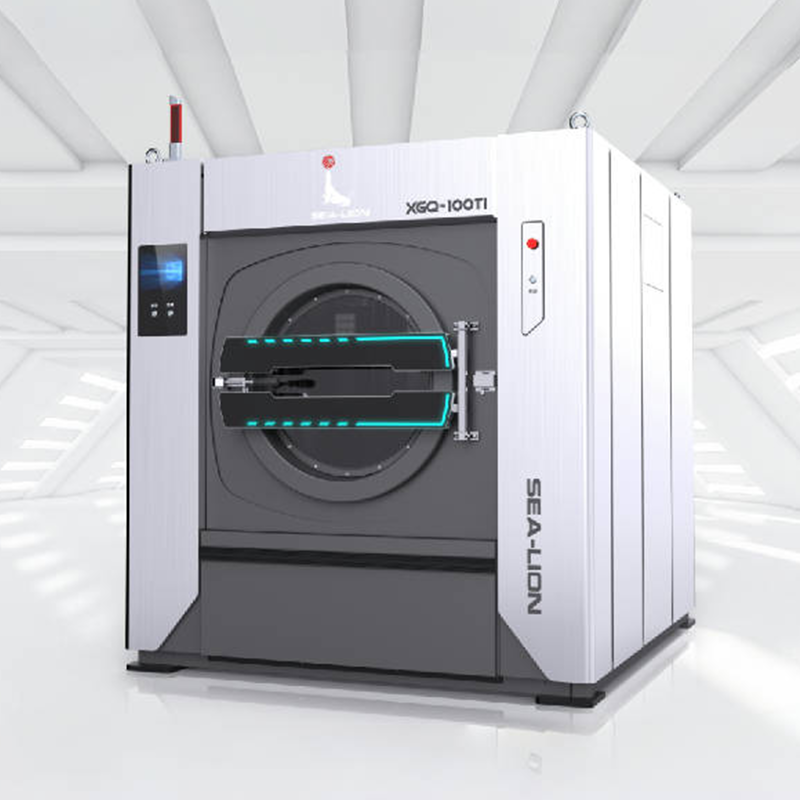
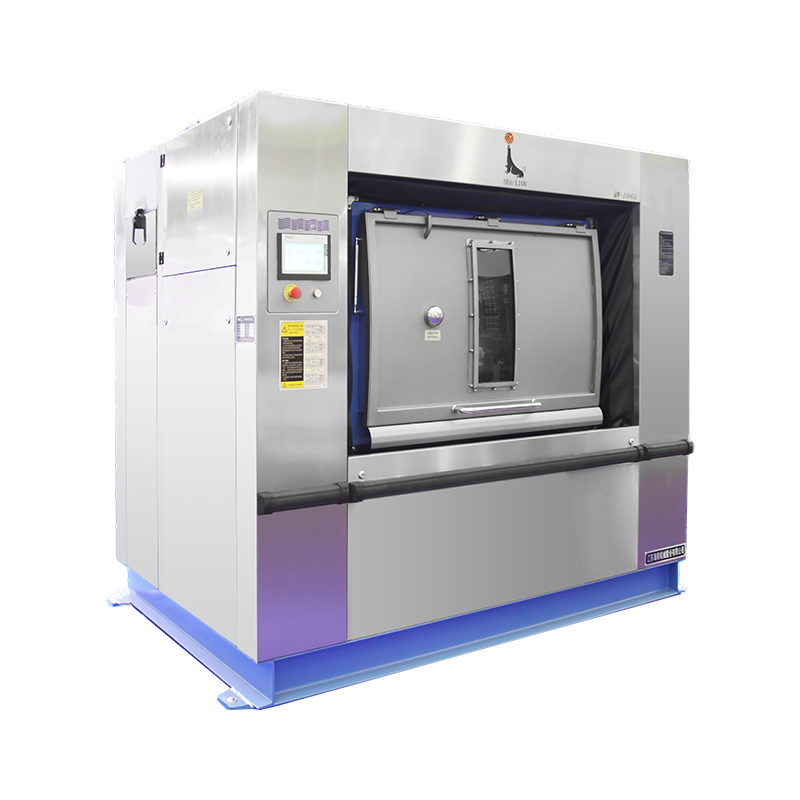
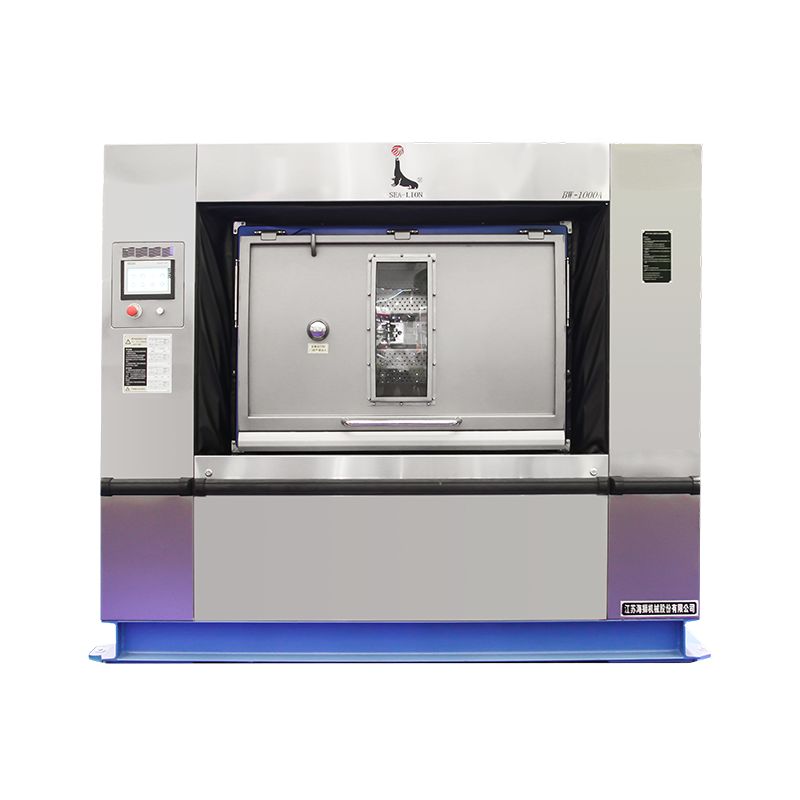
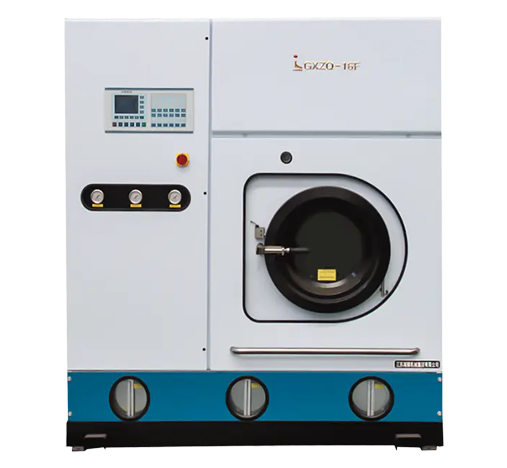

- No. 2 Lehong Road, Leyu Town, Zhangjiagang, Suzhou City, Jiangsu Province, China
- +86-512-58602532
- [email protected]
Copyright @ Jiangsu Sea-Lion Machinery Co., Ltd. All rights reserved
Custom Laundry Equipment Suppliers