English
 Français
 Español

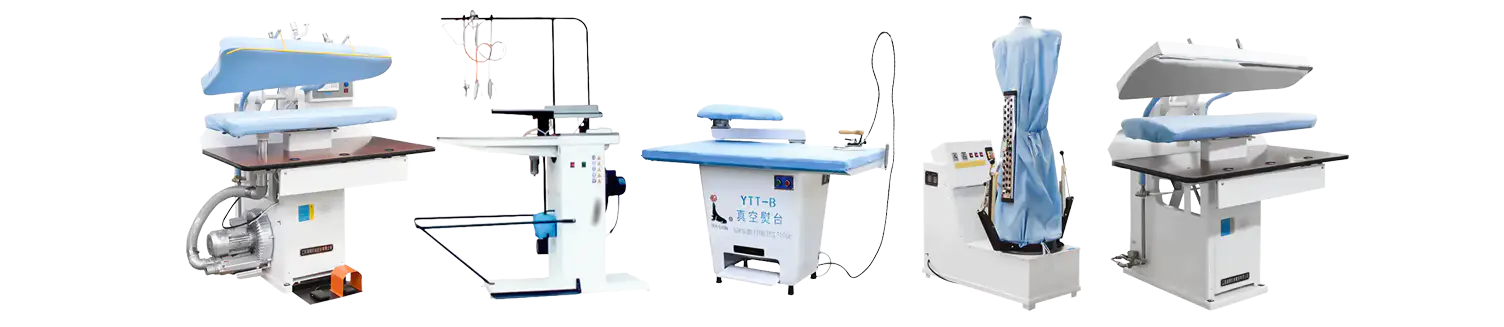
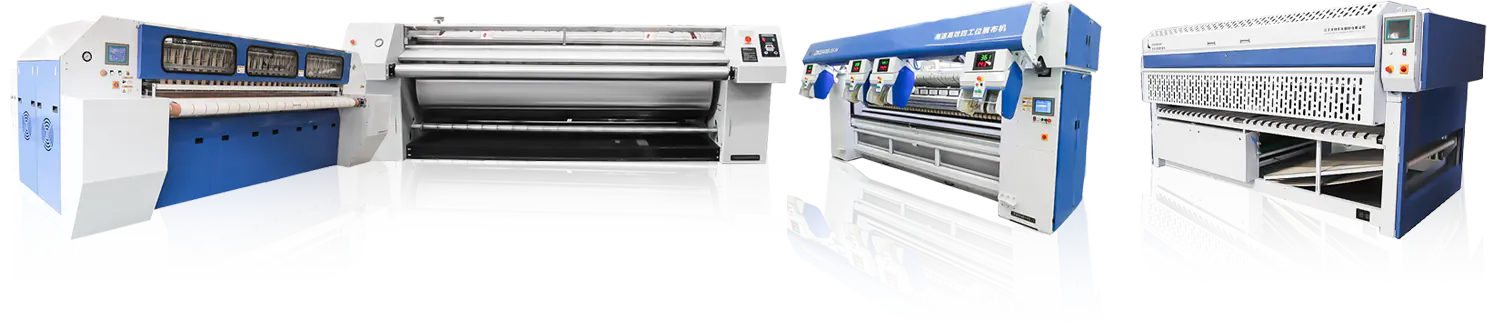


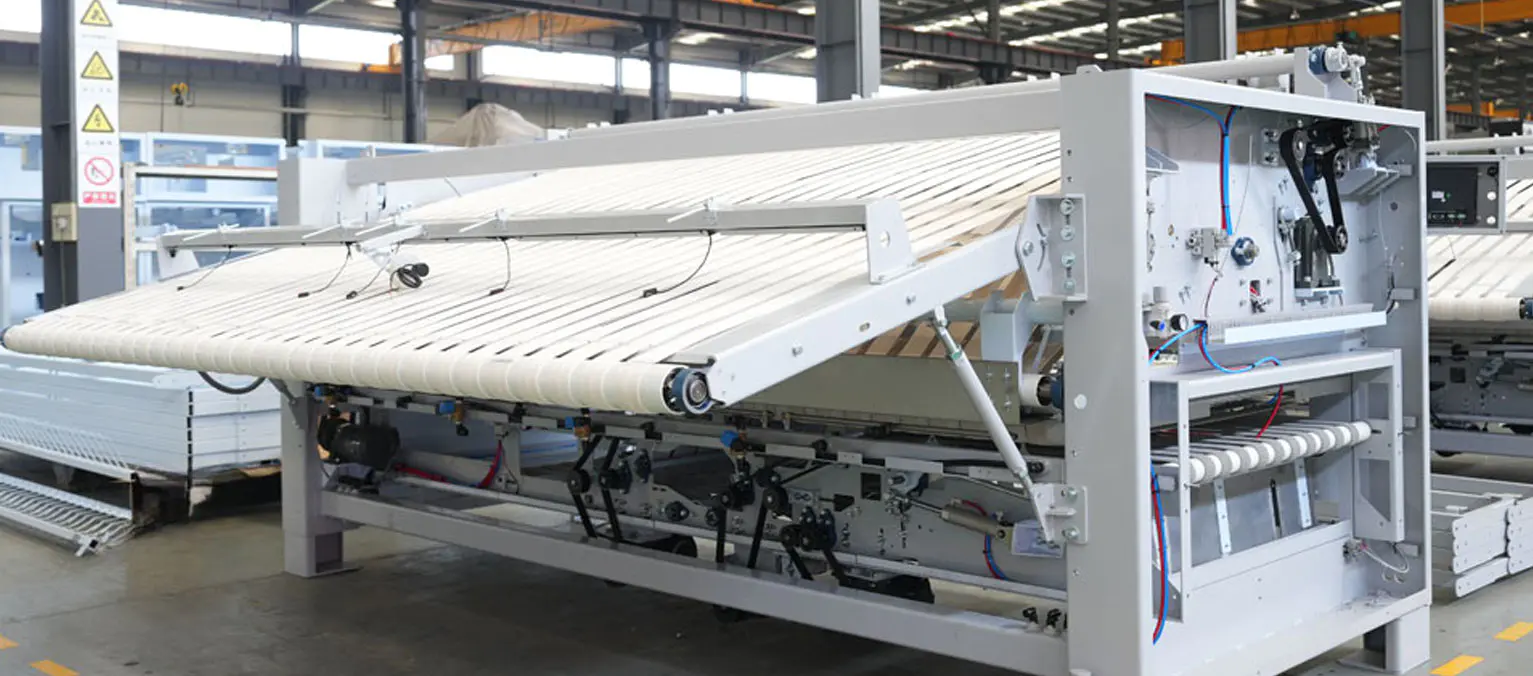
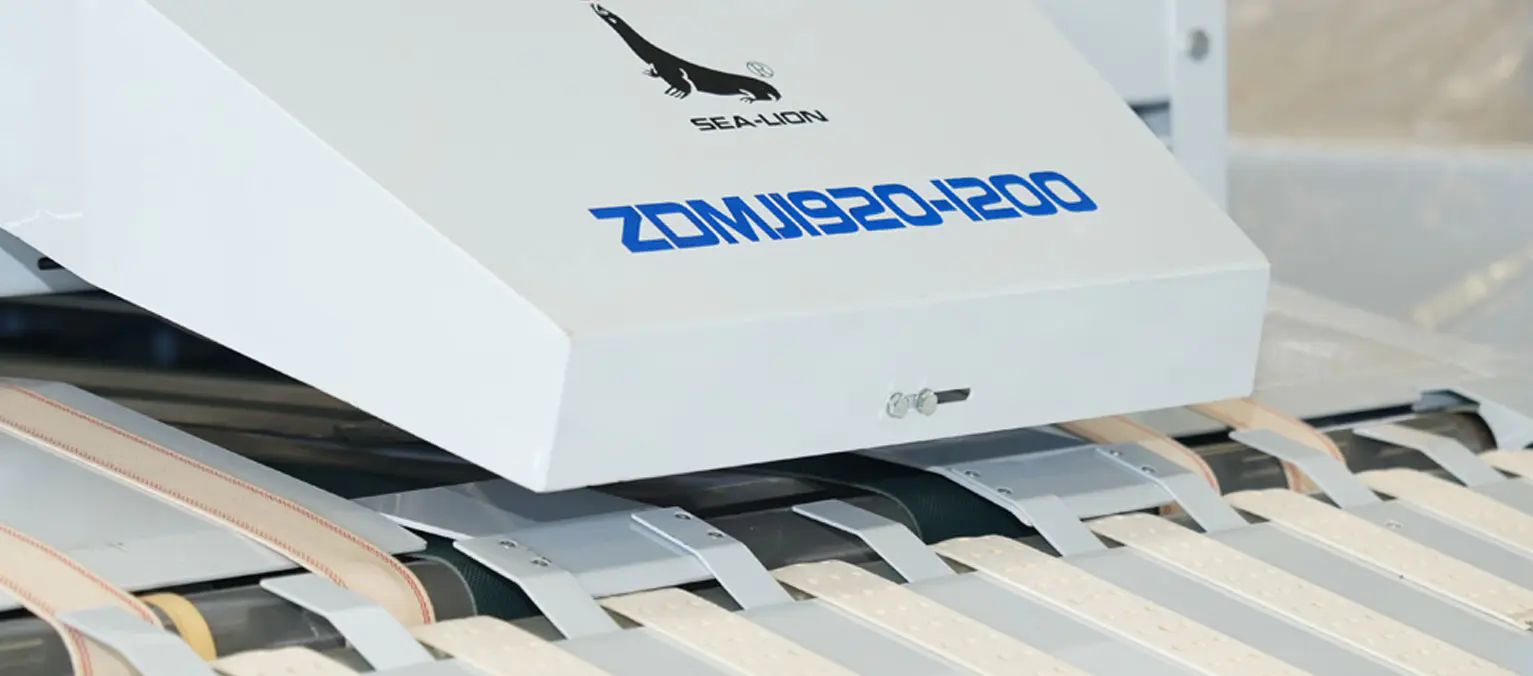





What Are the Key Advantages of Using Professional Finishing Systems Inc for Industrial Fabric Finishing?
Content
- 1 Physical Properties and Performance Enhancement with Professional Finishing Systems Inc
- 2 Cost Efficiency Through Advanced Fabric Finishing Technologies
- 3 Increased Durability and Longevity of Fabrics
- 4 Customization of Fabric Properties for Specific Industrial Applications
- 5 Environmental Impact and Sustainability in Fabric Finishing
- 6 Comparison of Traditional vs Modern Fabric Finishing Systems
- 7 FAQ
- 8 Technical References
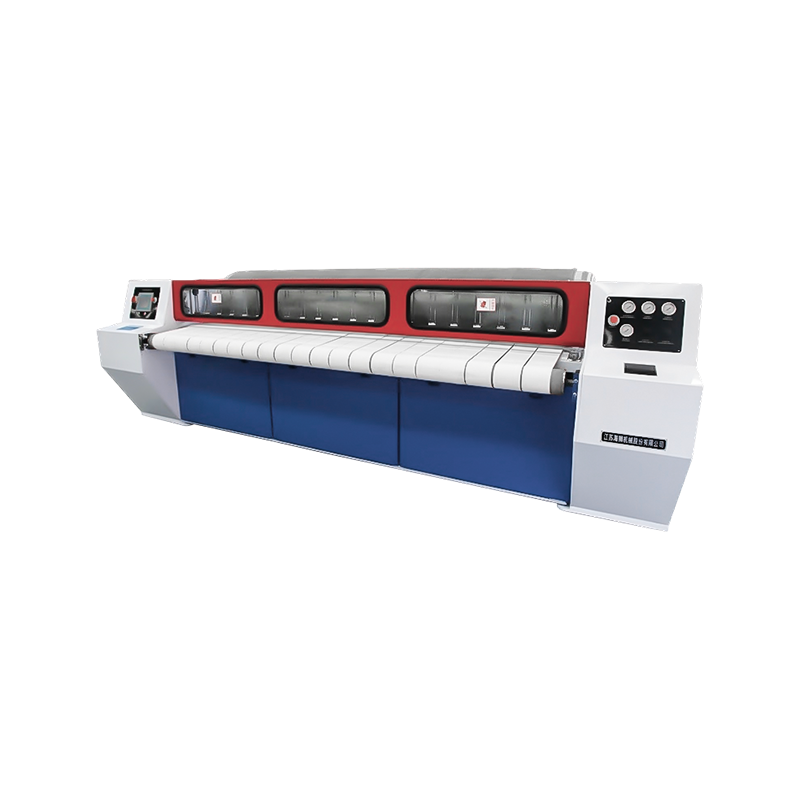
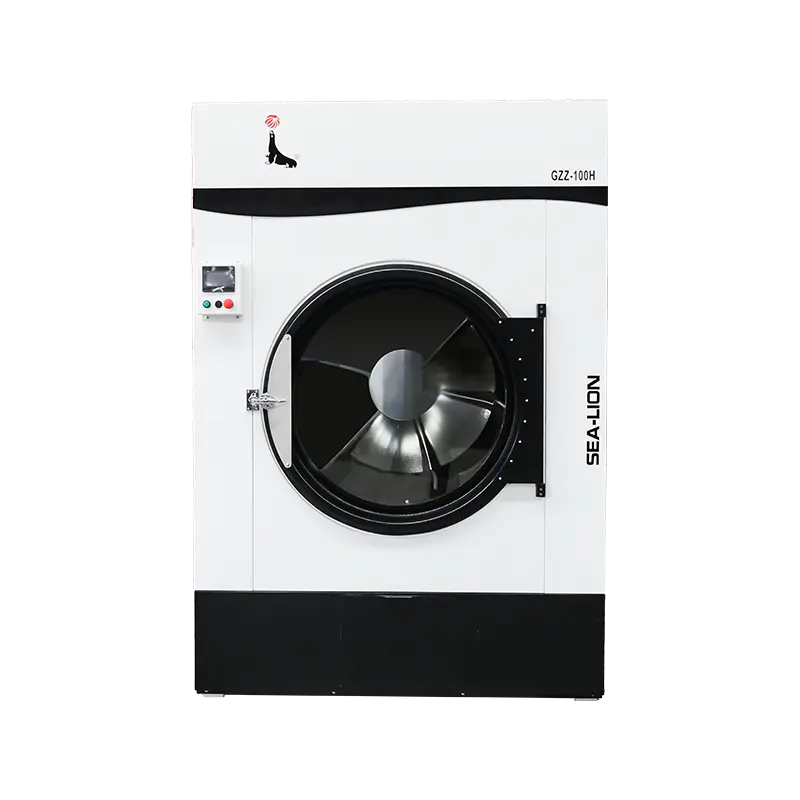
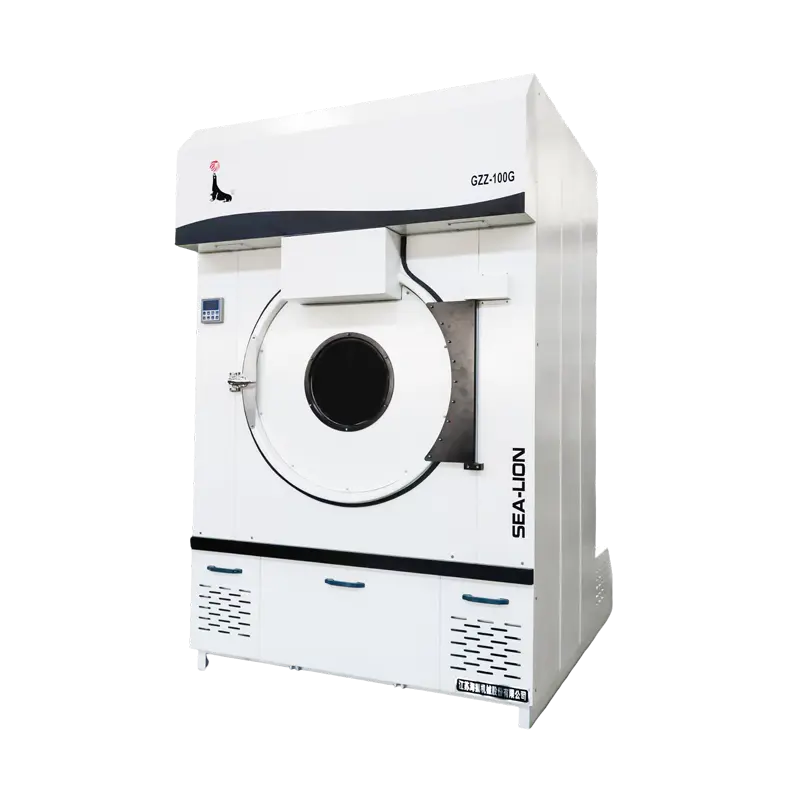
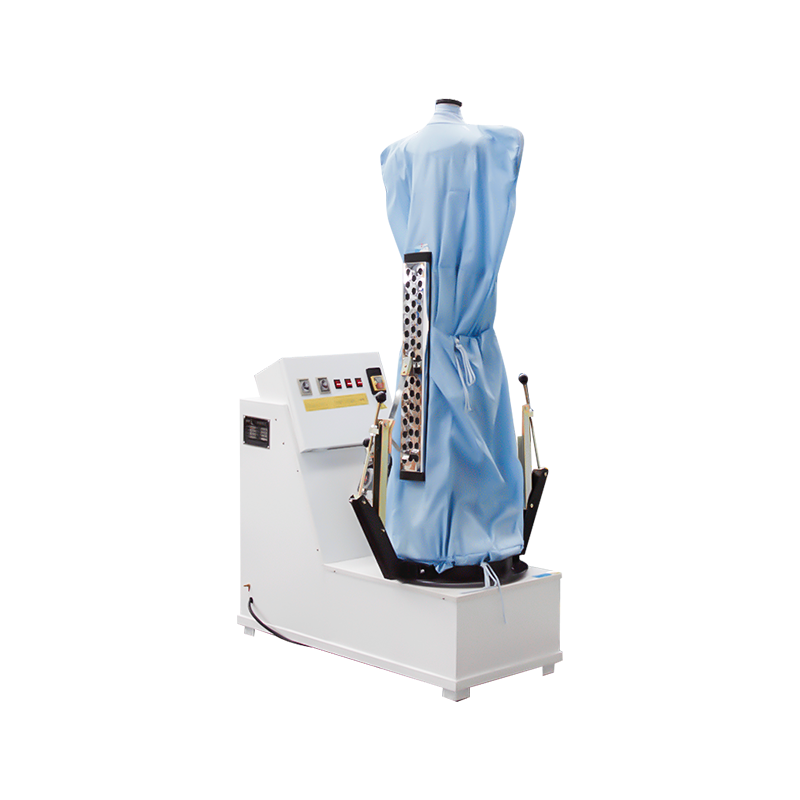
Physical Properties and Performance Enhancement with Professional Finishing Systems Inc
1. Professional Finishing Systems Inc plays a pivotal role in enhancing fabric performance through precise finishing techniques. The physical properties of fabrics, such as tensile strength and abrasion resistance, can be significantly improved by employing specialized finishing processes.
2. Fabrics treated with these systems exhibit enhanced moisture wicking and improved dimensional stability, which are essential for industrial applications, particularly in performance-based fabrics.
3. The integration of advanced finishing processes such as calendering and heat-setting ensures that the fabric retains its shape and performance under varying environmental conditions.
Cost Efficiency Through Advanced Fabric Finishing Technologies
1. One of the primary advantages of Professional Finishing Systems Inc is its ability to lower production costs by optimizing fabric treatment cycles. With automated processes, labor costs are reduced, while minimizing fabric waste and energy consumption.
2. By incorporating eco-friendly chemical formulations and energy-efficient machinery, these systems contribute to long-term cost savings, enabling industries to meet both budgetary and environmental goals.
3. How does energy efficiency impact industrial fabric finishing? By utilizing systems that reduce the need for excessive heat and water, finishing operations achieve a more sustainable, cost-effective solution.
Increased Durability and Longevity of Fabrics
1. The finishing systems offered by Professional Finishing Systems Inc significantly enhance fabric durability, especially for heavy-duty industrial fabrics. Through processes like anti-pilling treatment and UV protection, fabrics become more resistant to wear and environmental degradation.
2. How does UV treatment affect fabric lifespan? Fabrics subjected to UV protection treatments exhibit better color retention and greater resistance to fading over time, making them ideal for outdoor applications such as tents and outdoor uniforms.
3. The application of anti-static and water-repellent coatings further improves fabric longevity, preventing damage caused by environmental factors.
Customization of Fabric Properties for Specific Industrial Applications
1. One of the key benefits of Professional Finishing Systems Inc is the ability to tailor the fabric finish to specific industrial needs. Through advanced technology, manufacturers can adjust the surface texture, color fastness, and water permeability of fabrics to suit various applications.
2. For instance, in the manufacturing of medical textiles, specialized finishes ensure that fabrics meet stringent ISO 13485 standards for cleanliness and sterility.
3. What customization options are available with finishing systems? Depending on the requirements, finishing systems can apply a range of functional finishes, such as flame-retardant treatments or anti-bacterial coatings, making them suitable for a wide range of industrial sectors.
Environmental Impact and Sustainability in Fabric Finishing
1. The environmental impact of industrial fabric finishing is significantly reduced through the use of Professional Finishing Systems Inc. These systems utilize water-saving technologies, such as closed-loop water systems, which minimize water wastage during finishing processes.
2. The reduction in the use of harmful chemicals and the increased use of sustainable, biodegradable alternatives help industries meet strict environmental regulations.
3. How does the adoption of eco-friendly chemicals improve fabric finishing? By using biodegradable and non-toxic chemicals, the environmental footprint of fabric finishing operations is substantially lowered, aligning with global sustainability standards like ISO 14001.
Comparison of Traditional vs Modern Fabric Finishing Systems
1. Traditional fabric finishing systems often relied on manual processes and required high labor input, leading to increased costs and lower efficiency. In contrast, modern systems, such as those offered by Professional Finishing Systems Inc, integrate automation and advanced chemical treatments for faster and more precise finishes.
2. What are the key differences between traditional and modern finishing systems? Modern systems provide greater control over treatment parameters, resulting in better consistency, fewer defects, and higher-quality finishes. They also offer significant reductions in both water and energy usage.
| Feature | Traditional Systems | Professional Finishing Systems Inc |
| Energy Efficiency | Lower efficiency | Higher, optimized usage |
| Water Usage | High consumption | Closed-loop systems, lower usage |
| Customization | Limited options | Highly customizable finishes |
| Environmental Impact | Higher chemical use | Eco-friendly alternatives |
FAQ
1. How do Professional Finishing Systems Inc improve fabric durability?
These systems enhance fabric strength, UV resistance, and color retention, significantly improving the longevity of fabrics used in industrial applications.
2. What are the main advantages of automated fabric finishing systems?
Automation reduces labor costs, improves efficiency, and ensures consistent results, minimizing the risk of human error.
3. How can eco-friendly chemical treatments benefit industrial fabric finishing?
They reduce the environmental footprint of fabric processing, aligning with sustainability goals while maintaining performance standards.
4. Can Professional Finishing Systems Inc be used for medical textile applications?
Yes, specialized finishes are available that meet medical industry standards for cleanliness, sterility, and durability.
5. What standards do these systems adhere to?
Systems meet international standards such as ISO 14001 for environmental management and ISO 13485 for medical textiles.
Technical References
1. ISO 14001 – Environmental Management Systems
2. ASTM D4934 – Standard Guide for Fabric Finishing
3. ISO 13485 – Medical Devices – Quality Management Systems

- No. 2 Lehong Road, Leyu Town, Zhangjiagang, Suzhou City, Jiangsu Province, China
- +86-512-58602532
- [email protected]
Copyright @ Jiangsu Sea-Lion Machinery Co., Ltd. All rights reserved
Custom Laundry Equipment Suppliers