English
 Français
 Español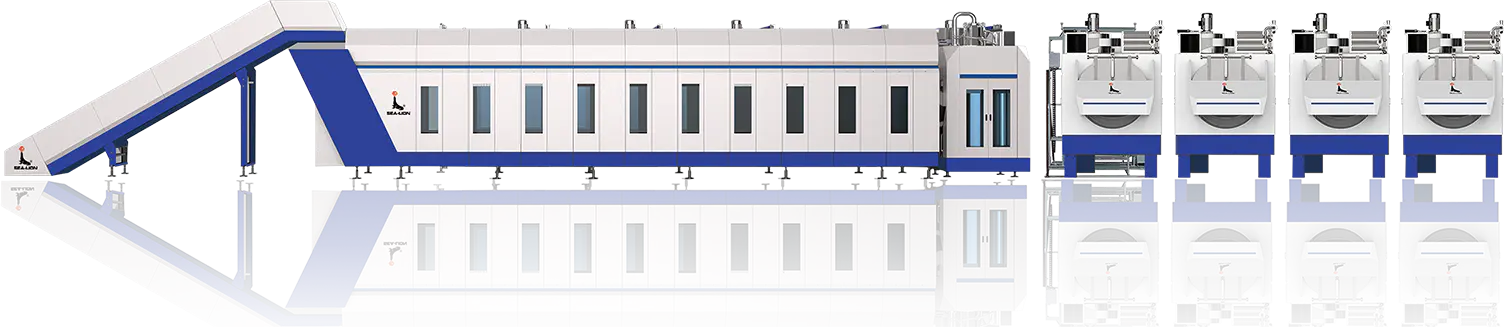










How Do Commercial Washing Machines and Tumble Dryers Improve Efficiency in High-Volume Laundry Operations?
Content
- 1 Mechanical Efficiency of commercial washing machine and tumble dryer in High-Volume Operations
- 2 Energy Consumption and Cost Reduction in Commercial Laundry Machines
- 3 Water Usage Optimization in Industrial Laundry Equipment
- 4 Automation and Smart Technology Integration in Laundry Operations
- 5 Drying Efficiency and Fabric Care
- 6 Comparative Analysis of Commercial Laundry Systems
- 7 FAQ
- 8 Technical References
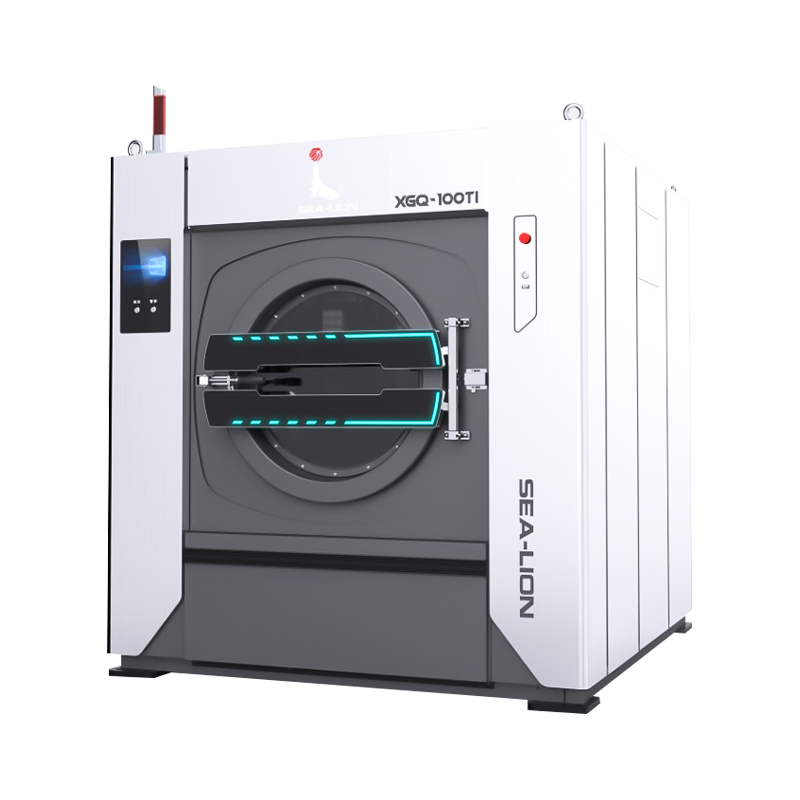
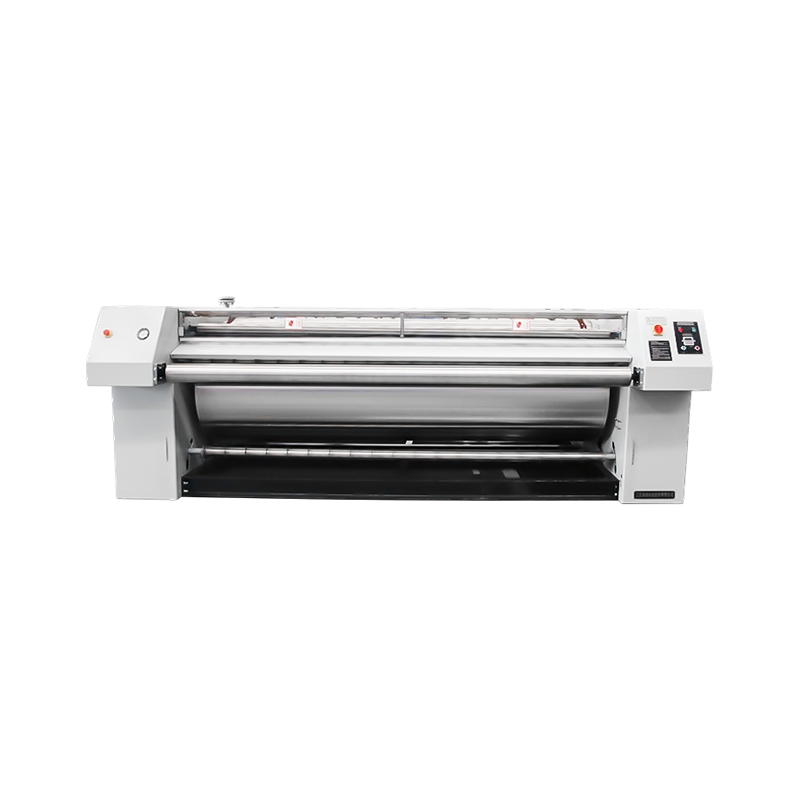
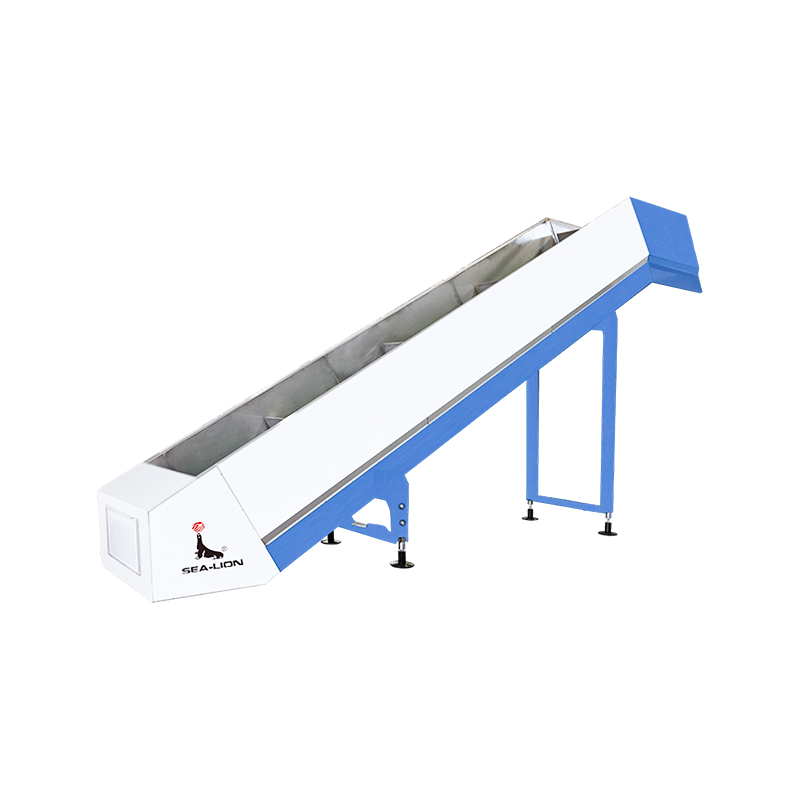
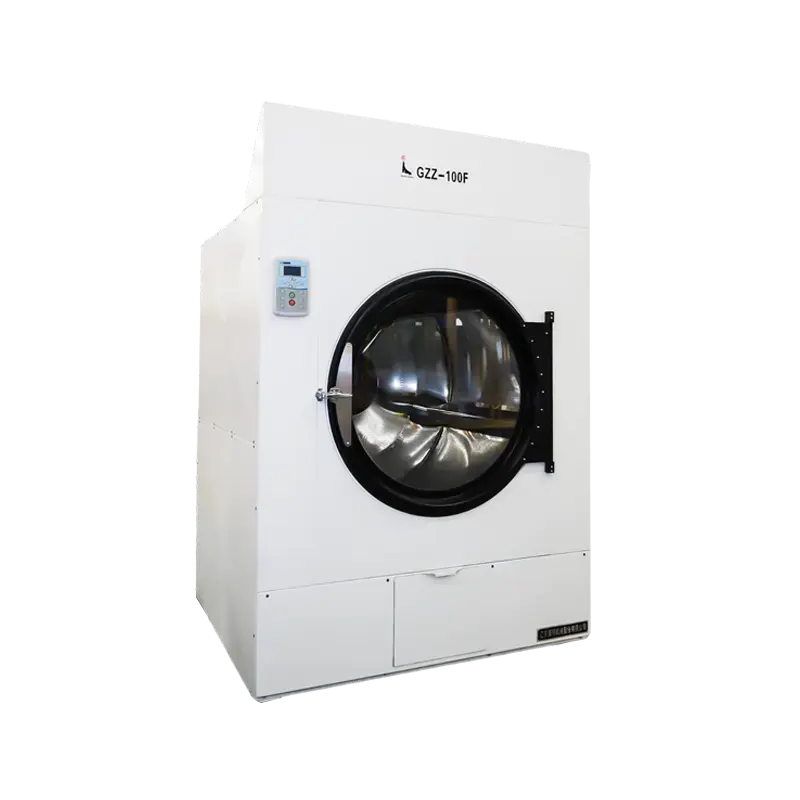
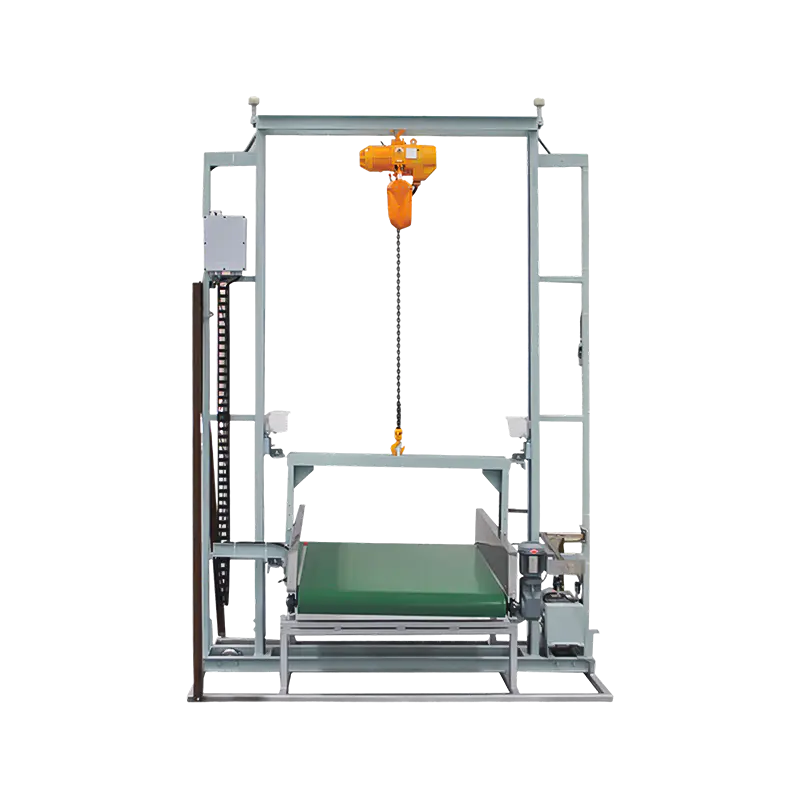
Mechanical Efficiency of commercial washing machine and tumble dryer in High-Volume Operations
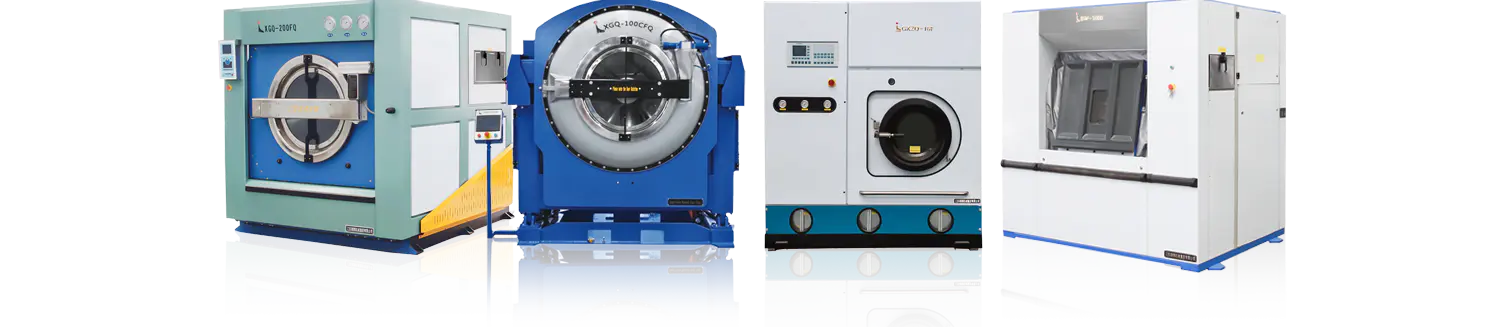
1. The mechanical design of commercial washing machine and tumble dryer units plays a critical role in reducing cycle times. A typical industrial washing machine operates with a drum speed of up to 1200 RPM, optimizing washing time without compromising fabric integrity.
2. In high-volume laundry operations, how does drum design impact fabric treatment efficiency? By using high-torque motors and optimized rotation patterns, these machines ensure more effective water and detergent penetration, reducing chemical usage while enhancing cleaning performance.
3. For how to improve fabric turnover in industrial laundry, the implementation of advanced load-sensing technology ensures that each load receives the appropriate treatment, minimizing excess wear on fabrics.
Energy Consumption and Cost Reduction in Commercial Laundry Machines
1. commercial washing machine and tumble dryer units are engineered for optimal energy efficiency, with modern models consuming 20%–30% less energy compared to older counterparts. The use of variable frequency drives (VFD) helps in reducing electrical consumption by adjusting motor speed to match the load.
2. how energy-efficient are commercial laundry systems? Modern systems incorporate energy recovery systems such as heat exchange units, which capture and reuse heat from the drying process, significantly reducing utility costs.
3. The integration of energy-saving features, such as automatic load balancing and water reuse systems, makes commercial washing machine and tumble dryer setups crucial for reducing operational costs in large-scale laundry facilities.
Water Usage Optimization in Industrial Laundry Equipment
1. The demand for water-efficient commercial laundry systems is at an all-time high. The latest commercial washing machine and tumble dryer systems feature closed-loop water systems that reuse rinse water, reducing water consumption by as much as 40% compared to traditional systems.
2. how does water recovery impact laundry costs? The recovery of wash water reduces overall water usage and wastewater treatment costs, especially in high-volume laundry operations. This feature is critical for compliance with environmental regulations, such as the EPA's water usage standards.
3. Additionally, modern tumble dryer efficiency is achieved through optimized airflow, which minimizes water retention, reducing the need for additional drying cycles and decreasing energy consumption.
Automation and Smart Technology Integration in Laundry Operations
1. The integration of IoT technology in commercial washing machine and tumble dryer systems enhances operational efficiency. Sensors embedded in the machines continuously monitor parameters such as temperature, load size, and moisture levels, adjusting cycle times accordingly to optimize performance.
2. In what are the benefits of IoT in industrial laundry? These systems enable remote monitoring, real-time diagnostics, and predictive maintenance, all of which reduce downtime and extend the life of equipment.
3. Smart systems can also automate load balancing, ensuring that energy and water usage are distributed evenly across cycles, leading to better overall resource utilization.
Drying Efficiency and Fabric Care
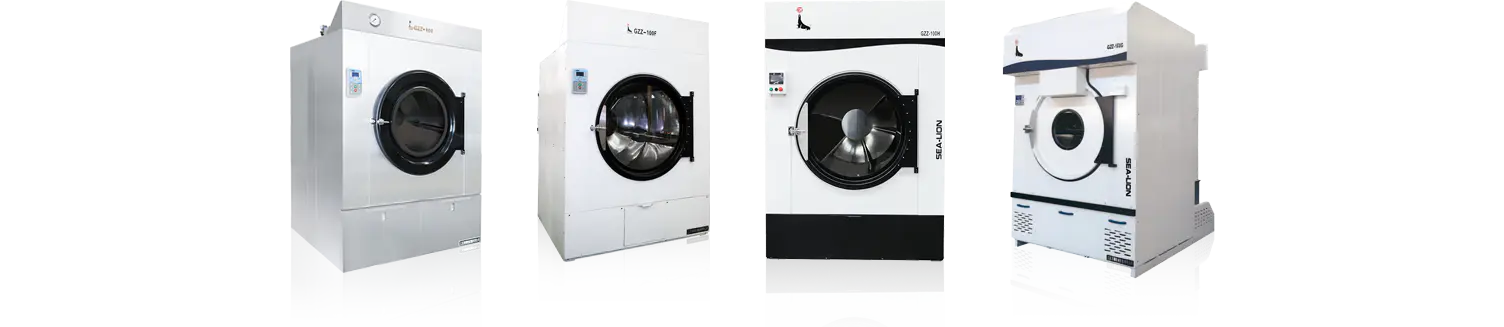
1. commercial washing machine and tumble dryer systems are designed with advanced drying technologies that ensure quick and gentle drying of fabrics. The combination of high-efficiency heaters, adjustable drum speeds, and low-temperature drying cycles helps prevent fabric damage, while maintaining garment quality.
2. how to reduce fabric shrinkage in commercial laundry operations? Advanced temperature controls and moisture sensors in tumble dryers minimize the risk of over-drying, which is a major factor in fabric shrinkage and wear.
3. Tumble dryers can be equipped with moisture sensors that detect the exact dryness level of fabrics, reducing energy consumption by ending the drying cycle when optimal dryness is achieved.
Comparative Analysis of Commercial Laundry Systems
1. Compared to traditional washing and drying systems, modern commercial laundry systems provide superior speed, energy efficiency, and fabric protection.
2. Automated systems ensure that every load is washed and dried to optimal specifications, reducing human error and improving overall throughput.
| Feature | Commercial Laundry System | Traditional Systems |
| Energy Efficiency | Up to 30% savings | Standard efficiency |
| Water Usage | 40% reduction | Higher consumption |
| Cycle Speed | 20% faster | Slower |
| Automation | Full automation (IoT) | Manual or semi-automated |
FAQ
1. How does automation in commercial washing machine and tumble dryer systems reduce costs?
Automation optimizes water, energy, and chemical usage, ensuring that each load is processed efficiently, which cuts down on operational costs.
2. What is the primary benefit of energy recovery in commercial laundry systems?
Energy recovery systems capture and reuse heat from the drying process, significantly lowering energy costs and reducing the carbon footprint of laundry operations.
3. Can commercial washing machines handle all fabric types?
Yes, modern industrial machines are designed to handle various fabrics, including delicate items, by adjusting cycle parameters to suit different textiles.
4. How does water reuse work in commercial laundry systems?
Water from the rinse cycle is captured and filtered for use in subsequent washes, reducing overall water consumption and lowering wastewater treatment costs.
5. What maintenance is required for commercial washing machines and tumble dryers?
Regular maintenance includes checking for wear on the drive belts, inspecting the heating elements for efficiency, and cleaning the water filters to ensure optimal performance.
Technical References
1. ASTM F320 – Standard Guide for Laundry and Dry-Cleaning Equipment
2. ISO 14001 – Environmental Management Systems Standards
3. AATCC 135 – Dimensional Stability of Fabrics after Laundering

- No. 2 Lehong Road, Leyu Town, Zhangjiagang, Suzhou City, Jiangsu Province, China
- +86-512-58602532
- [email protected]
Copyright @ Jiangsu Sea-Lion Machinery Co., Ltd. All rights reserved
Custom Laundry Equipment Suppliers