English
 Français
 Español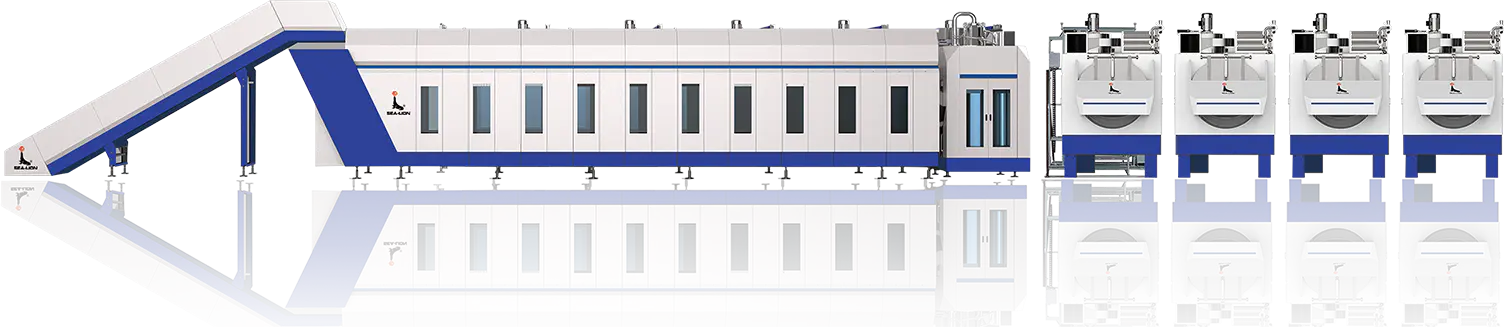










How Does a Fully Automatic Continuous Tunnel Washer Improve Your Laundry Operations?
Content
- 1 What Are the Key Advantages of a Fully Automatic Continuous Tunnel Washer?
- 2 Exploring High-Value Long-Tail Keywords in Tunnel Washer Technology
- 3 Technical Deep Dive: Capacity and Energy Metrics
- 4 Advanced Control Systems and Maintenance Protocols
- 5 Frequently Asked Questions (FAQ)
- 5.1 What is the typical lifespan of a fully automatic continuous tunnel washer?
- 5.2 How does a continuous tunnel washer handle different types of soiled linen?
- 5.3 What are the space requirements for installing a high-volume industrial tunnel washer?
- 5.4 Can a continuous tunnel washer be integrated with existing dryers and finishing equipment?
- 6 References
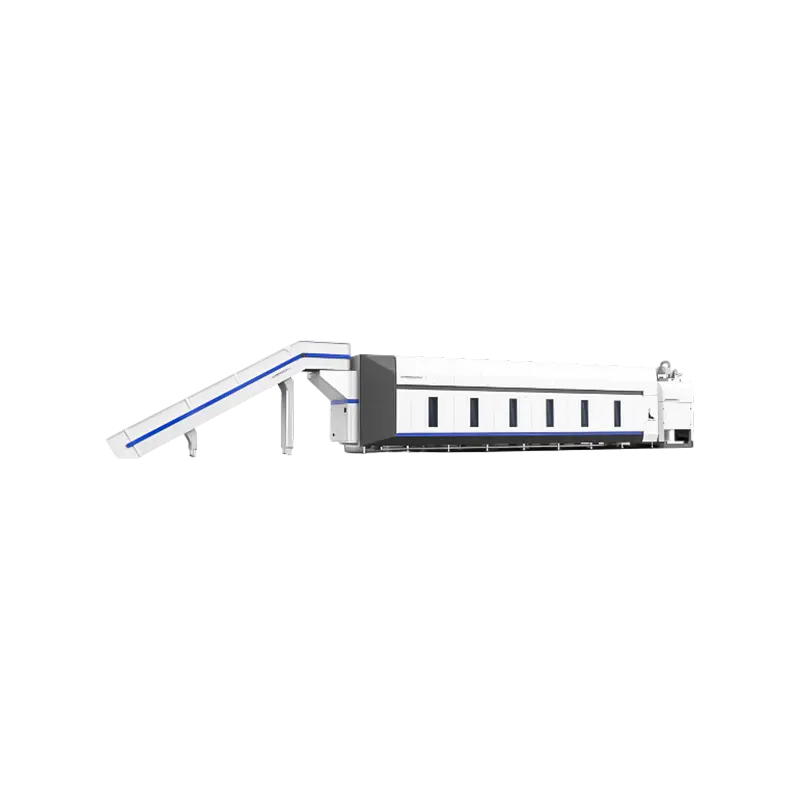
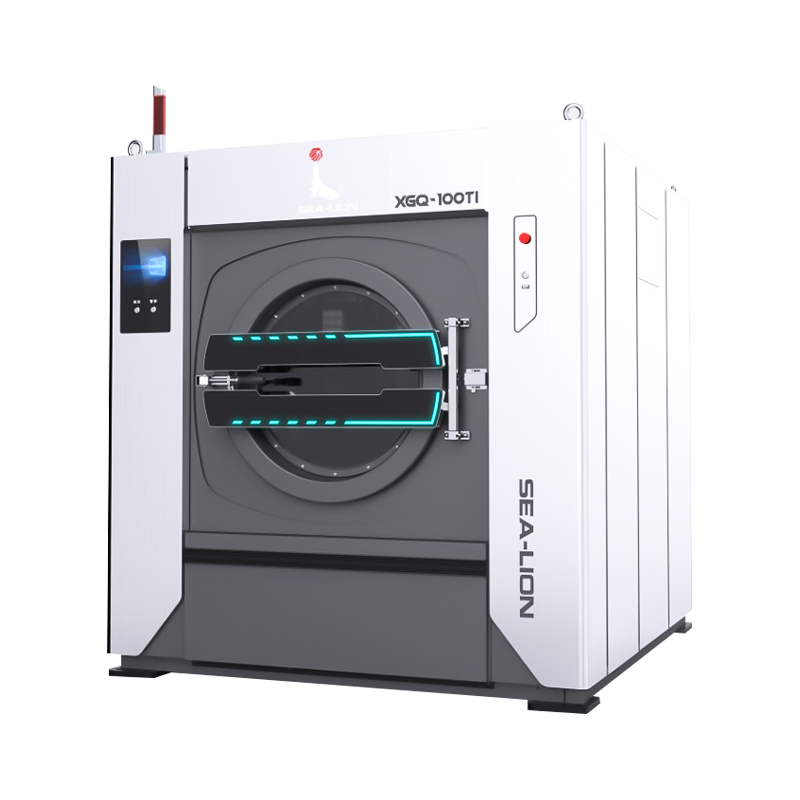
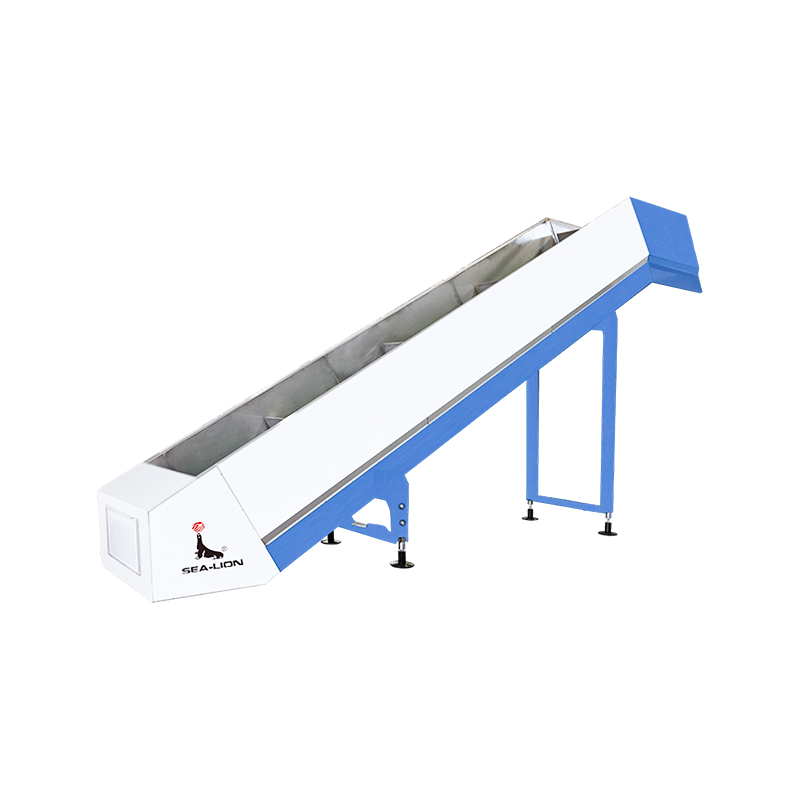
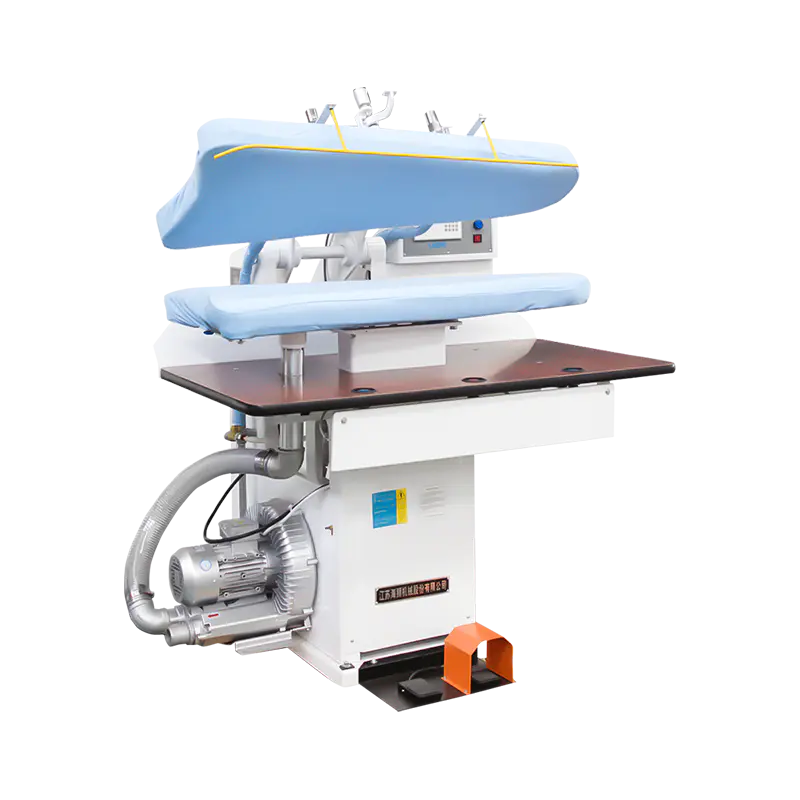
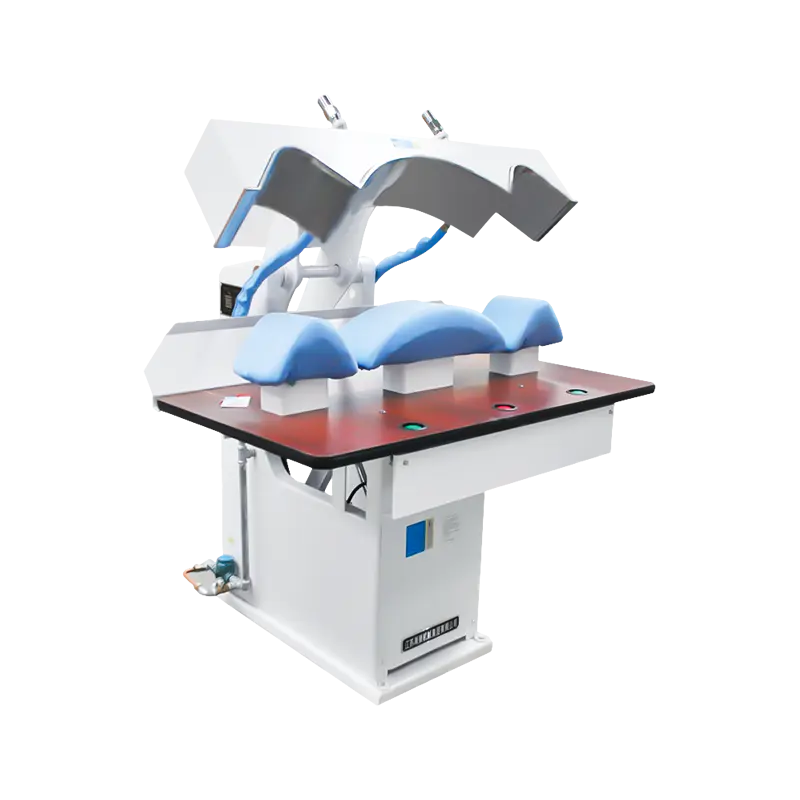
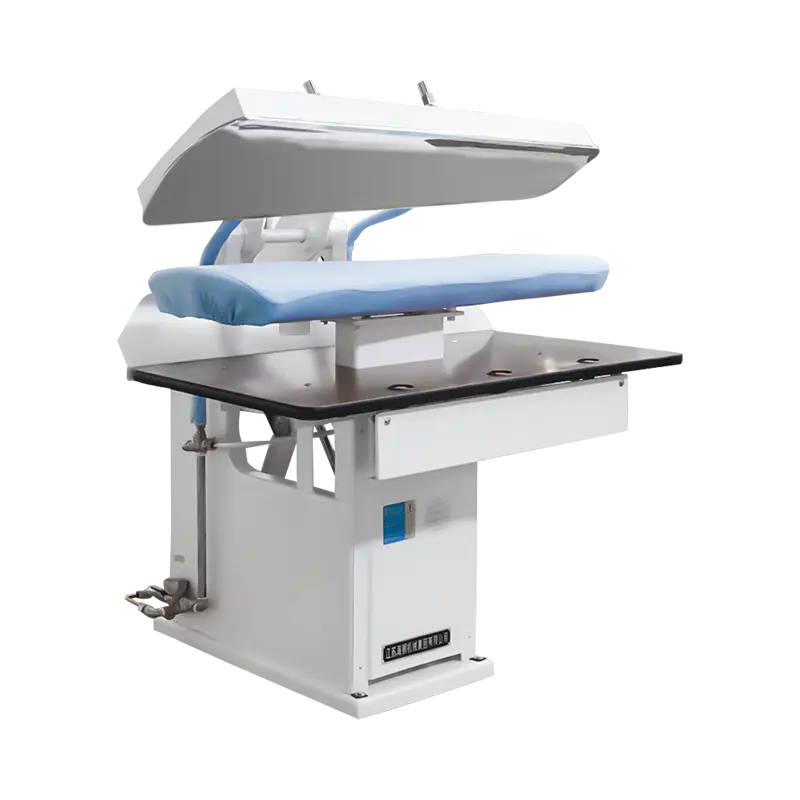
For industrial laundry operators and procurement specialists, upgrading equipment is a critical decision. The modern facility demands machinery that delivers consistency, reduces labor costs, and withstands the rigors of continuous use. At the heart of this operational transformation is the fully automatic continuous tunnel washer. This piece of equipment is no longer just a luxury; it is a standard for high-volume, efficient laundries. This article provides an engineer-level analysis of this technology, exploring its core benefits, technical specifications, and how it integrates into a modern workflow. We will examine high-search-volume queries to help you understand the market and make an informed purchasing decision.
What Are the Key Advantages of a Fully Automatic Continuous Tunnel Washer?
When evaluating capital equipment, the return on investment is paramount. The shift from traditional washer-extractors to a fully automatic continuous tunnel washer, often referred to as a "tunnel" or "batch" washer, presents a paradigm shift in operational efficiency. The primary advantages are quantifiable and directly impact the bottom line.
Labor Reduction and Automation
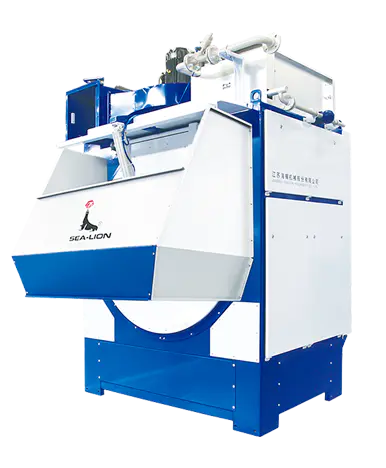
The most immediate benefit is the drastic reduction in manual labor. A traditional wash room might require multiple operators to load, unload, and monitor individual machines. In contrast, a fully automatic continuous tunnel washer automates the entire process. Once the soiled linen is loaded into the hopper, the machine handles the washing, chemical injection, and transfer to the press or dryer without further human intervention.
Utility and Chemical Efficiency
These systems are engineered for resource conservation. The counter-current washing principle, where water flows opposite the linen's direction, is a key feature. This allows the machine to reuse water from the final rinse stages in the initial pre-wash stages. This single feature can reduce water consumption by up to 60-70% compared to traditional washer-extractors. Consequently, this reduces the need for heating large volumes of fresh water and lowers chemical consumption, as the pre-wash utilizes already heated and chemically charged water.
Exploring High-Value Long-Tail Keywords in Tunnel Washer Technology
For businesses looking to invest, understanding the specific capabilities is crucial. We have identified five high-search-volume long-tail keywords that represent the specific needs of B2B buyers and engineers. These terms guide the technical specifications we will discuss.
- continuous tunnel washer energy consumption per kg
- fully automatic tunnel washer control system programming
- high volume industrial tunnel washer capacity
- tunnel washer water recycling system integration
- continuous batch washer maintenance schedule
Each of these terms highlights a critical area of concern for plant managers and engineers, from operational costs to long-term reliability.
Technical Deep Dive: Capacity and Energy Metrics
When evaluating a fully automatic continuous tunnel washer, two technical specifications dominate the decision-making process: capacity and energy consumption. Understanding these in detail is essential for accurate operational forecasting.
Defining "High Volume" Capacity
The term high volume industrial tunnel washer capacity refers to the throughput measured in kilograms per hour. Unlike traditional machines measured by a single batch size, tunnel washers are defined by their "batch weight" and the number of "pockets" or modules. A standard module might process a 50-100 kg batch every 2-3 minutes. A facility processing 3,000 kg per hour would require a machine with more modules—typically 12 to 18—and a larger batch weight.
The choice of capacity directly influences the hydraulic system requirements, the power rating of the drive motors, and the physical footprint of the machine. Engineers must calculate peak load times, not just average daily throughput, to ensure the selected system does not become a bottleneck.
Energy Consumption Per Kg: A Comparative Analysis
Energy consumption is a primary operational expenditure. The metric continuous tunnel washer energy consumption per kg is a standardized way to compare efficiency. This figure encompasses electricity for the drum drive and hydraulic systems, steam for heating water, and the embodied energy in water itself. A modern, well-insulated system with a high-efficiency heat exchanger can achieve figures that are significantly lower than legacy systems.
The following table compares the typical resource consumption between a traditional washer-extractor system and a modern fully automatic continuous tunnel washer. The data is based on industry averages for processing 1 kg of mixed linen.
| Resource Metric | Traditional Washer-Extractor (Per Kg) | Fully Automatic Continuous Tunnel Washer (Per Kg) |
|---|---|---|
| Water Consumption | 15 - 25 liters | 4 - 7 liters |
| Steam Consumption | 0.6 - 0.9 kg | 0.25 - 0.4 kg |
| Electrical Energy | 0.040 - 0.060 kWh | 0.020 - 0.035 kWh |
| Chemical Cost | Baseline (100%) | 60% - 75% of Baseline |
As the data indicates, the efficiency gains in a tunnel system are substantial, offering a compelling case for replacement of older equipment fleets.
Advanced Control Systems and Maintenance Protocols
Beyond raw throughput, the intelligence of the machine defines its utility. Modern systems rely heavily on sophisticated software and regular maintenance to achieve longevity.
The Role of Control System Programming
The phrase fully automatic tunnel washer control system programming refers to the programmable logic controller (PLC) and human-machine interface (HMI) that govern the machine. Advanced programming allows for the storage of dozens of distinct wash formulas. Each formula can precisely control variables such as:
- Water fill levels and temperature setpoints for each module.
- Chemical injection timing and dosage, often using flow meters for precise delivery.
- Dwell times in specific modules to optimize chemical reaction.
- Batch tracking and data logging for quality assurance and traceability.
This level of control ensures that the fully automatic continuous tunnel washer can handle a diverse mix of goods—from heavily soiled industrial shop towels to delicate hospitality linens—without compromising quality or efficiency.
Integration with Water Recycling Systems
Sustainability is a growing concern for commercial laundries. The concept of tunnel washer water recycling system integration is now a standard engineering consideration. A tunnel washer is uniquely suited for this because it produces a consistent effluent stream. Engineers can design a closed-loop system where wastewater from the tunnel is filtered through membrane bioreactors (MBRs) or reverse osmosis (RO) systems and then fed back into the tunnel's fresh water intake. This integration can push water consumption below 2 liters per kg, a benchmark for "waterless" laundry operations.
Developing a Maintenance Schedule
To protect this investment, a rigorous continuous batch washer maintenance schedule is non-negotiable. A proactive maintenance plan extends the life of the machine and prevents costly unplanned downtime. Key elements of a schedule include:
- Daily: Visual inspection of seals, checking chemical injectors, and cleaning the lint trap on the discharge.
- Monthly: Lubrication of drive chains and bearings, inspection of the main shaft for alignment, and calibration of the PLC sensors.
- Quarterly: Comprehensive check of the hydraulic system pressure, inspection of the rotary joints for steam and water leaks, and a full bearing vibration analysis.
- Annually: Professional inspection of the drum support rollers, replacement of wear strips, and a full electrical safety audit.
Frequently Asked Questions (FAQ)
What is the typical lifespan of a fully automatic continuous tunnel washer?
With a strict adherence to a continuous batch washer maintenance schedule, a high-quality industrial tunnel washer can have an operational lifespan of 20 to 25 years. The critical components are the bearings, drum supports, and the PLC control system. Bearings, if properly lubricated and protected from water ingress, often last 10-15 years before requiring replacement, representing a major but manageable maintenance event.
How does a continuous tunnel washer handle different types of soiled linen?
Modern fully automatic tunnel washer control system programming allows for advanced formula management. The machine can be programmed to adjust wash chemistry, temperature, and mechanical action in different modules based on the batch type. However, to prevent cross-contamination, laundries typically segregate linen (e.g., food and beverage, hospitality, healthcare) by running them in dedicated production blocks or using separate machines for critical hygiene items.
What are the space requirements for installing a high-volume industrial tunnel washer?
A high volume industrial tunnel washer capacity system requires more than just the machine's footprint. While the washer itself is a long, narrow unit (typically 10-20 meters), the total space must accommodate a soil sorting and loading area, a dewatering press (which is essential for continuous tunnel washer energy consumption per kg optimization), a dryer or finishing line, and the chemical storage and injection skid. A full turnkey system can require a floor space of 200-400 square meters, depending on capacity.
Can a continuous tunnel washer be integrated with existing dryers and finishing equipment?
Yes, integration is a standard part of system design. The discharge of a fully automatic continuous tunnel washer typically feeds into a high-extraction press. The "cake" of dewatered linen is then automatically conveyed to a batch dryer or a continuous batch dryer (CBD). Most modern control systems use standard industrial communication protocols (like Profibus or Ethernet/IP) to synchronize the washer with downstream equipment, ensuring a seamless material flow.
References
- Textile Rental Services Association (TRSA). "Water and Energy Efficiency Best Practices Guide." 2022.
- Journal of Industrial Textiles. "Life Cycle Assessment of Commercial Laundry Systems." Vol. 52, 2023.
- American Society of Mechanical Engineers (ASME). "Performance Test Code for Industrial Laundry Equipment." PTC 59.1-2020.
- European Textile Services Association (ETSA). "Sustainability Report: The Circular Economy in Textile Services." 2023.
- International Organization for Standardization. "ISO 14001:2015 Environmental management systems – Guidelines for water efficiency in laundries." Technical Report.

- No. 2 Lehong Road, Leyu Town, Zhangjiagang, Suzhou City, Jiangsu Province, China
- +86-512-58602532
- [email protected]
Copyright @ Jiangsu Sea-Lion Machinery Co., Ltd. All rights reserved
Custom Laundry Equipment Suppliers