English
 Français
 Español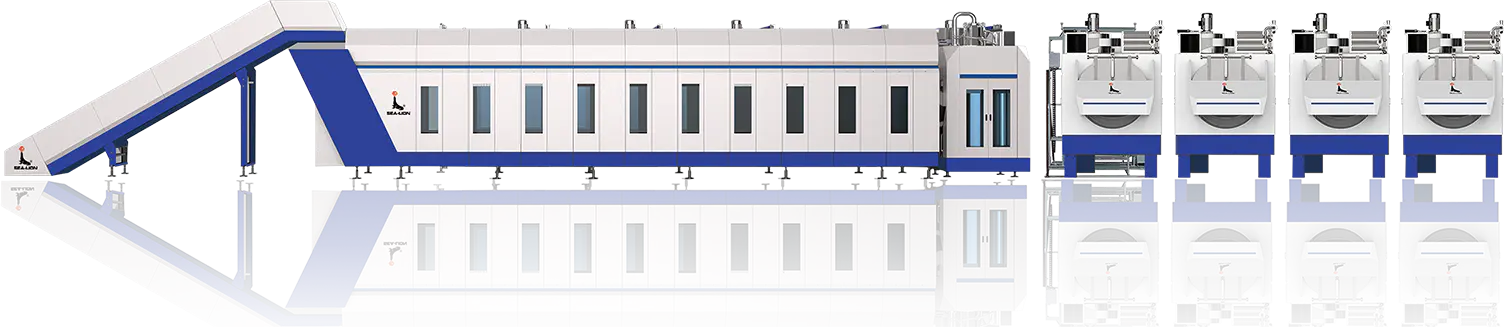










What Are the Key Benefits of Using a Washer Extractor in Commercial Laundry?
Content
Introduction
In today’s fast-paced world, industries that deal with large volumes of laundry, such as hotels, hospitals, and commercial laundromats, rely heavily on efficient and reliable equipment. One such piece of equipment is the washer extractor. A washer extractor is more than just a washing machine – it combines the functions of washing and extracting moisture from fabrics, all in one powerful unit.
Over the years, the role of washer extractors has evolved with advancements in technology. Their efficiency, versatility, and ability to save both time and energy have made them indispensable in a wide range of industries. Whether it’s a high-end hotel needing to clean large quantities of bed linens, or a hospital that requires sterilization of medical uniforms, the washer extractor plays a critical role in improving operations.
What is a Washer Extractor?
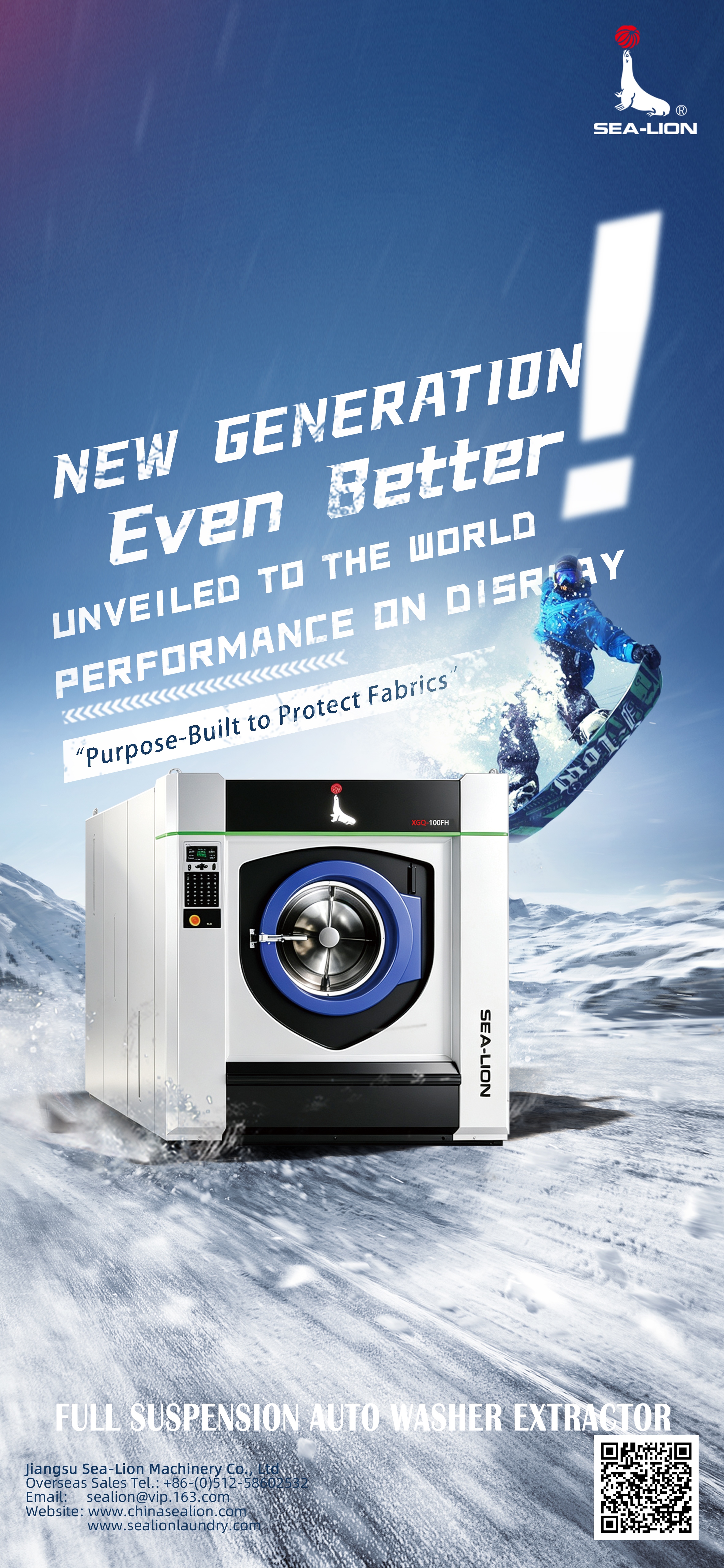
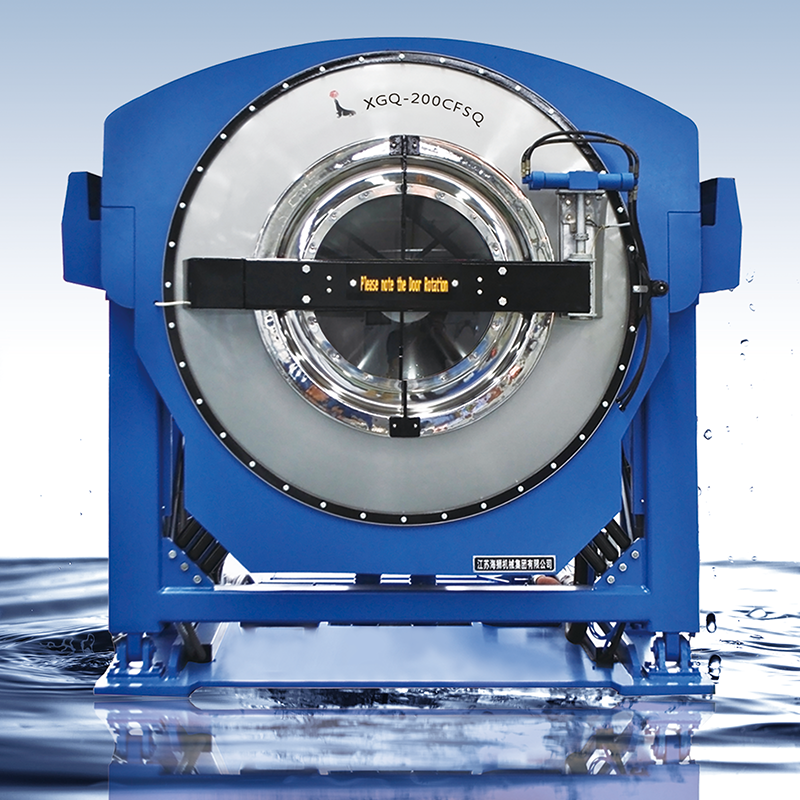
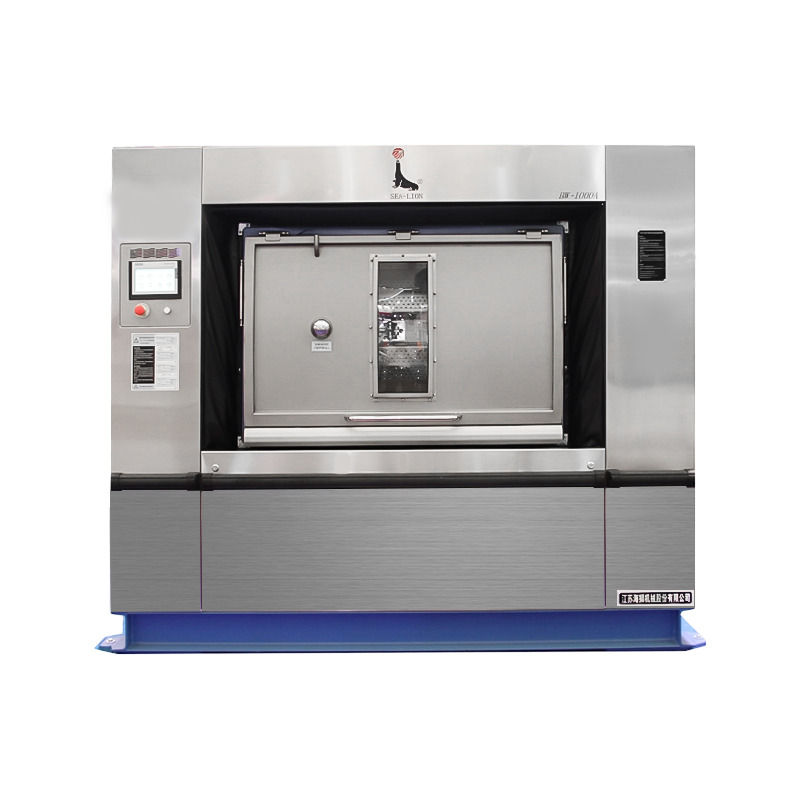
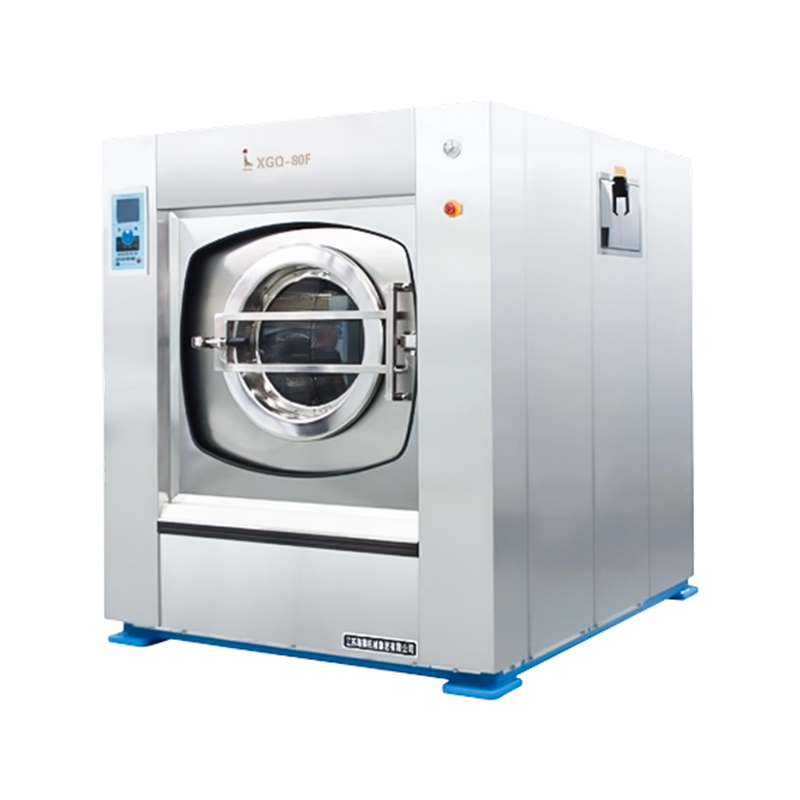
A washer extractor is a highly specialized piece of laundry equipment designed to not only wash fabrics but also to extract excess water from them. The washing and extraction processes are carried out in a single machine, making it an efficient solution for high-volume laundry operations.
Definition:
At its core, a washer extractor combines two essential functions: washing and extracting moisture. It uses mechanical action (usually via a drum or cylinder) to agitate the fabric and remove dirt and stains while applying water and detergent. The extractor function then spins the fabric at high speeds to extract water, allowing the laundry to dry more quickly and efficiently.
Key Components:
- Drum: The drum, or washing cylinder, is where clothes are placed. It rotates to create mechanical action for washing.
- Control System: Modern washer extractors are equipped with sophisticated control systems that allow operators to set wash programs, monitor performance, and manage energy use.
- Water and Detergent Dispensing System: The dispensing system is designed to accurately add water and detergent to the load, ensuring the fabric is cleaned properly.
- Extraction Mechanism: This part of the washer extractor uses high-speed spinning to remove excess water from clothes, reducing drying time.
Working Process:
- Washing: Water, detergent, and other additives are mixed in the drum, and the fabric is agitated to remove dirt and stains.
- Extraction: Once the washing phase is complete, the drum spins rapidly to remove water from the fabric. This process can achieve extraction speeds up to 1000 RPM or higher, making it one of the most efficient ways to prepare laundry for drying.
Types of Washer Extractors
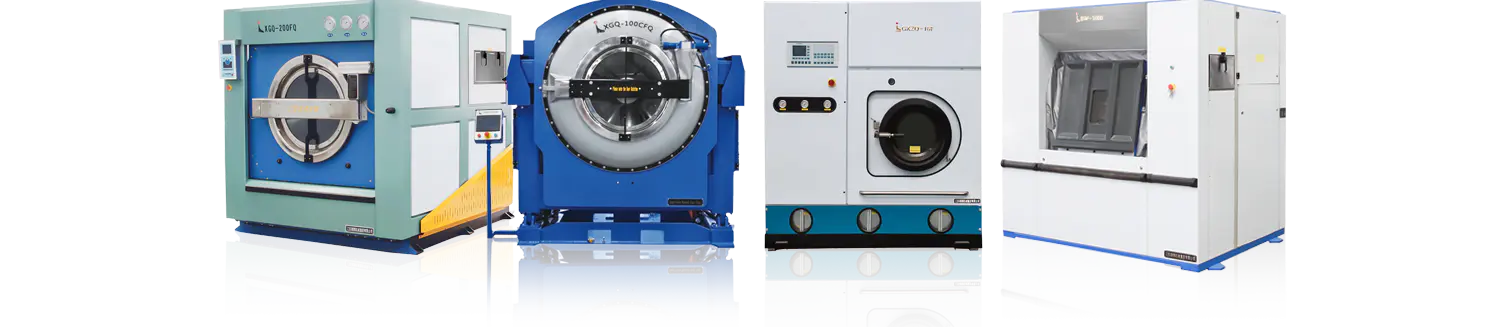
Washer extractors are available in various types, each tailored to specific needs and industries. The three main categories are commercial, industrial, and automatic washer extractors. Understanding the differences between these types is crucial when selecting the best option for a particular application.
Commercial Washer Extractors:
Commercial washer extractors are designed for use in businesses that handle high volumes of laundry, such as hotels, laundromats, and restaurants. These units are typically more compact than industrial models but are still powerful enough to handle large loads of laundry.
- Application: Hotels, restaurants, and laundromats
- Capacity: Typically ranges from 10 to 50 kg
- Features: Energy-efficient, fast washing and extraction cycles, cost-effective for businesses with high turnover.
| Type | Industry | Key Features | Capacity |
|---|---|---|---|
| High-efficiency Washer Extractor | Hotels, restaurants, laundromats | Energy-saving, fast wash cycles | 10-50 kg |
| Heavy-duty Washer Extractor | Hospitals, industrial use | Large load capacity, heavy-duty construction | 50-200 kg |
Industrial Washer Extractors:
Industrial washer extractors are designed to meet the heavy demands of large-scale laundry operations, such as hospitals, factories, and large laundry services. These machines can handle much larger loads and are built to withstand continuous, high-intensity usage.
- Application: Hospitals, factories, and industrial laundries
- Capacity: Typically ranges from 50 to 200 kg or more
- Features: Heavy-duty, large load capacity, robust build for continuous operation
Automatic Washer Extractors:
Automatic washer extractors offer advanced features like automatic detergent dispensing, temperature control, and programmable wash cycles. These machines are ideal for businesses that require precise control over washing and extraction processes.
- Application: Any business that requires automated and precise washing cycles
- Capacity: Varies depending on the model (usually between 25 kg and 100 kg)
- Features: Fully automated, user-friendly control systems, energy-efficient
Key Features and Benefits of Washer Extractors
Washer extractors come with a variety of features that make them an attractive choice for commercial and industrial laundries. Below are some of the key features and benefits that make these machines indispensable:
Energy Efficiency:
Modern washer extractors are designed to be highly energy-efficient, reducing the consumption of water, detergent, and electricity. With rising energy costs, businesses are increasingly looking for ways to save on their utility bills, and a high-efficiency washer extractor can help achieve that goal.
Automatic Control Systems:
One of the main advantages of newer washer extractors is their sophisticated control systems. These systems allow operators to customize wash cycles, adjust water temperature, set drying times, and even monitor the machine’s performance remotely.
High Load Capacity:
Washer extractors are built to handle large loads of laundry, making them ideal for businesses that need to process a high volume of linens, uniforms, or other textiles. The ability to wash and extract water from large amounts of fabric in a single cycle increases productivity and reduces labor costs.
Reduced Drying Time:
The extraction function of the washer extractor removes a significant amount of water from fabrics, reducing the need for extensive drying times. This can save both time and energy, making it more efficient than traditional washing methods.
| Model | Power Consumption (kWh/hour) | Wash Cycle Time (minutes) | Max Capacity (kg) | Recommended Industry |
|---|---|---|---|---|
| High-efficiency Extractor | 2.5 | 30 | 25 | Hotels, laundromats |
| Automatic Washer Extractor | 3.0 | 35 | 50 | Hospitals, industrial laundries |
Versatility:
Washer extractors are versatile machines that can be used to wash a wide range of fabrics, from delicate textiles to heavy-duty industrial workwear. This makes them suitable for a variety of applications, whether it’s washing towels at a hotel or uniforms at a factory.
Durability:
Built to withstand heavy usage, washer extractors are designed for long-lasting performance. Regular maintenance can extend their lifespan and ensure they continue to operate at peak efficiency.
Market Demand and Applications
The demand for washer extractors continues to grow across multiple industries, driven by the need for efficiency, cost savings, and high-quality cleaning results. Below are some key industries where washer extractors are indispensable:
Hotel Industry:
Hotels have an enormous need for washing bed linens, towels, and other fabrics. Washer extractors enable them to handle large volumes of laundry while ensuring high cleanliness standards. High-efficiency washer extractors are particularly popular in the hotel industry for their ability to clean and extract water quickly, reducing drying time and energy consumption.
Healthcare Industry:
In hospitals and other healthcare facilities, washer extractors are used to clean medical garments, linens, and other fabrics. These machines are equipped with features such as high-temperature settings and sterilization cycles, ensuring that fabrics are not only clean but also sanitized.
Industrial and Manufacturing Sectors:
Industrial washer extractors are used to clean work uniforms, overalls, and other fabric-based products used in factories and manufacturing facilities. These units can handle heavy-duty loads and are built to withstand the rigors of industrial use.
Laundromats and Dry-Cleaning Businesses:
Commercial laundromats use washer extractors to process laundry for customers. The ability to handle large volumes of laundry quickly and efficiently makes washer extractors an essential part of any laundromat operation.
Choosing the Right Washer Extractor
Selecting the right washer extractor is crucial for optimizing laundry operations. Factors such as capacity, energy efficiency, automation features, and overall cost should all be considered when making a purchase.
- Size and Capacity: Determine the size of the laundry operation and the average load size. For smaller operations, a compact commercial washer extractor may be sufficient, while larger operations may require industrial-grade models.
- Energy Efficiency: Choose a washer extractor that helps reduce operational costs by minimizing energy and water consumption.
- Automation and Control: For businesses looking for more control, an automatic washer extractor with customizable wash cycles can be a smart investment.
- Durability and Maintenance: Ensure that the washer extractor is built to last and comes with adequate after-sales support.
| Decision Factor | Importance (1-5) | Recommended Option |
|---|---|---|
| Energy Efficiency | 5 | Choose high-efficiency models to reduce costs |
| Automation Features | 4 | Ideal for businesses requiring precision |
| Capacity and Durability | 4 | Select according to operational needs |
| Brand and After-Sales Service | 5 | Opt for brands with strong customer service |
Maintenance and Care for Washer Extractors
Proper maintenance and care are essential to prolong the lifespan and efficiency of washer extractors. Regular upkeep ensures that machines run smoothly and that they continue delivering optimal performance. Neglecting maintenance can lead to breakdowns, costly repairs, and inefficient operations.
Common Issues and Solutions:
-
Clogged Drainage System:
- Issue: If the washer extractor’s drainage system is clogged, it can lead to water backflow, poor extraction, and extended drying times.
- Solution: Regularly inspect and clean the drainage system, especially after each washing cycle. Ensure that no lint or debris is blocking the pipes.
-
Poor Extraction Performance:
- Issue: Washer extractors may fail to extract enough water from fabrics if the drum or motor is malfunctioning.
- Solution: Check the motor, belt, and drum for any wear and tear. Regularly calibrate the machine’s spinning speed and ensure the load size is appropriate for the machine’s capacity.
-
Control System Malfunctions:
- Issue: Malfunctions in the washer extractor’s control system can lead to incorrect wash cycles or other performance issues.
- Solution: Ensure the control panel is clean and free from dust or moisture. If issues persist, consult the user manual for troubleshooting tips or contact the manufacturer for support.
-
Inconsistent Water Temperature:
- Issue: If the washer extractor is not maintaining consistent water temperature, it can affect the quality of cleaning.
- Solution: Check the heating element and thermostat regularly to ensure that the machine is maintaining the correct water temperature for the wash cycle.
Regular Maintenance Tips:
- Routine Inspections: Perform regular inspections of the drum, motor, drainage system, and control panels.
- Lubrication: Lubricate moving parts to prevent friction and wear.
- Clean Filters: Clean filters and drainage systems to prevent blockages and maintain efficient operation.
- Follow Manufacturer Guidelines: Always adhere to the manufacturer’s recommended maintenance schedule and guidelines to avoid voiding warranties.
Conclusion
In conclusion, washer extractors have proven to be an essential piece of equipment in the commercial and industrial laundry sectors. Their ability to wash and extract moisture in one efficient process saves businesses time, energy, and money, while also improving the quality of their laundry services.
When choosing a washer extractor, it is important for businesses to consider factors such as capacity, energy efficiency, and automation features. Additionally, regular maintenance is crucial for ensuring that these machines continue to perform at their best.
FAQ
1. What is a washer extractor?
A washer extractor is a commercial laundry machine that washes and extracts water from fabrics in a single cycle, improving efficiency and reducing drying time.
2. What industries use washer extractors?
Washer extractors are used in industries like hotels, hospitals, laundromats, and manufacturing for washing linens, uniforms, and industrial fabrics.
3. How does a washer extractor save energy?
Washer extractors are designed to minimize water and energy usage by optimizing wash cycles, using efficient motors, and extracting water effectively during the spin cycle.
4. What is the average lifespan of a washer extractor?
With proper maintenance, a washer extractor can last 10-15 years, depending on its usage and the brand’s build quality.
5. Can washer extractors be used for delicate fabrics?
Yes, many washer extractors come with customizable wash cycles that allow gentle handling of delicate fabrics while still providing efficient cleaning and extraction.

- No. 2 Lehong Road, Leyu Town, Zhangjiagang, Suzhou City, Jiangsu Province, China
- +86-512-58602532
- [email protected]
Copyright @ Jiangsu Sea-Lion Machinery Co., Ltd. All rights reserved
Custom Laundry Equipment Suppliers