English
 Français
 Español










How Do You Choose the Right Industrial Tumble Dryer for Your Facility?
Content
- 1 Understanding the Core Differences: Industrial vs Commercial Tumble Dryer
- 2 Key Technical Specifications for B2B Buyers
- 3 Industry-Specific Requirements
- 4 Energy Efficiency and Operational Costs
- 5 Capacity Selection Framework
- 6 Maintenance and Long-Term Reliability
- 7 Frequently Asked Questions
- 7.1 What is the difference between a heheavy-dutyumble dryer and a commercial dryer?
- 7.2 How do I calculate the right capacity for my industrial tumble dryer?
- 7.3 What energy efficiency standards should I look for in a commercial tumble dryer?
- 7.4 Is heat pump technology suitable for industrial tumble dryer applications?
- 8 References
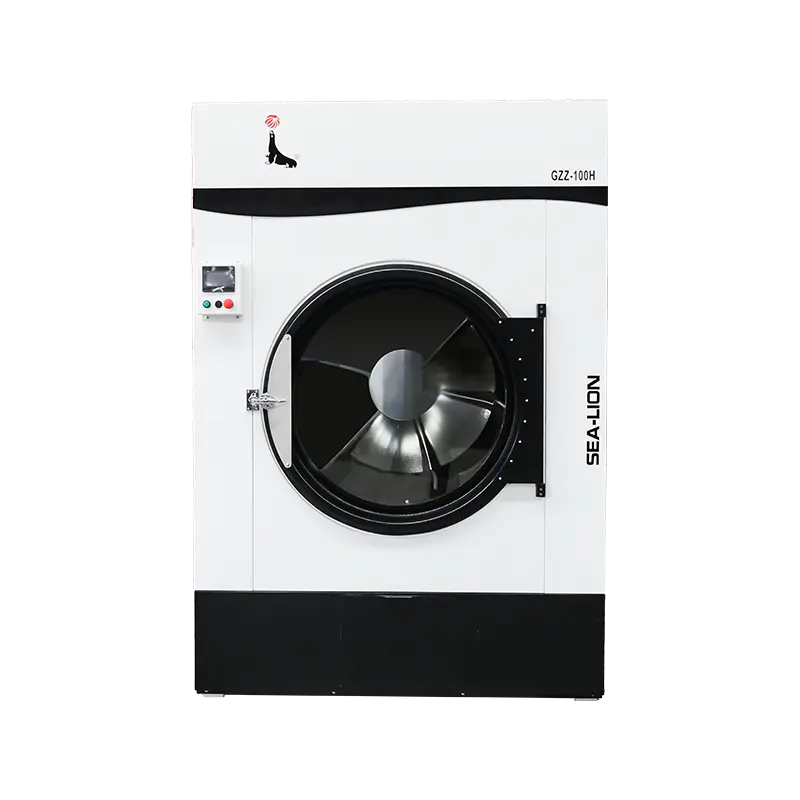
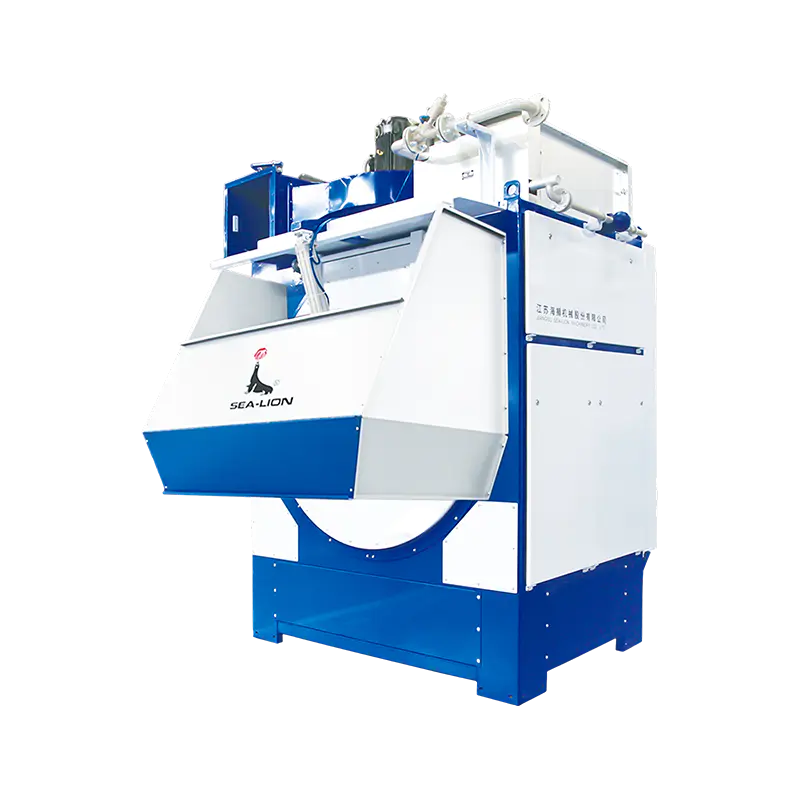
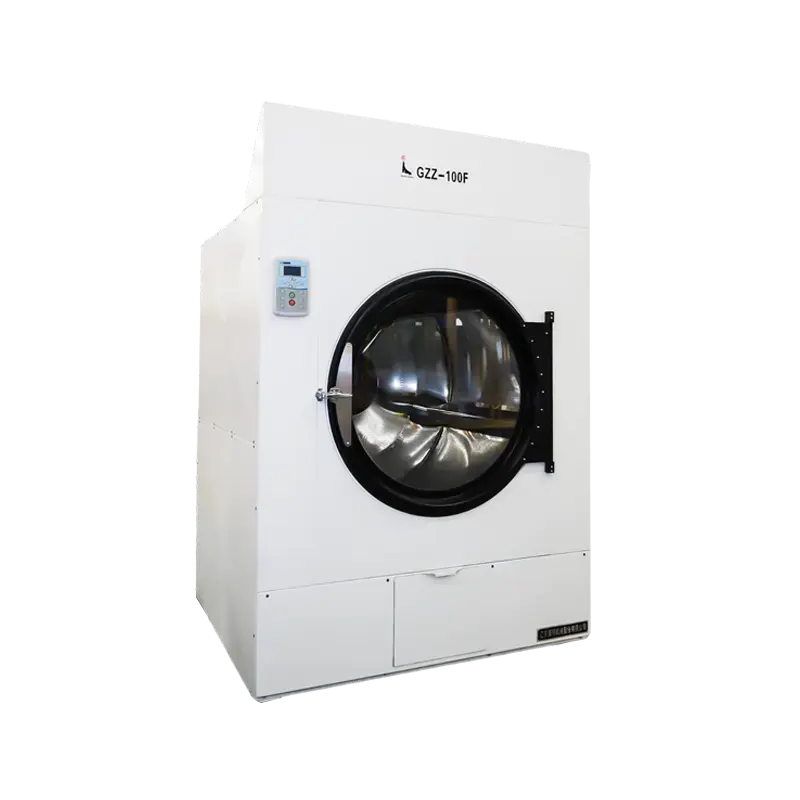
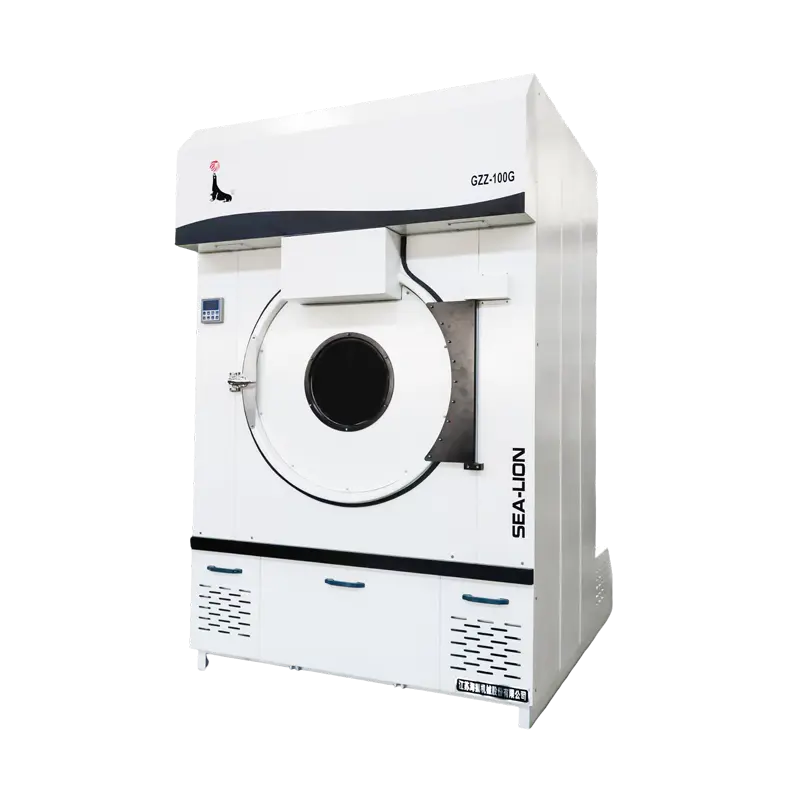
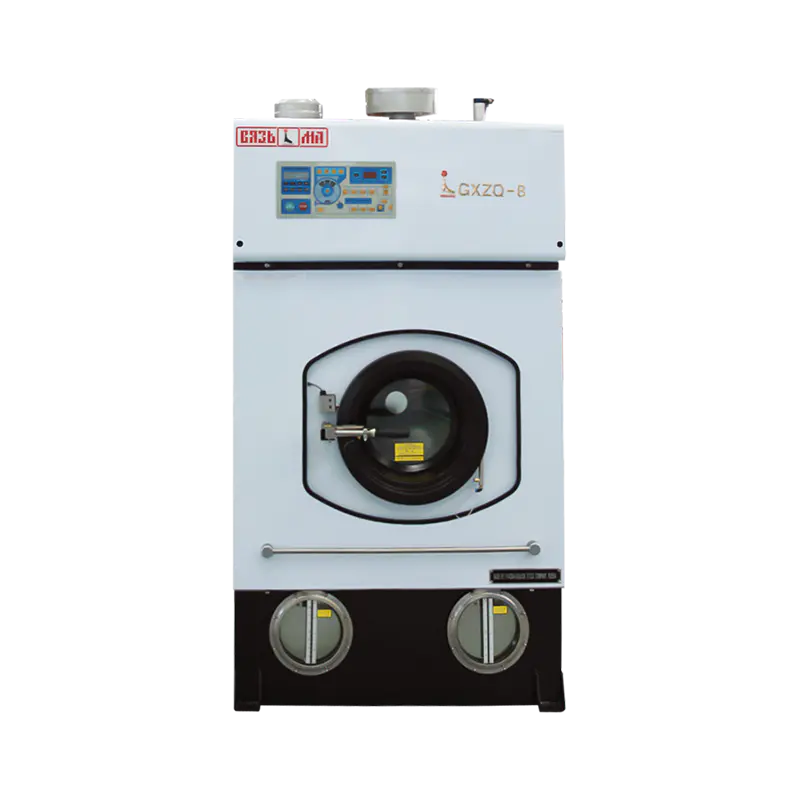
Investing in an Industrial Tumble Dryer represents a significant capital decision for any business handling large-scale laundry operations. Whether you operate a hospital, hotel, or manufacturing facility, selecting the appropriate drying equipment directly impacts operational efficiency, energy costs, and textile longevity. This comprehensive guide examines the technical specifications, industry requirements, and selection criteria that engineers and procurement professionals must evaluate.
Understanding the Core Differences: Industrial vs Commercial Tumble Dryer
Many buyers confuse Commercial Tumble Dryer models with industrial-grade equipment. While both categories serve business needs, they differ substantially in construction, capacity, and intended use cycles.
Defining Industrial Applications
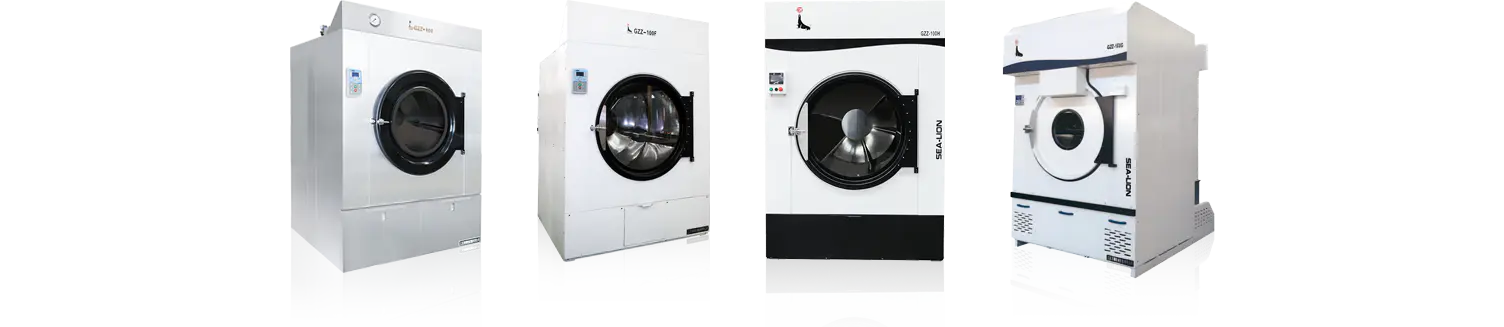
An Industrial Tumble Dryer is engineered for continuous operation in demanding environments. These machines typically process 50 kg to over 200 kg per load and feature heavy-duty stainless steel drums, reinforced bearings, and industrial-grade motors designed for 16 to 24-hour daily operation. The global industrial laundry machine market reached USD 2.96 billion in 2023 and is projected to grow to USD 4.16 billion by 2029, reflecting sustained demand for robust equipment .
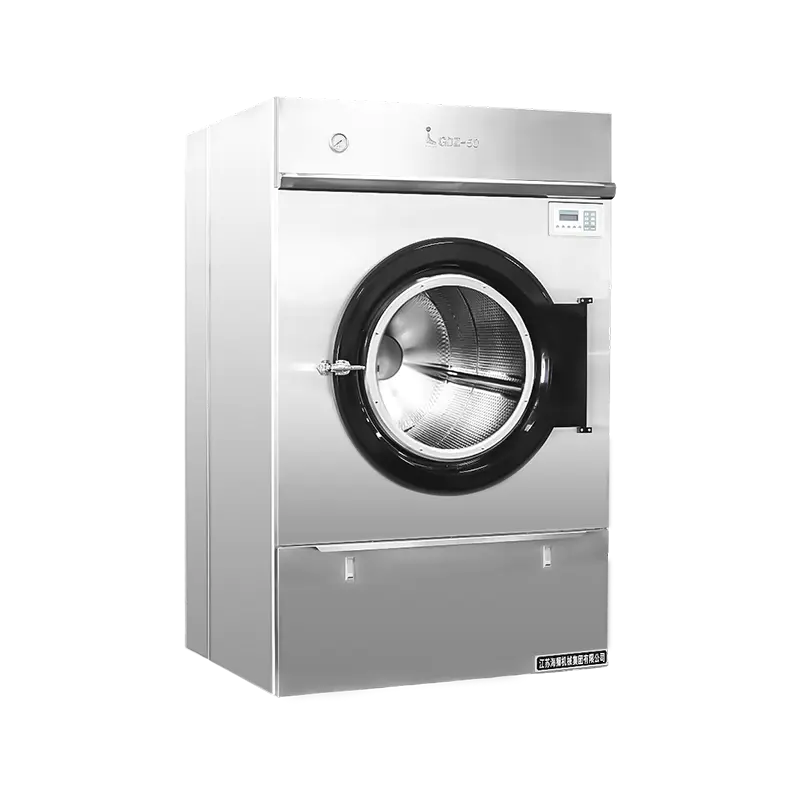
Commercial Use Cases and Requirements
Commercial Tumble Dryer units generally handle smaller capacities ranging from 15 kg to 50 kg. These machines suit hotels, spas, and small healthcare facilities with moderate daily volumes. They offer shorter cycle times and lower upfront costs, but may not withstand the continuous stress of industrial operations.
The following table outlines the key distinctions between these equipment categories:
| Specification | Industrial Tumble Dryer | Commercial Tumble Dryer |
| Load Capacity | 50 kg to 200+ kg | 15 kg to 50 kg |
| Daily Operation Hours | 16 to 24 hours | 8 to 12 hours |
| Drum Material | Heavy-duty stainless steel | Standard stainless steel |
| Motor Grade | Industrial continuous-duty | Commercial intermittent-duty |
| Expected Lifespan | 15 to 20 years | 10 to 15 years |
| Heat Source Options | Electric, gas, steam | Electric, gas |
Key Technical Specifications for B2B Buyers
Engineering teams must evaluate several critical specifications when specifying drying equipment for new installations or facility upgrades.
Drum Capacity and Throughput Calculations
Capacity selection begins with accurate volume calculations. The 30-50 kg capacity segment currently leads the market due to its optimal balance between efficiency and space requirement. However, large-scale operations may require machines exceeding 100 kg per load.
Calculate your required capacity using this formula:
- Estimate total daily laundry weight (dry basis)
- Divide by the number of operating hours
- Factor in 20% capacity buffer for peak periods
- Account for cycle time (typically 30-45 minutes per load)
Heating Systems
Modern Industrial Tumble Dryer systems offer three primary heating configurations. Electric heating provides precise temperature control and suits facilities without a gas infrastructure. Gas-fired dryers deliver faster heating and lower operational costs where natural gas is available. Steam heating integrates with existing boiler systems and offers excellent efficiency for large facilities [^7^].
Moisture Sensing and Automation
Advanced moisture sensors automatically detect residual dampness and terminate cycles when textiles reach target dryness levels. This technology prevents over-drying, reduces energy consumption by up to 30%, and extends fabric lifespan. Approximately 20% of new installations now incorporate IoT connectivity for predictive maintenance and real-time monitoring.
Industry-Specific Requirements
Different sectors impose unique demands on drying equipment. Understanding these requirements ensures compliance and operational success.
Healthcare and Hygiene Standards
An industrial tumble dryer for Healthcare Facilities must achieve specific thermal disinfection parameters. Healthcare linens require high-temperature drying cycles that eliminate pathogens and meet stringent infection control standards. Machines serving this sector should maintain temperatures exceeding 71°C for prescribed durations and feature stainless steel construction that withstands frequent sanitisation [^9^].
The healthcare sector commands approximately 25% of the industrial laundry equipment market share, driven by hygiene requirements and consistent linen demand.
Hospitality and High-Volume Operations
Hotels and resorts require rapid turnaround capabilities. The hospitality industry accounts for roughly 30% of market share, emphasising the need for equipment that balances speed with fabric care. Stackable configurations maximise floor space efficiency, while programmable controls accommodate diverse textile types from delicate linens to heavy towels.
Manufacturing and Industrial Workwear
Facilities processing industrial workwear face unique challenges, including heavy soil loads, oil contamination, and abrasive fabrics. These applications demand Heavy Duty Tumble Dryer configurations with enhanced lint management systems and robust drum construction.
Energy Efficiency and Operational Costs
Energy consumption represents a major operational expense, making Commercial Tumble Dryer Energy Efficiency Standards a critical evaluation criterion.
Understanding Energy Efficiency Standards
Approximately 45% of new industrial laundry equipment purchases in 2023 selected energy-efficient models, reflecting industry prioritisation of sustainability. Buyers should verify compliance with regional efficiency certifications and evaluate the total cost of ownership rather than focusing solely on purchase price.
Heat Recovery Systems and Cost Savings
Advanced Industrial Tumble Dryer systems incorporate heat recovery technology that captures exhaust heat and redirects it for pre-heating incoming air. This innovation reduces energy consumption by up to 40% compared to conventional designs. Heat pump dryers represent another efficient option, reusing hot air during the drying process to achieve significant operational savings [^9^].
The following table compares energy characteristics across heating technologies:
| Heating Technology | Energy Efficiency Rating | Typical Operating Cost | Best Application |
| Electric Resistance | Standard | Higher | Small facilities, no gas access |
| Natural Gas | Good | Lower | High-volume operations |
| Heat Pump | Excellent | Lowest | Energy-conscious facilities |
| Steam | Good | Moderate | Facilities with boiler systems |
Capacity Selection Framework
Proper capacity selection prevents bottlenecks and maximises equipment utilisation. This section provides a systematic approach to Industrial Tumble Dryer Capacity Selection.
Calculating Daily Laundry Volume
Begin by quantifying your actual laundry output. Track weight measurements over a representative period, accounting for seasonal variations. Healthcare facilities typically generate 5-10 kg of linen per bed daily, while hotels average 8-15 kg per room.
Matching Capacity to Operational Needs
Select equipment that processes your daily volume within your operating window. Consider these industry benchmarks:
| Industry Sector | Recommended Capacity Range | Typical Configuration |
| Small Healthcare (50-100 beds) | 30-50 kg per machine | 2-3 units |
| Mid-Size Hotel (100-200 rooms) | 50-100 kg per machine | 2-4 units |
| Large Hospital (300+ beds) | 100-200 kg per machine | Multiple units with backup |
| Industrial Workwear Facility | 50-150 kg per machine | 3-5 units |
| Commercial Laundry Service | 100-200+ kg per machine | Scalable array |
Maintenance and Long-Term Reliability
Industrial drying equipment represents a long-term investment. Commercial washers and dryers typically last 15 to 20 years when properly maintained, compared to 10 to 13 years for residential-grade equipment.
Essential maintenance protocols include:
- Daily lint removal from screens and ductwork
- Weekly inspection of belts, bearings, and heating elements
- Monthly calibration of moisture sensors and temperature controls
- Quarterly examination of gas connections and exhaust systems
- Annual professional servicing of motors and drive systems
Manufacturers offering extended warranties (3-5 years on critical components) demonstrate confidence in their engineering quality
Frequently Asked Questions
What is the difference between a heheavy-dutyumble dryer and a commercial dryer?
A Heavy Duty Tumble Dryer is built for extreme continuous operation, typically processing larger loads (50 kg+) with industrial-grade components designed for 16-24 hour daily use. A Commercial Tumble Dryer handles moderate volumes (15-50 kg) and suits facilities with 8-12 hour operational schedules. Heavy-duty models feature reinforced drums, continuous-duty motors, and longer expected lifespans (15-20 years versus 10-15 years).
How do I calculate the right capacity for my industrial tumble dryer?
Calculate your daily laundry weight in kilograms, then divide by your available operating hours to determine hourly processing requirements. Multiply by average cycle time (typically 0.5 to 0.75 hours) to determine minimum capacity per machine. Industry guidelines suggest adding 20-25% buffer capacity for peak periods. For example, a 200-bed hospital generating 1,500 kg daily with 16 operating hours requires approximately 75-100 kg capacity per machine.
What energy efficiency standards should I look for in a commercial tumble dryer?
Seek equipment with Commercial Tumble Dryer Energy Efficiency Standards certification applicable to your region, such as ENERGY STAR or China Energy Label. Prioritise machines with heat recovery systems, automatic load sensing, and moisture-controlled cycle termination. These features reduce energy consumption by 30-40% compared to basic models. Heat pump technology offers the highest efficiency ratings for facilities prioritising sustainability.
Is heat pump technology suitable for industrial tumble dryer applications?
Yes, Commercial Tumble Dryer with Heat Pump Technology is increasingly viable for industrial applications, particularly in energy-conscious facilities. Heat pump dryers reuse heated air, reducing energy consumption significantly compared to vented or condenser models. While initial costs are higher, operational savings often achieve return on investment within 2-3 years. These systems are ideal for healthcare and hospitality sectors where fabric care and energy efficiency are both priorities.
References
- Market Reports World. (2026). Industrial Laundry Equipment Market Size, Analysis Report By 2035. Retrieved from marketreportsworld.com
- Alibaba Product Insights. (2025). Laundry Equipment In Guangzhou: Material Standards, Technical Specifications, and Applications Across Industries.
- JLA Laundry Expert. (2025). Commercial tumble dryer buying guide. Retrieved from jla.com
- Market Research Future. (2025). Industrial Laundry Market Size, Growth, Trends, Report 2035.
- Coherent Market Insights. (2025). Commercial Laundry Equipment Market Forecast, 2025-2032.
- Arizton Advisory & Intelligence. (2024). Industrial Laundry Machine Market Size, Share, Growth Report 2024-2029.

- No. 2 Lehong Road, Leyu Town, Zhangjiagang, Suzhou City, Jiangsu Province, China
- +86-512-58602532
- [email protected]
Copyright @ Jiangsu Sea-Lion Machinery Co., Ltd. All rights reserved
Custom Laundry Equipment Suppliers