English
 Français
 Español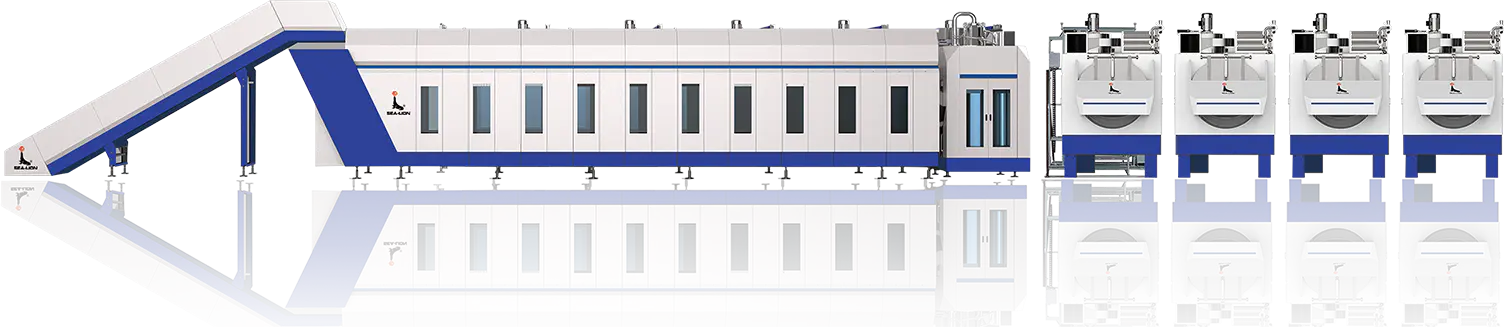

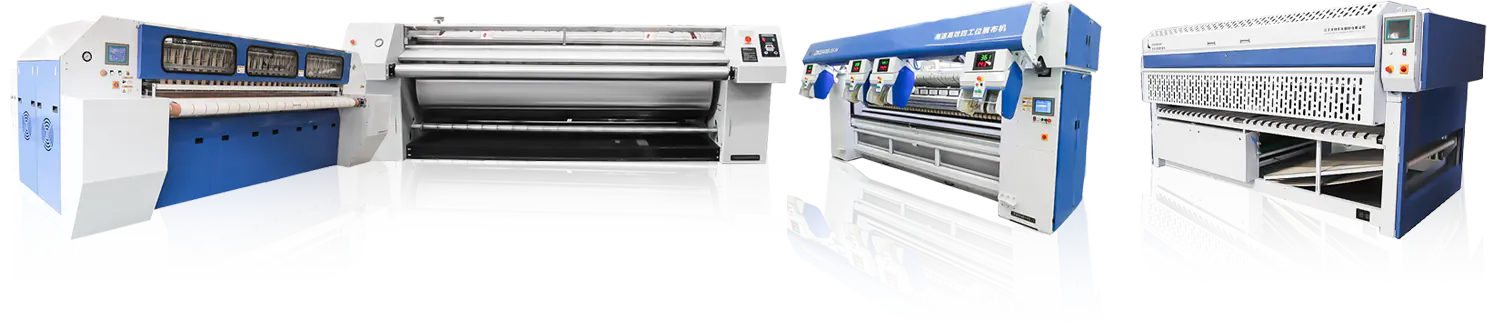









What Makes a Garment Post Finishing Machine Essential for Modern Factories?
Content
- 1 Introduction to Garment Finishing Equipment
- 2 Types of Garment Post Finishing Machines
- 3 Advanced Features of Garment Finishing Equipment
- 4 Energy Efficiency and Operational Costs
- 5 Choosing the Right Garment Finishing Equipment
- 6 Maintenance and Safety Considerations
- 7 Conclusion
- 8 FAQ
- 8.1 1. What is the main benefit of a garment post finishing machine?
- 8.2 2. How does energy-efficient garment finishing equipment impact production costs?
- 8.3 3. Can a multi-functional garment post-finishing equipment replace several single-function machines?
- 8.4 4. What maintenance is required for garment finishing equipment?
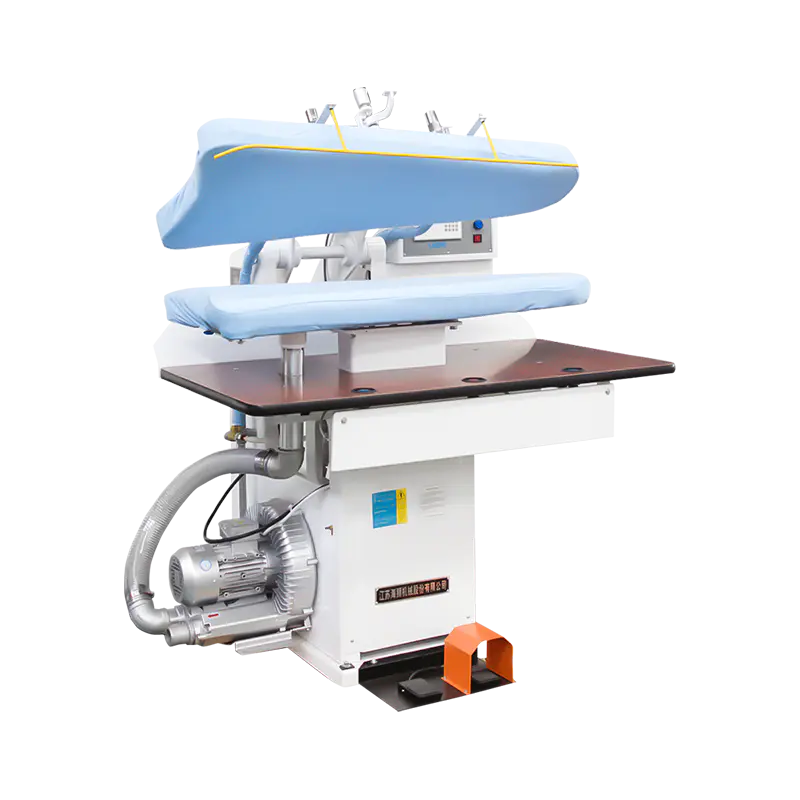
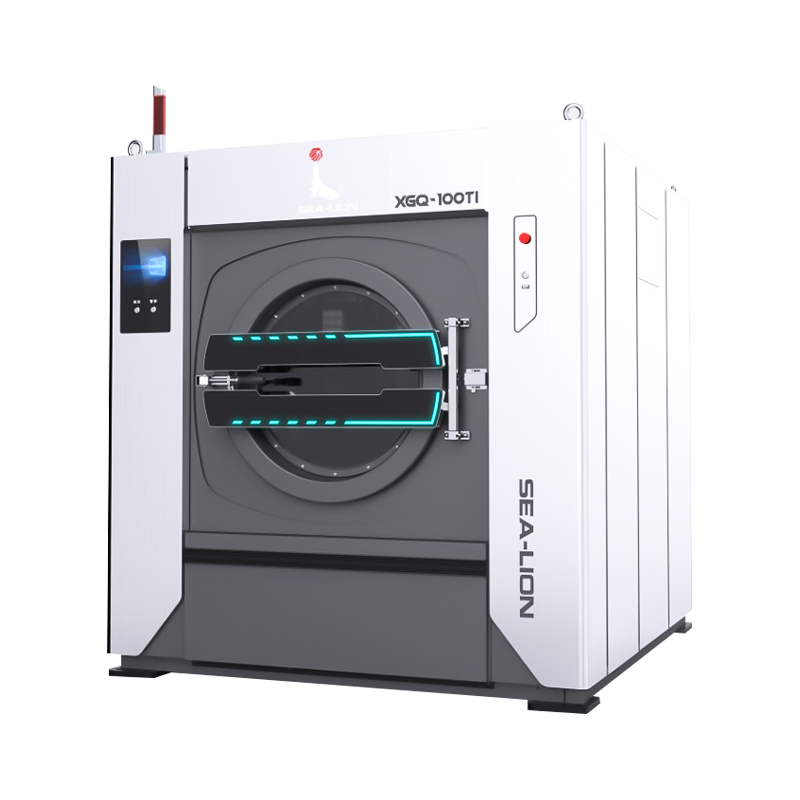
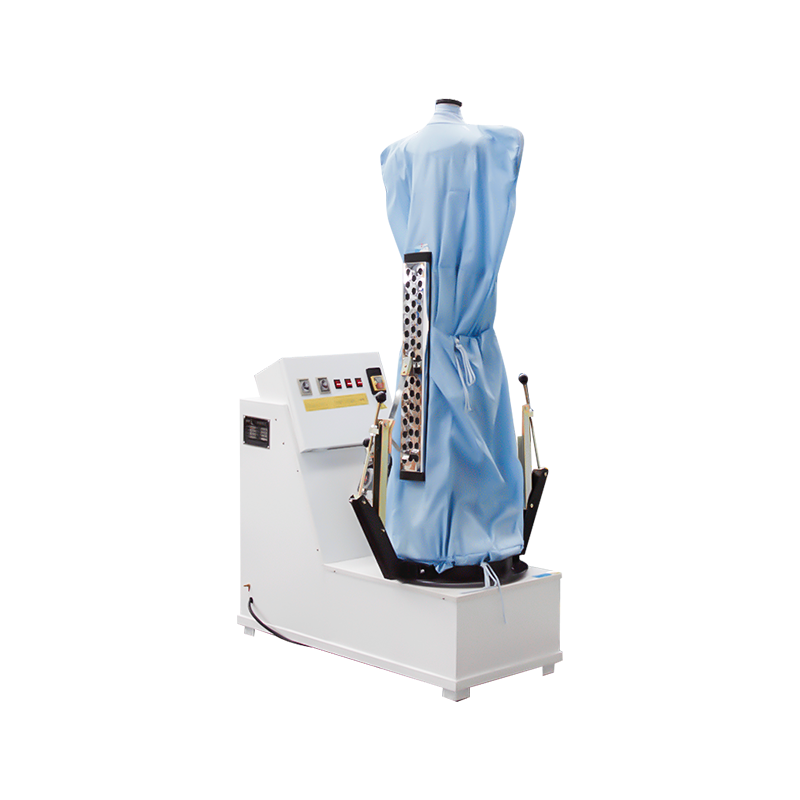
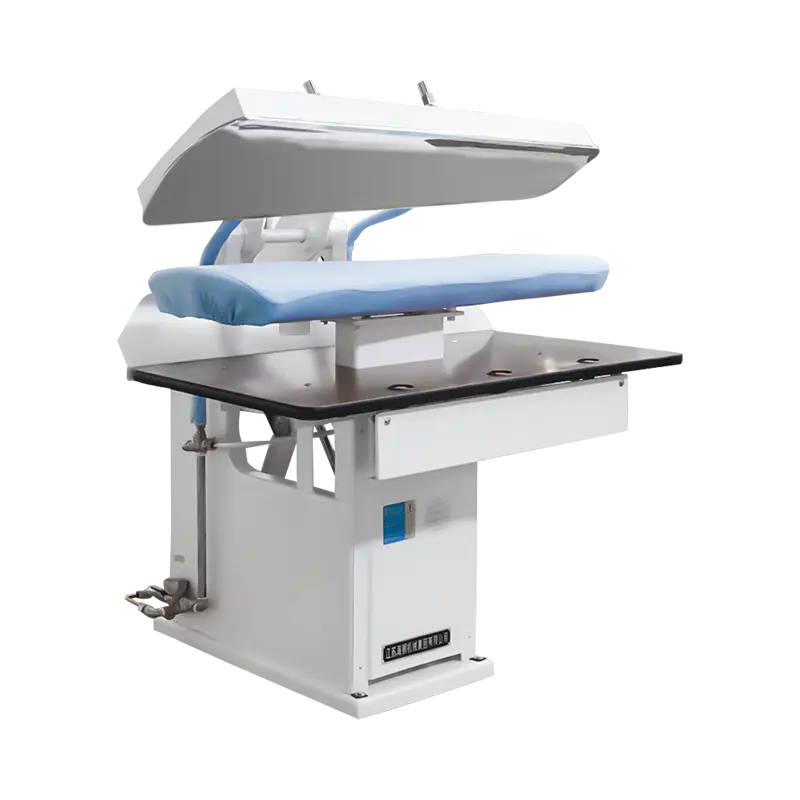
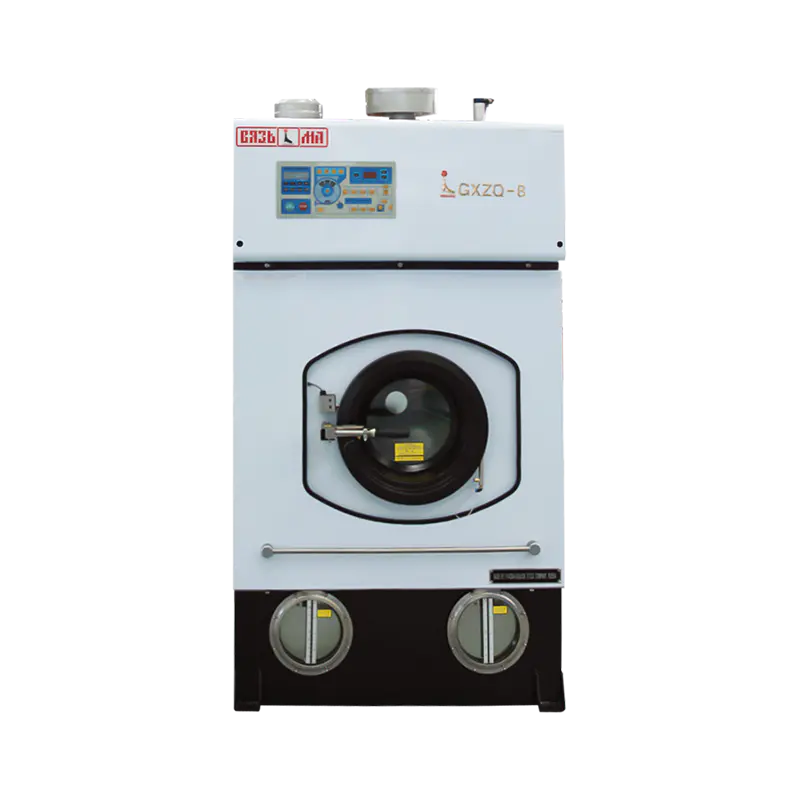
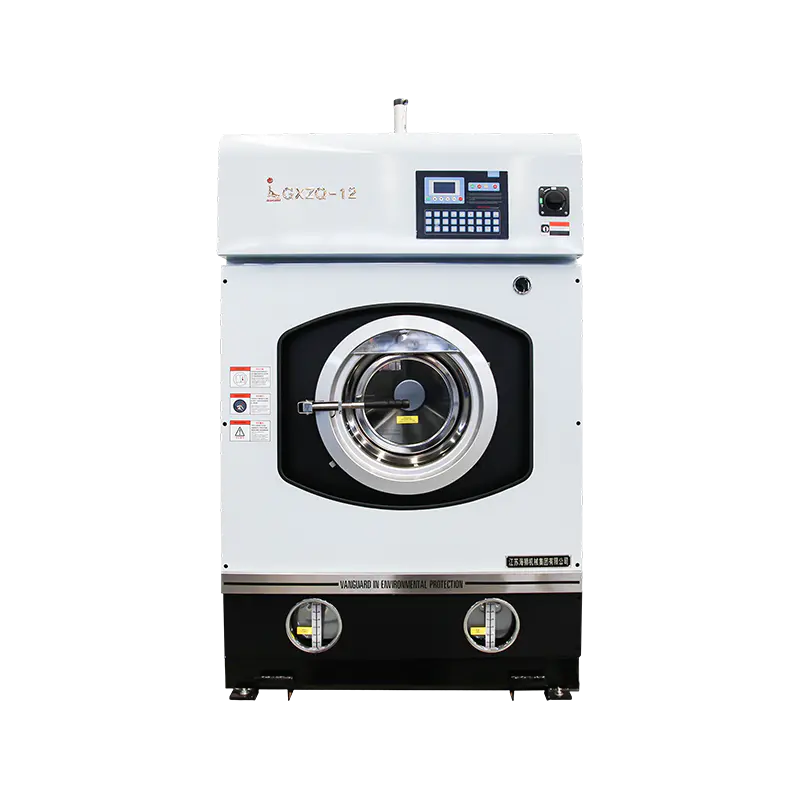
Introduction to Garment Finishing Equipment
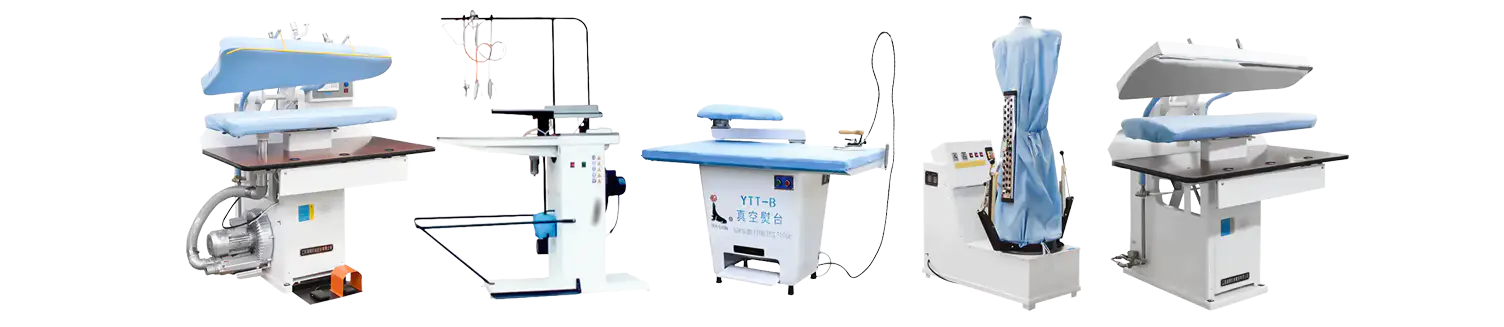
The role of a garment post-finishing machine has become indispensable in modern textile manufacturing. These machines ensure garments meet the desired quality standards by applying final processes such as pressing, steaming, and folding. Using advanced garment finishing equipment improves consistency, reduces manual labor, and enhances production efficiency.
- Enhances garment appearance and texture
- Reduces production time for large orders
- Minimizes human error in finishing processes
Types of Garment Post Finishing Machines
Industrial Garment Post Finishing Machine for Bulk Production
This type of machine is designed for high-volume factories. It can process hundreds of garments per hour, maintaining uniform quality across batches. Specifications include adjustable temperature settings, steam control, and automatic fabric detection systems.
High-Speed Garment Finishing Machine for Large Orders
High-speed machines offer throughput rates of 500 to 1000 garments per hour, depending on garment type. They are ideal for large-scale production, ensuring deadlines are met without compromising finishing quality.
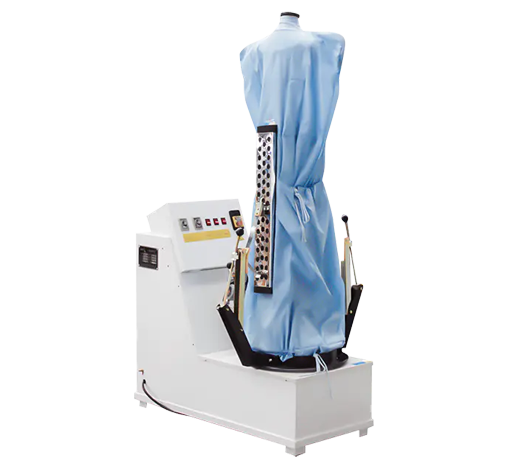
Advanced Features of Garment Finishing Equipment
Automatic Garment Finishing Equipment for Factories
Automation significantly reduces labor requirements and ensures consistent output. Features include programmable cycles, robotic handling, and automated quality checks.
Multi-Functional Garment Post Finishing Equipment
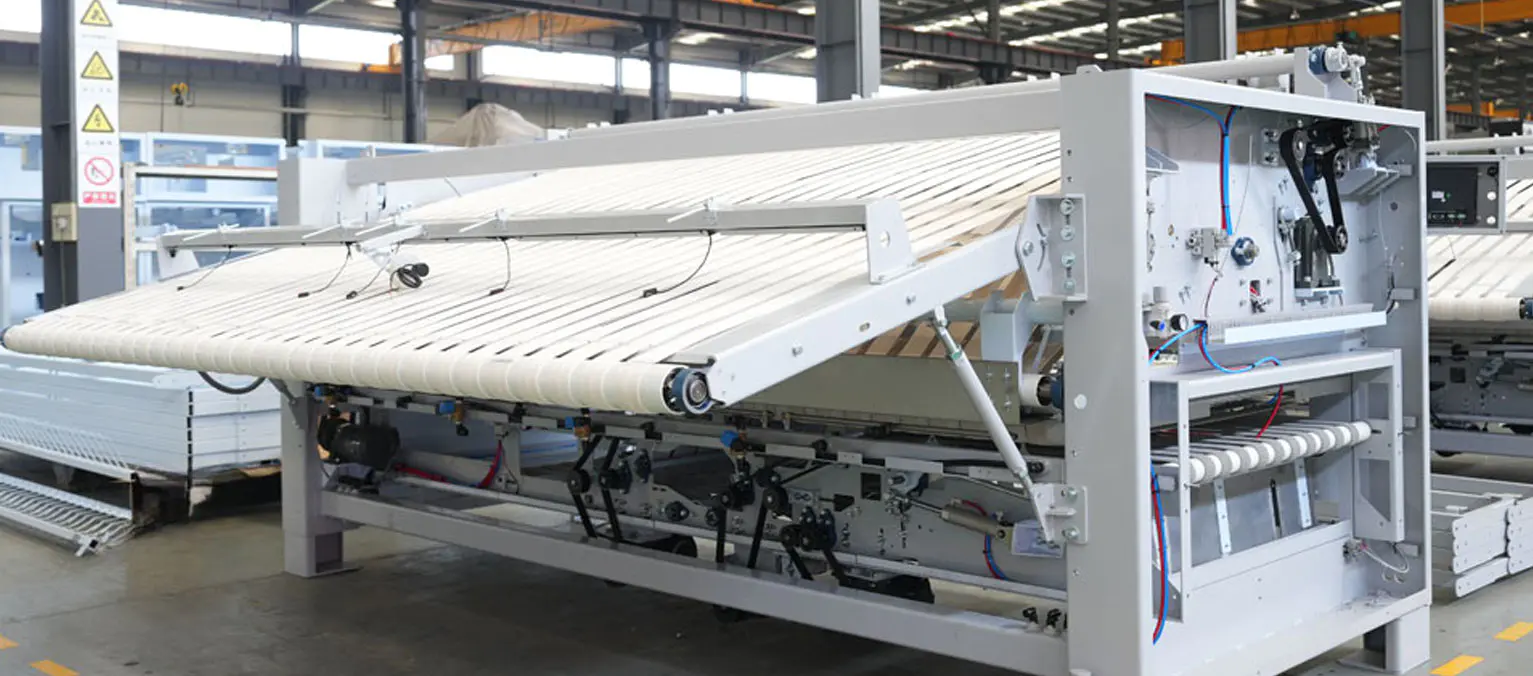
These machines integrate multiple processes into a single system, including pressing, steaming, folding, and packaging. They allow flexible operation for diverse garment types, improving overall factory efficiency.
Energy Efficiency and Operational Costs
Energy-Efficient Garment Post Finishing Systems
Energy efficiency is a critical consideration for sustainable operations. Modern garment finishing equipment reduces electricity consumption and water usage while maintaining high output.
Below is a comparison of typical energy usage and operational costs:
| Machine Type | Energy Consumption (kWh/hour) | Operational Cost ($/hour) | Output per Hour (Garments) |
| Industrial Bulk Machine | 12 | 15 | 500 |
| High-Speed Finishing Machine | 18 | 22 | 800 |
| Multi-Functional System | 15 | 20 | 600 |
Choosing the Right Garment Finishing Equipment
Key Factors to Consider
- Production volume and factory scale
- Garment types and material sensitivity
- Automation needs and labor cost reduction
- Energy consumption and environmental impact
Performance Comparison of Different Machines
To help procurement teams select the best option, the table below compares popular machine types based on performance and functionality:
| Model Type | Throughput (Garments/hour) | Energy Consumption (kWh/hour) | Automation Level | Multi-functionality |
| Industrial Bulk Machine | 500 | 12 | Medium | Single-function |
| High-Speed Finishing Machine | 800 | 18 | High | Single-function |
| Multi-Functional System | 600 | 15 | High | Multiple functions |
Maintenance and Safety Considerations
Routine Maintenance Tips
- Regular cleaning ofthe steam and pressing components
- Lubrication of moving parts to reduce wear
- Scheduled inspection of sensors and controllers
- Replacement of worn belts and heating elements
Safety Protocols for Operators
- Proper training on machine operation
- Use of protective gloves and clothing
- Emergency stop procedures are clearly marked
- Regular safety audits and equipment checks
Conclusion
Investing in a modern garment post-finishing machine or advanced garment finishing equipment enhances production efficiency, ensures consistent quality, and reduces operational costs. By evaluating energy efficiency, automation capabilities, and multi-functionality, factories can optimize their finishing processes to meet the demands of large-scale garment production.
FAQ
1. What is the main benefit of a garment post finishing machine?
The main benefit is consistent garment quality with reduced manual labor. It streamlines pressing, steaming, and folding processes, increasing efficiency in bulk production.
2. How does energy-efficient garment finishing equipment impact production costs?
Energy-efficient systems reduce electricity usage and water consumption, lowering operational expenses while maintaining output. This is crucial for large-scale manufacturing sustainability.
3. Can a multi-functional garment post-finishing equipment replace several single-function machines?
Yes. Multi-functional machines combine pressing, steaming, and folding, reducing factory footprint, simplifying workflows, and improving overall efficiency.
4. What maintenance is required for garment finishing equipment?
Routine maintenance includes cleaning, lubrication, sensor checks, and replacement of worn components. Proper maintenance ensures long-term reliability and safety.

- No. 2 Lehong Road, Leyu Town, Zhangjiagang, Suzhou City, Jiangsu Province, China
- +86-512-58602532
- [email protected]
Copyright @ Jiangsu Sea-Lion Machinery Co., Ltd. All rights reserved
Custom Laundry Equipment Suppliers