English
 Français
 Español







How do barrier washer extractors prevent cross-contamination in hospitals?
Content
- 1 What Is a Barrier Washer Extractor?
- 2 The Core Mechanism: How Cross-Contamination Is Prevented
- 3 Workflow Design: Dirty-to-Clean Linen Flow
- 4 Compliance with International Standards and Regulatory Requirements
- 5 Types of Linen and Infection Risk Classification
- 6 Preventing Staff Exposure: Occupational Safety Benefits
- 7 Key Technical Features That Support Contamination Control
- 8 Common Errors That Undermine Barrier Effectiveness
- 9 Microbiological Testing and Validation of Barrier Washer Performance
- 10 Integration with Broader Hospital Infection Control Programs
- 11 FAQ: Barrier Washer Extractors in Hospital Settings
- 11.0.1 Q1: What is the main difference between a barrier washer extractor and a standard commercial washer?
- 11.0.2 Q2: Can a barrier washer extractor completely eliminate the risk of cross-contamination?
- 11.0.3 Q3: What wash temperature is required for hospital linen?
- 11.0.4 Q4: How often should a barrier washer extractor be revalidated?
- 11.0.5 Q5: Is a barrier washer extractor required by law in hospitals?
- 11.0.6 Q6: Can water-soluble bags be used with barrier washer extractors?
- 11.0.7 Q7: What capacity barrier washer extractors are available for hospitals?
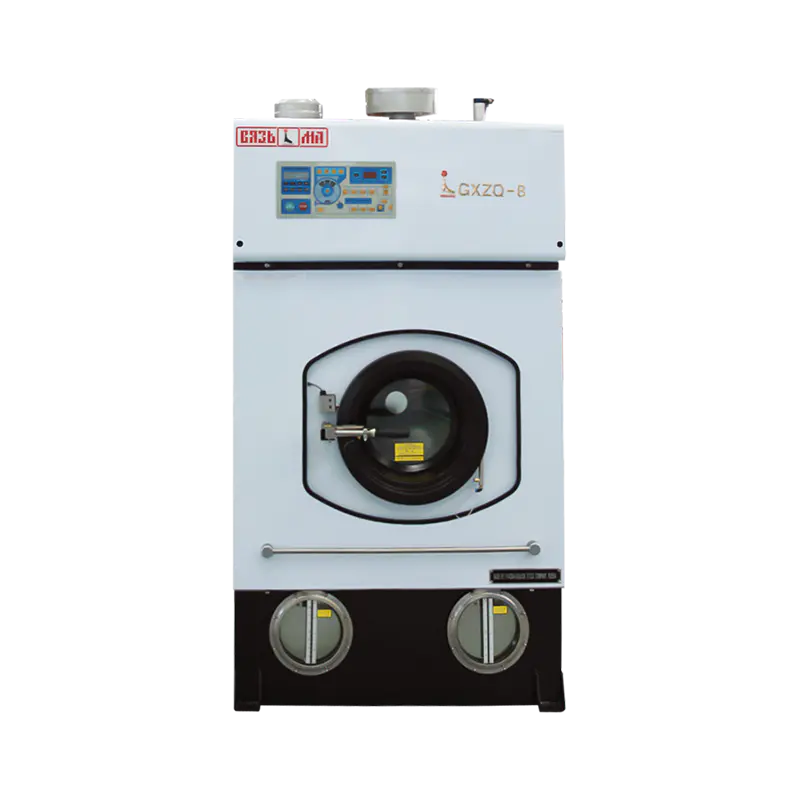
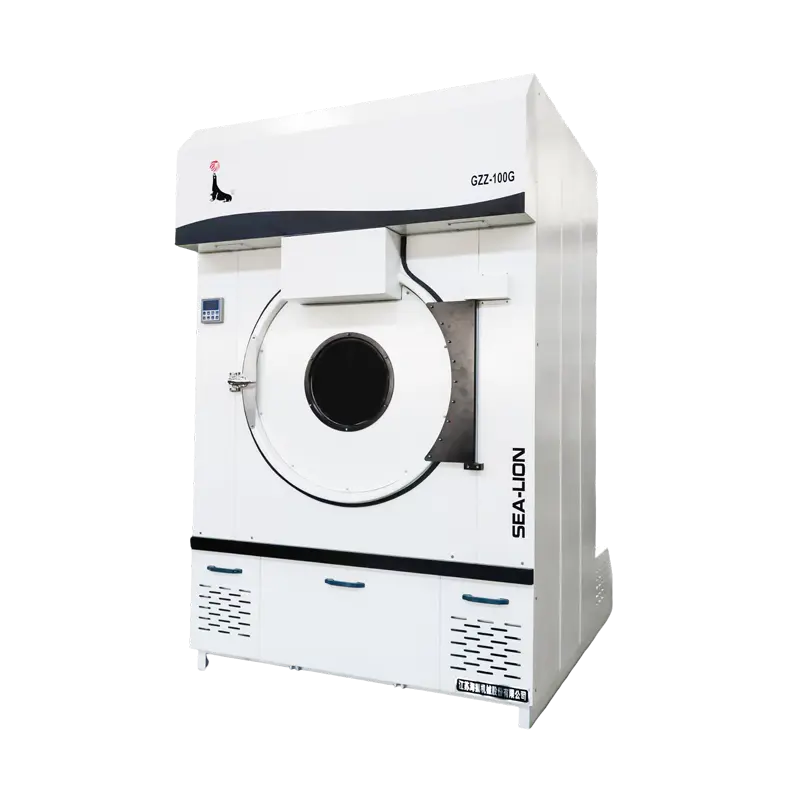
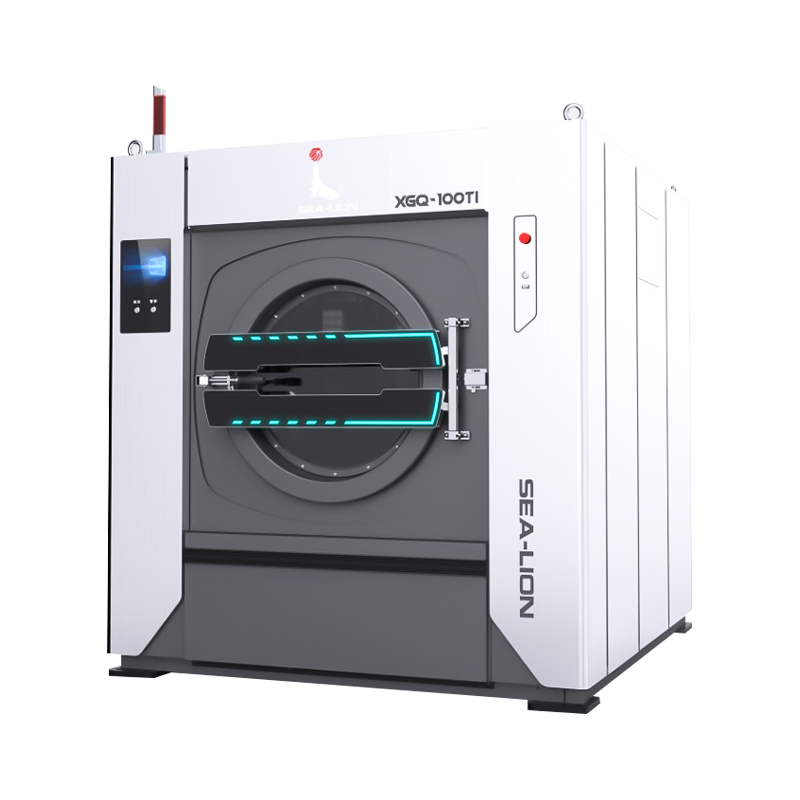
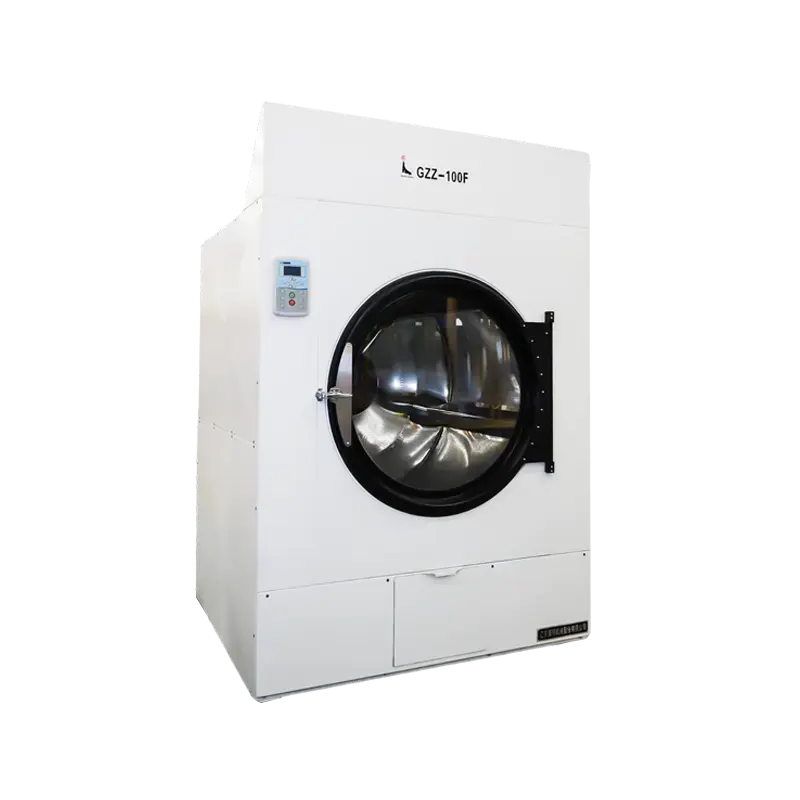
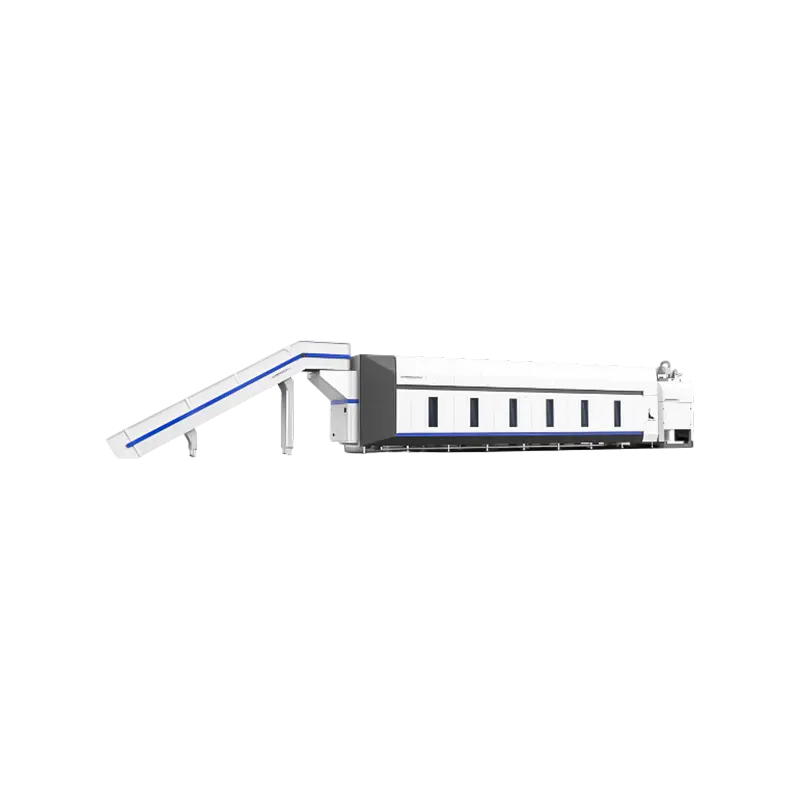
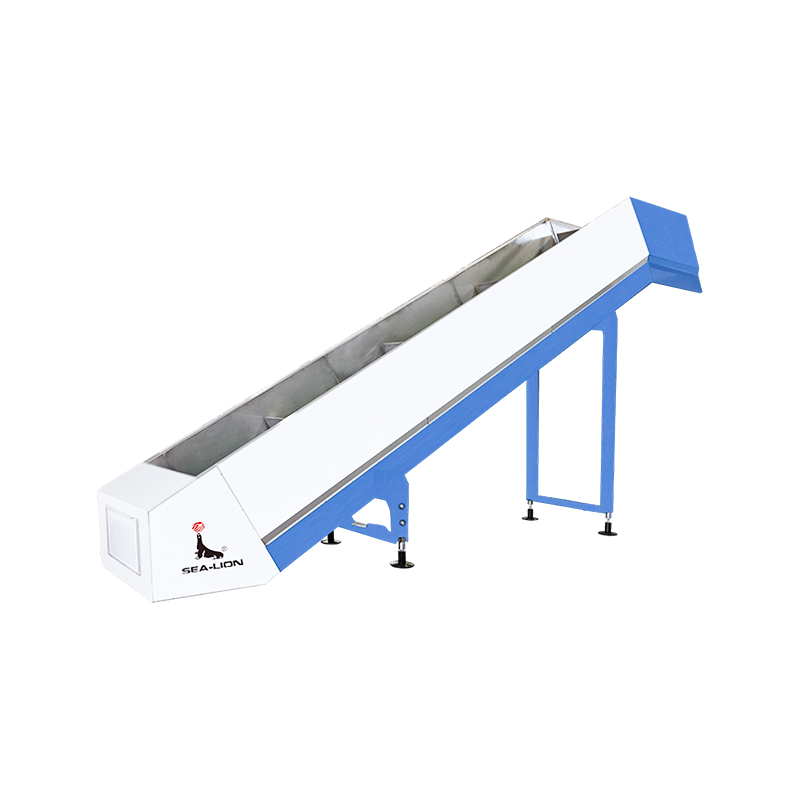
In hospital laundry management, barrier washer extractors are the single most effective mechanical safeguard against cross-contamination between soiled and clean linen. These machines physically separate the dirty side of laundry processing from the clean side, ensuring that pathogens carried on used textiles never come into contact with freshly washed items. For infection control officers and healthcare facility managers, understanding exactly how this separation works — and why it matters — is essential to building a compliant, safe laundry workflow.
This article explains the full mechanism of contamination prevention in barrier washer extractors, supported by operational data, regulatory context, and practical guidance for hospital laundry departments.
What Is a Barrier Washer Extractor?
A barrier washer extractor is a pass-through washing machine specifically engineered for healthcare environments. Unlike standard commercial washers, it is installed through a structural wall that physically divides a laundry facility into two zones:
- Dirty side (soiled utility area): Where contaminated linen is received, sorted, and loaded into the machine.
- Clean side (clean utility area): Where the washed and extracted linen is unloaded, dried, folded, and dispatched.
The machine drum is accessible from both sides, but the two doors are mechanically and electronically interlocked so that they cannot be open simultaneously. Loading happens on the dirty side; unloading happens on the clean side — and never the reverse. This one-directional workflow is the foundation of cross-contamination prevention in hospital laundry.
The Core Mechanism: How Cross-Contamination Is Prevented
Physical Barrier Architecture
The barrier is not merely a policy or a procedural guideline — it is a physical structure. The washer extractor is mounted through a partition wall, typically constructed of reinforced concrete or sealed masonry, with the machine frame sealed to eliminate any air gap. This means that no air, aerosol, or surface contact can pass between the dirty and clean zones around the machine body.
Studies on healthcare-associated infections (HAIs) have consistently identified contaminated textiles as a reservoir for pathogens including Clostridioides difficile, methicillin-resistant Staphylococcus aureus (MRSA), and vancomycin-resistant enterococci (VRE). A physical barrier that eliminates the possibility of re-contamination after washing directly reduces this transmission pathway.
Interlocked Door System
The double-door interlock is perhaps the most critical engineering feature. The control system enforces a strict sequence:
- The dirty-side door is opened, linen is loaded, and the door is closed and locked.
- The wash cycle runs — typically at temperatures between 71°C and 90°C depending on linen type and infection risk classification.
- Only after the wash and extraction cycle is fully complete does the clean-side door unlock and become operable.
- Once the clean-side door opens, the dirty-side door is locked until the clean-side door is closed again and the next cycle begins.
This interlock cannot be overridden by operators during normal use. Even if a staff member on the dirty side attempts to open the machine mid-cycle or after the clean door has opened, the system will prevent it. There is no manual bypass in compliant machines, which removes human error as a variable in contamination risk.
Differential Air Pressure Between Zones
Many hospital laundry facilities using barrier washer extractors also implement negative air pressure on the dirty side and positive or neutral pressure on the clean side. This pressure differential ensures that any airborne microbial particles — generated when shaking out soiled linen — are drawn away from the clean zone rather than migrating toward it.
Ventilation systems are designed so that air flows from clean to dirty, never in reverse. When combined with the physical machine barrier, this creates a layered defense that addresses both contact transmission and airborne transmission routes.
Thermal Disinfection During the Wash Cycle
The washing process itself is a critical disinfection stage. Barrier washer extractors in hospital use are programmed with validated disinfection cycles that meet international standards. The most widely referenced benchmark is maintaining a wash temperature of 71°C for at least 3 minutes (known as the A0 600 concept) or 65°C for 10 minutes to achieve a thermal disinfection outcome sufficient for healthcare linen.
For highly infectious or immunocompromised-patient linen, cycles at 90°C are commonly applied. These temperatures, combined with appropriate detergent chemistry at the correct concentration and contact time, achieve a log 5 to log 6 reduction in bacterial load — meaning 99.999% to 99.9999% of viable organisms are eliminated before the clean-side door ever opens.
Workflow Design: Dirty-to-Clean Linen Flow
Cross-contamination prevention is not only about the machine — it is about the entire workflow that the machine anchors. A properly designed hospital laundry using a barrier washer extractor follows a strictly one-directional process:
| Stage | Zone | Key Risk Control |
| Linen collection & transport | Dirty side | Sealed bags, color-coded carts |
| Sorting & weighing | Dirty side | PPE for staff, ventilated area |
| Loading into barrier washer | Dirty side | Door interlock engaged |
| Wash & thermal disinfection | Machine (sealed) | Validated temperature/time cycle |
| Unloading on clean side | Clean side | No dirty-side access possible |
| Drying, folding, packaging | Clean side | Clean staff, clean surfaces only |
| Distribution to wards | Clean side / clean route | Separate delivery carts/vehicles |
Staff operating on the dirty side must not enter the clean side without changing protective equipment and following hand hygiene protocols. This separation of personnel mirrors the separation enforced by the machine itself. In well-designed facilities, dirty-side and clean-side staff have entirely separate access routes, break rooms, and exits.
Compliance with International Standards and Regulatory Requirements
The use of barrier washer extractors in hospitals is not merely best practice — it is required or strongly recommended by health authorities and standards bodies in most developed healthcare systems.
Key Standards Referencing Barrier Washing
- ISO 15797: Specifies industrial washing procedures for hospital textiles, including thermal disinfection requirements and the importance of separating contaminated from processed linen.
- EN 14065 (RABC — Risk Analysis and Biocontamination Control): The European standard for laundry biocontamination control systems, which mandates documented physical separation between dirty and clean processing areas.
- HTM 01-04 (UK Health Technical Memorandum): Specifically recommends pass-through (barrier) machines for hospital laundry and defines thermal disinfection parameters. It classifies healthcare linen into thermolabile and thermostable categories, with different wash protocols for each.
- CDC Guidelines for Environmental Infection Control: The U.S. Centers for Disease Control and Prevention advise that soiled healthcare textiles should be handled and processed in a manner that prevents contamination of clean areas, staff, and patients.
Non-compliance with these frameworks can result in regulatory action, failed accreditation surveys (such as Joint Commission assessments in the U.S.), and — most critically — preventable patient harm.
Types of Linen and Infection Risk Classification
Not all hospital linen carries the same contamination risk, and barrier washer extractors are typically programmed with multiple cycles calibrated to the linen category. Understanding this classification helps laundry managers configure machines appropriately.
Standard Healthcare Linen
Bed sheets, pillowcases, towels, and general ward clothing from non-infectious patients. These are washed at 65–71°C with standard disinfection programs. The barrier machine still applies here because even visually clean linen may carry transient pathogens from hospital surfaces.
Infectious / High-Risk Linen
Linen from isolation rooms, patients with confirmed MRSA, VRE, C. difficile, or other notifiable infections. This category requires wash temperatures of 85–90°C and may be bagged in water-soluble bags that dissolve inside the drum, meaning staff never directly handle the contaminated items before washing. Barrier washer extractors are particularly critical for this category because the risk of staff exposure during handling is high.
Thermolabile (Heat-Sensitive) Items
Delicate fabrics, microfiber products, and certain reusable surgical drapes cannot withstand high-temperature wash cycles. For these, barrier machines support lower-temperature programs combined with chemical disinfection — using peracetic acid or activated oxygen systems that achieve equivalent microbicidal efficacy at temperatures as low as 40°C, provided sufficient contact time and concentration are maintained.
Preventing Staff Exposure: Occupational Safety Benefits
Cross-contamination prevention in a hospital laundry is not only a patient safety issue — it is also an occupational health concern. Laundry workers are at elevated risk of exposure to:
- Bloodborne pathogens from sharps accidentally left in linen
- Respiratory hazards from bioaerosols generated during sorting
- Dermal exposure to contaminated body fluids
- Chemical exposure from detergent dosing systems
By enforcing strict zone separation, barrier washer extractors ensure that workers on the clean side are never exposed to unprocessed infectious material. Clean-side staff handle only thermally disinfected linen, dramatically reducing their infection risk compared to facilities without physical barriers.
Some barrier washer extractor installations also incorporate automated loading systems — particularly for high-risk linen — that minimize the need for dirty-side workers to manually handle soiled items before loading. This further reduces the window of occupational exposure.
Key Technical Features That Support Contamination Control
When evaluating or specifying a barrier washer extractor for hospital use, several technical features directly affect contamination control performance:
Temperature Monitoring and Data Logging
Compliant machines continuously monitor drum water temperature throughout the cycle and log this data electronically. Every cycle produces a verifiable record showing that the required temperature was reached and held for the required duration. This documentation is essential for audit purposes under EN 14065 and HTM 01-04.
Automatic Chemical Dosing
Pre-programmed chemical injection ensures that detergents, disinfectants, and rinse aids are dosed at the correct concentration for each specific program. Manual dosing introduces variability; automated dosing eliminates it. For thermolabile cycles using chemical disinfection, precise dosing is critical to achieving the target microbicidal activity.
Drum Seal and Frame Gasket Design
The interface between the machine and the partition wall must be permanently sealed to prevent air movement or surface contamination pathways. High-quality barrier washer extractors feature stainless steel frames with compressible gaskets that create an airtight seal around the machine body. Any gap in this seal compromises the barrier concept.
Programmable Wash Cycles
Modern barrier washer extractors store multiple validated wash programs — typically 10 to 30 different programs — covering standard linen, infectious linen, thermolabile items, heavily soiled clinical textiles, and operational items such as mop heads. Each program is locked to prevent unauthorized modification, protecting the validated status of the cycle.
Extraction Speed and Residual Moisture Content
High spin speeds — commonly 800 to 1,100 RPM — reduce residual moisture content (RMC) in washed linen to below 50%, typically achieving 45–48% RMC. Lower moisture content reduces drying time and energy consumption, but also means linen spends less time in the warm, moist post-wash environment where any surviving organisms could potentially re-proliferate before drying is complete.
Common Errors That Undermine Barrier Effectiveness
Even with a correctly installed barrier washer extractor, operational errors can compromise contamination control. The most frequent failures identified in infection control audits include:
- Propping open or bypassing doors: In busy laundry operations, staff sometimes attempt to speed up workflow by holding doors open. This must be prevented through staff training and, where possible, alarmed door sensors.
- Clean-side staff entering the dirty zone: Personnel working on the clean side must never cross into the dirty zone without full protocol compliance, including changing clothing and performing hand hygiene.
- Unvalidated or modified programs: Changing wash cycle parameters without revalidation — for example, reducing temperature to save energy — can result in inadequate thermal disinfection.
- Inadequate sealing of the partition wall: Gaps around the machine frame, or failing gaskets, create uncontrolled airflow pathways between zones.
- Failure to segregate linen by risk category: Mixing infectious linen with standard linen in a standard-temperature cycle may result in insufficient disinfection for the higher-risk items.
Regular staff training, quarterly operational audits, and annual cycle revalidation are the standard countermeasures to these failure modes.
Microbiological Testing and Validation of Barrier Washer Performance
Installation of a barrier washer extractor is only the starting point. Ongoing validation confirms that the machine continues to achieve its intended disinfection outcome. Standard validation approaches include:
Thermal Mapping
Temperature loggers placed within test loads measure the actual temperature experienced by linen throughout the wash cycle. This confirms that the entire drum load — not just the water — reaches the target temperature. Cold spots caused by overloading or temperature sensor malfunction can lead to under-disinfection even when the machine appears to be operating normally.
Microbiological Sampling
Processed linen is sampled using contact plates or swabs and tested for bacterial contamination. Acceptable post-wash bioburden levels under EN 14065 are typically defined as no more than 12 colony-forming units (CFU) per 25 cm² of textile surface, with absence of indicator organisms such as coliforms. Regular testing — at minimum quarterly — provides ongoing assurance of disinfection efficacy.
Chemical Concentration Verification
Rinse water pH and detergent concentration in final rinse cycles should be tested to confirm that chemical residues are adequately removed and that dosing systems are performing as specified. Residual alkalinity or excessive detergent in processed linen can cause skin irritation in patients, particularly those with compromised skin integrity.
Integration with Broader Hospital Infection Control Programs
The barrier washer extractor functions as one element within a hospital's overall infection prevention and control (IPC) program. Its effectiveness is maximized when integrated with:
- Linen management policies that define collection, bagging, transport, and storage procedures for different linen categories.
- Occupational health protocols including PPE requirements for dirty-side workers, sharps injury prevention, and exposure management procedures.
- Environmental monitoring of the laundry facility, including air quality testing, surface swabbing, and regular facility inspections.
- Training programs that ensure all laundry staff — including temporary and agency workers — understand the rationale for barrier procedures and the consequences of non-compliance.
- Incident reporting systems that capture and investigate any breaches of the dirty/clean zone separation, enabling corrective action before a breach results in patient harm.
Facilities that treat the barrier washer extractor as a standalone solution — rather than as one component of an integrated system — typically achieve lower levels of contamination control. The machine is necessary but not sufficient; the surrounding system determines overall performance.
FAQ: Barrier Washer Extractors in Hospital Settings
Q1: What is the main difference between a barrier washer extractor and a standard commercial washer?
A barrier washer extractor is installed through a partition wall, creating a physical separation between the dirty (soiled) and clean (processed) zones of a laundry. It has two interlocked doors that cannot be open simultaneously, enforcing a strict one-way workflow. Standard commercial washers have a single door and no zone separation, making them unsuitable for healthcare environments where cross-contamination control is required.
Q2: Can a barrier washer extractor completely eliminate the risk of cross-contamination?
When correctly installed, validated, and operated within a properly designed workflow — including staff separation, air pressure management, and linen segregation — a barrier washer extractor eliminates the main mechanical pathways for cross-contamination. It does not independently control all risk factors; operational discipline and supporting protocols are also required.
Q3: What wash temperature is required for hospital linen?
For thermostable linen, the standard requirement is 71°C for a minimum of 3 minutes, or 65°C for 10 minutes. Infectious linen typically requires 85–90°C. Thermolabile items may use chemical disinfection at lower temperatures (from 40°C) with validated peracetic acid or activated oxygen systems.
Q4: How often should a barrier washer extractor be revalidated?
Cycle revalidation should be performed after initial installation, after any program modification, after major maintenance or component replacement, and at minimum annually as part of routine quality assurance. Microbiological sampling of processed linen should occur at least quarterly.
Q5: Is a barrier washer extractor required by law in hospitals?
Requirements vary by jurisdiction. In the UK, HTM 01-04 strongly recommends pass-through barrier machines for on-premises hospital laundry. In Europe, EN 14065 mandates physical separation of dirty and clean zones, which effectively requires barrier equipment. Healthcare accreditation standards in most countries include requirements consistent with barrier washing principles.
Q6: Can water-soluble bags be used with barrier washer extractors?
Yes. Water-soluble inner bags are designed to be loaded directly into the drum without opening, dissolving during the wash cycle. This approach is recommended for highly infectious linen — such as that from isolation patients — because it eliminates direct handling of contaminated items before washing.
Q7: What capacity barrier washer extractors are available for hospitals?
Barrier washer extractors are available across a wide capacity range, typically from 18 kg to 120 kg per cycle, allowing facilities of different sizes to select appropriate equipment. Large hospitals often use multiple machines in parallel to meet throughput demands while maintaining the barrier principle throughout.
- No. 2 Lehong Road, Leyu Town, Zhangjiagang, Suzhou City, Jiangsu Province, China
- +86-512-58602532
- [email protected]
Copyright @ Jiangsu Sea-Lion Machinery Co., Ltd. All rights reserved
Custom Laundry Equipment Suppliers