English
 Français
 Español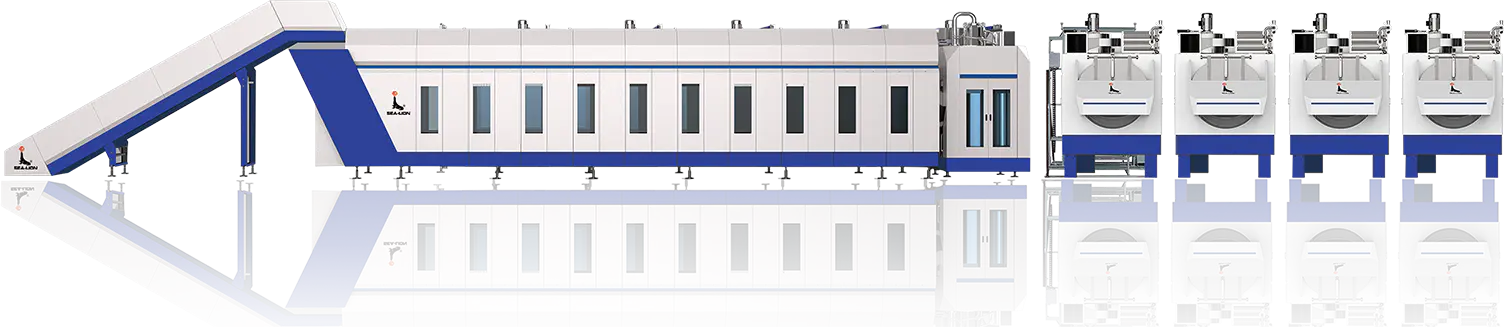

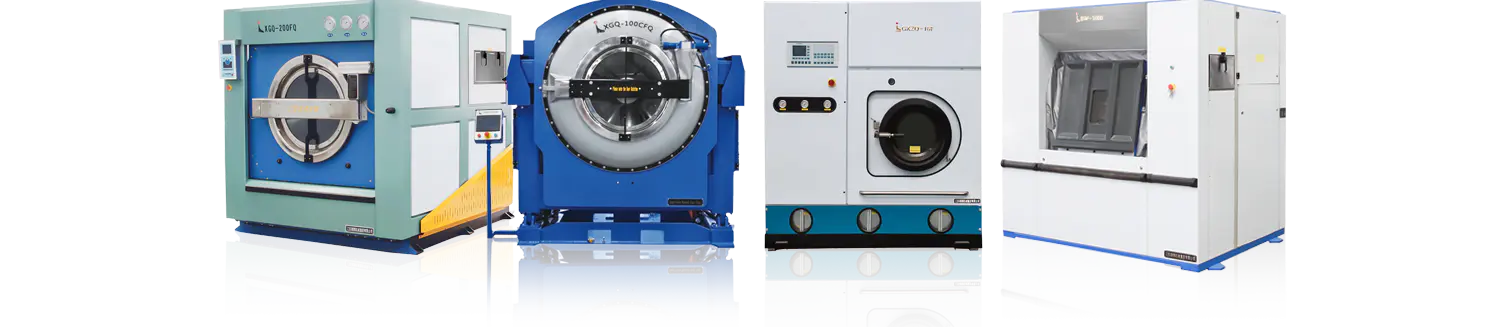
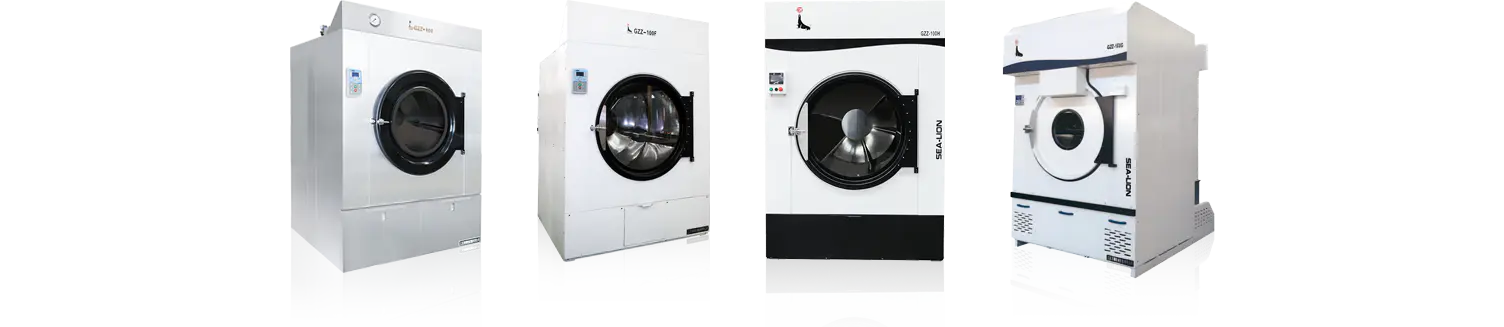
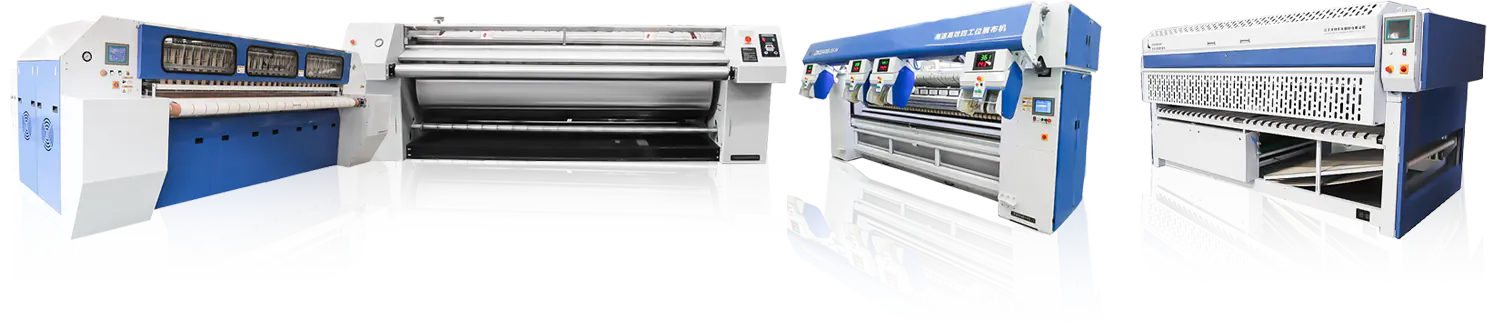
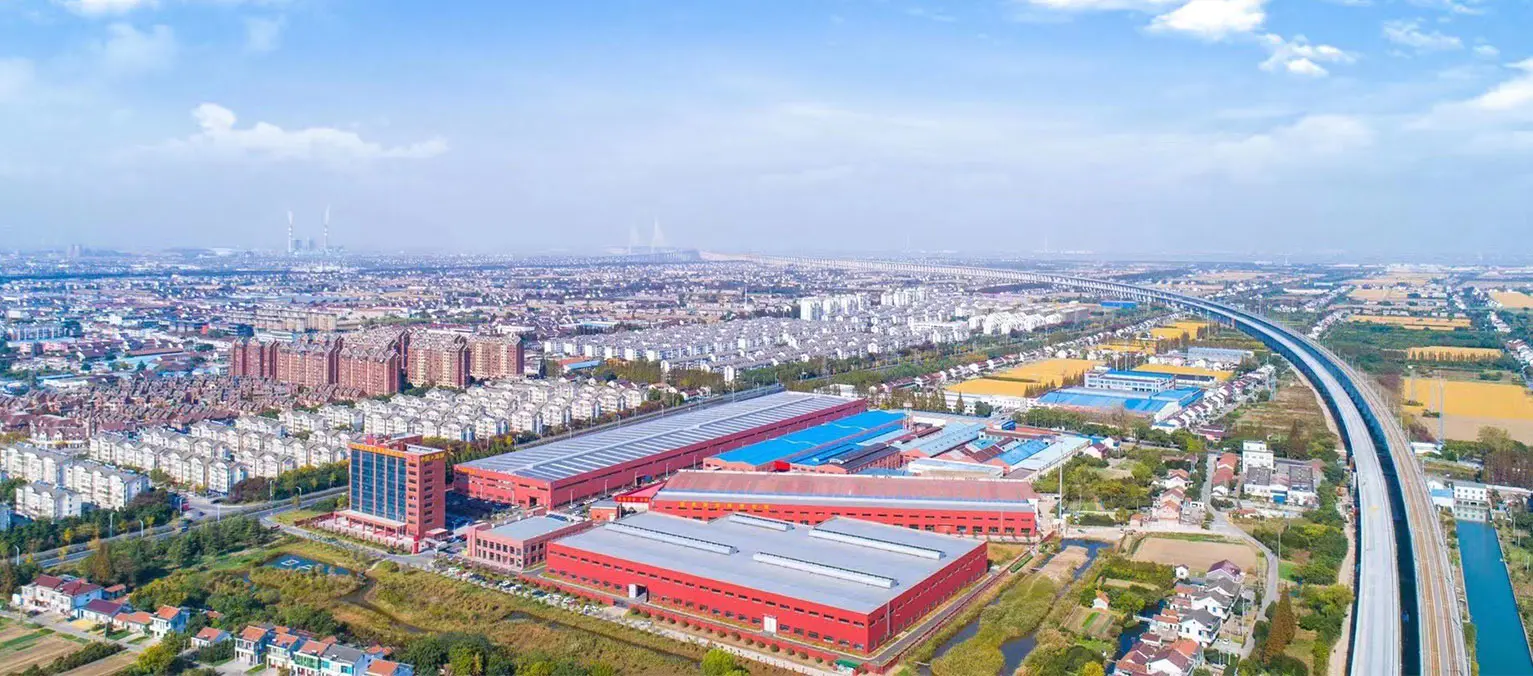


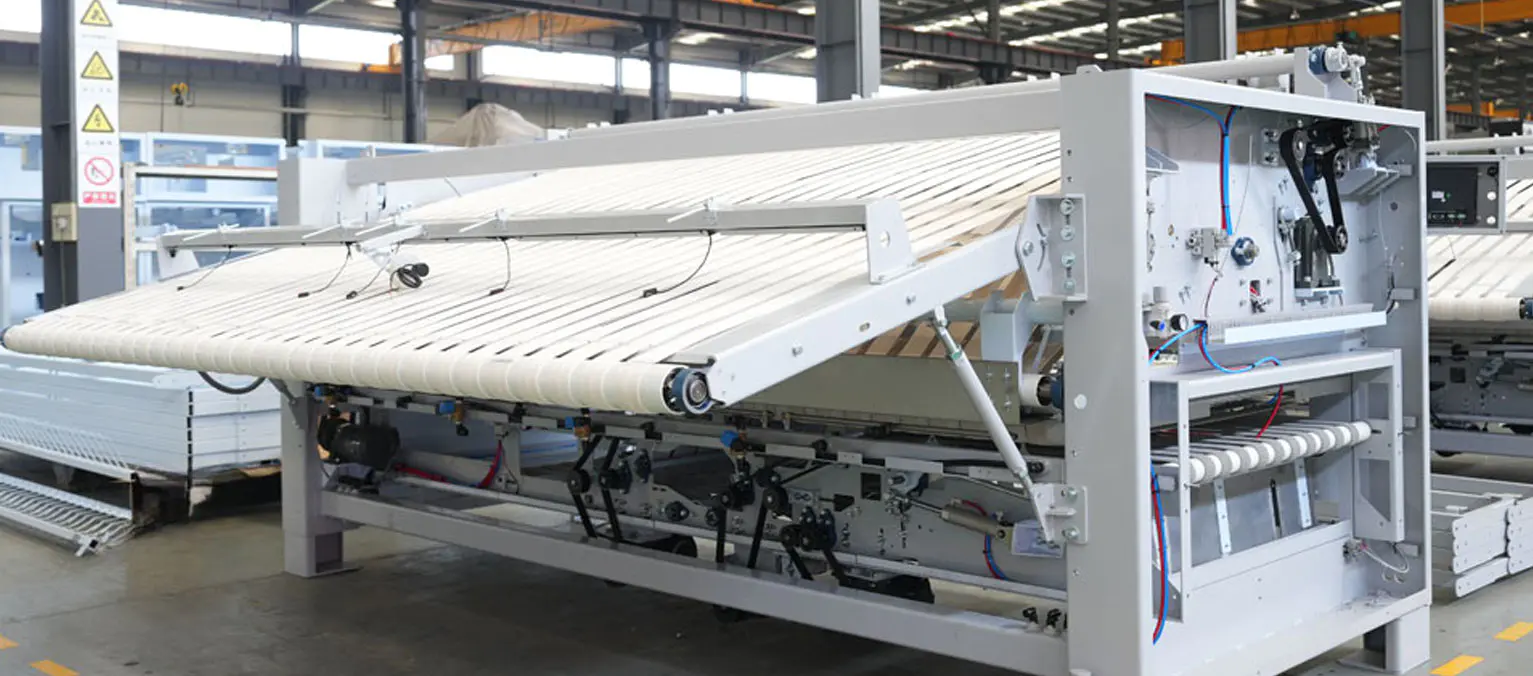





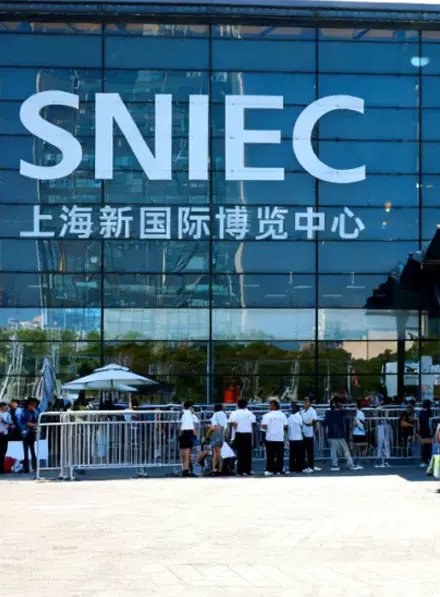
From November 12th to 14th, 2025, the leading professional event for Asia's textile processing industry – China Laundry Exhibition 2025 – will be grandly opened at the Shanghai New International Expo Centre.
As a benchmark enterpr...

News
Home / News
News

-
04 Sep
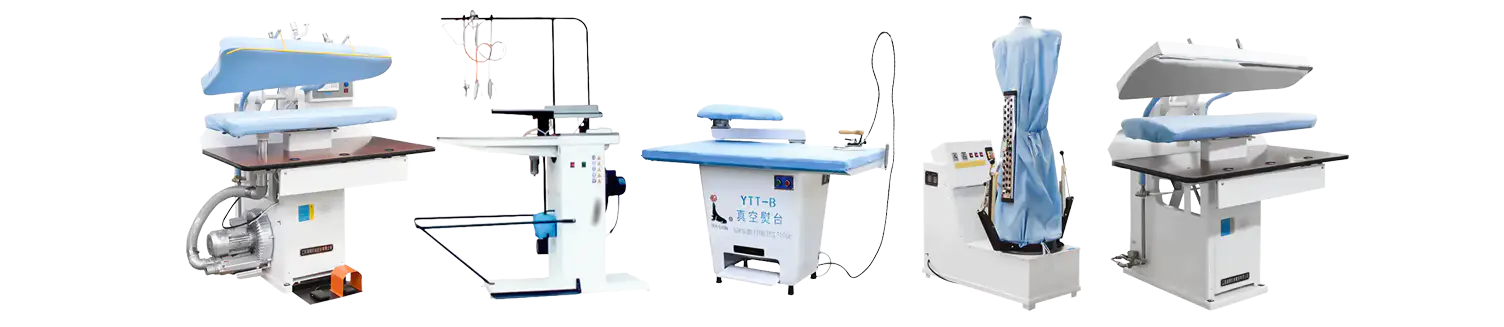
2026Laundry Presses: Extraction and Finishing Equipment for High-Volume OperationsA laundry press is not one machine. It is either a hydraulic extraction press that squeezes water out of a washed tunnel batch in three minutes, or a garment press that gives a hotel uniform its final collar shape and pressed creases. Buying the wrong press type is a costly mistake that shows up every shift, either as dryer wait time or as rejects in the finishing room. Sea-Lion Machinery builds both categories. Knowing which one your laundry needs and how to size it is the first step to cutting drying time and finishing labor. The monthly cost difference between the right and wrong press is measured in the thousands of dollars. It shows up as dryer time, rejected uniforms, and unnecessary staff hours. What Laundry Presses Do in a Commercial Laundry An industrial laundry press is a machine that applies pressure to a textile load either to remove water or to set a final shape. The two press families serve completely different stages of the wash line. Extraction presses operate on washed linen before drying. They compress a full batch of fabric into a dense cake and force water out through perforated plates or basket walls. The moisture content drops from roughly 70-85 percent after gravity drainage to roughly 40-50 percent after a hydraulic cycle. This shortens dryer run time and cuts thermal energy consumption. Garment presses operate after drying. They use steam, heat, and vacuum to reshape the garment, set creases, flatten collars and cuffs, and add the body that makes a clean shirt look ready to wear. A typical press station processes one piece in 15 to 60 seconds, depending on the machine type. An extraction press saves money through the dryer. A garment press saves money through the people. Key functions by category: Hydraulic extraction: dewatering, volume reduction, dryer feed optimization Garment press: crease setting, collar and cuff shaping, uniform finishing Utility press: small-item finishing for napkins, towels, and children's garments Hydraulic Extraction Presses: The First Squeeze A hydraulic extraction press removes more water from a washed batch in three minutes than gravity can do in three hours. The specification that matters is pressing force. Sea-Lion's hydraulic laundry extraction press is rated in tons, and most commercial units operating on continuous tunnel washer system lines apply roughly 50 to 80 tons of force depending on the basket diameter and the fabric volume. The hydraulic cylinder pushes the load against the press plates, and water escapes through perforations while the fabric compresses into a dense cake. Hydraulic Extraction Press for Continuous Tunnel Washer LinesThis hydraulic press applies 50 to 80 tons of force to squeeze water from fabric, forming a dense cake. It fits seamlessly between tunnel washers and dryers, boosting throughput in commercial laundries.View Product → Positioned between the main tunnel washer and the pass-through dryer, the extraction press is usually linked to an automatic shuttle. This creates a continuous flow: wash, press, dry. The measurable gains are consistent across commercial laundries: Drying time drops 20 to 30 percent because the dryer receives a load with less residual moisture Thermal energy demand falls by two to three kilowatt-hours per ton of linen in many facilities The wet-holding area between washer and dryer is eliminated or significantly reduced The trade-off is cycle time. An extraction press takes 2 to 4 minutes per batch, and this must be matched to washer output. An undersized press creates a backlog; an oversized press wastes capital. Garment Press Machines: Finishing Beyond the Dryer A garment press is the machine that turns a washed and dried article into a finished product that is ready for use. Different machines handle different garment types. The right combination determines how many operators you need and whether you can offer a consistent finish across thousands of pieces per day. Fully automatic wet pressing machines apply live steam to a damp garment and set creases before drying. They are used for jackets, trousers, and dress shirts in hotel and institutional laundries. Mushroom utility presses use a mushroom-shaped head to finish small items. They are common in nursing homes and hospitals for napkins, towels, and baby garments. Collar and sleeve presses focus on the most visible detail of a formal shirt, keeping the collar flat and crisp as a key inspection point. Form finishers use an inflatable form and steam to shape the entire garment, reducing the need for manual ironing. Automatic Pneumatic Wet Pressing Machine for Fabric FinishingThis automatic pneumatic press handles wet fabrics, non-wovens, and leather. Integrated into a finishing system with folders and ironers, it can raise output from 10–15 to 30–60 pieces per operator-hour, cutting labor needs.View Product → Sea-Lion fits these machines into a professional finishing system that aligns with high-speed sheet folders, flatwork ironers, and towel folders. The key operational benefit is labor. A manual ironing station processes roughly 10 to 15 garments per operator-hour, while a press-assisted station processes 30 to 60 pieces per operator-hour. On a shift handling 1,500 garments, this can cut the finishing team from eight operators to three or four. Commercial Mushroom Utility Press for Multifunctional IroningThis pneumatic, fully automatic hot-head press shapes hems, collars, napkins, and small items from cotton, wool, or synthetics. It suits hotels, restaurants, and laundries, offering efficient, stable pressing with low heat consumption.View Product → Laundry Presses: Choosing Between Extraction and Finishing Choose the press based on where water removal is needed and whether your output requires shaped garments, not on which machine sounds more versatile. Comparison of press types in a commercial laundry workflow. Parameter Hydraulic Extraction Press Garment Finishing Press Primary function Remove water from washed linen Shape and finish garments Position in line Between washer and dryer After dryer, in finishing room Typical output Residual moisture 40-55 percent Finished, ready-to-issue garments Power source Hydraulic Steam, vacuum, compressed air Operators needed 0-1 with automation 1-3 per station Cycle time 2-4 min per batch 15-60 sec per garment In practice, the extraction press protects the dryer budget, while the garment press protects the labor budget. Most commercial laundries need both. Sizing, Spec, and Operational Impact Press sizing is a throughput calculation, not simply a force calculation. Match the press cycle time to the washer and dryer schedule. 50-80 tPressing force range 3 minCycle per batch 20-30%Dryer energy saved 3xOperator throughput gain Finishing team size per shift: 1,500 garments Manual ironing 8 Press-assisted 4 Form finisher + press 3 Installation case: A 900-room hotel laundry that added hydraulic extraction to its tunnel washer reduced dryer running time from 18 hours to 13 hours per day, cutting natural gas consumption by roughly 22 to 25 percent. Sea-Lion documented this installation on a 12-ton-per-day line. Before the press, gravity-drained batches entered the dryers with about 85 percent moisture. After the press, residual moisture fell to about 50 percent, and the same dryers handled the entire daily load in 13 hours. FAQ: Common Questions About Laundry Presses What is the difference between a laundry press and an ironer? A laundry press uses pressure to remove water or shape garments. An ironer uses heated rollers to dry and smooth flat linen such as sheets and tablecloths. The two are complementary, not interchangeable. Can a hydraulic extraction press handle all fabric types? Within limits. Cotton, linen, polyester blends, and heavy terry towels tolerate higher pressure. Delicate fabrics such as silk, fine wool, or dress shirts need lower pressure and a shorter cycle. Most modern presses allow per-batch pressure adjustment. How much floor space does a laundry press need? A hydraulic extraction press for a tunnel line typically requires about 2 to 3 square meters including service space. A garment press station, including vacuum and steam connections, usually fits within 1.5 to 2 square meters per operator. What maintenance does a laundry press require? The routine work covers cylinder cleaning, hydraulic oil level and seal checks, and steam and vacuum system inspection. A quarterly seal replacement routine keeps most presses running 10 to 15 years in a two-shift operation. .laundry-press-guide { --accent: #2f3190; --text: #1f2a37; counter-reset: press-section; color: var(--text); font-size: 16px; line-height: 1.9; } /* 标题基础与序号 */ .laundry-press-guide h2 { font-size: 22px; font-weight: bold; text-align: left; margin-bottom: 12px !important; line-height: 1.6; color: #2f3190; margin-top: 50px; padding-left: 12px; border-left: 4px solid #2f3190; counter-increment: press-section; } .laundry-press-guide h2::before { content: "0" counter(press-section); display: inline-block; background-color: #2f3190 !important; color: #ffffff !important; font-size: 12px; line-height: 2; font-weight: bold; padding: 2px 6px; border-radius: 4px; margin-right: 8px; vertical-align: middle; } .laundry-press-guide h3 { font-size: 16px; font-weight: bold; text-align: left; margin-bottom: 12px; line-height: 1.9; color: #2f3190; margin-top: 24px; padding-left: 8px; border-left: 3px solid rgba(47, 49, 144, 0.5); } /* 正文与列表 */ .laundry-press-guide p { font-size: 16px !important; margin-bottom: 12px; line-height: 1.9; color: #1f2a37; } .laundry-press-guide ul { margin-bottom: 12px; list-style-type: none; padding-left: 0; } .laundry-press-guide ol { margin-bottom: 12px; list-style-type: decimal; list-style-position: inside; padding-left: 0; } .laundry-press-guide li { font-size: 16px; margin-bottom: 6px; line-height: 1.9; color: #1f2a37; } .laundry-press-guide .article-section ul li { position: relative; padding-left: 18px; } .laundry-press-guide .article-section ul li::before { content: ""; position: absolute; left: 0; top: 11px; width: 8px; height: 8px; background-color: #2f3190 !important; border-radius: 2px; } /* 引导段落与 Callout 背景框 */ .laundry-press-guide .article-section:first-child > p:first-child { font-weight: 600; border-left: 4px solid #2f3190; padding-left: 14px; background-color: rgba(47, 49, 144, 0.06) !important; padding-top: 10px; padding-bottom: 10px; border-radius: 0 8px 8px 0; margin-bottom: 20px; } .laundry-press-guide .lead-callout { background-color: rgba(47, 49, 144, 0.10) !important; border-left: 4px solid #2f3190; padding: 16px; border-radius: 0 8px 8px 0; margin: 16px 0; } .laundry-press-guide .lead-callout p { color: #1f2a37; margin-bottom: 0; font-weight: 600; } .laundry-press-guide .press-quote { margin: 16px 0; padding: 16px 20px; background-color: rgba(47, 49, 144, 0.06) !important; border-radius: 0 8px 8px 0; border-left: 4px solid #2f3190; font-style: italic; } .laundry-press-guide .press-quote p { margin-bottom: 0; font-weight: 500; } /* 表格展示与响应式包裹 */ .laundry-press-guide .table-wrapper { width: 100%; overflow-x: auto; margin: 16px 0 12px 0; } .laundry-press-guide table { border-collapse: collapse; width: 100%; } .laundry-press-guide th { font-weight: bold; background-color: #2f3190 !important; color: #ffffff !important; border: 1px solid #2f3190; padding: 10px 12px; line-height: 1.8; text-align: left; } .laundry-press-guide td { border: 1px solid #cccccc; padding: 10px 12px; line-height: 1.8; text-align: left; } .laundry-press-guide caption { caption-side: bottom; font-size: 14px; margin-top: 8px; font-style: italic; color: #808080; line-height: 1.6; } .laundry-press-guide tbody tr:nth-child(even) td { background-color: rgba(47, 49, 144, 0.05) !important; } .laundry-press-guide td:first-child { font-weight: bold; } /* 核心要点蓝底横幅 */ .laundry-press-guide .key-takeaway { background-color: #2f3190 !important; color: #ffffff !important; padding: 20px; border-radius: 8px; margin: 20px 0; box-shadow: 0 4px 12px rgba(0,0,0,0.15); } .laundry-press-guide .key-takeaway p { color: #ffffff !important; font-weight: 600; margin-bottom: 0; } /* 数据卡片 */ .laundry-press-guide .data-card-row { display: flex; gap: 12px; margin: 20px 0; flex-wrap: wrap; } .laundry-press-guide .data-card { flex: 1 1 160px; background-color: rgba(47, 49, 144, 0.08) !important; border-top: 3px solid #2f3190; padding: 16px; border-radius: 8px; text-align: center; box-shadow: 0 2px 6px rgba(0,0,0,0.05); } .laundry-press-guide .data-card strong { font-size: 24px; line-height: 1.6; color: #2f3190; display: block; margin-bottom: 4px; font-weight: bold; } .laundry-press-guide .data-card span { font-size: 14px; line-height: 1.8; color: #555555; } /* SVG 图表样式 */ .laundry-press-guide .chart-wrap { display: flex; justify-content: center; margin: 20px 0; } .laundry-press-guide .chart-wrap svg { flex: 0 1 460px; width: 100%; height: auto; } .laundry-press-guide .chart-title { font-size: 14px; line-height: 2; font-weight: bold; fill: #1f2a37; } .laundry-press-guide .chart-label { font-size: 12px; line-height: 2; fill: #555555; } .laundry-press-guide .chart-value { font-size: 14px; line-height: 2; font-weight: bold; fill: #2f3190; } .laundry-press-guide .bar-bg { fill: #e8ecf0; } .laundry-press-guide .bar-accent { fill: #2f3190; } /* 链接与 FAQ 问答样式 */ .laundry-press-guide a[href^="/news/"] { color: #2f3190; text-decoration: underline; text-decoration-color: rgba(47, 49, 144, 0.5); } .laundry-press-guide a[href^="/news/"]:hover { text-decoration-color: #2f3190; } .laundry-press-guide .article-section:last-child h3 { background-color: rgba(47, 49, 144, 0.08) !important; padding: 10px 14px; border-radius: 8px; border-left: 4px solid #2f3190; margin-top: 20px; } @media (max-width: 768px) { .laundry-press-guide .data-card-row { flex-direction: column; } .laundry-press-guide .data-card { flex-basis: auto; } .laundry-press-guide .chart-wrap svg { flex-basis: 100%; } .laundry-press-guide td, .laundry-press-guide th { padding: 6px; font-size: 14px; } .laundry-press-guide h2 { margin-top: 40px; } .laundry-press-guide .key-takeaway { padding: 16px; } } .product-card{display:block;margin:20px 0;border:1px solid #e5e7eb;border-radius:10px;overflow:hidden;font-style:normal;background:#fff} .pc-inner{display:flex;text-decoration:none;color:inherit;align-items:center;min-height:120px} .pc-img{width:160px;min-width:160px;aspect-ratio:4/3;height:auto;min-height:120px;object-fit:cover;flex-shrink:0;display:block;align-self:stretch} .pc-body{padding:12px 16px;flex:1;min-width:0;display:flex;flex-direction:column;align-self:stretch;justify-content:center} .pc-title{display:block;font-size:15px;font-weight:600;color:#111;margin:0 0 6px;line-height:1.4} .pc-desc{display:-webkit-box;font-size:13px;color:#6b7280;margin:0 0 8px;line-height:1.5;overflow:hidden;-webkit-line-clamp:2;-webkit-box-orient:vertical} .pc-cta{display:block;font-size:13px;font-weight:600;color:inherit;margin-top:auto} .pc-inner:hover .pc-title{text-decoration:underline} .article-section a:not(.pc-inner),article a:not(.pc-inner){color:inherit}.pc-cta{color:inherit!important} -
24 Aug
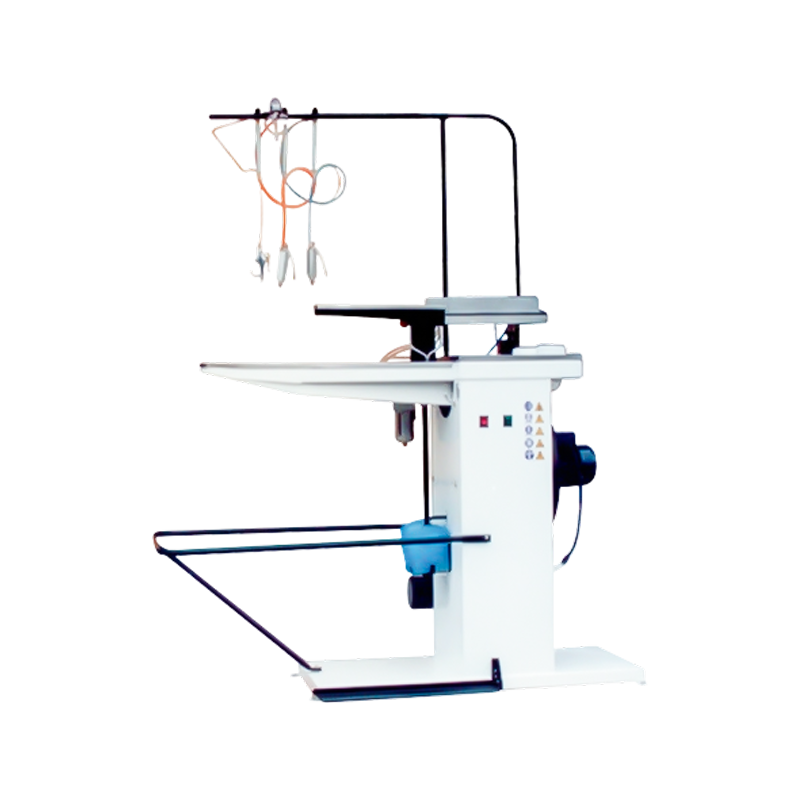
2026What is a Spotting Table Used for in Dry Cleaning?Introduction to the Spotting Table in Garment Care In the professional dry cleaning and industrial laundry industry, achieving a truly clean garment requires more than a standard wash cycle. Stubborn stains such as oil, ink, wine, or blood often survive the primary cleaning process. This is where the spotting table becomes an indispensable piece of equipment. A spotting table, also known as a spotting board, is a specialized workstation designed for the manual removal of localized stains prior to the main cleaning or finishing stages. Unlike standard ironing boards, a spotting table is an engineered tool that combines suction, steam, and compressed air to facilitate precise chemical application and stain extraction. It serves as the command center for the "spotters" – skilled technicians who assess and treat difficult blemishes using a combination of chemical agents and mechanical action. Understanding the function of this equipment is crucial for anyone involved in garment care, from boutique dry cleaners to large-scale industrial laundries. Primary Functions and Purpose The primary purpose of a spotting table is to isolate and eliminate specific stains that are resistant to general washing. It acts as a pre-treatment and post-treatment station, ensuring that the garment is completely clean before pressing and finishing. Pre-Cleaning Stain Eradication Before a garment enters the dry cleaning machine or washer-extractor, it is inspected. Spotters use the table to apply specialized solvents and chemicals directly to the stain. The spotting table facilitates this by providing a stable surface and tools that allow the chemical to penetrate the fabric without spreading the stain. Vacuum Extraction and Flushing One of the most critical features is the built-in vacuum system. After a chemical is applied to break down a stain, the spotter uses a steam gun or water spray to flush the area. The powerful suction immediately pulls the dissolved stain and chemical residue down through the fabric and into a collection tank. This prevents the stain from setting back into the fibers and ensures the garment is not left with a chemical residue that could attract dirt later. Post-Cleaning Inspection Even after a wash cycle, some stains may reappear or become more visible. The spotting table is used to "re-spot" these garments, applying different chemicals or mechanical actions to ensure the garment is spotless before delivery to the customer. Key Components and Mechanical Design A modern spotting table is a complex piece of pneumatic and mechanical equipment. The design focuses on efficiency and ergonomics for the user. Typical models feature stainless steel boards for durability and easy cleaning. Ergonomic Insight: The standard board dimensions often measure around 800 x 260 mm, providing ample space for handling heavy garments like overcoats while allowing the spotter to remain seated or standing comfortably. Component Function Suction System (Vacuum) Removes dissolved stains and moisture from the fabric. Spray Guns Apply water, steam, or specific chemical solvents. Pedals (Foot Controls) Activate suction and steam independently. Compressed Air System Used for drying or moving the fabric. Advanced models often feature independent circuits for different solvents. This allows a spotter to switch between a volatile dry solvent and a wet-side agent without cross-contamination, which is critical for handling delicate fibers like silk or wool. Step-by-Step Operational Process To understand what a spotting table is used for, it helps to visualize the workflow a professional spotter follows. Step 1: Identification The garment is laid on the spotting table. The spotter identifies the type of stain (e.g., protein-based, oil-based, or dye-based) and the fabric composition. Step 2: Chemical Application Using a specialized gun, a spotting agent is applied to a small area. For example, a tannin stain might require an acidic solution, while grease requires a solvent. Step 3: Mechanical Action The spotter may use a bone scraper or brush to agitate the stain, working the chemical into the fiber. Step 4: Flushing and Extraction The spotter presses a foot pedal to activate the vacuum and applies steam or water to flush out the stain. The vacuum removes the debris immediately. This cycle may be repeated 3-5 times until the stain disappears. Why This Step is Non-Negotiable Industry data shows that a significant portion of garments processed by dry cleaners contain at least one problem stain that requires manual spotting. Without a dedicated spotting table, the success rate of stain removal drops substantially. Fabric Safety: The controlled suction prevents over-wetting, which is a leading cause of shrinkage and dye migration in delicate garments. Efficiency: A high-quality spotting table can reduce the total processing time per garment by minimizing the need to re-wash items. Chemical Management: The table ensures that harsh chemicals are applied only to the stain, not the entire garment, preserving the fabric's life. In industrial settings, compact spotting tables with built-in suction units allow even smaller operations to maintain professional standards without requiring large central vacuum systems. Comparison: Spotting Table vs Standard Finishing Table It is important to distinguish the spotting table from other finishing equipment. While both are used in the laundry process, their functions are distinct. Feature Spotting Table Finishing/Ironing Table Primary Use Stain removal Pressing/Finishing Suction High-powered, localized Low/Medium (for steam pull) Chemical Resistance High (Stainless Steel) Moderate (often padded) Understanding this difference helps businesses allocate the right machinery to the right task, ensuring that the spotting table is used exclusively for its intended purpose—spotting—rather than as a general-purpose ironing board. FAQs About Spotting Tables Q1: What is the main difference between a spotting table and a steam press? A spotting table is designed primarily for stain removal using chemicals and suction, while a steam press is used for ironing and creating crisp creases. Q2: Why is the vacuum feature important on a spotting table? The vacuum feature is crucial because it removes the dissolved stain and excess moisture immediately, preventing the stain from being re-deposited onto the fabric and reducing drying time. Q3: Can a spotting table be used on all types of fabric? Yes, but the technique and chemicals must be adjusted. Delicate fabrics like silk require lower pressure and less aggressive chemicals, while sturdier fabrics can handle stronger treatments. Q4: Is a spotting table necessary for a small dry cleaning business? Yes. Even small businesses benefit from a compact spotting table because it significantly improves the quality of stain removal and reduces the number of customer complaints about persistent stains. Q5: How often should a spotting table be serviced? Regular maintenance, typically every 3-6 months, is recommended. This includes checking the vacuum pump, cleaning chemical lines, and ensuring foot pedals are functioning correctly. .section-block { font-family: 'Segoe UI', Roboto, 'Helvetica Neue', sans-serif; font-weight: 400; line-height: 2; margin-bottom: 40px; } .section-block h2 { font-size: 20px; font-weight: bold; text-align: left; margin-bottom: 10px; color: #2f3190; border-bottom: 3px solid #2f3190; padding-bottom: 5px; } .section-block h3 { font-size: 18px; font-weight: bold; text-align: left; margin-top: 5px; margin-bottom: 5px; color: #1f2060; } .section-block h4 { font-size: 16px; font-weight: 500; text-align: left; margin-top: 10px; margin-bottom: 2px; color: #2f3190; } .section-block p { margin-bottom: 5px; font-size: 16px; } .section-block ul, .section-block ol { margin-top: 8px; margin-bottom: 8px; padding-left: 20px; } .section-block li { list-style-position: inside; list-style-type: disc; font-size: 16px; } .section-block strong { font-weight: 500; } .section-block table { width: 100%; border-collapse: collapse; } .section-block td, .section-block th { border: 1px solid #ddd; padding: 8px; text-align: center; font-size: 16px; } .section-block td { background-color: #ffffff; } .section-block tr:nth-child(even) td { background-color: #f9f9f9; } .section-block a { color: #2f3190; text-decoration: underline; } .section-block a:hover { text-decoration: none; } -
17 Aug
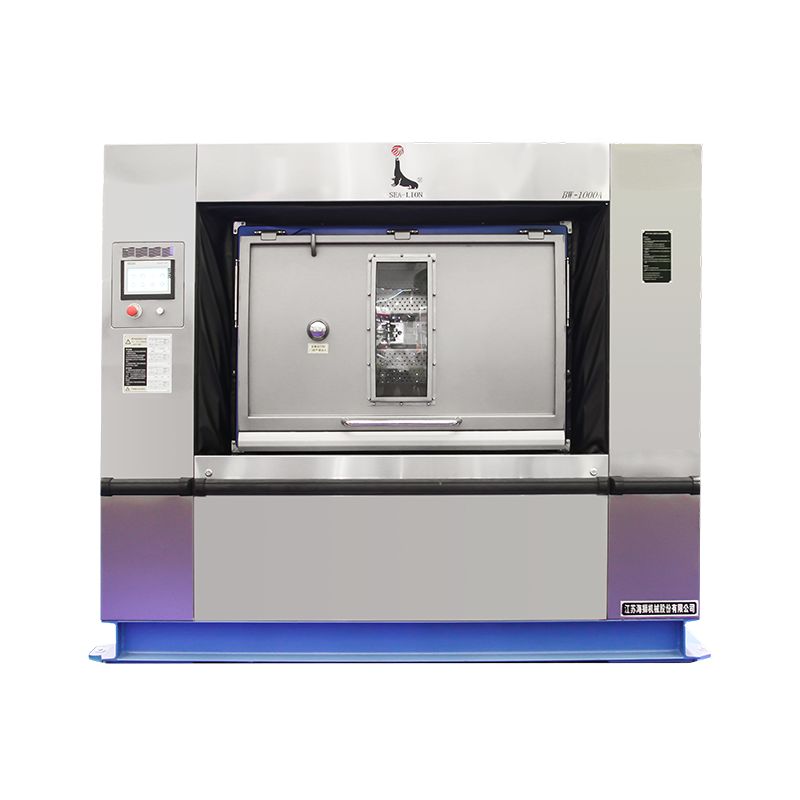
2026How Does a Barrier Washer Extractor Prevent Cross-Contamination?In healthcare and pharmaceutical laundry operations, the question is not whether linen contains pathogens, but how to ensure those pathogens never reach the clean side. The barrier washer extractor provides the engineering answer. Unlike conventional washing machines that share a single loading and unloading door, a barrier washer extractor is designed around a fundamental principle: physical separation. This article explains the specific mechanisms—from dual-door isolation and validated thermal cycles to differential air pressure and interlock systems—that make this equipment effective in preventing cross-contamination in critical environments. The Core Mechanism: Physical Separation as the First Defense The primary contamination risk in traditional laundry comes from the same door being used to load soiled linen and unload clean linen. This single-door design creates a pathway for airborne particles, surface contact, and operator cross-transfer. The barrier washer extractor eliminates this pathway through a wall-partitioned installation [citation:7]. Two Zones, Two Doors, One Purpose Soil Zone (Dirty Side): Located in the receiving area. Operators load contaminated linen through the front door. Clean Zone (Unloading Side): Located on the opposite side of a physical wall. Processed linen is removed through the rear door [citation:1]. This wall-mount design means that even if a door is opened on one side, the other side remains closed, maintaining the barrier [citation:8]. Preventing Cross-Contamination Through Sequential Flow The operational workflow is strictly one-way. Soiled linen enters from the non-clean zone, and after the complete wash, rinse, and extraction cycle, clean linen exits exclusively on the clean side [citation:2]. This unidirectional flow prevents re-contamination of freshly washed linen by soiled items or dirty room air. Feature Conventional Washer Extractor Barrier Washer Extractor Door Configuration Single door (load & unload) Dual opposite doors Zone Separation None (single room) Physical wall partition Cross-Contamination Risk High (airborne + contact) Near-zero (physically isolated) Thermal Disinfection: The Scientific Validation Physical separation alone is insufficient; the washing process itself must achieve pathogen inactivation. A barrier washer extractor is programmed to meet stringent thermal disinfection standards, typically operating at temperatures of 71°C to 90°C during the main wash and bleach steps [citation:3]. C. difficile spores >6.0 log reduction Under extreme soil conditions [citation:10] MRSA, E. coli, K. pneumoniae >6.9 log reduction After standard laundering cycle [citation:10] Mycobacterium terrae >6.94 log reduction Demonstrating sporicidal efficacy [citation:10] In a controlled study using commercial washer-extractors, researchers inoculated polyurethane-coated fabrics with high concentrations of pathogens (approximately 107 CFU/mL). After a complete laundering cycle consisting of flush, break, bleach (71°C), rinses, souring, and extraction, no pathogenic organisms were detected on any test barrier [citation:3]. This validates that when combined with appropriate temperature and chemistry, the equipment reliably eliminates biological hazards. Role of the Bleach Step The thermal disinfection efficacy relies on a chlorine bleach step at 71°C with 6 fl oz/100 lb concentration. This step, coupled with high water levels and mechanical action, ensures that even the most difficult-to-clean areas—such as seams and folds—are sufficiently decontaminated [citation:3]. Engineering Controls: Interlocks and Automation Human error is a significant vector for cross-contamination. Barrier washer extractors incorporate programmable logic controller (PLC) systems with electrical interlocks to enforce protocol [citation:5]. Door Interlocking: The PLC ensures the clean-side door can only be opened after the wash program is fully completed. If the cycle is interrupted or incomplete, the clean side remains locked [citation:5]. Drum Alignment: Proximity sensors automatically align the inner and outer drum doors during loading and unloading. This prevents misalignment that could compromise the seal or cause fabric snagging [citation:5]. Visual and Audible Alarms: LED blinker lamps indicate program completion, signaling clean-side operators to unload, and then transfer control back to the dirty side after unloading [citation:5]. Key Point: The PLC-controlled interlock system does not rely on operator discipline alone. It physically prevents the clean-side door from being opened before the cycle is finished, eliminating the risk of premature unloading. Air Pressure Management: An Overlooked Factor Cross-contamination is not limited to linen-to-linen contact. Airborne particles from the dirty zone can migrate to the clean zone through gaps or during door opening. Advanced installations maintain differential air pressure between the two zones. The clean room is kept at a positive pressure relative to the dirty room, so that when the barrier washer's doors are opened on either side, air flows from the clean side toward the dirty side, not the reverse. Soil Zone Clean Zone Barrier Washer Extractor Load Unload Airflow: Clean → Dirty (positive pressure differential) Comparison: Barrier Washer Extractor vs. Standard Washer Extractor Understanding the practical differences helps in specifying equipment for high-risk environments. Parameter Barrier Washer Extractor Standard Washer Extractor Loading/Unloading Separate doors on opposite sides Same door on one side Installation Through-wall partition required Freestanding, no wall requirement Door Interlock PLC-controlled, prevents clean-side opening during cycle Basic safety lock only Cross-Contamination Control Physical + thermal + airflow barriers Relies solely on wash chemistry Typical Applications Hospitals, pharmaceutical, cleanrooms, food processing General commercial laundry, hotels, small clinics How to Select the Right Barrier Washer Extractor When evaluating models, consider these technical parameters to ensure the equipment meets your contamination control requirements. Capacity and Drum Design Capacity Range: Typically available from 15 kg to 140 kg per cycle [citation:2][citation:8]. Selection depends on throughput demands and linen type (e.g., surgical gowns vs. heavy bedding). Drum Material: All water-contact components should be constructed from 304 stainless steel for corrosion resistance and to prevent rust that could compromise textile integrity [citation:8]. Recessed Drum Holes: A recessed-hole design with electrolytic polishing prevents snagging and damage to delicate barrier fabrics [citation:8]. Control and Programmability Number of Programs: Look for machines offering at least 40 customizable programs to accommodate different linen types and contamination levels [citation:8]. Touchscreen Interface: A full-color LCD with menu-based navigation and three-level user access reduces operator errors and provides clear cycle status [citation:8]. Traceability: Some systems include software for complete cycle traceability, essential for regulatory compliance in healthcare settings [citation:1]. Physical Installation Requirements Foundation: Barrier washers are heavy (up to 3100 kg) and require a reinforced foundation to manage vibration [citation:2]. Utility Connections: Check steam, hot/cold water, and drain connections. Industrial models require G1" to G1.5" inlets and G3" to G5" drains [citation:2]. Air Springs: High-quality models use German-imported air springs and hydraulic dampers to minimize vibration and noise, which is critical in cleanroom environments [citation:8]. Frequently Asked Questions Q1: What is the main difference between a barrier washer extractor and a standard washer extractor? The primary difference is the dual-door design with a physical wall partition. A barrier washer extractor has a loading door on the dirty side and an unloading door on the clean side, preventing recontamination. A standard washer uses a single door for both loading and unloading [citation:1][citation:2]. Q2: How does the barrier washer extractor prevent airborne cross-contamination? By maintaining a positive air pressure differential in the clean zone relative to the dirty zone, air flows from clean to dirty. Combined with the wall-mount separation, this minimizes the transfer of airborne particles [citation:8]. Q3: What temperatures are used in barrier washer cycles for disinfection? Typical thermal disinfection cycles reach 71°C during the bleach step and up to 90°C for hygiene programs. These temperatures, combined with chlorine bleach, achieve >6 log reductions of pathogens [citation:3][citation:10]. Q4: Why is a PLC interlock important in a barrier washer extractor? The PLC interlock ensures that the clean-side door cannot be opened until the wash program is completed and verified. This prevents human error and premature unloading, maintaining the contamination barrier [citation:5]. Q5: Can a barrier washer extractor be used for cleanroom garments? Yes. They are specifically designed for cleanroom laundry, processing anti-static garments, sterile gloves, and lint-free wipes. The dual-compartment isolation and stainless steel construction meet stringent dust-free and anti-static requirements [citation:8]. .section-intro, .section-mechanism, .section-thermal, .section-controls, .section-air, .section-comparison, .section-selection, .section-faq { margin-bottom: 40px; font-family: 'Segoe UI', Roboto, 'Helvetica Neue', sans-serif; font-weight: 400; line-height: 2; } .section-intro h2, .section-mechanism h2, .section-thermal h2, .section-controls h2, .section-air h2, .section-comparison h2, .section-selection h2, .section-faq h2 { font-size: 20px; font-weight: 700; text-align: left; margin-bottom: 10px; color: #2f3190; padding-bottom: 6px; border-bottom: 3px solid #2f3190; display: inline-block; } .section-intro h3, .section-mechanism h3, .section-thermal h3, .section-controls h3, .section-air h3, .section-comparison h3, .section-selection h3, .section-faq h3 { font-size: 18px; font-weight: 700; text-align: left; margin-top: 5px; margin-bottom: 5px; color: #1f2160; } .section-intro h4, .section-mechanism h4, .section-thermal h4, .section-controls h4, .section-air h4, .section-comparison h4, .section-selection h4, .section-faq h4 { font-size: 16px; font-weight: 500; text-align: left; color: #1f2160; } .section-intro p, .section-mechanism p, .section-thermal p, .section-controls p, .section-air p, .section-comparison p, .section-selection p, .section-faq p { margin-bottom: 5px; font-size: 16px; } .section-intro ul, .section-mechanism ul, .section-thermal ul, .section-controls ul, .section-air ul, .section-comparison ul, .section-selection ul, .section-faq ul, .section-intro ol, .section-mechanism ol, .section-thermal ol, .section-controls ol, .section-air ol, .section-comparison ol, .section-selection ol, .section-faq ol { margin-top: 8px; margin-bottom: 8px; } .section-intro li, .section-mechanism li, .section-thermal li, .section-controls li, .section-air li, .section-comparison li, .section-selection li, .section-faq li { list-style-position: inside; list-style-type: disc; font-size: 16px; } .section-intro strong, .section-mechanism strong, .section-thermal strong, .section-controls strong, .section-air strong, .section-comparison strong, .section-selection strong, .section-faq strong { font-weight: 500; } .section-intro td, .section-mechanism td, .section-thermal td, .section-controls td, .section-air td, .section-comparison td, .section-selection td, .section-faq td, .section-intro th, .section-mechanism th, .section-thermal th, .section-controls th, .section-air th, .section-comparison th, .section-selection th, .section-faq th { text-align: center; font-size: 16px; } .section-intro svg, .section-mechanism svg, .section-thermal svg, .section-controls svg, .section-air svg, .section-comparison svg, .section-selection svg, .section-faq svg { font-family: 'Segoe UI', Roboto, 'Helvetica Neue', sans-serif; } -
10 Aug
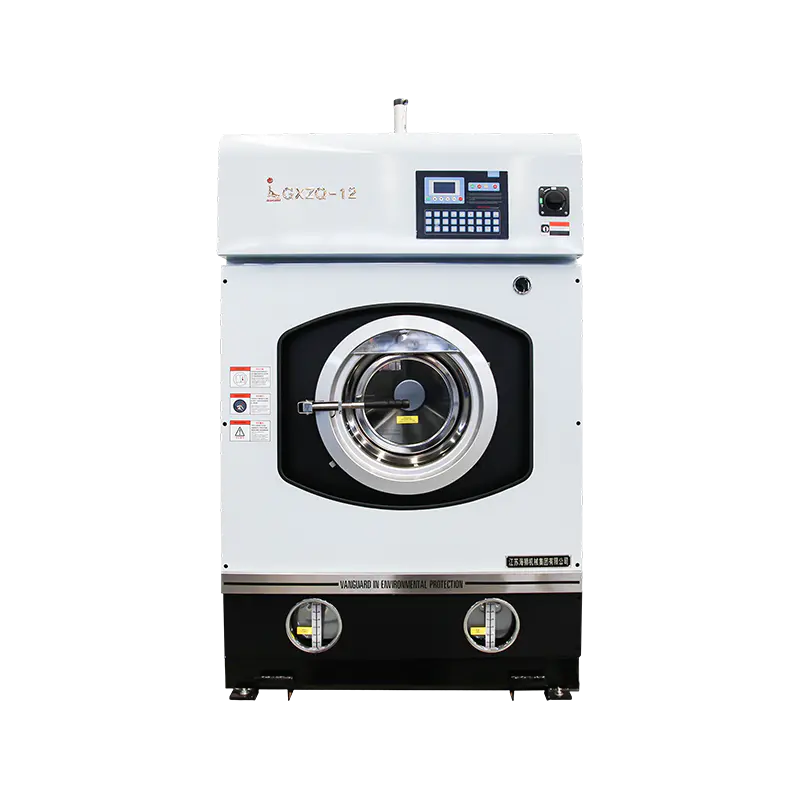
2026Dry Cleaning Machine vs Washing Machine: A Technical ComparisonAt first glance, a dry cleaning machine and a conventional washing machine may appear similar: both are metal boxes that rotate garments to remove dirt. However, the similarities end at the surface. The fundamental difference lies in the cleaning medium: water in a washing machine versus a chemical solvent in a dry cleaning machine. This distinction affects everything from fabric care and stain removal to operational costs and environmental impact. This article provides a detailed, technical comparison to help you understand which method suits your specific garment care needs. The Core Difference: Cleaning Medium and Mechanism The primary distinction between the two machines is the cleaning agent. A washing machine uses water combined with detergent, relying on mechanical agitation to dislodge dirt. In contrast, a dry cleaning machine uses a water-free organic solvent, typically perchloroethylene (perc) or hydrocarbon mixtures, to dissolve and remove stains. Key insight: The term "dry" in dry cleaning does not mean the process is entirely moisture-free. Small amounts of water are often present in the cleaning soaps. However, the primary cleaning action comes from the solvent, which does not penetrate fabric fibers the way water does, reducing the risk of shrinkage and distortion. Washing Machine: Water-Based Cleaning Cleaning agent: Water and laundry detergent. Cleaning action: Mechanical agitation (tumbling) combined with the chemical action of surfactants in the detergent. Effectiveness: Excellent for removing water-soluble stains (e.g., sweat, mud, coffee) and general soil. Risks: Water can cause shrinkage, color fading, and damage to delicate fabrics like silk and wool. Dry Cleaning Machine: Solvent-Based Cleaning Cleaning agent: Chemical solvent (perc, hydrocarbon, or siloxane). Cleaning action: Gentle tumbling in the solvent, which dissolves oils and greases without water penetration. Effectiveness: Superior for oil-based stains (e.g., grease, lipstick, cooking oil) and cleaning delicate or structured garments. Risks: Solvents can cause color bleeding in some fabrics, and the process is generally more expensive. Head-to-Head Comparison: Dry Cleaning vs. Washing The following table summarizes the key differences in performance and operational characteristics: Feature Washing Machine Dry Cleaning Machine Cleaning Medium Water + Detergent Chemical Solvent (e.g., Perc) Best For Everyday wear (cotton, polyester, linen) Delicate fabrics (silk, wool, cashmere) Stain Removal Strength Water-based stains Oil and grease-based stains Risk of Shrinkage High (due to heat, moisture, agitation) Low (minimal moisture) Cost per Load Low High Environmental Impact Moderate (water and energy use) Higher (hazardous solvent disposal) Solvent Selection: Perc and Beyond The choice of solvent significantly impacts cleaning efficacy and safety. Perchloroethylene (perc) has been the industry standard since the 1930s due to its excellent cleaning power, thermal stability, and nonflammability. However, its classification as a potential carcinogen has prompted the industry to develop alternatives. Perc Standard for cleaning power, but faces regulatory pressure due to health concerns. Hydrocarbon Less aggressive, safer, but requires fire-suppression systems due to flammability. Siloxane Marketed as eco-friendly, but faces bans in some regions due to bioaccumulation concerns. Operational and Design Differences Beyond the cleaning medium, the machines themselves differ in complexity and operation. A standard washing machine is a relatively simple appliance: it fills with water, agitates, drains, and spins. A dry cleaning machine, however, is a sophisticated closed-loop system designed for solvent management. Distillation: Commercial dry cleaning machines include built-in distillation units to purify the solvent after each load. This allows the solvent to be reused, reducing waste and cost. Solvent Recovery: During the drying phase, solvent vapors are condensed and recovered rather than released into the atmosphere, making the system an integrated environmental control system. Control Systems: Advanced dry cleaning machines incorporate sophisticated temperature controls. For example, the cleaning performance of petroleum solvents peaks at specific temperatures (e.g., around 25°C), requiring active cooling systems to maintain optimal conditions. Safety Mechanisms: Given the use of flammable solvents, dry cleaning machines require specialized fire-suppression systems and are typically installed in commercial settings rather than homes. When to Choose Which Method Professional garment care often involves both methods. The chart below provides a practical decision-making guide: Choose a washing machine for: Everyday clothing such as cotton t-shirts, denim, linens, and synthetic blends that are labeled machine-washable. These garments can withstand the mechanical action and moisture of water-based cleaning. Choose a dry cleaning machine for: Delicate and structured garments such as suits, wool coats, silk blouses, and items with embellishments. These items are vulnerable to shrinkage, color loss, and distortion from water and agitation. For mixed loads: Some modern commercial machines, as described in patent applications, are being designed to perform both solvent and water-based cleaning cycles in a single unit, offering greater flexibility, though these are not yet common in domestic settings. Frequently Asked Questions Q1: Is dry cleaning really dry? No. The process uses a liquid solvent, but it contains no water. The term "dry" distinguishes it from water-based washing. Q2: Does dry cleaning shrink clothes? It is less likely to shrink clothes than water washing because the solvent does not swell the fibers. However, improper machine settings or excessive moisture in the soap can still cause some shrinkage. Q3: Which method is better for removing oil stains? Dry cleaning is superior for oil and grease-based stains because the solvent dissolves oils effectively. Q4: Why is dry cleaning more expensive? The solvents are costly, and the machines require expensive distillation and recovery systems. Additionally, the process is more labor-intensive than domestic washing. Q5: Can I dry-clean clothes at home? Home dry-cleaning kits exist but are not equivalent to professional machines. They use a small amount of solvent in a dryer bag and are not effective for heavily soiled or delicate garments. .section-block { font-family: 'Segoe UI', Roboto, 'Helvetica Neue', sans-serif; font-weight: 400; line-height: 2; color: #222222; } .section-block h1 { font-size: 26px; font-weight: 700; margin: 0 0 20px 0; color: #1a1a2e; text-align: left; padding-bottom: 12px; background: linear-gradient(to right, #2f3190, #6c6fcf); background-size: 80px 4px; background-repeat: no-repeat; background-position: bottom left; } .section-block h2 { font-size: 20px; font-weight: 700; margin-bottom: 10px; text-align: left; color: #1f2150; padding: 6px 0 6px 16px; border-left: 6px solid #2f3190; background: #f4f5fd; border-radius: 0 4px 4px 0; } .section-block h3 { font-size: 18px; font-weight: 700; margin-top: 18px; margin-bottom: 5px; text-align: left; color: #2f3190; background: transparent; padding: 4px 0 4px 10px; border-left: 3px solid #b0b3e6; } .section-block h4 { font-size: 16px; font-weight: 500; text-align: left; color: #1f2150; } .section-block p { margin-bottom: 5px; font-size: 16px; } .section-block ul, .section-block ol { margin-top: 8px; margin-bottom: 8px; padding-left: 20px; } .section-block li { list-style-position: inside; list-style-type: disc; font-size: 16px; padding-left: 6px; margin-bottom: 2px; } .section-block strong { font-weight: 500; } .section-block table { border-collapse: collapse; width: 100%; margin: 12px 0; border: 1px solid #e0e0e0; font-size: 16px; border-radius: 6px; overflow: hidden; } .section-block table td, .section-block table th { padding: 10px 12px; border: 1px solid #d5d5d5; text-align: center; font-size: 16px; } .section-block table tr:nth-child(even) { background-color: #fafafa; } .section-block table tr:first-child { background-color: #2f3190; color: #ffffff; } .section-block table tr:first-child th { background-color: #2f3190; color: #ffffff; font-weight: 600; } .section-block .main-heading { font-size: 26px; font-weight: 700; margin-bottom: 18px; color: #1a1a2e; background: none; padding: 0; border: none; border-radius: 0; } .section-block a { color: #2f3190; text-decoration: underline; font-weight: 500; } -
03 Aug
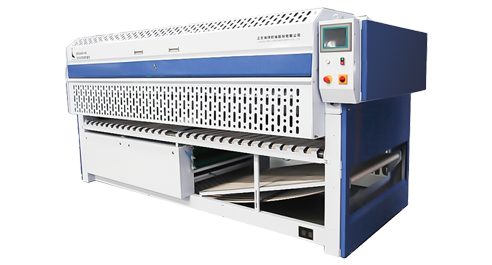
2026What Factors Can Affect the Maximum Sheet Feeding Speed?In the world of print finishing and mailroom operations, a High Speed Sheet Folder is a critical asset for maintaining workflow efficiency. However, the advertised maximum speed of a machine is not always achievable in a production environment. Several variables, ranging from the physical properties of the paper to the sophistication of the machine's control system, can significantly influence the actual maximum sheet feeding speed. Understanding these factors is essential for optimizing throughput, reducing downtime, and ensuring consistent fold quality. This article examines the primary technical elements that determine and limit the upper bounds of sheet feeding speed. Paper Substrate Characteristics The physical attributes of the paper itself are the most fundamental and often variable factors affecting feeding speed. The friction, stiffness, and dimensions of the substrate directly impact how reliably it can be separated, accelerated, and transported through the machine's path. Paper Weight (GSM) and Thickness The weight and thickness of the paper determine its rigidity and the friction between sheets. These factors are critical in the separation process, particularly in friction-feed systems where the force needed to move the paper can vary significantly [citation:5]. Lightweight (Low GSM): Thin papers are prone to static cling and can be difficult to separate reliably at high speeds. The risk of double feeds increases if the separation mechanism is not precisely adjusted, potentially requiring a reduction in speed to prevent jams. Heavyweight (High GSM): While heavier paper is easier to separate, it has a higher coefficient of friction. Moving a heavy sheet through the feed and folding rollers requires more torque. If the machine's motors cannot sustain the required force at maximum speed, the feeding rate must be lowered to avoid slipping or stalling. Sheet Size and Length The dimensions of the sheet, particularly its length in the direction of travel, play a significant role in determining the maximum achievable throughput. Short Sheets: Feeding very short sheets is challenging for several reasons. The distance between rollers must be short enough to ensure the sheet is always in contact with at least one drive mechanism to maintain acceleration. If the sheet is shorter than the gap between rollers, it can lose momentum and become uncontrollable [citation:1]. Long Sheets: While long sheets are easier to grip, the distance they must be accelerated can impact the cycle time. Furthermore, a longer sheet requires a larger gap between it and the next sheet to avoid collisions. To maintain a consistent downstream output rate, the feeding speed may need to be adjusted as the gap size is proportional to the sheet length [citation:7]. Surface Finish and Static The surface properties of the paper directly influence the feeding mechanism's ability to consistently pick up and separate the top sheet. Glossy or Coated Papers: These surfaces have a low coefficient of friction, which can cause the feed rollers to slip rather than grip the paper. This often prevents the sheet from being drawn into the machine at the intended rate. Static Electricity: In dry environments, sheets can become highly charged. This causes them to cling to each other, making separation difficult and often resulting in double feeds or misfeeds. Many folders require anti-static accessories to mitigate this issue and maintain high speeds. Moisture Content Paper is hygroscopic, meaning its moisture content changes with ambient humidity. High moisture content can make paper limp and increase its coefficient of friction, causing it to stick together and resist separation. Conversely, very dry paper can become brittle and generate more static, leading to dust and sheet jams that force operators to reduce the feed speed. Machine Mechanical and Design Constraints The physical construction of the High Speed Sheet Folder imposes inherent limits on how fast it can operate. These constraints are tied to the acceleration of moving parts, the torque of motors, and the design of the paper path. Acceleration and Deceleration Dynamics The speed at which a machine can feed sheets is not solely about peak velocity; it is about how quickly it can accelerate a sheet from a standstill to the transport speed and then decelerate to stop for the next cycle. The control of these phases is a major engineering challenge [citation:1]. Acceleration Rate: To achieve high throughput, the machine must accelerate the sheet rapidly. However, if the acceleration is too aggressive, it can cause the sheet to slip relative to the drive wheels. The optimal acceleration is a balance between speed and grip. Some systems use a constant distance for acceleration, which automatically adjusts the acceleration rate based on the machine speed [citation:1]. Deceleration and Braking: The ability to stop a sheet quickly and precisely is critical for maintaining register and preventing collisions. Slowing a heavy or long sheet requires substantial braking torque. To maximize speed, some control systems use a constant maximum braking torque regardless of machine speed, minimizing the stop time [citation:1]. Roller and Drive System Capabilities The drive system must be capable of delivering sufficient power to feed paper at high speeds without losing control or overheating. Motor Power: The motor(s) driving the feed and folding rollers must produce adequate torque to grip and move the paper, especially with heavier stock. If a motor lacks power, it will struggle to maintain speed when feeding thicker materials, leading to a necessary reduction in maximum speed. Roller Material and Grip: The surface material of the feed rollers determines the gripping force. Worn or hard rollers have a lower coefficient of friction, which can lead to slipping at high speeds. This is why regular maintenance and replacement of rollers are essential for sustaining top performance [citation:7]. Sheet Path Design and Friction The path a sheet travels from the feed tray to the fold plates must be optimized for minimal resistance. Any obstruction or high-friction point can limit speed. Roller Spacing: The distance between drive wheels is critical. Shorter spacing is beneficial for handling very short sheets, as it ensures the sheet is always guided by at least one set of wheels. This supports smoother acceleration and higher speeds for a wider range of paper sizes [citation:1]. Guide Plates and Surfaces: Rough or misaligned guide plates can create drag, slowing the sheet and causing jams. A well-designed, low-friction sheet path is essential for achieving high feeding speeds. Control Systems and Timing The sophistication of the machine's control system is the key to achieving and maintaining a high maximum speed. Intelligent control can adapt to changing conditions, while simple systems may need to be run slower to ensure reliability. Gap Management and Sheet Lengths In a continuous feed system, the spacing between sheets, known as the "gap," is crucial. A smaller gap increases throughput, but it also increases the risk of collisions. The ideal gap is determined by the sheet length. Variable Gaps: Advanced systems can measure the length of each sheet in real-time and adjust the speed of the feed mechanism to create a gap proportional to that length. This allows the machine to maximize throughput for shorter sheets while automatically reducing the effective feed rate for longer ones to prevent jams [citation:7]. Fixed Gaps: Machines with simpler controls set a fixed gap based on the most common sheet size. When processing longer sheets, this may lead to collisions, forcing operators to slow down the entire machine to ensure reliability. Sensor Accuracy Photo sensors are used to detect sheet edges and monitor the feed process. The speed and accuracy of these sensors can limit machine performance. High-Resolution Sensors: Accurate and fast sensors allow the control system to make precise adjustments to roller speed in real-time. This enables the machine to operate close to its mechanical limits with confidence. Slow or Simple Sensors: If the sensors cannot reliably detect the front or trailing edge of a sheet at high speeds, the control system must operate with a larger margin of error to prevent misfeeds, which effectively lowers the machine's usable speed. Motor Control Algorithms The way the motors are controlled is fundamental to achieving high speed without sacrificing accuracy. Stepper vs. Servo Motors: High-speed folders often use advanced servo motors that offer precise speed and position control. However, the sophistication of the control algorithm is what matters most [citation:1]. Adaptive Profiles: Some control units employ different principles for acceleration and deceleration. For example, they might use a constant distance for acceleration and a maximum torque for braking. This complex interplay allows for higher average speeds than simpler, position-based cam controls [citation:1]. Key Control Principles Constant Distance Acceleration: Achieves smoother acceleration by adapting the rate to the machine's current speed, preventing sheet slip. Maximum Torque Braking: Provides consistent stopping power regardless of the target speed, minimizing and standardizing the stop time. Environmental and Operational Conditions Beyond the machine and paper, the conditions in the operating environment and the choices made by the operator also have a significant impact on the maximum sustained feed speed. Ambient Humidity and Temperature The environment in which the machine operates plays a direct role in paper handling and machine performance [citation:5]. Low Humidity: Leads to a build-up of static electricity, which causes sheets to stick together and can lead to double feeds. This often requires the operator to slow the feed rate to maintain reliability. High Humidity: Causes paper to swell and become limp, which increases friction and the likelihood of feed jams. In severe cases, high humidity can also cause the paper to curl, further complicating feeding. Temperature: Extreme heat can dry out and warp paper, while cold can make it brittle and affect the lubrication of mechanical parts. Operator Settings and Maintenance Ultimately, human factors determine how effectively a machine can run. Setup Accuracy: Incorrectly set side guides or skew adjustments can create friction and jams. High-speed operation demands that all settings are precisely aligned. Maintenance Schedules: Worn or dirty rollers lose their grip and will slip at high speeds. Regular cleaning and replacement are necessary to maintain maximum performance [citation:7]. Feed Tray Capacity: Loading the feed tray to its maximum capacity can often help maintain consistent feeding pressure. However, as the pile decreases, the pressure changes, which can sometimes affect feeding consistency and require speed adjustments. Downstream Process Integration The High Speed Sheet Folder is often part of a larger finishing line. Its speed is limited by the slowest component in the chain [citation:7]. Bottlenecks: If the folder feeds sheets faster than a downstream printer, inserter, or cutter can process them, it will cause a jam or require the folder to wait. In such systems, the folder's speed is often controlled by the downstream machine's capacity. Traceability: When integrated with scanning or sorting systems, sheet spacing must be maintained to ensure each sheet is correctly tracked and processed, which can dictate the feed speed [citation:7]. Comparative Data The following table illustrates how these factors combine to influence the performance specifications found in different classes of equipment. Feature Entry-Level Folder Mid-Range Folder High-Speed Production Folder Max Speed (Sheets/Hour) ~4,000 [citation:4] ~14,000 [citation:6] ~20,000+ Paper Weight (gsm) Limited (e.g., 60-90) Wide Range (e.g., 52-157) [citation:2] Extensive Range (e.g., 52-220+) Key Technology Manual Setup Pre-set Folds Servo Motors & Advanced Control Sheet Length Sensitivity High Moderate Low (Variable Gap Control) [citation:7] FAQ Q1: Why can't I reach the maximum speed listed in the specifications? Maximum speeds are typically achieved under ideal conditions using standard paper (e.g., 20 lb bond or 80 gsm). Using heavier, lighter, coated, or shorter sheets will often require a reduction in speed to maintain reliable feeding and folding accuracy. Environmental conditions and machine maintenance also play a significant role. Q2: How does sheet length affect the maximum feeding speed? Sheet length is a crucial factor. Short sheets are difficult to control because they may not be in contact with a drive roller at all times. The control system must adjust the gap between sheets based on their length to prevent collisions. To maintain a steady downstream process speed, the effective feed rate for long sheets may be lower than for short ones [citation:7]. Q3: What can I do to improve the feeding speed of my folder? Ensure your paper is properly conditioned (avoid excessive static or moisture). Keep feed rollers clean and in good condition. Use the correct setup for the paper size and weight. Regularly perform maintenance as specified by the manufacturer. Properly aligning the machine and managing the downstream equipment can also allow it to run closer to its maximum speed. Q4: Is a higher speed always better for a high speed sheet folder? Not necessarily. The optimal speed is the one that maximizes throughput while maintaining high fold quality and zero errors. Running a machine too fast can lead to a higher rate of jams, misfeeds, and damaged sheets. A slightly lower, reliable speed is often more productive than a higher, error-prone speed. Q5: How does static electricity reduce feeding speed? Static electricity causes sheets to cling together, making it difficult for the feed mechanism to separate the top sheet from the stack. This often results in double feeds, where two or more sheets are drawn into the machine at once. To prevent these jams, operators must slow the feed rate or invest in anti-static equipment. .section-block { font-family: 'Segoe UI', Roboto, 'Helvetica Neue', sans-serif; font-weight: 400; line-height: 2; color: #222; } .section-block h2 { font-size: 20px; font-weight: bold; text-align: left; margin-bottom: 10px; margin-top: 0px; padding-bottom: 6px; background: linear-gradient(to right, #2f3190, #6b6ec9); color: white; padding: 8px 15px; border-radius: 4px; display: inline-block; } .section-block h3 { font-size: 18px; font-weight: bold; text-align: left; margin-top: 5px; margin-bottom: 5px; border-left: 6px solid #2f3190; padding-left: 12px; } .section-block h4 { font-size: 16px; font-weight: 500; text-align: left; margin-top: 12px; margin-bottom: 4px; background-color: #f0eff9; padding: 6px 12px; border-radius: 20px; } .section-block p { margin-bottom: 5px; font-size: 16px; } .section-block ul, .section-block ol { margin-top: 8px; margin-bottom: 8px; padding-left: 20px; } .section-block li { list-style-position: inside; font-size: 16px; margin-bottom: 2px; } .section-block li::marker { color: #2f3190; } .section-block strong { font-weight: 500; } .section-block table { border-collapse: collapse; width: 100%; margin: 15px 0; font-size: 16px; } .section-block td, .section-block th { border: 1px solid #d0d0d0; padding: 8px; text-align: center; font-size: 16px; } .section-block tr:nth-child(even) { background-color: #f9f9fc; } .section-block tr:hover { background-color: #e8e7f4; } .section-block a { color: #2f3190; text-decoration: underline; font-weight: 500; } .section-block a:hover { color: #6b6ec9; } -
27 Jul
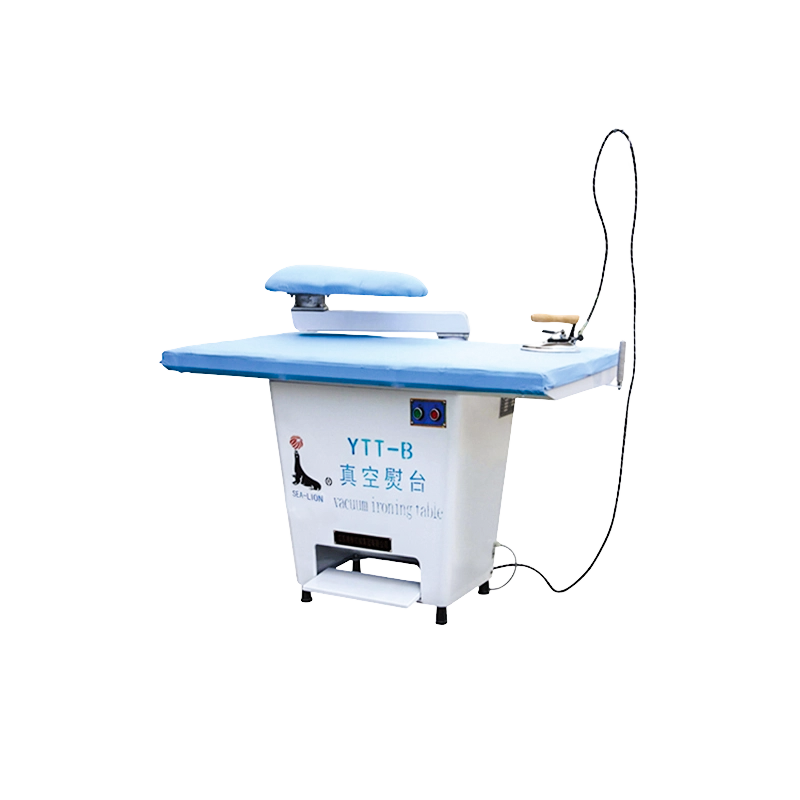
2026Discover the real differences between a vacuum ironing table and a regular ironing board. Compare suction, steam control, crease quality, and workflow to choose your ideal pressing tool.For decades, the humble ironing board has been a staple in homes and tailoring shops. But a new contender—the vacuum ironing table—promises a fundamentally different pressing experience. While both serve the same primary purpose, their operating principles, fabric handling, and final results are worlds apart. This article breaks down every critical distinction, from suction mechanics to workflow efficiency, so you can decide which tool truly fits your pressing needs. 1. Core Operating Principle: Suction vs. Cushion The most fundamental difference lies in how each board interacts with fabric. A regular ironing board relies on a padded surface—typically cotton or felt over a perforated metal frame—to provide a firm but slightly yielding base. The fabric rests on this cushion, and heat and steam from the iron penetrate from the top only. Moisture and heat slowly dissipate through the padding, often leaving residual dampness. In contrast, a vacuum ironing table integrates a motorized suction system that pulls air downward through a perforated work surface. This constant airflow performs three simultaneous actions: Anchors the fabric flat against the board without pins or weights. Extracts steam and moisture instantly through the table, not just upward. Cools the fabric rapidly, setting creases and seams in a fraction of the time. This active extraction changes the entire physics of pressing. The regular board is passive—it merely supports. The vacuum table is active—it pulls heat and moisture through the material, creating a one-way flow that drastically reduces ironing time and improves crispness. 2. Fabric Handling & Crease Quality 2.1. Slippage and Shifting On a regular board, lightweight fabrics like silk, rayon, or slippery synthetics tend to shift under the iron’s pressure. Even with careful hand placement, wrinkles can reform as the fabric moves. The vacuum ironing table eliminates this problem entirely—the suction holds every fiber in place, so you can glide the iron without tension, and the fabric stays exactly where you positioned it. 2.2. Sharpness of Creases Professional tailors prize vacuum tables for their ability to produce razor-sharp creases on trousers, pleats, and collars. The suction draws the fabric tightly against the perforated surface while steam is applied, then immediately pulls the moisture away, "freezing" the crease in place. A regular board, by contrast, allows steam to linger, which can soften or relax sharp folds, especially in heavier cottons or linens. Practical insight: Quilters and sewists who work with multiple layers report that vacuum tables reduce seam puckering by up to 60% compared to standard boards, because the suction prevents the top layer from stretching over the bottom layer during pressing. 3. Steam and Moisture Management Steam is essential for effective ironing, but trapped moisture is the enemy of crisp results. A regular ironing board allows steam to pass through the cover and padding, but much of it condenses inside the board or re-enters the fabric from below. This can lead to over-dampened areas, longer drying times, and even mildew in humid environments. A vacuum ironing table actively evacuates steam through the perforated top into a collection tank or exhaust. This creates a dry-pressing environment where: Steam penetrates the fabric from the iron, relaxes fibers, then is pulled downward and out. The fabric emerges nearly dry, allowing immediate handling or sewing. No moisture migrates back into the fibers, preventing re-wrinkling. In high-production settings, this moisture control reduces pressing time per garment from roughly 90 seconds on a regular board to about 35 seconds on a vacuum table—a 60% efficiency gain, according to industry workflow studies. 4. Comparison Matrix: Vacuum Ironing Table vs. Regular Board Feature Vacuum Ironing Table Regular Ironing Board Fabric anchoring Active suction – zero slippage Passive – relies on weight/friction Steam extraction Forced downward, instant removal Slow dissipation through padding Crease permanence High – rapid cooling sets folds Moderate – may soften over time Drying time (per garment) ~30–40 seconds ~2–3 minutes Noise level 65–75 dB (motor running) Silent Portability Heavy, often stationary Light, foldable, easy to store 5. Workflow and Physical Setup 5.1. Space and Installation A regular ironing board requires no installation—unfold, set the height, and begin. A vacuum ironing table, however, demands a dedicated space. Most models are bench-top or freestanding units with an integrated vacuum motor, exhaust hose, and sometimes a water collection tray. They need a power outlet and adequate ventilation for the motor's heat output. 5.2. Work Surface and Ergonomics Vacuum tables typically offer a larger, flatter work surface (often 120 cm x 60 cm or more) compared to the tapered shape of standard boards. This extra area is invaluable for pressing large panels of fabric, whole garment sections, or quilts. The rigid, flat surface also provides consistent pressure distribution—no sagging or soft spots, which can occur on worn regular boards. Regular Board Steam ↑↑ Moisture lingers Fabric shifts Vacuum Table Suction ↓↓ Instant moisture exit Fabric locked in place 6. Maintenance and Durability Regular ironing boards are low-maintenance—replace the cover when worn, and occasionally tighten the hinges. Their simplicity is their strength, but they lack longevity in heavy-use environments; padding compacts, the mesh rusts, and the legs can weaken. A vacuum ironing table requires more attention but offers greater durability if properly cared for. Key maintenance tasks include: Filter cleaning: The vacuum motor has intake filters that trap lint and dust; these need weekly cleaning in professional use. Cover replacement: Perforated covers wear out from heat and friction—high-quality covers last 6–12 months under daily use. Motor checks: Brush motors may need periodic carbon brush replacement after 500–800 operating hours. While a regular board may cost 2–3 times less upfront, a vacuum table's longer lifespan and reduced pressing time often justify the investment for serious sewists or small businesses. 7. Energy and Operating Costs Energy consumption is another divergence point. A regular board consumes zero electricity—it is entirely passive. A vacuum ironing table, however, draws power for its motor, typically between 800 W and 1500 W depending on suction power. At average electricity rates, running a vacuum table for 2 hours of daily pressing costs roughly $0.30–$0.50 per day. This operational cost must be weighed against time saved. For a tailor pressing 40 garments a day, the vacuum table can cut pressing time from 2.5 hours to under 1 hour—translating to significant labor savings that far outweigh the electricity expense. For occasional home use, the cost-benefit shifts in favor of the regular board. 8. Which One Should You Choose? The decision between a regular ironing board and a vacuum ironing table is not about "better" but about "fit." Here is a decision framework: Choose a Regular Board If: You iron occasionally (1–2 times per week) Storage space is limited Budget is a primary constraint You mainly press basic cottons and synthetics Noise is a concern (apartment living) Choose a Vacuum Table If: You sew or tailor professionally or semi-professionally You work with silks, linens, or delicate layers Crisp, permanent creases are critical You have a dedicated work area Time efficiency trumps upfront cost 9. Frequently Asked Questions Q1: Can I use a vacuum ironing table for all fabric types? Yes, but with adjustments. For heavy fabrics like denim or canvas, use higher suction and steam settings. For ultra-light silks, reduce suction to avoid distorting the weave. Most tables have adjustable vacuum power to accommodate different weights. Q2: Does a vacuum ironing table replace the need for a steam iron? No. The vacuum table is a support system; it does not generate heat or steam. You still need a steam iron or gravity-feed iron to apply moisture and heat. The table works in tandem with the iron to extract moisture and set the fabric. Q3: How noisy is a vacuum ironing table in practice? Most units produce between 65 and 75 decibels—comparable to a household vacuum cleaner. This is noticeable but not deafening. Some manufacturers offer insulated motor housings that reduce noise to ~60 dB, but they are less common. Q4: Is the suction strong enough to hold multiple layers of quilting cotton? Yes. Professional-grade tables generate static pressure of 150–200 mbar, which easily holds 4–6 layers of quilting cotton without shifting. For very thick batting, you may need to use a pressing cloth and moderate suction to avoid imprinting the perforations. Q5: Can I retrofit my regular ironing board into a vacuum table? DIY conversions using a shop vac are possible but not recommended. The perforation pattern, air distribution, and seal design of purpose-built tables are engineered for uniform suction. A shop-vac conversion often results in uneven pull and poor steam extraction. .section-block { font-family: 'Segoe UI', Roboto, 'Helvetica Neue', sans-serif; font-weight: 400; line-height: 2; color: #1e1e2a; margin-bottom: 40px; } .section-block h1.main-title { font-size: 26px; font-weight: 700; color: #1a1a2e; margin-bottom: 10px; letter-spacing: -0.3px; padding-bottom: 12px; border-bottom: 4px solid transparent; border-image: linear-gradient(90deg, #2f3190 0%, #7879c4 100%); border-image-slice: 1; display: inline-block; } .section-block h2 { font-size: 20px; font-weight: 700; text-align: left; margin-bottom: 10px; margin-top: 10px; padding-left: 0; position: relative; display: inline-block; background: linear-gradient(to right, #2f3190 0%, #2f3190 8px, transparent 8px); padding-left: 18px; color: #1f1f3a; } .section-block h3 { font-size: 18px; font-weight: 700; text-align: left; margin-top: 5px; margin-bottom: 5px; color: #2a2a4a; padding-left: 0; border-left: 4px solid #2f3190; padding-left: 12px; } .section-block h4 { font-size: 16px; font-weight: 500; text-align: left; margin: 12px 0 2px 0; color: #1e1e32; background: #f0f1fb; padding: 6px 14px; border-radius: 30px; display: inline-block; } .section-block p { font-size: 16px; margin-bottom: 5px; line-height: 2; } .section-block ul, .section-block ol { margin-top: 8px; margin-bottom: 8px; padding-left: 20px; } .section-block li { list-style-position: inside; font-size: 16px; line-height: 2; } .section-block ul li { list-style-type: disc; } .section-block ol li { list-style-type: decimal; } .section-block strong { font-weight: 500; color: #1f1f3a; } .section-block table td, .section-block table th { text-align: center; font-size: 16px; padding: 10px 8px; border: 1px solid #d8dae8; } .section-block table tr:first-child th { border-top: none; } .section-block table tr:last-child td { border-bottom: none; } .section-block table { border-radius: 16px; overflow: hidden; } .section-block a { color: #2f3190; text-decoration: underline; font-weight: 500; } .section-block svg { font-family: 'Segoe UI', Roboto, 'Helvetica Neue', sans-serif; }

- No. 2 Lehong Road, Leyu Town, Zhangjiagang, Suzhou City, Jiangsu Province, China
- +86-512-58602532
- [email protected]
Copyright @ Jiangsu Sea-Lion Machinery Co., Ltd. All rights reserved
Custom Laundry Equipment Suppliers