English
 Français
 Español









Commercial Tumble Dryer vs Residential Dryer: A Complete Performance and Durability Comparison for Industrial Laundry Operations
Content
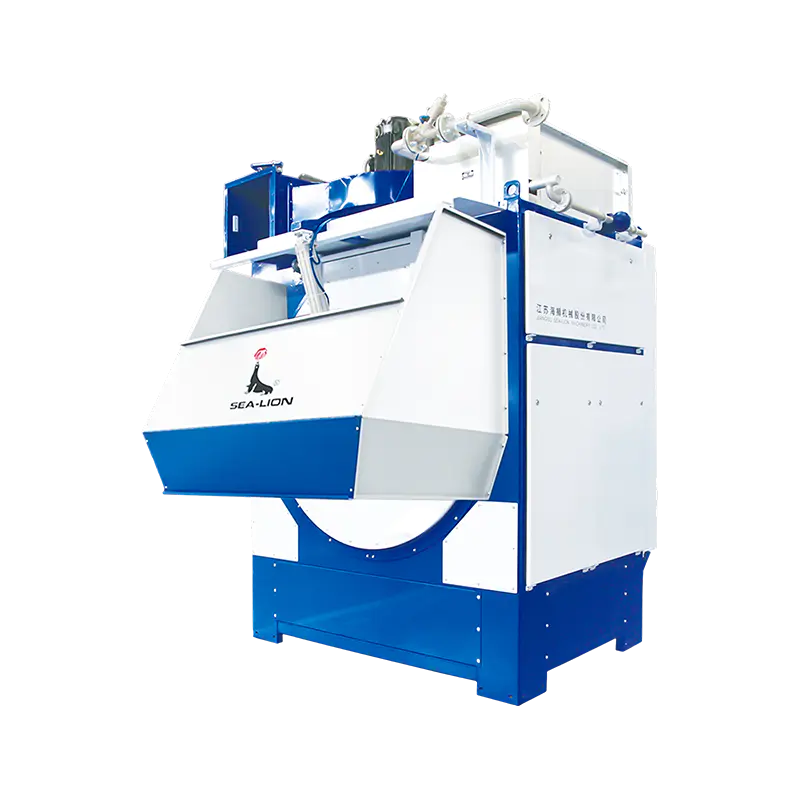
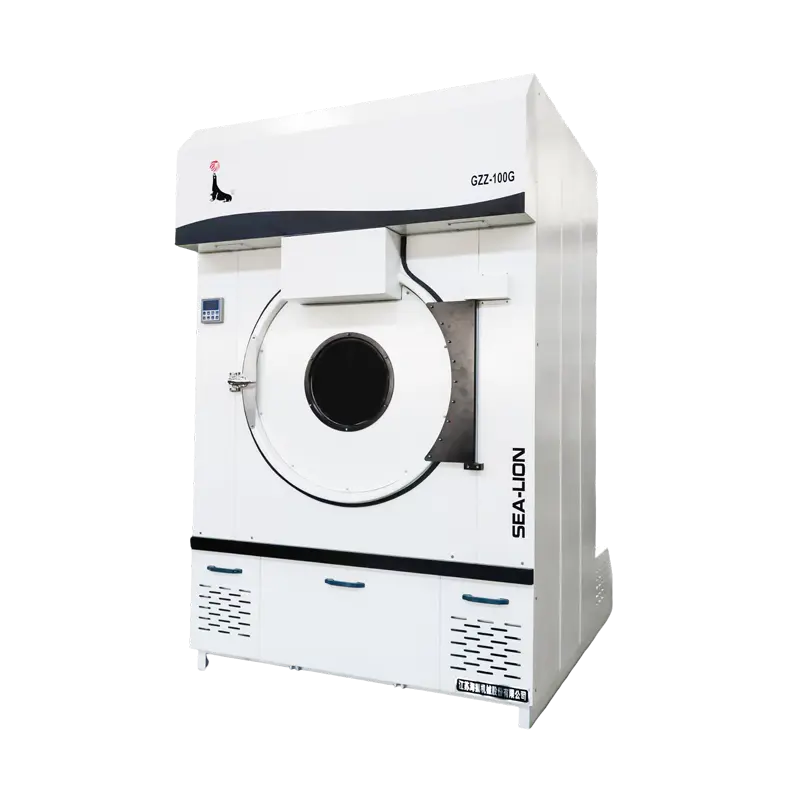
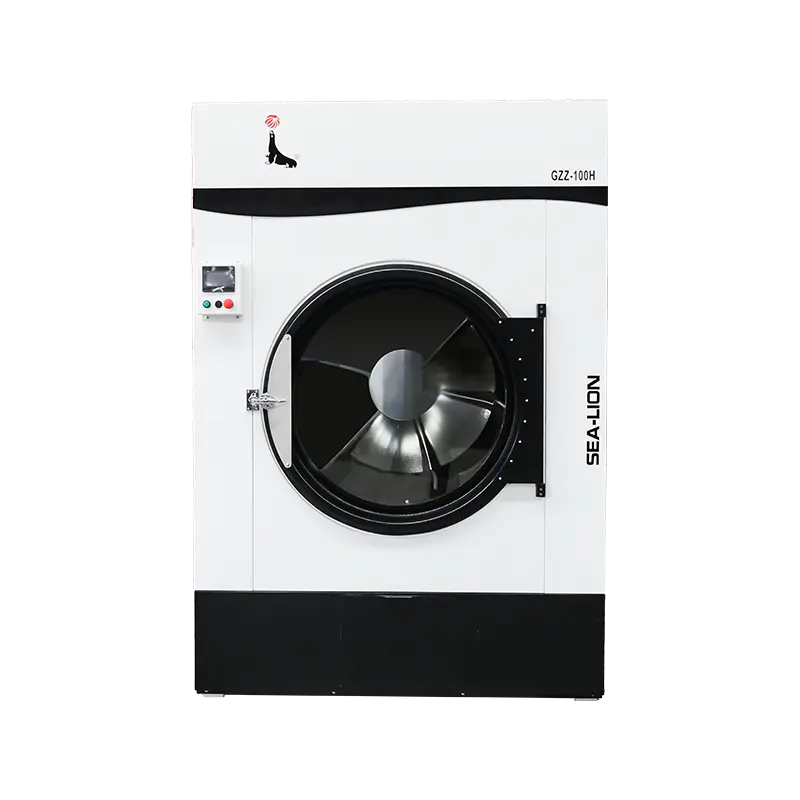
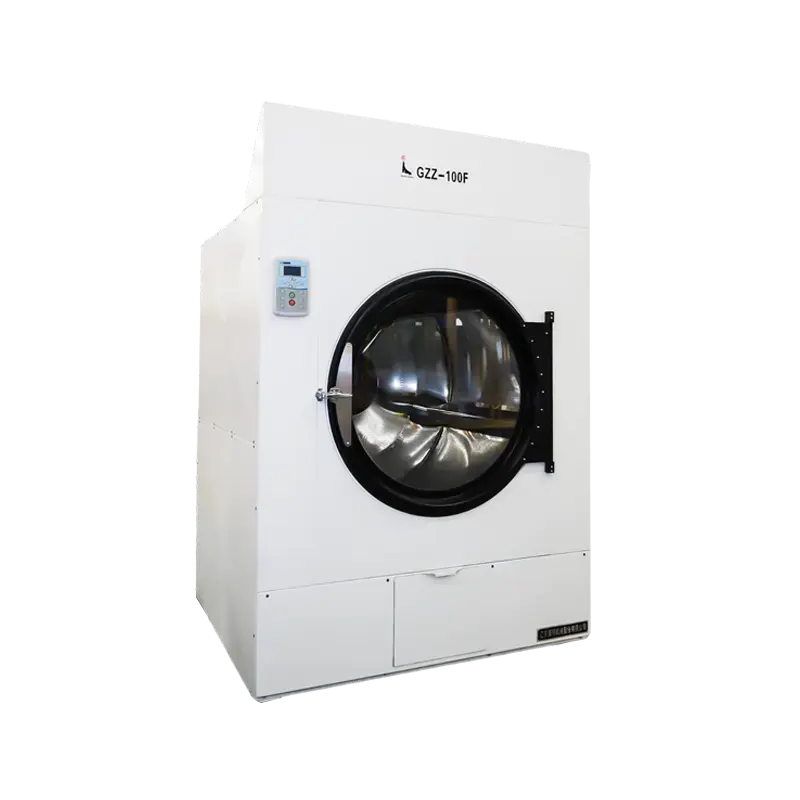
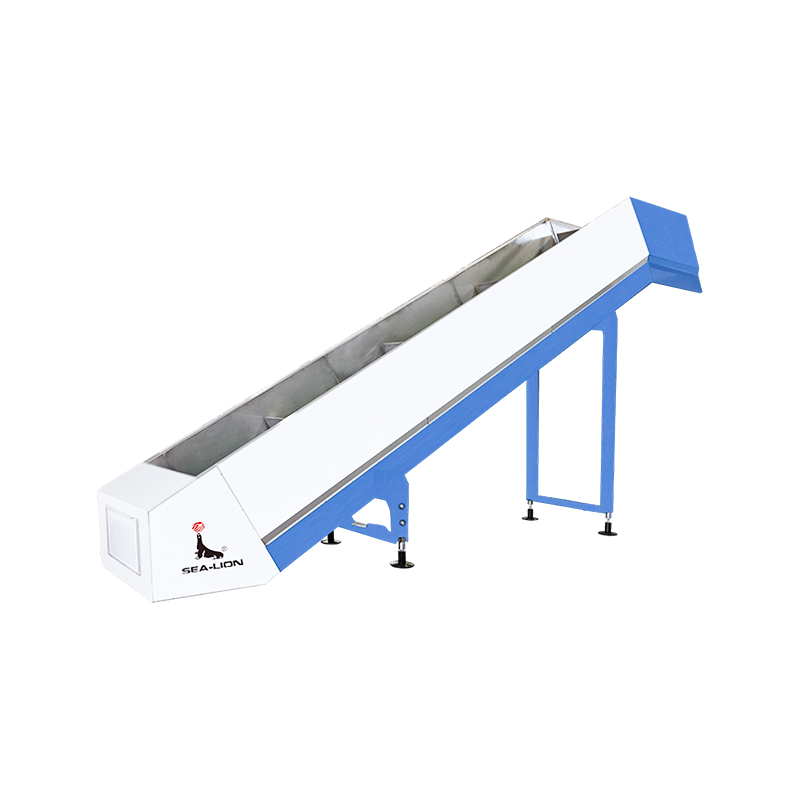
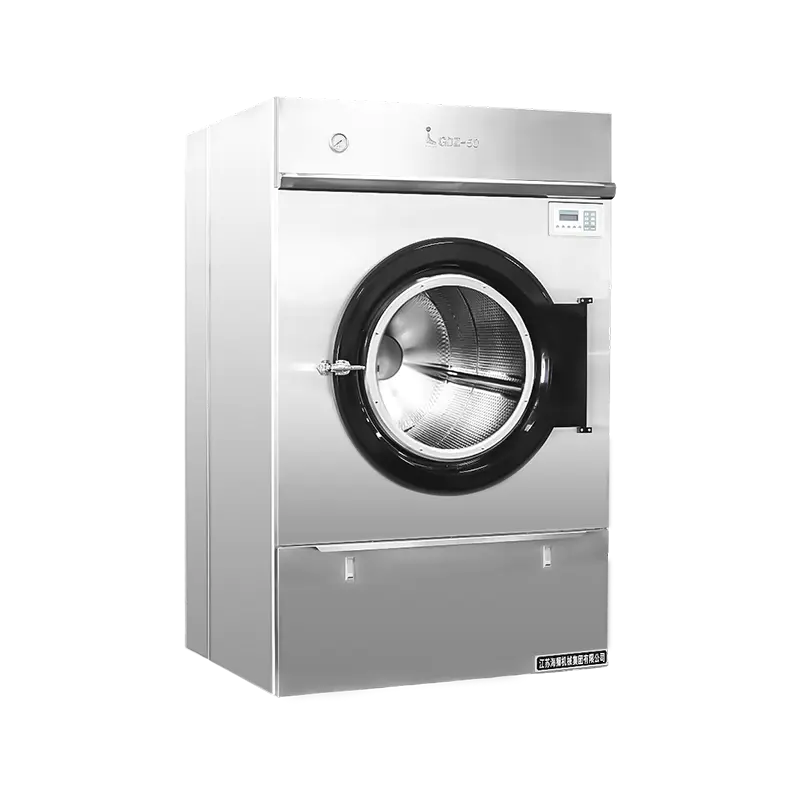
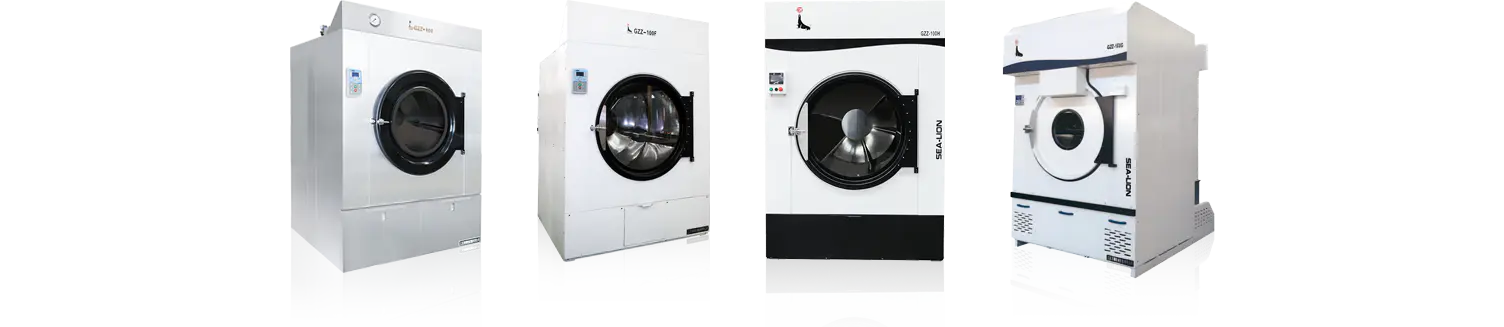
For commercial laundry operators, hospitality facility managers, and export sourcing professionals, selecting the right drying equipment directly impacts throughput capacity, energy costs, linen quality, and equipment longevity. Residential dryers are designed for intermittent use with small loads and limited fabric variety. Commercial Tumble Dryers are engineered for continuous operation, large load capacities, and diverse fabric types ranging from delicate woolens to heavy towels and blankets. Understanding the differences between these dryer categories helps buyers select the optimal solution for applications ranging from hotels and hospitals to industrial laundries and military facilities.
Residential dryers typically have drum volumes of 100 to 200 liters, load capacities of 5 to 10 kilograms, and are designed for 2 to 4 cycles per day. Their components are sized for limited runtime and may fail prematurely under commercial use. Commercial tumble dryers have drum volumes of 300 to 1,200 liters, load capacities of 20 to 120 kilograms, and are designed for 12 to 20 cycles per day, 7 days per week. They incorporate heavy duty bearings, industrial grade motors, and advanced control systems that maintain performance over decades of service. The following table summarizes the key differences between commercial tumble dryers and residential dryers.
| Performance Indicator | Commercial Tumble Dryer | Residential Dryer |
|---|---|---|
| Load Capacity公斤 | 20 to 120 kilograms industrial scale | 5 to 10 kilograms household scale |
| Drum Volume | 300 to 1,200 liters | 100 to 200 liters |
| Daily Cycle Capacity | 12 to 20 cycles per day, continuous operation | 2 to 4 cycles per day, intermittent only |
| Heating System | Steam, gas, or electric with high efficiency heat exchanger | Electric or gas, residential grade |
| Control System | Microprocessor with programmable cycles and moisture sensing | Basic timer or limited electronic controls |
| Construction Quality | Heavy gauge steel, stainless steel drum, industrial bearings | Light gauge steel, powder coated drum, standard bearings |
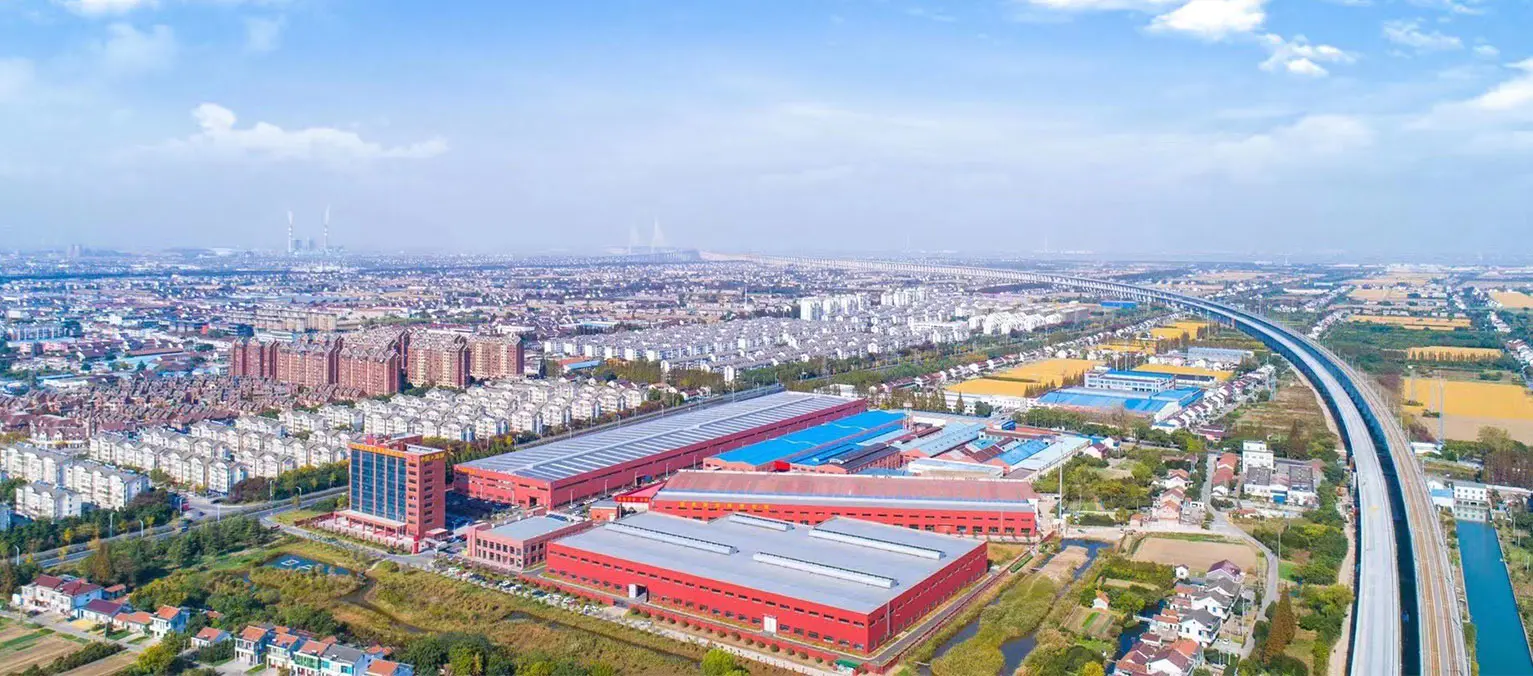
Industry data confirms that commercial tumble dryers from manufacturers such as Jiangsu Sea-Lion Machinery Co., Ltd., with over 55 years of manufacturing experience, deliver 15 to 25 years of service life under full time operation, compared to 3 to 5 years for residential dryers used in commercial applications. The investment in commercial grade equipment is essential for facilities processing more than 200 kilograms of linen daily.
Understanding Commercial Tumble Dryer Construction and Durability
The commercial tumble dryer is built to withstand the demanding conditions of industrial laundry operations. Understanding construction quality helps buyers select machines that will provide reliable long term service with minimal downtime.
The drum is the most critical component, where linen is tumbled and dried. Commercial dryer drums are manufactured from stainless steel for corrosion resistance and durability. Drum thickness of 1.5 to 2.5 millimeters provides rigidity and resistance to denting from heavy loads. The drum is perforated with thousands of small holes that allow heated air to pass through while retaining linen. Perforation patterns are designed to maximize airflow while maintaining structural strength. Drum lifters or ribs extend from the inner surface, lifting linen as the drum rotates and then dropping it to maximize exposure to heated air. For facilities processing abrasive items such as jeans or workwear, replaceable lifter covers extend drum life.
The bearing system supports the drum and must withstand continuous operation with heavy loads. Commercial dryers use oversize spherical roller bearings or tapered roller bearings rated for 50,000 to 100,000 hours of operation. Bearings are mounted in heavy duty housings with grease lubrication systems. Some models feature automatic grease lubrication that meters small quantities of grease at regular intervals, ensuring consistent lubrication without operator attention. The bearing housing is precisely aligned to the drum shaft during manufacturing, with alignment maintained by rigid frame construction. Bearing replacement is a major repair; selecting machines with easily replaceable bearing cartridges reduces downtime and labor costs.
The cabinet and frame provide structural integrity and protection for internal components. Commercial dryer frames are fabricated from heavy gauge steel with welded construction rather than bolted assemblies. The frame is stress relieved after welding to prevent warping. Cabinet panels are made from powder coated steel or stainless steel, with thickness of 1.2 to 2.0 millimeters. Access panels are secured with captive fasteners that cannot be lost during maintenance. For installations in corrosive environments such as coastal areas or chemical plants, stainless steel cabinets provide enhanced corrosion resistance. The cabinet should include sound deadening insulation that also reduces heat loss and improves energy efficiency.
The door and sealing system must maintain a tight seal during operation while allowing easy access for loading and unloading. Commercial dryer doors are typically 600 to 900 millimeters in diameter, allowing large items such as sheets and blankets to be loaded without folding. The door hinge is reinforced with heavy duty bearings to support the door weight without sagging over time. The door seal is made from high temperature silicone or rubber that maintains flexibility across the operating temperature range. For safety, the door interlock system prevents dryer operation when the door is open and locks the door during operation. Some models include a window of tempered glass that allows visual monitoring of the drying process without opening the door.
Heating Systems: Steam, Gas, and Electric Options for Commercial Dryers
Commercial tumble dryers are available with three heating system types, each with distinct advantages for different facilities. Understanding the options helps buyers select the most cost effective and efficient solution for their specific utility availability and operating profile.
Steam heated dryers are the most common choice for large commercial laundries with existing boiler systems. Steam at 3 to 8 bar pressure passes through a finned tube heat exchanger, where heat transfers to the air circulating through the drum. Steam dryers have the lowest operating cost where waste heat or cogenerated steam is available. They also have no combustion products, making them suitable for installation in confined spaces. Steam dryers require a condensate return system to capture and return condensed steam to the boiler. For facilities without existing steam infrastructure, the cost of boiler installation may make steam dryers uneconomical. Steam heated dryers are typically 15 to 25 percent more expensive than gas heated equivalents but have lower operating costs where steam is efficiently produced.
Gas heated dryers use natural gas or propane burners to heat air directly. Gas dryers have lower initial cost than steam dryers and do not require boiler infrastructure. They are preferred for facilities where natural gas is readily available at competitive rates. Gas dryers require combustion air supply and flue exhaust ventilation, with installation costs that may include adding or extending exhaust ducts. Efficiency of gas dryers ranges from 75 to 85 percent, with the remainder lost as exhaust heat. For facilities with moderate gas rates, gas dryers provide the best balance of initial and operating cost. Gas dryers are available with electronic ignition systems that eliminate standing pilot lights, reducing gas consumption during idle periods.
Electric heated dryers use resistance heating elements to warm air. They have the lowest initial cost of the three types and require only an electrical connection with no gas lines or steam pipes. However, electric dryers have the highest operating cost, typically 2 to 4 times higher than gas or steam dryers in most regions. Electric dryers are preferred for small facilities, remote locations where gas is unavailable, or where electric rates are unusually low. For energy efficiency, electric dryers should be equipped with heat pump technology that recovers waste heat, reducing energy consumption by 50 to 60 percent compared to standard electric resistance dryers. Heat pump electric dryers have higher initial cost but lower operating cost than standard electric units.
The heat exchanger design significantly affects drying efficiency regardless of heating type. Commercial tumble dryers from manufacturers such as Jiangsu Sea-Lion Machinery Co., Ltd. use large surface area heat exchangers with stainless steel pipes and aluminum fins. The finned design maximizes heat transfer while minimizing airflow restriction. Heat exchangers should be accessible for cleaning, as lint accumulation reduces efficiency and creates a fire hazard. Some models feature self cleaning heat exchangers that use compressed air bursts to dislodge lint. For steam dryers, the heat exchanger should be sloped to allow condensate drainage, preventing water hammer that can damage the exchanger.
Control Systems and Drying Optimization Features
Modern commercial tumble dryers incorporate advanced control systems that optimize drying performance while reducing energy consumption and protecting fabrics. Understanding these features helps buyers select machines that deliver consistent results across varying load sizes and fabric types.
Microprocessor controllers are the standard for commercial dryers, providing precise control of drying time, temperature, and airflow. The controller accepts input from temperature sensors, moisture sensors, and operator settings, adjusting dryer operation in real time. Programmable cycles allow the operator to store drying parameters for different linen types. For example, a towel cycle might use high temperature and long duration, while a delicate cycle uses low temperature and short duration. The controller can store 20 to 50 cycles, with password protection preventing unauthorized changes. The display shows cycle status, time remaining, temperature, and any fault conditions. For multilingual facilities, controllers can be configured to display in multiple languages.
Automatic moisture sensing is a key energy saving feature that eliminates over drying. Sensors in the dryer drum measure the moisture content of the linen as it tumbles, typically using electrical conductivity or infrared sensing. When the moisture sensors indicate that the desired dryness level has been achieved, the dryer terminates the cycle automatically. Compared to timer based drying, automatic moisture sensing reduces energy consumption by 15 to 25 percent and prevents fabric damage from excessive heat exposure. For facilities processing variable loads, automatic sensing is essential for consistent results.
Bi directional drum rotation improves drying uniformity and reduces tangling. The dryer drum rotates clockwise for a set period, typically 30 to 60 seconds, then reverses direction. Reverse rotation unfolds linen that has wrapped around itself, exposing damp areas to heated air. It also reduces the formation of tangles that can damage fabrics and make unloading difficult. For drying large items such as sheets and blankets, reverse rotation is particularly beneficial. The controller manages the reversing sequence, with adjustable dwell time for each direction.
Data logging and remote monitoring capabilities track dryer performance and enable predictive maintenance. The control system records cycle data including start and end times, temperature profile, and energy consumption. This data can be exported via USB or network connection for analysis. For facilities with multiple dryers, centralized monitoring allows managers to track utilization, identify underperforming machines, and schedule maintenance based on operating hours rather than calendar time. Some systems send alerts to maintenance staff via email or text message when fault conditions occur or when preventive maintenance is due.
Fabric Care and Temperature Management for Diverse Textiles
Commercial laundries process a wide variety of fabrics, from heavy towels and jeans to delicate woolens and synthetics. The commercial tumble dryer must be capable of drying each fabric type safely while maintaining throughput. Understanding fabric specific drying requirements helps operators select appropriate cycles and settings.
Cotton is the most common fabric in commercial laundry, including sheets, towels, uniforms, and table linens. Cotton is highly absorbent and durable, tolerating high drying temperatures of 70 to 80 degrees Celsius. High temperature drying reduces cycle time and kills bacteria, making it suitable for healthcare and food service applications. However, excessive heat can cause cotton fibers to weaken and yellow over time. The optimal drying temperature for cotton is 65 to 75 degrees Celsius, achieving low residual moisture without damage. Cotton items should be removed from the dryer promptly to prevent wrinkling.
Polyester and poly cotton blends are common in uniforms, workwear, and hospitality linens. Polyester has a lower heat tolerance than cotton, with maximum safe temperature of 60 to 70 degrees Celsius. At higher temperatures, polyester fibers can melt, shrink, or become stiff. Commercial dryers with accurate temperature control and polyester cycles set to 55 to 65 degrees Celsius safely dry poly cotton blends. Over drying is particularly damaging to polyester, as heat continues to affect the fibers after moisture is removed. Automatic moisture sensing is essential for polyester blends.
Wool and other animal fibers are heat sensitive and prone to shrinkage and felting. Wool requires low temperature drying, typically 40 to 50 degrees Celsius, with gentle tumbling action. Commercial dryers with wool cycles reduce drum speed, lower temperature, and shorten cycle duration. Some dryers include cool down periods at the end of the cycle, allowing wool items to cool gradually before removal. Wool should not be dried completely; leaving 5 to 10 percent residual moisture prevents over drying damage. For facilities processing significant wool volumes, dedicated dryers with wool specific programming are recommended.
Delicate fabrics including silk, lace, and fine synthetics require the most gentle drying conditions. Temperatures should not exceed 40 degrees Celsius, and mechanical action should be minimized. Some commercial dryers include a delicate cycle that reduces drum speed, uses lower airflow, and extends cool down time. For the most fragile items, air drying may be preferred over machine drying. When machine drying is necessary, placing delicate items in mesh bags provides additional protection. Operators should verify that the dryer manufacturer has validated delicate cycles for specific fabric types.
Frequently Asked Questions
What is the typical lifespan of a commercial tumble dryer under full time operation?
With proper maintenance, a quality commercial tumble dryer from manufacturers such as Jiangsu Sea-Lion Machinery Co., Ltd. typically lasts 15 to 25 years under full time operation of 12 to 20 cycles per day, 7 days per week. Critical components including bearings, drive belts, and door seals may require replacement after 5 to 10 years. The heat exchanger and heating system components typically last 10 to 15 years with proper water treatment for steam systems or clean fuel for gas systems. Regular preventive maintenance including lint filter cleaning, bearing lubrication, and belt inspection is essential for achieving maximum service life. Facilities operating 24 hours per day should expect shorter component life than those operating single shifts.
How much floor space is required for a commercial tumble dryer installation?
Floor space requirements vary by dryer capacity. A 20 kilogram dryer typically requires 2 to 3 square meters, while a 120 kilogram dryer requires 6 to 8 square meters. Additional space is required for operator access, typically 1 meter on the front for loading and unloading and 0.5 meters on sides and rear for maintenance access. For gas dryers, additional clearance is required for combustion air intake and flue exhaust per local building codes, typically 0.5 to 1 meter. For steam dryers, space for condensate return lines and steam traps is required. For facilities with multiple dryers, aisle width between rows should be at least 1.5 meters for cart passage. Before finalizing space allocation, verify that doorways and corridors can accommodate dryer dimensions for delivery and installation.
What utilities are required for a commercial tumble dryer?
Commercial tumble dryers require three or four utilities depending on heating type. Electrical requirements include three phase power at voltage and amperage specified on machine nameplate, with a dedicated circuit breaker and lockable disconnect within sight of the machine. Control voltage is typically 24 volts DC or 110 volts AC derived from the main supply. For gas dryers, natural gas or propane supply at 2 to 5 kilopascals pressure with manual shutoff valve is required, plus combustion air intake and flue exhaust ducts. For steam dryers, steam supply at 3 to 8 bar pressure with strainer, pressure reducing valve, and trap is required, plus condensate return line. For electric dryers, only electrical connection is required, though high power units may need 200 to 300 ampere service. All dryers require a lint exhaust duct to the building exterior, typically 150 to 300 millimeters diameter.
How do I calculate the number of commercial dryers needed for my facility?
Calculate required dryer capacity by considering daily linen volume, operating hours, and cycle time. First, determine daily dry linen weight in kilograms. Second, determine available operating hours per day. Third, determine cycle time including loading, drying, and unloading. For a facility processing 2,000 kilograms daily over 10 operating hours, required hourly throughput is 200 kilograms. If each dryer processes 50 kilograms per hour including cycle and handling time, five dryers are required. Add one extra dryer for redundancy to cover maintenance or breakdowns. For facilities using automatic moisture sensing, cycle times may vary with load moisture content; use average times for calculation. Consult with equipment suppliers who can perform detailed calculations based on your specific linen mix and operating profile.
What is the typical minimum order quantity for commercial tumble dryers?
Commercial tumble dryers are standard products, so minimum order quantities are one unit. However, for large facilities installing multiple machines, quantity discounts are typically available for orders of 5 to 10 units or more. For custom configurations such as special voltage, unique control features, or custom colors, manufacturers may require minimum orders of 5 to 10 units to justify engineering and setup costs. For export orders, manufacturers such as Jiangsu Sea-Lion Machinery Co., Ltd., with annual production capacity of 12,000 sets, can accommodate single unit orders for standard models. Lead times for standard models range from 4 to 8 weeks, while custom configurations may require 12 to 16 weeks. For facilities requiring rapid delivery, some suppliers maintain stock of popular models for immediate shipment.
References
1. ISO 30000:2022. Ships and marine technology - Laundry equipment - Tumble dryers. International Organization for Standardization.
2. CEN EN 1406:2020. Industrial laundry machinery - Safety requirements for tumble dryers. European Committee for Standardization.
3. American National Standards Institute. (2021). ANSI Z8.1: Safety Requirements for Commercial Laundry and Drycleaning Equipment. ANSI Publications.
4. Textile Services Association. (2023). Best Practice Guide for Tumble Dryer Operation and Maintenance. TSA Publications.
5. Institute of Industrial Laundry Operators. (2022). IILO Energy Efficiency Handbook for Drying Operations. IILO Publications.

- No. 2 Lehong Road, Leyu Town, Zhangjiagang, Suzhou City, Jiangsu Province, China
- +86-512-58602532
- [email protected]
Copyright @ Jiangsu Sea-Lion Machinery Co., Ltd. All rights reserved
Custom Laundry Equipment Suppliers