English
 Français
 Español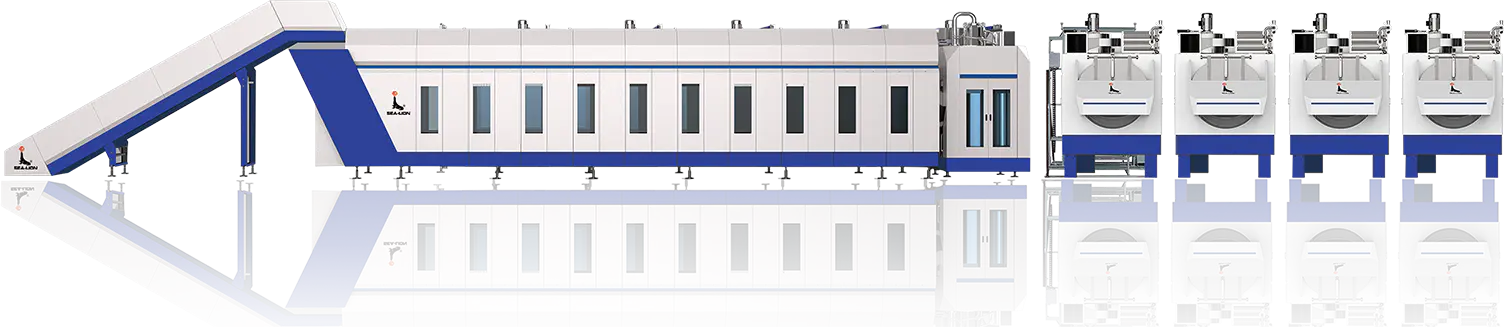









What Is a Tunnel Washing System and How Does It Work?
Content
- 1 The Core Workflow: Continuous Batch Processing
- 2 Water and Energy Efficiency
- 3 Comparison: Tunnel Washer vs. Traditional Washer-Extractor
- 4 Key Variants and Configurations
- 5 Frequently Asked Questions
- 5.0.1 Q1: What is a tunnel washing system in simple terms?
- 5.0.2 Q2: How does a tunnel washer save water compared to a traditional washer?
- 5.0.3 Q3: What is a continuous batch tunnel washer?
- 5.0.4 Q4: What throughput can I expect from a tunnel car wash?
- 5.0.5 Q5: Is a tunnel washing system suitable for all types of laundry?
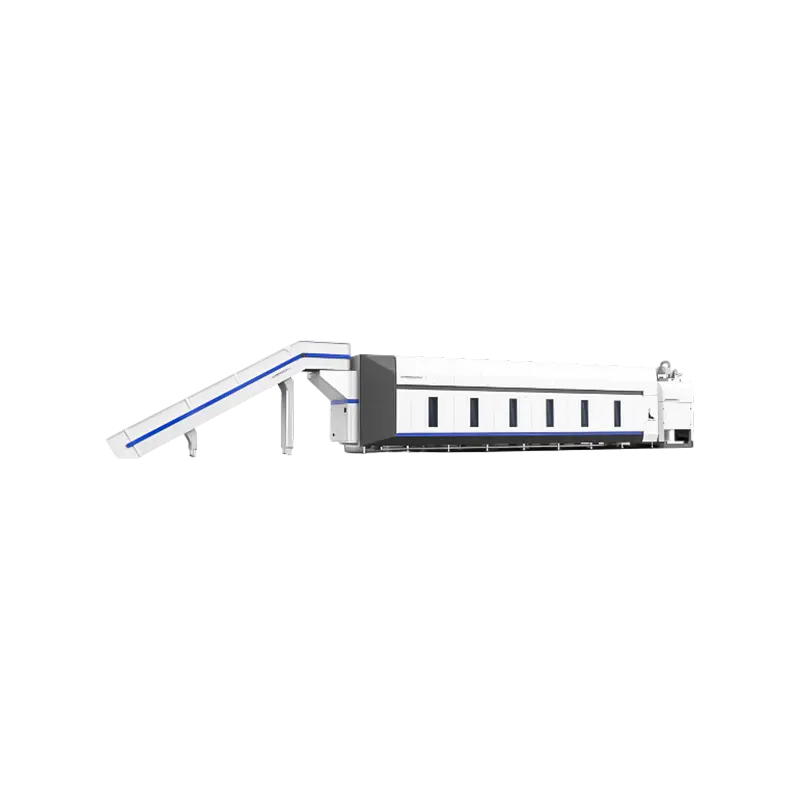
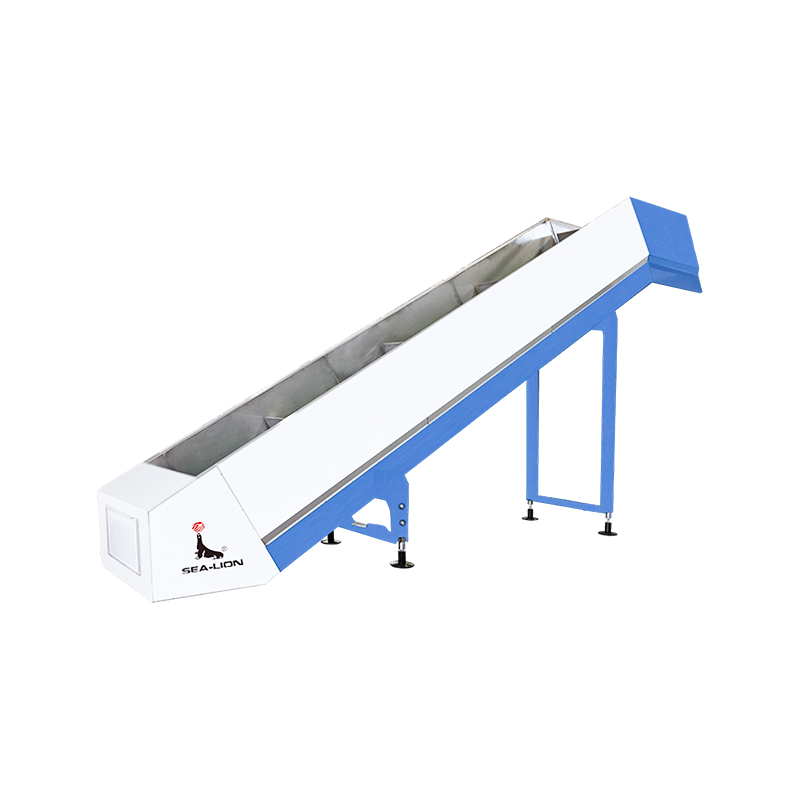
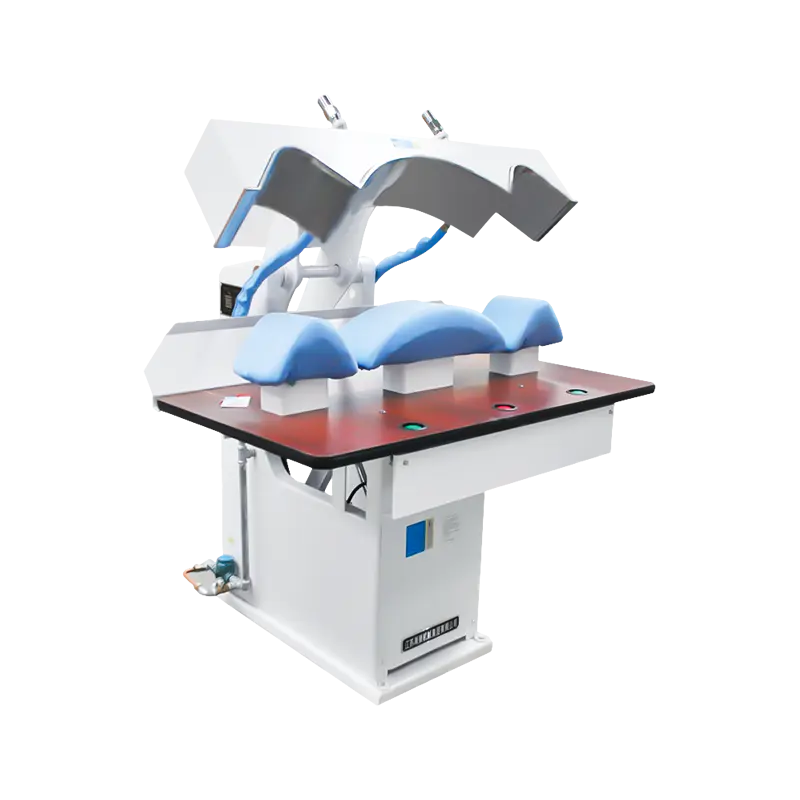
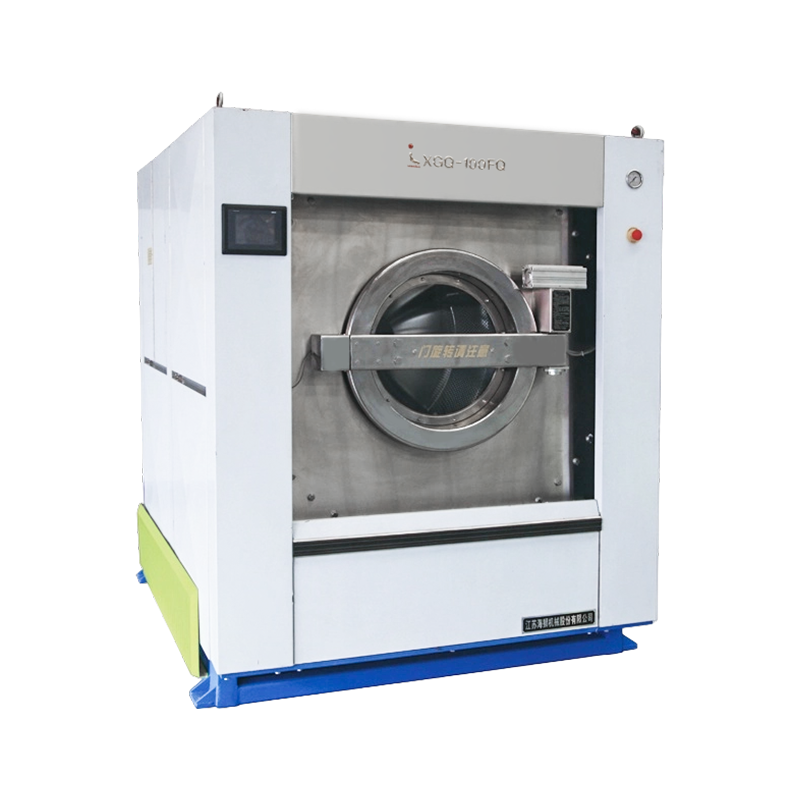
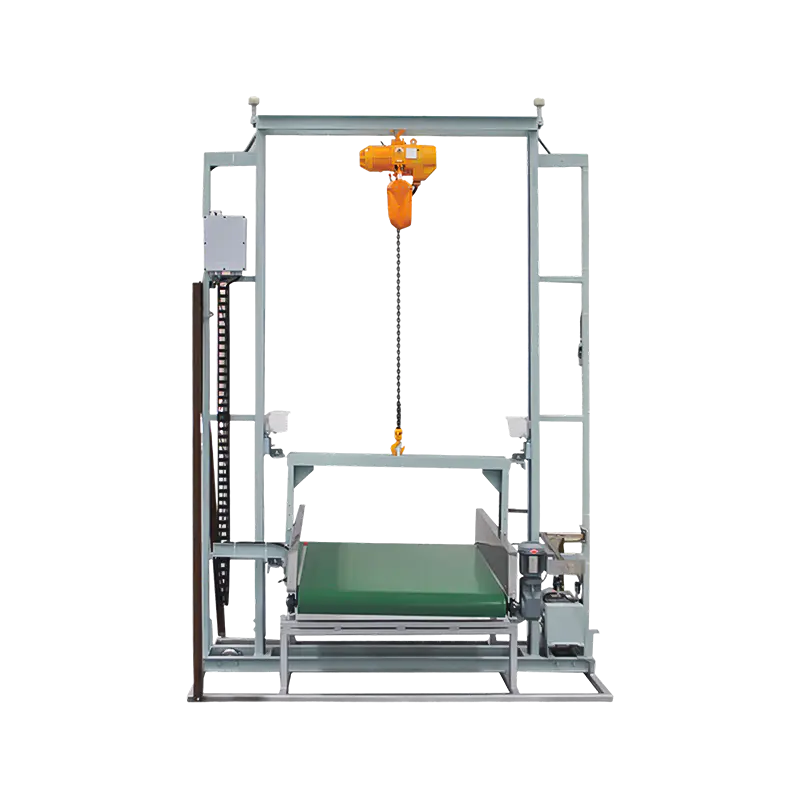
A Tunnel Washing System represents a fundamental shift in high-volume cleaning, moving away from batch processing to a continuous, linear workflow. Whether applied to industrial textiles or vehicle cleaning, the core principle remains the same: moving goods through a sequence of treatment zones to achieve consistent, high-throughput results. In industrial laundry, these systems are known as continuous batch washers (CBWs) or tunnel washers, capable of processing up to 2,000 pounds of laundry per hour. In the automotive sector, tunnel car washes use a conveyor to move vehicles through a 60- to 250-foot tunnel, handling up to 100 cars per hour. This guide provides a technical exploration of how these systems function, their efficiency advantages, and how they compare to traditional alternatives.
The Core Workflow: Continuous Batch Processing
At its heart, a tunnel washing system replaces the stop-start rhythm of conventional washers with a steady, uninterrupted flow. Goods are introduced at one end and emerge clean at the other, moving through a series of compartments or modules, each performing a specific function.
1. Loading and Pre-Wash
Laundry or parts are fed into the first compartment, where they are saturated with water and chemicals to begin soil breakdown. In advanced designs, a recirculation pump can wet the entire load in a single cylinder reversal, reducing time previously spent on soaking.
2. Main Wash Zone
Items progress into the main wash section. Here, the cleaning process is optimized by controlling water flow. A common technique involves stopping the counterflow to create a "standing bath," allowing chemicals to work without being diluted. Once chemical equilibrium is reached, counterflow resumes to carry away suspended soil.
3. Rinsing and Extraction
Rinsing is often a two-stage process. A pre-rinse within the tunnel removes the bulk of soil and chemical residue. A final rinse is then performed in a water extraction device, such as a high-speed centrifuge, where fresh water may be sprayed through atomizing nozzles.
The entire process is governed by precise control systems that manage water levels, chemical injection, and drum rotation to ensure consistent cleaning quality across thousands of batches.
Water and Energy Efficiency
The efficiency of a tunnel washing system is one of its primary advantages over traditional methods. This is largely due to two key design principles: counterflow rinsing and heat recovery.
Counterflow Rinsing: This is the most significant water-saving feature. In a counterflow system, water flows in the opposite direction to the goods. Fresh water is introduced at the clean end (near the discharge) and flows backward through the rinse and wash zones. This means the dirtiest water is used for the initial soak, while the cleanest water is reserved for the final rinse. By reusing water across multiple stages, a tunnel washer can operate using 2 gallons of water or less per pound of fabric. More advanced systems achieve even lower consumption, using between 0.3 and 0.6 gallons per pound, depending on soil levels.
Achievable with modern counterflow and high-velocity rinsing techniques.
Modern tunnel car washes reuse and filter water, significantly reducing waste.
Furthermore, modern systems often incorporate heat recovery, capturing thermal energy from discharged wastewater to preheat incoming fresh water, reducing the energy required to reach optimal washing temperatures. For industrial laundries, the combination of reduced water, chemical, and energy usage translates directly into a lower cost per kilogram processed.
Comparison: Tunnel Washer vs. Traditional Washer-Extractor
For facility managers deciding between a tunnel washing system and a fleet of conventional washer-extractors, the choice often comes down to volume, space, and labor costs.
| Feature | Tunnel Washing System | Washer-Extractor |
|---|---|---|
| Throughput | High (up to 2,000 lbs/hr) | Low to Medium (batch-dependent) |
| Water Usage | Very low (0.3-2 gal/lb) | Higher (3-5+ gal/lb) |
| Labor | Low (continuous, automated flow) | Higher (batch loading/unloading) |
| Ideal For | High-volume, consistent loads | Low-volume, varied loads |
While the initial capital investment for a tunnel system is high, the long-term savings in water, energy, and labor can be substantial, making it a strategic investment for large-scale operations.
Key Variants and Configurations
The term "tunnel washing system" covers a broad range of equipment, each designed for specific applications. The two primary categories are industrial laundry tunnels and vehicle wash tunnels.
Industrial Laundry Tunnel Washers
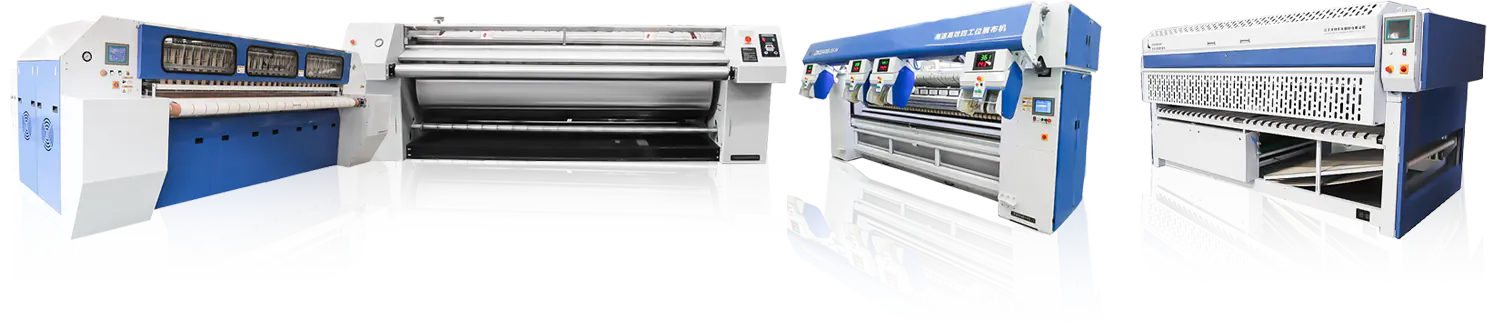
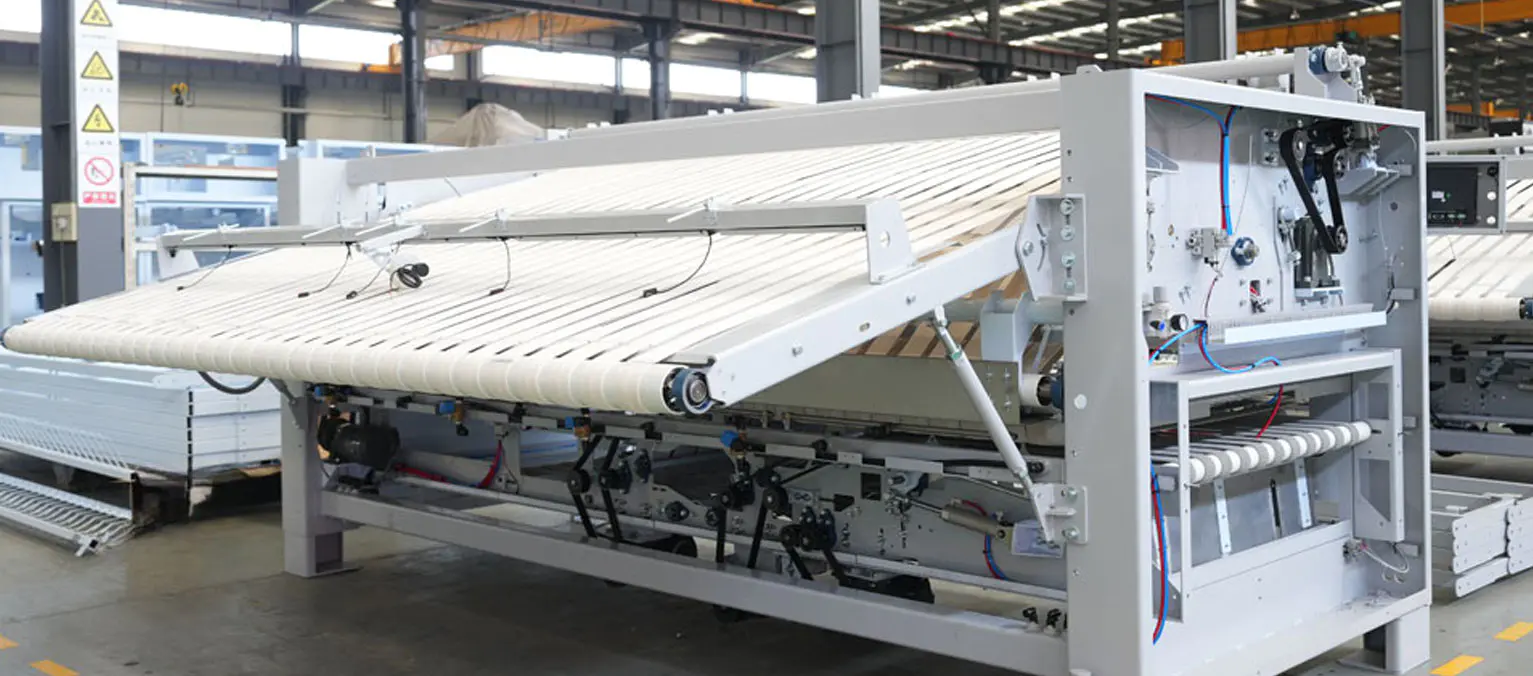
These are modular systems where the number of compartments dictates the capacity and flexibility. Configurations can range from 8 to over 12 modules, with each module serving a dual or single purpose. In modern designs, modules are often "dual-use," functioning as both wash and rinse zones to maximize efficiency and reduce the physical footprint. A typical eight-module washer can achieve performance comparable to a ten-module conventional design.
Tunnel Car Washes
In the automotive industry, a tunnel washing system is a conveyor-driven facility where the vehicle moves through fixed equipment. Configurations vary widely:
- Friction Tunnels: Use soft-touch cloth brushes and mitters to physically scrub the vehicle surface.
- Touchless Tunnels: Rely on high-pressure water jets and aggressive chemicals to clean without physical contact.
- Flex-Serve Tunnels: Combine automated washing with optional attendant-assisted services for interior cleaning or hand drying.
- In-Bay Express Mini Tunnels: A compact variant designed for smaller spaces, handling 40-60 cars per hour, which is up to ten times the throughput of a traditional in-bay automatic system.
Frequently Asked Questions
Q1: What is a tunnel washing system in simple terms?
A tunnel washing system is a continuous cleaning machine where items move on a conveyor or through rotating drums through a series of washing, rinsing, and drying stages, enabling high-volume, efficient processing.
Q2: How does a tunnel washer save water compared to a traditional washer?
It uses a counterflow rinsing mechanism where water flows opposite to the goods. The cleanest water is used for the final rinse and then cascades backward to be reused in earlier, dirtier stages, drastically reducing total water consumption.
Q3: What is a continuous batch tunnel washer?
This is the industrial laundry term for a tunnel washer. "Continuous batch" means that while individual batches of laundry are processed sequentially, the machine operates without stopping, creating a continuous flow of clean output.
Q4: What throughput can I expect from a tunnel car wash?
A full-size tunnel can wash up to 100 or more cars per hour. A compact "mini-tunnel" in-bay system typically handles 40-60 vehicles per hour.
Q5: Is a tunnel washing system suitable for all types of laundry?
While highly efficient for large volumes of similar items, such as hotel linens or hospital gowns, they are less flexible for handling small batches or items requiring very different wash formulas or temperatures.

- No. 2 Lehong Road, Leyu Town, Zhangjiagang, Suzhou City, Jiangsu Province, China
- +86-512-58602532
- [email protected]
Copyright @ Jiangsu Sea-Lion Machinery Co., Ltd. All rights reserved
Custom Laundry Equipment Suppliers