English
 Français
 Español








Why Choose a Fully Automatic Washer Extractor Over a Semi-Automatic Model?
Content
- 1 Defining the Two Categories
- 2 Why Efficiency Drives the Decision
- 3 Labor Optimization and Throughput
- 4 Quality Control and Fabric Care
- 5 The Technical Superiority of Soft-Mount Systems
- 6 Market Data and Industry Trends
- 7 Frequently Asked Questions
- 7.0.1 Q1: What is the average lifespan of a fully automatic washer extractor compared to a semi-automatic model?
- 7.0.2 Q2: Is a fully automatic washer extractor suitable for small-scale operations?
- 7.0.3 Q3: Does a fully automatic washer extractor require special installation?
- 7.0.4 Q4: How does a fully automatic machine handle different fabric types?
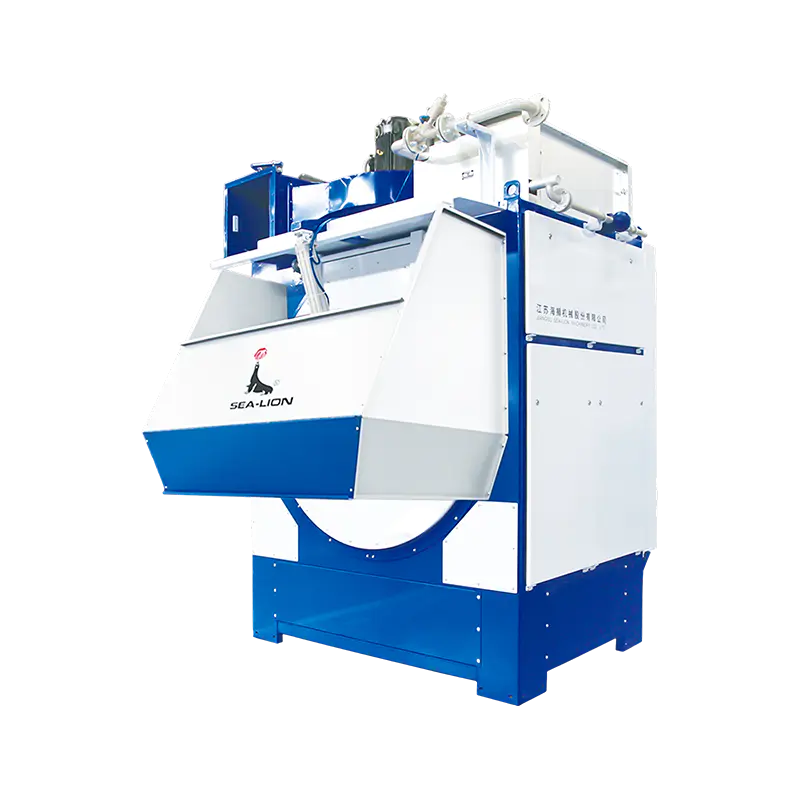
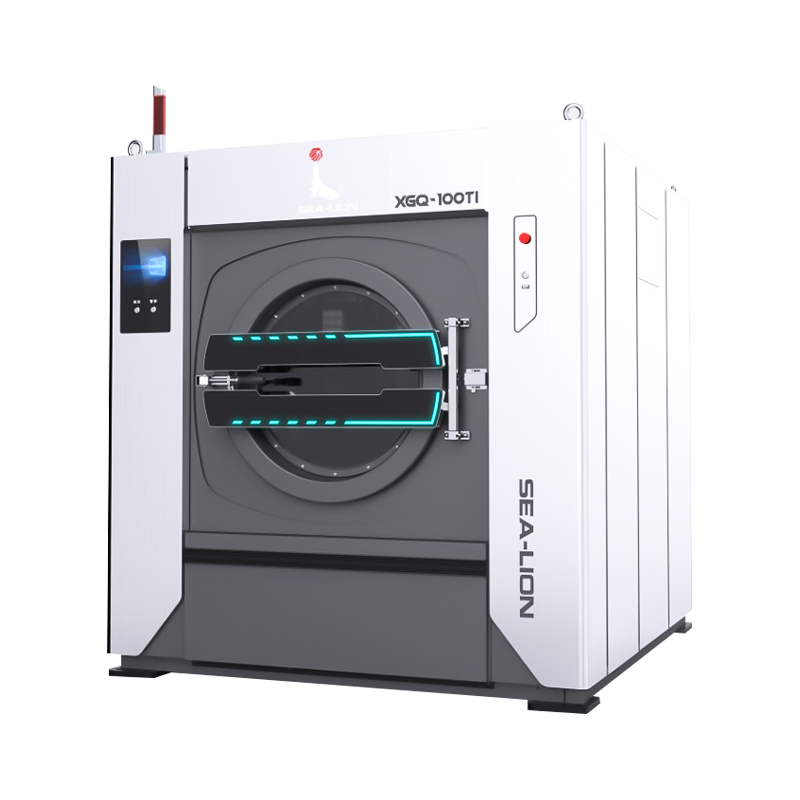
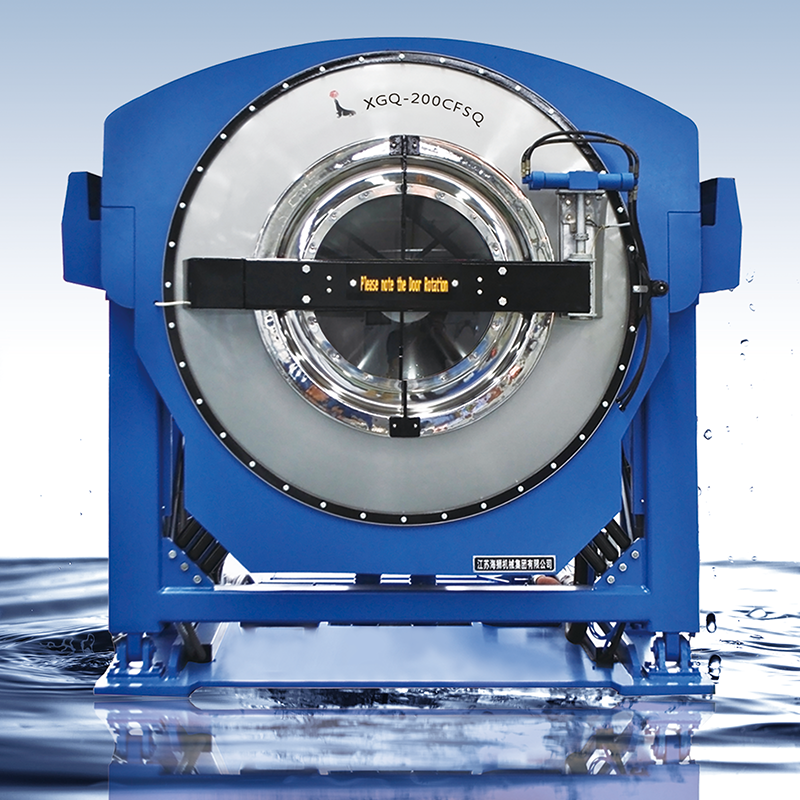
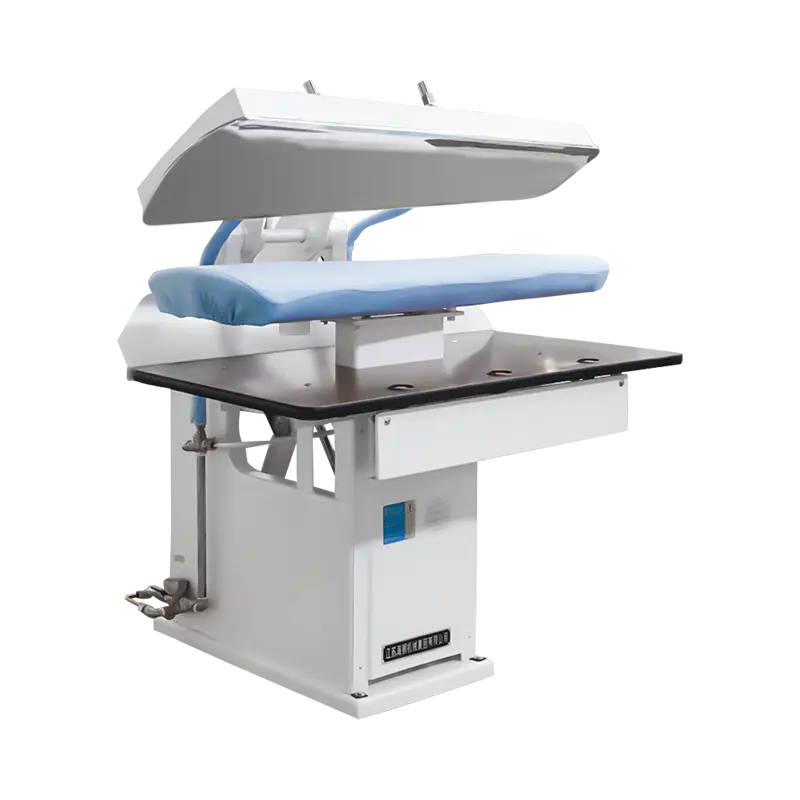
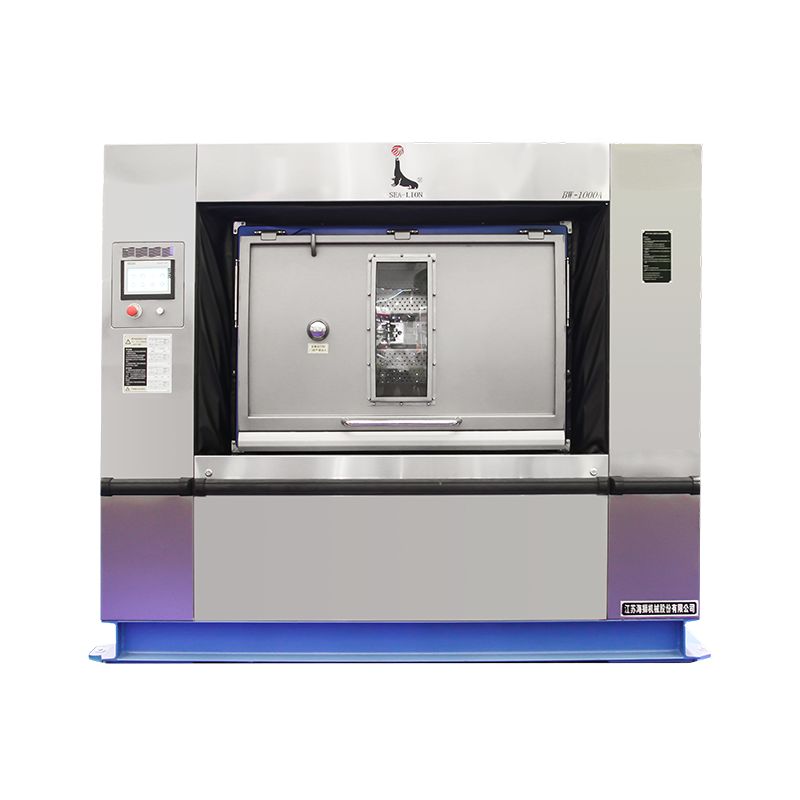
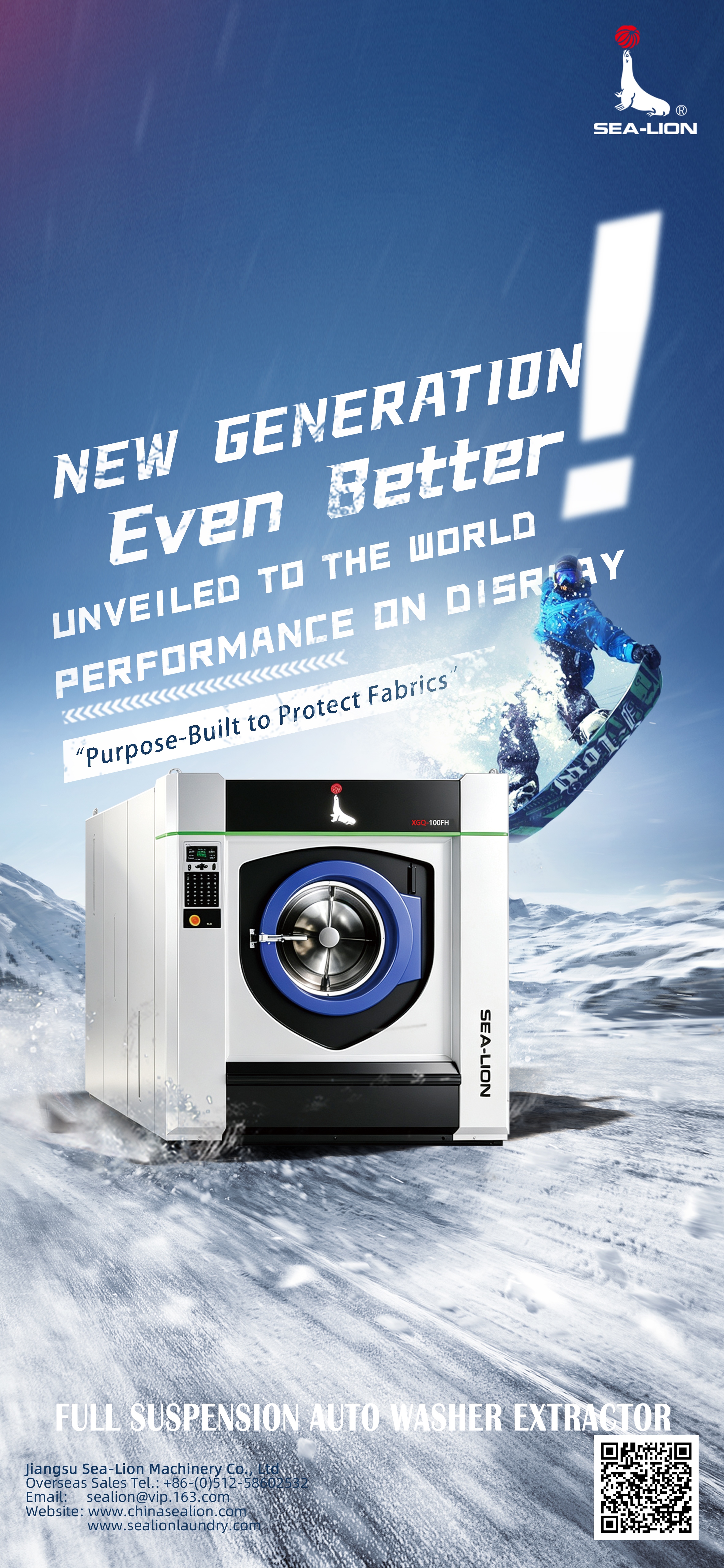
For any commercial laundry operation, the choice between a fully automatic washer extractor and a semi-automatic model is a strategic decision with long-term financial and operational consequences. While both serve the fundamental purpose of cleaning textiles, the differences in automation, efficiency, and total cost of ownership are substantial. The question “why choose a fully automatic over a semi-automatic model?” is best answered by examining how each machine type impacts productivity, labor costs, and consistency in demanding environments such as hotels, hospitals, and large-scale laundromats. This article explores the technical and practical advantages of the Fully Automatic Washer Extractor, providing data-driven insights for purchasing decisions.
Defining the Two Categories
Understanding the distinction between these two types of equipment is the first step. A semi-automatic washer extractor typically requires operator intervention for functions such as water filling, chemical addition, cycle initiation, and the transfer of goods between separate washing and spinning compartments. In contrast, a fully automatic washer extractor combines washing, rinsing, and high-speed extraction in a single unit, with a microprocessor controlling every stage.
Key Operational Differences
| Feature | Semi-Automatic Model | Fully Automatic Washer Extractor |
|---|---|---|
| Operator Involvement | High (manual filling, chemical dosing, transfer) | Low (programmable cycles, automated dosing) |
| Water & Energy Efficiency | Variable, often inefficient | Optimized via sensors and inverter control |
| Extraction G-Force | Lower; laundry remains wetter | High; reduces drying time significantly |
| Consistency | Dependent on operator skill | High, repeatable wash quality |
Why Efficiency Drives the Decision
The primary argument for upgrading to a fully automatic washer extractor lies in resource management. Semi-automatic machines often rely on manual water-level control, which leads to either overuse or insufficient water. In contrast, automatic models use load-sensing technology to determine the exact water volume required.
Water and Energy Savings
Consumption data from typical cycles show that a fully automatic washer extractor can reduce water usage by up to 30% compared to older semi-automatic units. The high extraction speed, often exceeding 300 G-force, means that laundry exits the machine with significantly less residual moisture. For a facility processing 100 kilograms per cycle, this translates to a dramatic reduction in drying time.
- Reduced Drying Costs: Less moisture in the load means lower gas or electricity consumption in tumble dryers.
- Optimized Chemical Use: Many automatic units feature built-in liquid supply connections that dispense detergents based on the actual weight of the load [citation:1].
Labor Optimization and Throughput
Labor is one of the highest costs in a commercial laundry. A semi-automatic machine requires a dedicated operator to monitor the process, open valves, and physically move heavy, wet linen between machines. This is not only physically demanding but also introduces bottlenecks in the workflow.
A fully automatic washer extractor eliminates these manual steps. Once a cycle is programmed, the machine handles filling, washing, draining, and the extraction spin automatically. The large door designs common to these machines also speed up loading and unloading [citation:9].
- Reduced Man-Hours: Operators can oversee multiple automatic machines simultaneously, increasing the output per employee.
- Ergonomic Benefits: With options for gravity unloading and tilt features, the physical strain on workers is reduced [citation:10].
Quality Control and Fabric Care
Consistency is critical for the hospitality and healthcare sectors. A semi-automatic model is susceptible to human error. An operator may forget to adjust the temperature for a specific fabric or add the wrong amount of detergent, leading to subpar results or damage to expensive linens.
Precision in Execution
Fully automatic systems rely on microprocessors that store up to 25 or more programmable cycles [citation:3]. This allows a laundry manager to set specific parameters for cotton, synthetics, or delicate items. The machine executes these parameters exactly the same way every time, ensuring uniform quality.
- Stainless Steel Drums: The use of SUS304 stainless steel in automatic washers improves hygiene and prevents bacterial buildup, a requirement for medical textiles [citation:1].
- Gentle Mechanical Action: Inverter-driven motors allow for stepless speed adjustments, ensuring that the washing action is as gentle or as vigorous as needed [citation:7].
The Technical Superiority of Soft-Mount Systems
One of the most significant engineering differences is the suspension system. Older semi-automatic machines are often hard-mount, meaning they must be bolted to a concrete foundation to prevent destructive vibration during the spin cycle.
Innovative Suspension Solutions
Modern fully automatic washer extractors utilize soft-mount technology. This system employs springs and shock absorbers to dampen vibrations, allowing the machine to be installed on upper floors without requiring special foundations [citation:1]. This flexibility in installation saves significant building costs and time. The extraction speed, facilitated by advanced inverter technology, is crucial for reducing moisture content [citation:5].
Market Data and Industry Trends
Market research indicates a clear shift toward automation in the commercial laundry sector. In 2023, the commercial laundry machinery market was valued at approximately USD 4.7 billion, with automatic machines commanding the largest share [citation:8].
- Market Share: Automatic machines accounted for approximately 66.7% of the market share in 2023 [citation:8].
- Growth Projection: The fully automatic segment is expected to continue growing at a compound annual growth rate (CAGR) of 4.9% through 2032, driven by demand for efficiency in the hospitality and healthcare sectors [citation:8].
This data underscores a broader industry consensus: the higher initial investment in a Fully Automatic Washer Extractor is justified by lower operational costs and higher throughput over the machine's lifespan.
Frequently Asked Questions
Q1: What is the average lifespan of a fully automatic washer extractor compared to a semi-automatic model?
With proper maintenance, a fully automatic washer extractor generally has a longer lifespan due to premium components like imported bearings and stainless steel construction. It is designed for 24/7 heavy-duty operation. Semi-automatic models often have a shorter operational life because they are subjected to higher wear from manual handling and inconsistent loading.
Q2: Is a fully automatic washer extractor suitable for small-scale operations?
Yes, while they are common in large industrial settings, smaller models with capacities of 15kg to 30kg are available. These are suitable for boutique hotels, small nursing homes, or laundromats where consistency and labor savings are still a priority, even at lower volumes.
Q3: Does a fully automatic washer extractor require special installation?
One of the key advantages is that they generally do not require a heavy concrete foundation. Thanks to soft-mount suspension systems, they can be installed on standard reinforced floors. However, they do require appropriate electrical, water, and steam (if applicable) connections.
Q4: How does a fully automatic machine handle different fabric types?
It handles different fabrics through programmable logic controllers (PLCs). The operator can program specific cycles for cotton, synthetics, or delicates. The computer then adjusts the rotation speed, water temperature, and cycle duration specifically for that load.

- No. 2 Lehong Road, Leyu Town, Zhangjiagang, Suzhou City, Jiangsu Province, China
- +86-512-58602532
- [email protected]
Copyright @ Jiangsu Sea-Lion Machinery Co., Ltd. All rights reserved
Custom Laundry Equipment Suppliers