English
 Français
 Español










What Is a Tilting Washer Extractor and How Front/Rear Tilting Speeds Up Unloading?
Content
- 1 What Is a Tilting Washer Extractor?
- 2 How Does the Tilting Mechanism Work?
- 3 Front Tilting vs. Rear Tilting: Key Differences
- 4 How Front and Rear Tilting Speed Up Unloading
- 5 Additional Productivity and Ergonomic Benefits
- 6 Typical Applications for Tilting Washer Extractors
- 7 Choosing the Right Tilting Washer Extractor
- 8 Frequently Asked Questions
- 8.0.1 Q1: What is the difference between a front-tilt and a rear-tilt washer extractor?
- 8.0.2 Q2: Does the tilting function affect wash quality or extraction performance?
- 8.0.3 Q3: How much time can a tilting washer extractor save per day?
- 8.0.4 Q4: Can a tilting washer extractor be connected to an automated laundry line?
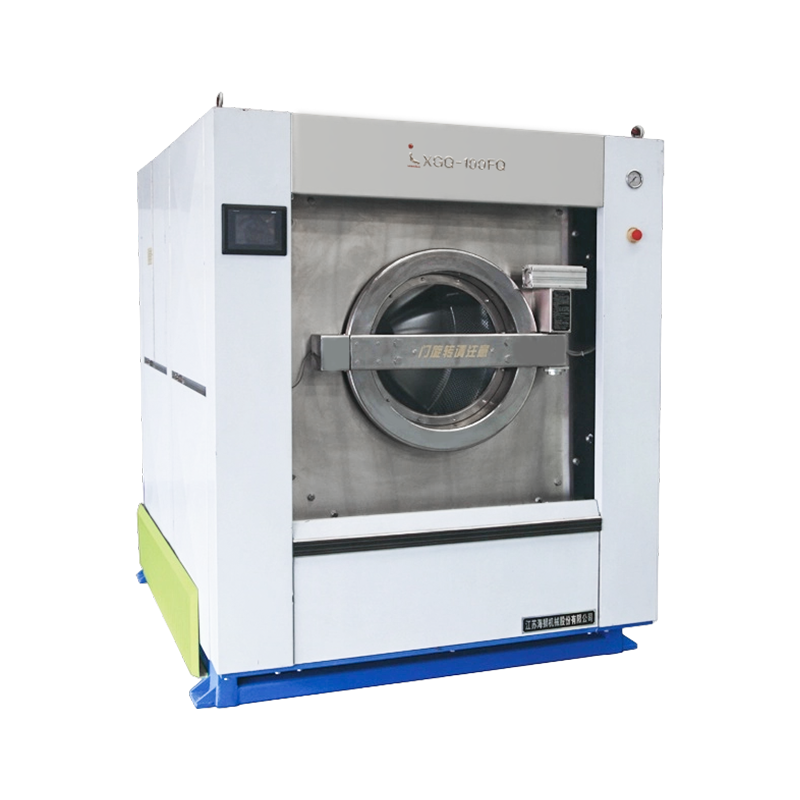
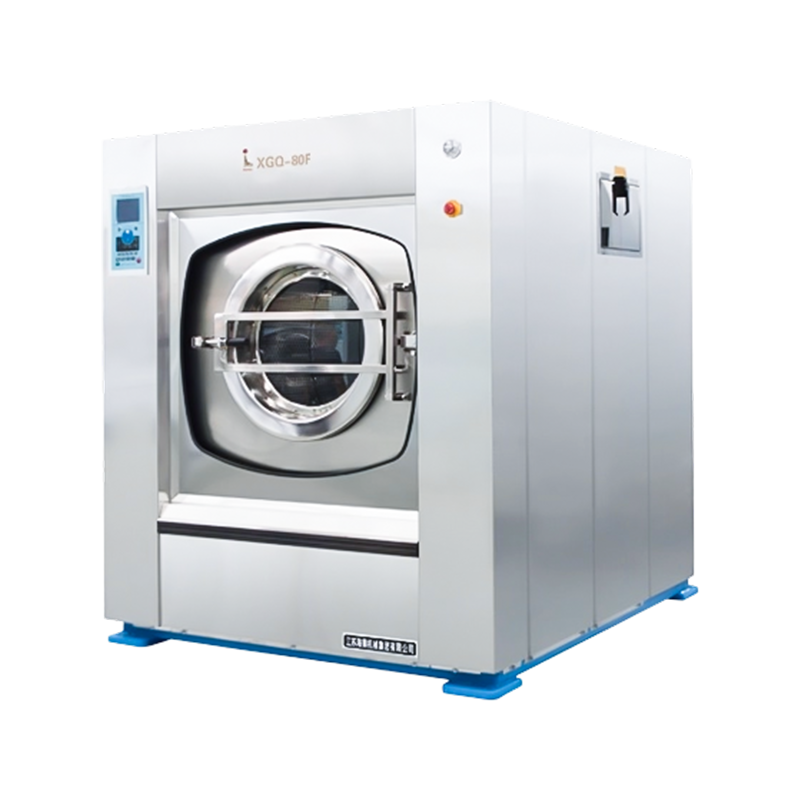
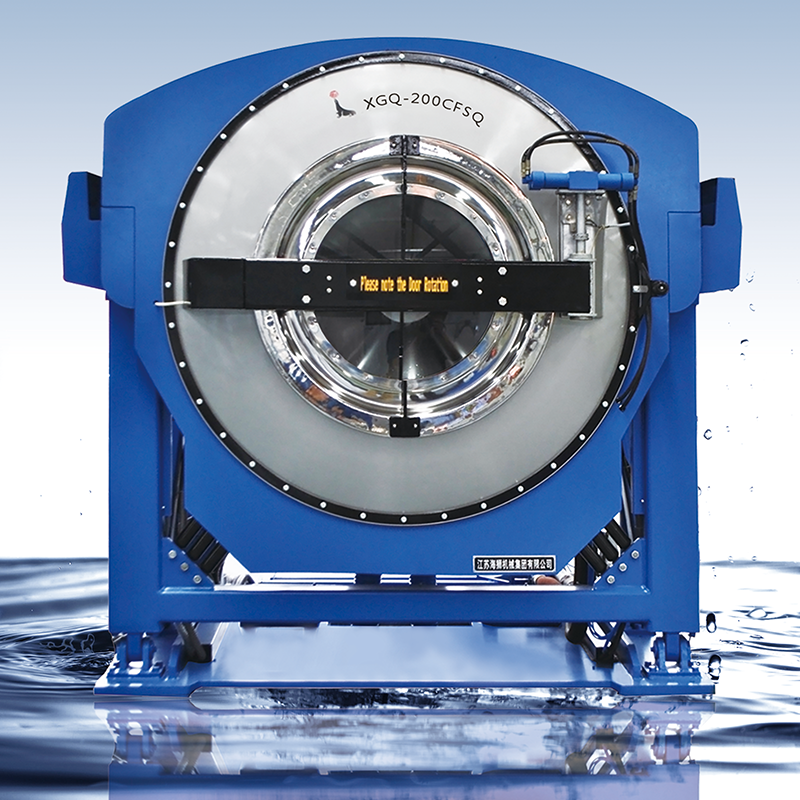
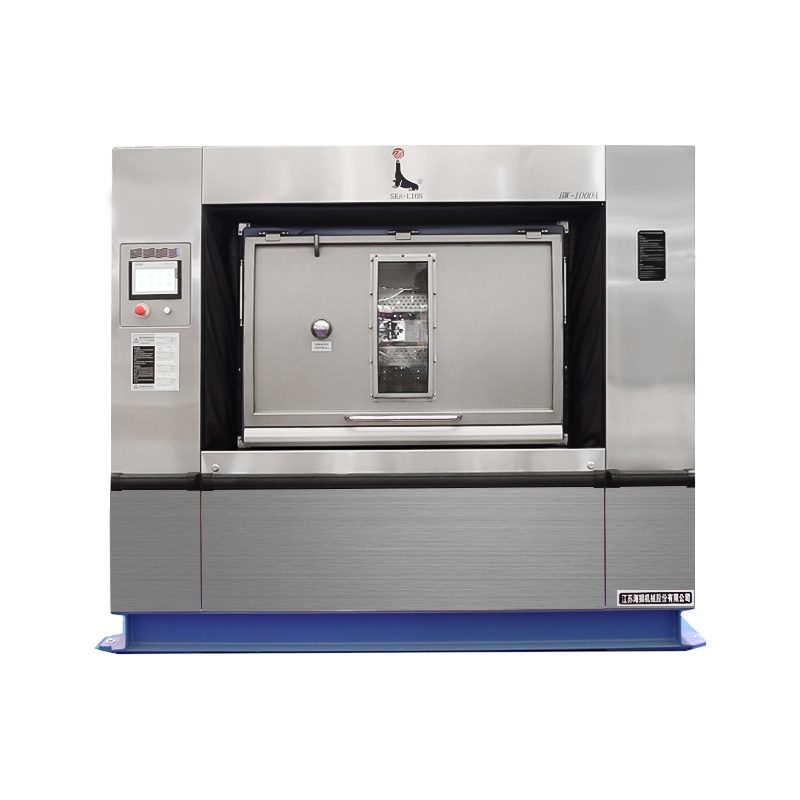
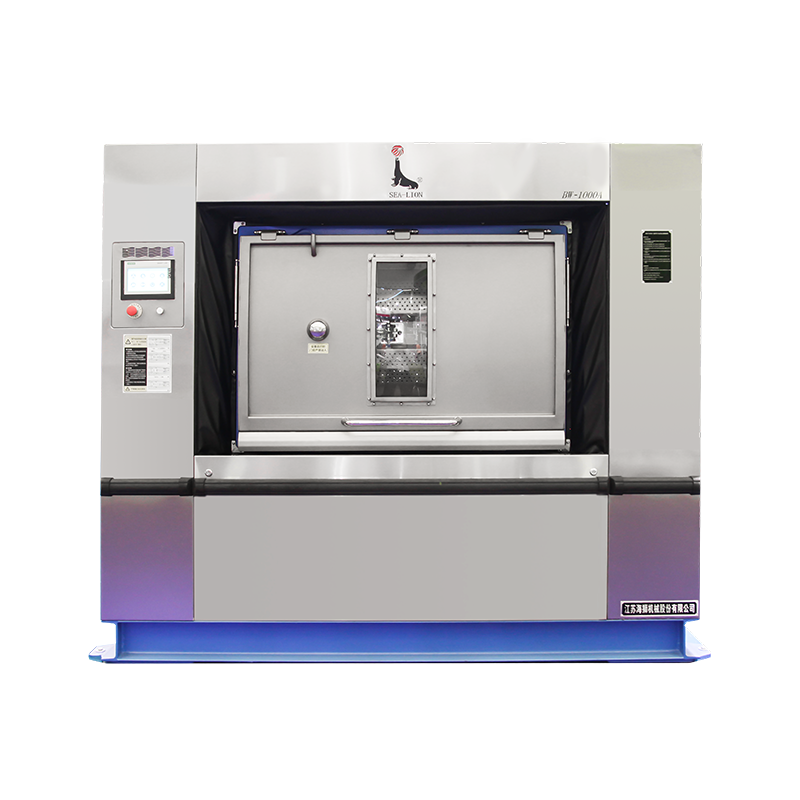
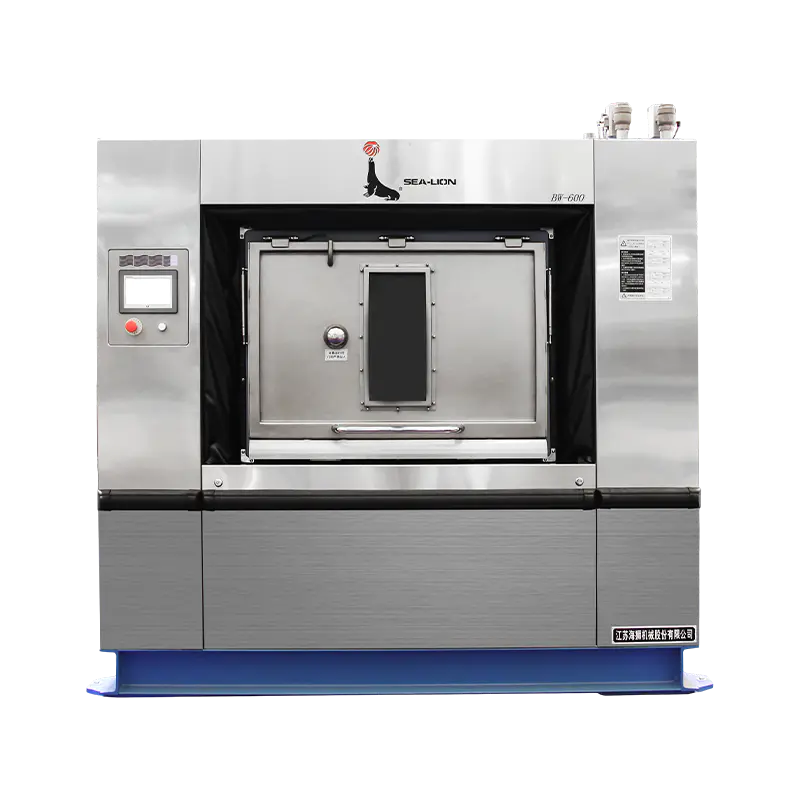
In a commercial laundry, the washing machine is only half of the productivity equation. What happens after the cycle ends — how quickly and safely the drum is emptied — has a major impact on total throughput. That is where the tilting washer extractor stands apart from conventional fixed machines. By using front or rear tilting motion, it accelerates unloading, eases operator workload, and supports higher output in hospitals, hotels, and industrial laundry plants. This article explains what a tilting washer extractor is and how its front and rear tilt design speeds up unloading.
Key takeaway: a tilting washer extractor can shorten unloading from minutes to seconds by letting gravity do most of the work.
What Is a Tilting Washer Extractor?
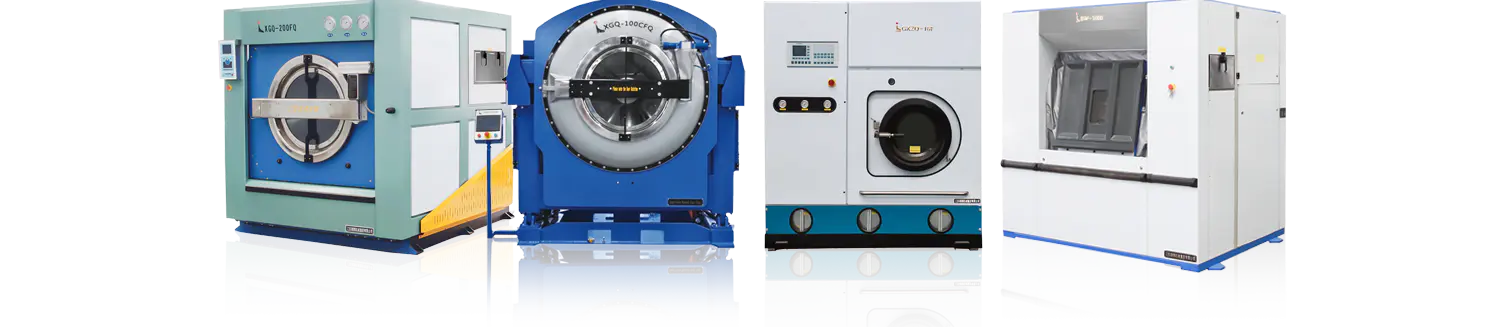
A tilting washer extractor is a heavy-duty washing machine mounted on a pivoting frame that allows the entire drum assembly to tilt forward, backward, or both. Unlike a standard washer extractor that stays level with the floor at every stage of the cycle, a tilting unit uses hydraulic cylinders or electric actuators to rotate the machine body around fixed pivot points.
This tilting action — typically 25 to 35 degrees from horizontal — turns gravity into a material-handling tool. During unloading, the front of the machine dips downward and wet laundry slides out of the drum by gravity. During loading, the front can rise so goods are fed more naturally from a hopper, cart, or overhead chute.
Tilting washer extractors are available in three main configurations:
- Front-tilt washer extractor — the drum opening tilts downward for gravity-assisted unloading.
- Rear-tilt washer extractor — the drum opening rises for easier loading from an elevated source.
- Front-and-back-tilt washer extractor — combines both movements for the most flexible material handling.
How Does the Tilting Mechanism Work?
The washer extractor body is supported by a reinforced base frame with one or more pivot points. A hydraulic cylinder or an electric actuator pushes or pulls the machine body around these pivots to achieve the desired tilt angle.
When the wash and extraction phases are complete, the operator triggers the tilt function. On a front-tilt machine, the cylinder retracts to lower the front end. The drum opening now faces downward at a controlled angle, and the dense mass of wet fabric begins to slide toward the door. A linen cart, conveyor, or chute positioned in front of the machine receives the discharged load directly.
On a rear-tilt machine, the cylinder extends to raise the front end, creating an upward angle at the drum opening. This position is ideal for loading from an elevated platform, sling, or automatic feeder. Rear tilting also helps distribute the load more evenly across the drum, supporting stable extraction performance.
Safety interlocks prevent the tilting function from activating while the drum is still rotating, and the door must be fully open before movement begins. This protects operators during loading and unloading.
Front Tilting vs. Rear Tilting: Key Differences
Choosing between front tilt, rear tilt, or a dual-tilt configuration depends on the existing laundry layout and the way linen enters the wash room. The table below compares the three options.
| Feature | Front-Tilt | Rear-Tilt | Front & Rear-Tilt |
|---|---|---|---|
| Primary Function | Gravity unloading | Elevated loading | Both |
| Drum Direction | Opening faces down | Opening faces up | Dual direction |
| Operator Effort | Minimal | Low | Very low |
| Typical Integration | Cart or conveyor | Chute or sling | Automated flow |
| Best Fit | Commercial laundries | Sling-based plants | Central laundries |
In practice, front tilt is the more common configuration because it directly addresses the most labour-intensive step — removing a heavy extracted load. Rear tilt is typically found in plants that already use overhead weighing and sling loading systems.
How Front and Rear Tilting Speed Up Unloading
The biggest time saving from a tilting washer extractor happens during unloading. The tilting motion shortens the process in four ways:
- Eliminates deep reaching. Operators no longer need to bend into the drum and drag wet fabric from the back to the door.
- Uses gravity to move the load. Once the tilt angle passes a certain threshold, the weight of the wet mass carries it out by itself.
- Enables direct discharge. Laundry falls straight into a cart, conveyor, or basket, removing an entire handling step.
- Shortens the complete cycle. A faster unloading phase means the machine returns to service sooner.
In a conventional washer extractor, unloading a 100 kg load can take three to five minutes of repeated bending and pulling. With a front-tilt washer extractor, the same load is normally discharged in 30 to 60 seconds. Across a 10-hour shift, that difference can translate into three to five additional wash cycles per machine.
Manual reach-and-pull unloading
Front-tilt gravity discharge
Reduction in cycle turnaround
Rear tilting contributes to faster cycles in a different way — by improving load distribution. When goods are loaded from a rear-tilted position, they settle at the bottom rear of the drum. A balanced load extracts more consistently, reducing vibration and avoiding re-runs caused by weight imbalance.
For operations that want gravity unloading combined with a robust low-vibration structure, the full-suspension auto washer extractor is a practical option to evaluate.
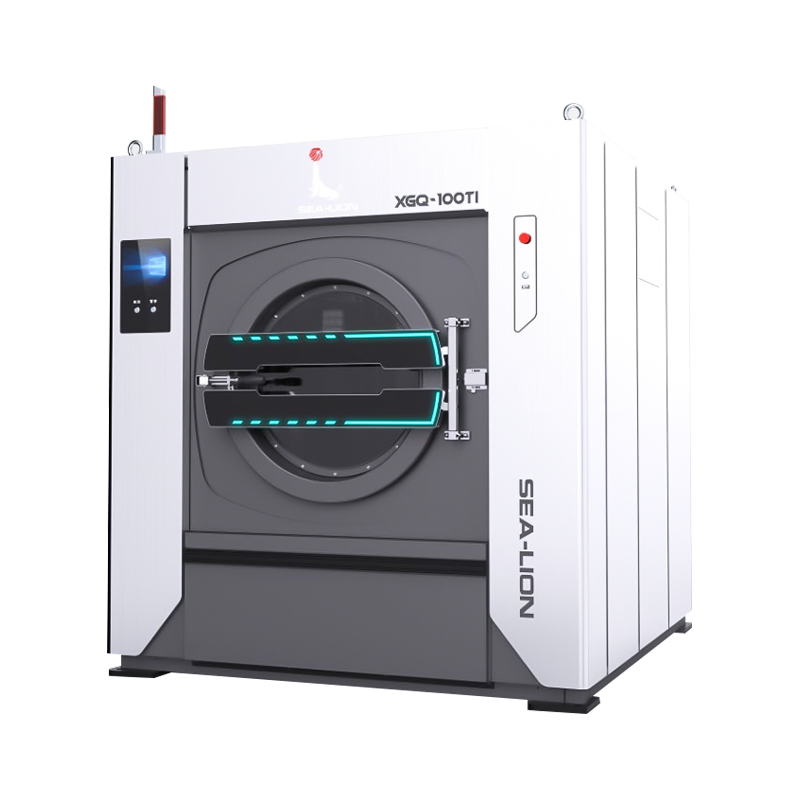 Full-Suspension Auto Washer Extractor for Stable OperationsThis washer extractor uses a full-suspension structure with hydraulic support to isolate vibrations without a special foundation. Its large drum opening and intelligent controls ease loading, making it a practical choice for operations seeking gravity unloading.View Product →
Additional Productivity and Ergonomic Benefits
Beyond unloading speed, tilting washer extractors deliver several measurable advantages to a laundry operation.
- Lower physical strain. Removing the need to bend and pull reduces the risk of back and shoulder injuries among wash-room staff.
- Better labour utilisation. With faster unloading, fewer operators are needed per machine, or the same team can handle more machines.
- Gentler fabric handling. Gravity-assisted discharge is kinder to textiles than forceful tugging, helping preserve linen quality over time.
- Smoother workflow integration. Tilt washers connect naturally with washer extractor systems, shuttle conveyors, and sorting lines.
Together, these advantages make the tilting washer extractor a preferred choice for high-throughput environments where labour efficiency and fabric care both matter.
Typical Applications for Tilting Washer Extractors
Tilting washer extractors are particularly useful for operations that process large volumes on a tight schedule. Typical users include:
- Hospitals and healthcare laundries that process patient linen, surgical drapes, and staff uniforms daily.
- Hotels and resorts that handle thousands of kilograms of towels and bed linen every day.
- Industrial laundry plants serving restaurants, gyms, and workwear rental companies.
- Railway and airline catering units with frequent, time-sensitive washing needs.
- Institutional laundries in military, government, and correctional facilities.
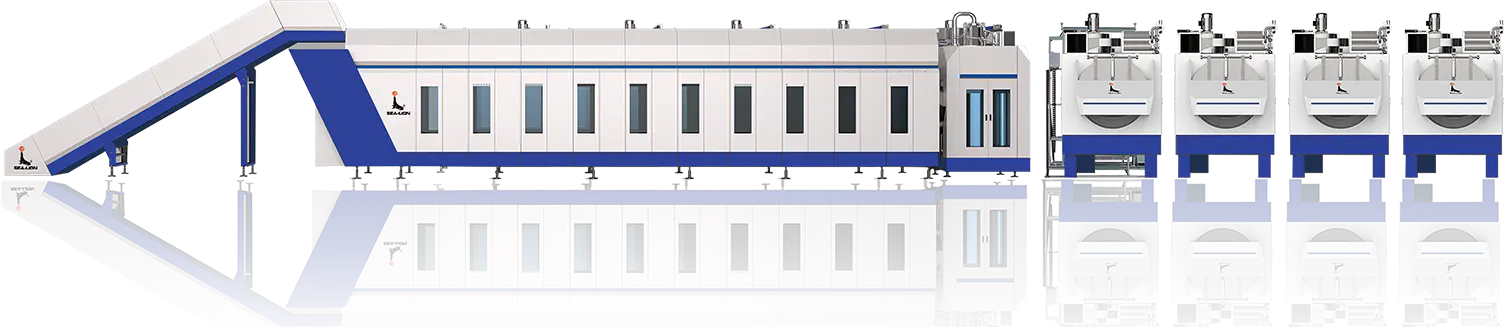
In these environments, a tilting washer extractor can run as a standalone unit or integrate into a tunnel washing system. For smaller facilities that prefer a single-unit solution, a fully automatic washing and drying machine combines both functions without adding a manual transfer step.
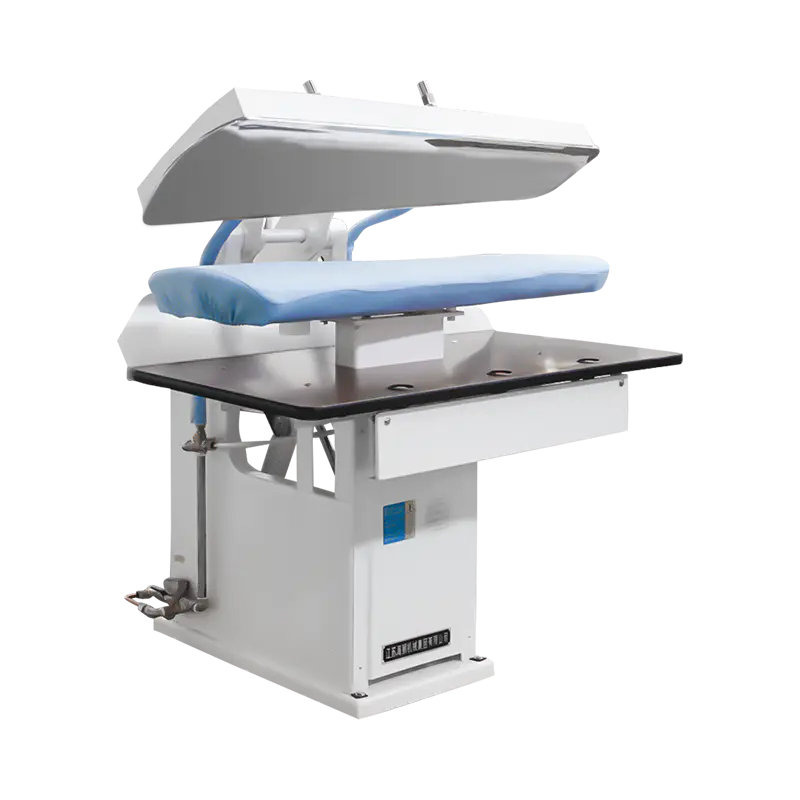 Fully Automatic Washing and Drying MachineThis combined washing and drying machine serves as a single-unit solution, removing the need to manually move laundry between machines. It suits smaller facilities looking to streamline their workflow.View Product →
Choosing the Right Tilting Washer Extractor
Selecting a tilting washer extractor involves more than comparing drum volumes. Here are the key parameters to evaluate:
- Tilt angle: verify that the maximum tilt is sufficient for gravity discharge of dense, high-G extracted loads.
- Extraction G-force: higher G-force produces drier goods and shorter drying times but places more demand on the tilt frame.
- Construction materials: a stainless steel drum, shell, and outer panels resist corrosion and simplify cleaning in medical settings.
- Control system: programmable tilt and wash programs ensure repeatable cycles and consistent quality.
- Compatibility: confirm that the machine accepts carts, slings, or conveyor feeds in the existing wash-room layout.
For maximum flexibility, choose a model with both front and rear tilting so loading, unloading, and automated transfers are all gravity-assisted. Explore the full range of commercial washer extractors to find the right capacity and configuration for your operation.
 Front and Back Tilt Washer Extractor with Automated ControlsThis washer extractor offers front and back tilting for gravity-assisted loading and unloading from either end. Its touchscreen automates washing stages, while stainless steel construction ensures durability for demanding industrial laundry operations.View Product →
Frequently Asked Questions
Q1: What is the difference between a front-tilt and a rear-tilt washer extractor?
A front-tilt washer extractor lowers the drum opening during unloading so wet laundry slides out by gravity. A rear-tilt washer extractor raises the front of the machine to make loading easier from an elevated conveyor, chute, or sling. Dual-tilt machines combine both motions for maximum flexibility.
Q2: Does the tilting function affect wash quality or extraction performance?
No. Tilting is active only during loading and unloading. During washing and high-speed extraction, the drum remains locked in its standard operating position. The tilt mechanism does not interfere with wash chemistry, mechanical action, or centrifugal extraction force.
Q3: How much time can a tilting washer extractor save per day?
The saving depends on machine capacity and shift length. For a typical 100 kg machine, unloading drops from roughly 3–5 minutes to 30–60 seconds per load. Over a 10-hour shift, this can add three to five extra wash cycles per machine.
Q4: Can a tilting washer extractor be connected to an automated laundry line?
Yes. Tilting washer extractors are frequently paired with shuttle systems, pass-through tumble dryers, automatic feeders, and conveyor networks. The tilt angle aligns the drum discharge point with downstream equipment, reducing manual handling across the full process.

- No. 2 Lehong Road, Leyu Town, Zhangjiagang, Suzhou City, Jiangsu Province, China
- +86-512-58602532
- [email protected]
Copyright @ Jiangsu Sea-Lion Machinery Co., Ltd. All rights reserved
Custom Laundry Equipment Suppliers