English
 Français
 Español









Water & Energy Conservation: Counter-Flow & Counter-Current Rinsing in Tunnel Washers
Content
- 1 Why Water and Energy Efficiency Matter in Modern Laundry Operations
- 2 How Counter-Flow Counter-Current Rinsing Works
- 3 Beyond Rinsing: Complementary Technologies for Greater Savings
- 4 Comparing Conventional Washer Extractors and Counter-Flow Tunnel Washers
- 5 Practical Considerations for Your Laundry Operation
- 6 Frequently Asked Questions
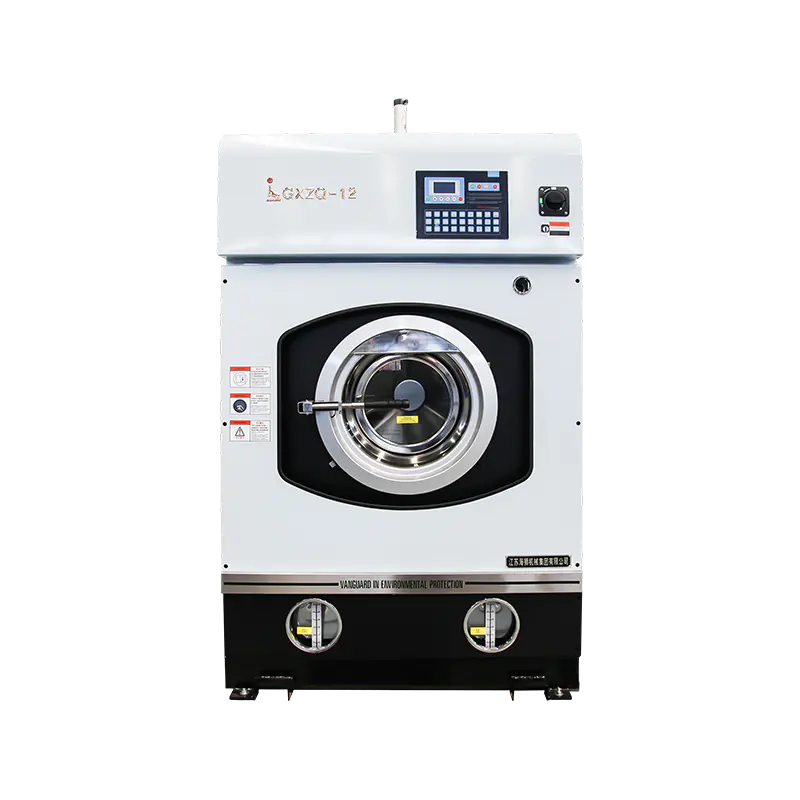
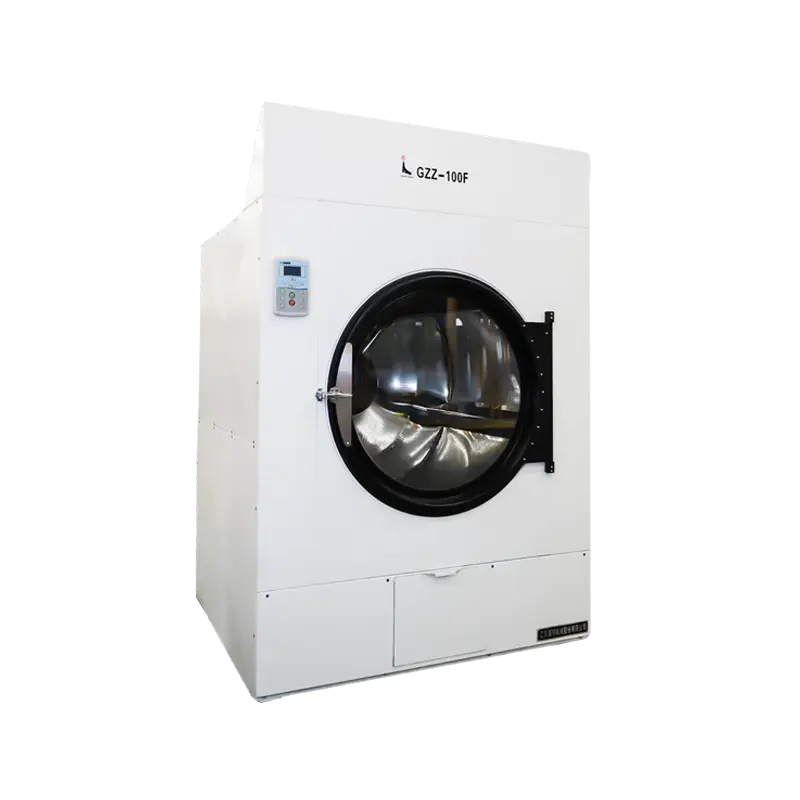
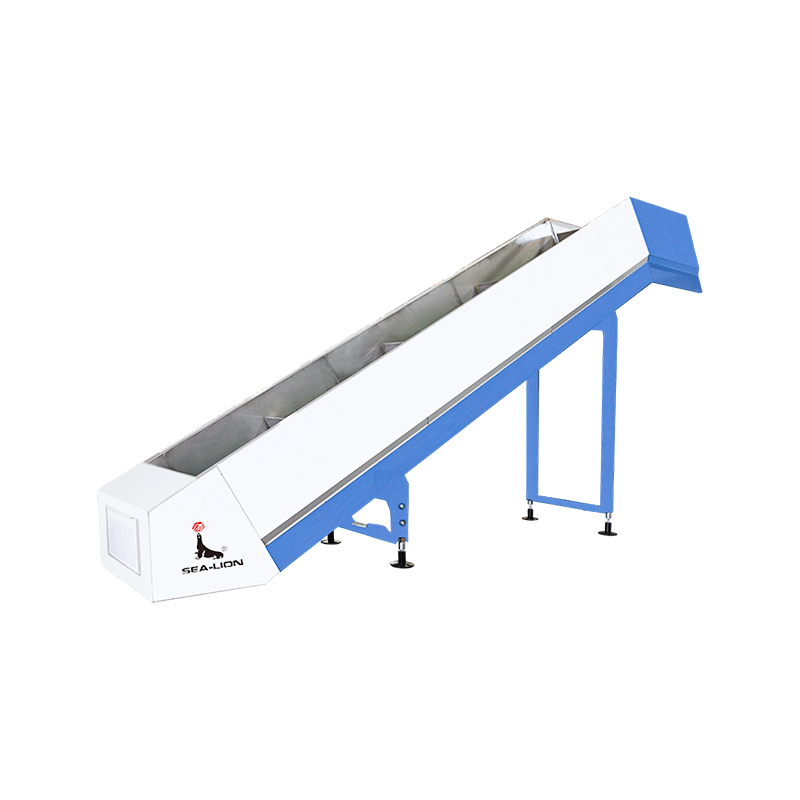
In commercial and institutional laundry operations, water and energy conservation in tunnel washers often comes down to one elegant engineering principle: moving water in the opposite direction to the linen. Counter-flow and counter-current rinsing allow continuous batch washers to use significantly less fresh water than conventional washer extractors, while still delivering clean, hygienic results. For plants that process thousands of kilograms of fabric every day, that difference has a direct impact on both utility bills and sustainability goals.
Why Water and Energy Efficiency Matter in Modern Laundry Operations
Fresh water is no longer a low-cost input in many regions. Laundry operators face rising water tariffs, stricter discharge regulations, and growing pressure to reduce the carbon footprint of every wash cycle. Energy is equally important: heating water is one of the largest energy expenses in any laundry, so using less water almost always means using less thermal energy.
Continuous batch tunnel washers address both problems at once. Instead of filling and draining a single drum repeatedly, a tunnel washer moves fabric through a series of compartments while water travels in the opposite direction. This design keeps the cleanest water nearest the final rinse, and it allows water to be reused across multiple stages before being discharged.
Modern tunnel systems also support advanced controls, dosing automation, and heat recovery integration. Operators who want to understand the full efficiency picture can already study how energy optimization works in a continuous batch washer.
How Counter-Flow Counter-Current Rinsing Works
The Core Hydraulic Principle
Counter-flow and counter-current are terms that describe the same idea in tunnel washers. Fabric enters at the load end and moves forward through wash, rinse, and extraction stages. Fresh water, however, enters at the final rinse end and flows backward, from module to module, until it leaves at the pre-wash side. In simple terms, the linen and the water travel in opposite directions.
This arrangement creates a concentration gradient. At the final rinse, the water is nearly clean because fresh water enters there. In each preceding module, the water is slightly more soiled, but still cleaner than the water in the module before it. The fabric moves into progressively cleaner water, while the water moves toward the dirtier wash zone. The result is that a relatively small amount of fresh water can perform the work that would normally require several full baths in a washer extractor.
The Rinsing Cascade in a Tunnel Washer
- Soiled linen is loaded continuously into the first module and pushed forward by a transfer mechanism.
- Fresh water is introduced only at the final rinse module, where the fabric is closest to leaving the tunnel.
- As new water enters, the existing water overflows into the previous module, creating a steady backward flow.
- Water moves from rinse modules into the main wash and pre-wash zones, carrying detergent and soil toward the drain.
- The last contact between water and fabric is always the freshest water, while the dirtiest water is removed at the beginning of the tunnel.
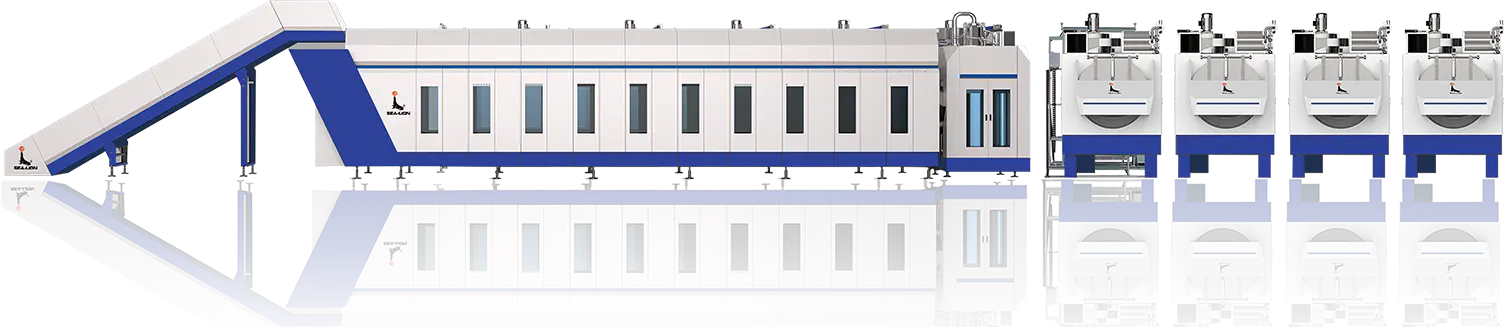
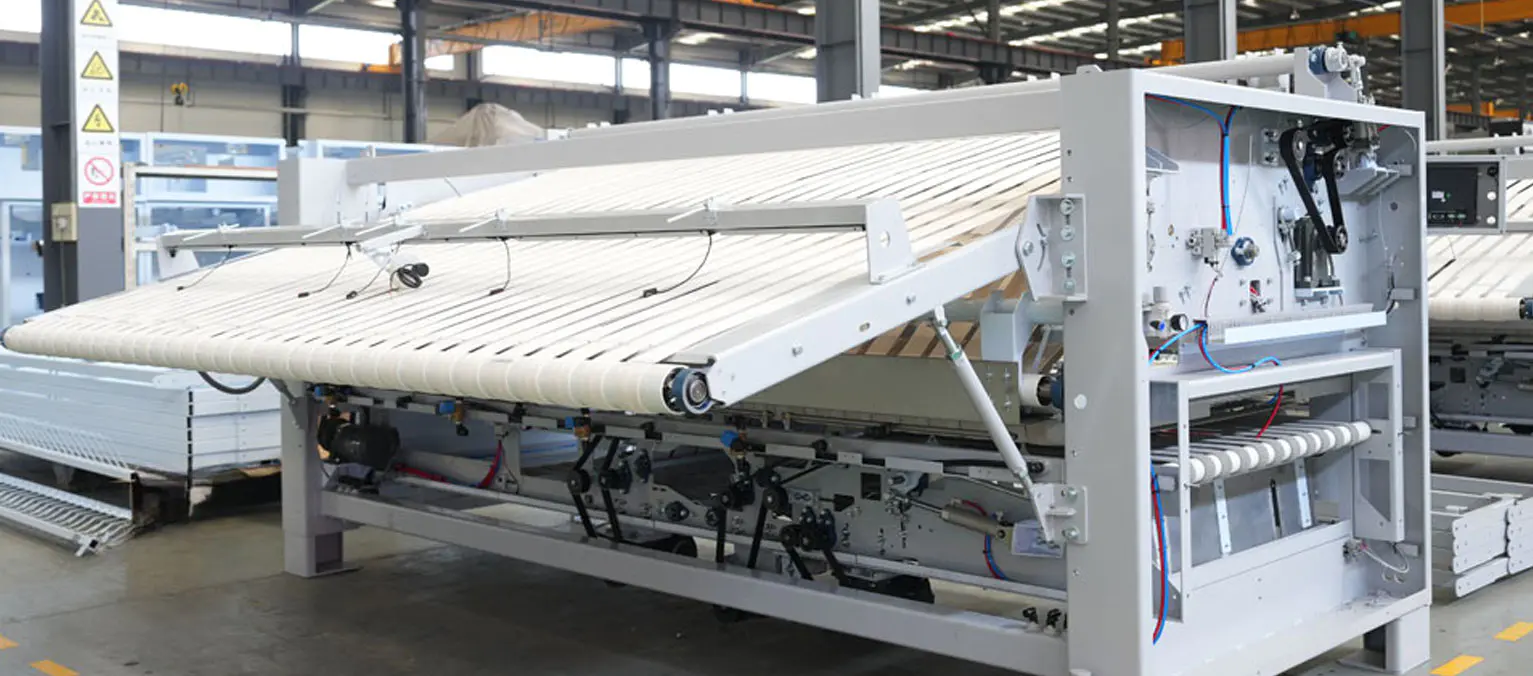
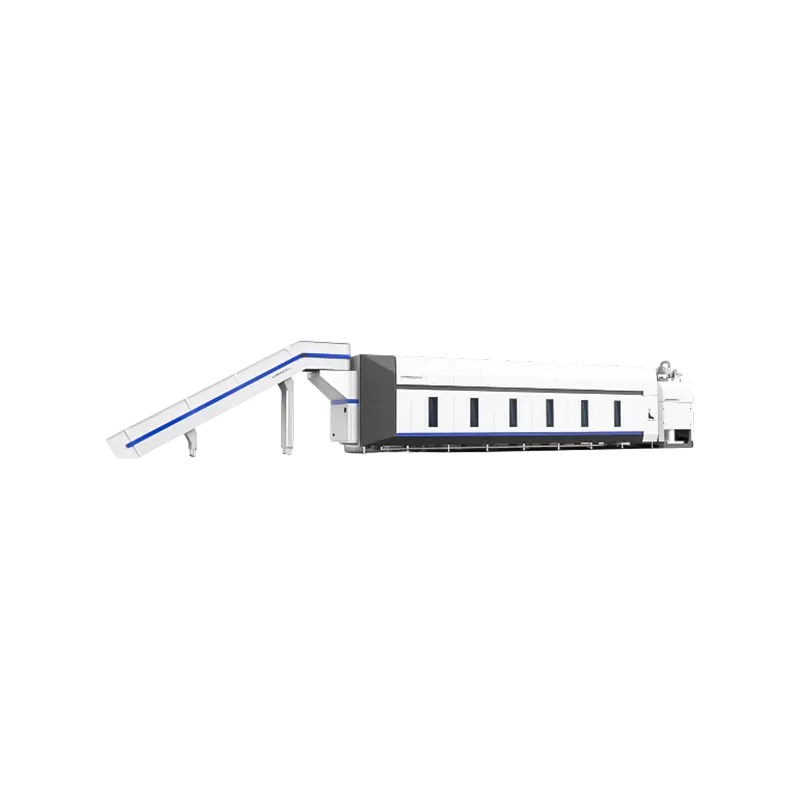
Tunnel washers are designed around this cascade to keep hydraulic levels stable and flow predictable, even when load conditions change. Sea-Lion’s 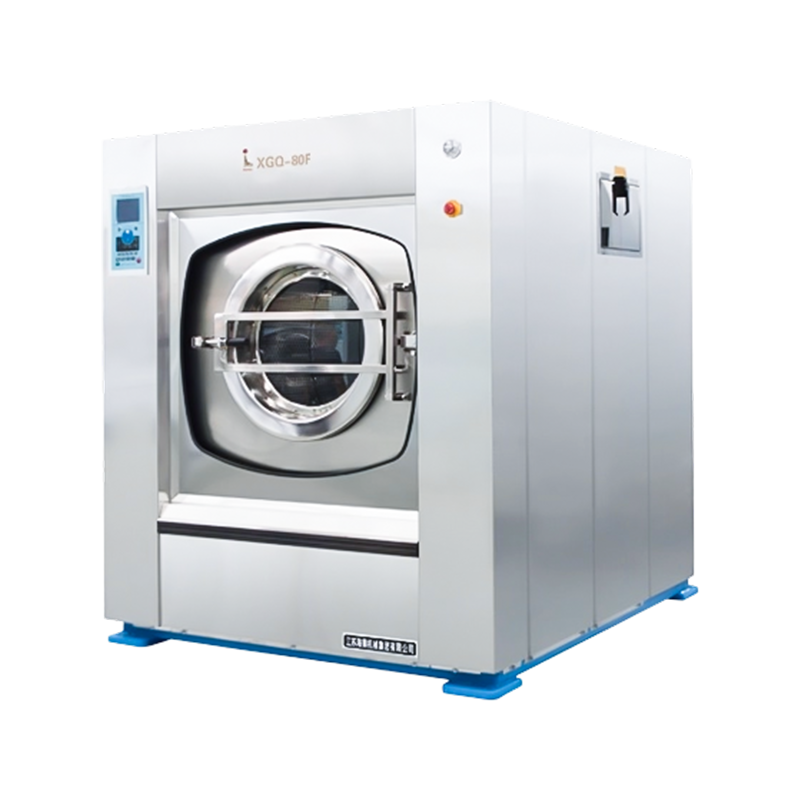 Sea-Lion Continuous Tunnel Washer System for High-Throughput TextilesThis modular continuous batch washer uses counter-current rinsing with controlled overflow to reduce water and heat use. It suits high-throughput laundry operations seeking stable flow and consistent wash quality.View Product → is built with segmented modules and controlled overflow channels that support effective counter-current rinsing at high throughput.
Why Counter-Current Rinsing Saves Water and Energy
A conventional washer extractor dilutes soil by repeatedly filling with fresh water, agitating, and draining. Each rinse step requires a new supply of hot water. A counter-current tunnel washer, by contrast, reuses water across many stages. A single volume of water can participate in multiple rinse contacts before it leaves the machine. Because less hot water is required, heating energy falls in parallel with water consumption.
Beyond Rinsing: Complementary Technologies for Greater Savings
Mechanical Moisture Removal
The rinsing process is only the beginning of energy conservation in a complete tunnel washing line. After the final rinse, fabric still holds a significant amount of water. Removing that water by evaporation in a dryer is expensive. A better approach is to remove as much water as possible mechanically, before the fabric enters the drying stage.
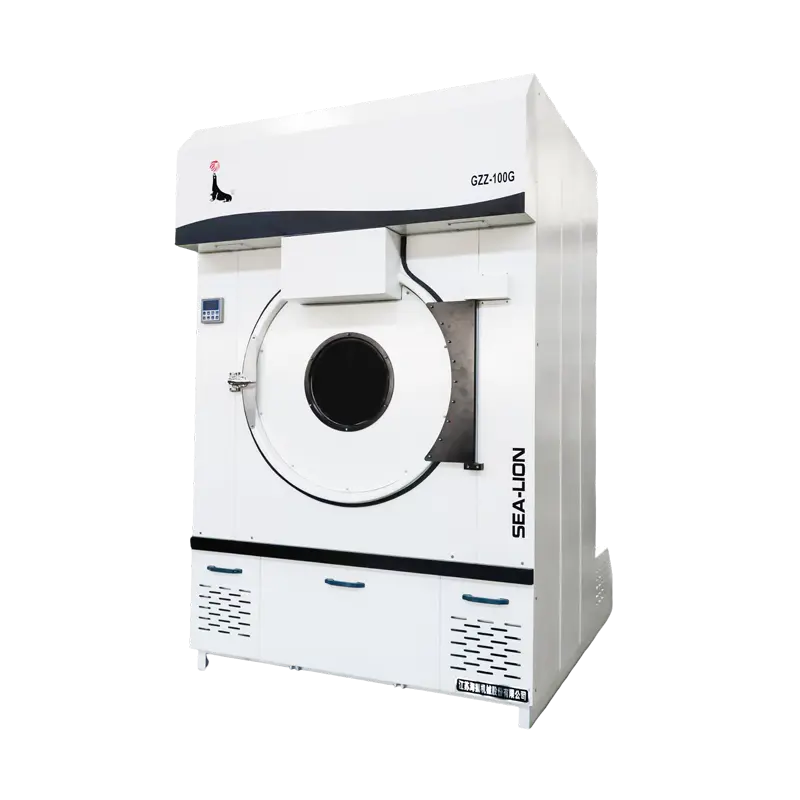
A hydraulic extraction press compresses the wet fabric into a compact cake, forcing out a large share of the moisture. This lowers the thermal energy required in the dryer and increases drying capacity. When combined with counter-current rinsing, mechanical extraction creates a compounding effect: less water is used in washing, and less remaining water has to be evaporated after washing. Sea-Lion’s 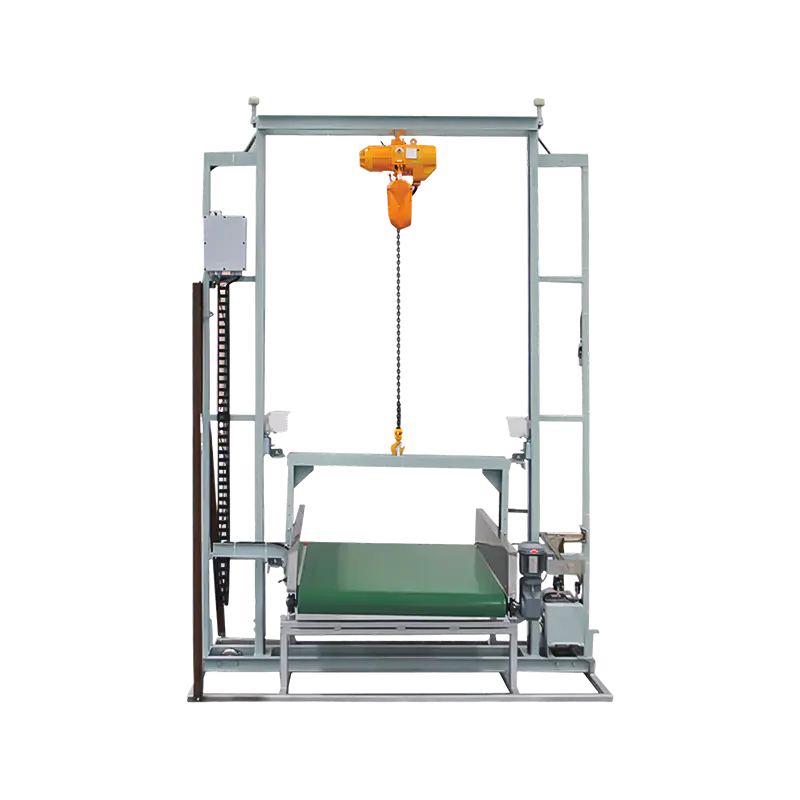 Sea-Lion Hydraulic Laundry Extraction Press for Integrated DewateringThis hydraulic press mechanically removes moisture from washed fabric, cutting dryer energy demand. It pairs with continuous batch washers to multiply savings from counter-current rinsing and heat recovery.View Product → is designed to integrate directly with continuous batch washing systems, making the transition from rinse to drying more energy-efficient.
Heat Recovery and Thermal Balance
Counter-flow rinsing produces a warm effluent stream at the wash end of the tunnel. Instead of sending that heat down the drain, many installations pass the effluent through a heat exchanger to preheat incoming fresh water. This reduces the steam or hot water demand of the complete system. Heat recovery works especially well with tunnel washers because the effluent flow and fresh water flow are constant and predictable.
Automation and Intelligent Control
Automation also plays a role in water and energy conservation. Sensors can adjust water levels, transfer timing, and chemical dosing based on the actual soil load and fabric type. When the system knows exactly how much water is needed in each module, it avoids both overdosing and unnecessary fresh water input. Automated controls also shorten idle time, reduce repeated heating, and protect wash quality from operator variability.
Comparing Conventional Washer Extractors and Counter-Flow Tunnel Washers
The table below summarizes the most important differences for operators evaluating a move to continuous batch washing.
| Parameter | Conventional Washer Extractor | Counter-Flow Tunnel Washer |
|---|---|---|
| Fresh water use | Higher per kilogram of linen | Lower per kilogram of linen |
| Heating demand | Higher because each bath is heated independently | Lower because rinse water is reused backward |
| Processing mode | Batch-controlled | Continuous high-throughput |
| Mechanical dewatering | Usually built-in spin extraction | Often realized with a separate extraction press |
| Space and layout | Compact machines with individual water connections | Longer system requiring more floor space |
| Automation potential | Good for single-machine control | Excellent for full laundry line integration |
Exact savings depend on linen type, soil level, water quality, and operating discipline. In many real-world installations, counter-flow tunnel washers reduce fresh water consumption by roughly half or more compared with batch washer extractors.
Practical Considerations for Your Laundry Operation
Tunnel washing systems are not the right choice for every laundry. They are most effective in operations with high, fairly continuous throughput, such as central laundries, large hotels, hospitals, and industrial uniform services. A typical evaluation includes the available floor space, ceiling height, required hourly capacity, steam or hot water supply, and wastewater treatment capacity.
Operators do not need to manage every module manually. A well-designed tunnel washer line handles water transfer, rinse flow, and extraction with minimal intervention. When the complete line is designed together, from the loading system to the finishing equipment, water and energy savings become predictable rather than accidental. Sea-Lion Machinery’s industrial laundry systems are built around continuous-flow thinking, giving laundry managers a practical path toward lower utility costs and reliable wash quality.
Frequently Asked Questions
Q1: What is the difference between counter-flow and counter-current rinsing?
In the context of tunnel washers, counter-flow and counter-current are usually the same principle. Both mean that fresh water enters at the final rinse and flows in the opposite direction to the fabric traveling through the machine. Some manufacturers use one term more often than the other, but the water and energy conservation benefit is identical.
Q2: How much water can a counter-flow tunnel washer save?
Many installations reduce fresh water use by about 50 percent or more compared with conventional washer extractors. The exact result depends on load composition, operating hours, water hardness, and the control strategy used for rinse flow.
Q3: Does counter-current rinsing affect wash quality or hygiene?
No. The final rinse always uses the freshest water in the system, so fabric leaves the tunnel after contact with the cleanest water. Hygiene in tunnel washers depends on the same core parameters as any industrial washer: time, temperature, chemical concentration, and correct mechanical action.
Q4: What other features support energy conservation in tunnel washers?
Heat recovery from effluent, hydraulic extraction before drying, variable-speed drives, precise chemical dosing, and automatic transfer systems all multiply the saving created by counter-current rinsing. Together they turn a single water-saving idea into a complete energy-efficient laundry line.
Water and energy conservation in tunnel washers is not a single modification; it is a system-level strategy. Counter-flow counter-current rinsing provides the foundation, while controlled extraction, heat recovery, and intelligent automation extend the benefit through every stage of the wash process. For high-volume laundry operations, investing in a tunnel washing system designed around these principles is one of the most effective sustainability decisions available.
- No. 2 Lehong Road, Leyu Town, Zhangjiagang, Suzhou City, Jiangsu Province, China
- +86-512-58602532
- [email protected]
Copyright @ Jiangsu Sea-Lion Machinery Co., Ltd. All rights reserved
Custom Laundry Equipment Suppliers