English
 Français
 Español











What Factors Can Affect the Maximum Sheet Feeding Speed?
Content
- 1 Paper Substrate Characteristics
- 2 Machine Mechanical and Design Constraints
- 3 Control Systems and Timing
- 4 Environmental and Operational Conditions
- 5 Comparative Data
- 6 FAQ
- 6.0.1 Q1: Why can't I reach the maximum speed listed in the specifications?
- 6.0.2 Q2: How does sheet length affect the maximum feeding speed?
- 6.0.3 Q3: What can I do to improve the feeding speed of my folder?
- 6.0.4 Q4: Is a higher speed always better for a high speed sheet folder?
- 6.0.5 Q5: How does static electricity reduce feeding speed?
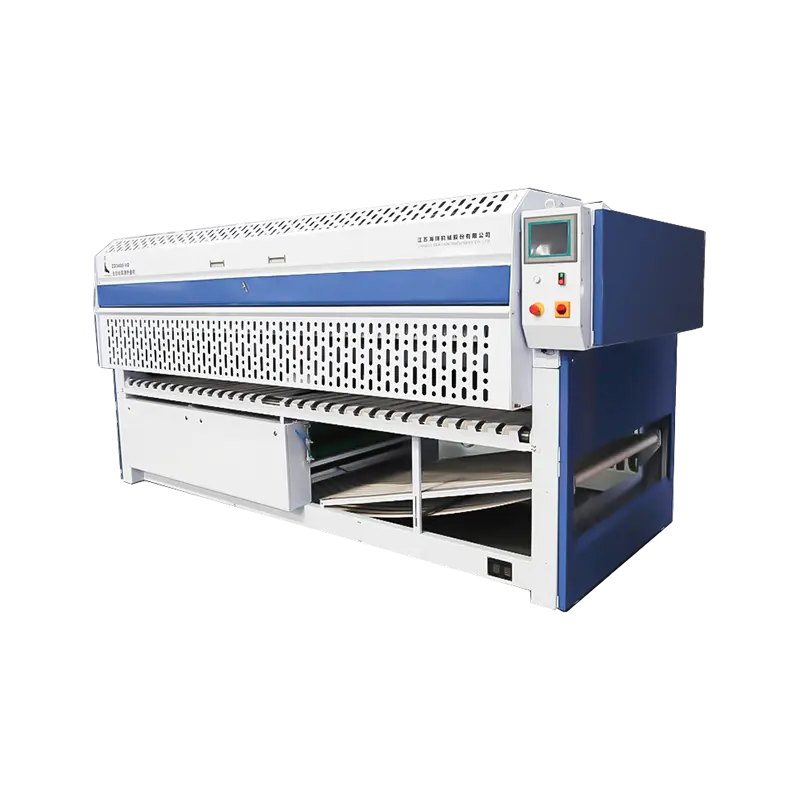
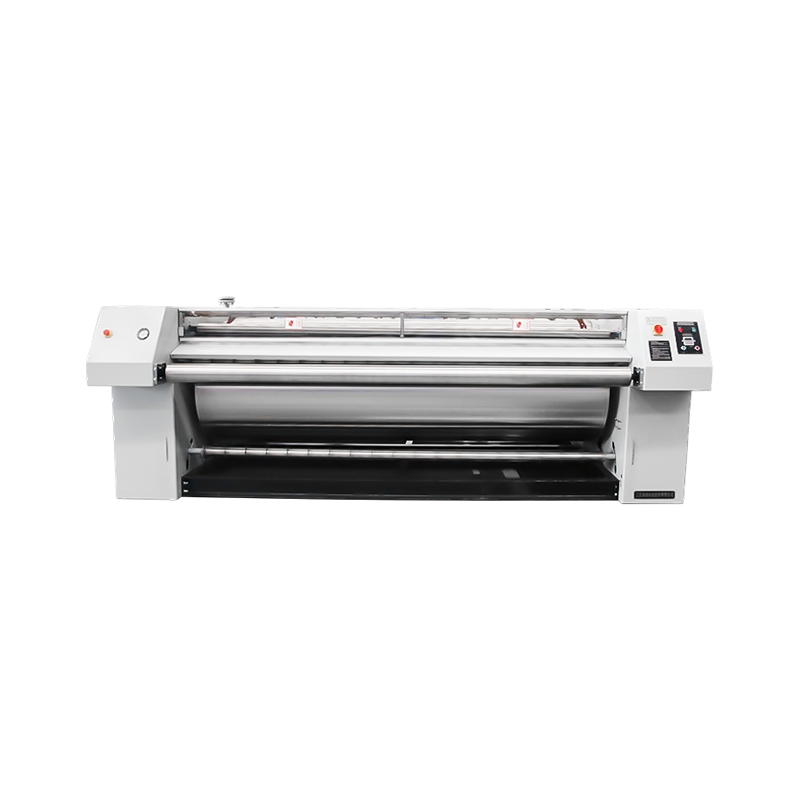
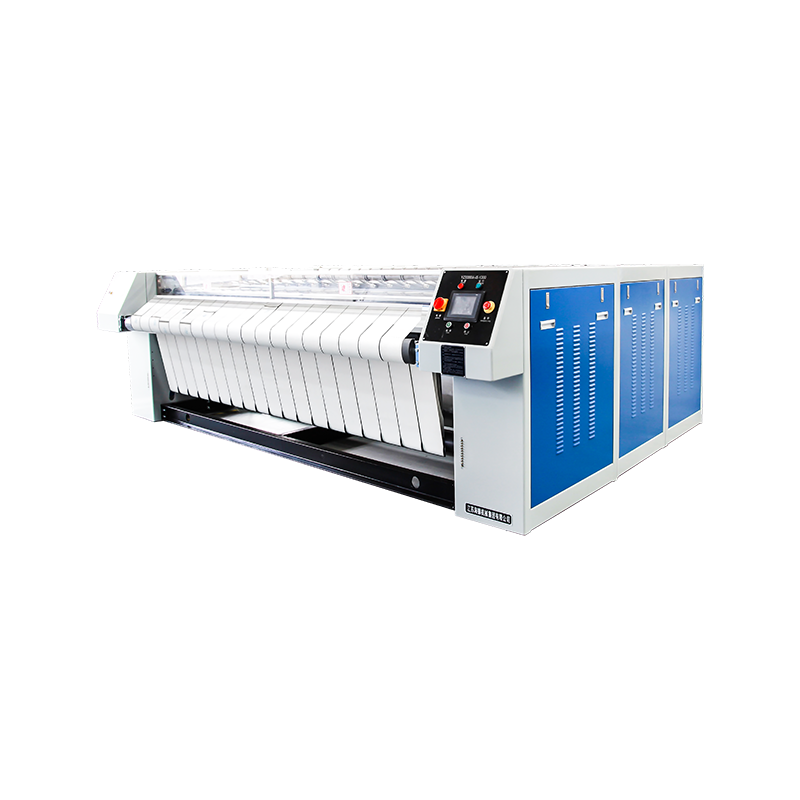
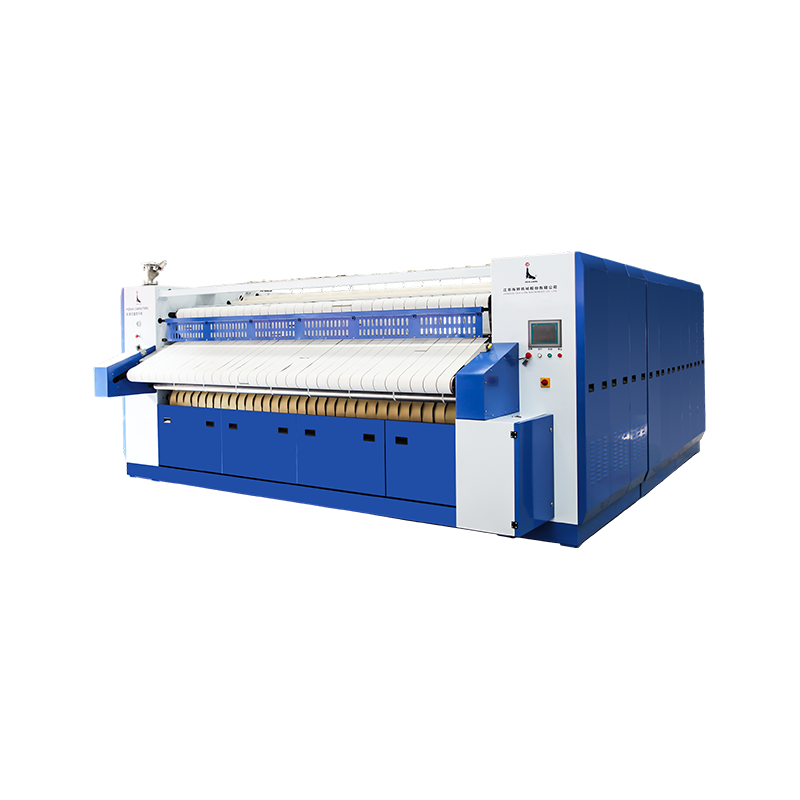
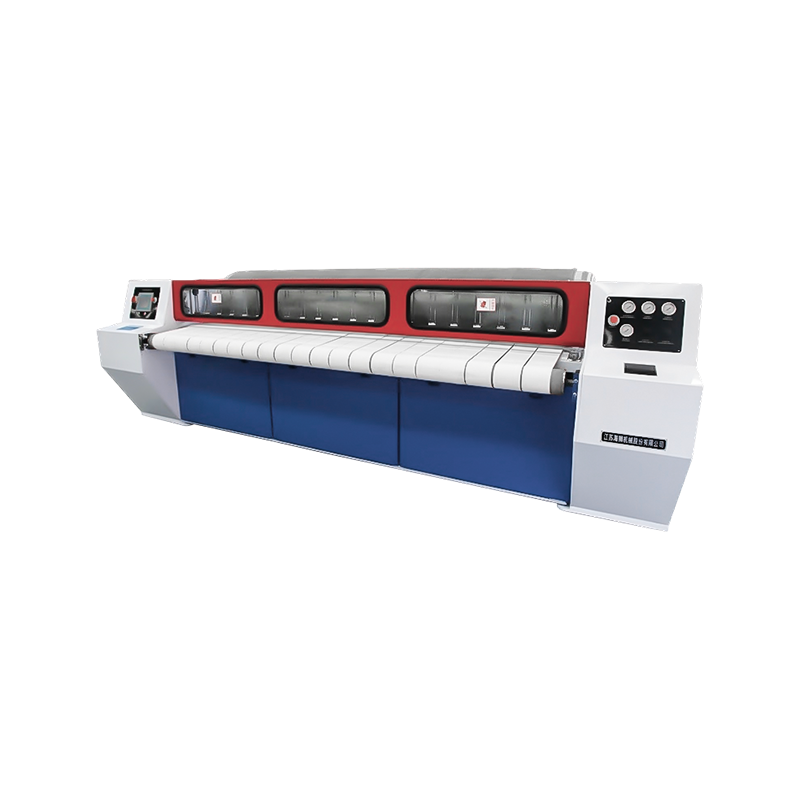
In the world of print finishing and mailroom operations, a High Speed Sheet Folder is a critical asset for maintaining workflow efficiency. However, the advertised maximum speed of a machine is not always achievable in a production environment. Several variables, ranging from the physical properties of the paper to the sophistication of the machine's control system, can significantly influence the actual maximum sheet feeding speed. Understanding these factors is essential for optimizing throughput, reducing downtime, and ensuring consistent fold quality. This article examines the primary technical elements that determine and limit the upper bounds of sheet feeding speed.
Paper Substrate Characteristics
The physical attributes of the paper itself are the most fundamental and often variable factors affecting feeding speed. The friction, stiffness, and dimensions of the substrate directly impact how reliably it can be separated, accelerated, and transported through the machine's path.
Paper Weight (GSM) and Thickness
The weight and thickness of the paper determine its rigidity and the friction between sheets. These factors are critical in the separation process, particularly in friction-feed systems where the force needed to move the paper can vary significantly [citation:5].
- Lightweight (Low GSM): Thin papers are prone to static cling and can be difficult to separate reliably at high speeds. The risk of double feeds increases if the separation mechanism is not precisely adjusted, potentially requiring a reduction in speed to prevent jams.
- Heavyweight (High GSM): While heavier paper is easier to separate, it has a higher coefficient of friction. Moving a heavy sheet through the feed and folding rollers requires more torque. If the machine's motors cannot sustain the required force at maximum speed, the feeding rate must be lowered to avoid slipping or stalling.
Sheet Size and Length
The dimensions of the sheet, particularly its length in the direction of travel, play a significant role in determining the maximum achievable throughput.
- Short Sheets: Feeding very short sheets is challenging for several reasons. The distance between rollers must be short enough to ensure the sheet is always in contact with at least one drive mechanism to maintain acceleration. If the sheet is shorter than the gap between rollers, it can lose momentum and become uncontrollable [citation:1].
- Long Sheets: While long sheets are easier to grip, the distance they must be accelerated can impact the cycle time. Furthermore, a longer sheet requires a larger gap between it and the next sheet to avoid collisions. To maintain a consistent downstream output rate, the feeding speed may need to be adjusted as the gap size is proportional to the sheet length [citation:7].
Surface Finish and Static
The surface properties of the paper directly influence the feeding mechanism's ability to consistently pick up and separate the top sheet.
- Glossy or Coated Papers: These surfaces have a low coefficient of friction, which can cause the feed rollers to slip rather than grip the paper. This often prevents the sheet from being drawn into the machine at the intended rate.
- Static Electricity: In dry environments, sheets can become highly charged. This causes them to cling to each other, making separation difficult and often resulting in double feeds or misfeeds. Many folders require anti-static accessories to mitigate this issue and maintain high speeds.
Moisture Content
Paper is hygroscopic, meaning its moisture content changes with ambient humidity. High moisture content can make paper limp and increase its coefficient of friction, causing it to stick together and resist separation. Conversely, very dry paper can become brittle and generate more static, leading to dust and sheet jams that force operators to reduce the feed speed.
Machine Mechanical and Design Constraints
The physical construction of the High Speed Sheet Folder imposes inherent limits on how fast it can operate. These constraints are tied to the acceleration of moving parts, the torque of motors, and the design of the paper path.
Acceleration and Deceleration Dynamics
The speed at which a machine can feed sheets is not solely about peak velocity; it is about how quickly it can accelerate a sheet from a standstill to the transport speed and then decelerate to stop for the next cycle. The control of these phases is a major engineering challenge [citation:1].
- Acceleration Rate: To achieve high throughput, the machine must accelerate the sheet rapidly. However, if the acceleration is too aggressive, it can cause the sheet to slip relative to the drive wheels. The optimal acceleration is a balance between speed and grip. Some systems use a constant distance for acceleration, which automatically adjusts the acceleration rate based on the machine speed [citation:1].
- Deceleration and Braking: The ability to stop a sheet quickly and precisely is critical for maintaining register and preventing collisions. Slowing a heavy or long sheet requires substantial braking torque. To maximize speed, some control systems use a constant maximum braking torque regardless of machine speed, minimizing the stop time [citation:1].
Roller and Drive System Capabilities
The drive system must be capable of delivering sufficient power to feed paper at high speeds without losing control or overheating.
- Motor Power: The motor(s) driving the feed and folding rollers must produce adequate torque to grip and move the paper, especially with heavier stock. If a motor lacks power, it will struggle to maintain speed when feeding thicker materials, leading to a necessary reduction in maximum speed.
- Roller Material and Grip: The surface material of the feed rollers determines the gripping force. Worn or hard rollers have a lower coefficient of friction, which can lead to slipping at high speeds. This is why regular maintenance and replacement of rollers are essential for sustaining top performance [citation:7].
Sheet Path Design and Friction
The path a sheet travels from the feed tray to the fold plates must be optimized for minimal resistance. Any obstruction or high-friction point can limit speed.
- Roller Spacing: The distance between drive wheels is critical. Shorter spacing is beneficial for handling very short sheets, as it ensures the sheet is always guided by at least one set of wheels. This supports smoother acceleration and higher speeds for a wider range of paper sizes [citation:1].
- Guide Plates and Surfaces: Rough or misaligned guide plates can create drag, slowing the sheet and causing jams. A well-designed, low-friction sheet path is essential for achieving high feeding speeds.
Control Systems and Timing
The sophistication of the machine's control system is the key to achieving and maintaining a high maximum speed. Intelligent control can adapt to changing conditions, while simple systems may need to be run slower to ensure reliability.
Gap Management and Sheet Lengths
In a continuous feed system, the spacing between sheets, known as the "gap," is crucial. A smaller gap increases throughput, but it also increases the risk of collisions. The ideal gap is determined by the sheet length.
- Variable Gaps: Advanced systems can measure the length of each sheet in real-time and adjust the speed of the feed mechanism to create a gap proportional to that length. This allows the machine to maximize throughput for shorter sheets while automatically reducing the effective feed rate for longer ones to prevent jams [citation:7].
- Fixed Gaps: Machines with simpler controls set a fixed gap based on the most common sheet size. When processing longer sheets, this may lead to collisions, forcing operators to slow down the entire machine to ensure reliability.
Sensor Accuracy
Photo sensors are used to detect sheet edges and monitor the feed process. The speed and accuracy of these sensors can limit machine performance.
- High-Resolution Sensors: Accurate and fast sensors allow the control system to make precise adjustments to roller speed in real-time. This enables the machine to operate close to its mechanical limits with confidence.
- Slow or Simple Sensors: If the sensors cannot reliably detect the front or trailing edge of a sheet at high speeds, the control system must operate with a larger margin of error to prevent misfeeds, which effectively lowers the machine's usable speed.
Motor Control Algorithms
The way the motors are controlled is fundamental to achieving high speed without sacrificing accuracy.
- Stepper vs. Servo Motors: High-speed folders often use advanced servo motors that offer precise speed and position control. However, the sophistication of the control algorithm is what matters most [citation:1].
- Adaptive Profiles: Some control units employ different principles for acceleration and deceleration. For example, they might use a constant distance for acceleration and a maximum torque for braking. This complex interplay allows for higher average speeds than simpler, position-based cam controls [citation:1].
Key Control Principles
- Constant Distance Acceleration: Achieves smoother acceleration by adapting the rate to the machine's current speed, preventing sheet slip.
- Maximum Torque Braking: Provides consistent stopping power regardless of the target speed, minimizing and standardizing the stop time.
Environmental and Operational Conditions
Beyond the machine and paper, the conditions in the operating environment and the choices made by the operator also have a significant impact on the maximum sustained feed speed.
Ambient Humidity and Temperature
The environment in which the machine operates plays a direct role in paper handling and machine performance [citation:5].
- Low Humidity: Leads to a build-up of static electricity, which causes sheets to stick together and can lead to double feeds. This often requires the operator to slow the feed rate to maintain reliability.
- High Humidity: Causes paper to swell and become limp, which increases friction and the likelihood of feed jams. In severe cases, high humidity can also cause the paper to curl, further complicating feeding.
- Temperature: Extreme heat can dry out and warp paper, while cold can make it brittle and affect the lubrication of mechanical parts.
Operator Settings and Maintenance
Ultimately, human factors determine how effectively a machine can run.
- Setup Accuracy: Incorrectly set side guides or skew adjustments can create friction and jams. High-speed operation demands that all settings are precisely aligned.
- Maintenance Schedules: Worn or dirty rollers lose their grip and will slip at high speeds. Regular cleaning and replacement are necessary to maintain maximum performance [citation:7].
- Feed Tray Capacity: Loading the feed tray to its maximum capacity can often help maintain consistent feeding pressure. However, as the pile decreases, the pressure changes, which can sometimes affect feeding consistency and require speed adjustments.
Downstream Process Integration
The High Speed Sheet Folder is often part of a larger finishing line. Its speed is limited by the slowest component in the chain [citation:7].
- Bottlenecks: If the folder feeds sheets faster than a downstream printer, inserter, or cutter can process them, it will cause a jam or require the folder to wait. In such systems, the folder's speed is often controlled by the downstream machine's capacity.
- Traceability: When integrated with scanning or sorting systems, sheet spacing must be maintained to ensure each sheet is correctly tracked and processed, which can dictate the feed speed [citation:7].
Comparative Data
The following table illustrates how these factors combine to influence the performance specifications found in different classes of equipment.
| Feature | Entry-Level Folder | Mid-Range Folder | High-Speed Production Folder |
|---|---|---|---|
| Max Speed (Sheets/Hour) | ~4,000 [citation:4] | ~14,000 [citation:6] | ~20,000+ |
| Paper Weight (gsm) | Limited (e.g., 60-90) | Wide Range (e.g., 52-157) [citation:2] | Extensive Range (e.g., 52-220+) |
| Key Technology | Manual Setup | Pre-set Folds | Servo Motors & Advanced Control |
| Sheet Length Sensitivity | High | Moderate | Low (Variable Gap Control) [citation:7] |
FAQ
Q1: Why can't I reach the maximum speed listed in the specifications?
Maximum speeds are typically achieved under ideal conditions using standard paper (e.g., 20 lb bond or 80 gsm). Using heavier, lighter, coated, or shorter sheets will often require a reduction in speed to maintain reliable feeding and folding accuracy. Environmental conditions and machine maintenance also play a significant role.
Q2: How does sheet length affect the maximum feeding speed?
Sheet length is a crucial factor. Short sheets are difficult to control because they may not be in contact with a drive roller at all times. The control system must adjust the gap between sheets based on their length to prevent collisions. To maintain a steady downstream process speed, the effective feed rate for long sheets may be lower than for short ones [citation:7].
Q3: What can I do to improve the feeding speed of my folder?
Ensure your paper is properly conditioned (avoid excessive static or moisture). Keep feed rollers clean and in good condition. Use the correct setup for the paper size and weight. Regularly perform maintenance as specified by the manufacturer. Properly aligning the machine and managing the downstream equipment can also allow it to run closer to its maximum speed.
Q4: Is a higher speed always better for a high speed sheet folder?
Not necessarily. The optimal speed is the one that maximizes throughput while maintaining high fold quality and zero errors. Running a machine too fast can lead to a higher rate of jams, misfeeds, and damaged sheets. A slightly lower, reliable speed is often more productive than a higher, error-prone speed.
Q5: How does static electricity reduce feeding speed?
Static electricity causes sheets to cling together, making it difficult for the feed mechanism to separate the top sheet from the stack. This often results in double feeds, where two or more sheets are drawn into the machine at once. To prevent these jams, operators must slow the feed rate or invest in anti-static equipment.

- No. 2 Lehong Road, Leyu Town, Zhangjiagang, Suzhou City, Jiangsu Province, China
- +86-512-58602532
- [email protected]
Copyright @ Jiangsu Sea-Lion Machinery Co., Ltd. All rights reserved
Custom Laundry Equipment Suppliers