English
 Français
 Español









Dry Cleaning Machine vs Washing Machine: A Technical Comparison
Content
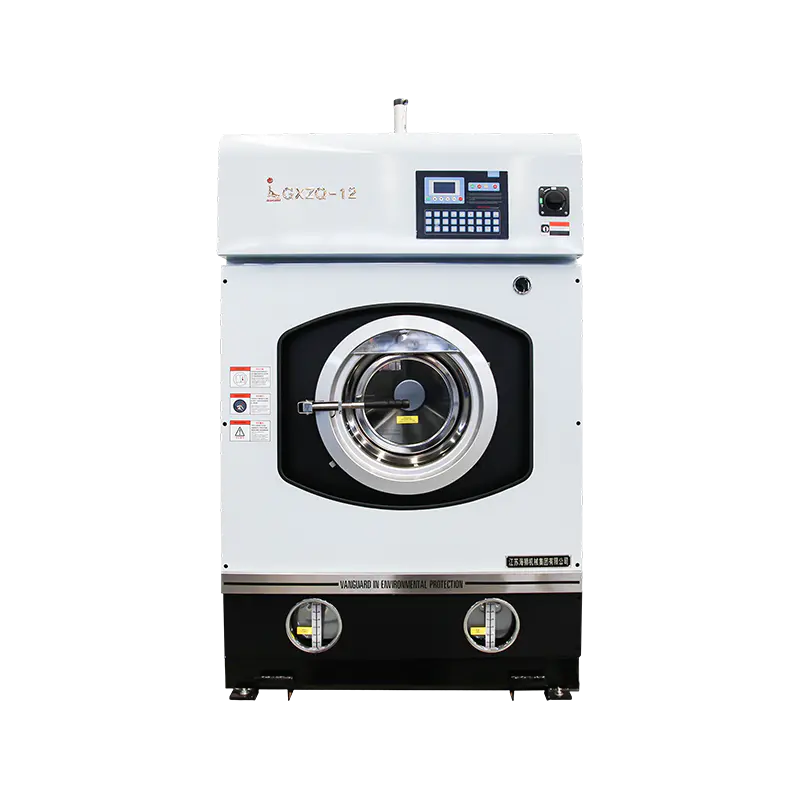
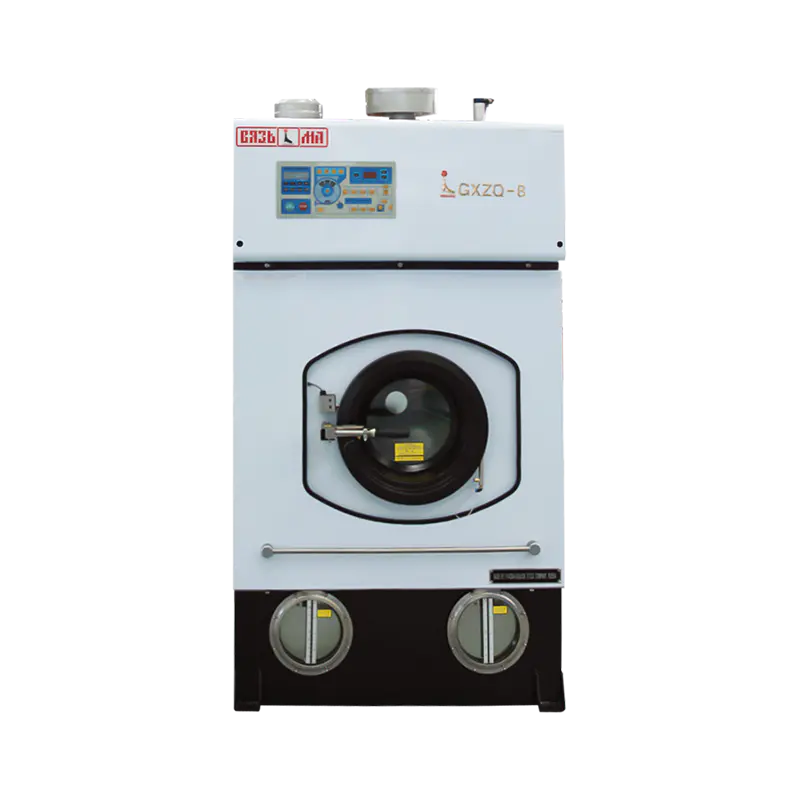
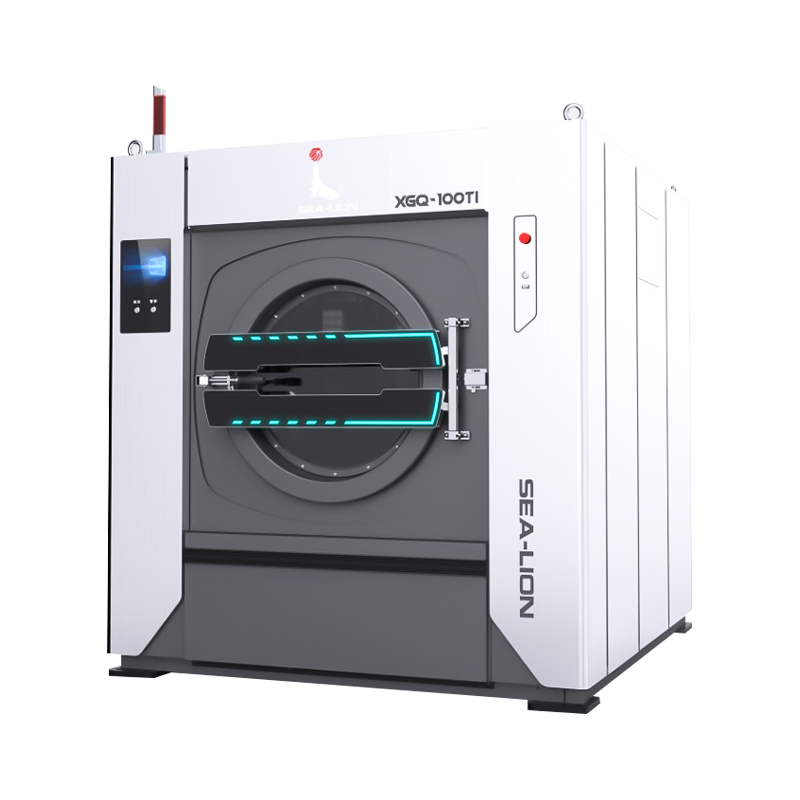
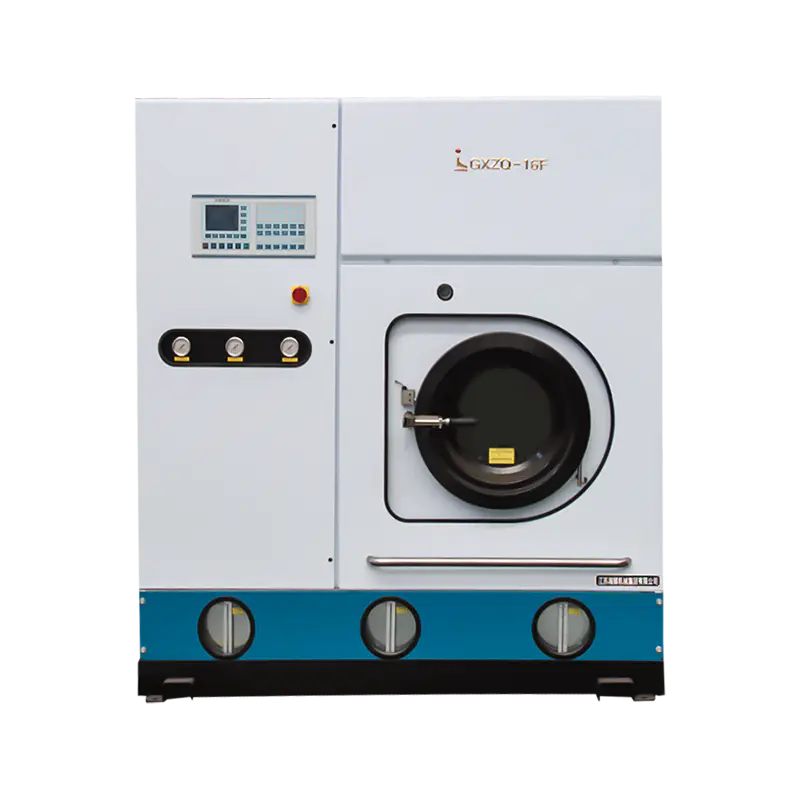
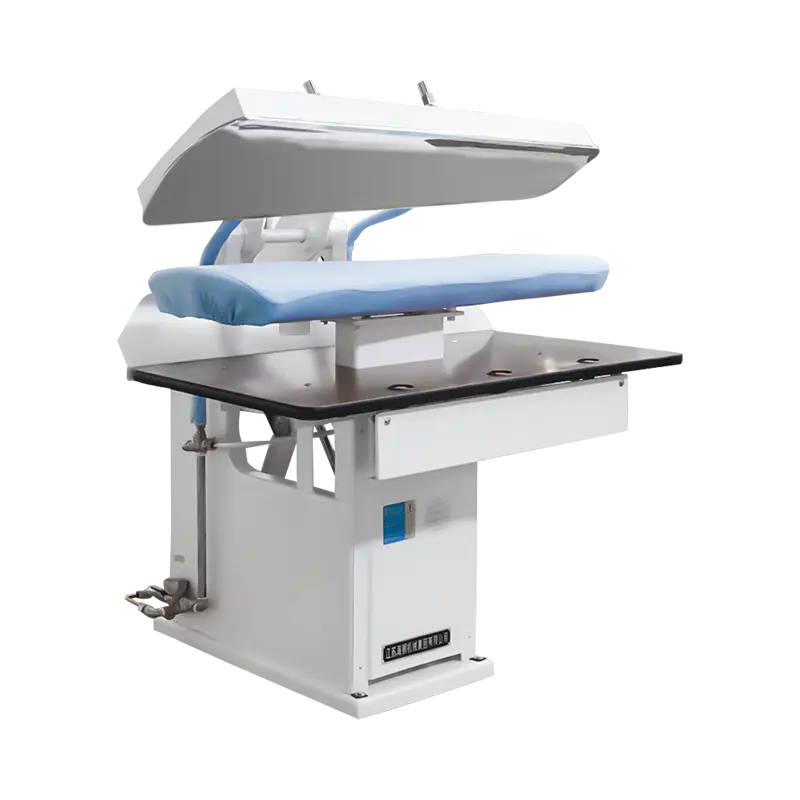
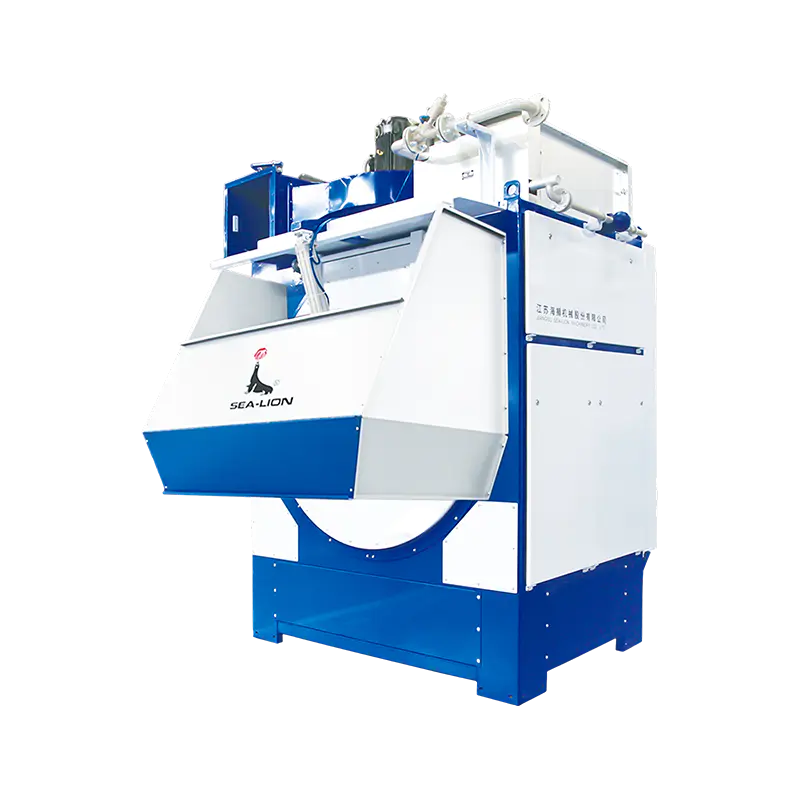
At first glance, a dry cleaning machine and a conventional washing machine may appear similar: both are metal boxes that rotate garments to remove dirt. However, the similarities end at the surface. The fundamental difference lies in the cleaning medium: water in a washing machine versus a chemical solvent in a dry cleaning machine. This distinction affects everything from fabric care and stain removal to operational costs and environmental impact. This article provides a detailed, technical comparison to help you understand which method suits your specific garment care needs.
The Core Difference: Cleaning Medium and Mechanism
The primary distinction between the two machines is the cleaning agent. A washing machine uses water combined with detergent, relying on mechanical agitation to dislodge dirt. In contrast, a dry cleaning machine uses a water-free organic solvent, typically perchloroethylene (perc) or hydrocarbon mixtures, to dissolve and remove stains.
Key insight: The term "dry" in dry cleaning does not mean the process is entirely moisture-free. Small amounts of water are often present in the cleaning soaps. However, the primary cleaning action comes from the solvent, which does not penetrate fabric fibers the way water does, reducing the risk of shrinkage and distortion.
Washing Machine: Water-Based Cleaning
- Cleaning agent: Water and laundry detergent.
- Cleaning action: Mechanical agitation (tumbling) combined with the chemical action of surfactants in the detergent.
- Effectiveness: Excellent for removing water-soluble stains (e.g., sweat, mud, coffee) and general soil.
- Risks: Water can cause shrinkage, color fading, and damage to delicate fabrics like silk and wool.
Dry Cleaning Machine: Solvent-Based Cleaning
- Cleaning agent: Chemical solvent (perc, hydrocarbon, or siloxane).
- Cleaning action: Gentle tumbling in the solvent, which dissolves oils and greases without water penetration.
- Effectiveness: Superior for oil-based stains (e.g., grease, lipstick, cooking oil) and cleaning delicate or structured garments.
- Risks: Solvents can cause color bleeding in some fabrics, and the process is generally more expensive.
Head-to-Head Comparison: Dry Cleaning vs. Washing
The following table summarizes the key differences in performance and operational characteristics:
| Feature | Washing Machine | Dry Cleaning Machine |
|---|---|---|
| Cleaning Medium | Water + Detergent | Chemical Solvent (e.g., Perc) |
| Best For | Everyday wear (cotton, polyester, linen) | Delicate fabrics (silk, wool, cashmere) |
| Stain Removal Strength | Water-based stains | Oil and grease-based stains |
| Risk of Shrinkage | High (due to heat, moisture, agitation) | Low (minimal moisture) |
| Cost per Load | Low | High |
| Environmental Impact | Moderate (water and energy use) | Higher (hazardous solvent disposal) |
Solvent Selection: Perc and Beyond
The choice of solvent significantly impacts cleaning efficacy and safety. Perchloroethylene (perc) has been the industry standard since the 1930s due to its excellent cleaning power, thermal stability, and nonflammability. However, its classification as a potential carcinogen has prompted the industry to develop alternatives.
Perc
Standard for cleaning power, but faces regulatory pressure due to health concerns.
Hydrocarbon
Less aggressive, safer, but requires fire-suppression systems due to flammability.
Siloxane
Marketed as eco-friendly, but faces bans in some regions due to bioaccumulation concerns.
Operational and Design Differences
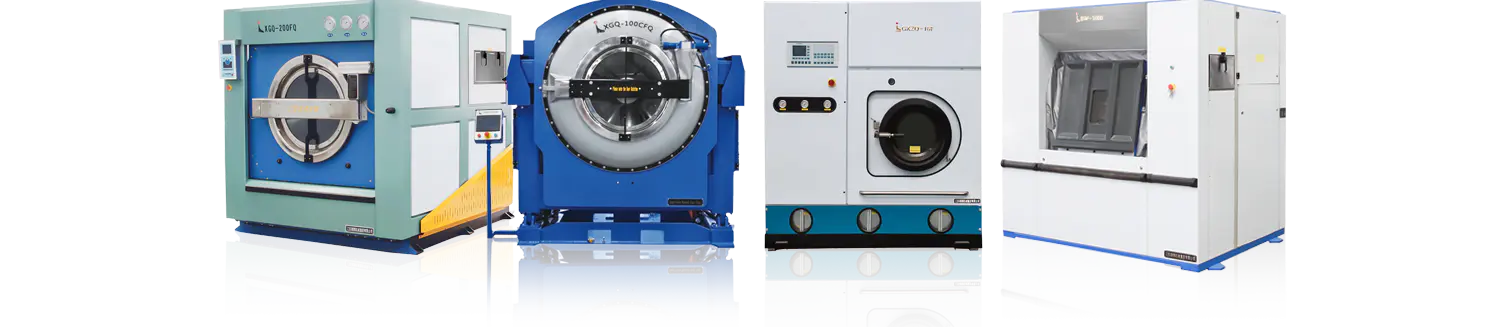
Beyond the cleaning medium, the machines themselves differ in complexity and operation. A standard washing machine is a relatively simple appliance: it fills with water, agitates, drains, and spins. A dry cleaning machine, however, is a sophisticated closed-loop system designed for solvent management.
- Distillation: Commercial dry cleaning machines include built-in distillation units to purify the solvent after each load. This allows the solvent to be reused, reducing waste and cost.
- Solvent Recovery: During the drying phase, solvent vapors are condensed and recovered rather than released into the atmosphere, making the system an integrated environmental control system.
- Control Systems: Advanced dry cleaning machines incorporate sophisticated temperature controls. For example, the cleaning performance of petroleum solvents peaks at specific temperatures (e.g., around 25°C), requiring active cooling systems to maintain optimal conditions.
- Safety Mechanisms: Given the use of flammable solvents, dry cleaning machines require specialized fire-suppression systems and are typically installed in commercial settings rather than homes.
When to Choose Which Method
Professional garment care often involves both methods. The chart below provides a practical decision-making guide:
- Choose a washing machine for: Everyday clothing such as cotton t-shirts, denim, linens, and synthetic blends that are labeled machine-washable. These garments can withstand the mechanical action and moisture of water-based cleaning.
- Choose a dry cleaning machine for: Delicate and structured garments such as suits, wool coats, silk blouses, and items with embellishments. These items are vulnerable to shrinkage, color loss, and distortion from water and agitation.
- For mixed loads: Some modern commercial machines, as described in patent applications, are being designed to perform both solvent and water-based cleaning cycles in a single unit, offering greater flexibility, though these are not yet common in domestic settings.
Frequently Asked Questions
Q1: Is dry cleaning really dry?
No. The process uses a liquid solvent, but it contains no water. The term "dry" distinguishes it from water-based washing.
Q2: Does dry cleaning shrink clothes?
It is less likely to shrink clothes than water washing because the solvent does not swell the fibers. However, improper machine settings or excessive moisture in the soap can still cause some shrinkage.
Q3: Which method is better for removing oil stains?
Dry cleaning is superior for oil and grease-based stains because the solvent dissolves oils effectively.
Q4: Why is dry cleaning more expensive?
The solvents are costly, and the machines require expensive distillation and recovery systems. Additionally, the process is more labor-intensive than domestic washing.
Q5: Can I dry-clean clothes at home?
Home dry-cleaning kits exist but are not equivalent to professional machines. They use a small amount of solvent in a dryer bag and are not effective for heavily soiled or delicate garments.

- No. 2 Lehong Road, Leyu Town, Zhangjiagang, Suzhou City, Jiangsu Province, China
- +86-512-58602532
- [email protected]
Copyright @ Jiangsu Sea-Lion Machinery Co., Ltd. All rights reserved
Custom Laundry Equipment Suppliers