English
 Français
 Español

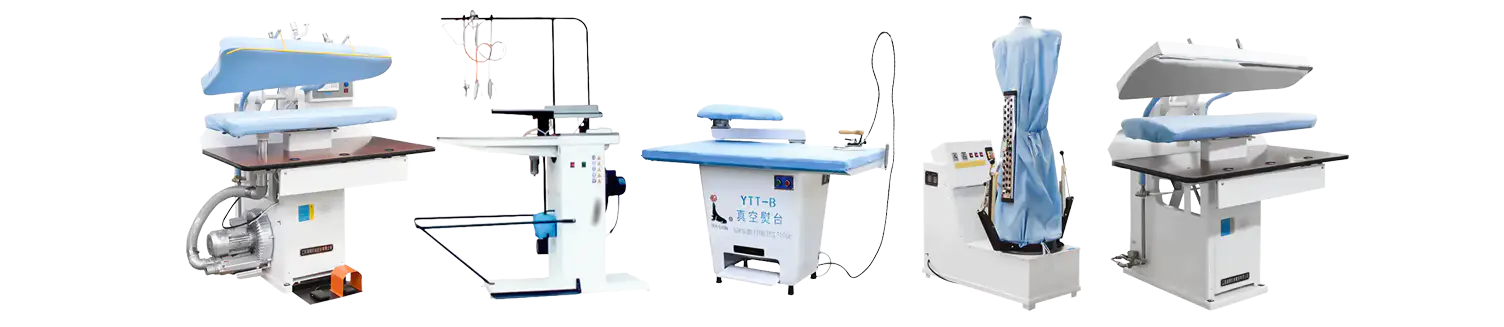
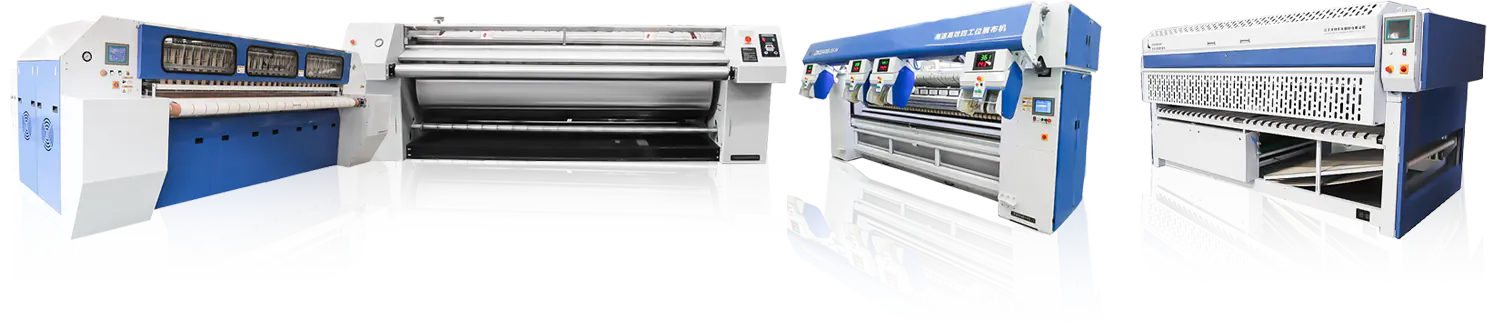



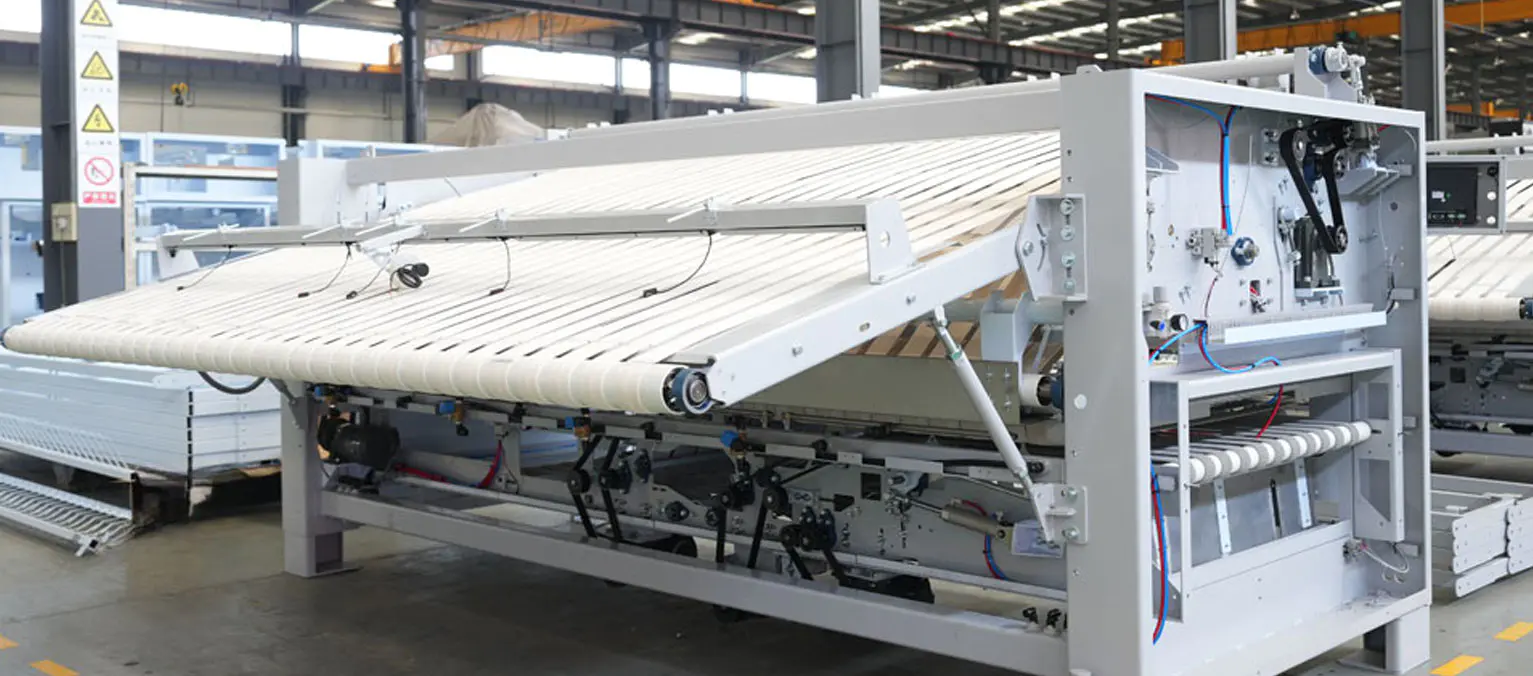







Discover the real differences between a vacuum ironing table and a regular ironing board. Compare suction, steam control, crease quality, and workflow to choose your ideal pressing tool.
Content
- 1 1. Core Operating Principle: Suction vs. Cushion
- 2 2. Fabric Handling & Crease Quality
- 3 3. Steam and Moisture Management
- 4 4. Comparison Matrix: Vacuum Ironing Table vs. Regular Board
- 5 5. Workflow and Physical Setup
- 6 6. Maintenance and Durability
- 7 7. Energy and Operating Costs
- 8 8. Which One Should You Choose?
- 9 9. Frequently Asked Questions
- 9.0.1 Q1: Can I use a vacuum ironing table for all fabric types?
- 9.0.2 Q2: Does a vacuum ironing table replace the need for a steam iron?
- 9.0.3 Q3: How noisy is a vacuum ironing table in practice?
- 9.0.4 Q4: Is the suction strong enough to hold multiple layers of quilting cotton?
- 9.0.5 Q5: Can I retrofit my regular ironing board into a vacuum table?
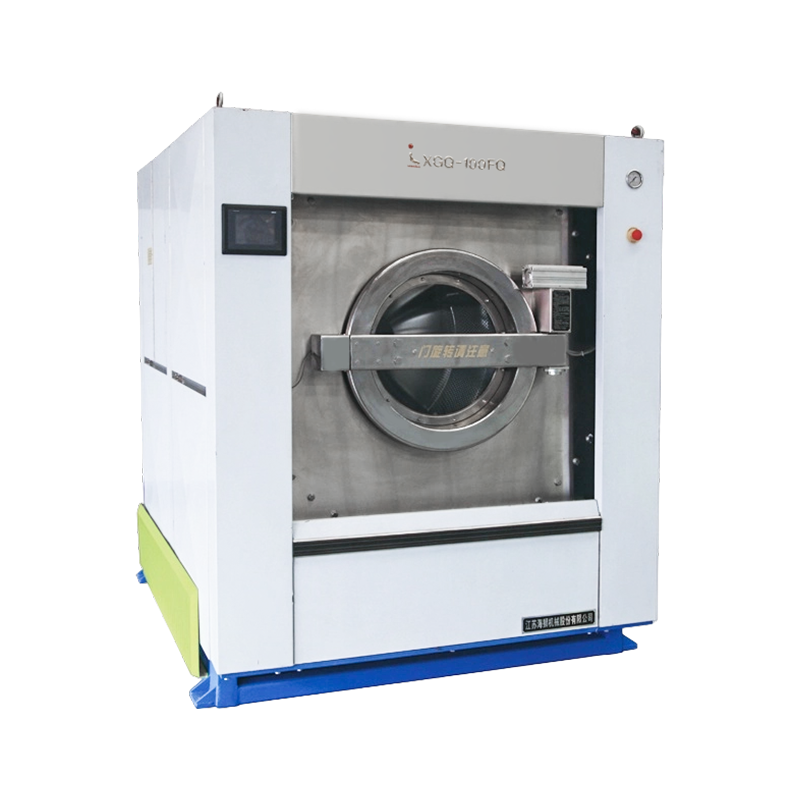
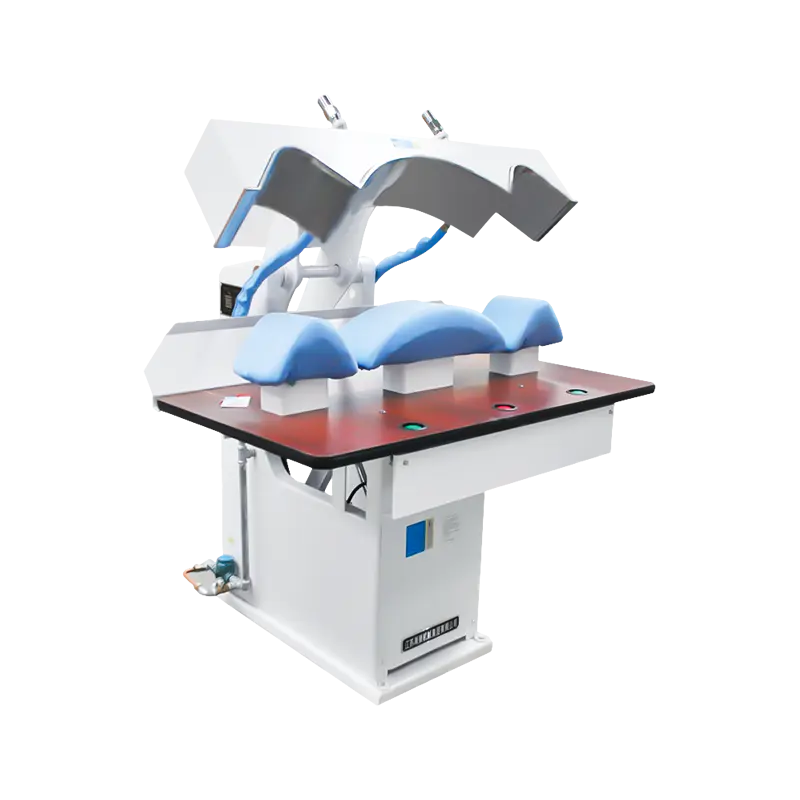
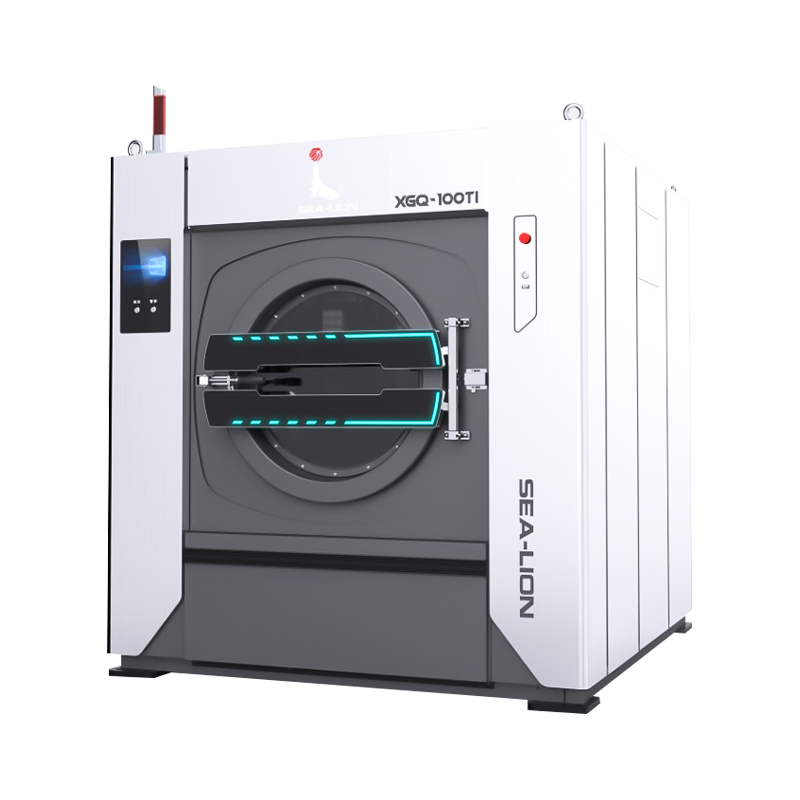
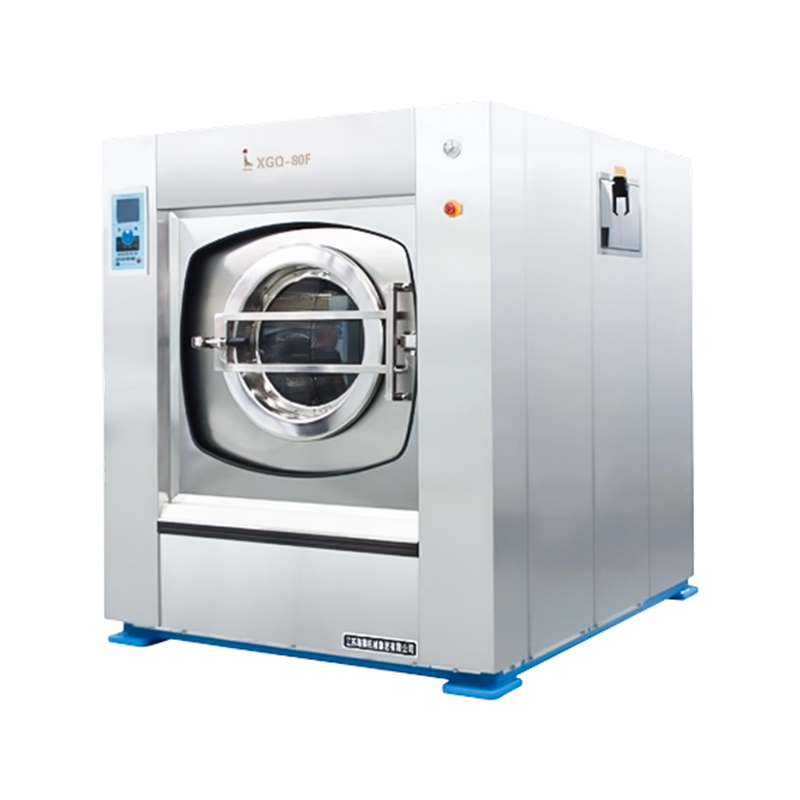
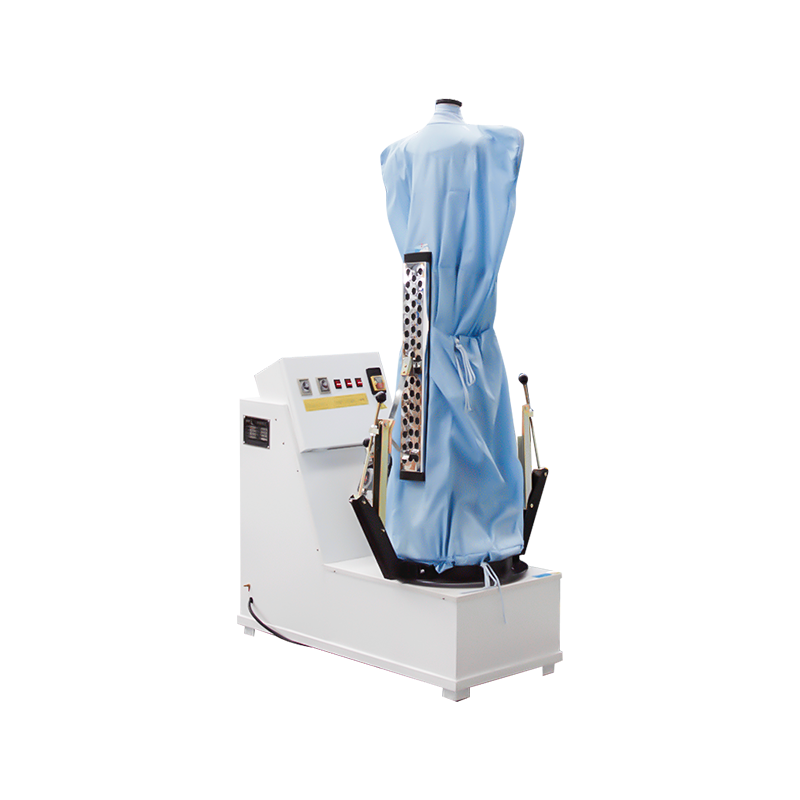
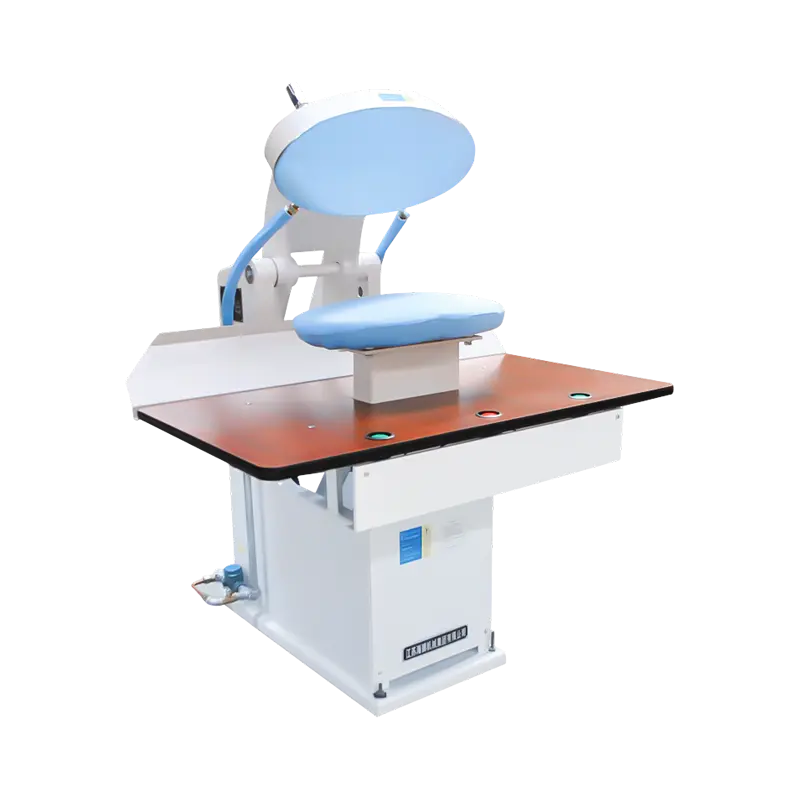
For decades, the humble ironing board has been a staple in homes and tailoring shops. But a new contender—the vacuum ironing table—promises a fundamentally different pressing experience. While both serve the same primary purpose, their operating principles, fabric handling, and final results are worlds apart. This article breaks down every critical distinction, from suction mechanics to workflow efficiency, so you can decide which tool truly fits your pressing needs.
1. Core Operating Principle: Suction vs. Cushion
The most fundamental difference lies in how each board interacts with fabric. A regular ironing board relies on a padded surface—typically cotton or felt over a perforated metal frame—to provide a firm but slightly yielding base. The fabric rests on this cushion, and heat and steam from the iron penetrate from the top only. Moisture and heat slowly dissipate through the padding, often leaving residual dampness.
In contrast, a vacuum ironing table integrates a motorized suction system that pulls air downward through a perforated work surface. This constant airflow performs three simultaneous actions:
- Anchors the fabric flat against the board without pins or weights.
- Extracts steam and moisture instantly through the table, not just upward.
- Cools the fabric rapidly, setting creases and seams in a fraction of the time.
This active extraction changes the entire physics of pressing. The regular board is passive—it merely supports. The vacuum table is active—it pulls heat and moisture through the material, creating a one-way flow that drastically reduces ironing time and improves crispness.
2. Fabric Handling & Crease Quality
2.1. Slippage and Shifting
On a regular board, lightweight fabrics like silk, rayon, or slippery synthetics tend to shift under the iron’s pressure. Even with careful hand placement, wrinkles can reform as the fabric moves. The vacuum ironing table eliminates this problem entirely—the suction holds every fiber in place, so you can glide the iron without tension, and the fabric stays exactly where you positioned it.
2.2. Sharpness of Creases
Professional tailors prize vacuum tables for their ability to produce razor-sharp creases on trousers, pleats, and collars. The suction draws the fabric tightly against the perforated surface while steam is applied, then immediately pulls the moisture away, "freezing" the crease in place. A regular board, by contrast, allows steam to linger, which can soften or relax sharp folds, especially in heavier cottons or linens.
Practical insight: Quilters and sewists who work with multiple layers report that vacuum tables reduce seam puckering by up to 60% compared to standard boards, because the suction prevents the top layer from stretching over the bottom layer during pressing.
3. Steam and Moisture Management
Steam is essential for effective ironing, but trapped moisture is the enemy of crisp results. A regular ironing board allows steam to pass through the cover and padding, but much of it condenses inside the board or re-enters the fabric from below. This can lead to over-dampened areas, longer drying times, and even mildew in humid environments.
A vacuum ironing table actively evacuates steam through the perforated top into a collection tank or exhaust. This creates a dry-pressing environment where:
- Steam penetrates the fabric from the iron, relaxes fibers, then is pulled downward and out.
- The fabric emerges nearly dry, allowing immediate handling or sewing.
- No moisture migrates back into the fibers, preventing re-wrinkling.
In high-production settings, this moisture control reduces pressing time per garment from roughly 90 seconds on a regular board to about 35 seconds on a vacuum table—a 60% efficiency gain, according to industry workflow studies.
4. Comparison Matrix: Vacuum Ironing Table vs. Regular Board
5. Workflow and Physical Setup
5.1. Space and Installation
A regular ironing board requires no installation—unfold, set the height, and begin. A vacuum ironing table, however, demands a dedicated space. Most models are bench-top or freestanding units with an integrated vacuum motor, exhaust hose, and sometimes a water collection tray. They need a power outlet and adequate ventilation for the motor's heat output.
5.2. Work Surface and Ergonomics
Vacuum tables typically offer a larger, flatter work surface (often 120 cm x 60 cm or more) compared to the tapered shape of standard boards. This extra area is invaluable for pressing large panels of fabric, whole garment sections, or quilts. The rigid, flat surface also provides consistent pressure distribution—no sagging or soft spots, which can occur on worn regular boards.
6. Maintenance and Durability
Regular ironing boards are low-maintenance—replace the cover when worn, and occasionally tighten the hinges. Their simplicity is their strength, but they lack longevity in heavy-use environments; padding compacts, the mesh rusts, and the legs can weaken.
A vacuum ironing table requires more attention but offers greater durability if properly cared for. Key maintenance tasks include:
- Filter cleaning: The vacuum motor has intake filters that trap lint and dust; these need weekly cleaning in professional use.
- Cover replacement: Perforated covers wear out from heat and friction—high-quality covers last 6–12 months under daily use.
- Motor checks: Brush motors may need periodic carbon brush replacement after 500–800 operating hours.
While a regular board may cost 2–3 times less upfront, a vacuum table's longer lifespan and reduced pressing time often justify the investment for serious sewists or small businesses.
7. Energy and Operating Costs
Energy consumption is another divergence point. A regular board consumes zero electricity—it is entirely passive. A vacuum ironing table, however, draws power for its motor, typically between 800 W and 1500 W depending on suction power. At average electricity rates, running a vacuum table for 2 hours of daily pressing costs roughly $0.30–$0.50 per day.
This operational cost must be weighed against time saved. For a tailor pressing 40 garments a day, the vacuum table can cut pressing time from 2.5 hours to under 1 hour—translating to significant labor savings that far outweigh the electricity expense. For occasional home use, the cost-benefit shifts in favor of the regular board.
8. Which One Should You Choose?
The decision between a regular ironing board and a vacuum ironing table is not about "better" but about "fit." Here is a decision framework:
Choose a Regular Board If:
- You iron occasionally (1–2 times per week)
- Storage space is limited
- Budget is a primary constraint
- You mainly press basic cottons and synthetics
- Noise is a concern (apartment living)
Choose a Vacuum Table If:
- You sew or tailor professionally or semi-professionally
- You work with silks, linens, or delicate layers
- Crisp, permanent creases are critical
- You have a dedicated work area
- Time efficiency trumps upfront cost
9. Frequently Asked Questions
Q1: Can I use a vacuum ironing table for all fabric types?
Yes, but with adjustments. For heavy fabrics like denim or canvas, use higher suction and steam settings. For ultra-light silks, reduce suction to avoid distorting the weave. Most tables have adjustable vacuum power to accommodate different weights.
Q2: Does a vacuum ironing table replace the need for a steam iron?
No. The vacuum table is a support system; it does not generate heat or steam. You still need a steam iron or gravity-feed iron to apply moisture and heat. The table works in tandem with the iron to extract moisture and set the fabric.
Q3: How noisy is a vacuum ironing table in practice?
Most units produce between 65 and 75 decibels—comparable to a household vacuum cleaner. This is noticeable but not deafening. Some manufacturers offer insulated motor housings that reduce noise to ~60 dB, but they are less common.
Q4: Is the suction strong enough to hold multiple layers of quilting cotton?
Yes. Professional-grade tables generate static pressure of 150–200 mbar, which easily holds 4–6 layers of quilting cotton without shifting. For very thick batting, you may need to use a pressing cloth and moderate suction to avoid imprinting the perforations.
Q5: Can I retrofit my regular ironing board into a vacuum table?
DIY conversions using a shop vac are possible but not recommended. The perforation pattern, air distribution, and seal design of purpose-built tables are engineered for uniform suction. A shop-vac conversion often results in uneven pull and poor steam extraction.

- No. 2 Lehong Road, Leyu Town, Zhangjiagang, Suzhou City, Jiangsu Province, China
- +86-512-58602532
- [email protected]
Copyright @ Jiangsu Sea-Lion Machinery Co., Ltd. All rights reserved
Custom Laundry Equipment Suppliers