English
 Français
 Español











Tumble Dryer Airflow Physics: Radial vs Axial Drying Speed and Energy Savings
Content
- 1 The Physics of Tumble Dryer Drying
- 2 Radial Airflow: Engineered for Faster Drying
- 3 Axial Airflow: Uniform Coverage Along the Drum
- 4 Radial vs Axial: Speed and Energy Efficiency Compared
- 5 Engineering Factors That Decide Whether Airflow Works
- 6 Choosing the Right Airflow Design for Your Laundry Operation
- 7 Frequently Asked Questions
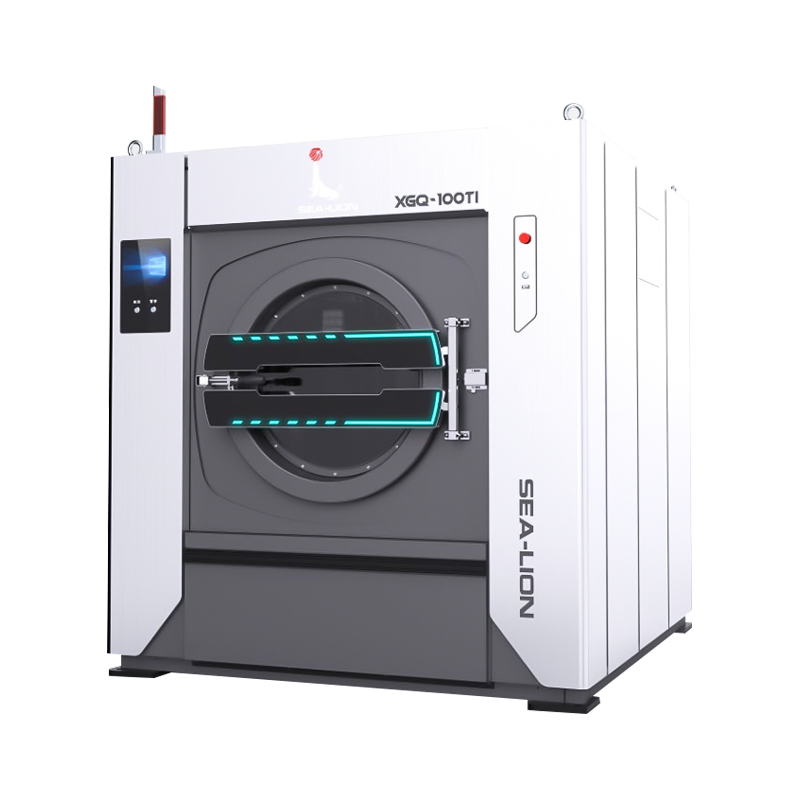
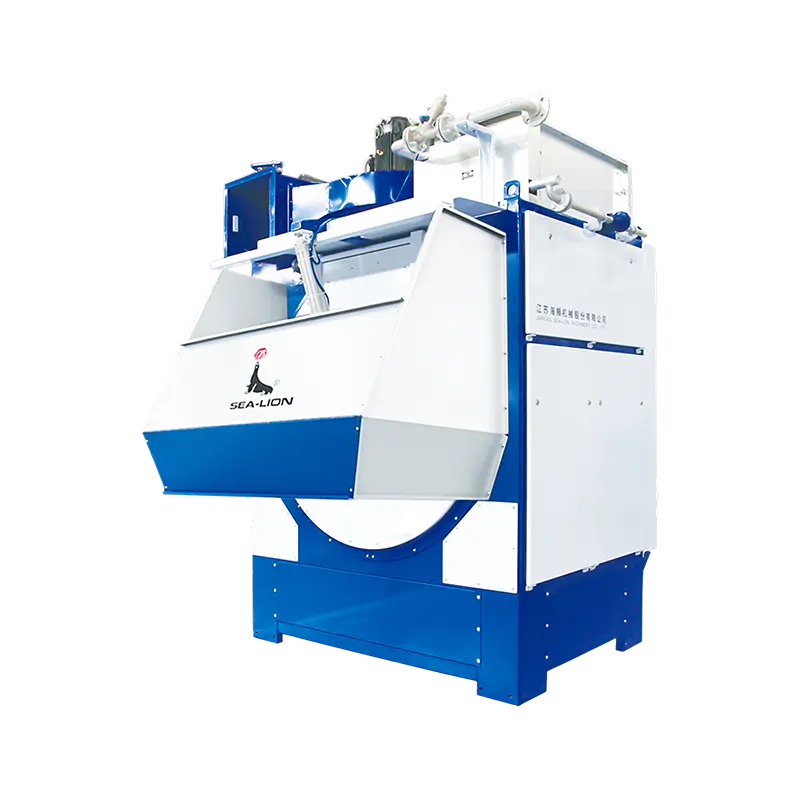
Airflow is the hidden workhorse of every tumble dryer. It carries heat into the drum, sweeps evaporated moisture away from fabric, and decides how quickly a load of towels, sheets, or uniforms changes from wet to ready. Many laundry operators think only about temperature and cycle time, but in industrial drying the physical direction of airflow, radial or axial, is one of the most important design choices a manufacturer can make. That choice directly affects drying speed and energy efficiency. SEA-LION industrial dryers are built around airflow behavior that matches real laundry demand, so understanding the physics first helps you specify the right machine.
The Physics of Tumble Dryer Drying
Drying a wet fabric is a two-part process. First, heat must reach the water trapped inside the fibers and raise its energy enough to evaporate. Second, the moisture-laden air surrounding the fabric must be removed and replaced with drier, hotter air. If either step stalls, drying slows down. That is why airflow volume and velocity are just as important as heater power in a commercial tumble dryer.
The direction in which air moves through or across the drum changes how evenly it meets the tumbling linen. Two fundamental configurations dominate industrial dryer design: radial airflow and axial airflow. Their names describe the path of air relative to the drum axis of rotation. A dryer drum is a horizontal cylinder rotating around its long axis; air can cross that cylinder from side to side, or it can run along the length of the cylinder.
Radial Airflow: Engineered for Faster Drying
In a radial airflow design, hot air enters the drum through the perforated rear wall or an inlet ring near the back, then moves across the drum cross-section, perpendicular to the drum axis, passing through the tumbling linen mass before exiting through the front lint filter and exhaust duct. The air crosses the drum diameter as the load is repeatedly lifted and dropped by the baffles.
Because the distance air travels through the load is short, radial systems maintain higher local air velocity at the surface of individual items. Every time a towel or sheet is lifted by a baffle and falls through the heated air stream, moisture at its surface is stripped away quickly. This repeated high-velocity contact accelerates evaporation, which is why many batch industrial tumble dryers use radial flow layouts.
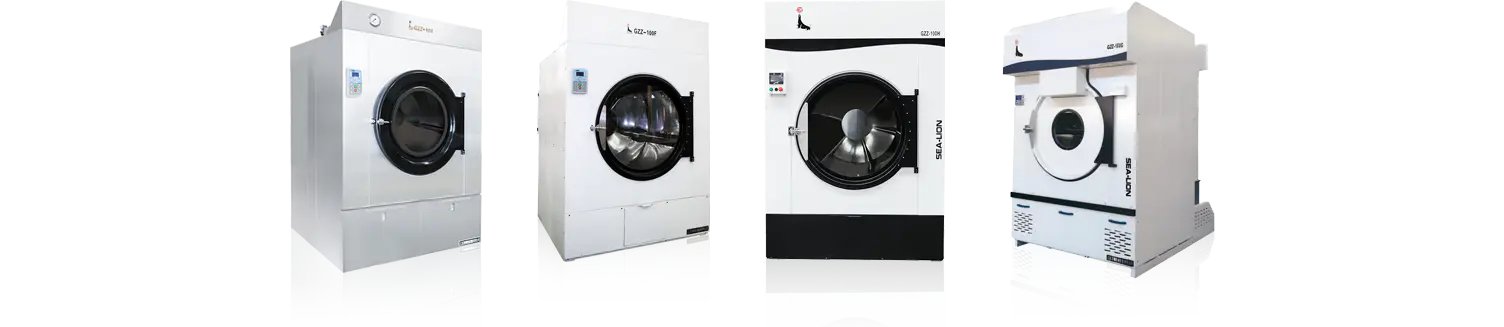
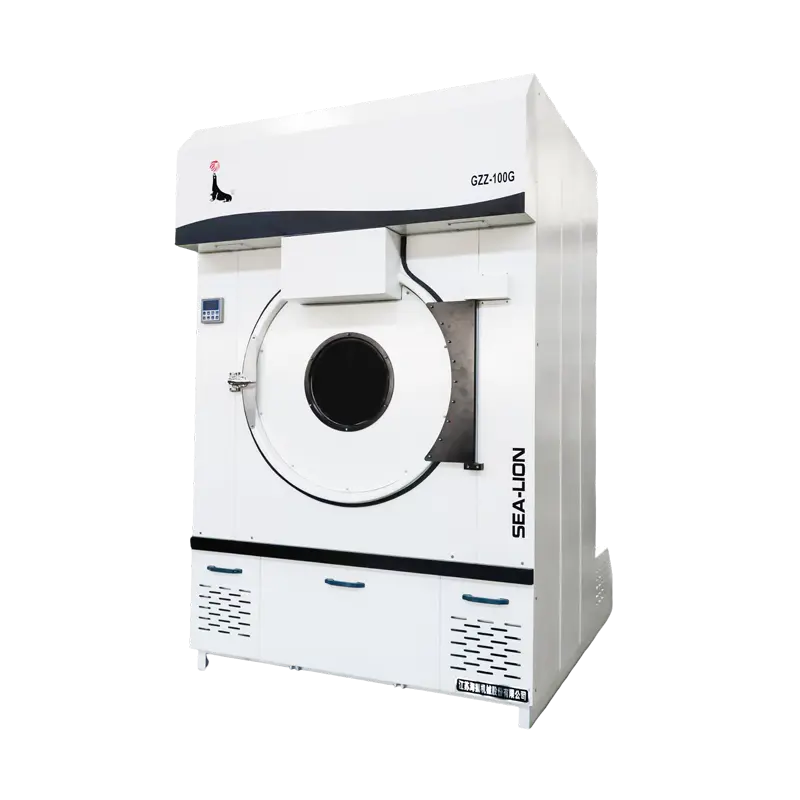
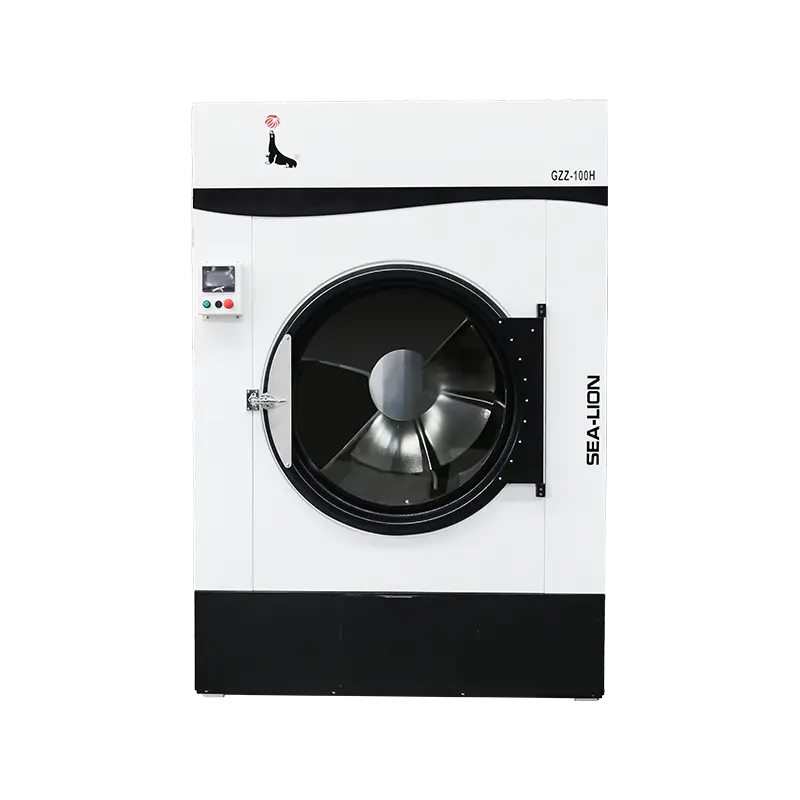
 Heavy-Duty Industrial Tumble Dryer with Frequency Inverter MotorThis radial-flow dryer suits batch operations where high local air velocity accelerates drying. It features intelligent fan control and PLC-based temperature safety, helping reduce steam consumption compared to traditional models.View Product →
From an energy standpoint, the shorter airflow path means lower static pressure across the machine. Fans do less work to push air, and the saved work appears as lower electricity consumption for the same effective drying output.
- High local air velocity at the fabric surface shortens moisture evaporation time.
- A short air path reduces static pressure and lowers fan energy demand.
- A steep temperature gradient across the tumbling curtain accelerates heat transfer.
Axial Airflow: Uniform Coverage Along the Drum
Axial airflow directs heated air along the drum long axis, entering at one end and leaving at the other. Instead of cutting across the drum diameter, the air travels the full length of the cylinder, passing through the load progressively. This configuration is naturally compatible with pass-through and tunnel drying systems, where linen enters at one end and exits at the other, and where air must follow the same linear direction as the product flow.
The main benefit of axial flow is uniformity of coverage. Air moving along the axis reaches every section of the drum, including areas near the front and rear, reducing the dead spots that can appear in radial designs when a dense load packs against the drum wall. For continuous drying with a constant feed of pre-dewatered linen, the axial arrangement creates a predictable, steady drying gradient.
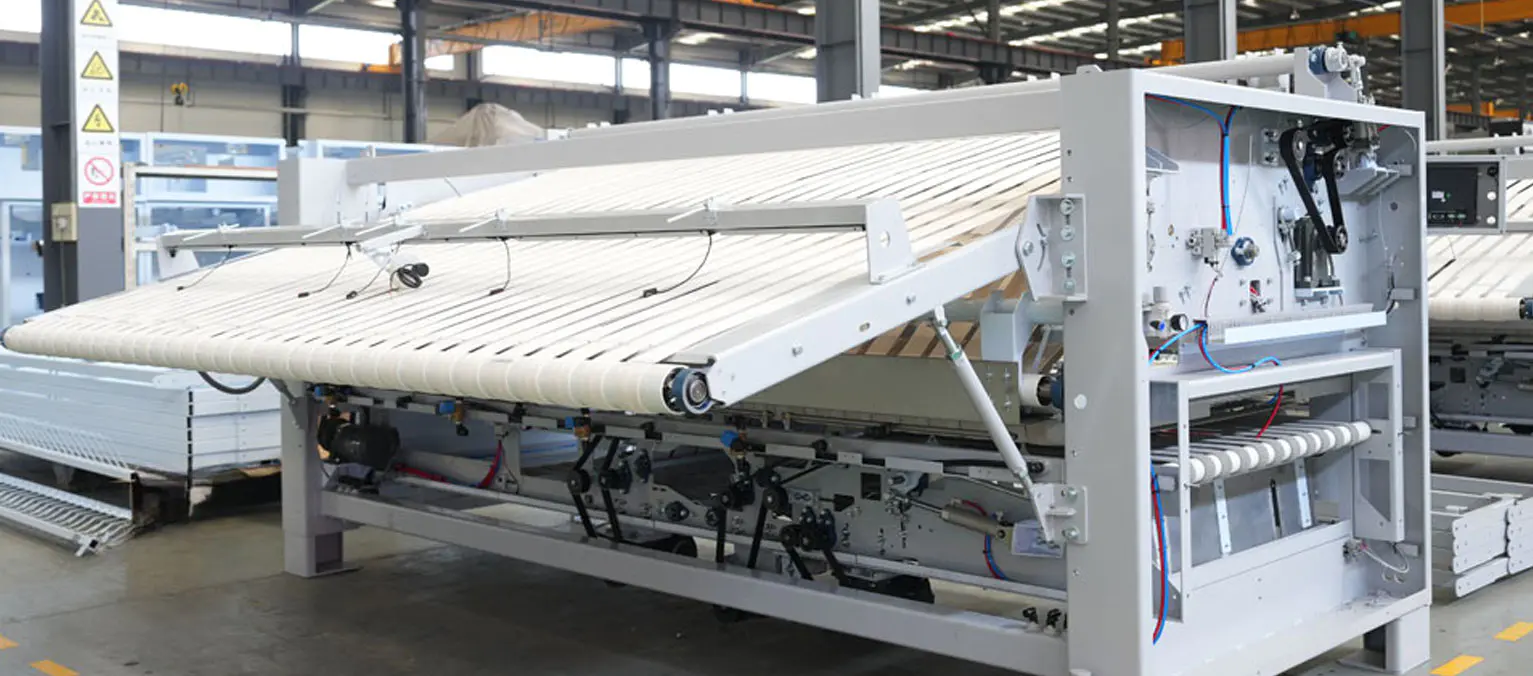
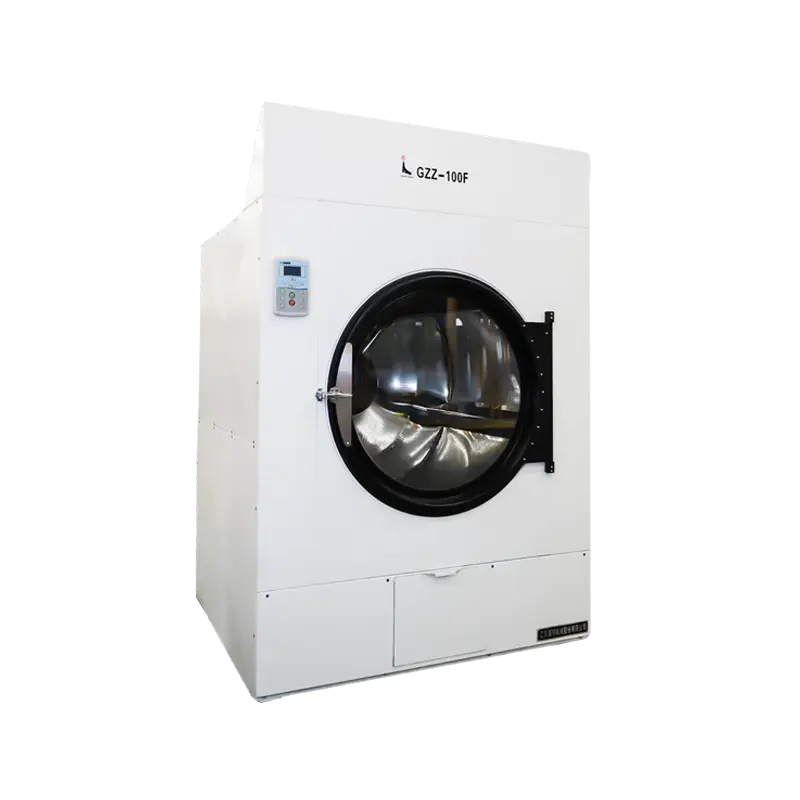 Automatic Pass Through Tumble Dryer for Continuous Linen DryingThis pass-through dryer provides uniform axial airflow coverage across the drum, minimizing dead spots. Its automated operation suits continuous pre-dewatered linen processing and integrates with modern laundry systems.View Product →
The trade-off is aerodynamic. The air path is longer, and friction against drum walls and baffles raises static pressure, so fans must work harder. Air also becomes cooler and more humid as it travels toward the exhaust, so drying potential declines along the path. Good axial designs compensate with staged heating, recirculation, and precise exhaust control, but a basic axial dryer is rarely as energy-efficient as a well-designed radial system for batch loads.
Radial vs Axial: Speed and Energy Efficiency Compared
When it comes to drying speed, radial airflow usually wins for batch operation. When it comes to continuous workflow and consistent product flow, axial airflow has a clear structural advantage. The table below summarizes the key differences.
| Factor | Radial Airflow | Axial Airflow |
|---|---|---|
| Air path | Across the drum cross-section, short | Along the drum axis, long |
| Contact with fabric | Direct through the tumbling curtain | Progressive along the load length |
| Drying speed | Fast, high local air velocity | Moderate, depends on volume and staging |
| Fan energy demand | Lower due to lower static pressure | Higher due to longer flow path |
| Heat distribution | Concentrated across the drum | Gradual gradient from inlet to outlet |
| Typical use | Batch dryers for hotel, hospital, uniform laundry | Pass-through dryers and tunnel washer lines |
Energy efficiency depends on more than airflow direction alone. The key variables are the temperature difference between incoming and outgoing air, the moisture saturation at the exhaust, and the pressure drop the fan must overcome. Radial flow short path reduces pressure drop and helps maintain a steep moisture gradient, meaning each cubic meter of air carries more water out of the drum. Axial flow becomes efficient when paired with heat recovery between exhaust and incoming air, and modern continuous systems often do exactly that to offset higher fan load.
In drying physics, the goal is simple: every cubic meter of air should leave the drum carrying as much moisture as possible, after doing as much evaporative work as possible. Airflow direction decides how close the machine can get to that goal.
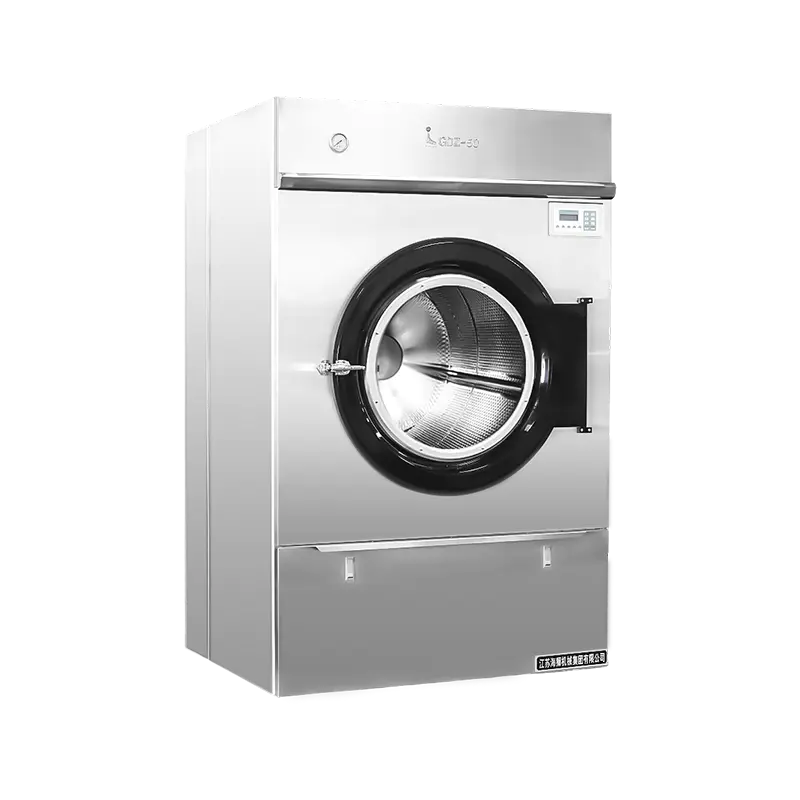
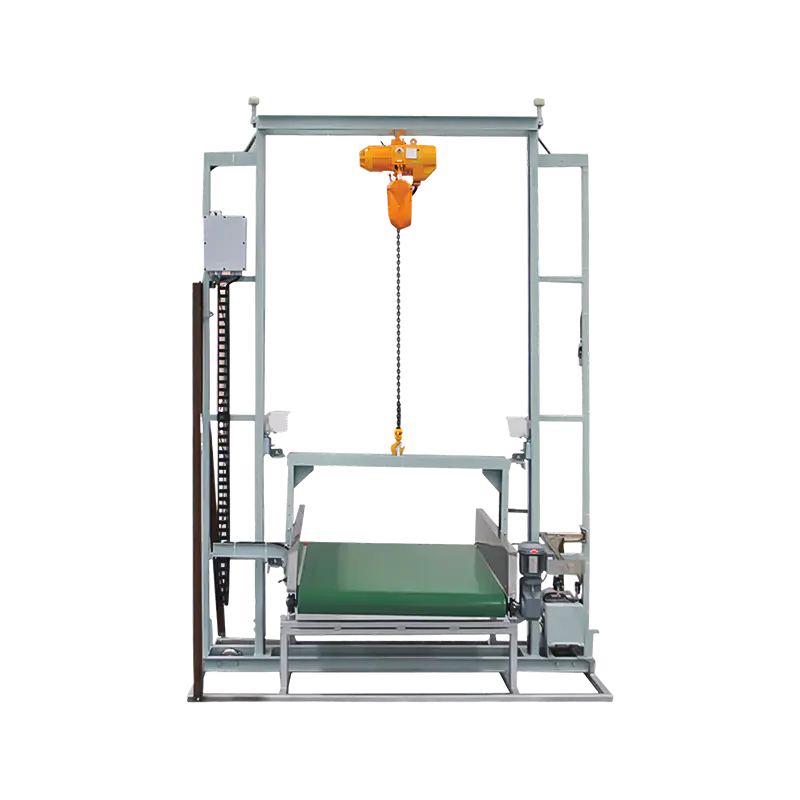 Energy-Saving Industrial Laundry Dryer with Advanced Airflow ControlThis dryer is highlighted in the discussion because it combines airflow management with heat conservation to lower energy costs. It is designed to offset the higher fan load typical of axial systems through heat recovery.View Product →
Engineering Factors That Decide Whether Airflow Works
Airflow direction is only half the story. The drum internal geometry, baffle design, lint filter system, and exhaust path determine whether the chosen airflow actually reaches every piece of linen. Clogged lint screens, undersized exhaust ducts, overly dense load percentages, and worn seals degrade radial and axial systems equally.
- Baffle shape and drum speed create the tumbling curtain; if the curtain collapses, air channels around the load instead of through it.
- Lint filter pressure drop increases fan load; frequent cleaning restores the designed airflow volume.
- In radial dryers, a load much shorter than the drum leaves open zones where air bypasses the fabric; in axial dryers, partial loads can create a preferential flow path along one side.
- Moisture sensors and microprocessor controllers adjust heat and airflow, but only when the airflow physically reaches the sensor location.
When these factors are handled correctly, the difference between radial and axial designs becomes visible in cycle time, energy consumption, and linen wear. That is why choosing the right industrial tumble dryer should always start with a close look at the airflow path, not just the drum size or heater rating.
Choosing the Right Airflow Design for Your Laundry Operation
Hotels, hospitals, and commercial laundries that process batches of towels and sheets benefit from radial airflow because it maximizes drying speed and shortens cycle time. Every minute trimmed from a drying cycle saves fuel or electricity across hundreds of cycles per day. Radial-flow batch dryers are also simpler to vent, control, and maintain.
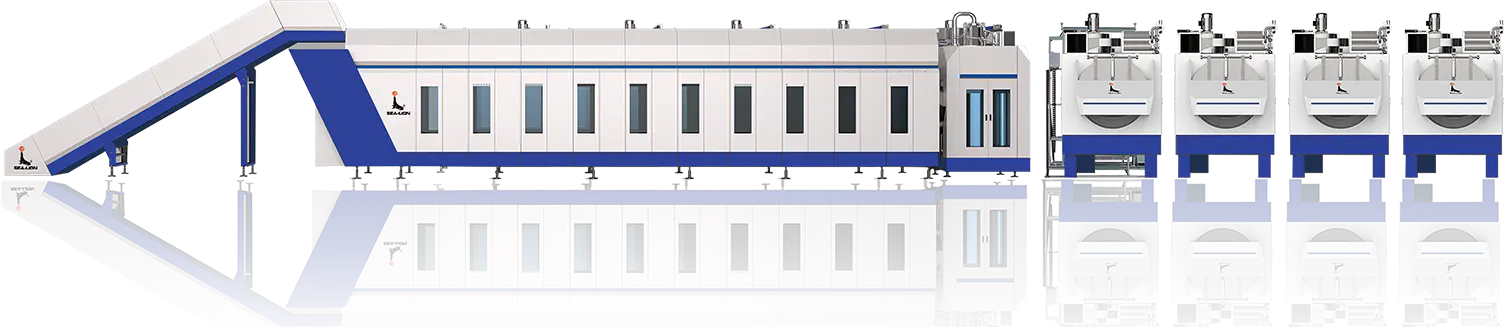
Large central laundries with tunnel washer lines and continuous throughput are better served by axial, pass-through dryers, because the linear airflow matches the linear product flow. Linen moves from the extraction press into one end of the dryer and exits the other in a steady stream, and the axial airflow keeps the drying environment consistent along that stream. For an operation running continuous batch washers, pairing the dryer airflow design with heat recovery and staged drying delivers the best overall plant efficiency.
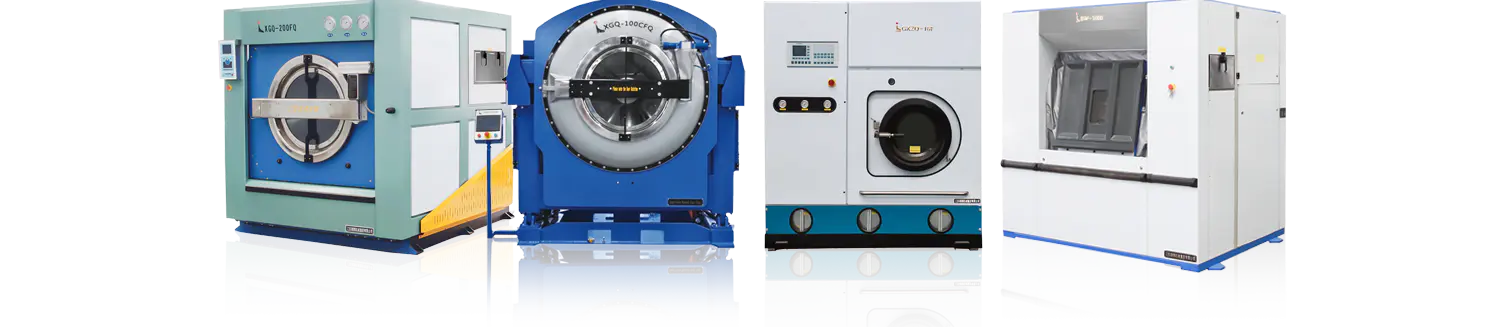
SEA-LION offers both architectures. Its commercial laundry equipment includes the automatic pass-through tumble dryer for continuous batch washer lines and a conventional industrial dryer range for batch processing, from small commercial loads to heavy institutional volumes. Whether your priority is drying speed, energy efficiency, or automation, airflow physics should be the starting point of your specification, not an afterthought.
Frequently Asked Questions
Q1: Does radial airflow always dry faster than axial airflow?
For batch drying, radial airflow generally wins because it concentrates high-velocity hot air on the tumbling fabric mass and keeps the air path short. Axial airflow can be competitive in continuous systems where high airflow volume and staged heating compensate for the longer path, but in simple designs the radial speed advantage is clear.
Q2: Why does airflow direction change energy efficiency in a tumble dryer?
Fan work, heat loss, and the moisture gradient all depend on airflow direction. Radial flow lowers static pressure, reducing fan electricity consumption and improving the amount of moisture removed per unit of heated air. Axial flow needs larger fans or staged heating to maintain performance, but heat recovery systems can rebalance the equation.
Q3: Which industrial dryers use axial airflow?
Pass-through tumble dryers and dryers integrated into continuous batch washer systems often use axial airflow because the air path matches the linear movement of linen. Batch tumble dryers for hotel, hospital, and uniform laundry more commonly use radial airflow for faster cycles.
Q4: How can an operator tell if airflow performance is weak?
The warning signs are long cycle times, damp spots after a dry cycle, high exhaust temperatures combined with slow evaporation, and lint accumulating on the filter too quickly. Any of these suggests that the airflow path is not connecting properly with the load. Checking seals, filters, and load size should be the first diagnostic step.
Airflow physics is not a theoretical detail. It determines how many kilos of linen you can process in an hour and how much energy each kilo consumes. Radial airflow maximizes evaporation speed through short, high-velocity contact with the tumbling load. Axial airflow guarantees even coverage along the drum and matches continuous production lines. By understanding the difference, laundry managers can specify dryers that fit the way they actually work, avoiding wasted capacity and unnecessary energy use. SEA-LION drying equipment is built around airflow behavior that supports both rapid batch processing and smooth continuous operation.

- No. 2 Lehong Road, Leyu Town, Zhangjiagang, Suzhou City, Jiangsu Province, China
- +86-512-58602532
- [email protected]
Copyright @ Jiangsu Sea-Lion Machinery Co., Ltd. All rights reserved
Custom Laundry Equipment Suppliers