English
 Français
 Español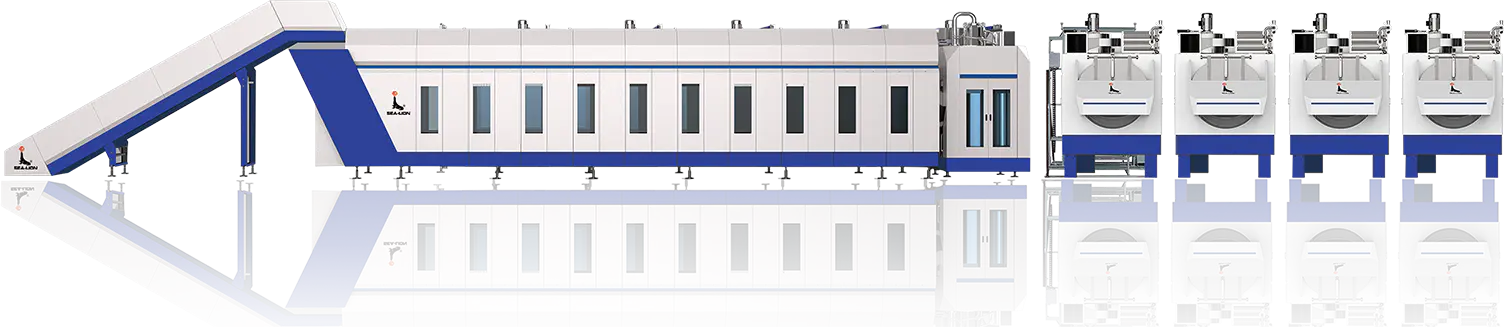










Industrial Laundry Equipment for Hotels: A Practical Buyer's Guide to Capacity and Cost
Content
- 1 Industrial Laundry Equipment for Hotels: Plan Capacity Around Occupancy and Linen Weight
- 2 Match Washer Extractors to Soil Levels, Load Patterns, and Extraction Speed
- 3 Tumble Dryers and Flatwork Ironers Complete the Processing Chain
- 4 Industrial Laundry Equipment for Hotels: Measure Energy and Water Costs Before You Commit
- 5 Maintenance, Parts, and After-Sales Support Matter More Than the Price Tag
- 6 FAQ: Hotel Laundry Equipment Questions
At 7:00 a.m. on a weekend, the laundry manager of a 180-room hotel unlocks the door to the on-premise laundry. The night before, occupancy hit 92 percent. The finishing table is buried under 600 damp towels, and the first breakfast service needs 120 clean tablecloths inside two hours. The bottleneck is not the staff; it is the industrial laundry equipment for hotels — specifically, the gap between installed capacity and the real processing schedule.
Choosing the right system starts with capacity math, not with a machine catalogue. This guide walks through capacity planning, washer extractor specifications, dryer and finishing line needs, energy costs, and after-sales support — so you can make a defensible investment.
Industrial Laundry Equipment for Hotels: Plan Capacity Around Occupancy and Linen Weight
The right starting point is daily linen weight, not maximum drum size.
Hotel linen volume changes with occupancy, restaurant covers, and spa services. A 180-room property at 85 percent occupancy generates roughly 180 × 0.85 × 2.8 kg = 428 kg of linen per day. Add 10–15 percent for tablecloths, napkins, and staff uniforms, and the daily load rises to around 470 kg. If the laundry has one 8-hour shift, the installed washer capacity must be at least 470 kg, because the finishing line must be able to process that same volume before the next morning.
For a 470 kg daily load, a practical setup is two 50 kg washer-extractors running three cycles plus one 30 kg unit for small batches. If you run a second shift, you can reduce installed capacity. The key is to define the peak season workload and then apply an 80 percent equipment utilization factor.
Match Washer Extractors to Soil Levels, Load Patterns, and Extraction Speed
For most hotel laundries, a high-G-force washer-extractor with variable load control is the most practical choice.
Hotel soil loads differ by linen type. Bed sheets carry body oils, towels carry cosmetics and skincare residues, tablecloths carry food stains and wax. A flexible machine must offer multiple program profiles, automatic chemical injection, and a robust extraction stage. The extraction force is measured in G-force; 150 G is the minimum for hotel work, while 250–350 G leaves considerably less moisture in the load before drying.
- Drum volume: keep loading density around 70–80 litres per kilogram.
- Extraction: aim for at least 150 G, ideally 250–350 G for lower drying energy.
- Programmability: hotel linen, towels, and tablecloths need different cycle profiles.
- Chemical system: ensure the machine accepts automatic detergents and dosing systems.
- Build quality: stainless steel drum and shell resist corrosion from high laundry temperatures.
Programmable cycles matter. Bed linen needs a warm cycle with gentle mechanical action; towels need a hotter wash with higher agitation; tablecloths require a separate programme for oil-based stains. If the machine cannot store 20-plus recipes, the operator will spend extra time overriding settings.
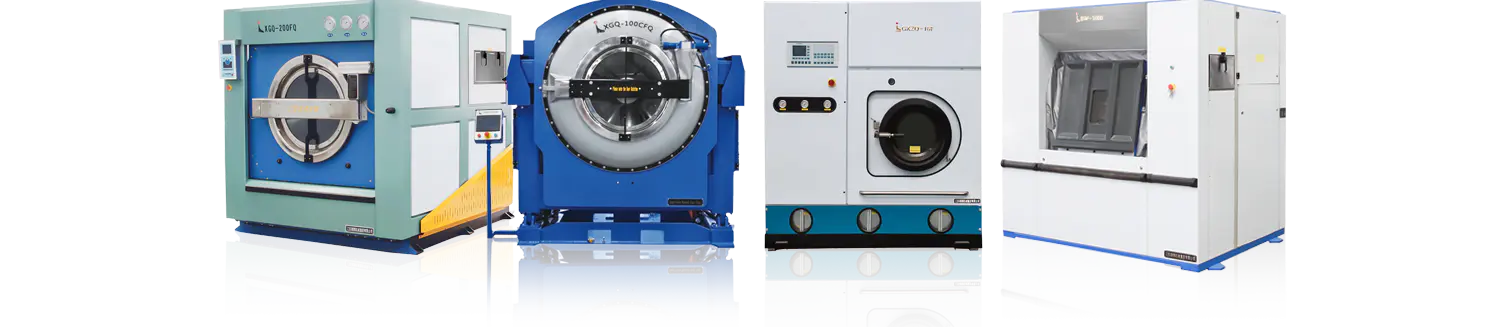
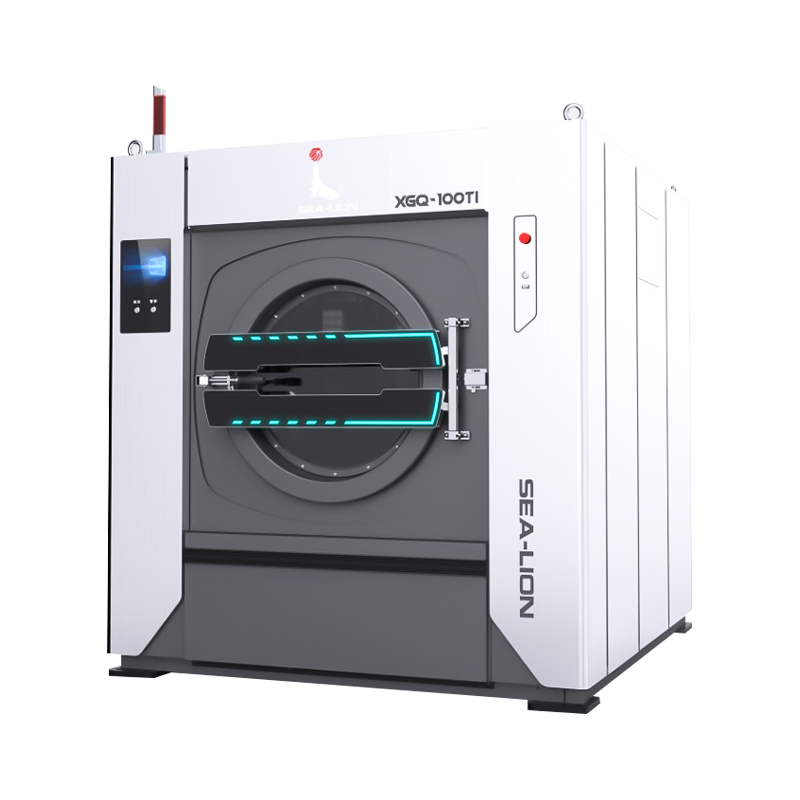
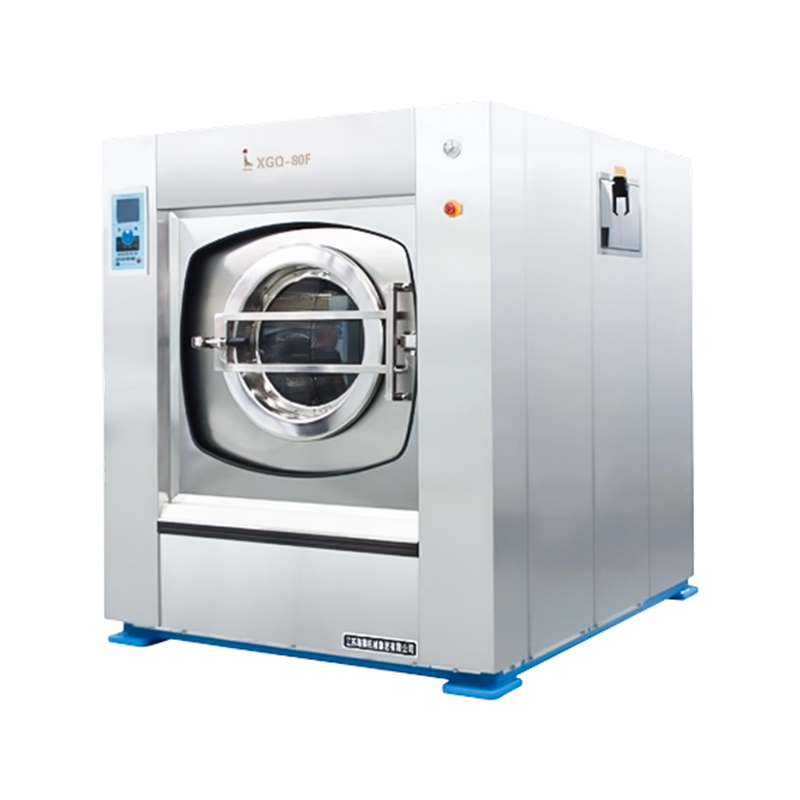
 Full Suspension Auto Washer Extractor with Touch-Screen ControlThis washer-extractor uses a full-suspension structure and hydraulic support to reduce vibration, eliminating the need for a special foundation. Its large drum opening and stainless steel drums simplify loading and enhance durability, while the intelligent control system supports customized wash cycles for different linens, improving workflow efficiency.View Product →
Tumble Dryers and Flatwork Ironers Complete the Processing Chain
Drying and finishing, not washing, are the true bottlenecks in a hotel laundry.
Washer cycles typically run 40–60 minutes, while dryer cycles often take 60–90 minutes. This imbalance forces you to over-size the dryer line, or to accept that towels stay in a basket for two hours. When you choose the right industrial tumble dryer, match its capacity to the washer output at a ratio of roughly 1.25–1.5.
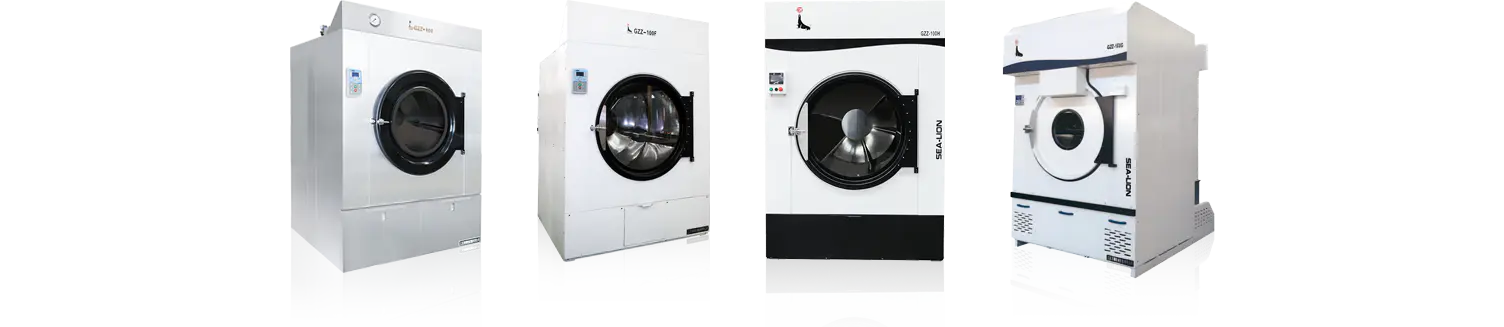
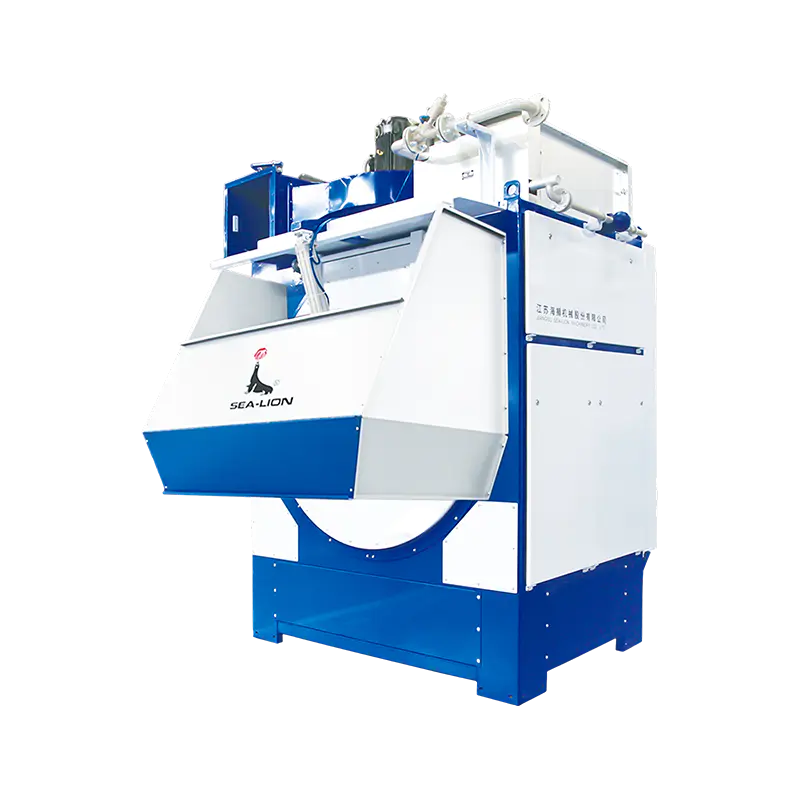
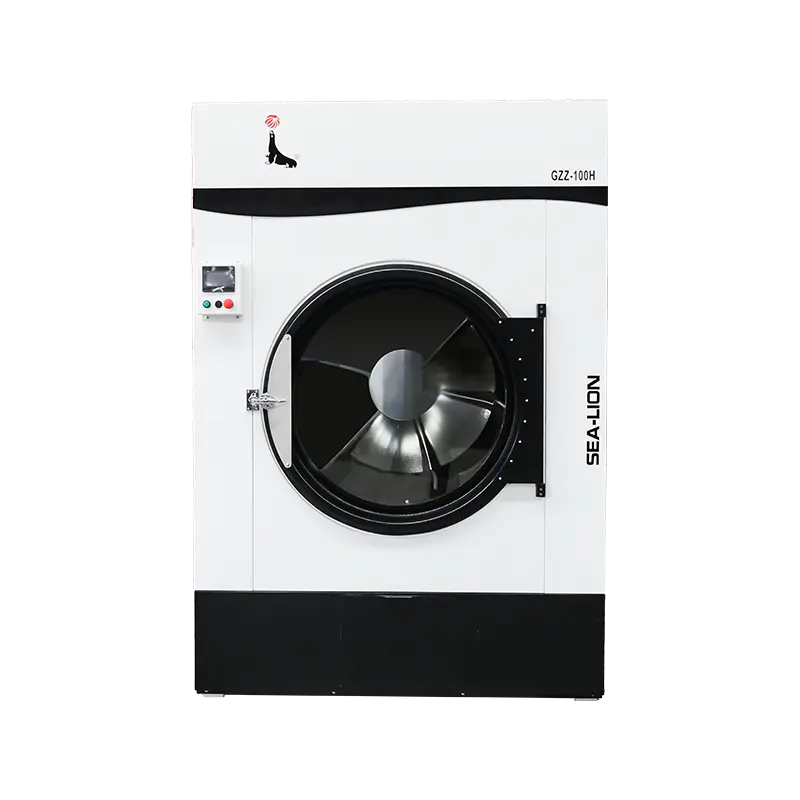
 Energy-Saving Industrial Tumble Dryer for Heavy-Duty LaundryDesigned to complement washer output, this dryer balances drying capacity and energy efficiency through advanced airflow control and heat recovery. It helps maintain a steady linen flow, reducing idle time and overall costs in high-turnover hotel operations.View Product →
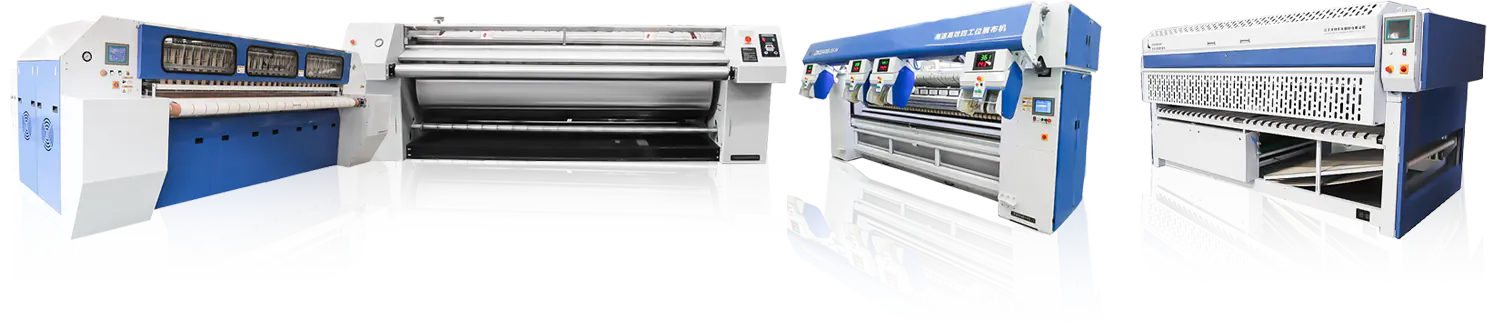
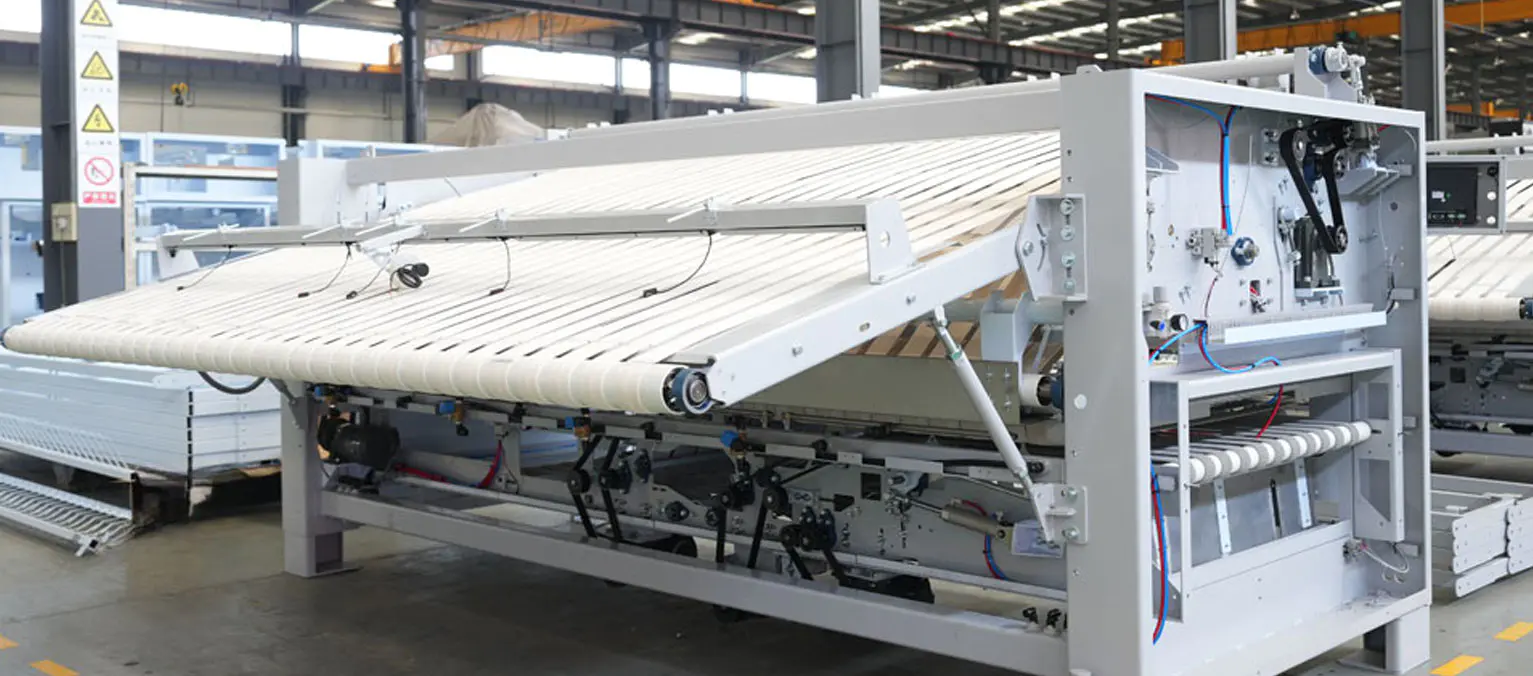
Flatwork ironers and sheet folders then determine how fast bed linens return to the rooms. A modern chest ironer with an automatic sheet folder can process a full king-size sheet in under 90 seconds, while a manual folding table can take three minutes. If the hotel has a high housekeeping turnover, a pneumatically driven sheet folder returns clean bed linen to the floor faster and with fewer staff hours.
The flatwork ironer should be sized against the daily sheet count. A 150-room hotel with a 90-minute linen cycle needs an ironer capable of processing roughly 150 bed sheets per hour. A serpentine ironer with two chests can achieve that throughput with a smaller footprint than a single chest machine.
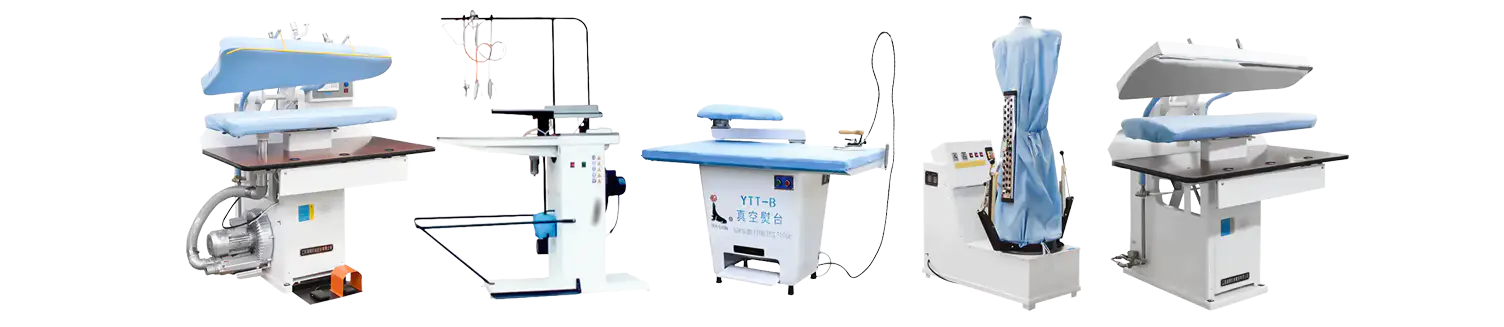
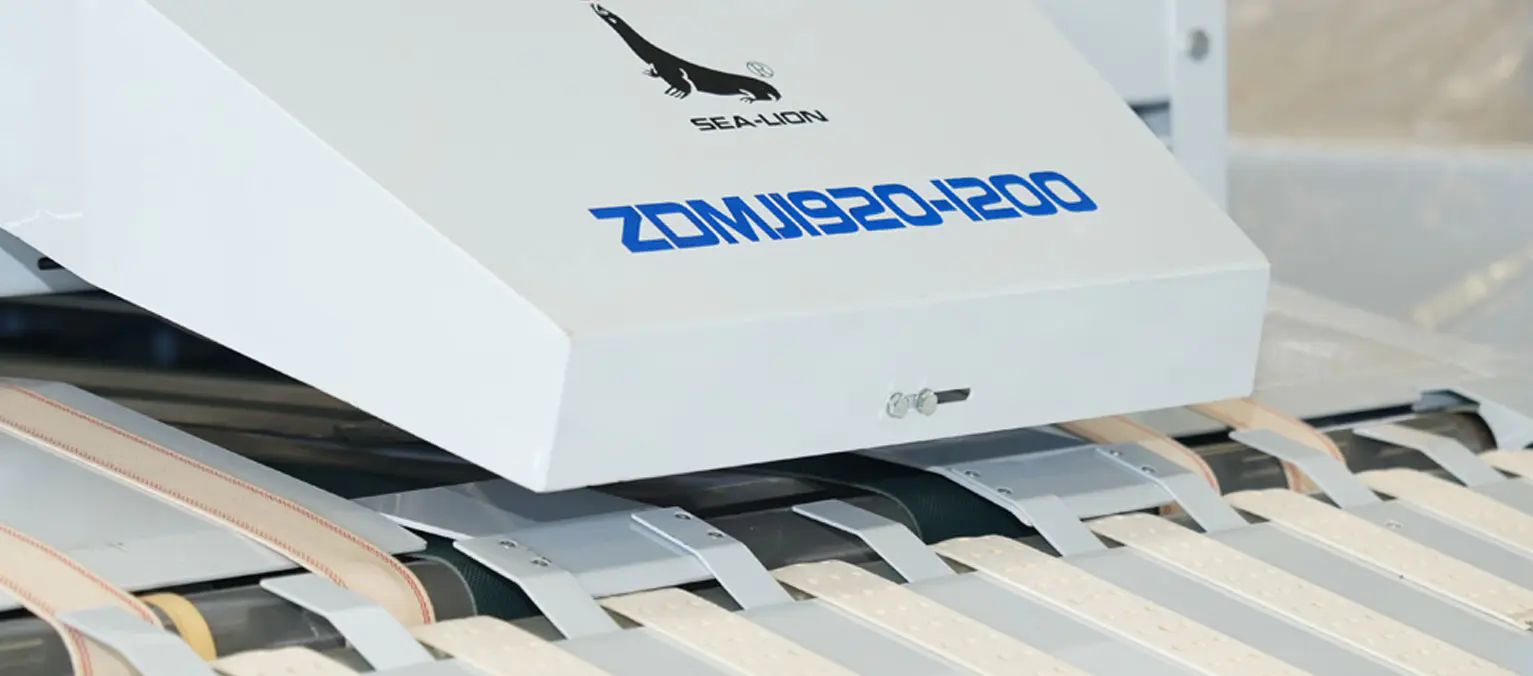
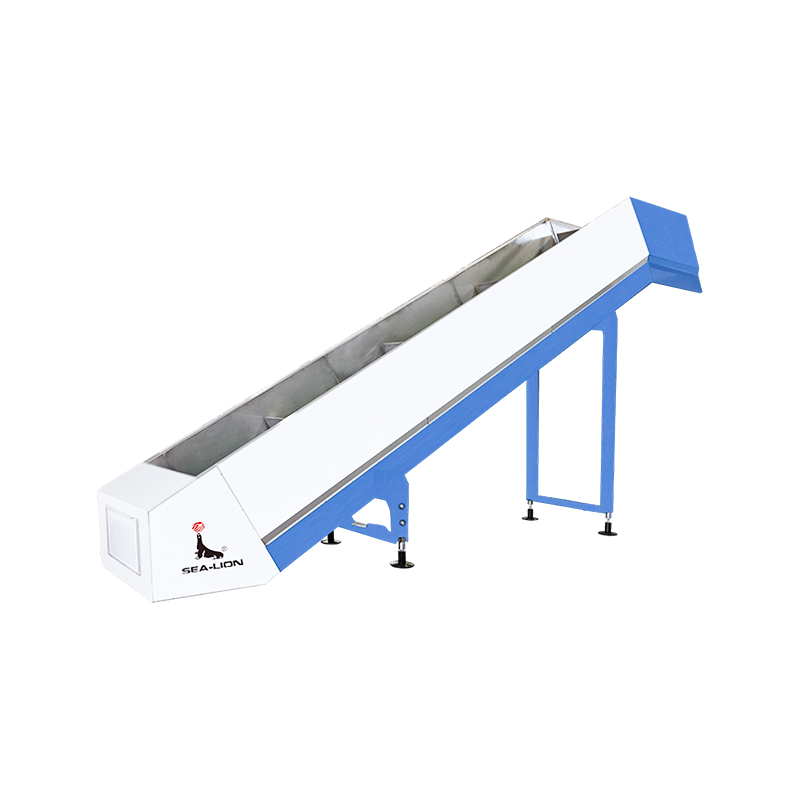
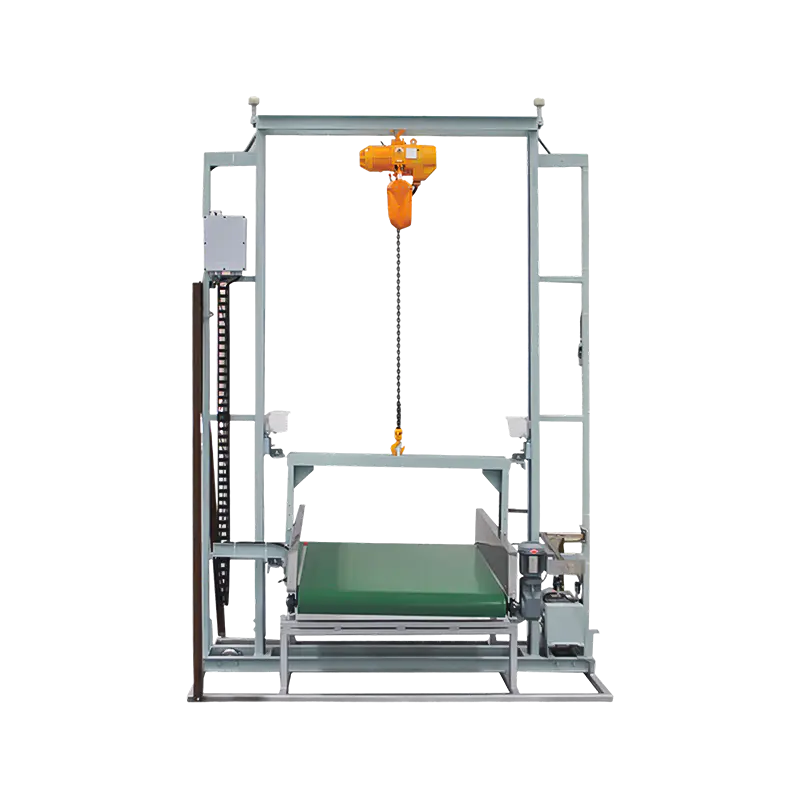
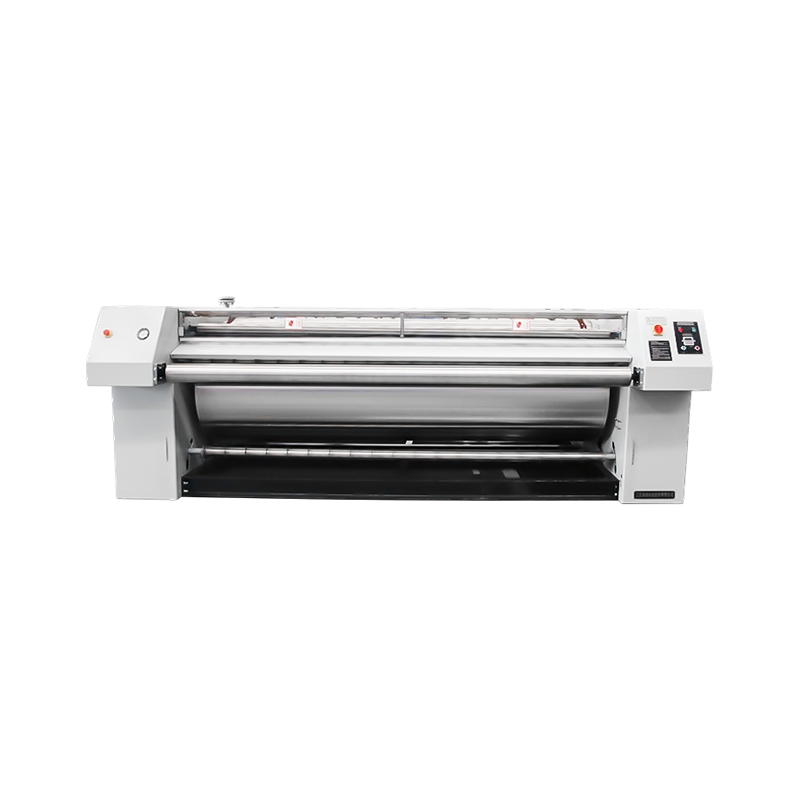 High-Speed Pneumatic Automatic Sheet Folder for FlatworkThis folder uses pneumatic valves to fold large linens quickly and quietly, with low energy use. It keeps up with high-speed ironers, cutting manual handling time and supporting lower operating costs over the long term.View Product →
Industrial Laundry Equipment for Hotels: Measure Energy and Water Costs Before You Commit
Operating cost, not purchase price, dominates the five-year total cost of a hotel laundry.
Water, electricity, steam, chemicals, and labor represent the recurring expenses. A 150-room property with conventional equipment can consume over 25,000 kWh per year just for laundry, plus roughly 5,000 m3 of water. The table below compares two typical configurations over one month. The first is a distributed set of two 50 kg washer-extractors and two 30 kg dryers; the second is a continuous tunnel washing system with a pass-through dryer.
| Configuration | Water (m3) | Electricity (kWh) | Steam (kg) |
| Distributed washer-extractor setup | 420 | 8,500 | 55,000 |
| Tunnel washer with pass-through dryer | 310 | 6,200 | 42,000 |
Chemical costs typically account for 5–10 percent of the laundry operating budget. Automatic dosing systems reduce waste by delivering exact amounts per cycle. This is also where linen life is affected: over-dosing destroys cotton fibres, under-dosing leaves residues.
Maintenance, Parts, and After-Sales Support Matter More Than the Price Tag
The cheapest machine becomes the most expensive one when critical parts are unavailable.
A commercial laundry in a hotel runs nearly every day, often in a hot and humid environment. Drive belts, bearings, door seals, steam traps, and control sensors wear out. If the supplier cannot ship a replacement part within 48 hours, the property pays for labor overtime, temporary outsourcing, or negative housekeeping feedback.
- Lubricate bearings and seals according to the service manual.
- Inspect door seals and shock absorbers every quarter.
- Check steam traps on ironers to prevent energy waste.
- Stock critical belts, valves, and sensors with a 12-month spare plan.
- Allocate a weekly time slot for drum bearings and belt tension checks.
Spare parts pricing is another hidden factor. Some manufacturers lock you into proprietary sensors that cost 30–40 percent more than generic equivalents. Ask for a price list of commonly replaced components before signing the contract.
Reactive maintenance
Fix it when it breaks. This approach often costs 3–5 times more per year, creates downtime, and makes room turnaround unpredictable.
Preventive maintenance
Scheduled checks reduce unplanned downtime, extend machine life to 10–15 years, and make energy efficiency more stable over time.
FAQ: Hotel Laundry Equipment Questions
How much laundry equipment does a hotel need?
For a 200-room hotel at 85 percent occupancy, the daily linen load is roughly 475 kg. Two 50 kg washer-extractors, one 30 kg unit, two 50 kg dryers, and one chest ironer form a common practical core. Recalculate using your own occupancy and linen weight before finalizing the specification.
Can a tunnel washing system work for a hotel laundry?
Yes, when your volume exceeds 800 kg per day and you have floor space for the full line. Tunnel systems are most common in large hotels and central laundries. For typical properties, washer-extractors provide more flexibility and lower installation cost.
What is the most energy-efficient laundry equipment for hotels?
Equipment with high-G-force extraction, inverter-driven motors, and heat recovery features. High-G-force extraction removes more water before drying, which reduces dryer electricity use by a measurable margin.
Should we buy industrial laundry equipment or outsource linen processing?
Keep the laundry on-premise when you need control over quality and turnaround. Outsource if your volume is under 300 kg per day or if local labor costs are high. Compare the total cost per kilogram of processed linen, not just the equipment price.

- No. 2 Lehong Road, Leyu Town, Zhangjiagang, Suzhou City, Jiangsu Province, China
- +86-512-58602532
- [email protected]
Copyright @ Jiangsu Sea-Lion Machinery Co., Ltd. All rights reserved
Custom Laundry Equipment Suppliers