English
 Français
 Español



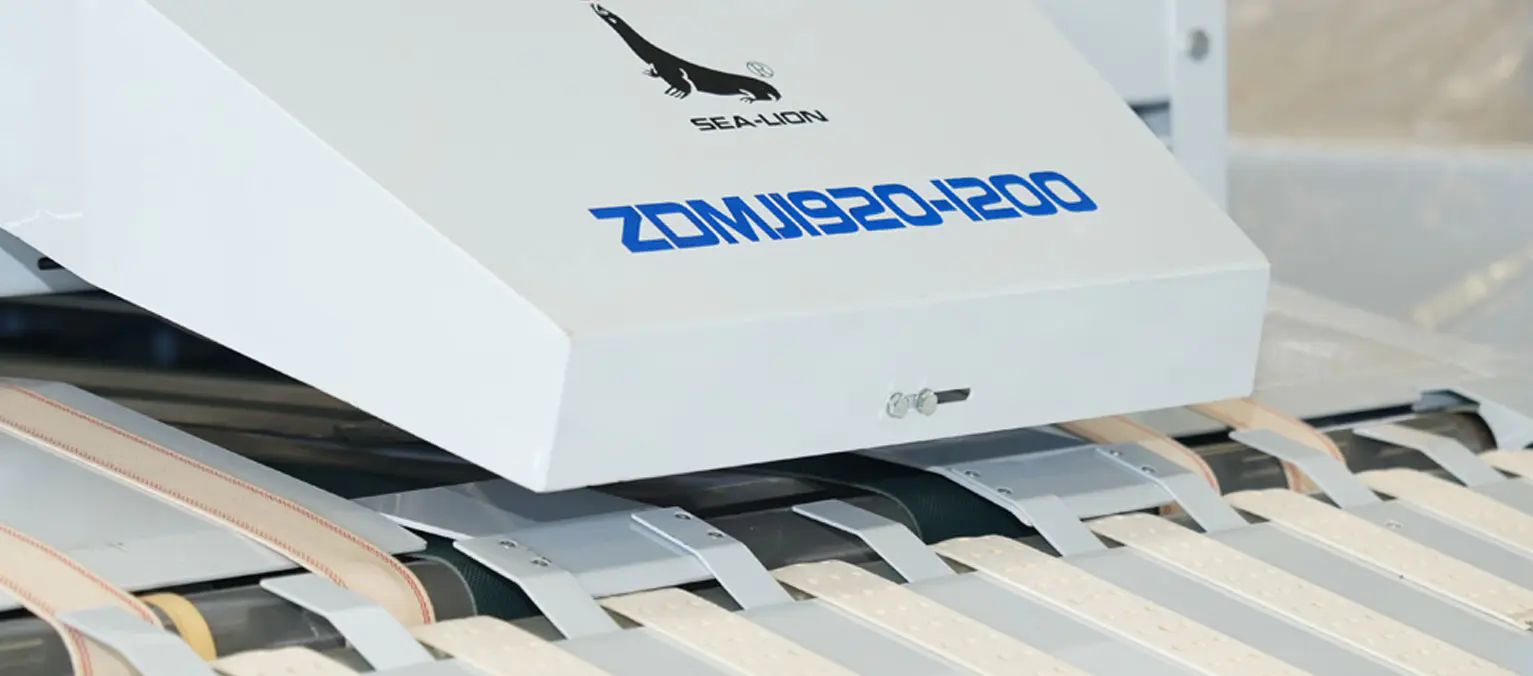







What Is a Dual Chest Single Roll Chest Ironer?
Content
- 1 Understanding the Chest Ironer with Dual Chests, Single Roll & Its Core Benefits
- 2 2026 Review: Best Dual Chests, Single Roll Chest Ironer Models
- 3 Complete Maintenance Guide for Dual Chests Single Roll Chest Ironer
- 4 Industrial Chest Ironer Dual Chests Single Roll Price Factors & Budgeting
- 5 Dual Chests Single Roll Chest Ironer vs Flatwork Ironer: Which to Choose?
- 6 FAQ: Chest Ironer with Dual Chests Single Roll
- 6.1 1. What is the average lifespan of a Chest Ironer with Dual Chests Single Roll?
- 6.2 2. How much energy does a Dual Chests Single Roll Chest Ironer consume per hour?
- 6.3 3. Can a Chest Ironer with Dual Chests Single Roll handle all types of linen?
- 6.4 4. What is the typical lead time for purchasing an Industrial Chest Ironer Dual Chests Single Roll?
- 6.5 5. How often should I replace the roller and chest plates of a Dual Chests Single Roll Chest Ironer?
- 7 References
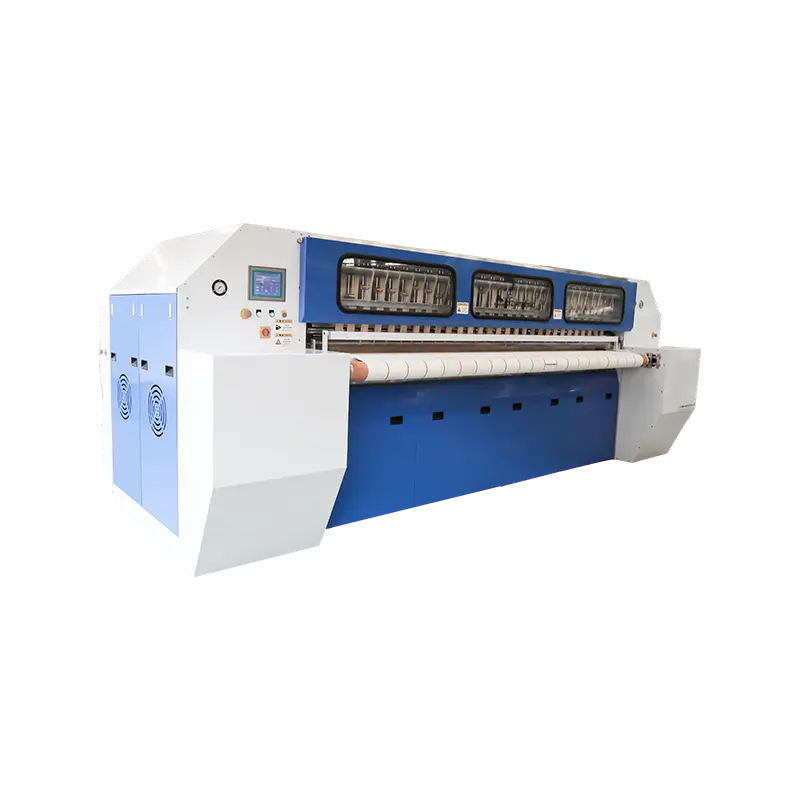
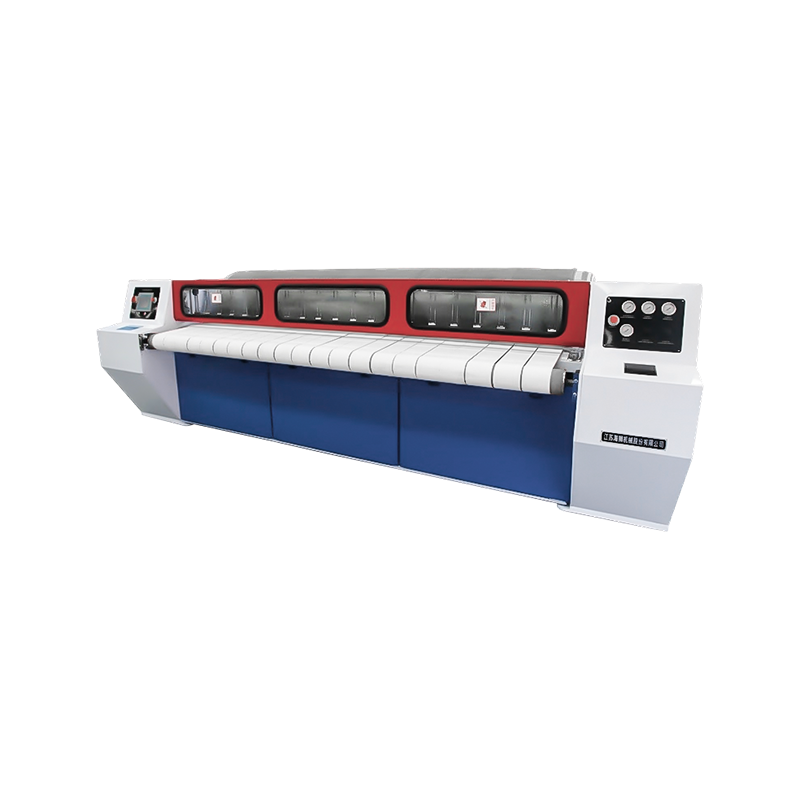
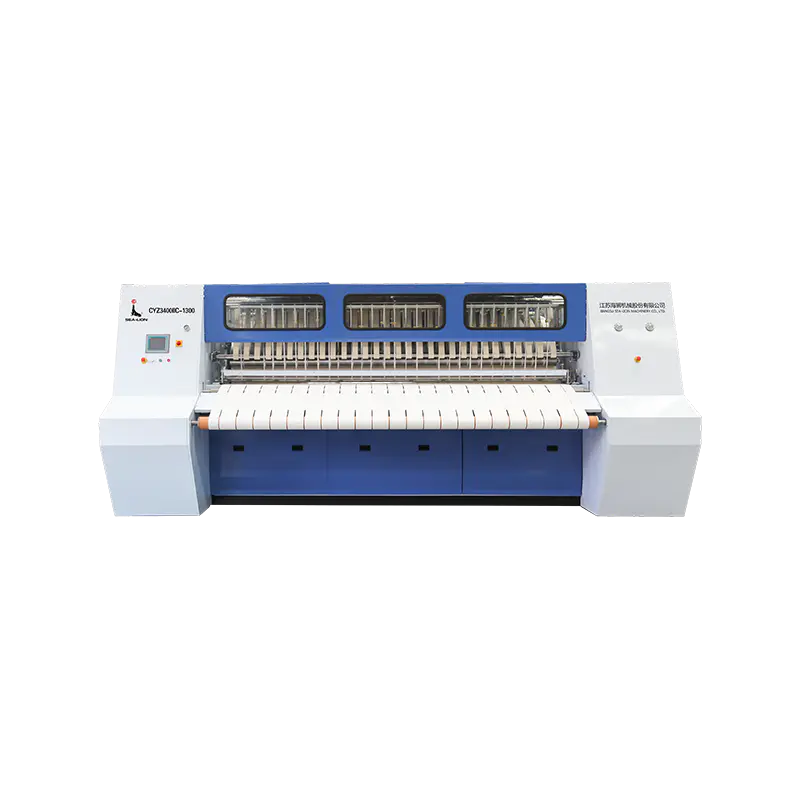
Understanding the Chest Ironer with Dual Chests, Single Roll & Its Core Benefits
Key Working Principles of Chest Ironer with Dual Chests Single Roll
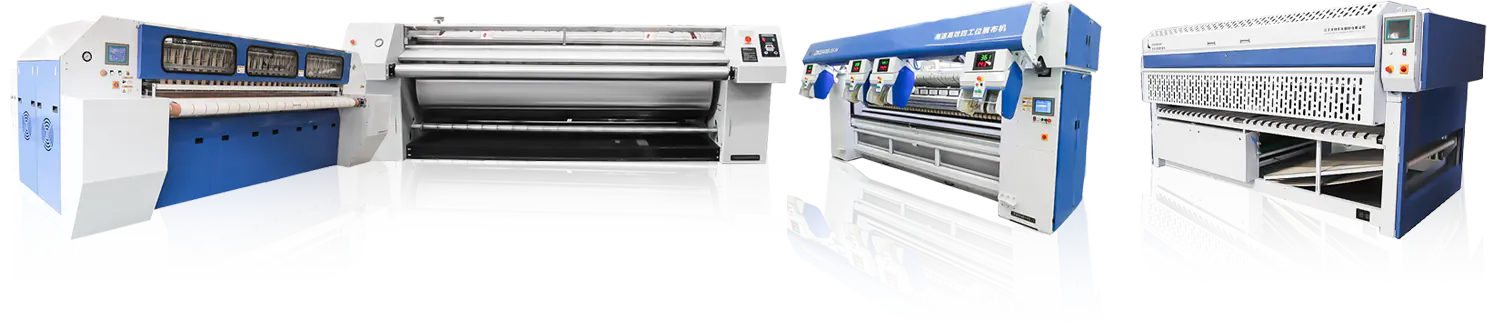
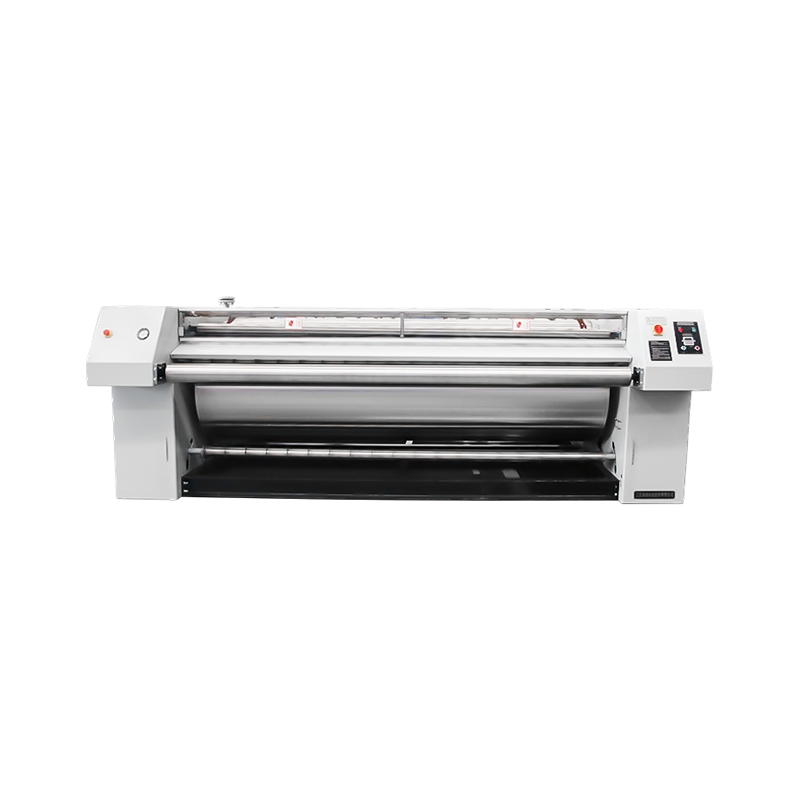
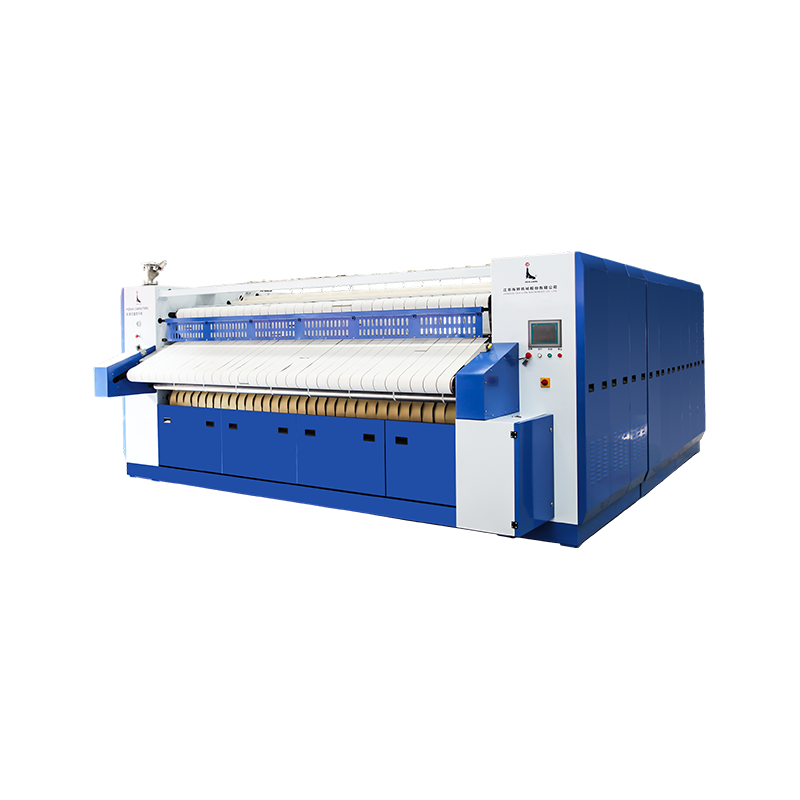
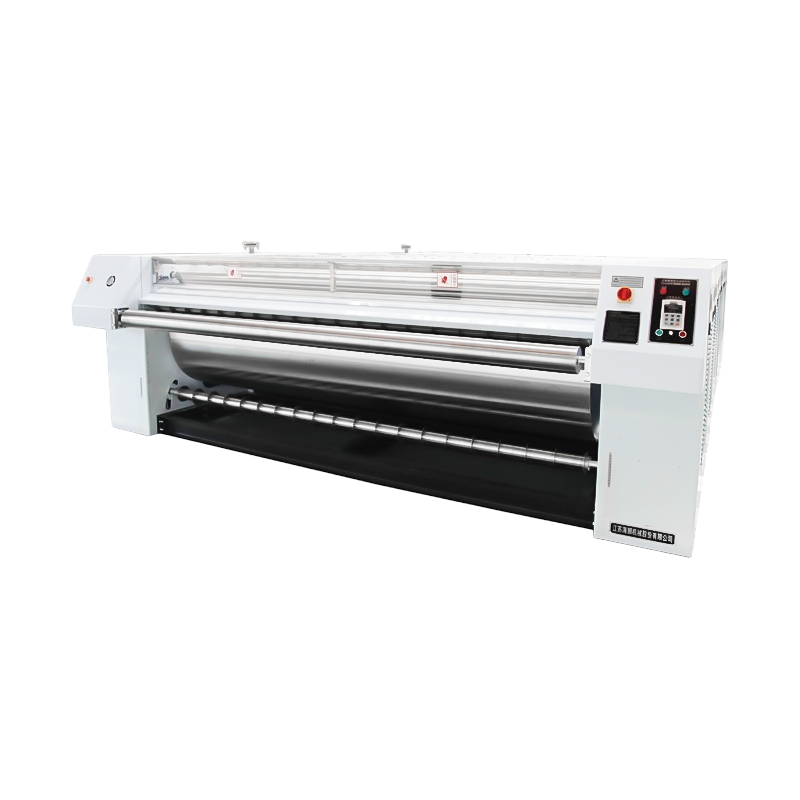
A Chest Ironer with Dual Chests Single Roll is a specialized industrial laundry machine designed for efficient ironing of flat linen items such as bed sheets, tablecloths, and towels. Its core working principle relies on a single heated roller and two opposing chest plates (dual chests) that work together to apply consistent pressure and heat to the linen. The heated roller rotates at a controlled speed, while the dual chests adjust to the thickness of the linen, ensuring uniform heat distribution across the entire surface. This design eliminates wrinkles effectively and reduces drying time, making it ideal for high-volume laundry operations. The roller is typically made of high-grade steel with a corrosion-resistant coating, and the chest plates are lined with heat-conductive materials to maximize energy efficiency. The machine’s operation is automated, with adjustable speed and temperature settings to accommodate different types of fabrics, from cotton to polyester blends.
Top Advantages for Commercial & Industrial Laundry Operations
The Chest Ironer with Dual Chests Single Roll offers several key advantages for commercial and industrial laundry facilities, addressing the unique needs of high-volume processing:
- High Efficiency: The dual chest design allows for simultaneous ironing on both sides of the linen, reducing processing time by 30-40% compared to single-chest models. This makes it suitable for facilities with large daily linen volumes, such as hotels, hospitals, and laundry service providers.
- Energy Savings: The single heated roller minimizes energy consumption compared to dual-roller models, while the dual chests ensure optimal heat transfer, reducing overall energy costs by 15-25% per cycle.
- Uniform Ironing Quality: The consistent pressure and heat distribution from the dual chests and single rollereliminatese uneven wrinkles, resulting in a professional, crisp finish for all linen items.
- Versatility: The machine can handle a wide range of linen sizes and fabric types, from small napkins to large bed sheets, with adjustable settings to prevent fabric damage.
- Durability: The heavy-duty construction, including high-grade steel components and robust bearings, ensures long-term reliability even in continuous operation, reducing maintenance and replacement costs.
2026 Review: Best Dual Chests, Single Roll Chest Ironer Models
Critical Selection Criteria for Buyers
When selecting a Best Dual Chests Single Roll Chest Ironer 2026, B2B buyers (including commercial laundry operators and wholesalers) must consider the following critical criteria to ensure the machine meets their operational needs and offers long-term value:
- Roller Diameter & Length: The roller diameter (typically 300-500mm) and length (1000-3000mm) determine the maximum linen size the machine can handle. Larger rollers are suitable for large-scale operations, while smaller rollers are ideal for medium-sized facilities.
- Heating Capacity: The heating system (electric, steam, or gas) and its capacity (measured in kW) directly impact ironing speed and efficiency. Steam heating is recommended for high-volume operations, while electric heating is suitable for smaller facilities with limited steam access.
- Pressure Adjustment: The ability to adjust chest pressure ensures compatibility with different fabric types, preventing damage to delicate materials while maintaining effective wrinkle removal.
- Automation & Control System: Advanced control systems (PLC or touchscreen) allow for precise adjustment of speed, temperature, and pressure, reducing operator error and improving consistency. Automatic feeding and folding attachments can further enhance efficiency.
- Energy Efficiency: Look for models with energy-saving features such as insulation layers, heat recovery systems, and variable speed drives to reduce operational costs.
- Durability & Maintenance: High-quality components (e.g., stainless steel rollers, heavy-duty bearings) and easy access to maintenance points reduce downtime and extend the machine’s lifespan.
Recommended Models for Different Laundry Scales
The following table compares recommended Best Dual Chests Single Roll Chest Ironer 2026 models for different laundry operation scales, highlighting key specifications to help buyers make informed decisions:
| Laundry Scale | Model Name | Roller Length (mm) | Heating Type | Production Capacity (m/h) | Key Features |
| Small (100-300 kg/day) | DCSR-1000 | 1000 | Electric (15 kW) | 20-30 | Touchscreen control, adjustable pressure, compact design |
| Medium (300-800 kg/day) | DCSR-1800 | 1800 | Steam (25 kW) | 40-60 | PLC control, heat recovery system, automatic feeding |
| Large (800+ kg/day) | DCSR-3000 | 3000 | Gas/Steam (40 kW) | 80-100 | Heavy-duty roller, dual pressure zones, remote monitoring |
Complete Maintenance Guide for Dual Chests Single Roll Chest Ironer
Daily Maintenance Routines
Proper daily maintenance is essential to ensure the reliable operation of a Chest Ironer with Dual Chests Single Roll and extend its lifespan. Operators should perform the following tasks at the start and end of each shift:
- Clean the Roller Surface: Use a soft, lint-free cloth to wipe the heated roller, removing any lint, fabric fibers, or residue. Avoid abrasive cleaners that can scratch the roller’s surface.
- Inspect Chest Plates: Check the dual chest plates for any damage, wear, or misalignment. Clean the plates with a damp cloth to remove any buildup, ensuring proper contact with the roller.
- Check Temperature & Pressure Settings: Verify that the temperature and pressure settings are correct for the day’s linen load, adjusting as needed to prevent overheating or under-ironing.
- Lubricate Moving Parts: Apply a small amount of high-temperature lubricant to the roller bearings and chest adjustment mechanisms to reduce friction and wear.
- Empty Lint Trays: Remove and empty the lint trays, as accumulated lint can pose a fire hazard and reduce the machine’s efficiency.
Monthly & Annual Upkeep Steps
In addition to daily maintenance, How to Maintain Dual Chests Single Roll Chest Ironer requires monthly and annual upkeep to address wear and tear and ensure optimal performance:
Monthly Maintenance
- Inspect Roller Alignment: Check the roller for misalignment using a straightedge, adjusting the bearings if necessary to ensure even contact with the chest plates.
- Test Safety Features: Verify that emergency stop buttons, temperature sensors, and pressure relief valves are functioning properly to prevent accidents.
- Clean the Heating System: For steam-heated models, drain the boiler and remove any scale buildup using a descaling solution. For electric models, clean the heating elements to ensure efficient heat transfer.
Annual Maintenance
- Replace Wear Parts: Replace worn components such as roller bearings, chest plate gaskets, and lubricant to prevent breakdowns.
- Calibrate Sensors: Calibrate temperature and pressure sensors to ensure accurate readings, which is critical for consistent ironing quality.
- Inspect Electrical Connections: Check all electrical wires and connections for signs of damage or overheating, tightening any loose connections and replacing damaged wires.
- Perform a Full System Test: Run the machine at full capacity with a test load to ensure all components are working together properly, addressing any issues before they impact operations.
Troubleshooting Common Issues
Even with proper maintenance, Chest Ironer with Dual Chests Single Roll may experience common issues. The following table outlines typical problems, their causes, and step-by-step solutions:
| Common Issue | Cause | Solution |
| Uneven wrinkles on linen | Roller misalignment or uneven chest pressure | Adjust roller alignment using a straightedge; recalibrate chest pressure settings to ensure even contact |
| Linen sticking to the roller | Excessive temperature or dirty roller surface | Reduce roller temperature; clean the roller with a lint-free cloth and mild cleaner |
| Machine making unusual noise | Lack of lubrication or worn bearings | Apply high-temperature lubricant to moving parts; replace worn bearings if necessary |
| Heating system failure | Faulty heating element (electric) or blocked steam line (steam) | Replace the heating element; unclog the steam line and check for leaks |
| Low ironing efficiency | Lint buildup or incorrect temperature/pressure settings | Empty lint trays and clean the roller/chest plates; adjust temperature and pressure to match fabric type |
Industrial Chest Ironer Dual Chests Single Roll Price Factors & Budgeting
Main Factors Affecting Pricing
The Industrial Chest Ironer Dual Chests Single Roll Price is influenced by several key factors, which B2B buyers must consider when budgeting for a new machine. Understanding these factors helps buyers avoid unexpected costs and select a model that offers the best value for their investment:
- Roller Size: Larger roller lengths (1800mm and above) and diameters (400mm+) increase the machine’s cost due to the use of more materials and higher heating capacity.
- Heating Type: Steam-heated models are typically 20-30% more expensive than electric models, as they require additional components such as boilers and steam lines. Gas-heated models are the most expensive but offer lower long-term energy costs.
- Automation Level: Machines with advanced automation (PLC control, automatic feeding/folding, remote monitoring) cost 15-25% more than basic models but reduce labor costs and improve efficiency.
- Material Quality: High-grade stainless steel rollers and chest plates increase the machine’s cost but improve durability and reduce maintenance needs.
- Production Capacity: Models with higher production capacity (80+ m/h) are more expensive due to their larger size and more powerful heating systems.
- After-Sales Service: Machines with extended warranties and on-site service support may have a higher upfront cost but reduce long-term maintenance expenses.
Cost Comparison for Different Configurations
The following table compares Industrial Chest Ironer Dual Chests Single Roll Price for different configurations, helping buyers understand how each factor impacts the total cost:
| Configuration | Roller Length (mm) | Heating Type | Automation Level | Price Range (USD) |
| Basic | 1000 | Electric | Manual control | 8,000 - 12,000 |
| Mid-Range | 1800 | Steam | PLC control | 15,000 - 25,000 |
| High-End | 3000 | Gas/Steam | Full automation + remote monitoring | 30,000 - 50,000 |
Dual Chests Single Roll Chest Ironer vs Flatwork Ironer: Which to Choose?
Functional Differences
Understanding the functional differences between Dual Chests Single Roll Chest Ironer vs Flatwork Ironer is critical for B2B buyers to select the right machine for their specific needs. The following table outlines the key functional differences:
| Feature | Dual Chests Single Roll Chest Ironer | Flatwork Ironer |
| Ironing Mechanism | Single heated roller + dual chest plates; applies pressure from both sides | Multiple heated rollers; ironing is done by passing linen through roller gaps |
| Processing Speed | Medium to high; 20-100 m/h depending on model | High to very high; 80-200 m/h depending on model |
| Ironing Quality | Excellent; uniform pressure ensures crisp, wrinkle-free finish | Good; multiple rollers provide consistent ironing but may leave minor wrinkles on thick fabrics |
| Energy Consumption | Lower; single roller reduces energy use by 15-25% compared to flatwork ironers | Higher; multiple heated rollers require more energy |
| Fabric Compatibility | Versatile; handles delicate to heavy fabrics with adjustable pressure | Best for lightweight to medium fabrics; may damage delicate materials |
Application Scenario Matching
The choice between Dual Chests Single Roll Chest Ironer vs Flatwork Ironer depends on the specific application scenario. Below is a breakdown of which machine is best suited for different laundry operations:
- Dual Chests Single Roll Chest Ironer is ideal for:
- Hotels, hospitals, and nursing homes that require high-quality ironing for bed sheets, tablecloths, and towels.
- Medium to large laundry facilities with daily linen volumes of 300-800 kg.
- Facilities that need versatility to handle different fabric types, including delicate materials.
- Operations looking to balance efficiency and energy savings.
- Flatwork Ironer is ideal for:
- Large-scale commercial laundry services with daily linen volumes of 800+ kg.
- Facilities that prioritize speed over ultra-premium ironing quality (e.g., linen rental companies).
- Operations that primarily handle lightweight to medium fabrics (e.g., napkins, tablecloths).
FAQ: Chest Ironer with Dual Chests Single Roll
1. What is the average lifespan of a Chest Ironer with Dual Chests Single Roll?
The average lifespan of a Chest Ironer with Dual Chests Single Roll is 10-15 years with proper daily, monthly, and annual maintenance. High-quality models with heavy-duty components can last up to 20 years in commercial or industrial settings. Factors such as usage frequency, maintenance practices, and fabric type also impact lifespan—continuous operation with heavy fabrics may reduce lifespan by 2-3 years.
2. How much energy does a Dual Chests Single Roll Chest Ironer consume per hour?
Energy consumption varies by model and heating type. Electric models typically consume 15-40 kW per hour, steam models consume 25-50 kW per hour (including boiler energy), and gas models consume 15-30 m³ of gas per hour. Energy-saving features such as heat recovery systems and insulation can reduce consumption by 15-25% per hour, making them more cost-effective for long-term use.
3. Can a Chest Ironer with Dual Chests Single Roll handle all types of linen?
Yes, a Chest Ironer with Dual Chests Single Roll can handle most types of linen, including cotton, polyester, linen, and blends. The adjustable pressure and temperature settings allow operators to tailor the machine to different fabric types—lower pressure and temperature for delicate fabrics (e.g., linen napkins) and higher pressure/temperature for heavy fabrics (e.g., thick bed sheets). However, extremely heavy or rigid fabrics (e.g., industrial towels) may require specialized models with higher pressure capacity.
4. What is the typical lead time for purchasing an Industrial Chest Ironer Dual Chests Single Roll?
The typical lead time for an Industrial Chest Ironer Dual Chests Single Roll is 4-8 weeks for standard models. Custom models (e.g., specific roller lengths, heating types, or automation features) may have a lead time of 8-12 weeks. Lead time also depends on production capacity and shipping logistics—international shipping can add 2-4 weeks to the total delivery time.
5. How often should I replace the roller and chest plates of a Dual Chests Single Roll Chest Ironer?
The roller and chest plates of a Dual Chests Single Roll Chest Ironer typically need replacement every 5-7 years, depending on usage and maintenance. Signs that replacement is needed include excessive wear on the roller surface (scratches, dents), reduced ironing quality, or uneven pressure distribution. Regular cleaning and lubrication can extend the lifespan of these components by 1-2 years.
References
- American Laundry Machinery Association (ALMA). (2025). Industrial Laundry Equipment Maintenance Guide. ALMA Press, Chicago, IL.
- International Association of Laundry Services (IALS). (2024). Flatwork Ironing Equipment: Performance & Selection Criteria. IALS Publications, London, UK.
- Smith, J. D., & Jones, R. E. (2023). "Energy Efficiency in Industrial Chest Ironers: A Comparative Analysis." Journal of Laundry Engineering, 18(2), 45-62.
- European Committee for Standardization (CEN). (2022). EN 60335-2-40:2022 Safety of Household and Similar Electrical Appliances - Part 2-40: Particular Requirements for Ironers. CEN, Brussels, Belgium.
- Laundry Technology International. (2025). 2026 Industrial Laundry Equipment Trends Report. Laundry Technology Press, Munich, Germany.

- No. 2 Lehong Road, Leyu Town, Zhangjiagang, Suzhou City, Jiangsu Province, China
- +86-512-58602532
- [email protected]
Copyright @ Jiangsu Sea-Lion Machinery Co., Ltd. All rights reserved
Custom Laundry Equipment Suppliers