English
 Français
 Español








How Does a Barrier Washer Extractor Prevent Cross-Contamination?
Content
- 1 The Core Mechanism: Physical Separation as the First Defense
- 2 Thermal Disinfection: The Scientific Validation
- 3 Engineering Controls: Interlocks and Automation
- 4 Air Pressure Management: An Overlooked Factor
- 5 Comparison: Barrier Washer Extractor vs. Standard Washer Extractor
- 6 How to Select the Right Barrier Washer Extractor
- 7 Frequently Asked Questions
- 7.0.1 Q1: What is the main difference between a barrier washer extractor and a standard washer extractor?
- 7.0.2 Q2: How does the barrier washer extractor prevent airborne cross-contamination?
- 7.0.3 Q3: What temperatures are used in barrier washer cycles for disinfection?
- 7.0.4 Q4: Why is a PLC interlock important in a barrier washer extractor?
- 7.0.5 Q5: Can a barrier washer extractor be used for cleanroom garments?
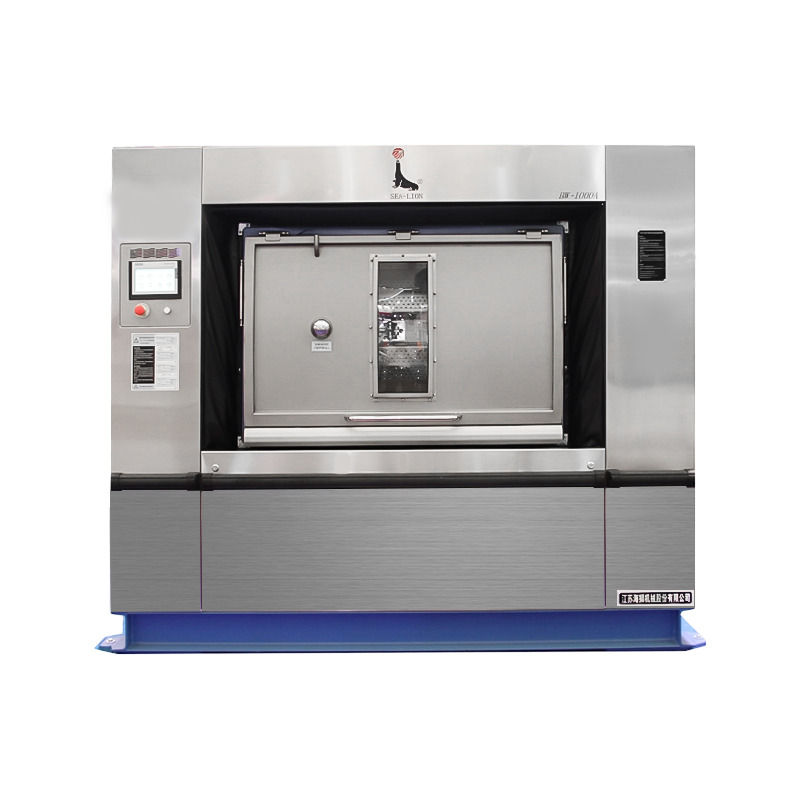
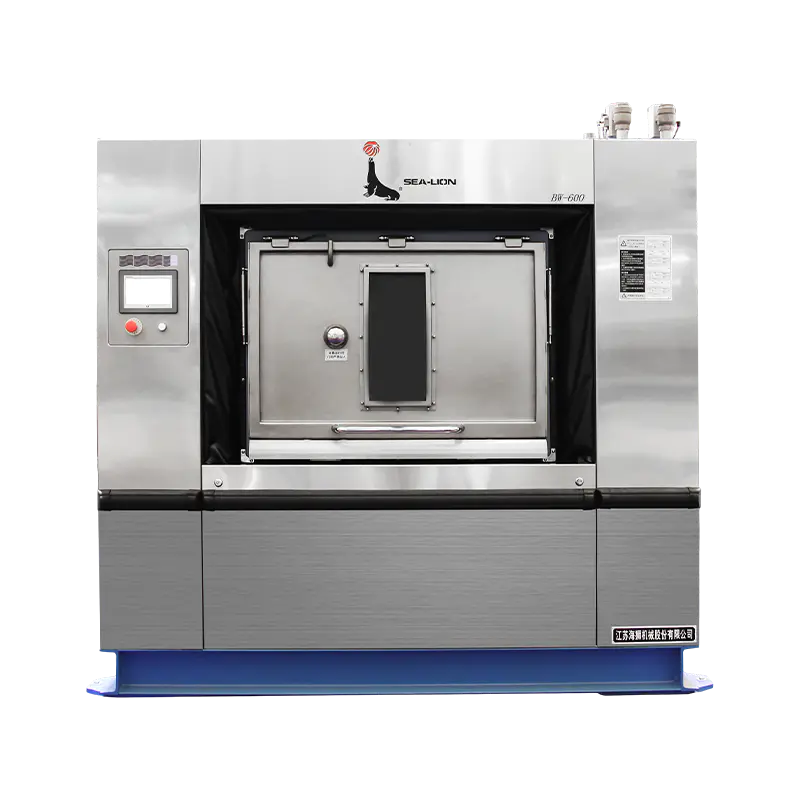
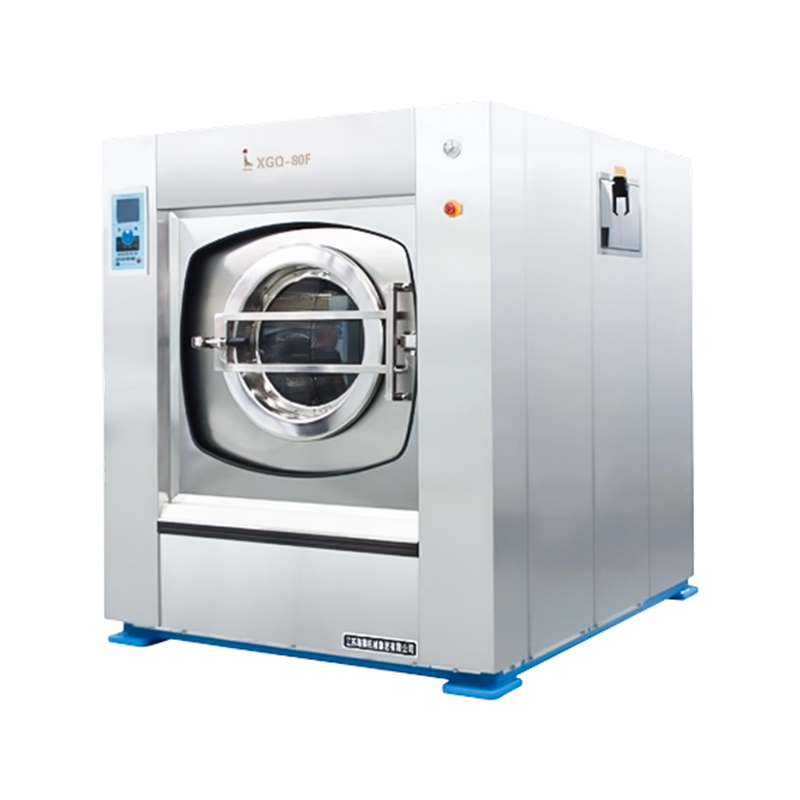
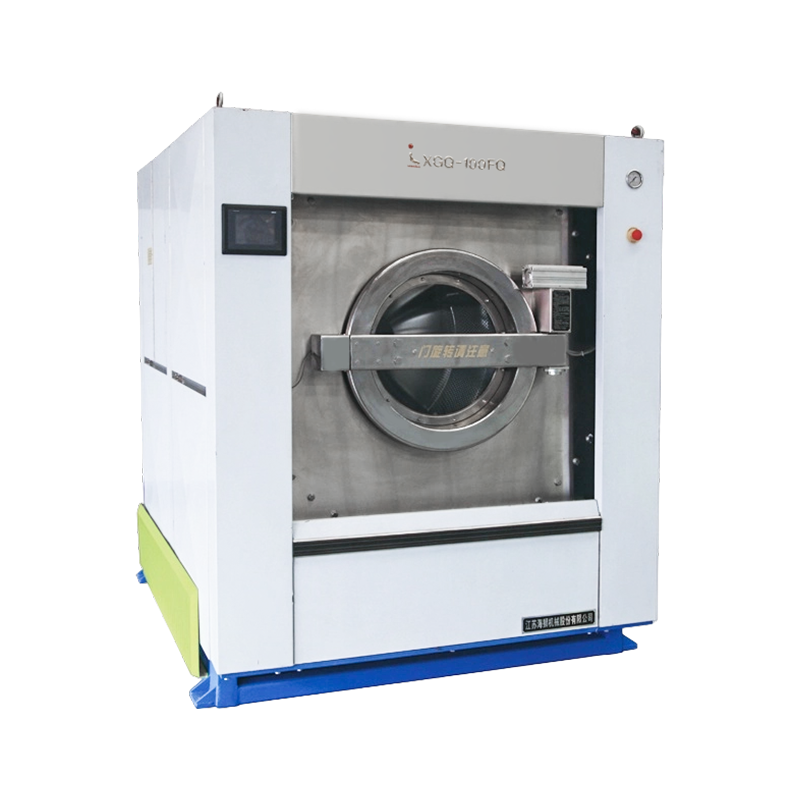
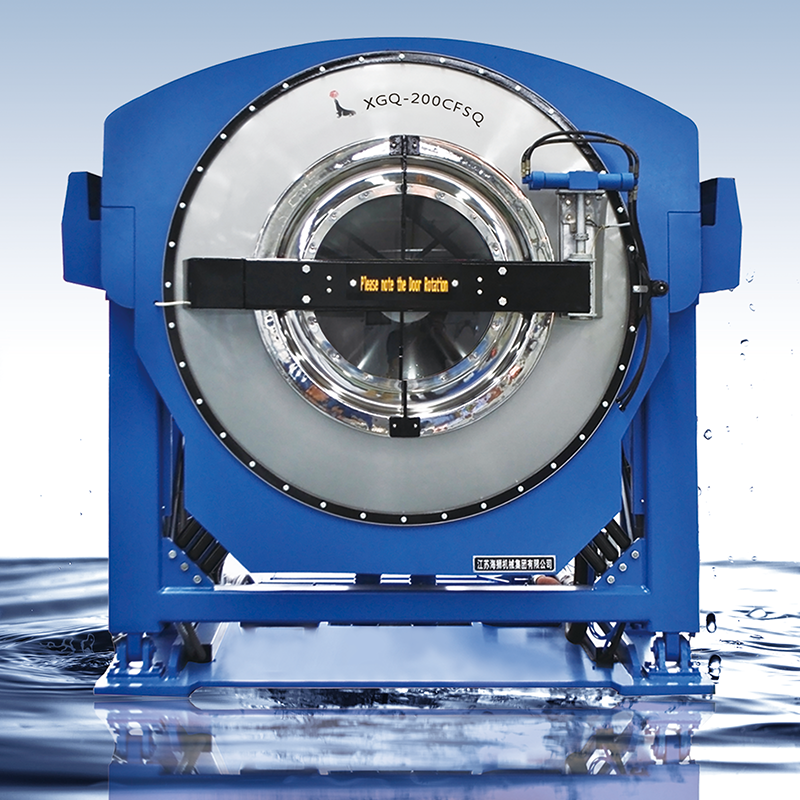
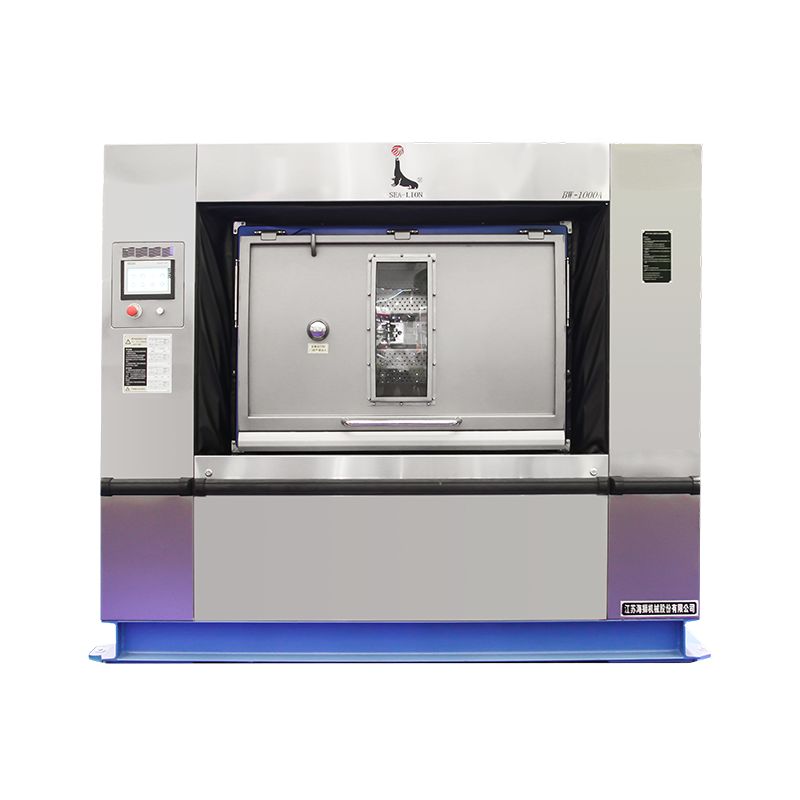
In healthcare and pharmaceutical laundry operations, the question is not whether linen contains pathogens, but how to ensure those pathogens never reach the clean side. The barrier washer extractor provides the engineering answer.
Unlike conventional washing machines that share a single loading and unloading door, a barrier washer extractor is designed around a fundamental principle: physical separation. This article explains the specific mechanisms—from dual-door isolation and validated thermal cycles to differential air pressure and interlock systems—that make this equipment effective in preventing cross-contamination in critical environments.
The Core Mechanism: Physical Separation as the First Defense
The primary contamination risk in traditional laundry comes from the same door being used to load soiled linen and unload clean linen. This single-door design creates a pathway for airborne particles, surface contact, and operator cross-transfer. The barrier washer extractor eliminates this pathway through a wall-partitioned installation [citation:7].
Two Zones, Two Doors, One Purpose
- Soil Zone (Dirty Side): Located in the receiving area. Operators load contaminated linen through the front door.
- Clean Zone (Unloading Side): Located on the opposite side of a physical wall. Processed linen is removed through the rear door [citation:1].
This wall-mount design means that even if a door is opened on one side, the other side remains closed, maintaining the barrier [citation:8].
Preventing Cross-Contamination Through Sequential Flow
The operational workflow is strictly one-way. Soiled linen enters from the non-clean zone, and after the complete wash, rinse, and extraction cycle, clean linen exits exclusively on the clean side [citation:2]. This unidirectional flow prevents re-contamination of freshly washed linen by soiled items or dirty room air.
| Feature | Conventional Washer Extractor | Barrier Washer Extractor |
|---|---|---|
| Door Configuration | Single door (load & unload) | Dual opposite doors |
| Zone Separation | None (single room) | Physical wall partition |
| Cross-Contamination Risk | High (airborne + contact) | Near-zero (physically isolated) |
Thermal Disinfection: The Scientific Validation
Physical separation alone is insufficient; the washing process itself must achieve pathogen inactivation. A barrier washer extractor is programmed to meet stringent thermal disinfection standards, typically operating at temperatures of 71°C to 90°C during the main wash and bleach steps [citation:3].
In a controlled study using commercial washer-extractors, researchers inoculated polyurethane-coated fabrics with high concentrations of pathogens (approximately 107 CFU/mL). After a complete laundering cycle consisting of flush, break, bleach (71°C), rinses, souring, and extraction, no pathogenic organisms were detected on any test barrier [citation:3]. This validates that when combined with appropriate temperature and chemistry, the equipment reliably eliminates biological hazards.
Role of the Bleach Step
The thermal disinfection efficacy relies on a chlorine bleach step at 71°C with 6 fl oz/100 lb concentration. This step, coupled with high water levels and mechanical action, ensures that even the most difficult-to-clean areas—such as seams and folds—are sufficiently decontaminated [citation:3].
Engineering Controls: Interlocks and Automation
Human error is a significant vector for cross-contamination. Barrier washer extractors incorporate programmable logic controller (PLC) systems with electrical interlocks to enforce protocol [citation:5].
- Door Interlocking: The PLC ensures the clean-side door can only be opened after the wash program is fully completed. If the cycle is interrupted or incomplete, the clean side remains locked [citation:5].
- Drum Alignment: Proximity sensors automatically align the inner and outer drum doors during loading and unloading. This prevents misalignment that could compromise the seal or cause fabric snagging [citation:5].
- Visual and Audible Alarms: LED blinker lamps indicate program completion, signaling clean-side operators to unload, and then transfer control back to the dirty side after unloading [citation:5].
Key Point: The PLC-controlled interlock system does not rely on operator discipline alone. It physically prevents the clean-side door from being opened before the cycle is finished, eliminating the risk of premature unloading.
Air Pressure Management: An Overlooked Factor
Cross-contamination is not limited to linen-to-linen contact. Airborne particles from the dirty zone can migrate to the clean zone through gaps or during door opening. Advanced installations maintain differential air pressure between the two zones. The clean room is kept at a positive pressure relative to the dirty room, so that when the barrier washer's doors are opened on either side, air flows from the clean side toward the dirty side, not the reverse.
Comparison: Barrier Washer Extractor vs. Standard Washer Extractor
Understanding the practical differences helps in specifying equipment for high-risk environments.
How to Select the Right Barrier Washer Extractor
When evaluating models, consider these technical parameters to ensure the equipment meets your contamination control requirements.
Capacity and Drum Design
- Capacity Range: Typically available from 15 kg to 140 kg per cycle [citation:2][citation:8]. Selection depends on throughput demands and linen type (e.g., surgical gowns vs. heavy bedding).
- Drum Material: All water-contact components should be constructed from 304 stainless steel for corrosion resistance and to prevent rust that could compromise textile integrity [citation:8].
- Recessed Drum Holes: A recessed-hole design with electrolytic polishing prevents snagging and damage to delicate barrier fabrics [citation:8].
Control and Programmability
- Number of Programs: Look for machines offering at least 40 customizable programs to accommodate different linen types and contamination levels [citation:8].
- Touchscreen Interface: A full-color LCD with menu-based navigation and three-level user access reduces operator errors and provides clear cycle status [citation:8].
- Traceability: Some systems include software for complete cycle traceability, essential for regulatory compliance in healthcare settings [citation:1].
Physical Installation Requirements
- Foundation: Barrier washers are heavy (up to 3100 kg) and require a reinforced foundation to manage vibration [citation:2].
- Utility Connections: Check steam, hot/cold water, and drain connections. Industrial models require G1" to G1.5" inlets and G3" to G5" drains [citation:2].
- Air Springs: High-quality models use German-imported air springs and hydraulic dampers to minimize vibration and noise, which is critical in cleanroom environments [citation:8].
Frequently Asked Questions
Q1: What is the main difference between a barrier washer extractor and a standard washer extractor?
The primary difference is the dual-door design with a physical wall partition. A barrier washer extractor has a loading door on the dirty side and an unloading door on the clean side, preventing recontamination. A standard washer uses a single door for both loading and unloading [citation:1][citation:2].
Q2: How does the barrier washer extractor prevent airborne cross-contamination?
By maintaining a positive air pressure differential in the clean zone relative to the dirty zone, air flows from clean to dirty. Combined with the wall-mount separation, this minimizes the transfer of airborne particles [citation:8].
Q3: What temperatures are used in barrier washer cycles for disinfection?
Typical thermal disinfection cycles reach 71°C during the bleach step and up to 90°C for hygiene programs. These temperatures, combined with chlorine bleach, achieve >6 log reductions of pathogens [citation:3][citation:10].
Q4: Why is a PLC interlock important in a barrier washer extractor?
The PLC interlock ensures that the clean-side door cannot be opened until the wash program is completed and verified. This prevents human error and premature unloading, maintaining the contamination barrier [citation:5].
Q5: Can a barrier washer extractor be used for cleanroom garments?
Yes. They are specifically designed for cleanroom laundry, processing anti-static garments, sterile gloves, and lint-free wipes. The dual-compartment isolation and stainless steel construction meet stringent dust-free and anti-static requirements [citation:8].

- No. 2 Lehong Road, Leyu Town, Zhangjiagang, Suzhou City, Jiangsu Province, China
- +86-512-58602532
- [email protected]
Copyright @ Jiangsu Sea-Lion Machinery Co., Ltd. All rights reserved
Custom Laundry Equipment Suppliers